
 英语
英语 西班牙语
西班牙语 阿拉伯语
阿拉伯语Cat:Products
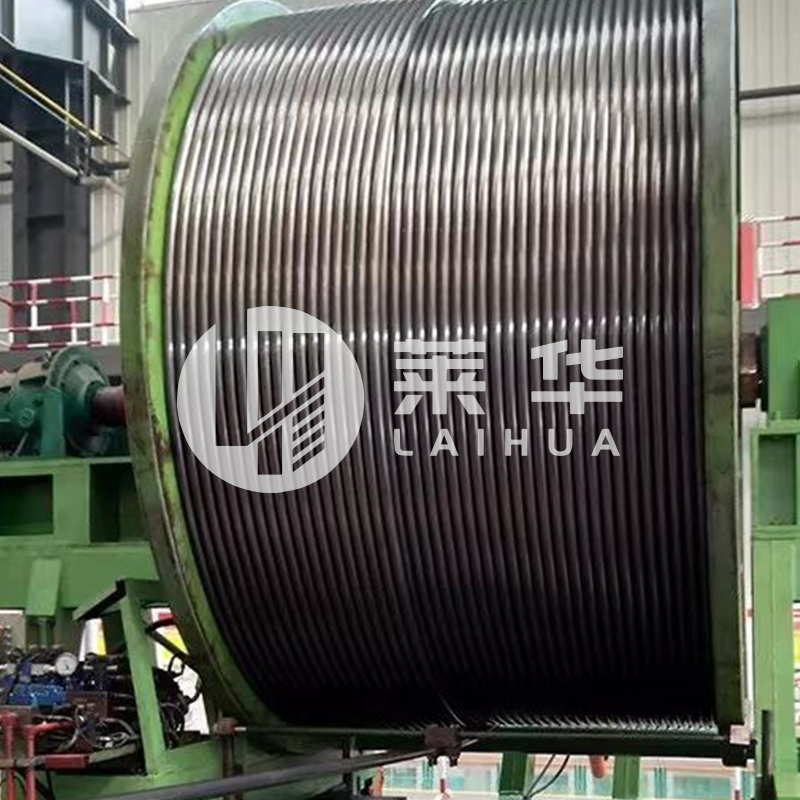
Continuous tubing, also known as flexible tubing or flexible tubing, is widely used in the fields of well workover, logging and drilling, etc. Its pro...
See Details
Content
Weld overlay, also known as weld cladding or surfacing, is a manufacturing process used to create stainless steel clad pipe by depositing a corrosion-resistant alloy layer onto the internal surface of a less expensive carbon or low-alloy steel backing pipe. Unlike roll-bonded or explosion-bonded methods, weld overlay builds the clad layer metallurgically through fusion welding. The process involves using an automated welding system to apply successive, overlapping weld beads along the entire length of the pipe's interior. This creates a fully dense, homogeneous stainless steel layer that is integrally bonded to the base material. The primary intent is to combine the mechanical strength and economy of carbon steel with the specific corrosion, erosion, or high-temperature resistance of a stainless steel alloy, resulting in a cost-effective solution for demanding service environments.
The application of the clad layer is achieved through automated, precision welding techniques that ensure consistency and quality. The choice of process depends on factors like pipe size, desired clad thickness, production rate, and alloy composition.
Submerged Arc Welding is a prevalent method for weld overlay cladding on large-diameter pipes. The arc is struck beneath a blanket of granular fusible flux, which prevents atmospheric contamination, spatter, and UV radiation. SAW offers high deposition rates and deep penetration, making it efficient for applying thick clad layers. It is typically used with strip electrodes (e.g., 60mm wide) for maximum productivity and a smooth, dilute overlay surface.
Gas Tungsten Arc Welding employs a non-consumable tungsten electrode and an inert shielding gas. Known for its precision and excellent control over heat input, GTAW produces high-purity, low-dilution weld deposits. This is critical when cladding with high-performance alloys like Inconel or Hastelloy, where minimizing the mixing of carbon steel from the base pipe is essential to maintain the clad's corrosion resistance. It is often used for smaller diameters or the critical root pass.
Gas Metal Arc Welding uses a continuously fed consumable wire electrode and shielding gas. Modern automated GMAW processes, such as Cold Metal Transfer (CMT), are highly effective for cladding. CMT drastically reduces heat input, minimizing dilution and distortion while allowing for high-speed deposition. This makes it suitable for a wide range of pipe sizes and alloy types, offering a good balance between quality and productivity.
Successful weld overlay demands strict control over several parameters to guarantee the integrity and performance of the clad layer. Deviation can lead to defects that compromise the final product.
The selection of welding consumables directly defines the clad layer's properties. The filler metal must be chosen based on the required service corrosion resistance, not merely matching the nominal alloy.
| Common Clad Alloy | Typical Service Environment | Common Welding Consumable Form |
|---|---|---|
| 304/304L Stainless Steel | General corrosion, organic acids | Wire, Strip |
| 316/316L Stainless Steel | Chloride-containing environments, process piping | Wire, Strip |
| Alloy 625 (Inconel) | High chloride, sour service, high temperatures | Wire |
| Duplex 2205 | Chloride stress corrosion cracking (SCC) resistance | Wire |
The base pipe, or backing steel, is typically carbon steel (e.g., ASTM A106 Gr. B) or low-alloy steel. Its primary function is to provide structural strength and pressure containment. The surface must be thoroughly cleaned (by grinding or machining) and inspected prior to cladding to remove any oxides, scale, or contaminants that could cause bonding defects.
Once the weld overlay is applied, the clad pipe undergoes several critical finishing and verification steps. The internal clad surface is often machined or ground to achieve a smooth, final dimensional tolerance and to remove any surface irregularities that could trap contaminants or impede flow. The pipe is then subjected to a rigorous battery of non-destructive examinations (NDE). Dye Penetrant Testing (PT) or Magnetic Particle Testing (MT) checks for surface cracks. Ultrasonic Testing (UT) is extensively used to measure the final clad thickness uniformly along the pipe and to detect any lack-of-bonding between the clad and base metal. Finally, the pipe is heat-treated if required by specification (typically post-weld heat treatment for stress relief) and undergoes hydrostatic testing to validate its pressure integrity as a composite structure.
Understanding the pros and cons of this method is vital for proper material selection in project design.
In conclusion, creating stainless steel clad pipe via weld overlay is a sophisticated, engineered process that transforms a carbon steel pipe into a bimetallic product. Through meticulous control of automated welding, parameters, and material science, it delivers a robust and economical solution where corrosion resistance and structural strength are paramount.
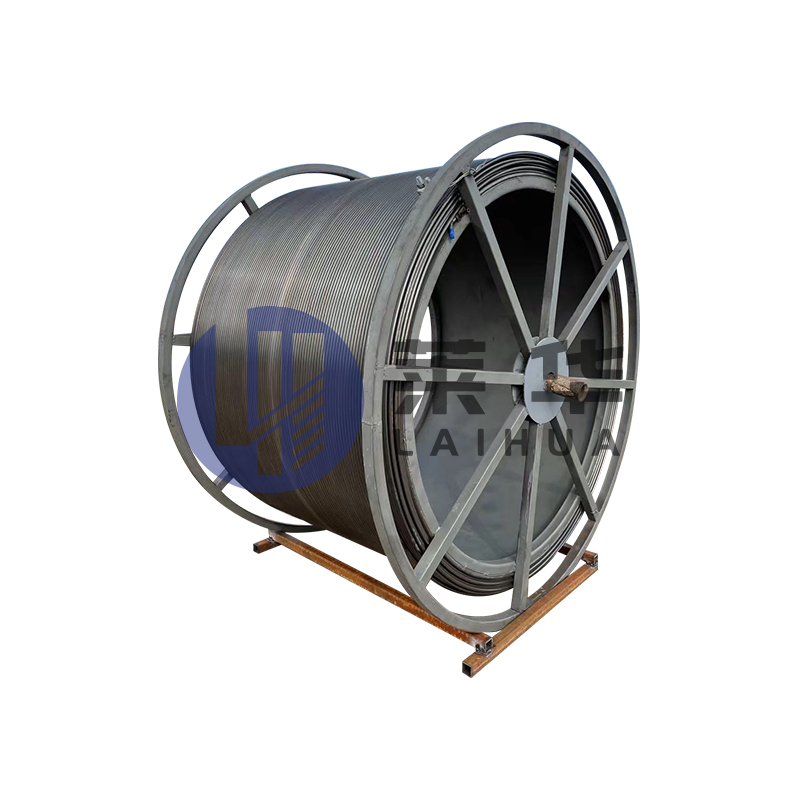
Continuous tubing, also known as flexible tubing or flexible tubing, is widely used in the fields of well workover, logging and drilling, etc. Its pro...
See Details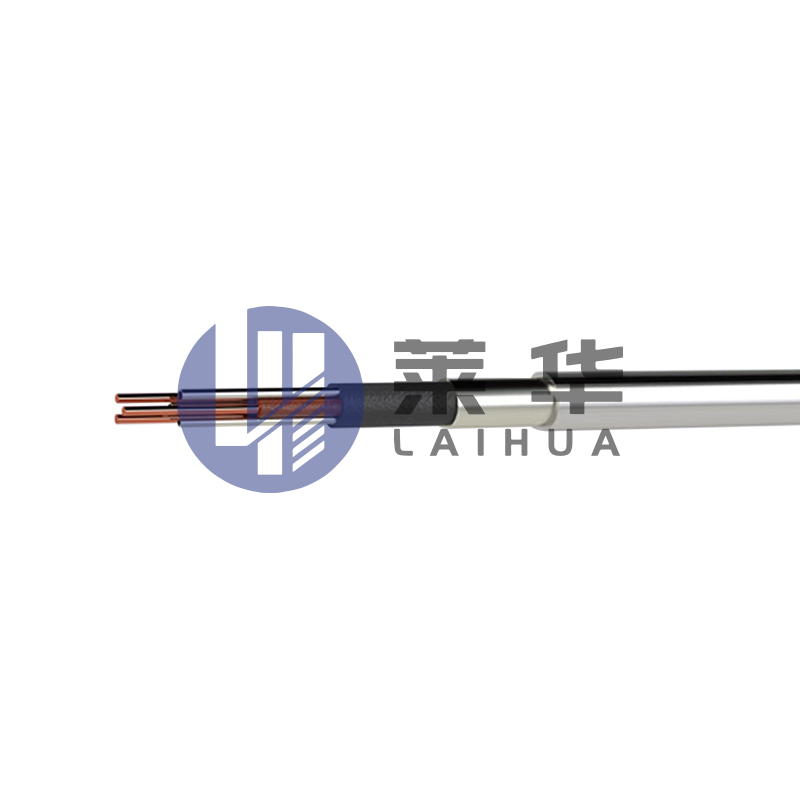
Purpose: The high-temperature testing cable, combined with the high-temperature testing vehicle, is mainly used in multi-parameter testing of heavy oi...
See Details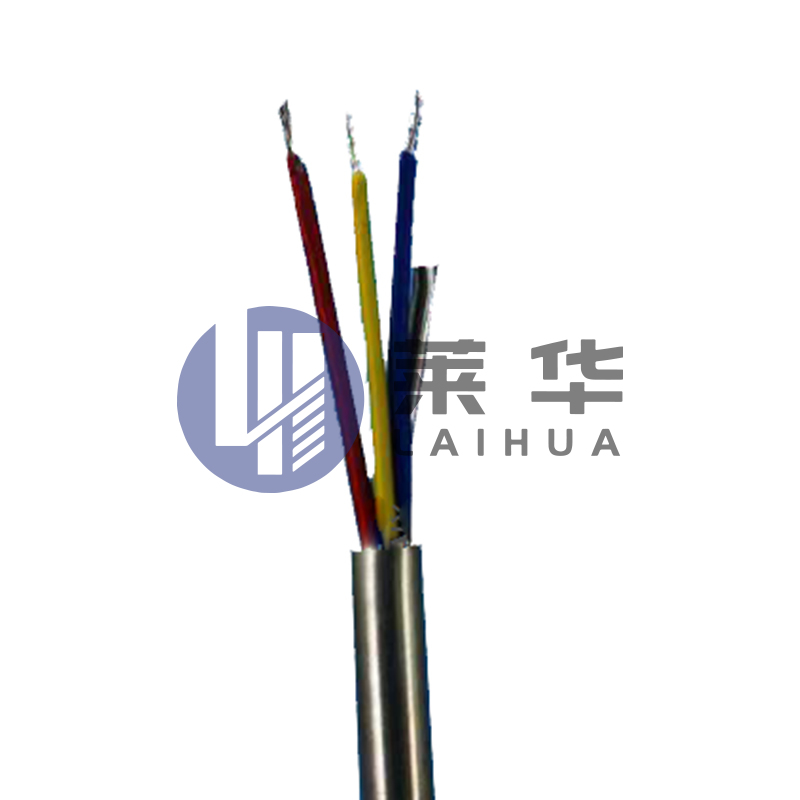
The Stainless Steel Fibre Optic Test Cable is a special test cable that combines the durability of stainless steel with the high transmission efficien...
See Details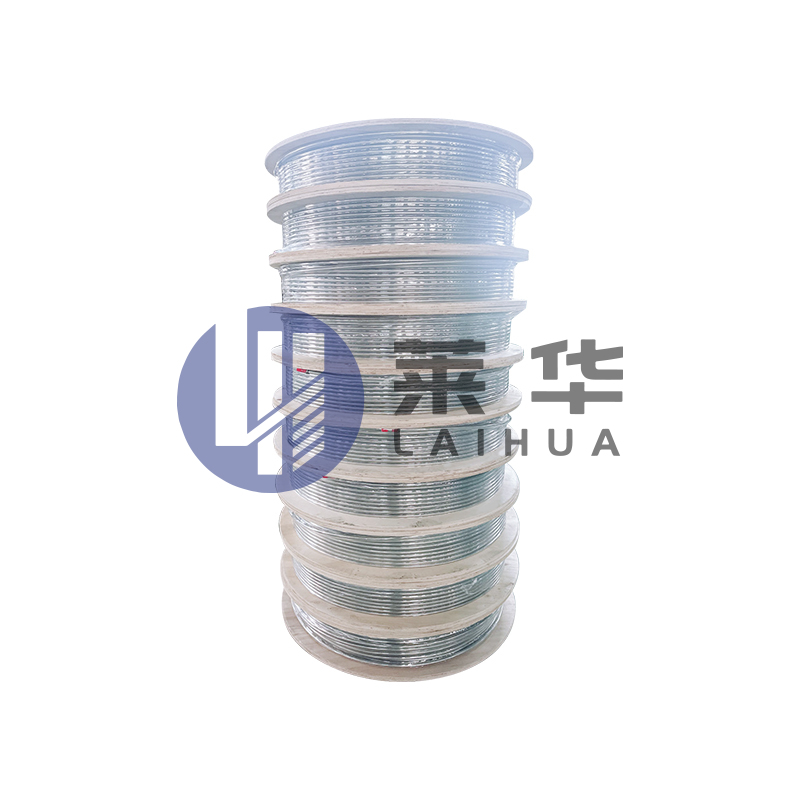
Instructions for the use of hydraulic control pipelines Hydraulic control pipeline, also known as capillary. Mainly used for underground capillary pre...
See Details
Stainless steel clad pipe is a piping system that combines the durability of stainless steel with the protection of plastic. This piping system is usu...
See Details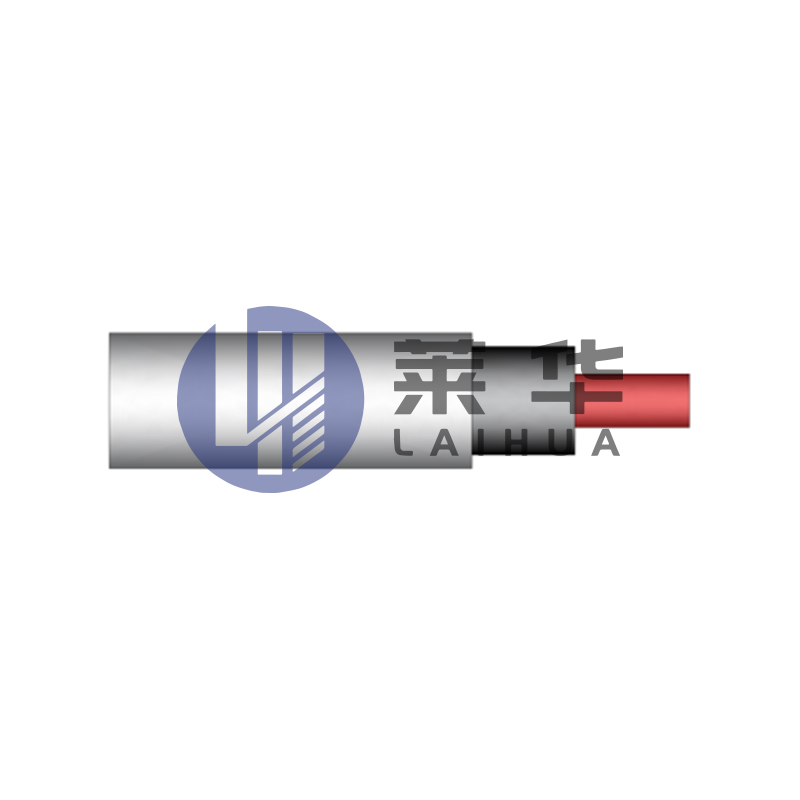
Application field:The electric induction heating system is a complete set of electric heating devices developed by our company specifically for heavy ...
See Details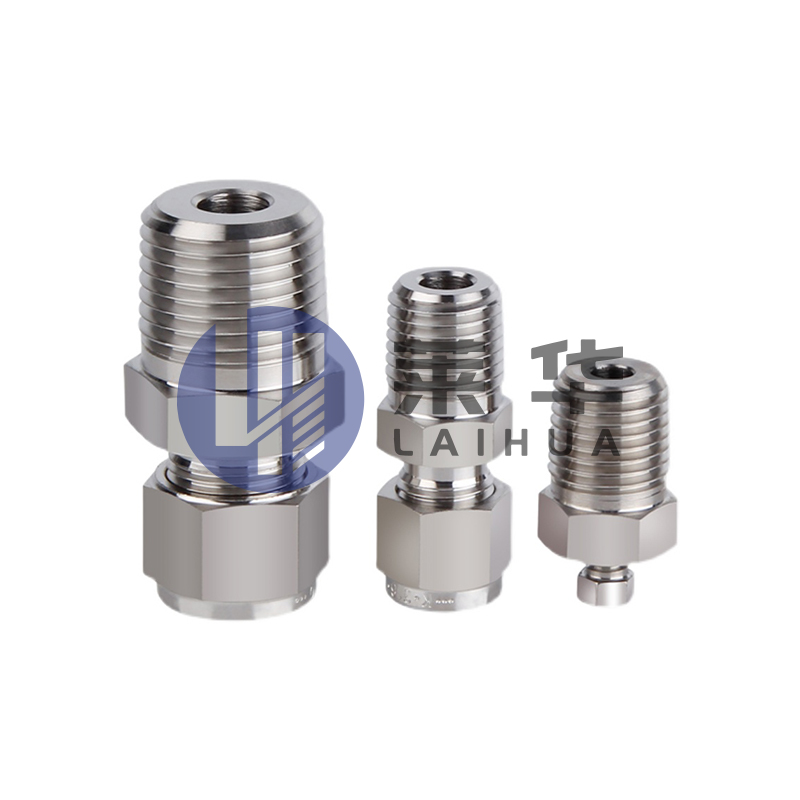
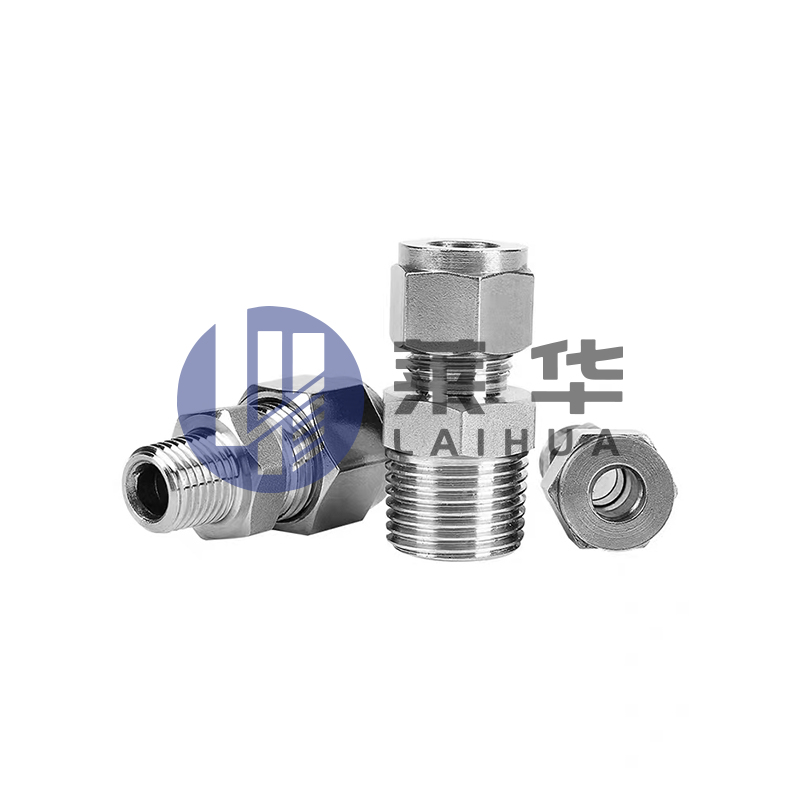
The ferrule type pipe joint consists of three parts: the joint body, ferrule, and nut. When the clamp and nut are inserted into the joint body on the ...
See Details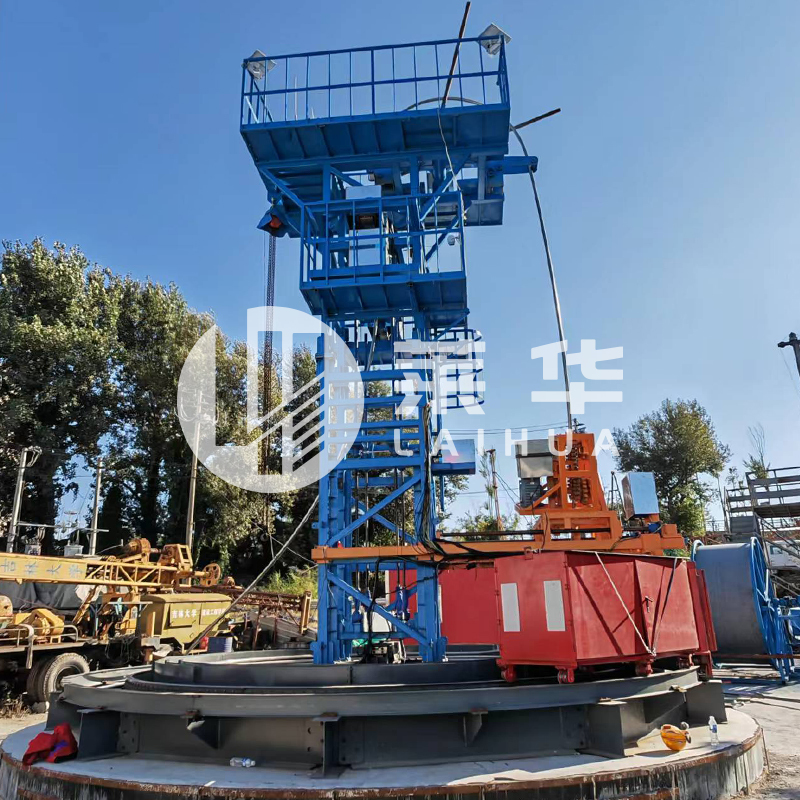
Continuous Tubing Skid Winch is a specially designed equipment for oilfield operations, which combines the design features of the Continuous Tubing Wo...
See Details
E-mail: [email protected]

Phone: +86-15996597000
+86-18252893456

Whatsapp: +86-18252874678

Address: No. 3 Xinyuan Road, Nanmo Town Industrial Park, Hai'an City, Nantong City, Jiangsu Province, China
QR code on
mobile phone



Contact Us