
 英语
英语 西班牙语
西班牙语 阿拉伯语
阿拉伯语Cat:Products
Continuous tubing, also known as flexible tubing or flexible tubing, is widely used in the fields of well workover, logging and drilling, etc. Its pro...
See Details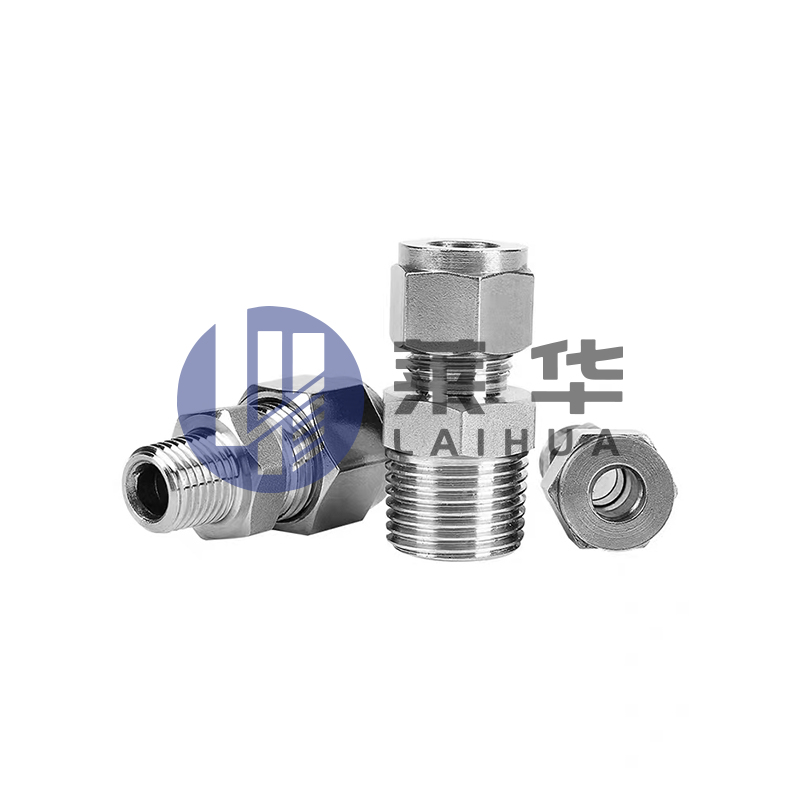
Content
Stainless steel ferrule joints, encompassing compression fittings like those from the popular Swagelok, Parker, and Gyrolok brands, are ubiquitous in industries ranging from oil and gas and chemical processing to pharmaceuticals and semiconductor manufacturing. Their reliability in creating leak-tight seals on tubing is well-established. However, their very familiarity can breed complacency. Working with these components involves pressurized systems, potential chemical hazards, and mechanical energy, all of which demand a rigorous, unwavering commitment to safety.
Before touching a single tool, the most critical safety step is understanding the system you are about to intervene in. This foundational knowledge dictates every subsequent action.
1. Positive System Isolation and De-energization: Never assume a valve is closed. A stainless steel ferrule joint is only as safe as the system it’s part of.
2. Full Fluid Characterization: Know exactly what media the system contains or has contained.
3. Personal Protective Equipment (PPE): PPE is your last line of defense and must be appropriate for the identified hazards.
4. Component Inspection: A faulty component can fail catastrophically.
5. Tubing Preparation – A Critical, Often Neglected, Step: Poorly prepared tubing is a primary cause of leaks and joint failure.
6. Follow the Manufacturer’s Procedure Exactly: This is not a place for “feel” or “experience-based” shortcuts. Obtain and follow the manufacturer’s installation instructions.
7. Respect System Energization: Once the joint is assembled, re-energize the system with extreme caution.
8. Working with Oxygen or Oxidizing Media: Systems require ultra-clean, oil-free stainless steel ferrule joints and tubing. Hydrocarbon-based lubricants or contaminants can spontaneously ignite in an oxygen-rich environment. Use components cleaned for oxygen service and handle them with clean, grease-free gloves.
9. Vibration and Pulsation: In high-vibration environments, a standard ferrule joint may work-harden and fail over time. Use fittings designed for vibration or ensure proper pipe/ tube support to minimize transmitted vibration. Inspect these joints more frequently.
10. Reusing Fittings – A Controversial Topic: Manufacturer guidance generally discourages reusing ferrule fittings. If reuse is attempted under controlled circumstances:
11. Disassembly Safety: Before disassembly, confirm the system is fully isolated, depressurized, and at a safe temperature. For systems that contained hazardous fluids, consider a flush/purge procedure. When breaking the joint, be aware that stored mechanical stress in the tubing may cause it to spring slightly.
Technical precautions are vital, but systemic safety is more powerful.
Safety when working with stainless steel ferrule joints is not a single action but a disciplined process rooted in knowledge, preparation, and meticulous execution. It begins with a deep respect for the energy contained within the system and a commitment to positive isolation. It is enforced through the rigorous use of correct procedures, proper tools, and appropriate PPE. By moving beyond a simple mechanical task and viewing each joint connection as an integral part of a larger, potentially hazardous system, technicians and engineers can ensure not only the leak-free performance of the fitting but, more importantly, the well-being of everyone in the work area. The reliability of the stainless steel ferrule joint is legendary, but that reliability is ultimately dependent on the safe practices of the person installing it.
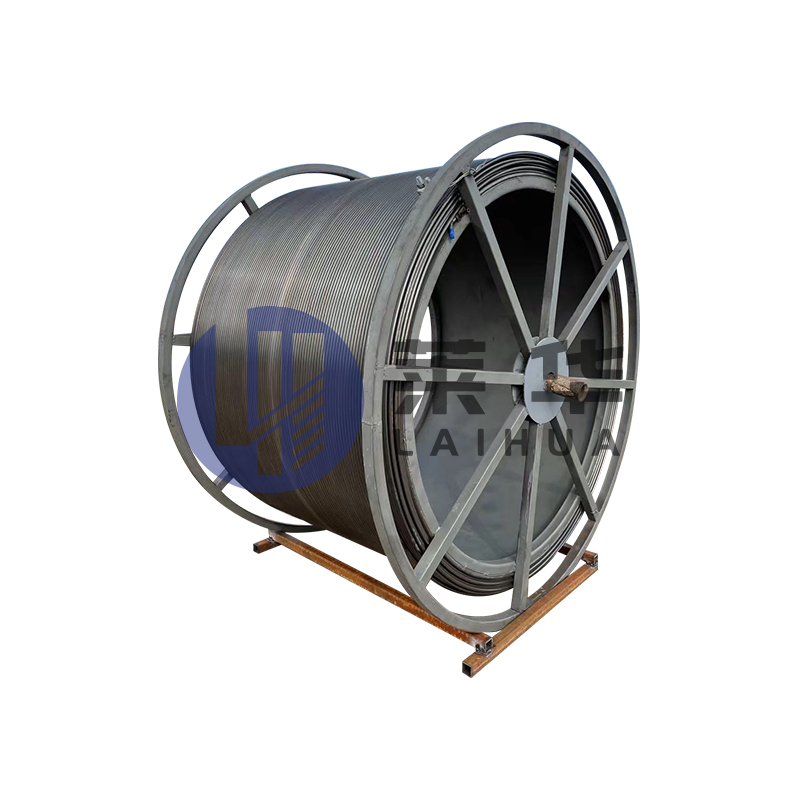
Continuous tubing, also known as flexible tubing or flexible tubing, is widely used in the fields of well workover, logging and drilling, etc. Its pro...
See Details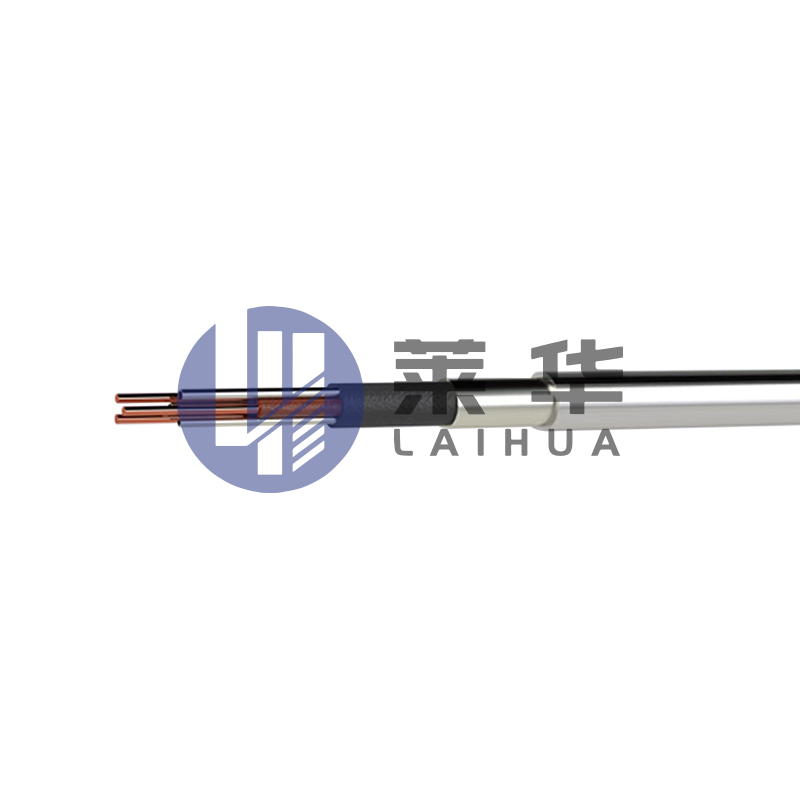
Purpose: The high-temperature testing cable, combined with the high-temperature testing vehicle, is mainly used in multi-parameter testing of heavy oi...
See Details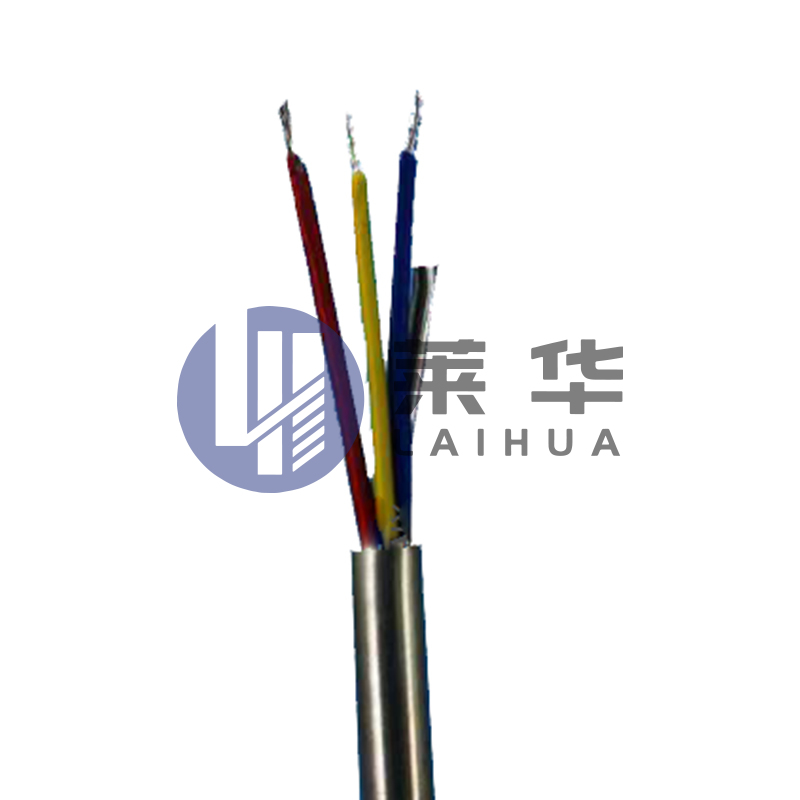
The Stainless Steel Fibre Optic Test Cable is a special test cable that combines the durability of stainless steel with the high transmission efficien...
See Details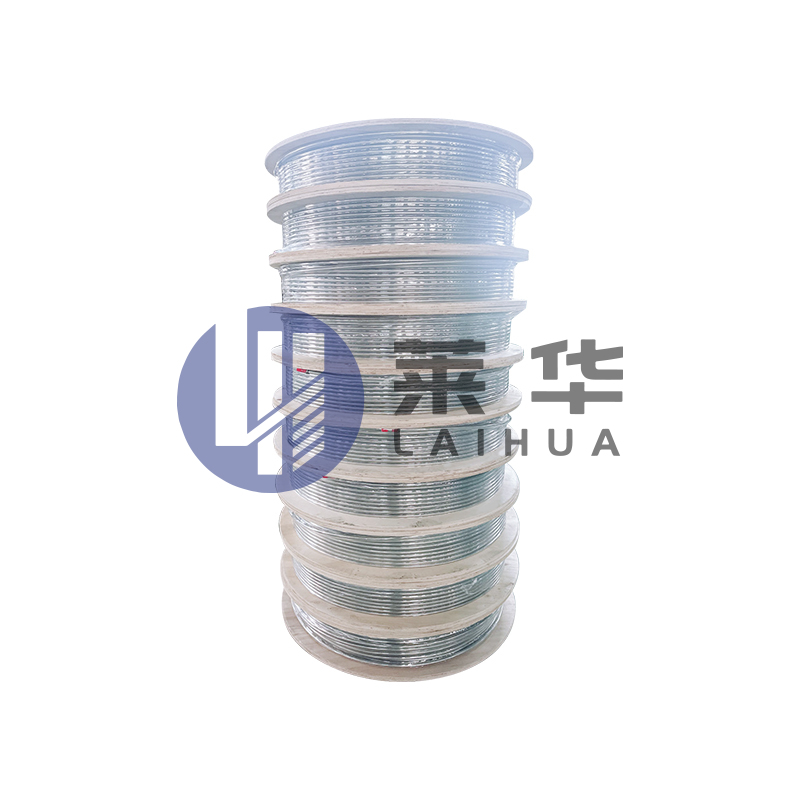
Instructions for the use of hydraulic control pipelines Hydraulic control pipeline, also known as capillary. Mainly used for underground capillary pre...
See Details
Stainless steel clad pipe is a piping system that combines the durability of stainless steel with the protection of plastic. This piping system is usu...
See Details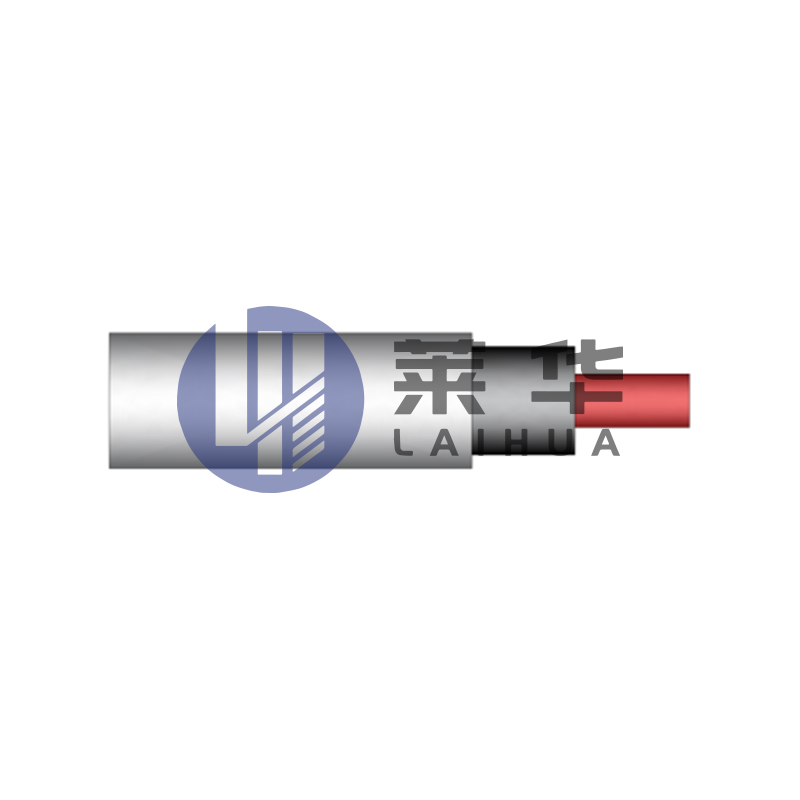
Application field:The electric induction heating system is a complete set of electric heating devices developed by our company specifically for heavy ...
See Details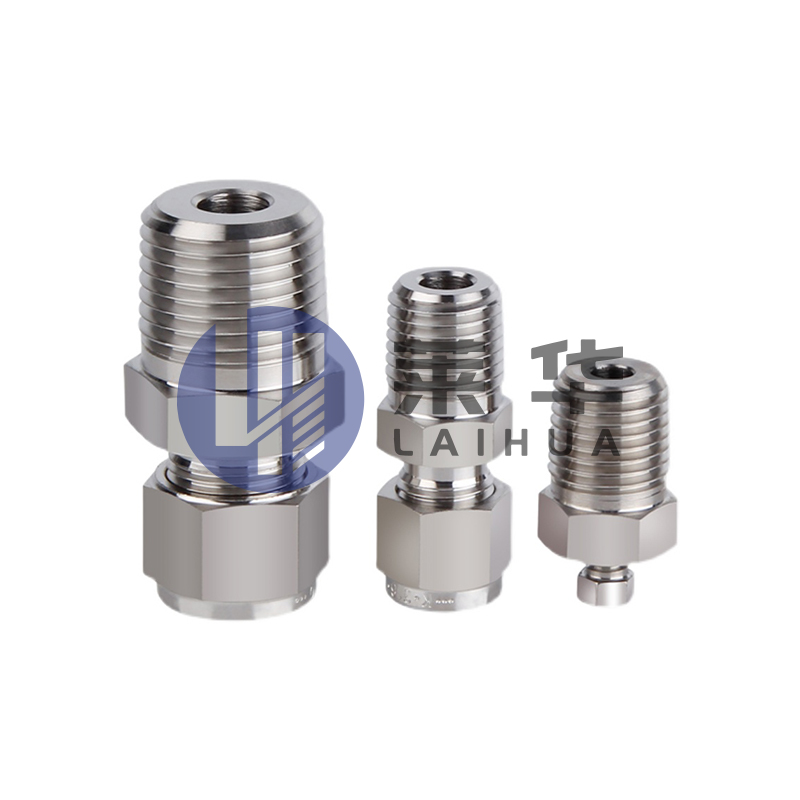
The ferrule type pipe joint consists of three parts: the joint body, ferrule, and nut. When the clamp and nut are inserted into the joint body on the ...
See Details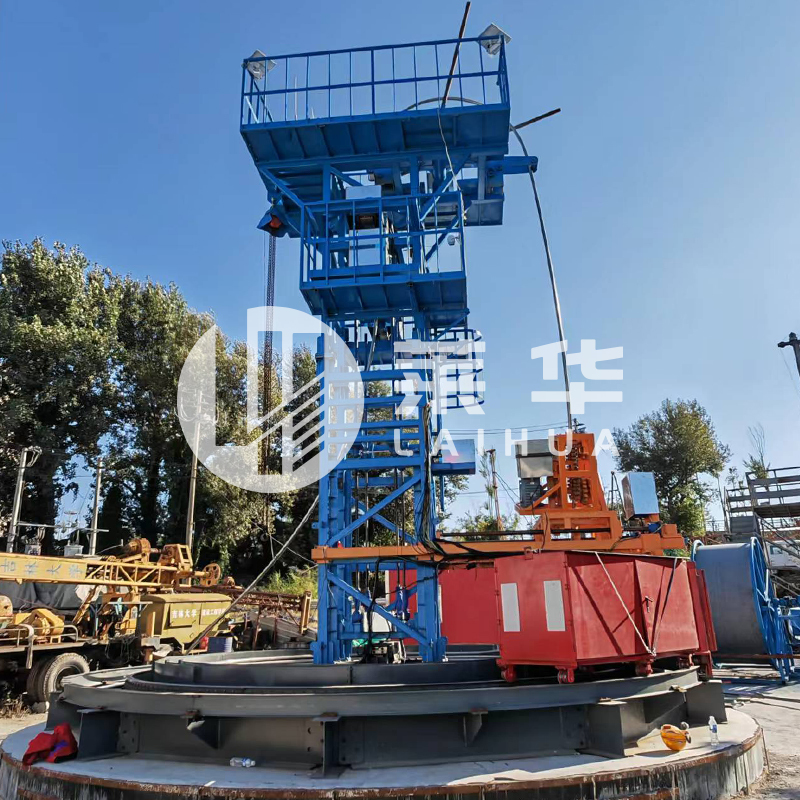
Continuous Tubing Skid Winch is a specially designed equipment for oilfield operations, which combines the design features of the Continuous Tubing Wo...
See Details
E-mail: [email protected]

Phone: +86-15996597000
+86-18252893456

Whatsapp: +86-18252874678

Address: No. 3 Xinyuan Road, Nanmo Town Industrial Park, Hai'an City, Nantong City, Jiangsu Province, China
QR code on
mobile phone



Contact Us