
 英语
英语 西班牙语
西班牙语 阿拉伯语
阿拉伯语Cat:Products
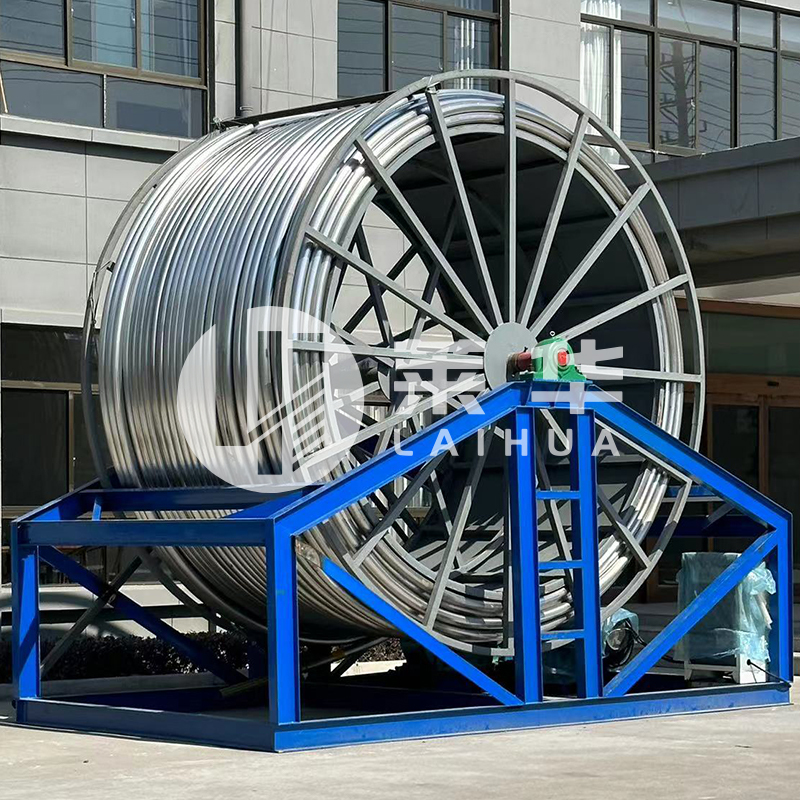
Continuous tubing, also known as flexible tubing or flexible tubing, is widely used in the fields of well workover, logging and drilling, etc. Its pro...
See Details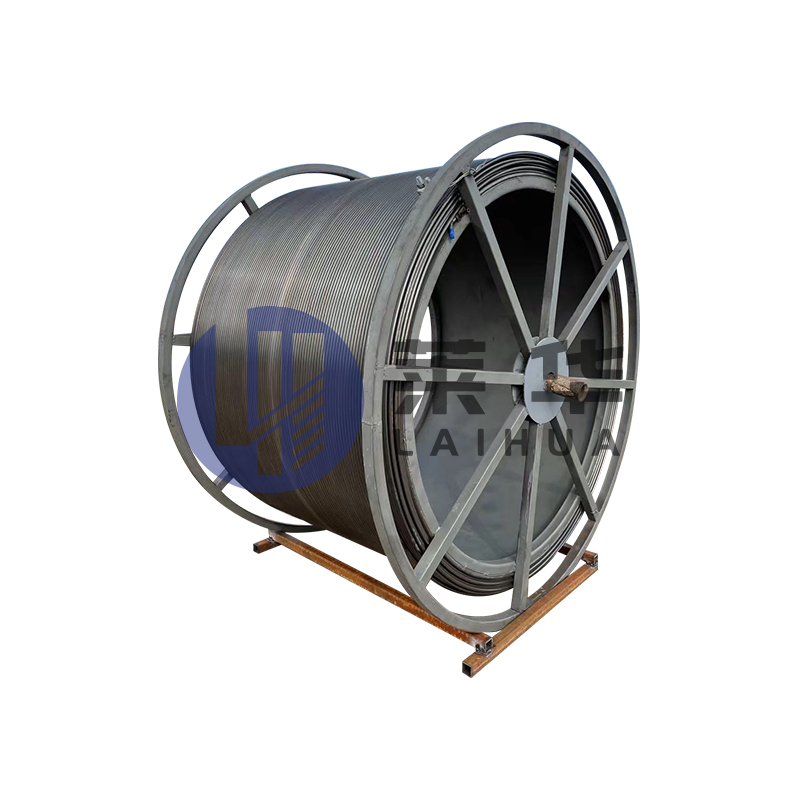
Content
Stainless steel coils are a foundational material in modern industry, known for their corrosion resistance, strength, and versatility. Produced by rolling stainless steel sheets into coiled form, these products are used across manufacturing, construction, and consumer goods. Their continuous form makes them easier to transport, store, and process into various shapes and products.
Choosing the right stainless steel coil requires understanding its composition, thickness, surface finish, and the intended application. Common grades include 304, 316, and 430, each offering distinct corrosion resistance and mechanical properties suited for different environments.
Stainless steel coils are integral to multiple industries due to their durability and resistance to oxidation. Some of the most common applications include:
Understanding coil types is essential for selecting the right product for specific needs. Stainless steel coils are generally classified based on alloy composition, surface finish, and production method.
The most widely used stainless steel alloys include:
The finish of stainless steel coils affects both appearance and functionality. Popular finishes include:
Choosing the right coil involves evaluating the intended use, environmental conditions, and mechanical requirements. Key considerations include:
Proper maintenance is critical to extending the life of stainless steel coils. Regular cleaning, corrosion checks, and surface protection ensure sustained performance and aesthetic appeal.
Use mild detergents or specialized stainless steel cleaners to remove dirt, oil, and contaminants. Avoid harsh abrasives or chlorine-based cleaners that can damage the protective chromium oxide layer. For outdoor applications, applying protective coatings or sealants can reduce corrosion risk.
Store coils in dry, well-ventilated areas to prevent moisture accumulation. Avoid stacking coils directly on the floor; use wooden pallets or supports to prevent deformation and surface scratches. Proper handling with cranes or forklifts prevents mechanical damage and maintains coil integrity.
The following table summarizes key properties of common stainless steel coil types for industrial applications:
| Grade | Corrosion Resistance | Typical Use | Cost |
| 304 | High | Kitchenware, chemical tanks | Moderate |
| 316 | Very High | Marine equipment, offshore | High |
| 430 | Moderate | Appliances, decorative panels | Low |
Stainless steel coils are versatile, durable, and essential in modern industry. Understanding the types, applications, selection criteria, and maintenance practices ensures optimal performance and longevity. Investing in high-quality coils not only reduces long-term costs but also guarantees safety, efficiency, and aesthetic quality in both industrial and commercial projects.
Continuous tubing, also known as flexible tubing or flexible tubing, is widely used in the fields of well workover, logging and drilling, etc. Its pro...
See Details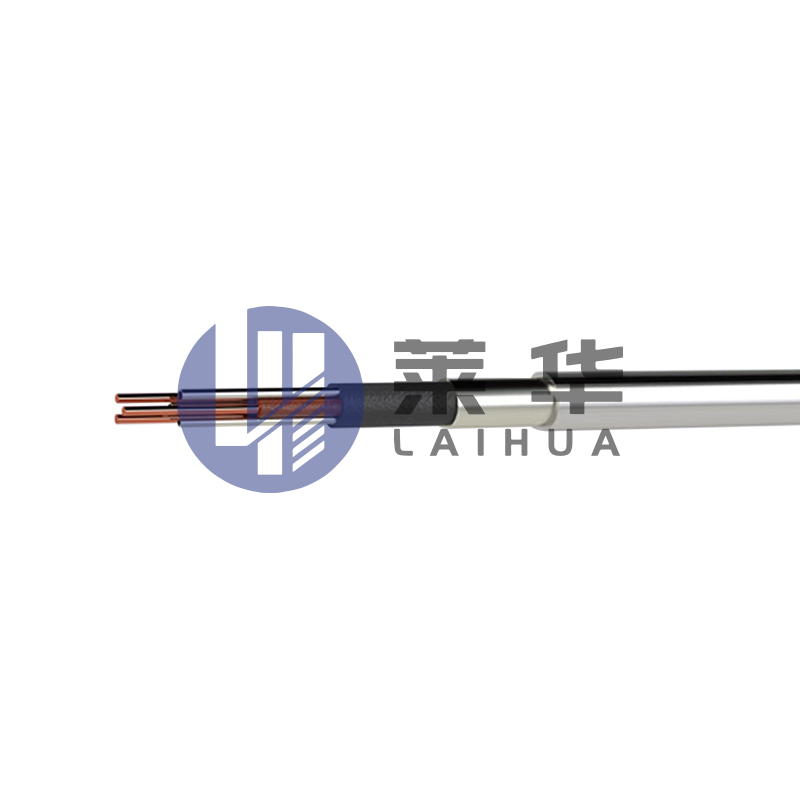
Purpose: The high-temperature testing cable, combined with the high-temperature testing vehicle, is mainly used in multi-parameter testing of heavy oi...
See Details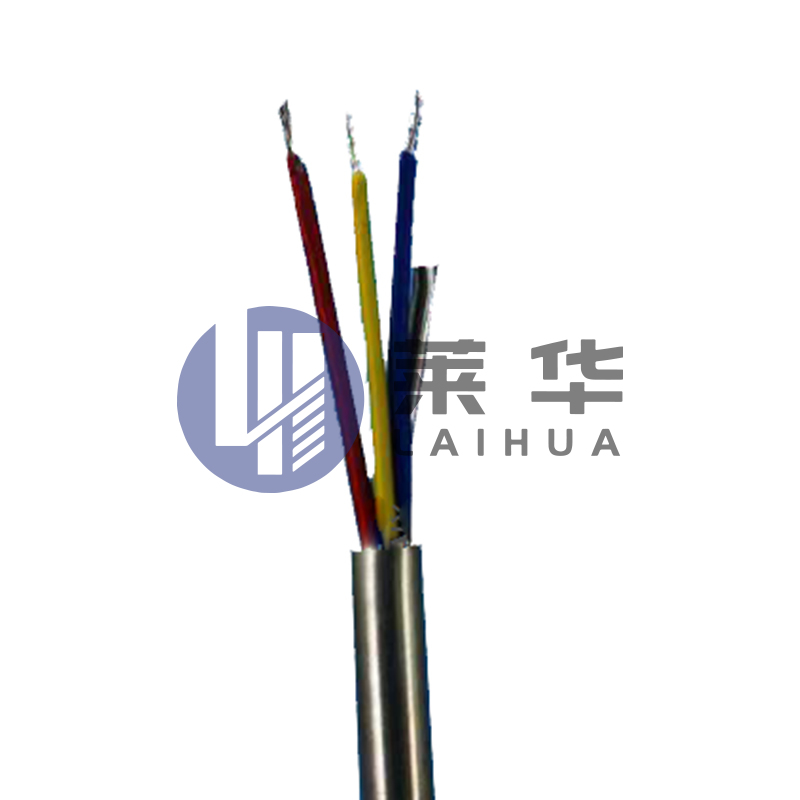
The Stainless Steel Fibre Optic Test Cable is a special test cable that combines the durability of stainless steel with the high transmission efficien...
See Details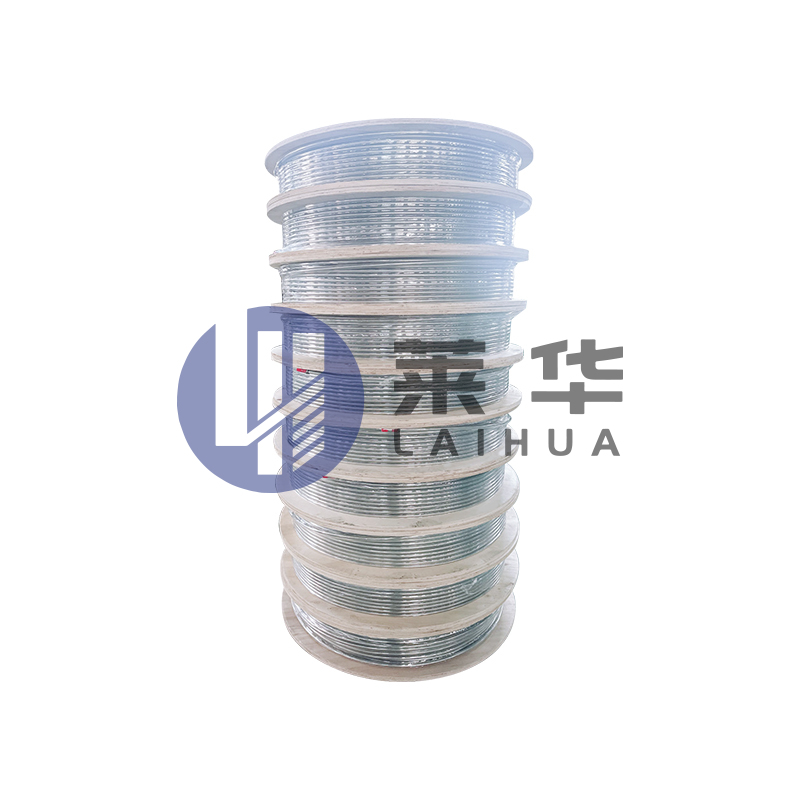
Instructions for the use of hydraulic control pipelines Hydraulic control pipeline, also known as capillary. Mainly used for underground capillary pre...
See Details
Stainless steel clad pipe is a piping system that combines the durability of stainless steel with the protection of plastic. This piping system is usu...
See Details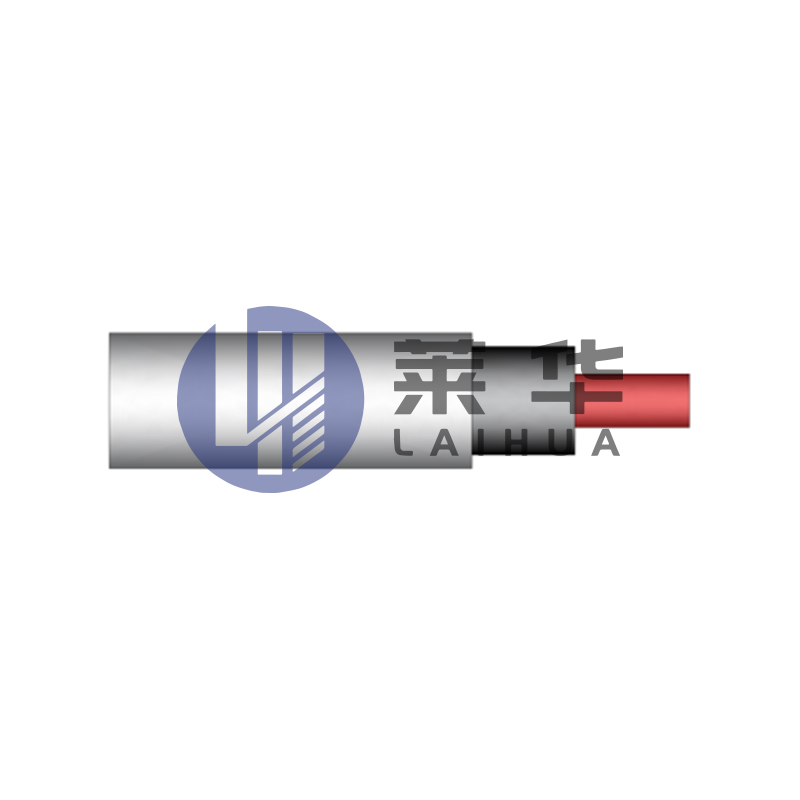
Application field:The electric induction heating system is a complete set of electric heating devices developed by our company specifically for heavy ...
See Details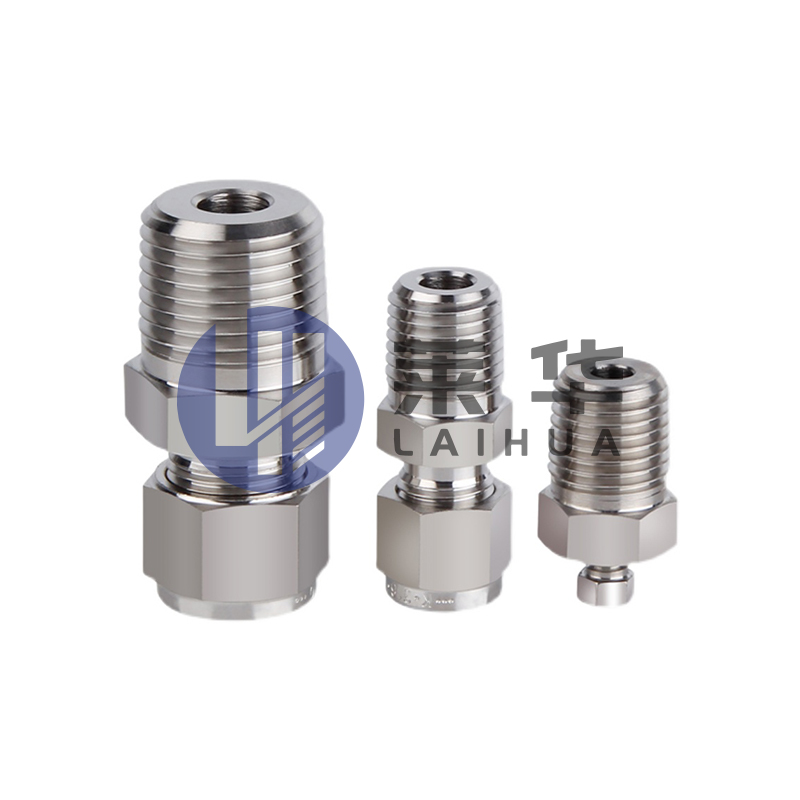
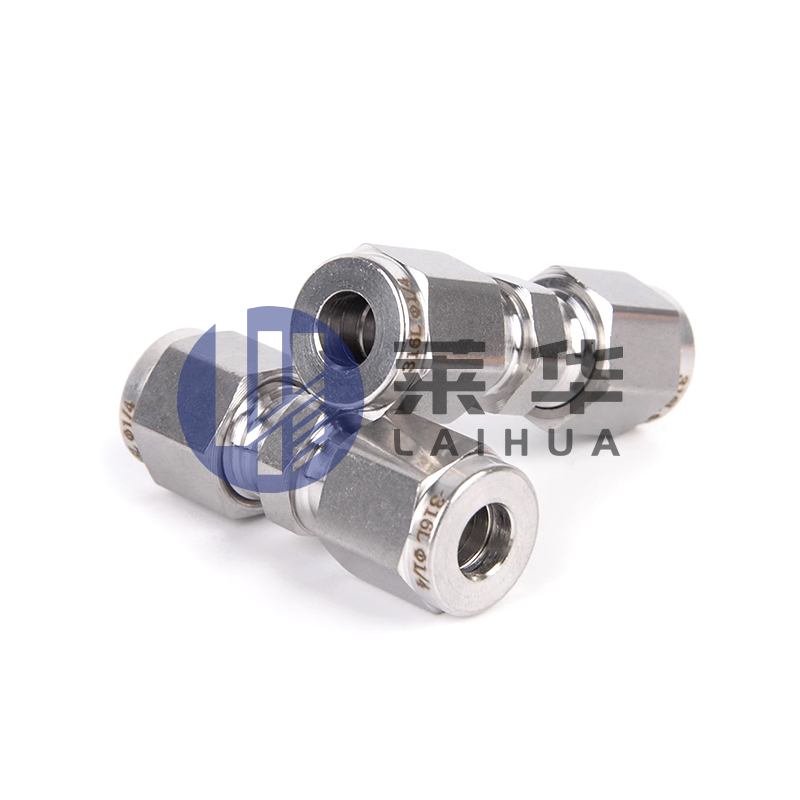
The ferrule type pipe joint consists of three parts: the joint body, ferrule, and nut. When the clamp and nut are inserted into the joint body on the ...
See Details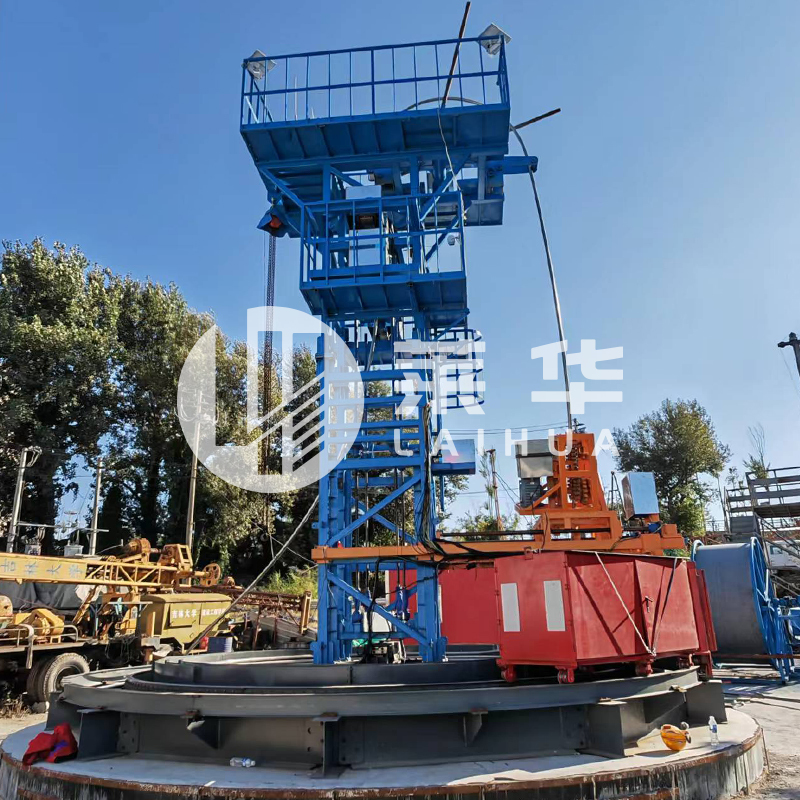
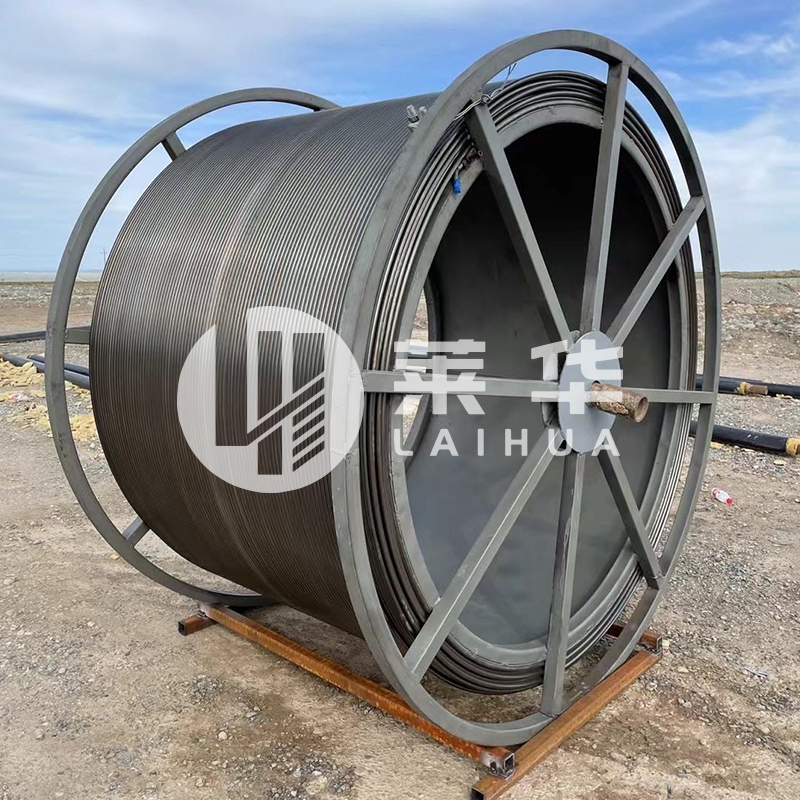
Continuous Tubing Skid Winch is a specially designed equipment for oilfield operations, which combines the design features of the Continuous Tubing Wo...
See Details
E-mail: [email protected]

Phone: +86-15996597000
+86-18252893456

Whatsapp: +86-18252874678

Address: No. 3 Xinyuan Road, Nanmo Town Industrial Park, Hai'an City, Nantong City, Jiangsu Province, China
QR code on
mobile phone



Contact Us