
 英语
英语 西班牙语
西班牙语 阿拉伯语
阿拉伯语Cat:Products
Continuous tubing, also known as flexible tubing or flexible tubing, is widely used in the fields of well workover, logging and drilling, etc. Its pro...
See Details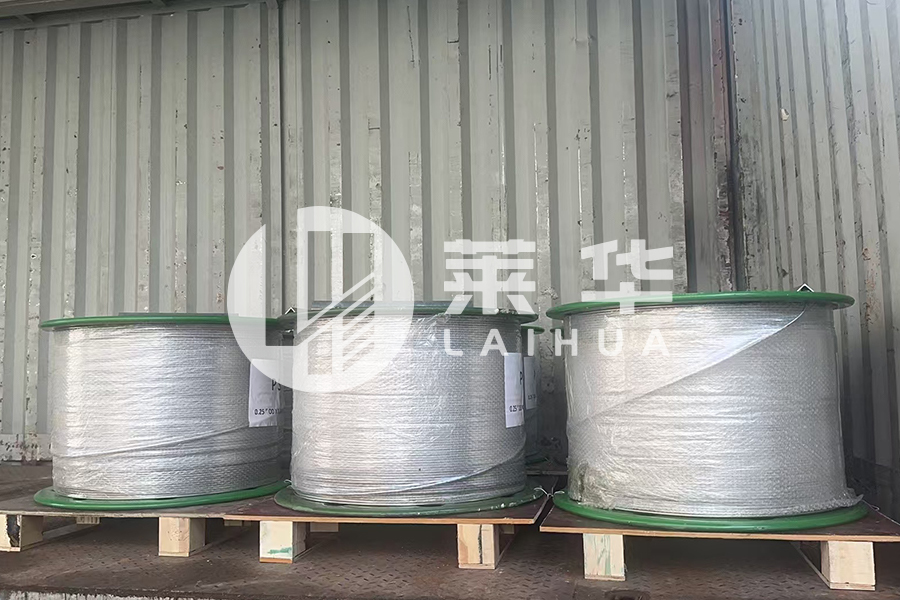
Content
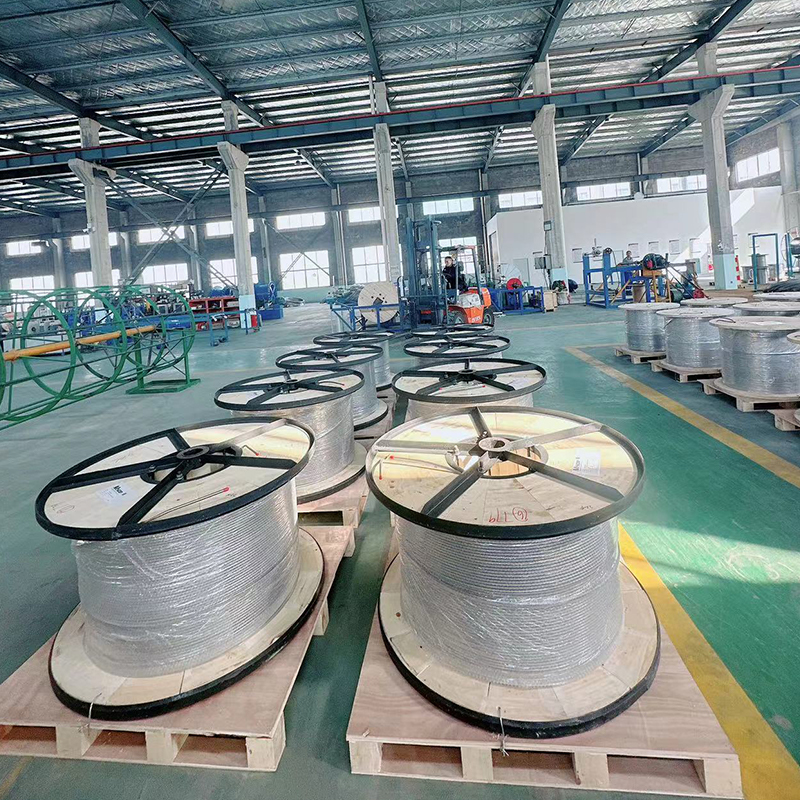
Stainless steel coils are continuous strips of stainless steel wound into cylindrical rolls, typically ranging from 0.1mm to 6mm in thickness and up to 2000mm in width. These coils serve as the primary raw material for manufacturing countless industrial and consumer products, from kitchen appliances to automotive components. The coiled format allows for efficient transportation, storage, and processing through automated production lines, making them the preferred form factor for manufacturers worldwide.
The global stainless steel coil market reached approximately 52 million metric tons in 2023, with demand driven primarily by construction, automotive, and food processing industries. Their corrosion resistance, formability, and aesthetic appeal make them indispensable in modern manufacturing.
Stainless steel coils are available in numerous grades, each engineered for specific performance requirements. The selection depends on factors such as corrosion resistance needs, mechanical strength, formability, and cost considerations.
Austenitic stainless steels account for over 70% of global stainless steel production. These non-magnetic alloys offer excellent corrosion resistance and formability:
These magnetic chromium alloys contain minimal nickel, offering cost advantages and specific performance benefits:
Duplex stainless steels combine austenitic and ferritic microstructures, delivering twice the strength of conventional austenitic grades with enhanced stress corrosion cracking resistance. Grade 2205 dominates this category, extensively used in oil and gas processing and desalination plants.
| Grade | Chromium (%) | Nickel (%) | Key Application |
|---|---|---|---|
| 304 | 18-20 | 8-10.5 | Food processing |
| 316 | 16-18 | 10-14 | Marine equipment |
| 430 | 16-18 | 0.75 max | Appliance panels |
| 2205 | 22-23 | 4.5-6.5 | Chemical tanks |
The production of stainless steel coils involves precision metallurgy and advanced rolling technologies to achieve exact specifications and consistent quality.
Manufacturing begins with melting scrap metal and alloys in electric arc furnaces at temperatures exceeding 1500°C. The molten steel undergoes argon oxygen decarburization to reduce carbon content and adjust chemistry precisely. After continuous casting into slabs, the material enters hot rolling mills where it passes through multiple stands at temperatures between 1000-1200°C, reducing thickness from 200mm slabs to approximately 2-5mm hot-rolled coils.
For thinner gauges and superior surface finishes, hot-rolled coils undergo cold reduction, achieving thickness tolerances within ±0.02mm. The work-hardening effect is reversed through bright annealing in controlled atmospheres, restoring ductility while preventing oxidation. This process enables the production of coils as thin as 0.1mm for applications like razor blades and electronics.
Different surface treatments meet varied aesthetic and functional requirements:
Modern mills employ continuous inline inspection systems utilizing ultrasonic testing, eddy current sensors, and laser profilometers to detect surface defects, thickness variations, and internal flaws. Each coil receives certification documenting chemical composition, mechanical properties, and dimensional specifications according to standards such as ASTM A240, EN 10088, or JIS G4305. Quality coils typically achieve 99.5% defect-free surface area.
Selecting the appropriate stainless steel coil requires evaluating multiple technical parameters that directly impact fabrication processes and end-product performance.
Coil dimensions significantly affect material utilization and processing efficiency:
Understanding mechanical characteristics ensures material suitability for forming operations. Grade 304 in annealed condition exhibits tensile strength of 515-720 MPa, yield strength of 205 MPa minimum, and elongation exceeding 40%, enabling deep drawing and complex forming. Duplex grade 2205 offers tensile strength above 620 MPa with yield strength reaching 450 MPa, suitable for structural applications requiring higher strength-to-weight ratios.
Edge quality affects both safety and processing efficiency. Mill edge provides the most economical option with natural rolled edges. Slit edge, produced by rotary shearing, offers tighter width tolerances within ±0.5mm and clean burr-free edges essential for automated feeding systems.
Stainless steel coils serve as the foundation material for diverse industries, with each sector leveraging specific properties to meet unique performance demands.
This sector consumes approximately 15% of global stainless steel coil production, predominantly grades 304 and 316L. Applications include commercial kitchen equipment, brewery tanks, dairy processing vessels, and food preparation surfaces. The FDA approves these grades for direct food contact due to their non-reactive surfaces and resistance to organic acids, ensuring hygiene without flavor contamination. Major manufacturers specify 2B finish for equipment interiors and No. 4 finish for visible surfaces.
The automotive sector increasingly adopts stainless steel coils for exhaust systems, structural components, and decorative trim. Grade 409 dominates exhaust manifolds and catalytic converter housings, offering adequate heat and corrosion resistance at 30-40% lower cost than austenitic grades. Premium vehicles utilize 304 for exterior trim and 316 for coastal market vehicles requiring enhanced salt spray resistance. Electric vehicle battery enclosures increasingly specify duplex grades for their superior strength and corrosion protection.
Architectural applications demand both aesthetic appeal and long-term durability. Stainless steel coils fabricated into cladding panels, roofing, handrails, and elevator doors provide maintenance-free service for decades. The iconic Chrysler Building in New York has maintained its stainless steel crown without refinishing since 1930, demonstrating exceptional longevity. Modern buildings use embossed finishes for anti-fingerprint properties and directional polished finishes for visual impact. Studies show properly specified stainless steel facades maintain over 95% of original reflectivity after 25 years in urban environments.
Chemical plants require materials resisting aggressive environments. Grade 316L serves as the workhorse for general chemical service, while specialized alloys like 904L and duplex 2205 handle highly corrosive media. Tank farms, piping systems, and reactor vessels utilize stainless steel coils formed and welded into complex geometries. The material's ability to maintain integrity in temperatures ranging from cryogenic LNG service at -196°C to high-temperature reformers at 800°C makes it irreplaceable in petrochemical infrastructure.
Medical device manufacturers specify 316L for surgical instruments, implantable devices, and pharmaceutical processing equipment. The alloy's biocompatibility, resistance to body fluids, and ability to withstand repeated sterilization cycles at 134°C in autoclaves make it the standard choice. Pharmaceutical grade stainless steel undergoes additional electropolishing to achieve ultra-smooth surfaces with Ra values below 0.4 micrometers, eliminating bacterial harboring sites.
Converting stainless steel coils into finished products requires specialized techniques that preserve material properties while achieving desired shapes and dimensions.
Service centers employ rotary slitters to cut master coils into narrower widths with tolerances of ±0.25mm for precision applications. Multi-blade configurations enable simultaneous cutting of multiple strips, maximizing productivity. Blanking presses convert coils into flat sheets or specific shapes through high-force shearing. Advanced servo-driven presses achieve speeds exceeding 30 strokes per minute while maintaining edge quality.
Roll forming progressively shapes coils through sequential roller dies, creating continuous profiles like roofing panels, gutters, and structural sections. Stainless steel's work hardening characteristics require careful tooling design and lubrication. Press brake forming accommodates shorter production runs, with modern CNC equipment storing hundreds of bend programs. Austenitic grades tolerate bend radii as tight as 1 times material thickness without cracking when bending perpendicular to rolling direction.
Manufacturing sinks, cookware, and automotive components relies on deep drawing capabilities. Grade 304 exhibits excellent drawability with draw ratios (blank diameter to punch diameter) reaching 2.2:1 in single operations. Progressive die stamping combines cutting, forming, and embossing in synchronized sequences, producing complex parts at rates exceeding 100 pieces per minute. Proper blank holder pressure and draw bead design prevent wrinkling while avoiding tearing.
Joining stainless steel coil products requires processes preserving corrosion resistance. TIG (GTAW) welding provides superior quality for critical applications, using argon shielding and matching filler metals. MIG (GMAW) welding offers higher productivity for structural work. Resistance spot welding assembles sheet metal components without filler material, creating 8-12mm diameter nuggets with shear strengths exceeding 5kN. Post-weld passivation removes heat tint and restores the protective chromium oxide layer.
Stainless steel coil pricing fluctuates based on raw material costs, alloy composition, processing complexity, and global supply-demand dynamics.
Base pricing reflects several elements:
China dominates global production with over 30 million tons annually, representing approximately 60% of world output. India, Japan, and South Korea follow as major producers. Regional price variations reflect transportation costs, import duties, and local market conditions. European and North American buyers often source domestically despite higher costs to ensure quality consistency and supply reliability.
Fabricators balance carrying costs against price volatility and lead times. Just-in-time procurement minimizes working capital but risks supply disruptions. Strategic stockpiling during price troughs provides cost advantages, though warehouse expenses and capital tie-up require careful analysis. Many manufacturers establish vendor-managed inventory agreements where distributors maintain consignment stock, transferring ownership only upon consumption.
While stainless steel offers superior durability, proper maintenance maximizes service life and preserves aesthetic qualities.
Regular cleaning prevents contaminant accumulation that can compromise corrosion resistance. For routine maintenance, mild detergent solutions followed by clean water rinsing suffice. Stubborn deposits respond to specialized stainless steel cleaners or dilute vinegar solutions. Avoid chloride-containing cleaners like bleach, which can initiate pitting corrosion. Directional polishing along grain patterns maintains uniform appearance. Industrial environments may require weekly cleaning, while architectural applications often need only quarterly attention.
Welding, forming, and machining can disturb the protective chromium oxide layer. Chemical passivation using citric acid or nitric acid solutions removes free iron contamination and accelerates passive film reformation. Studies demonstrate properly passivated stainless steel exhibits 10-100 times greater corrosion resistance than untreated surfaces. The process requires 20-30 minutes immersion followed by thorough rinsing and neutralization.
Coastal installations face salt spray challenges. Regular freshwater washing removes chloride deposits before concentration reaches damaging levels. Marine applications benefit from cathodic protection systems, though stainless steel's nobility limits effectiveness compared to carbon steel. Grade selection proves more critical—316 performs adequately within 1 kilometer of coastlines, while duplex grades handle direct seawater exposure. Chemical plants should monitor process stream chemistry to ensure selected grades withstand actual conditions, as even minor chemistry changes can affect corrosion rates dramatically.
Properly specified and maintained stainless steel installations routinely exceed 50-year service life in building applications and 25-30 years in industrial process environments. Life cycle cost analysis frequently favors stainless steel despite higher initial investment, as elimination of painting, rust repair, and premature replacement delivers significant savings over carbon steel alternatives.
Stainless steel ranks among the most sustainable construction materials, with recycling infrastructure supporting circular economy principles.
Modern stainless steel production incorporates 60-85% recycled content, sourced from industrial scrap and end-of-life products. Unlike many materials that degrade through recycling, stainless steel maintains full performance properties through infinite reprocessing cycles. The global recycling rate exceeds 90% for stainless steel products reaching end of life, making it one of the most successfully recycled materials worldwide. Magnetic separation easily recovers ferritic grades, while austenitic grades require density separation or sensor-based sorting.
Mill operators have reduced energy consumption by approximately 30% over the past two decades through electric arc furnace optimization, waste heat recovery, and process automation. Primary stainless steel production requires roughly 20 GJ per ton, while recycling scrap into new coils consumes only 10-12 GJ per ton, delivering substantial carbon footprint reductions.
Life cycle assessments comparing building materials reveal stainless steel's advantages. Its longevity eliminates replacement cycles required for painted carbon steel, aluminum, or composite materials. Absence of surface treatments means no volatile organic compound emissions during manufacturing or service life. When demolition occurs, stainless steel components retain significant value—scrap prices typically range 40-60% of virgin material costs, incentivizing recovery and recycling.
Ongoing research and market evolution drive continuous improvements in stainless steel coil technology and applications.
Metallurgists are developing lean duplex grades with reduced nickel content, offering 20-30% cost savings while maintaining adequate corrosion resistance for many applications. Nitrogen strengthening enables higher performance without expensive alloying elements. Antimicrobial stainless steels incorporating copper demonstrate 99.9% bacterial reduction within two hours, expanding opportunities in healthcare facilities and food processing.
Thin strip casting produces near-final thickness coils directly from molten metal, eliminating hot rolling steps and reducing energy consumption by up to 50%. Artificial intelligence systems now monitor rolling parameters in real-time, automatically adjusting to maintain tighter tolerances and reduce defects. Some mills achieve thickness control within ±10 micrometers across entire coil lengths using advanced automation.
Hydrogen economy infrastructure demands corrosion-resistant materials for storage tanks, pipelines, and fuel cell components. Stainless steel coils are being specified for hydrogen applications where their resistance to embrittlement and stress corrosion cracking proves critical. Water scarcity drives desalination plant expansion, creating demand for duplex and super austenitic grades handling high-chloride environments. Electric vehicle expansion increases requirements for battery enclosures and structural components where stainless steel's strength-to-weight ratio and formability provide advantages.
Industry 4.0 initiatives enable complete supply chain transparency. QR codes and RFID tags embedded in coil packaging link to comprehensive databases containing heat analysis, mechanical test results, and processing history. Fabricators access this data instantaneously, ensuring material compliance and enabling predictive maintenance of equipment based on material characteristics processed.
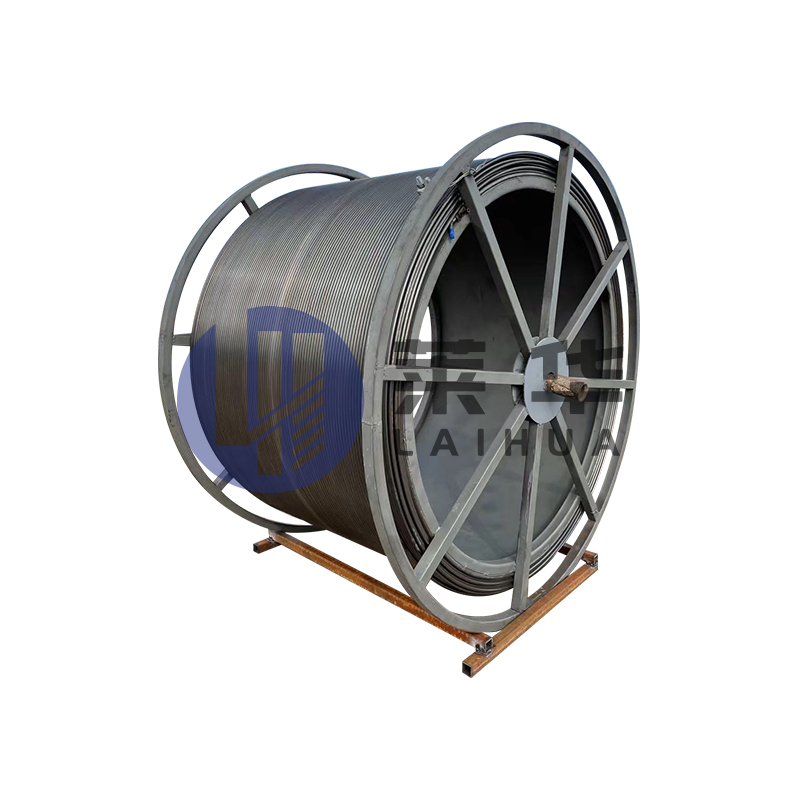
Continuous tubing, also known as flexible tubing or flexible tubing, is widely used in the fields of well workover, logging and drilling, etc. Its pro...
See Details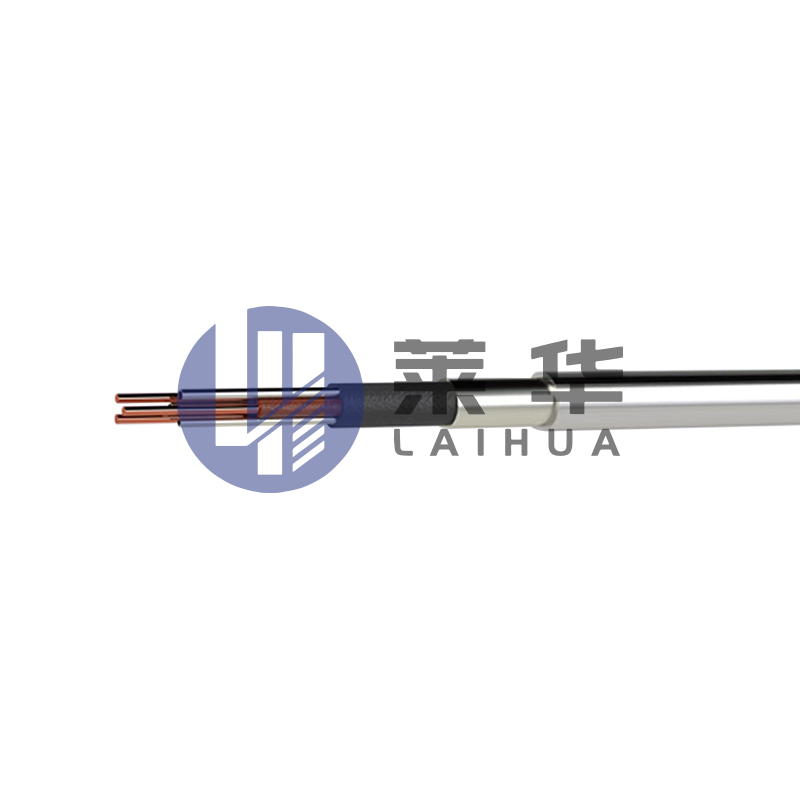
Purpose: The high-temperature testing cable, combined with the high-temperature testing vehicle, is mainly used in multi-parameter testing of heavy oi...
See Details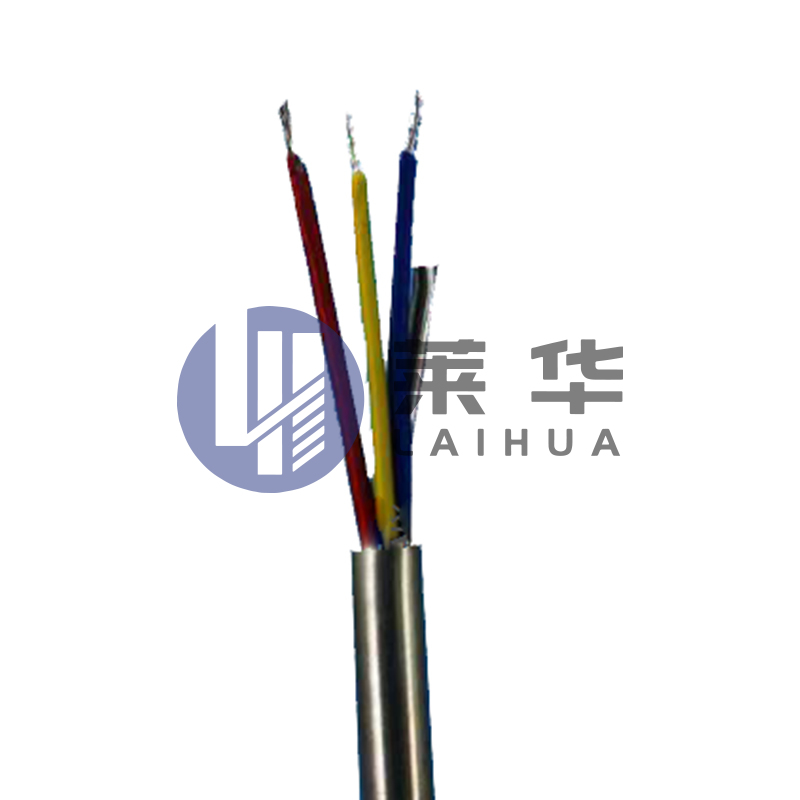
The Stainless Steel Fibre Optic Test Cable is a special test cable that combines the durability of stainless steel with the high transmission efficien...
See Details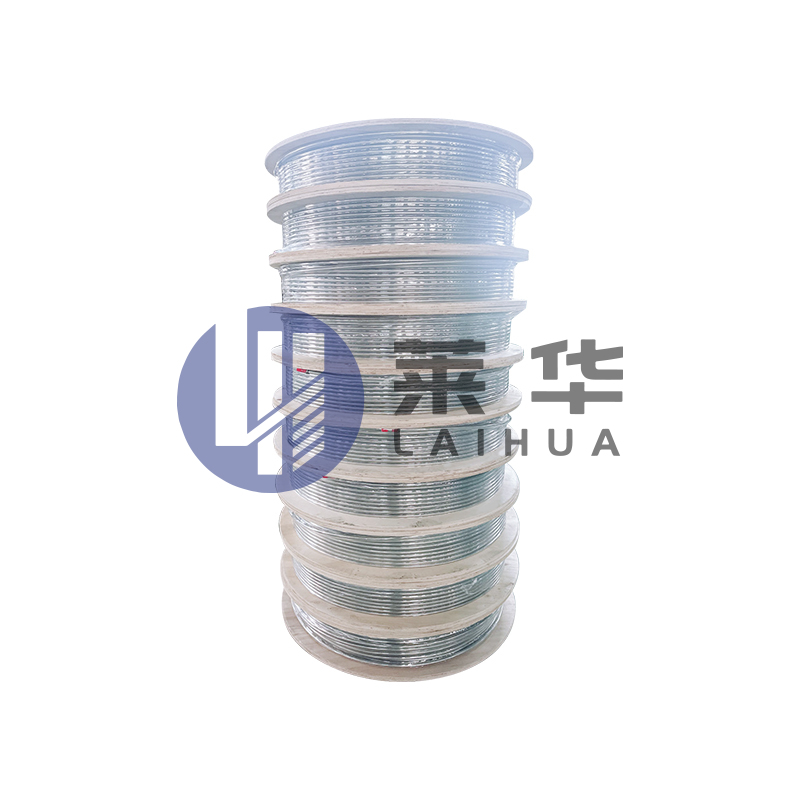
Instructions for the use of hydraulic control pipelines Hydraulic control pipeline, also known as capillary. Mainly used for underground capillary pre...
See Details
Stainless steel clad pipe is a piping system that combines the durability of stainless steel with the protection of plastic. This piping system is usu...
See Details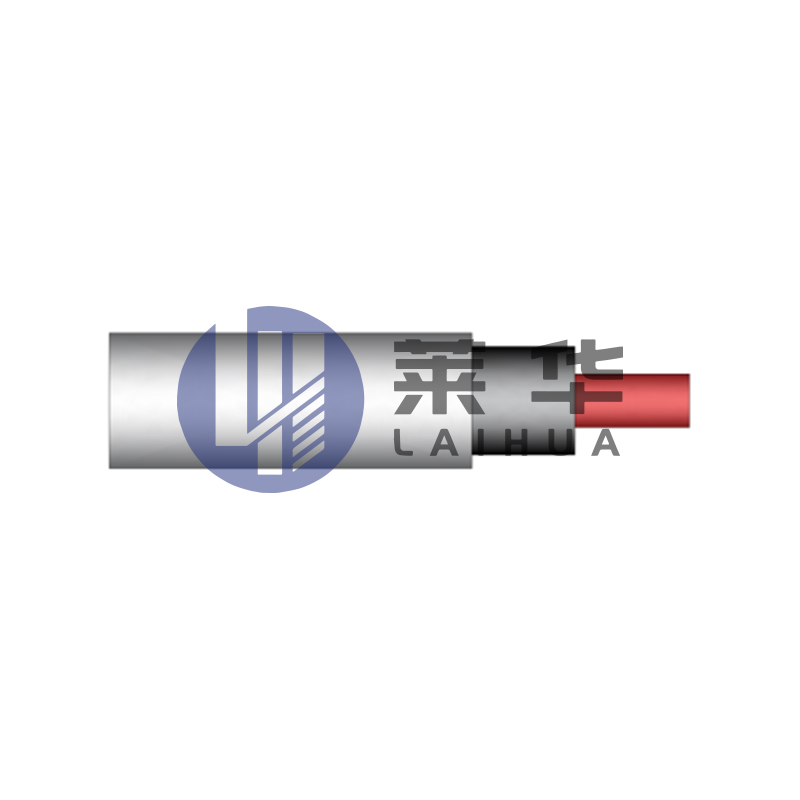
Application field:The electric induction heating system is a complete set of electric heating devices developed by our company specifically for heavy ...
See Details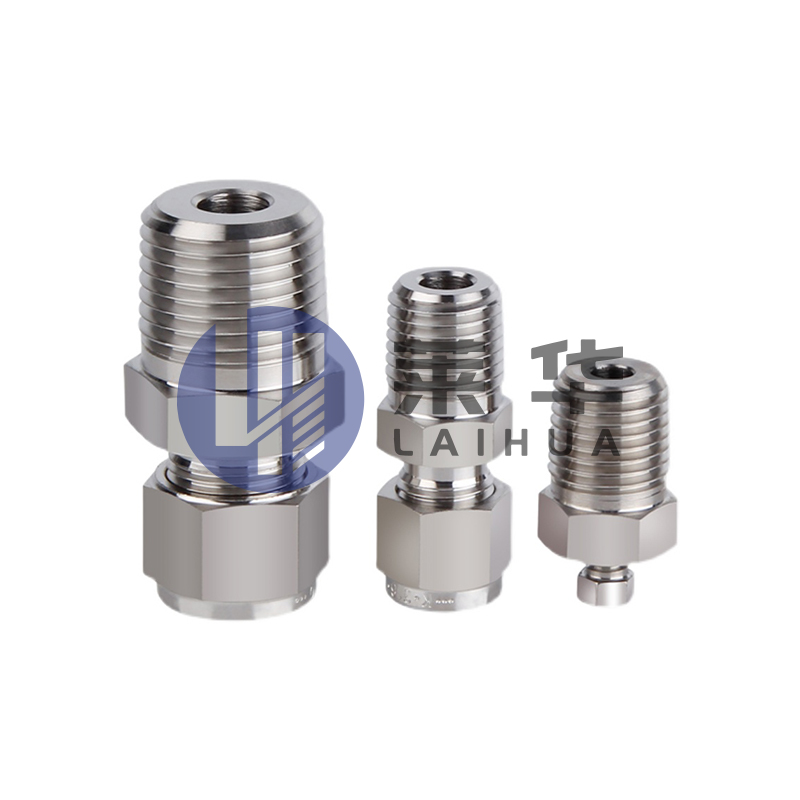
The ferrule type pipe joint consists of three parts: the joint body, ferrule, and nut. When the clamp and nut are inserted into the joint body on the ...
See Details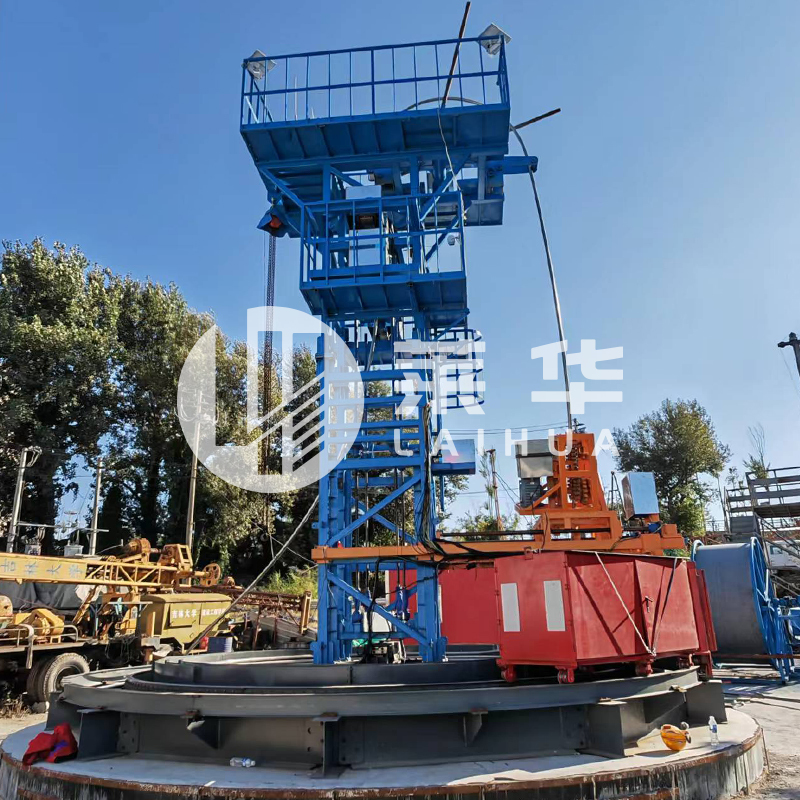
Continuous Tubing Skid Winch is a specially designed equipment for oilfield operations, which combines the design features of the Continuous Tubing Wo...
See Details
E-mail: [email protected]

Phone: +86-15996597000
+86-18252893456

Whatsapp: +86-18252874678

Address: No. 3 Xinyuan Road, Nanmo Town Industrial Park, Hai'an City, Nantong City, Jiangsu Province, China
QR code on
mobile phone



Contact Us