
 英语
英语 西班牙语
西班牙语 阿拉伯语
阿拉伯语Cat:Products
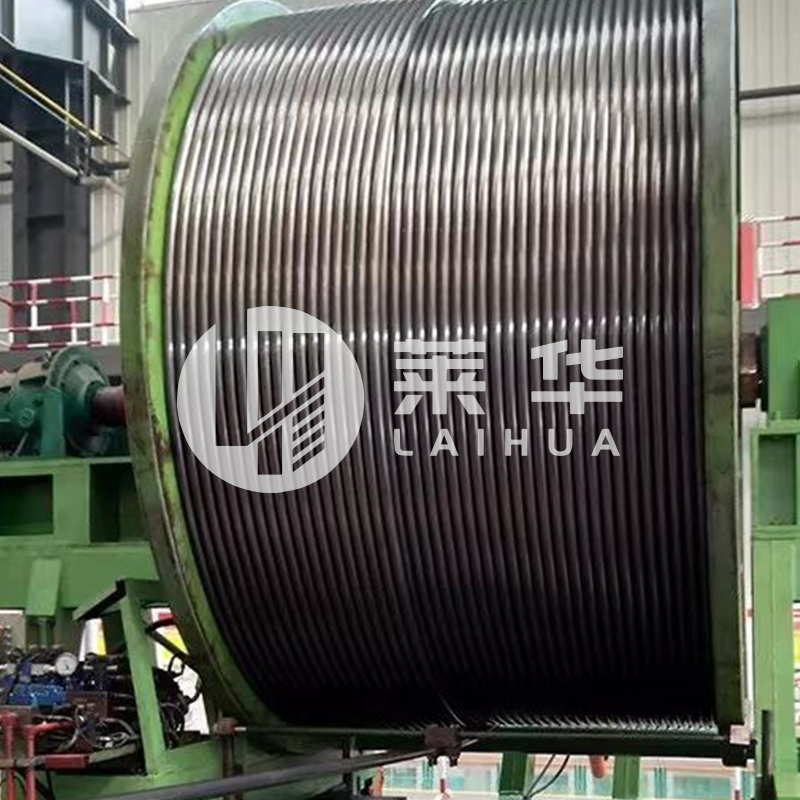
Continuous tubing, also known as flexible tubing or flexible tubing, is widely used in the fields of well workover, logging and drilling, etc. Its pro...
See Details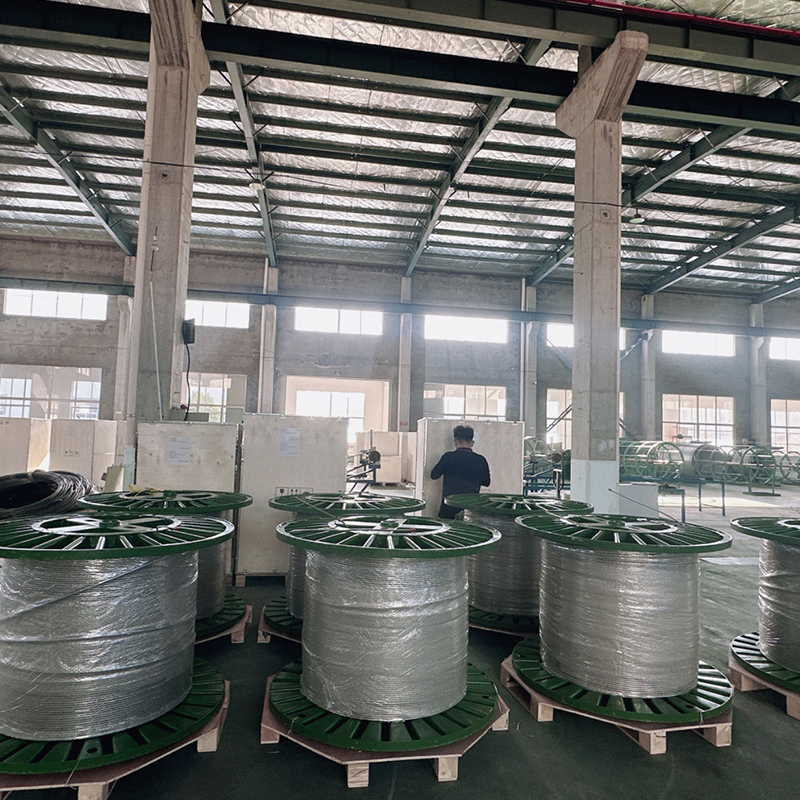
Content
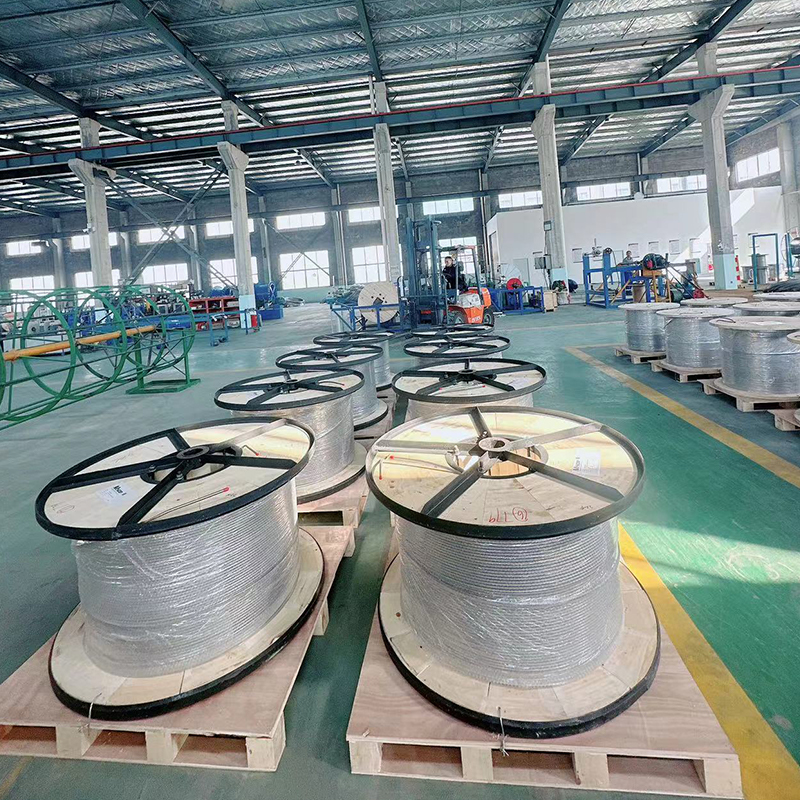
Stainless steel coils are widely used in various industrial applications due to their excellent corrosion resistance, durability, and versatility. These coils are typically made from grades such as 304, 316, or 430 stainless steel, each offering specific advantages depending on the environment and operational conditions.
Stainless steel coils are often used in construction, chemical processing, food and beverage industries, and HVAC systems. Their resistance to oxidation and corrosion makes them suitable for both indoor and outdoor applications.
Understanding the material properties is essential when selecting stainless steel coils for specific applications. Key factors include:
Control pipelines are an integral part of industrial systems, responsible for the precise transmission of fluids, gases, and signals. They are often paired with stainless steel coils to ensure durability and resistance to environmental factors.
Control pipelines are used in automation, chemical processing, and energy systems to regulate pressure, flow, and temperature. Key applications include:
The choice of material directly affects the pipeline’s longevity and safety. Stainless steel is often preferred due to its combination of corrosion resistance, high strength, and compatibility with a wide range of fluids.
Other materials, such as carbon steel, copper, or polymers, may be used depending on operating conditions. Stainless steel coils provide flexibility for forming and joining pipeline segments efficiently.
Integrating stainless steel coils with control pipelines requires careful planning to optimize performance. Factors to consider include thermal expansion, vibration, and ease of maintenance.
Proper installation ensures longevity and efficiency. Some practical tips include:
Maintenance of stainless steel coils and control pipelines involves routine cleaning, monitoring, and repair. Key points include:
Different grades of stainless steel are suited for specific applications. The table below summarizes common choices:
| Grade | Applications | Key Features |
| 304 | General-purpose pipelines, HVAC, food processing | Good corrosion resistance, formability, cost-effective |
| 316 | Chemical processing, marine environments | Superior corrosion resistance, high durability |
| 430 | Decorative panels, light-duty pipelines | Magnetic, moderate corrosion resistance, cost-effective |
The combination of stainless steel coils and control pipeline is essential for creating durable, reliable, and efficient industrial systems. Careful material selection, proper installation, and regular maintenance are critical to achieving long-term performance.
By understanding the specific requirements of your application and choosing the right stainless steel grade, you can maximize the operational lifespan and safety of your systems. Detailed attention to alignment, support, and inspection routines ensures that both coils and pipelines function seamlessly together.
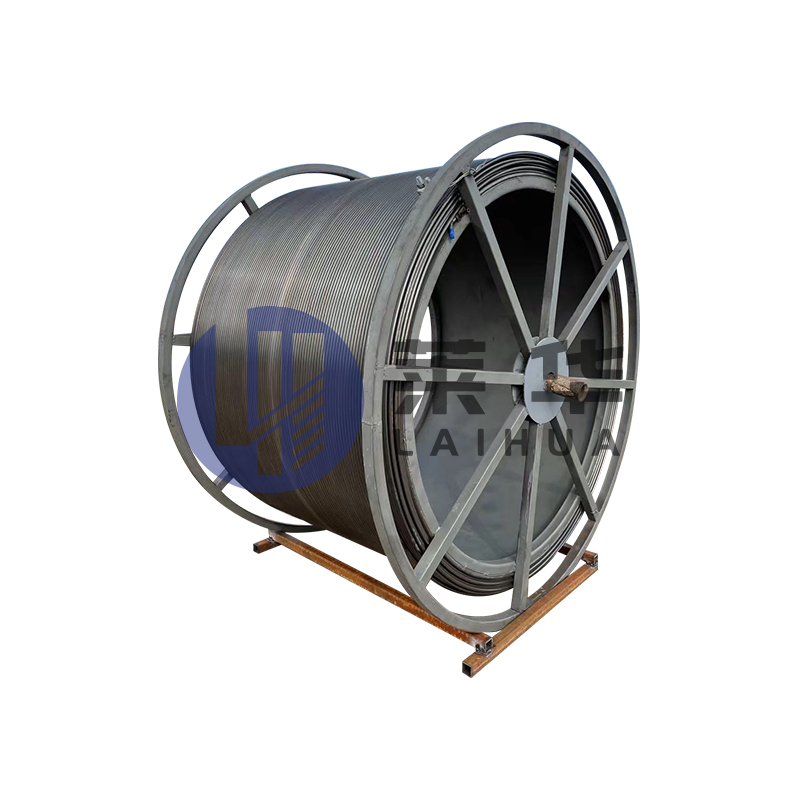
Continuous tubing, also known as flexible tubing or flexible tubing, is widely used in the fields of well workover, logging and drilling, etc. Its pro...
See Details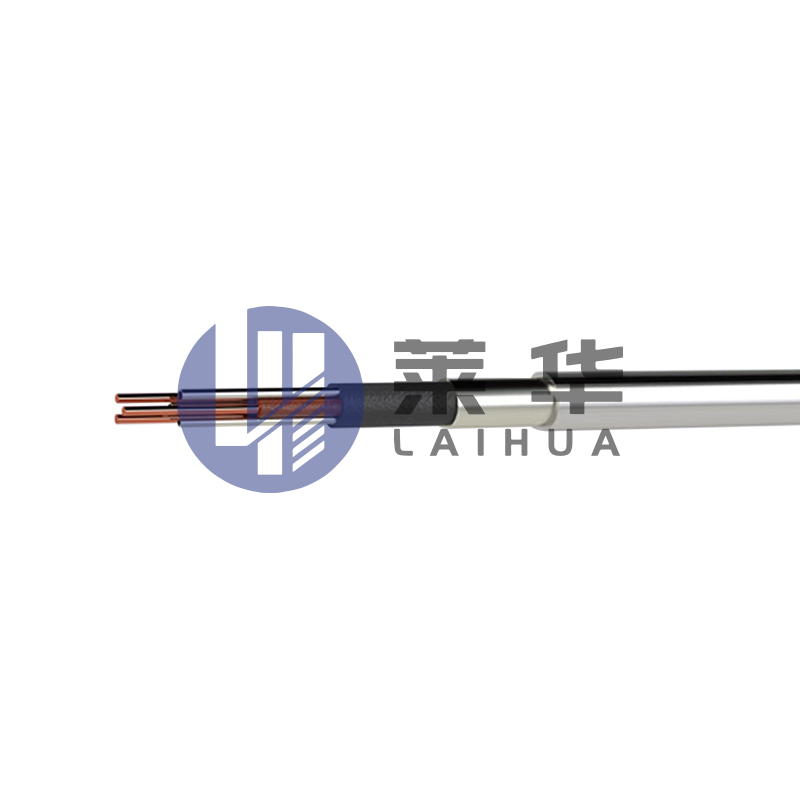
Purpose: The high-temperature testing cable, combined with the high-temperature testing vehicle, is mainly used in multi-parameter testing of heavy oi...
See Details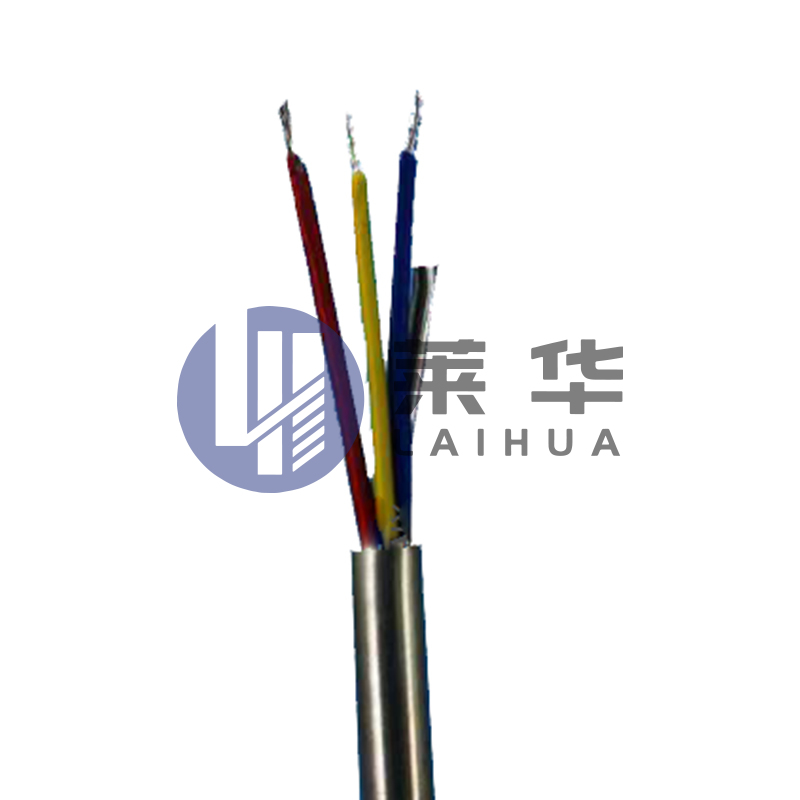
The Stainless Steel Fibre Optic Test Cable is a special test cable that combines the durability of stainless steel with the high transmission efficien...
See Details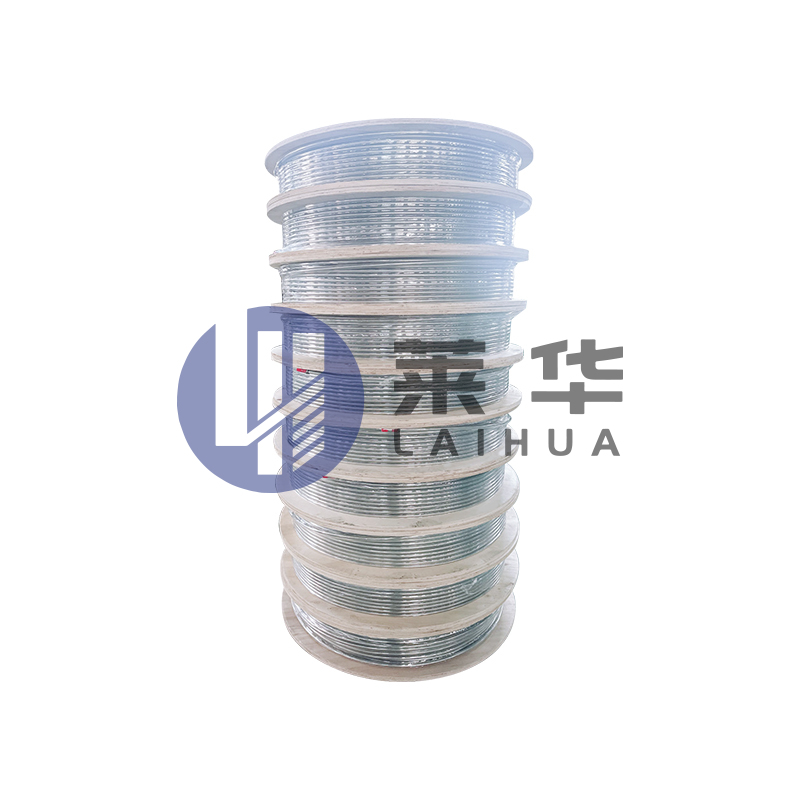
Instructions for the use of hydraulic control pipelines Hydraulic control pipeline, also known as capillary. Mainly used for underground capillary pre...
See Details
Stainless steel clad pipe is a piping system that combines the durability of stainless steel with the protection of plastic. This piping system is usu...
See Details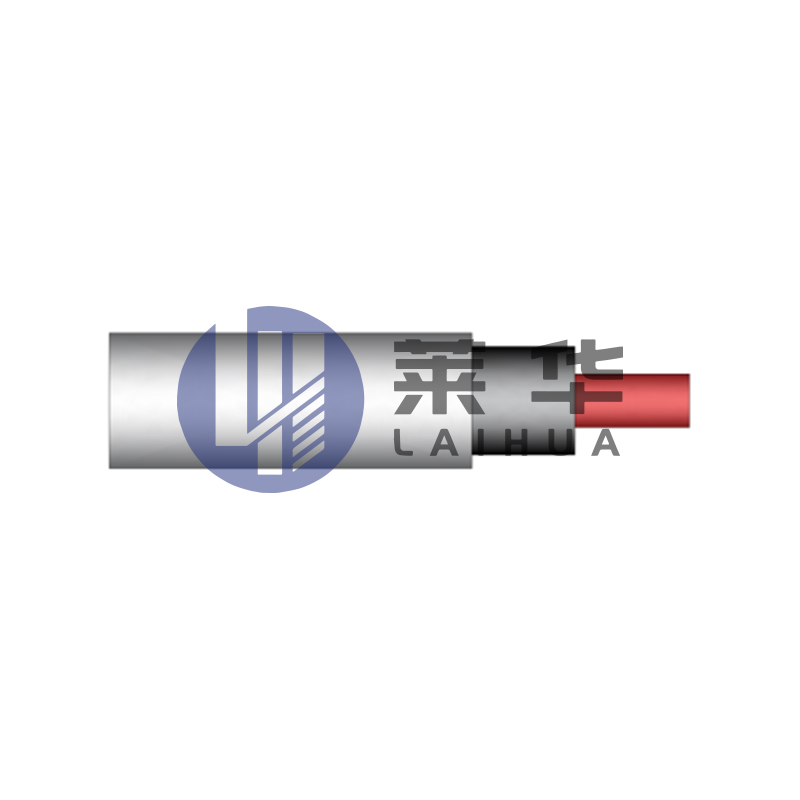
Application field:The electric induction heating system is a complete set of electric heating devices developed by our company specifically for heavy ...
See Details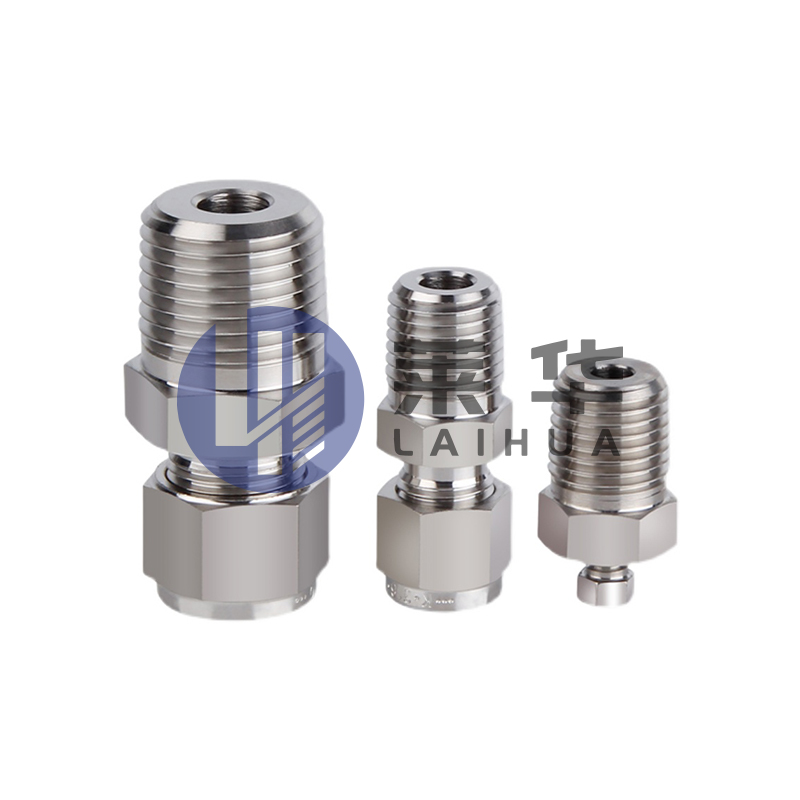
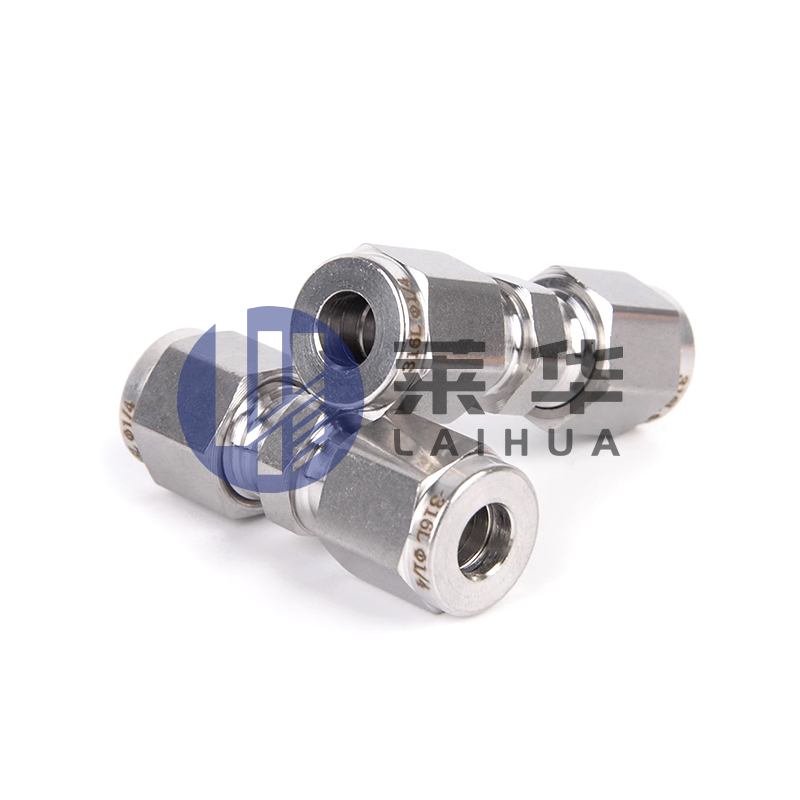
The ferrule type pipe joint consists of three parts: the joint body, ferrule, and nut. When the clamp and nut are inserted into the joint body on the ...
See Details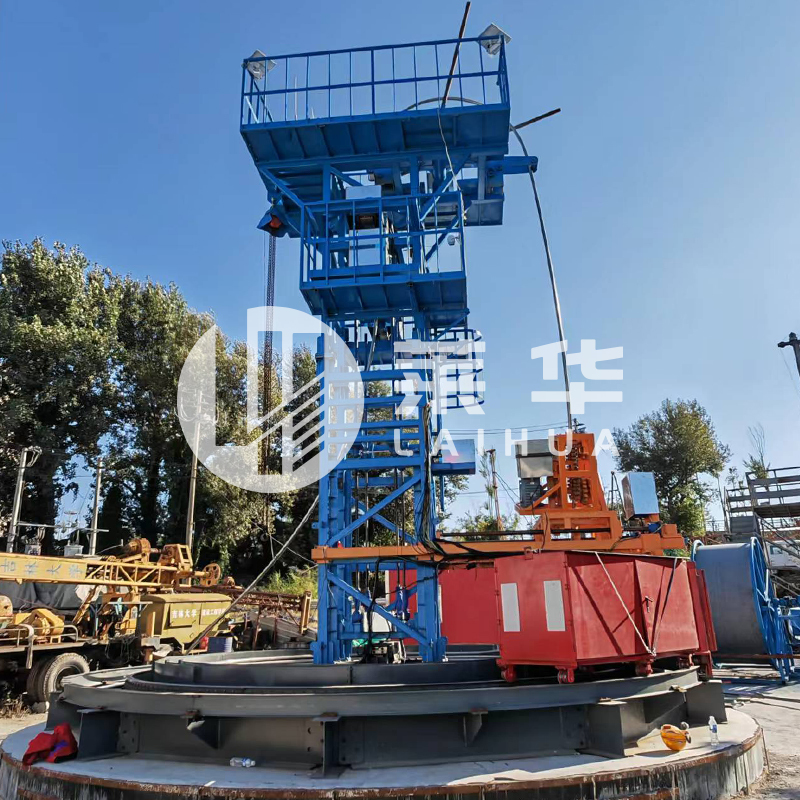
Continuous Tubing Skid Winch is a specially designed equipment for oilfield operations, which combines the design features of the Continuous Tubing Wo...
See Details
E-mail: [email protected]

Phone: +86-15996597000
+86-18252893456

Whatsapp: +86-18252874678

Address: No. 3 Xinyuan Road, Nanmo Town Industrial Park, Hai'an City, Nantong City, Jiangsu Province, China
QR code on
mobile phone



Contact Us