
 英语
英语 西班牙语
西班牙语 阿拉伯语
阿拉伯语Cat:Products
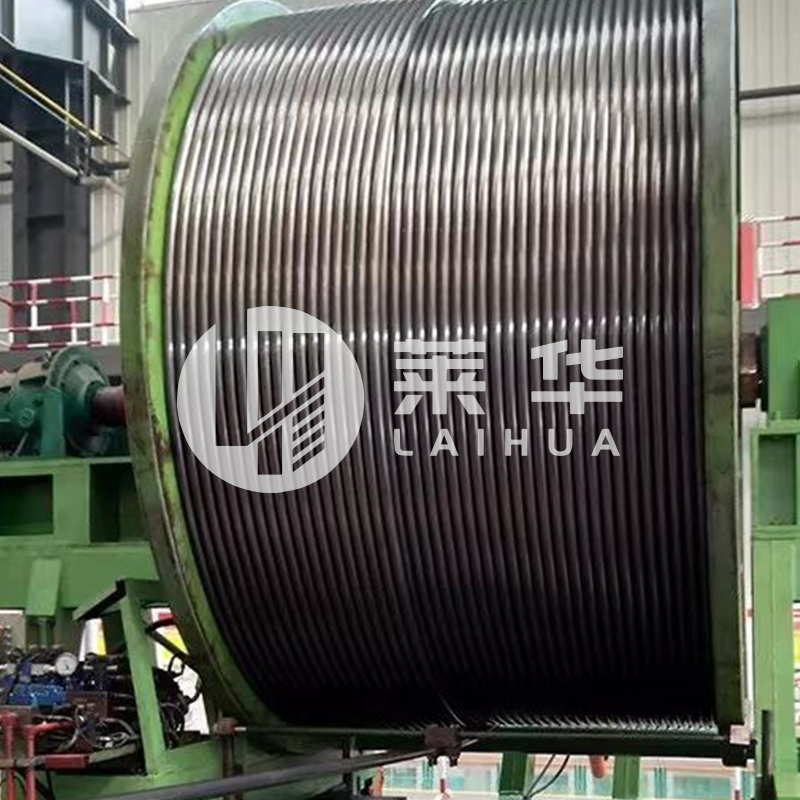
Continuous tubing, also known as flexible tubing or flexible tubing, is widely used in the fields of well workover, logging and drilling, etc. Its pro...
See Details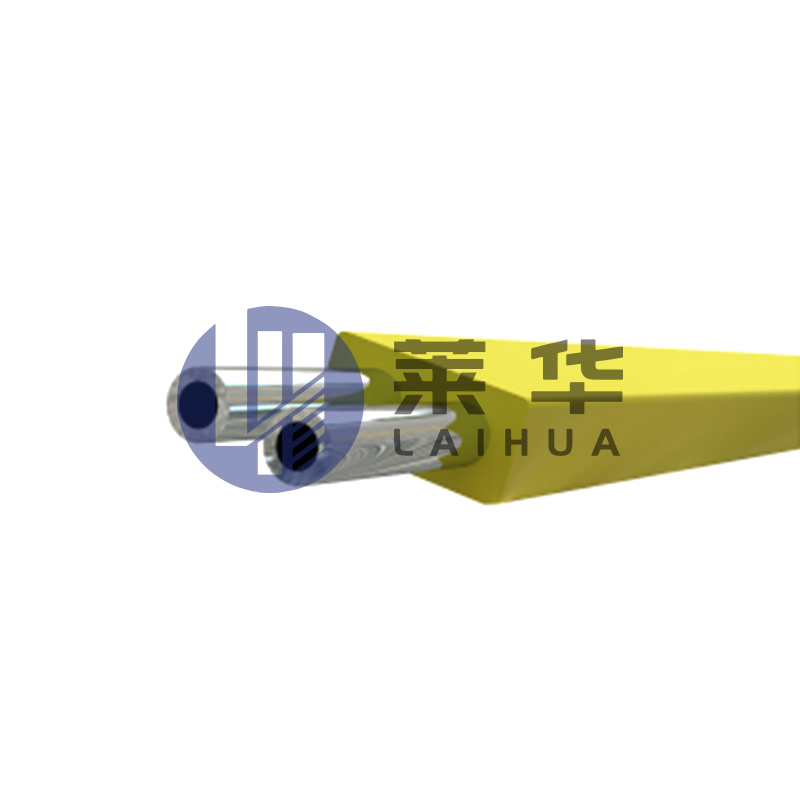
Content
Stainless steel wrapped plastic pipe, also known as stainless steel reinforced composite pipes, combine the corrosion resistance of plastic with the mechanical strength of stainless steel. This hybrid piping solution features a plastic core pipe wrapped with stainless steel wire or mesh, creating a durable system that performs exceptionally well in demanding environments where traditional materials fall short.
These composite pipes are increasingly popular in water supply systems, chemical processing plants, and HVAC applications due to their ability to resist both internal corrosion and external pressure. The construction typically involves HDPE, PP, or PEX plastic cores reinforced with 304 or 316 grade stainless steel wrapping, delivering pressure ratings up to 2.5 MPa while maintaining flexibility and ease of installation.
The typical stainless steel wrapped plastic pipe consists of three primary layers working in synergy:
Two primary manufacturing techniques dominate the industry:
Continuous winding process: Stainless steel wire is helically wound around the plastic core at precise angles (typically 54.7 degrees for optimal hoop strength) during extrusion, then covered with the outer layer. This method allows for production speeds of 10-30 meters per minute and ensures consistent wire tension throughout the pipe length.
Strip wrapping process: Stainless steel strips are longitudinally or spirally wrapped and welded, creating a more rigid structure suitable for higher pressure applications. This technique is preferred for pipes exceeding 100mm diameter where enhanced rigidity is essential.
The stainless steel reinforcement dramatically increases pressure handling capabilities compared to plastic-only pipes. Standard configurations achieve:
| Pipe Diameter (mm) | Working Pressure (MPa) | Burst Pressure (MPa) |
|---|---|---|
| 20-32 | 2.5 | 7.5 |
| 40-63 | 2.0 | 6.0 |
| 75-110 | 1.6 | 4.8 |
The dual-layer protection offers comprehensive corrosion resistance. The inner plastic layer prevents fluid-side corrosion from acids, alkalis, and salts, while the stainless steel remains isolated from direct chemical contact. Field tests in municipal water systems show zero corrosion-related failures after 15 years of continuous operation, compared to 8-12% failure rates in galvanized steel pipes during the same period.
These pipes maintain structural integrity across wide temperature ranges. PEX-based versions operate continuously from -40°C to 95°C, with short-term resistance to 110°C, making them ideal for hot water applications. The stainless steel reinforcement prevents thermal expansion issues common in plastic pipes, reducing linear expansion by approximately 60% compared to unreinforced plastic.
Urban water distribution networks increasingly adopt stainless steel wrapped pipes for both new construction and rehabilitation projects. In Beijing's Tongzhou district renovation project, over 120 kilometers of these pipes were installed in 2022, replacing aging cast iron mains. The installation reduced construction time by 40% compared to traditional steel pipe welding, while the smooth interior surface improved flow efficiency by 15%.
The chemical industry benefits from the pipes' ability to handle corrosive fluids without contamination. Applications include:
A notable example is BASF's Ludwigshafen facility, which reported 85% reduction in maintenance costs after switching from lined steel pipes to stainless steel wrapped plastic pipes in their cooling water systems.
Building mechanical systems utilize these pipes for chilled water distribution and underfloor heating. The combination of flexibility and pressure resistance allows for installation radius as tight as 5 times the pipe diameter without special tools, simplifying complex routing through building structures. Energy monitoring in commercial buildings shows 3-5% improvement in thermal efficiency due to reduced heat loss compared to metal pipes.
FDA-compliant versions with food-grade plastic cores serve breweries, dairy processing plants, and beverage production lines. The smooth interior prevents bacterial growth and eliminates taste transfer, while the stainless steel reinforcement withstands CIP (Clean-In-Place) system pressures and high-temperature sanitization cycles.
Proper jointing techniques are critical for system integrity. Common methods include:
Despite the stainless steel reinforcement, proper handling prevents damage to the outer protective layer. Pipes should be stored horizontally on flat surfaces with support every 1.5 meters to prevent sagging. UV exposure should be limited to maximum 6 months for non-UV stabilized outer layers, as prolonged sunlight exposure degrades the plastic coating.
Before system activation, conduct pressure testing at 1.5 times the working pressure for 2 hours minimum. Industry standards recommend visual inspection of all joints and flushing the system with clean water at flow velocities exceeding 1 meter per second to remove installation debris.
Selecting the appropriate pipe requires evaluating several factors:
While initial material costs run 15-30% higher than standard plastic pipes, lifecycle analysis consistently favors stainless steel wrapped variants. A 10-year total cost of ownership comparison for a 1,000-meter water distribution system shows:
| Cost Category | Standard HDPE | SS Wrapped Plastic | Savings |
|---|---|---|---|
| Initial Material | $45,000 | $58,000 | -$13,000 |
| Installation Labor | $32,000 | $24,000 | $8,000 |
| Maintenance (10yr) | $18,500 | $6,200 | $12,300 |
| Total 10-Year Cost | $95,500 | $88,200 | $7,300 |
Reputable manufacturers comply with multiple quality frameworks:
Request documentation of the following tests from suppliers:
Properly installed stainless steel wrapped plastic pipes require minimal maintenance throughout their service life. Unlike metal pipes, they resist scale buildup and maintain consistent flow characteristics. Manufacturers typically guarantee 50-year service life under normal operating conditions, with some systems documented to last beyond 60 years.
Recommended maintenance practices include:
The absence of corrosion eliminates the need for cathodic protection, internal lining replacement, or chemical inhibitor dosing, resulting in operational cost savings of 60-75% compared to carbon steel piping over a 20-year period.
The stainless steel wrapped plastic pipe industry continues evolving with innovations focused on performance enhancement and sustainability. Current research directions include:
Smart pipe technology: Integration of fiber optic sensors within the stainless steel layer enables real-time monitoring of pressure, temperature, and flow rates. Pilot projects in Singapore's water network demonstrate 95% accuracy in leak detection within minutes of occurrence.
Recycled material incorporation: Manufacturers are developing pipes using up to 30% post-consumer recycled plastic in the outer layer without compromising performance, reducing environmental impact while maintaining competitive pricing.
Expanded diameter ranges: New production technologies are pushing size capabilities beyond current limits, with prototypes of 400mm diameter pipes successfully tested at 1.2 MPa, opening possibilities for main distribution lines.
These advancements position stainless steel wrapped plastic pipes as an increasingly versatile solution for modern infrastructure challenges, combining durability, sustainability, and cost-effectiveness in a single product.
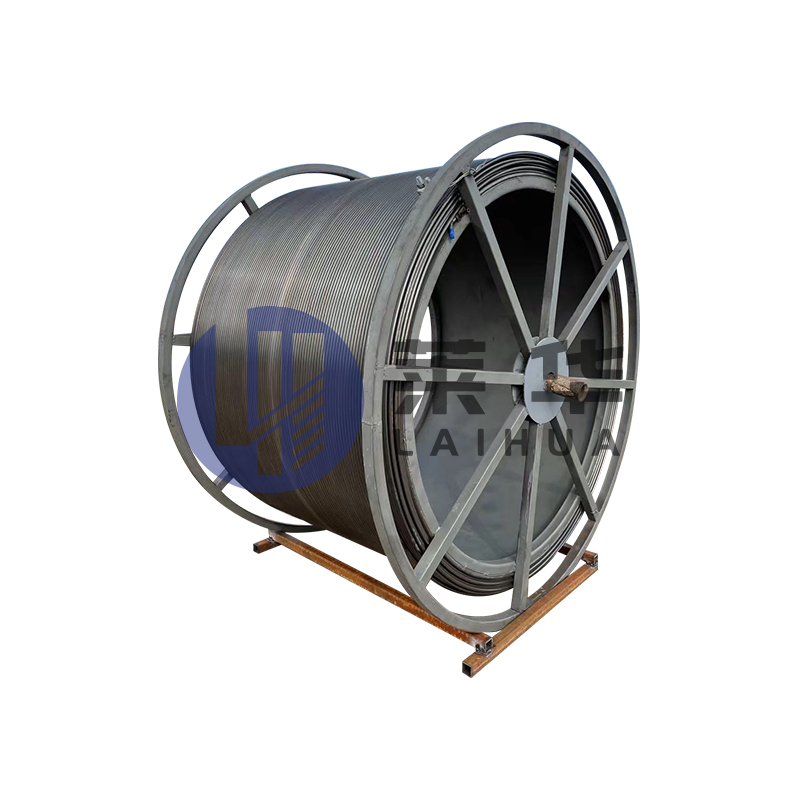
Continuous tubing, also known as flexible tubing or flexible tubing, is widely used in the fields of well workover, logging and drilling, etc. Its pro...
See Details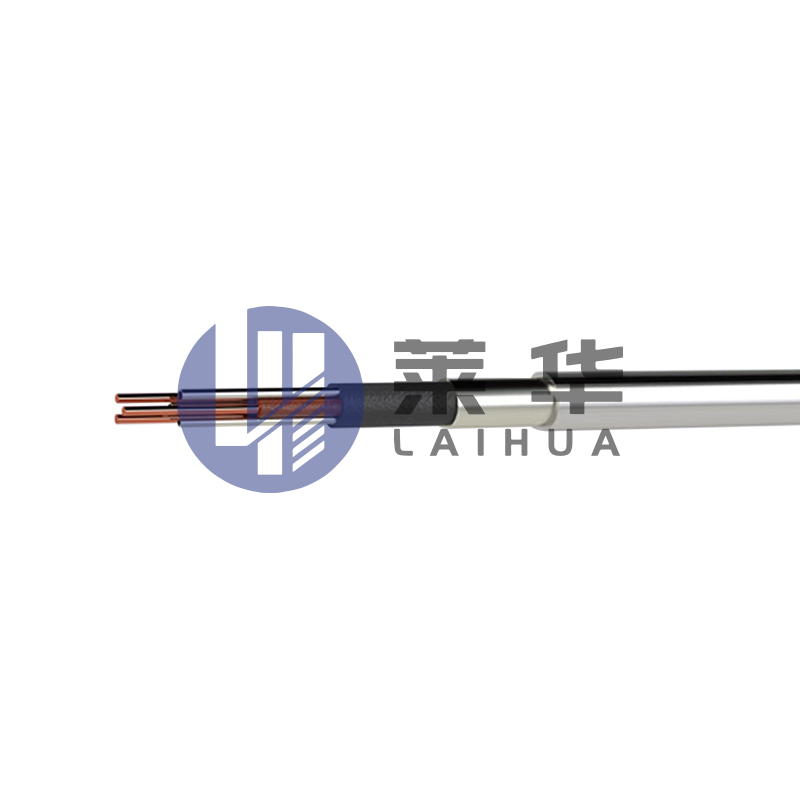
Purpose: The high-temperature testing cable, combined with the high-temperature testing vehicle, is mainly used in multi-parameter testing of heavy oi...
See Details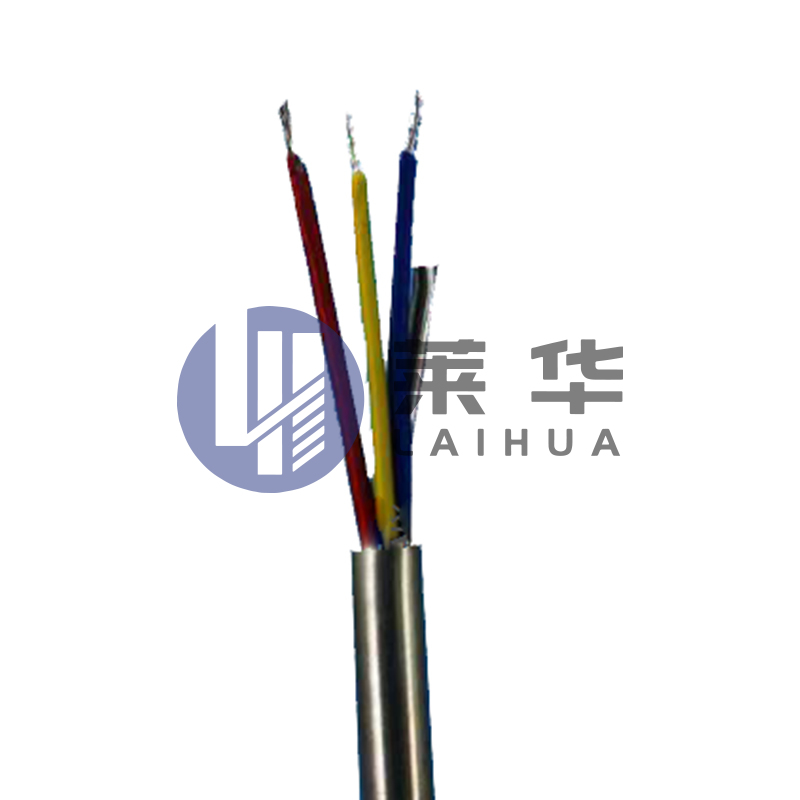
The Stainless Steel Fibre Optic Test Cable is a special test cable that combines the durability of stainless steel with the high transmission efficien...
See Details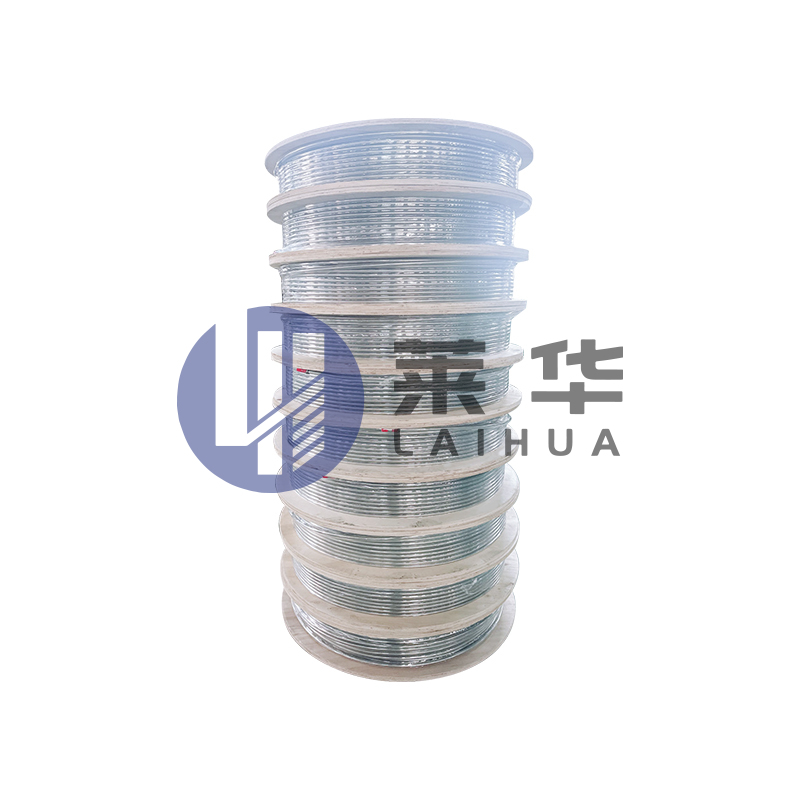
Instructions for the use of hydraulic control pipelines Hydraulic control pipeline, also known as capillary. Mainly used for underground capillary pre...
See Details
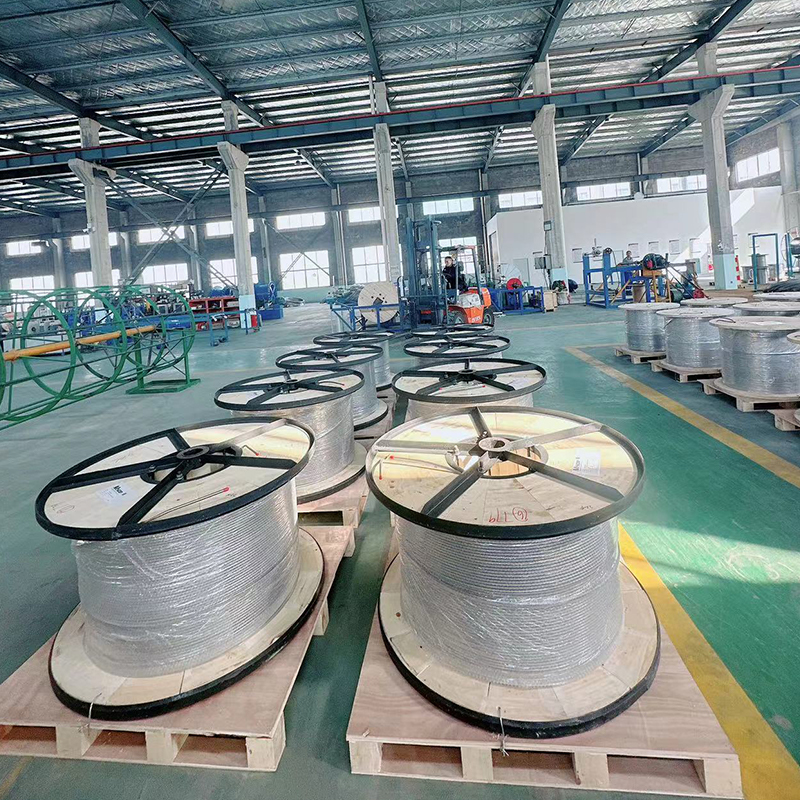
Stainless steel clad pipe is a piping system that combines the durability of stainless steel with the protection of plastic. This piping system is usu...
See Details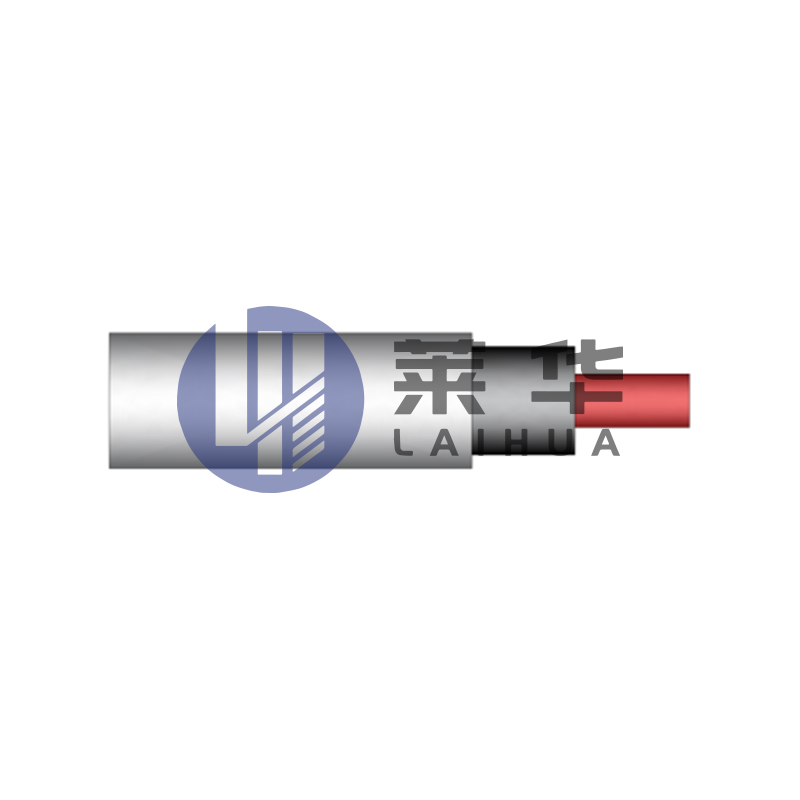
Application field:The electric induction heating system is a complete set of electric heating devices developed by our company specifically for heavy ...
See Details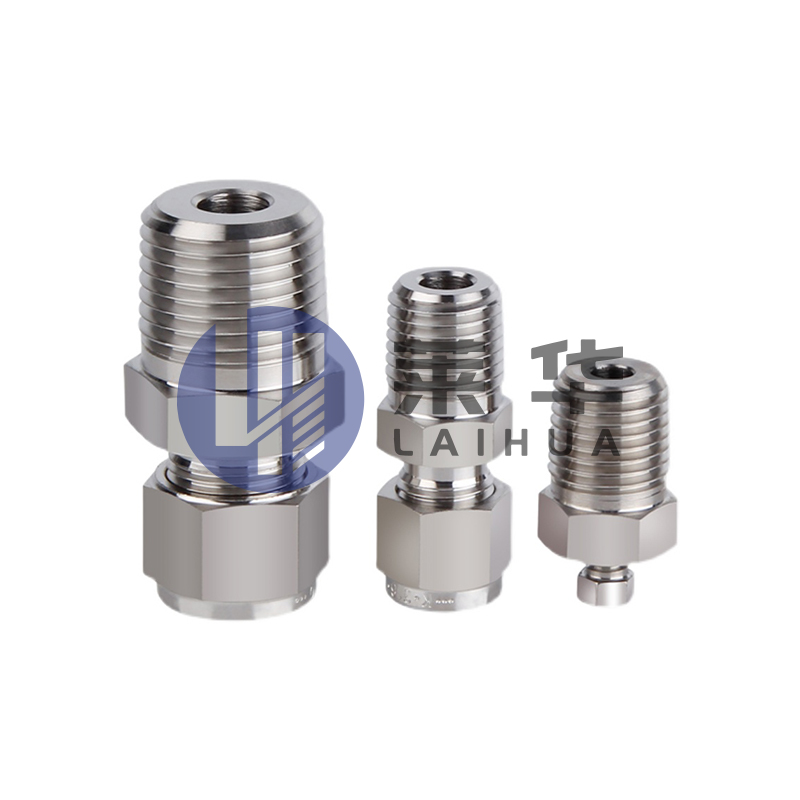
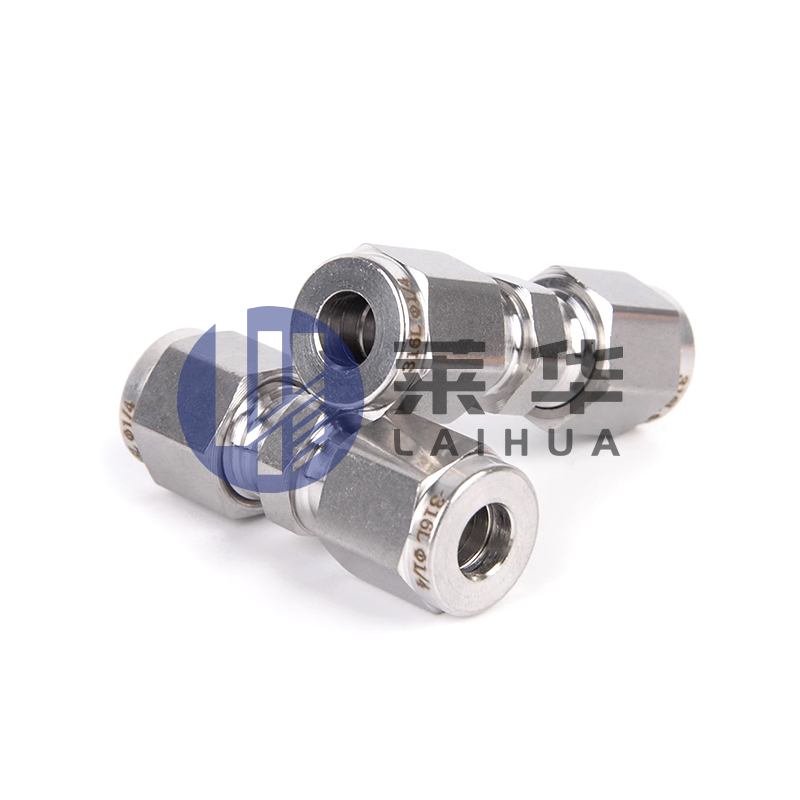
The ferrule type pipe joint consists of three parts: the joint body, ferrule, and nut. When the clamp and nut are inserted into the joint body on the ...
See Details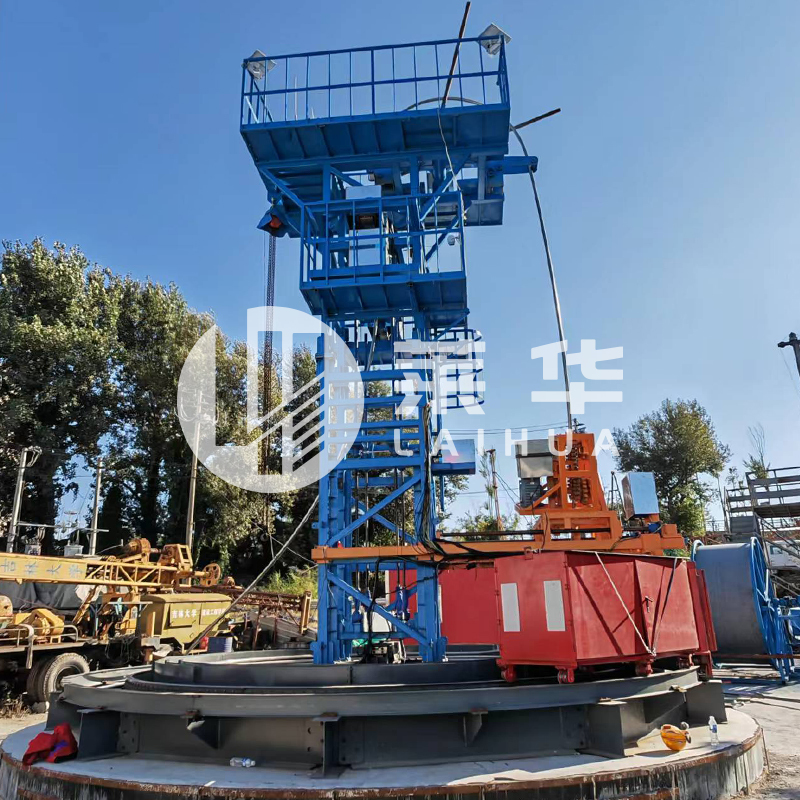
Continuous Tubing Skid Winch is a specially designed equipment for oilfield operations, which combines the design features of the Continuous Tubing Wo...
See Details
E-mail: [email protected]

Phone: +86-15996597000
+86-18252893456

Whatsapp: +86-18252874678

Address: No. 3 Xinyuan Road, Nanmo Town Industrial Park, Hai'an City, Nantong City, Jiangsu Province, China
QR code on
mobile phone



Contact Us