
 英语
英语 西班牙语
西班牙语 阿拉伯语
阿拉伯语Cat:Products
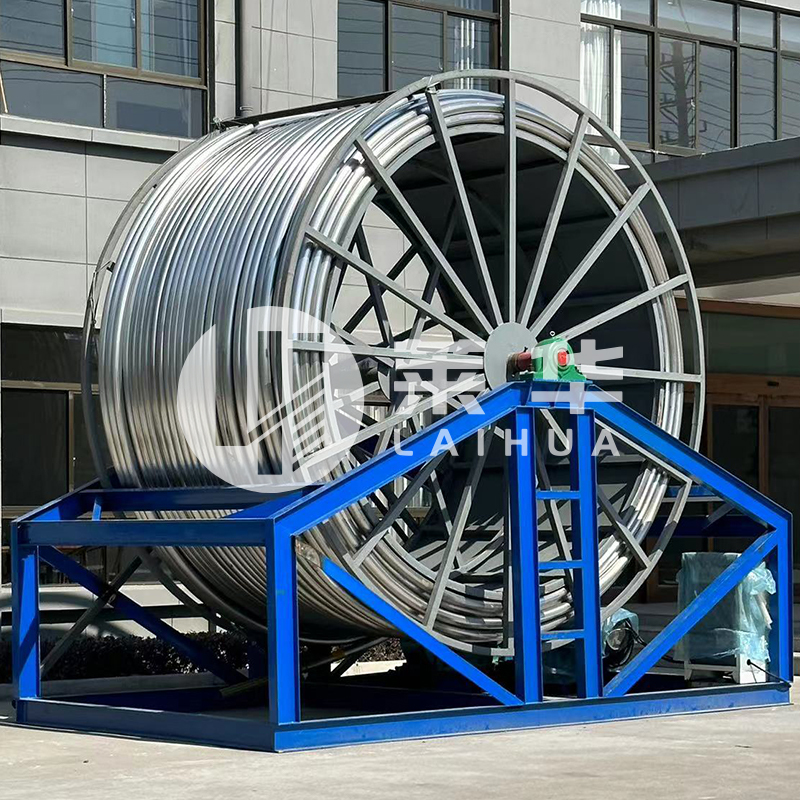
Continuous tubing, also known as flexible tubing or flexible tubing, is widely used in the fields of well workover, logging and drilling, etc. Its pro...
See Details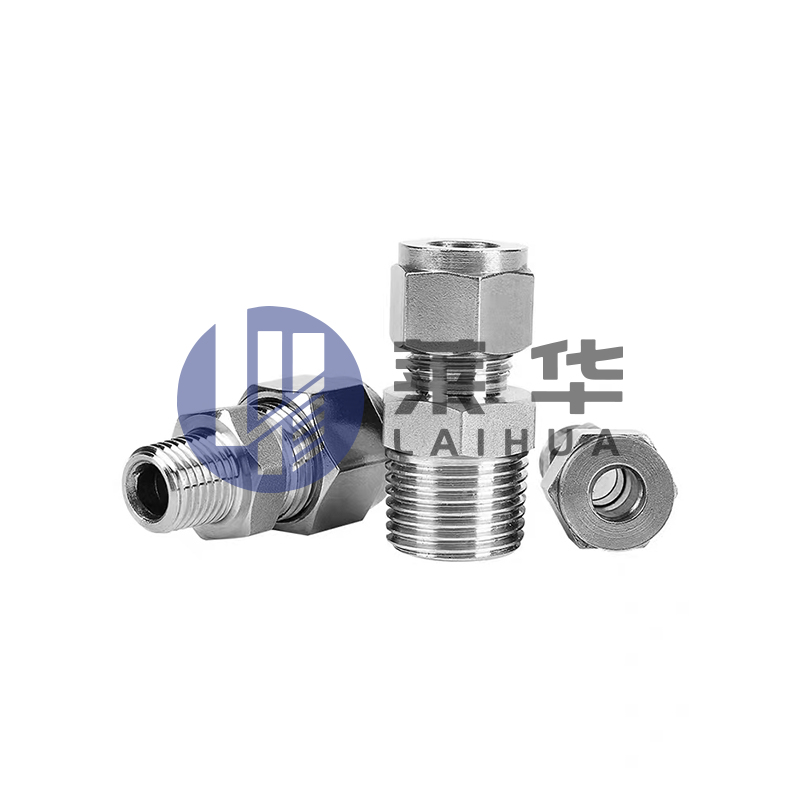
Content
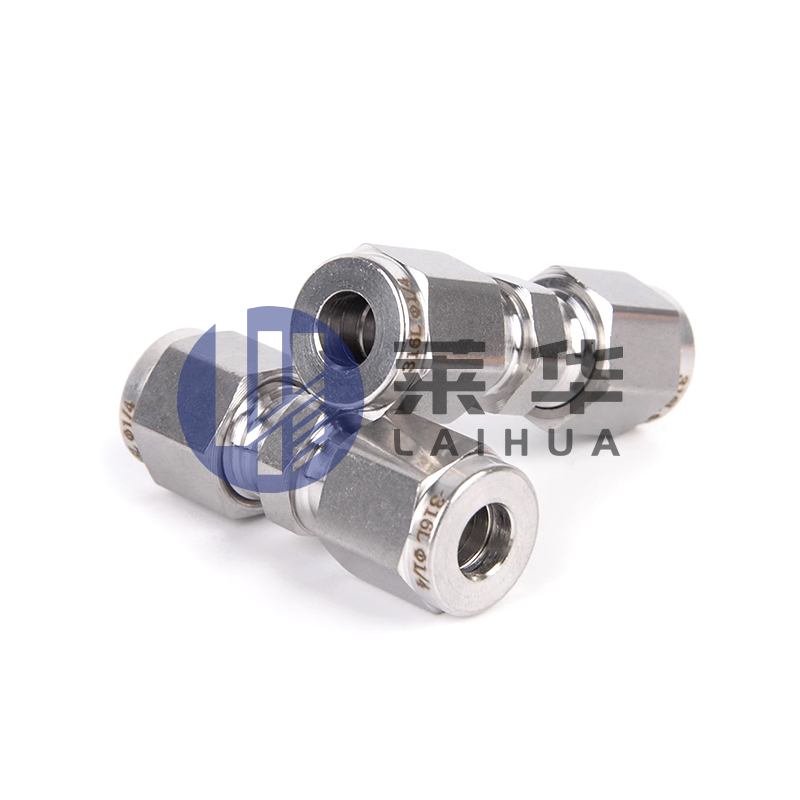
A stainless steel ferrule joint achieves a dependable, leak-tight seal by mechanically biting into the tubing surface without welding or flaring. During assembly, the nut forces the ferrule’s front cutting edge into the tube while its outer cone mates with the fitting body, creating a dual-grip metal-to-metal seal that resists vibration, thermal cycling, and extreme pressures. This connection is a standard choice in high-pressure oil and gas instrumentation, chemical injection lines, and hydraulic control systems.
The joint consists of three precision components: the body, a single or double ferrule, and a nut. As the nut is tightened, the ferrule is driven forward. Its leading edge plows into the tube’s outer surface, forming a shallow, circumferential indentation. Simultaneously, the ferrule’s tapered back face presses against the matching conical seat inside the body. The result is a primary seal at the tube-ferrule interface and a secondary static seal between the ferrule and the body. This geometry maintains integrity even when the tube is subjected to side loads or pulsating flow.
Beyond sealing, the hardened ferrule performs a grip function. The indentation mechanically locks the tube against blow-out forces. In tests with 316L stainless steel tubing and matching ferrules, assembled joints have consistently held pressures above 300 MPa (43500 psi) hydrostatic before any tube slippage or weeping occurs. This dual action—seal plus grip—is what sets the ferrule design apart from simple compression rings.
The corrosion resistance of a stainless steel ferrule joint depends on the grade of stainless used for the body, ferrule, and nut. Common choices are 304, 316, and 316L. In chloride-rich applications, such as offshore platforms or chemical dosing skids, 316L (1.4404) is preferred because its low carbon content minimizes intergranular corrosion after welding or long-term exposure to mildly acidic fluids.
For more aggressive media, super duplex stainless steel (UNS S32750) or alloy 6Mo can be used for the wetted components, raising the pitting resistance equivalent number (PREN) beyond 40. Even with these exotic alloys, the ferrule mechanism functions identically, relying on the relative hardness between the ferrule and the tube to generate the bite.
The burst pressure of a ferrule joint is ultimately limited by the tube’s hoop strength, not the fitting itself. Properly installed assemblies on annealed 316L seamless tubing with 6 mm outside diameter and 1 mm wall thickness have passed hydrostatic proof tests at 300 MPa without failure. Production quality control typically involves a combination of tensile testing, Vickers hardness checks on ferrules, and eddy current flaw detection of tube surfaces to rule out micro-cracks that could propagate under cyclic loading.
A quality inspection center equipped with a spectrometer for heat analysis, a 300 MPa hydraulic testing machine, and an eddy current detector can ensure that each batch of joints meets the chemical and physical benchmarks defined by ASTM A269 and relevant ISO standards.
Consistent performance demands strict adherence to assembly procedures. The tube must be cut square, deburred, and cleaned. The nut and ferrule are slid over the tube, which is then bottomed against the fitting body shoulder. The nut is initially tightened finger-tight, and then a prescribed number of turns—typically 1-1/4 turns from the finger-tight position for sizes up to 12 mm—is applied with a wrench. This turn count ensures the ferrule penetrates the tube surface to the correct depth without over-compressing and galling the threads.
After installation, a go/no-go inspection or a low-pressure nitrogen test can confirm seal integrity before the system is placed into service.
One major advantage of the ferrule joint is its ability to be disassembled and reconnected multiple times without losing sealing capability. Once the initial bite is set, the ferrule acts as a memory ring. During reassembly, the same nut is tightened to a positive stop—no additional rotation is needed. Field data from continuous oil pipe winch systems used in coal mine nitrogen injection shows that fittings reconnected more than 20 times still held a leak rate below 1×10⁻⁶ mbar·L/s under helium testing.
Regular visual inspection for crevice corrosion at the tube entrance, especially in salt-spray environments, extends service life. If any pitting or discoloration appears, replacing the ferrule and re-terminating the tube is a straightforward field operation.
| Connection Type | Sealing Mechanism | Typical Test Pressure | Field Reusability |
|---|---|---|---|
| Stainless Steel Ferrule Joint | Metal-to-metal bite | Up to 300 MPa | Multiple (>20 cycles) |
| Welded Connection | Fused material | As per tube rating | Permanent, no reuse |
| Flared Fitting | Formed tube end + cone | Typically 35-70 MPa | Limited, flare cracks possible |
The table highlights why the ferrule design is favored when both high-pressure reliability and field maintainability are required. The absence of heat or specialized forming tools during assembly further reduces installation time and cost in remote locations.
Stainless steel ferrule joints are found wherever continuous coiled tubing or small-diameter instrumentation lines must operate reliably under stress. In oilfields, they connect downhole temperature and pressure sensor cables inside continuous oil pipes, maintaining a seal at depths where external hydrostatic pressure exceeds 100 MPa. In underground coal mines, they form the backbone of nitrogen injection and drainage gas extraction lines, where a single leak could create a safety hazard.
Environmental monitoring and food processing plants also employ them for sample transport lines, leveraging the smooth, crevice-free interior of the joint to avoid bacterial buildup. The ability to select the precise alloy for the fitting and tube means that a single joint configuration can be adapted for cryogenic gas, superheated steam, or strong acid service simply by changing the material specification.
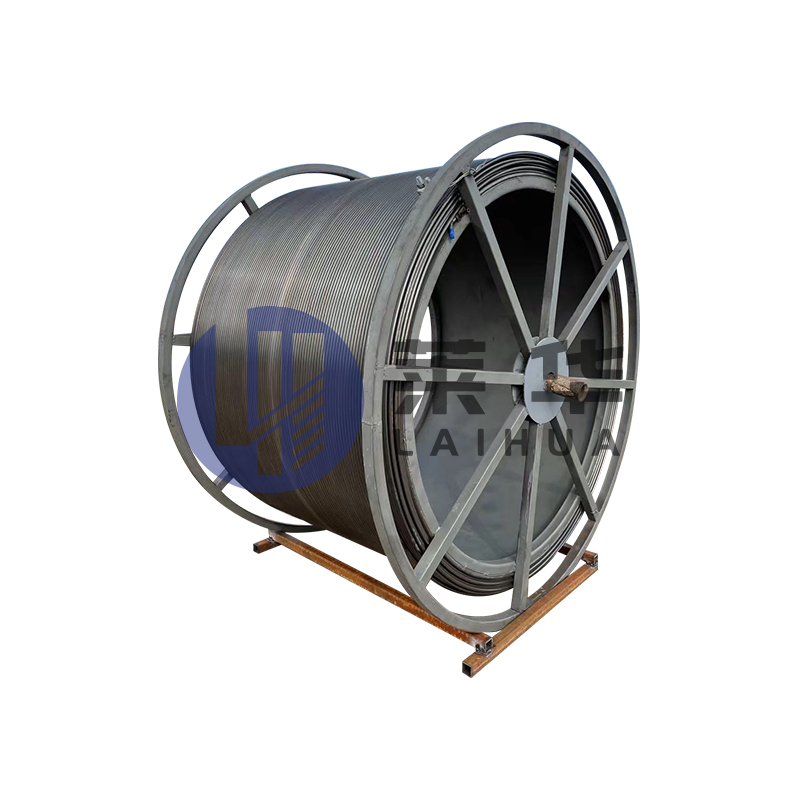
Continuous tubing, also known as flexible tubing or flexible tubing, is widely used in the fields of well workover, logging and drilling, etc. Its pro...
See Details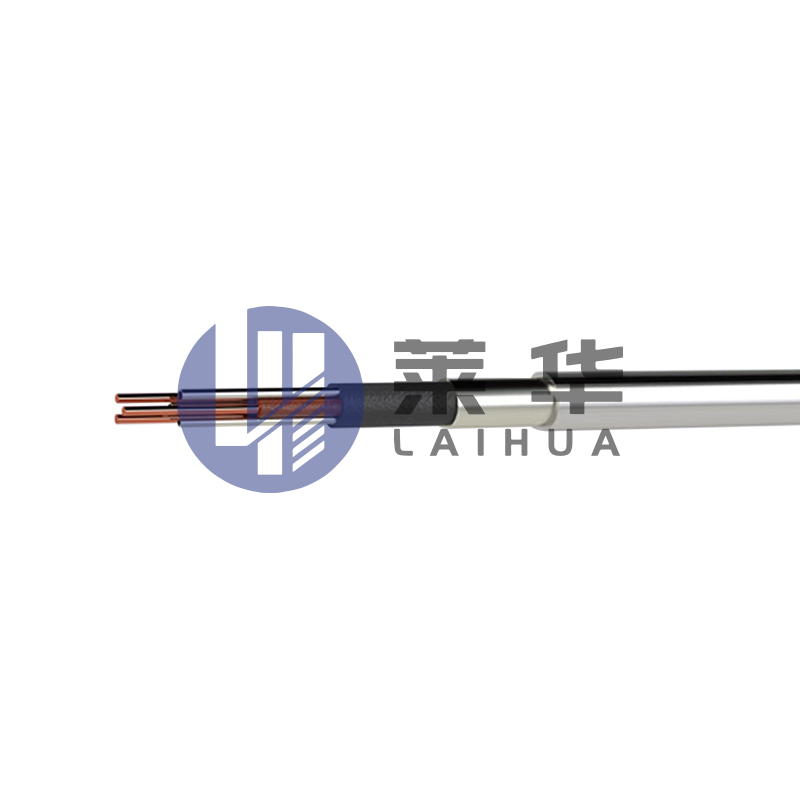
Purpose: The high-temperature testing cable, combined with the high-temperature testing vehicle, is mainly used in multi-parameter testing of heavy oi...
See Details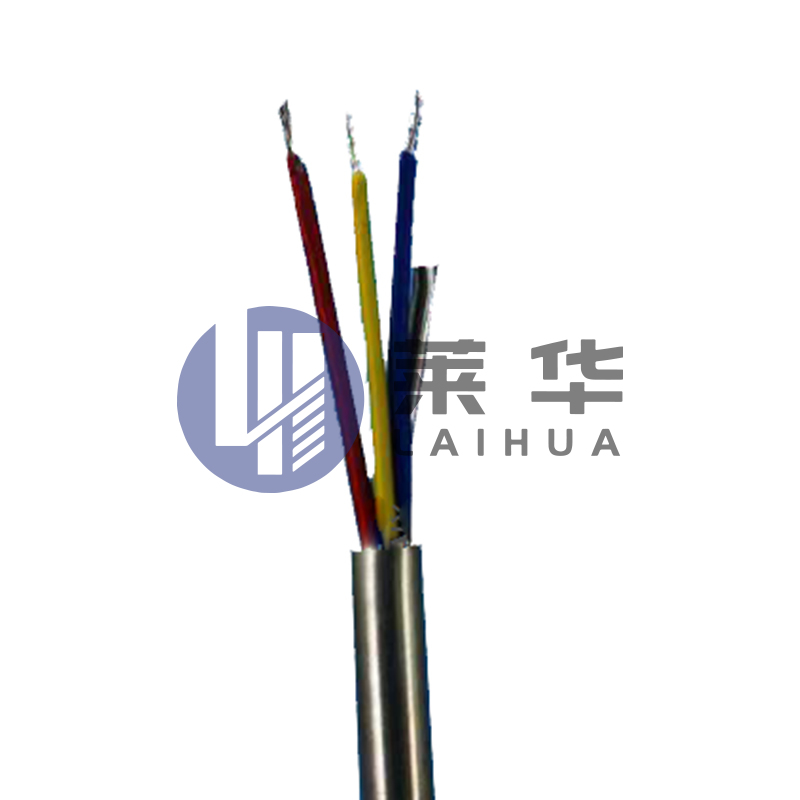
The Stainless Steel Fibre Optic Test Cable is a special test cable that combines the durability of stainless steel with the high transmission efficien...
See Details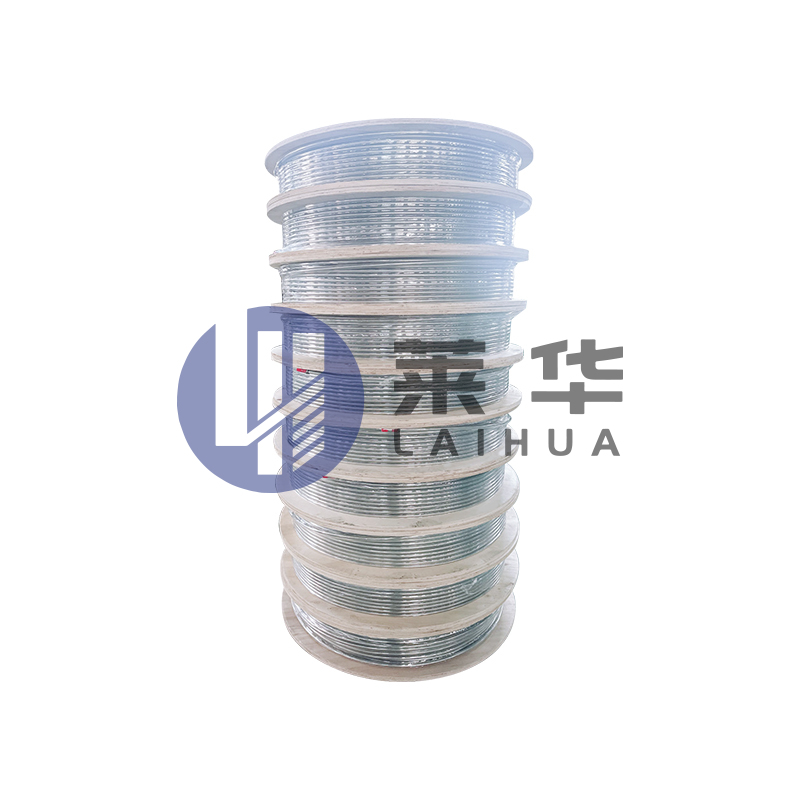
Instructions for the use of hydraulic control pipelines Hydraulic control pipeline, also known as capillary. Mainly used for underground capillary pre...
See Details
Stainless steel clad pipe is a piping system that combines the durability of stainless steel with the protection of plastic. This piping system is usu...
See Details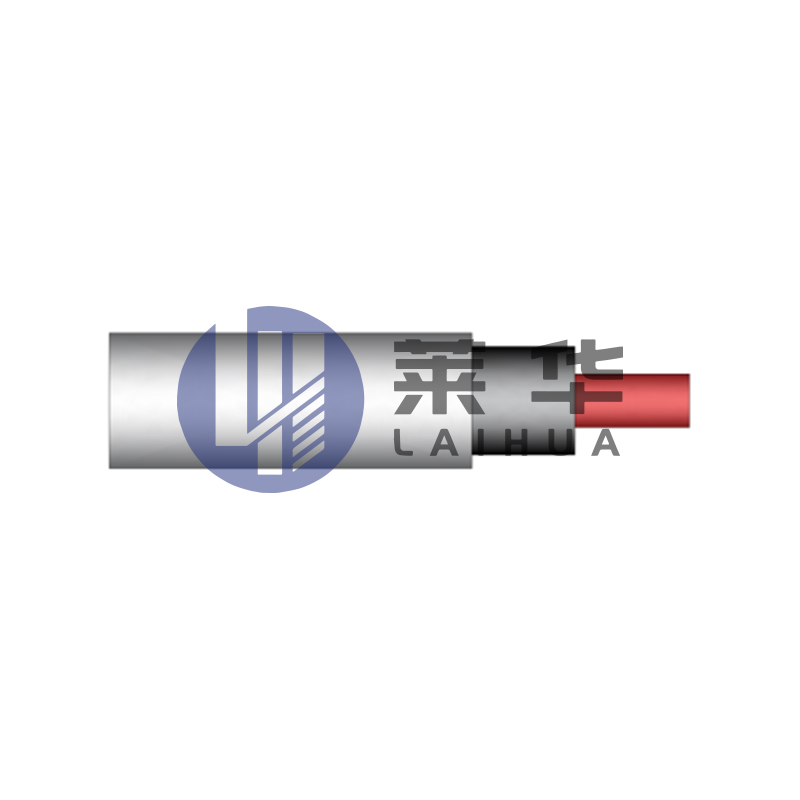
Application field:The electric induction heating system is a complete set of electric heating devices developed by our company specifically for heavy ...
See Details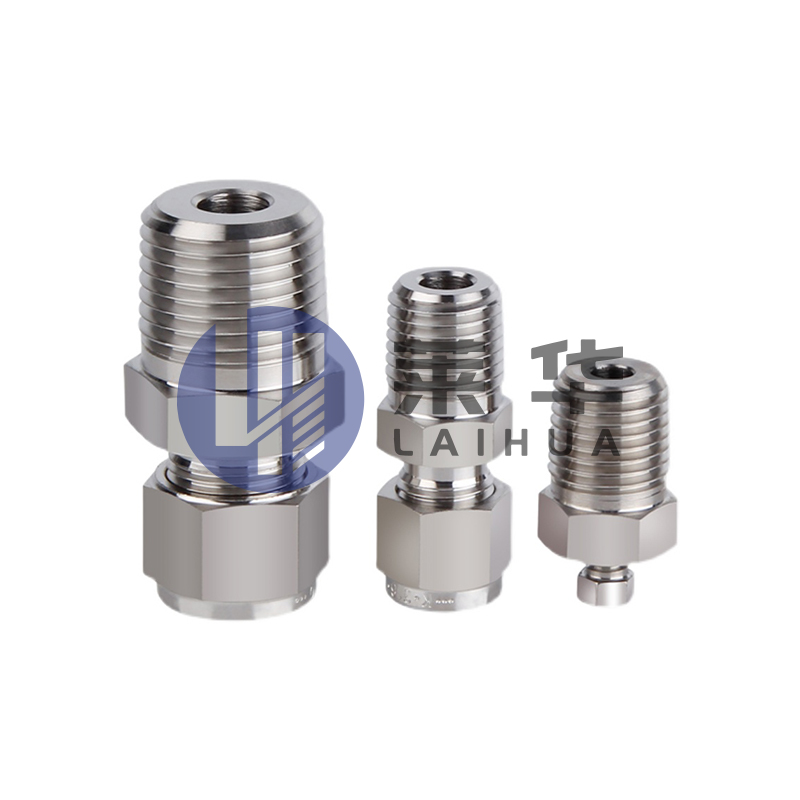
The ferrule type pipe joint consists of three parts: the joint body, ferrule, and nut. When the clamp and nut are inserted into the joint body on the ...
See Details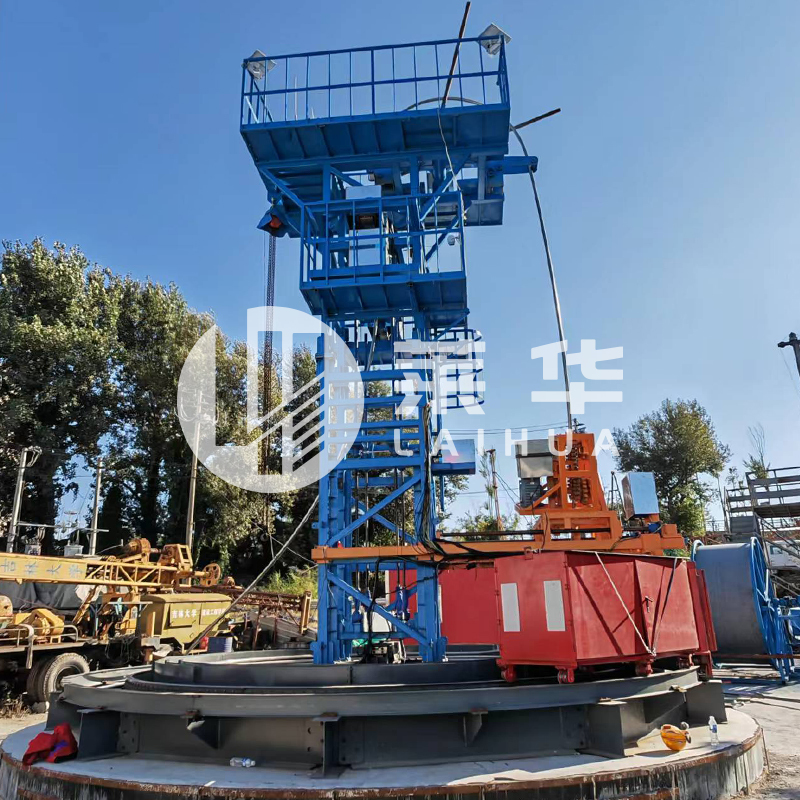
Continuous Tubing Skid Winch is a specially designed equipment for oilfield operations, which combines the design features of the Continuous Tubing Wo...
See Details
E-mail: [email protected]

Phone: +86-15996597000
+86-18252893456

Whatsapp: +86-18252874678

Address: No. 3 Xinyuan Road, Nanmo Town Industrial Park, Hai'an City, Nantong City, Jiangsu Province, China
QR code on
mobile phone



Contact Us