
 英语
英语 西班牙语
西班牙语 阿拉伯语
阿拉伯语Cat:Products
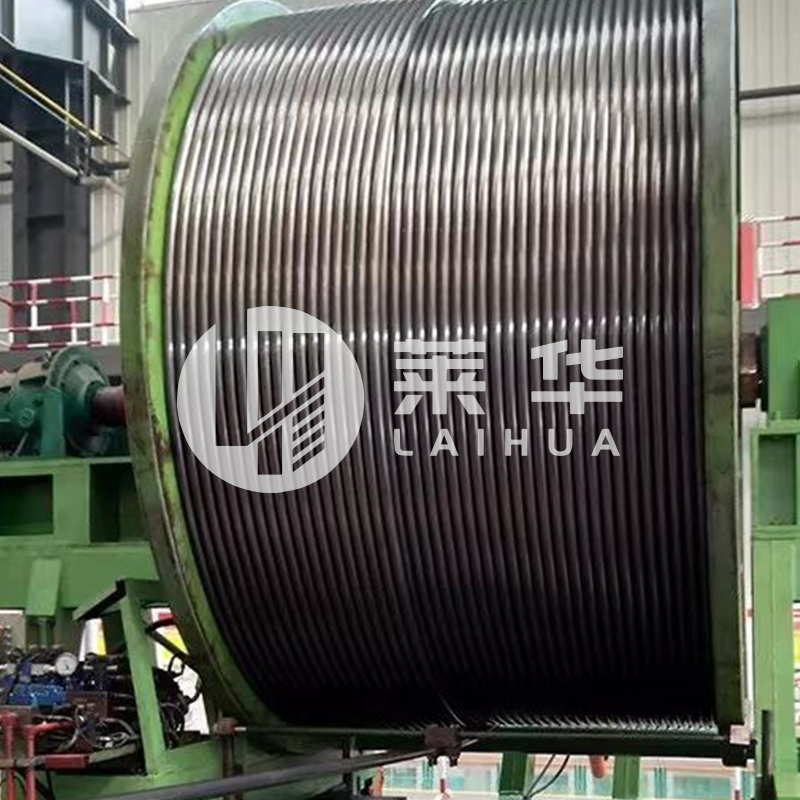
Continuous tubing, also known as flexible tubing or flexible tubing, is widely used in the fields of well workover, logging and drilling, etc. Its pro...
See Details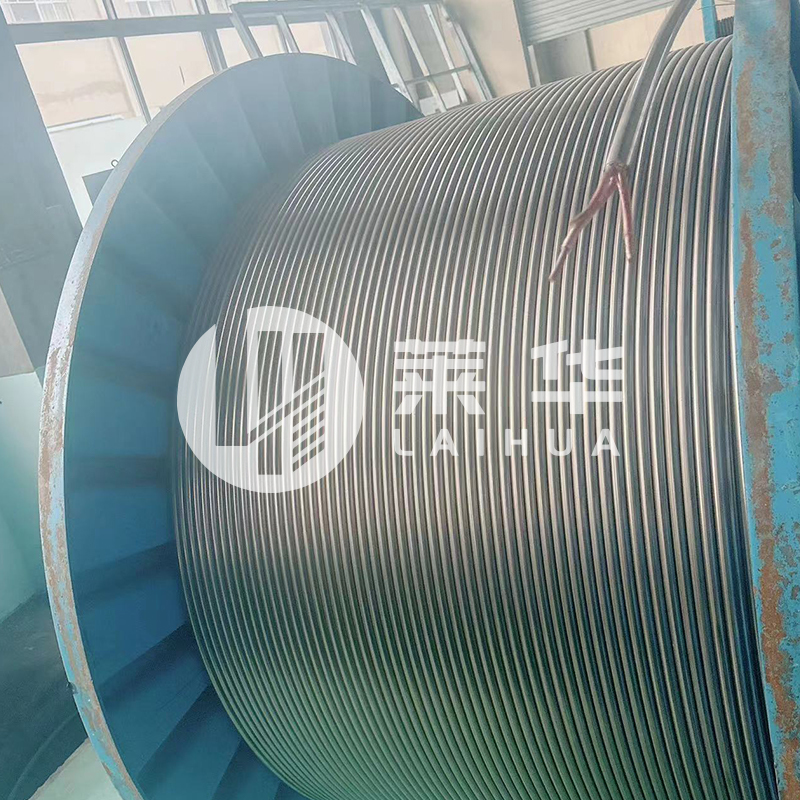
Content
Heavy oil reservoirs account for a significant portion of global crude reserves, yet their high viscosity makes production notoriously difficult. Steam injection has long been the default thermal recovery method, but it fails in deep wells, low-permeability formations, and offshore environments where heat losses render it economically unviable. The alternative gaining traction on oilfields from Liaohe to Daqing is downhole electric induction heating — specifically, the use of Oil Well Special Armored Heating T-Cables that deliver heat precisely where it is needed.
Research published in the Journal of Canadian Petroleum Technology confirmed that even a modest-power electric resistance heating element can enhance heavy oil recovery several fold compared to unheated production — with incremental oil costs as low as $1.25 USD per barrel. That figure changes the economics of wells previously considered marginal.
The principle is straightforward: crude oil viscosity drops sharply as temperature rises. Heavy oil at reservoir conditions may have a viscosity exceeding 1,000 cP; gentle heating can reduce that by an order of magnitude, allowing the fluid to flow freely to the surface pump without chemical additives or blending with lighter crude.
An armored heating T-cable carries alternating current downhole, generating resistive heat along the cable's length. The "T" configuration refers to a three-conductor layout that balances phase load and maximizes heating uniformity across the target interval. The armored outer construction — typically fabricated from stainless steel grades such as 316L, 2205, or 2507 — protects the internal conductors from wellbore pressure, corrosive brine, and mechanical abrasion during running and retrieval.
Unlike permanent casing heating systems that require isolators in the casing string, a cable-based system can be deployed on a tail pipe and retrieved for repair. This matters operationally: the well does not need a permanent modification, and the cable system can be moved to another well if production profiles change.
Selecting the right cable for a given well requires matching the cable's physical parameters to downhole conditions. The table below summarizes the standard specification range for industrial-grade armored heating cables used in oilfield applications:
| Parameter | Specification Range |
|---|---|
| Steel pipe material | 316L, 2205, 2507, 825, CT70–CT130 |
| Wall thickness | 1.5 mm – 3 mm |
| Outer diameter | 16 mm – 25.4 mm |
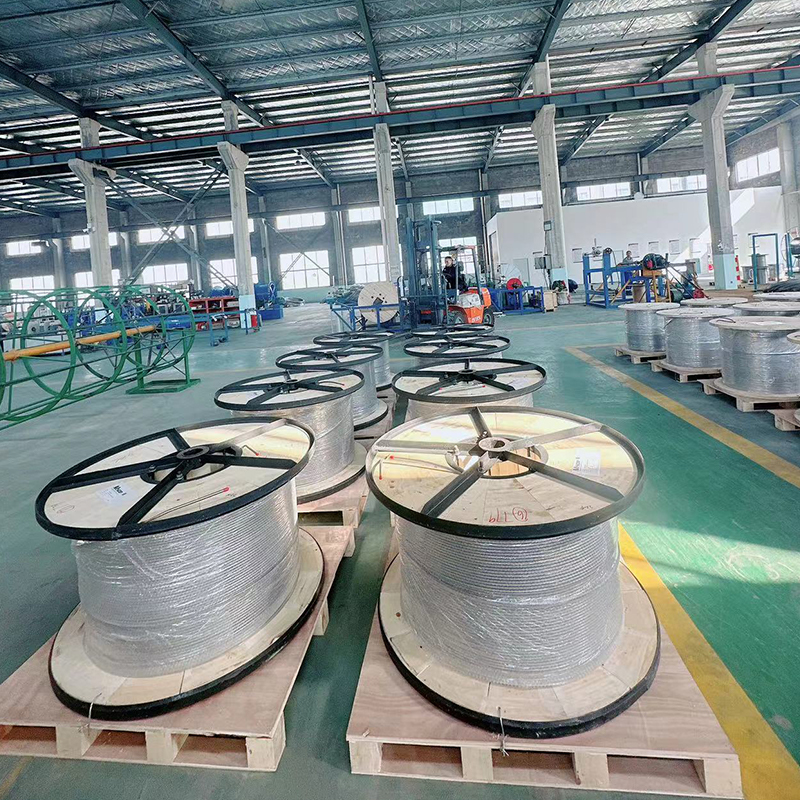
| Continuous cable length | 1,000 m – 5,000 m |
Material choice is not cosmetic. 316L suits moderate-corrosion environments and most onshore heavy oil wells. Duplex grades 2205 and 2507 are specified when chloride-induced stress corrosion is a concern — common in high-salinity coastal and offshore formations. Alloy 825 offers additional resistance to reducing acids and is often chosen for wells with significant H₂S content. The CT70–CT130 range covers high-strength coiled tubing grades where mechanical load during deployment is a primary design driver.
Continuous cable lengths up to 5,000 m eliminate mid-string splices, which are the most common failure point in downhole heating systems. Seamless, uninterrupted construction across the full well depth is a meaningful reliability advantage.
The case for electric induction heating is best made in concrete terms rather than general claims. The system's advantages translate directly into measurable production and cost outcomes:
These benefits apply equally to onshore fields producing high-wax crude, offshore platforms handling ultra-heavy oil, and shale thermal recovery processes — all recognized application fields for this cable technology.
A heating cable does not operate in isolation. It is most effective when integrated with a well completion designed to support it. Tail pipe deployment requires compatible centralizers and clamps to prevent the cable from contacting the casing wall directly, which would create localized hot spots. Chemical injection mandrels are commonly installed in the same string for antiparaffinic treatment during startup periods.
For formation temperature monitoring across the heated interval, distributed temperature sensing (DTS) using a stainless steel fiber optic testing cable provides continuous real-time temperature profiles — confirming that the heating element is delivering heat uniformly and allowing power adjustment before any thermal anomaly develops into a problem.
Fluid injection for scale or corrosion inhibition can be delivered via a stainless steel hydraulic control pipeline run alongside the heating cable, keeping chemical delivery precise without requiring a separate wireline intervention.
Electric downhole heating is not the right solution for every well. Steam injection remains competitive in shallow, high-permeability reservoirs with good thermal containment. But for wells deeper than 1,000 m, offshore locations, thin reservoirs with high thermal conductivity losses, or formations sensitive to water — the armored heating cable system is typically the more effective and cost-efficient choice.
The selection of Oil Well Special Armored Heating T-Cables should be based on four factors: the target well depth and deviation, the downhole temperature and pressure envelope, the corrosivity of produced fluids, and whether the installation will be permanent or retrievable. Getting those four parameters right at the specification stage eliminates the majority of field performance problems before the cable ever enters the wellbore.
For engineers evaluating this technology for a specific field application, published data from fields including Liaohe and Daqing oilfields — where these cables have operated in heavy oil and high-wax crude conditions — provides a useful performance baseline against which to benchmark expectations.
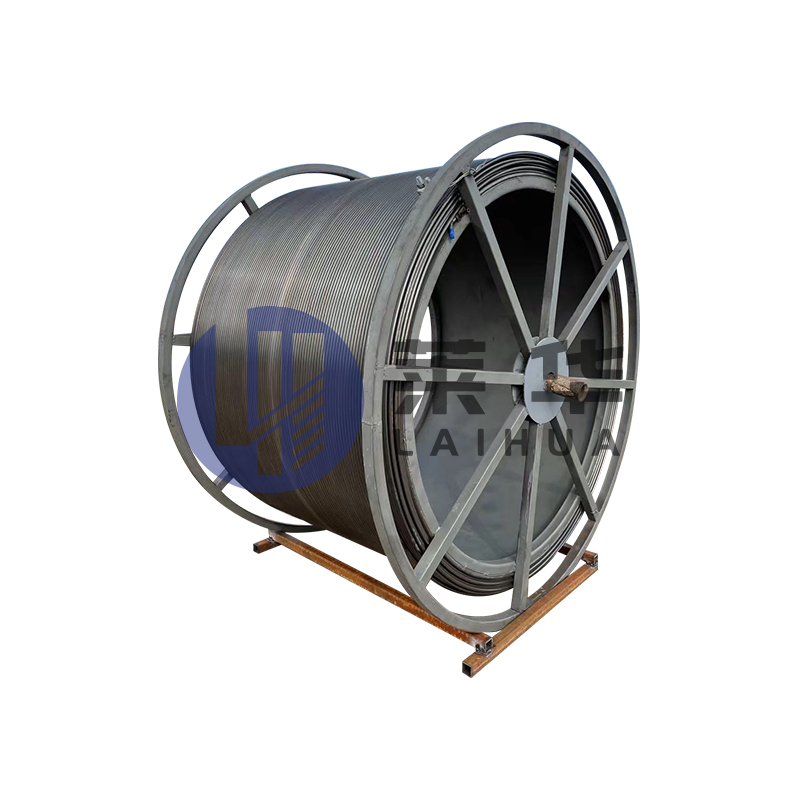
Continuous tubing, also known as flexible tubing or flexible tubing, is widely used in the fields of well workover, logging and drilling, etc. Its pro...
See Details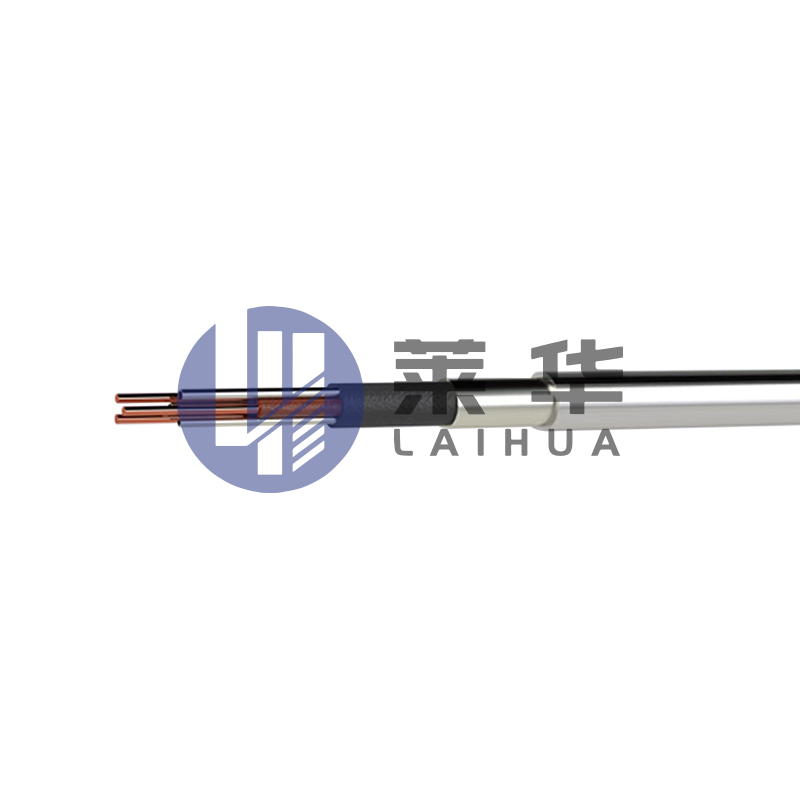
Purpose: The high-temperature testing cable, combined with the high-temperature testing vehicle, is mainly used in multi-parameter testing of heavy oi...
See Details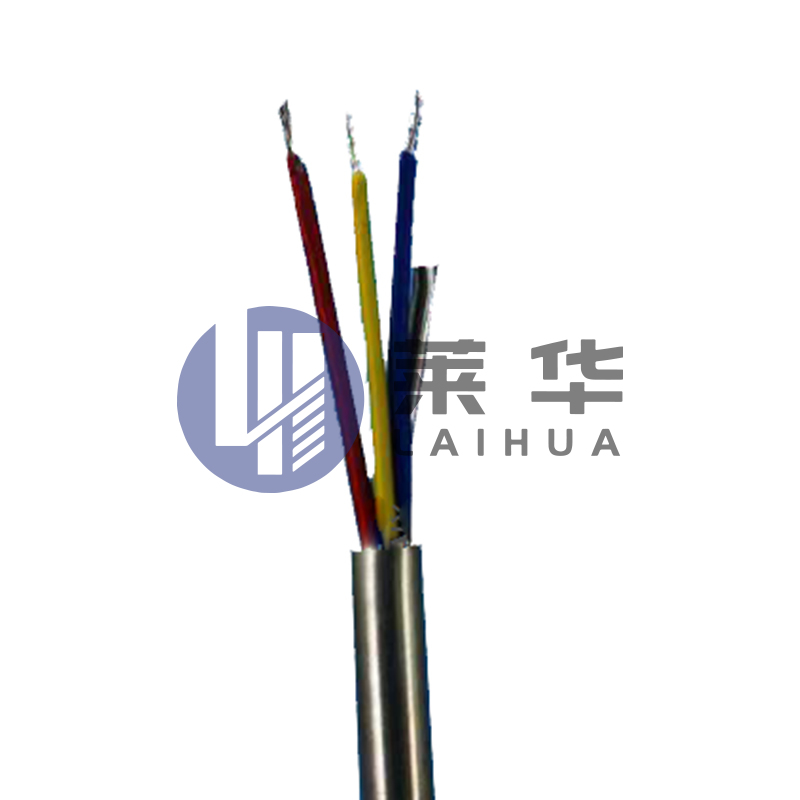
The Stainless Steel Fibre Optic Test Cable is a special test cable that combines the durability of stainless steel with the high transmission efficien...
See Details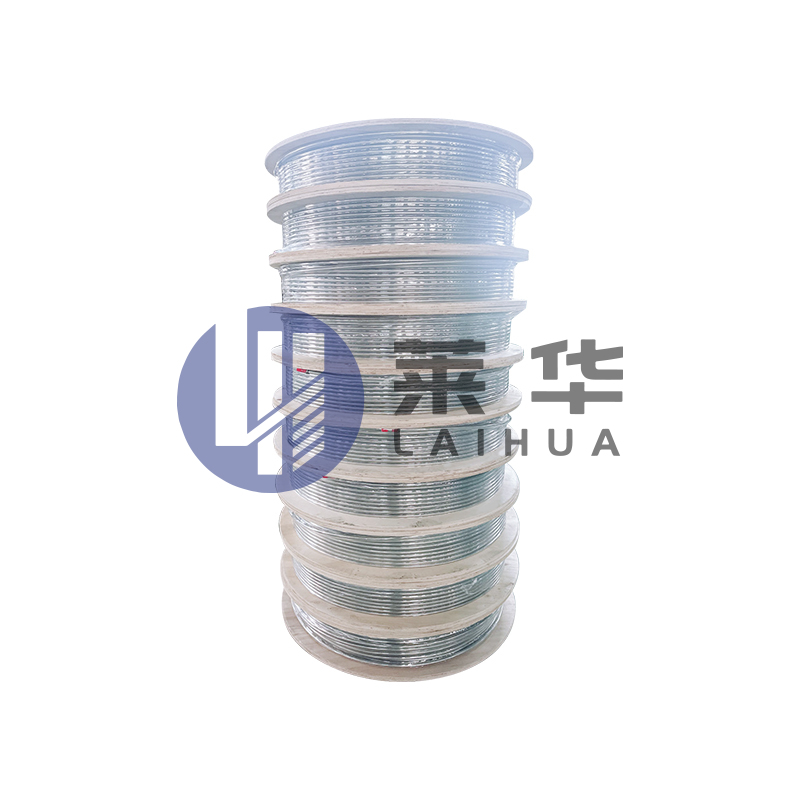
Instructions for the use of hydraulic control pipelines Hydraulic control pipeline, also known as capillary. Mainly used for underground capillary pre...
See Details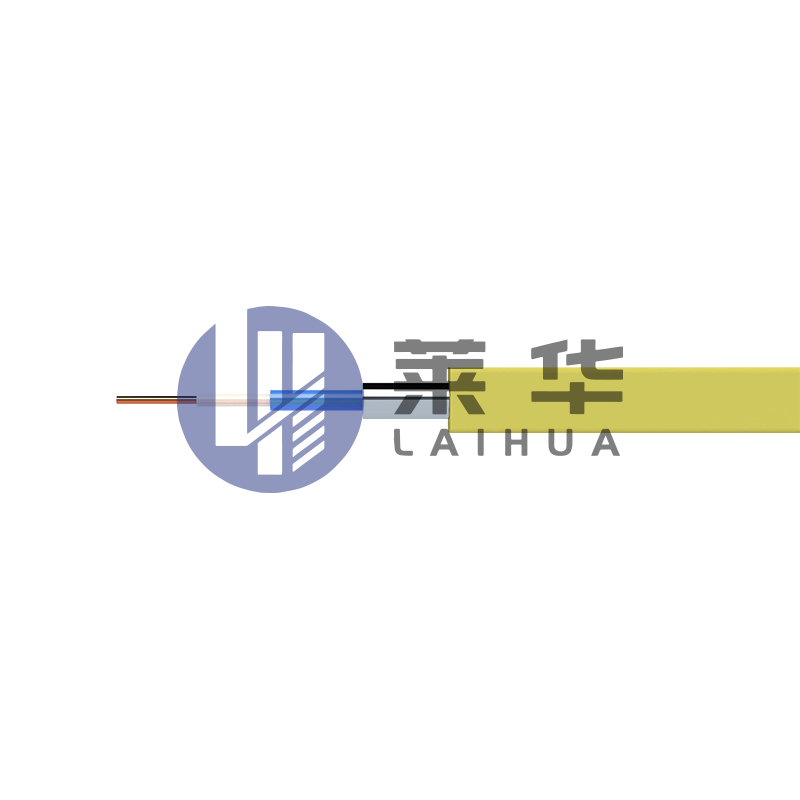
Stainless steel clad pipe is a piping system that combines the durability of stainless steel with the protection of plastic. This piping system is usu...
See Details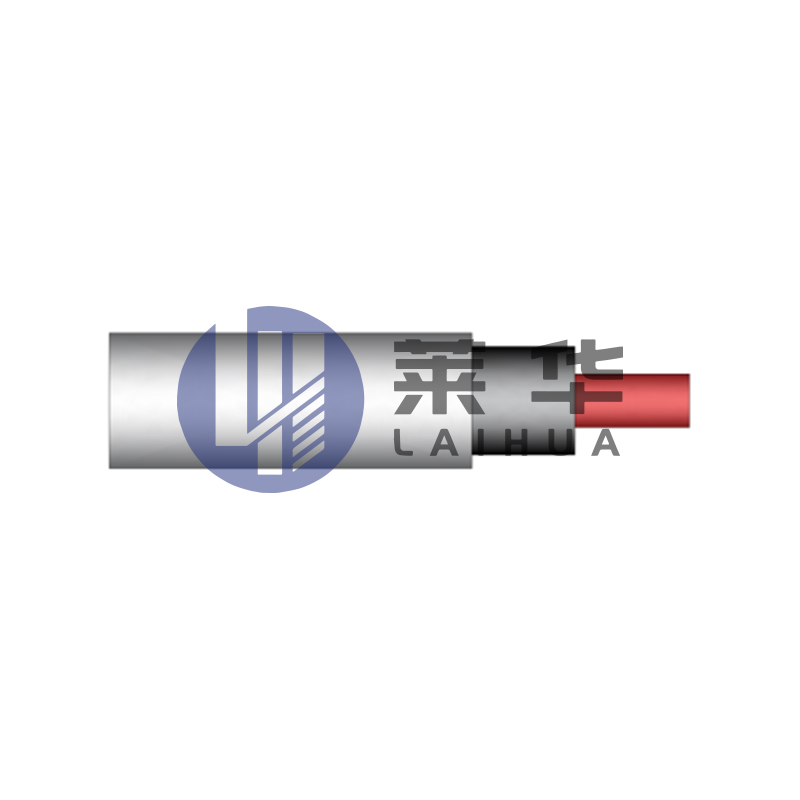
Application field:The electric induction heating system is a complete set of electric heating devices developed by our company specifically for heavy ...
See Details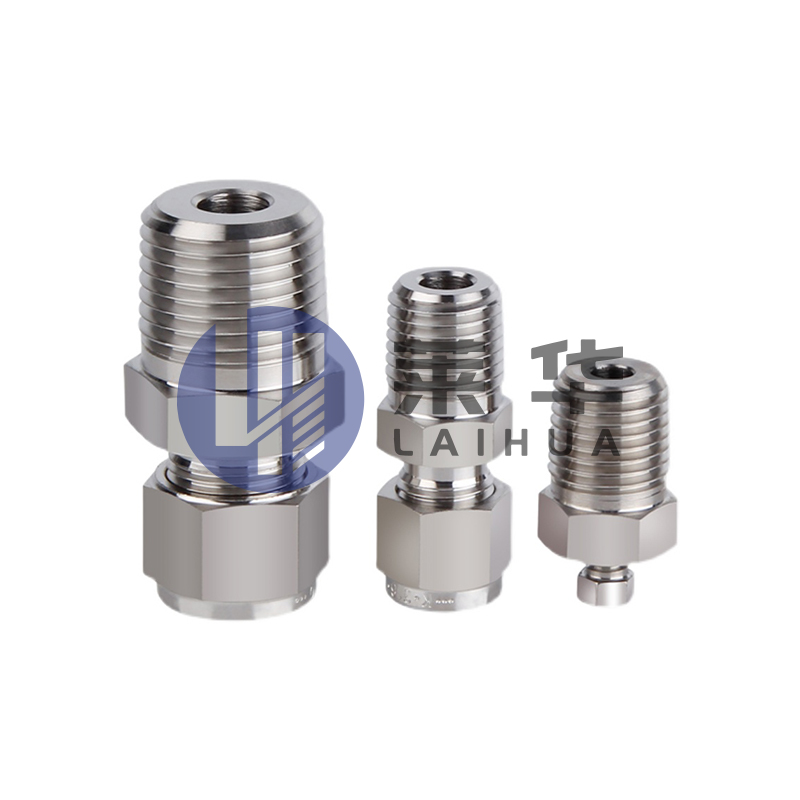
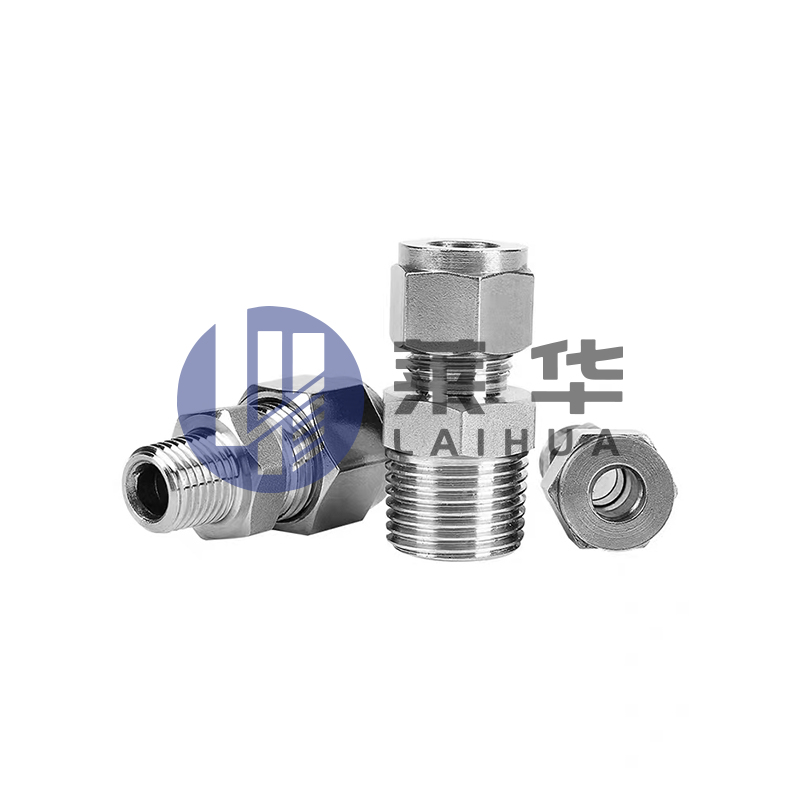
The ferrule type pipe joint consists of three parts: the joint body, ferrule, and nut. When the clamp and nut are inserted into the joint body on the ...
See Details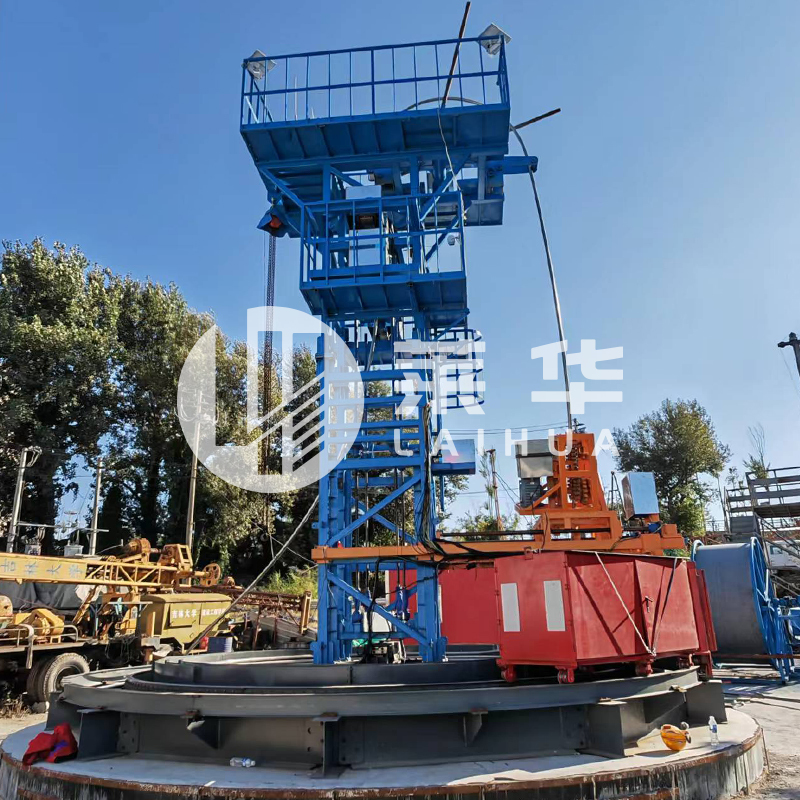
Continuous Tubing Skid Winch is a specially designed equipment for oilfield operations, which combines the design features of the Continuous Tubing Wo...
See Details
E-mail: [email protected]

Phone: +86-15996597000
+86-18252893456

Whatsapp: +86-18252874678

Address: No. 3 Xinyuan Road, Nanmo Town Industrial Park, Hai'an City, Nantong City, Jiangsu Province, China
QR code on
mobile phone



Contact Us