
 英语
英语 西班牙语
西班牙语 阿拉伯语
阿拉伯语Cat:Products
Continuous tubing, also known as flexible tubing or flexible tubing, is widely used in the fields of well workover, logging and drilling, etc. Its pro...
See Details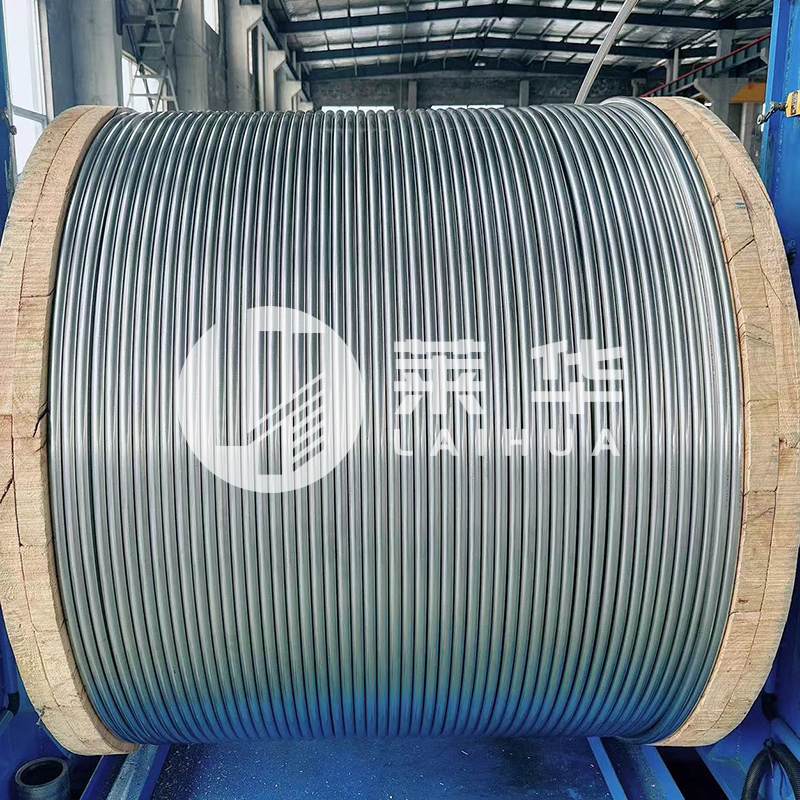
Content
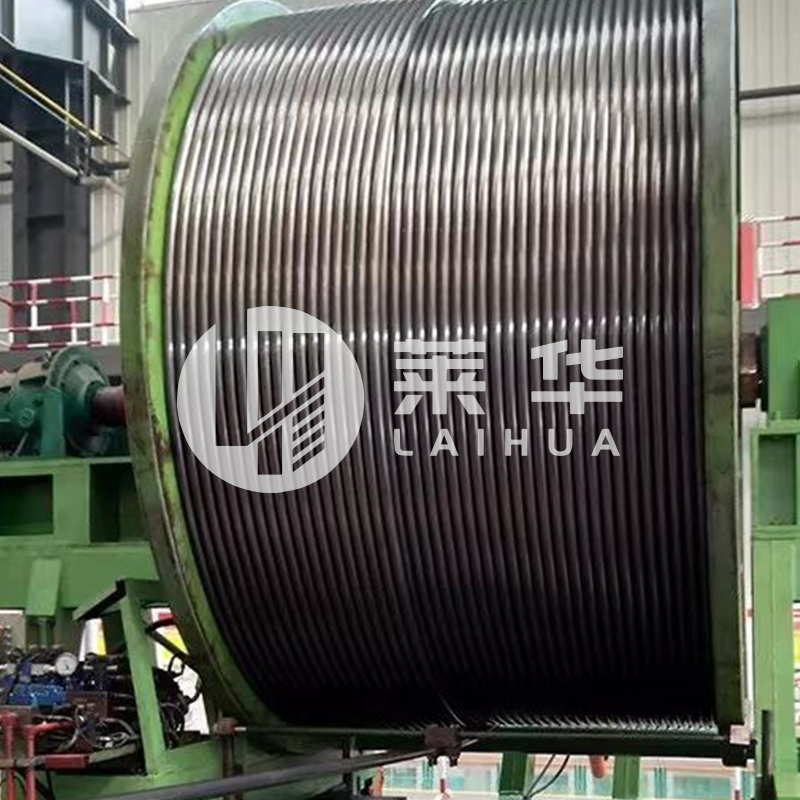
Stainless steel continuous oil pipe, also known as coiled tubing, directly answers the industry demand for a single, joint-free conduit that can be deployed rapidly into live wells. Its seamless structure eliminates the numerous threaded connections found in conventional jointed pipe, drastically reducing potential leak points and enabling safer high-pressure pumping, wellbore cleanouts, and logging operations. By integrating corrosion-resistant alloys with advanced forming and heat-treating processes, this technology delivers a service life that often exceeds that of carbon steel strings by a factor of three in sour or high-chloride environments.
Before 2010, the global supply of continuous oil pipe was controlled by only two companies in the United States. This tight supply chain forced operators across the world to depend heavily on imports, often facing long lead times and limited size availability. Recognizing this strategic vulnerability, domestic engineering teams launched an intensive research and development program in 2008. After overcoming challenges in strip welding, inline annealing, and multi-axis fatigue testing, the first domestically manufactured stainless steel continuous string was successfully produced in the second half of 2010. This milestone not only broke a critical technological monopoly but also cut delivery cycles by more than half for regional oilfields.
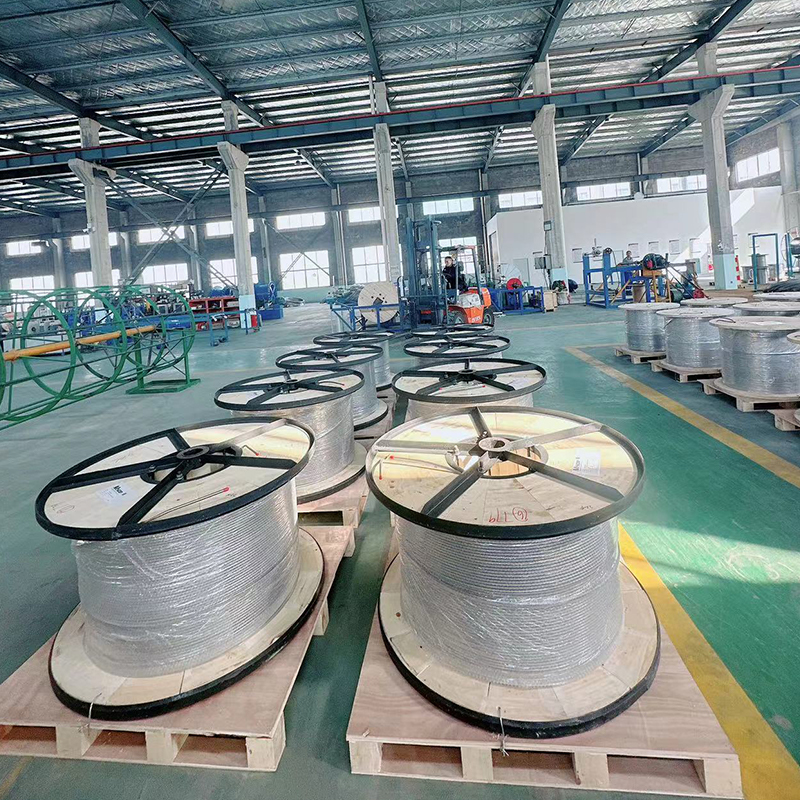
A specialized production base located in Hai'an, Jiangsu Province, currently operates with a total asset value of 50 million yuan, housed in a plant covering 2,860 square meters with 1,680 square meters of built-up area. The facility runs multiple dedicated stainless steel pipe production lines, each integrating high-precision pipe-making units and stretching units. The heart of the quality assurance system lies in the thermal treatment setup: pit-type electric furnaces and online vacuum bright furnaces ensure that the finished coil retains a uniform, oxide-free surface. Key process data points include:
Unlike standard carbon steel coiled tubing, stainless steel variants leverage high chromium, nickel, and molybdenum content to withstand aggressive media. Common grades deployed include duplex stainless steels and super austenitic alloys. Their pitting resistance equivalent number (PREN) often surpasses 35, making them suitable for CO2 flooding, acid stimulation, and high-H2S gas wells. The bright annealing performed in vacuum or controlled-atmosphere furnaces preserves the passive chromium oxide layer, resulting in a smooth internal bore that minimizes scale build-up and pressure losses.
Continuous stainless steel strings transform well intervention workflows. Their flexibility permits live-well deployment without killing the well, preserving formation integrity and slashing downtime. The table below highlights critical differences that translate directly into cost and safety gains.
| Parameter | Jointed Pipe | Stainless Steel Continuous Pipe |
|---|---|---|
| Leak Paths per 1000 m | ~100 threaded joints | Zero intermediate joints |
| Tripping Speed | Slow, make-up/break-out required | Up to 40 m/min in live wells |
| Internal Flow Efficiency | Upset connections cause turbulence | Constant bore, 15–20% lower friction loss |
| Fatigue Life in Corrosive Well | Thread galling and pitting failure | High resistance, often exceeds 1000 bending cycles |
The versatility of continuous stainless steel tubing extends far beyond simple circulation. It serves as the backbone for a range of high-value downhole services:
A comprehensive inspection protocol is embedded into the production line. After the final bright annealing pass, each coil undergoes hydrostatic testing at 1.5 times the rated working pressure, with pressure hold periods monitored by digital recorders. Eddy current and ultrasonic phased array probes scan the entire weld seam and body wall for minuscule voids or lamination defects. Coils are then spooled onto winch-compatible reels and subjected to a bend-and-straighten simulation that verifies the fatigue endurance meets the specified minimum 400 bending cycles at typical gooseneck radii. A full material certificate lists chemical composition, tensile properties, hardness, and intergranular corrosion test results per ASTM A262 Practice E.
The successful application of stainless steel continuous oil pipe depends equally on the surface handling package. The specialized manufacturer supplies winch supporting equipment that pairs precisely with the coil’s spool dimensions and weight. Deep groove drums, level-wind mechanisms, and hydraulic tensioners are designed to prevent bird-caging and maintain an even wrap pattern during high-speed deployment. For wells deeper than 5,000 meters, dual-reel configurations and power swivels enable fluid injection through the tube while rotating, further expanding the operational envelope.
The ongoing shift toward extended-reach and smart well architectures increases the demand for ever-longer continuous strings with enhanced mechanical properties. By refining the cold-pilgering and bright annealing sequences, manufacturers now offer continuous lengths exceeding 7,000 meters on a single spool. The integration of tracer-embedded alloys and embedded fiber optic fibers during the co-core pipe manufacturing process turns the conduit itself into a distributed sensor, enabling continuous monitoring of strain, temperature, and acoustic events along the entire lateral. This development consolidates the role of stainless steel continuous oil pipe not merely as a conveyance tool, but as an intelligent component of digital oilfield infrastructure.
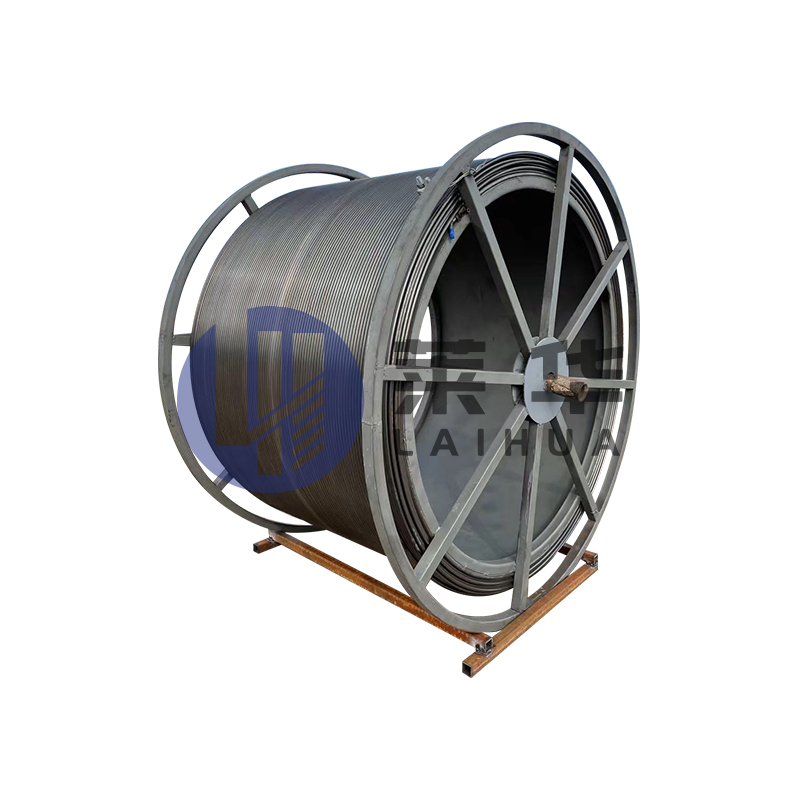
Continuous tubing, also known as flexible tubing or flexible tubing, is widely used in the fields of well workover, logging and drilling, etc. Its pro...
See Details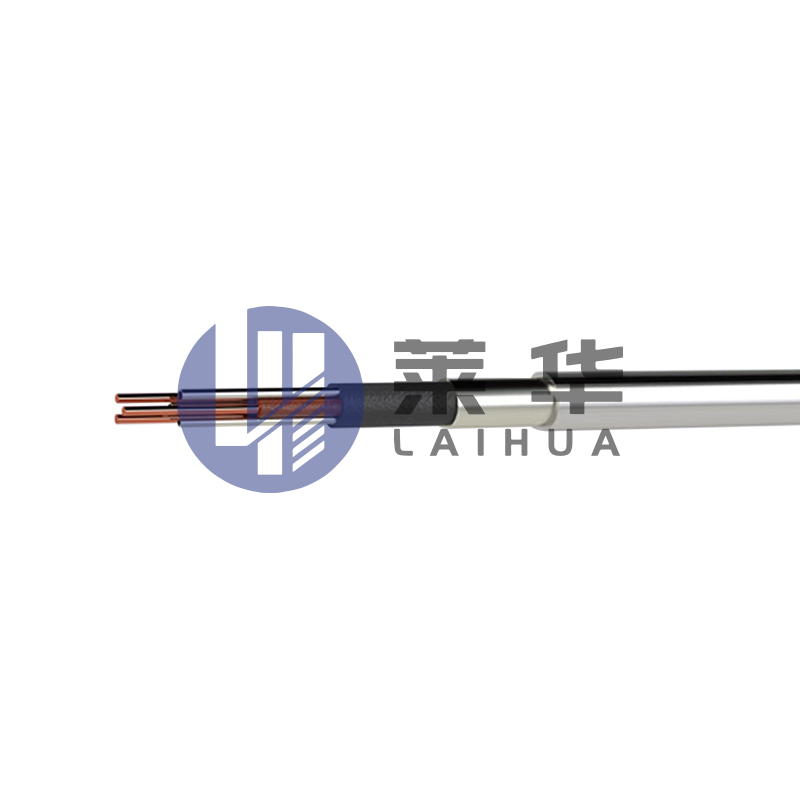
Purpose: The high-temperature testing cable, combined with the high-temperature testing vehicle, is mainly used in multi-parameter testing of heavy oi...
See Details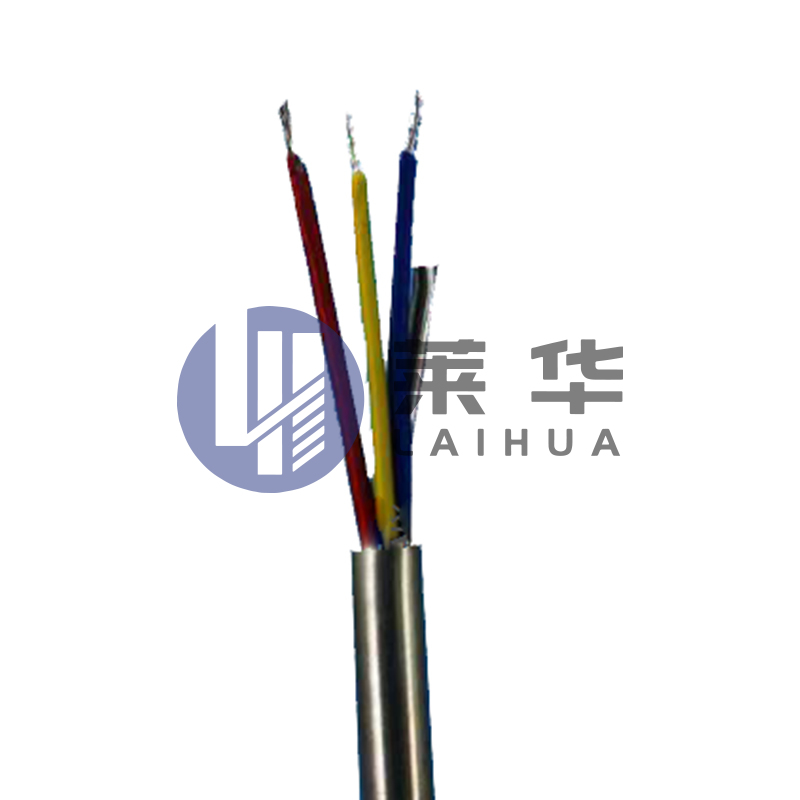
The Stainless Steel Fibre Optic Test Cable is a special test cable that combines the durability of stainless steel with the high transmission efficien...
See Details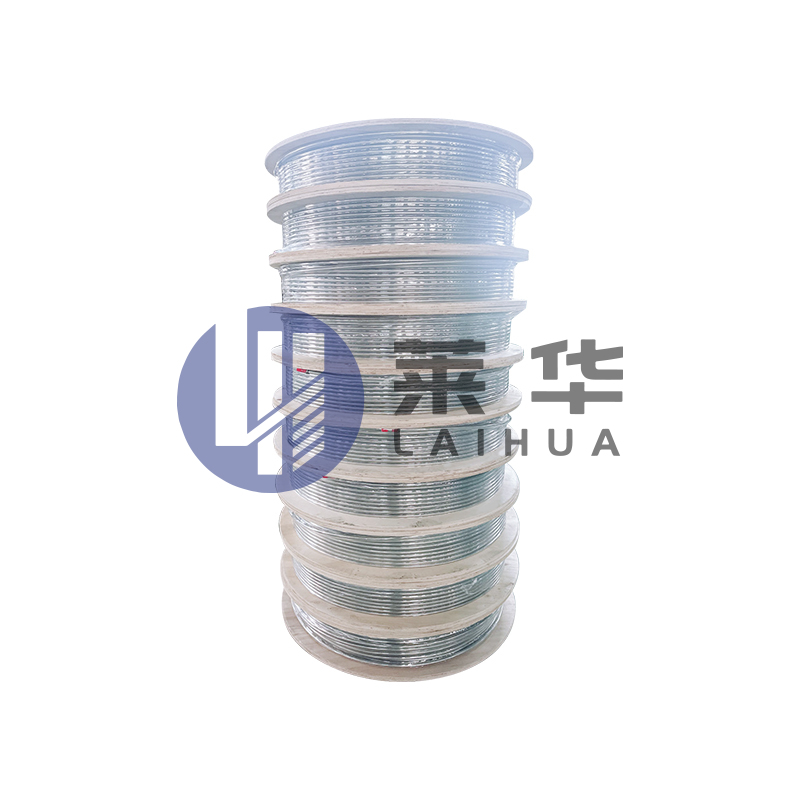
Instructions for the use of hydraulic control pipelines Hydraulic control pipeline, also known as capillary. Mainly used for underground capillary pre...
See Details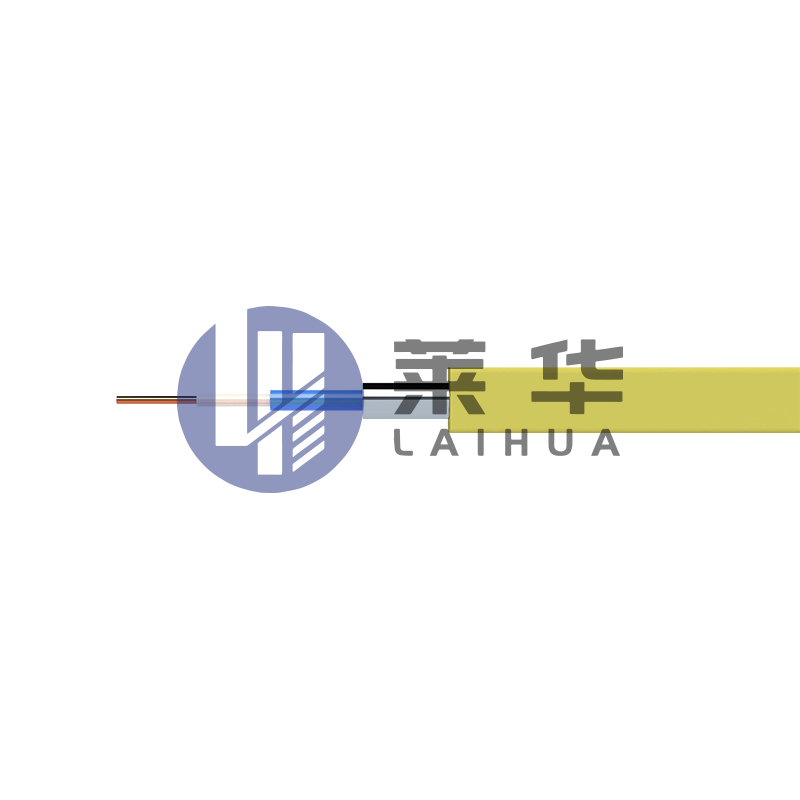
Stainless steel clad pipe is a piping system that combines the durability of stainless steel with the protection of plastic. This piping system is usu...
See Details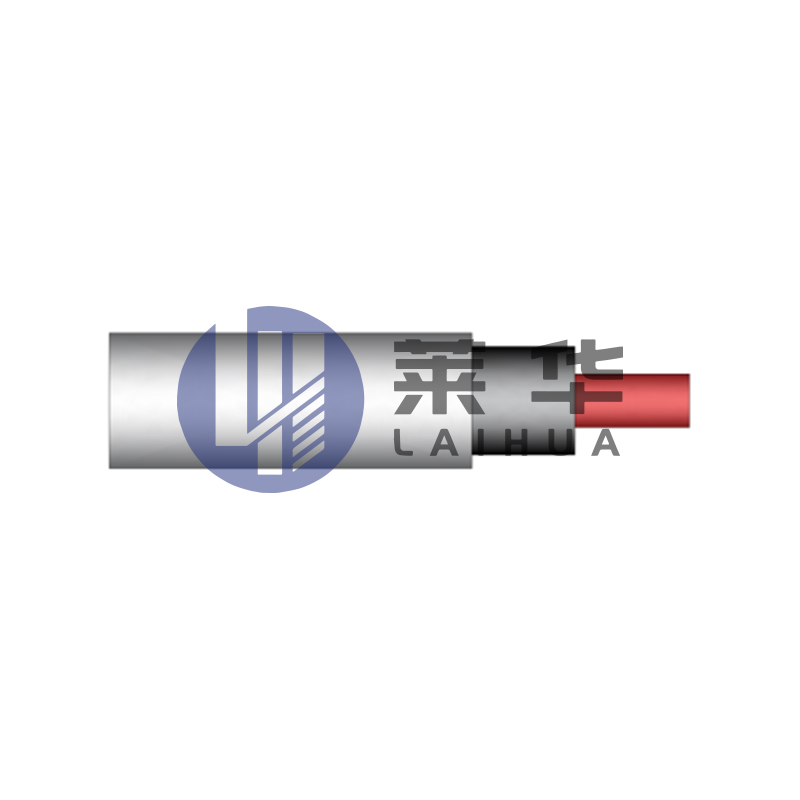
Application field:The electric induction heating system is a complete set of electric heating devices developed by our company specifically for heavy ...
See Details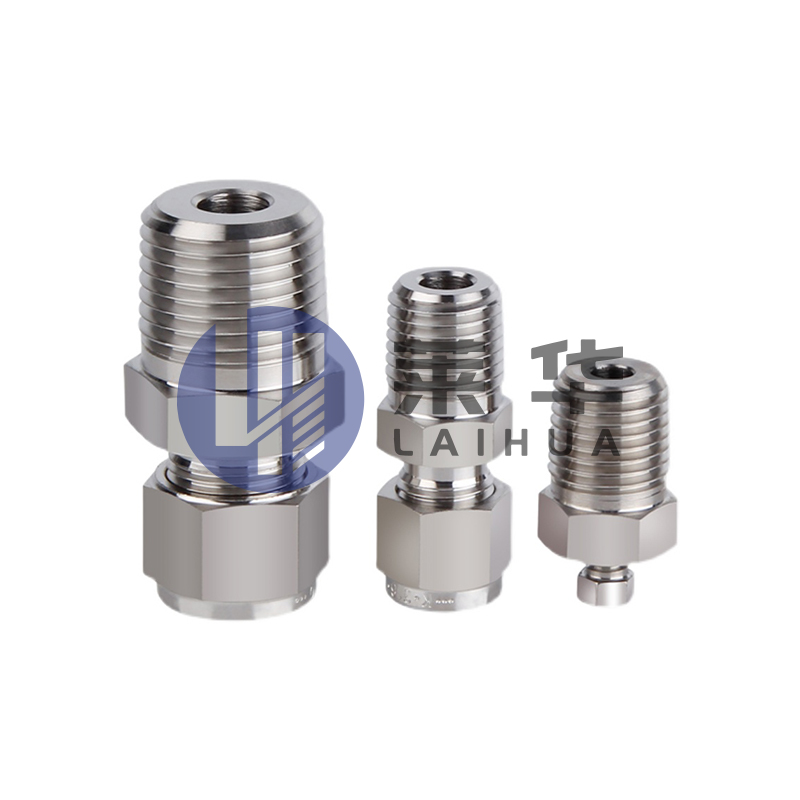
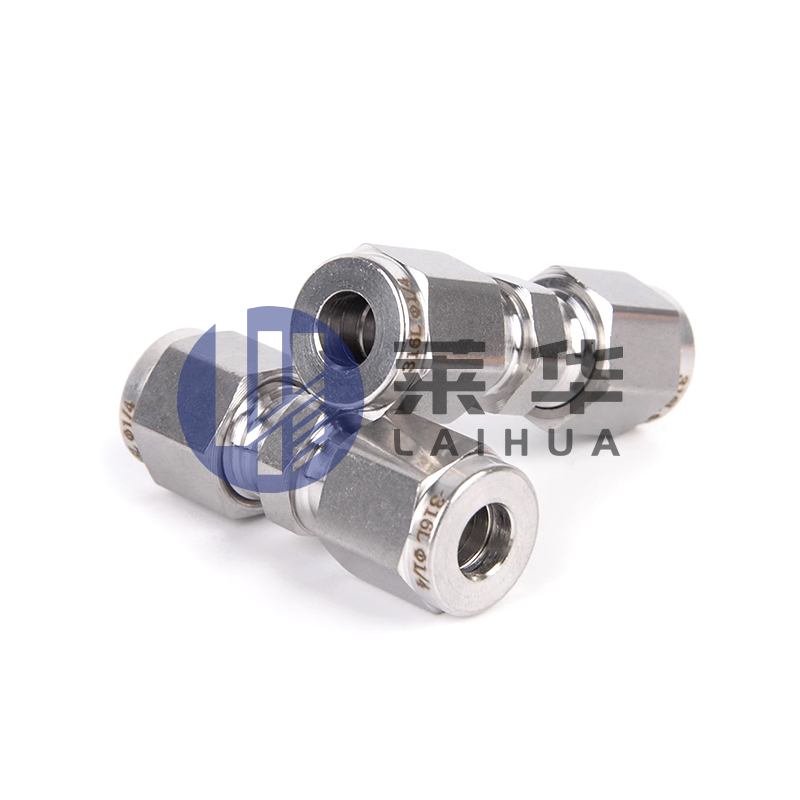
The ferrule type pipe joint consists of three parts: the joint body, ferrule, and nut. When the clamp and nut are inserted into the joint body on the ...
See Details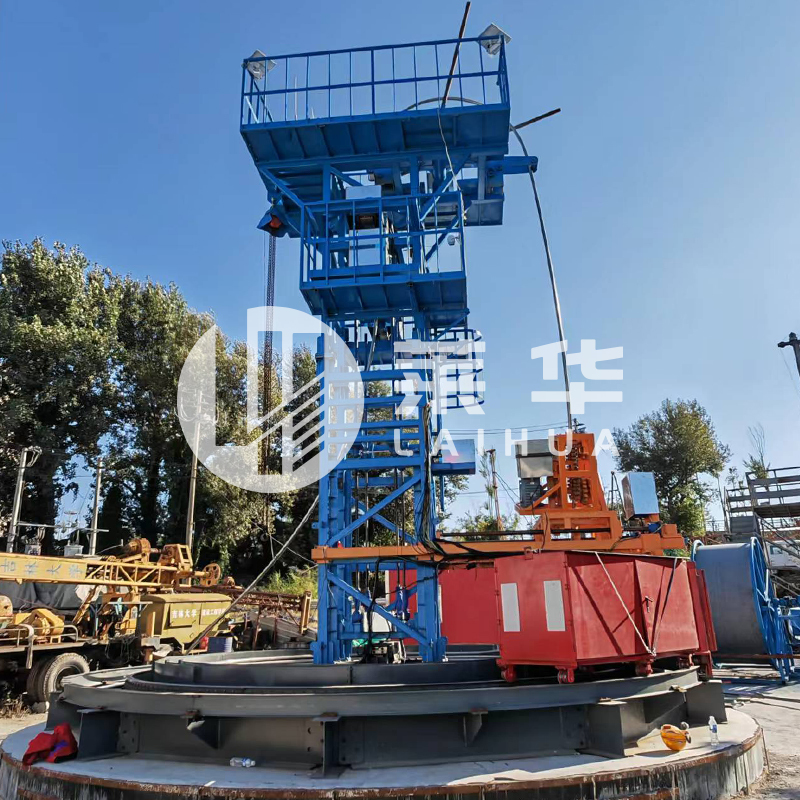
Continuous Tubing Skid Winch is a specially designed equipment for oilfield operations, which combines the design features of the Continuous Tubing Wo...
See Details
E-mail: [email protected]

Phone: +86-15996597000
+86-18252893456

Whatsapp: +86-18252874678

Address: No. 3 Xinyuan Road, Nanmo Town Industrial Park, Hai'an City, Nantong City, Jiangsu Province, China
QR code on
mobile phone



Contact Us