
 英语
英语 西班牙语
西班牙语 阿拉伯语
阿拉伯语Cat:Products
Continuous tubing, also known as flexible tubing or flexible tubing, is widely used in the fields of well workover, logging and drilling, etc. Its pro...
See Details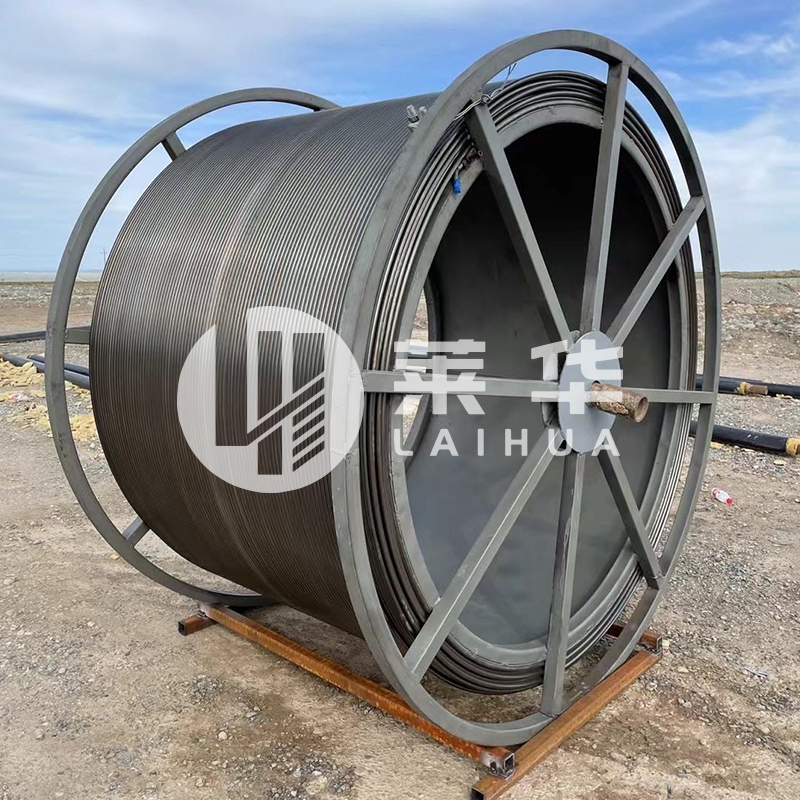
Content
The first thing to get straight is what the grade is not. It is not a harder or stronger steel than 316L. Fully annealed, it sits at about 220 MPa yield and 490 MPa tensile, with hardness in the 150 to 190 HV band, which is lower than plenty of 316L heats. If a part needs wear resistance, 904L is the wrong purchase. If a part needs to survive hot acid or chloride-rich water for fifteen years, it is often the cheapest option on the table.
The grade stays fully austenitic at room temperature and remains effectively non-magnetic even after heavy cold work, with a relative permeability near 1.002. That matters downhole, where a magnetic housing sitting a few metres from a magnetometer or directional sensor can quietly ruin a survey.
Nickel and molybdenum decide the price of 904L; chromium and copper decide whether it survives your process fluid.
| Element | Typical wt% | Function |
| Carbon | 0.020 max | Keeps welded joints free of sensitisation |
| Chromium | 20.0 (19.0-23.0) | Builds and repairs the passive film |
| Nickel | 25.0 (23.0-28.0) | Holds the austenitic structure and resists reducing acids |
| Molybdenum | 4.3 (4.0-5.0) | Pitting and crevice corrosion resistance |
| Copper | 1.5 (1.0-2.0) | Sulfuric and phosphoric acid resistance |
| Manganese | 2.00 max | Residual from melting, aids hot workability |
| Silicon | 1.00 max | Deoxidation during melting |
| Nitrogen | 0.10 max | Adds strength and lifts the pitting resistance number |
| Iron | Balance | Austenitic matrix |
The specification ranges matter as much as the typical values. A heat sitting at 23% nickel with 4.0% molybdenum still meets EN 1.4539 on paper, but it will not behave like a 25% nickel, 4.5% molybdenum heat once the chloride level climbs. If your service is anywhere near the limit, write minimum values into the purchase order instead of trusting the grade name alone.
Annealed 904L is a soft, ductile steel: roughly 490 MPa tensile, 220 MPa yield and 35% elongation, at a density of 8.0 g/cm3.
| Property | Value |
| Elastic modulus | 195 GPa |
| Thermal conductivity at 20 C | 12 W/mK |
| Mean thermal expansion, 20-100 C | 16.0 x 10⁻⁶ /K |
| Electrical resistivity | 0.85 micro-ohm metre |
| Relative magnetic permeability | 1.002 |
| Melting range | 1300-1390 C |
Choose 904L when the aggressive medium is sulfuric or phosphoric acid; choose duplex 2205 when the aggressive medium is hot chloride brine that drives stress corrosion cracking.
| Property | 316L | 904L | Duplex 2205 |
| Pitting resistance number | About 25 | About 34-35 | About 34-36 |
| Yield strength, annealed | 170-200 MPa | 220 MPa | 450 MPa and above |
| Sulfuric acid resistance | Moderate | Excellent | Moderate |
| Chloride stress corrosion cracking | Poor | Good | Excellent |
| Magnetic | No | No | Yes |
| Relative cost per kilogram | 1.0 | 1.8-2.5 | 1.3-1.6 |
Pitting resistance equivalent number, calculated as chromium plus 3.3 times molybdenum plus 16 times nitrogen:
904L welds and machines much like 316L, but it work-hardens faster, so sharp tooling, heavy feeds and low-heat welds are what keep a fabrication job profitable.
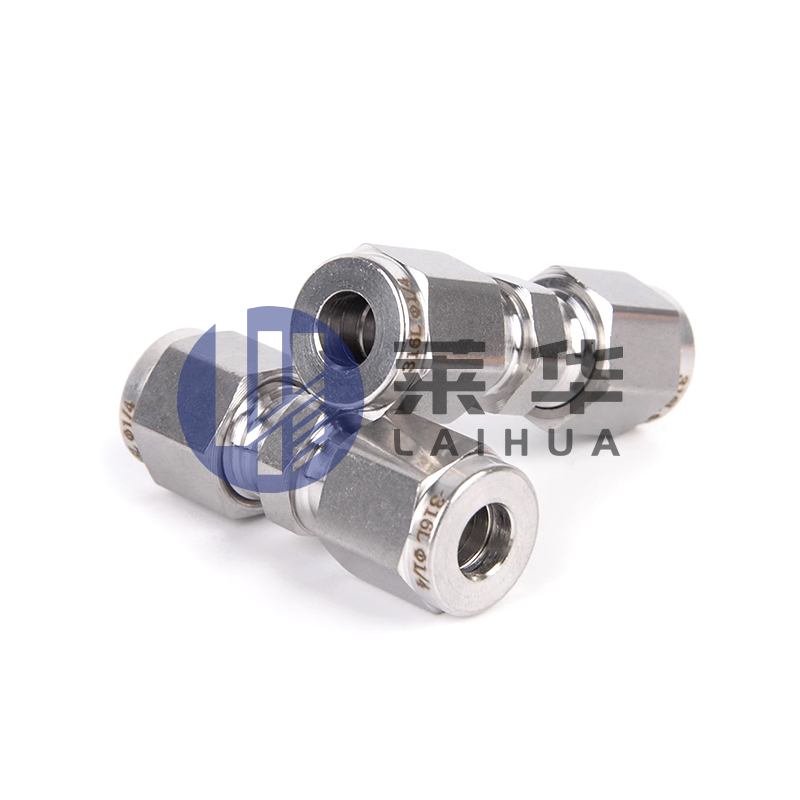
Mechanical connections are the other half of the job. A ferrule joint seals by swaging two rings onto the tube, and the cone surface has to be concentric, smooth and free of chatter marks. On 904L the material is soft enough that a worn reamer or an off-centre lathe tool shows up immediately as a leaking joint at test pressure.
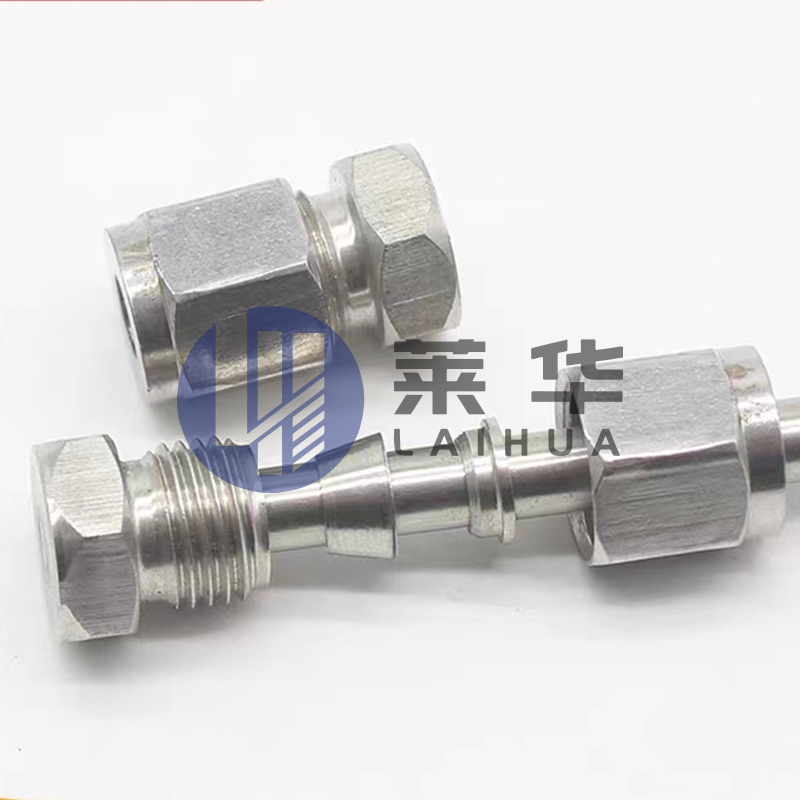 Stainless Steel Ferrule Joint for High-Pressure PipingThree-part ferrule joint for connecting stainless steel pipes in oil, water, gas, and high-pressure or high-temperature service.View Product →
In oilfield work the grade pays for itself in three places: coiled tubing and capillary control lines in sour or high-chloride wells, chemical injection lines, and downhole instrumentation where a magnetic housing is unacceptable.
Produced water in a mature field can carry 50,000 mg/L of chloride at 120 C. A 316L control line under those conditions pits through in months. Add a strong acid, whether spent acid from a stimulation job or a sulfuric-acid-based scale inhibitor, and the choice narrows quickly. The same reasoning applies to stainless steel continuous oil pipe, where reeling, bending and pressure cycling are part of the specification rather than an afterthought.
Stainless Steel Continuous Oil Pipe for Well WorkoverContinuous tubing for well workover, logging, and drilling, available in stainless and alloy grades with high-pressure ratings and long coiled lengths.View Product →
Judge a 904L offer on four documents: a mill certificate quoting UNS N08904 with a heat number traceable to your coil, a positive material identification scan of the finished part, a corrosion or pressure test report, and a dimensional record.
| What to check | Why it matters |
| Mill certificate chemistry against EN 1.4539 | Substitution with 317L or 316L is the most common failure in this market |
| Nickel and molybdenum values on the certificate | They set both corrosion performance and the alloy surcharge |
| Intergranular corrosion test to ASTM A262 Practice E | Confirms a low-carbon heat and a correct solution anneal |
| Pressure test at 1.5 times design pressure | Catches seam, weld and fitting defects before installation |
| Surface condition and pickling | Embedded iron and heat tint are where pitting starts |
| Heat number traceability on coil, tube and fittings | Lets you isolate a suspect heat later without scrapping the well |
For coiled product, ask for the coil inner diameter, the length per coil and confirmation that the tube was not straightened after coiling. A straightened 904L control line loses the stress pattern it was supplied with and will not re-bend cleanly in the field. If the application is a pressure or chemical injection line, send the fluid data to our engineering team before the grade is fixed on the drawing.
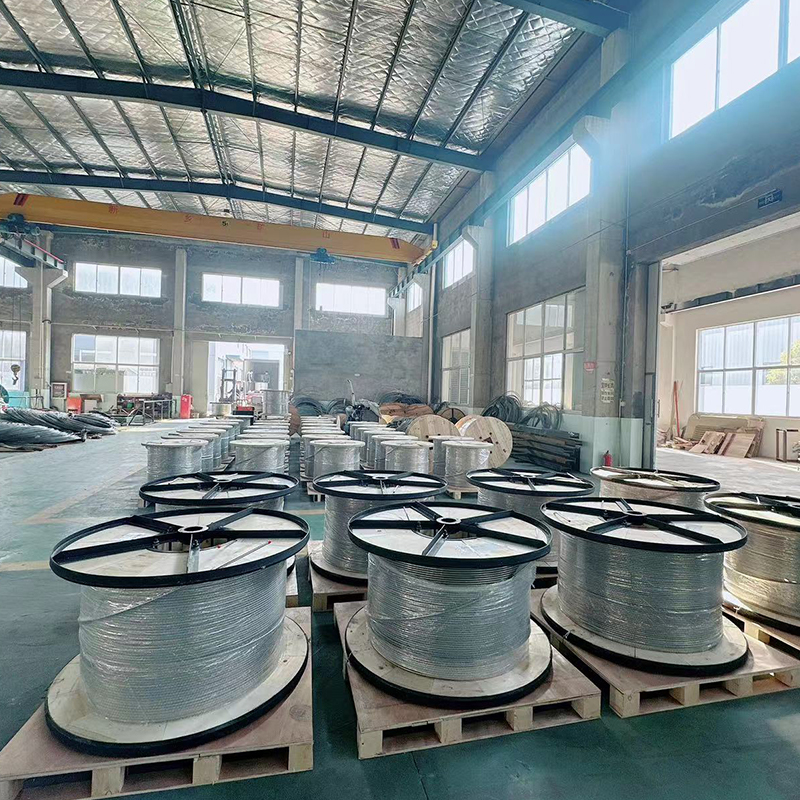 Stainless Steel Control Pipeline and Capillary TubingControl line and capillary tubing for downhole pressure monitoring, chemical injection, and surface valve control, available in coiled lengths and multiple grades.View Product →
In the annealed condition it is austenitic and effectively non-magnetic, with a relative permeability near 1.002. Cold work raises the permeability only slightly, far less than in 316L, which is why 904L housings are used close to downhole magnetic sensors and logging tools.
No. It is the better choice in sulfuric and phosphoric acid and in chloride-bearing water, but duplex 2205 outperforms it in hot chloride brine where stress corrosion cracking dominates, and 316L remains adequate in mild, low-chloride service at ambient temperature. Match the grade to the corrosion mechanism, not to the price list.
The alloy content. Nickel at roughly 25% and molybdenum at roughly 4.3% cost several times more than the iron they replace, and both are quoted on metal exchanges. Expect an 904L item to cost about 1.8 to 2.5 times an equivalent 316L item, with the ratio moving as the alloy surcharge moves.
They are three names for one grade. 904L is the common trade designation, N08904 is the UNS number used in ASTM specifications, and 1.4539 is the EN material number. A certificate that quotes the UNS number, the heat number and the measured chemistry is the only version of that claim worth accepting.
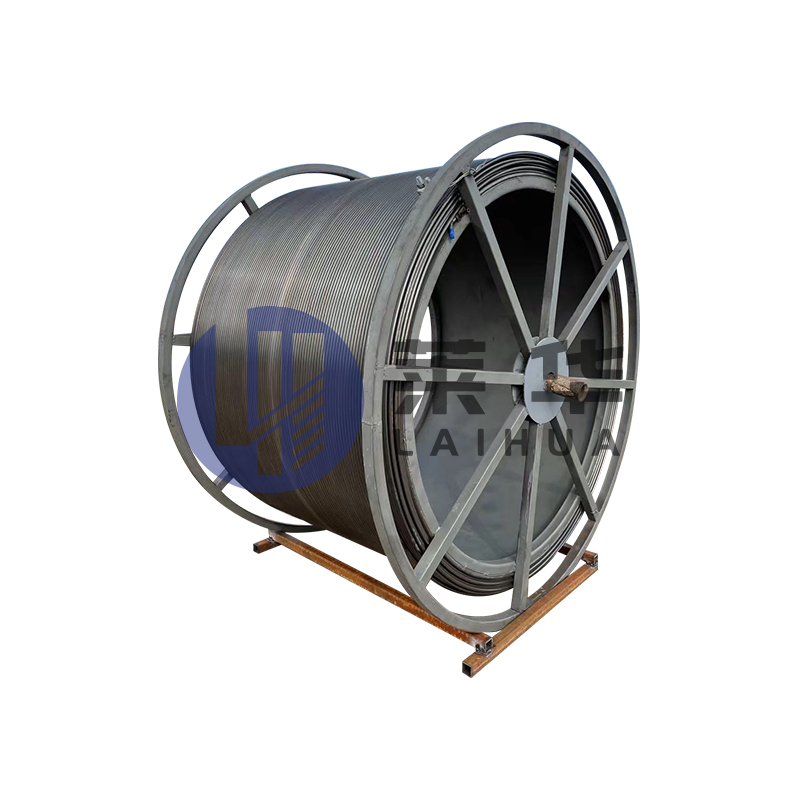
Continuous tubing, also known as flexible tubing or flexible tubing, is widely used in the fields of well workover, logging and drilling, etc. Its pro...
See Details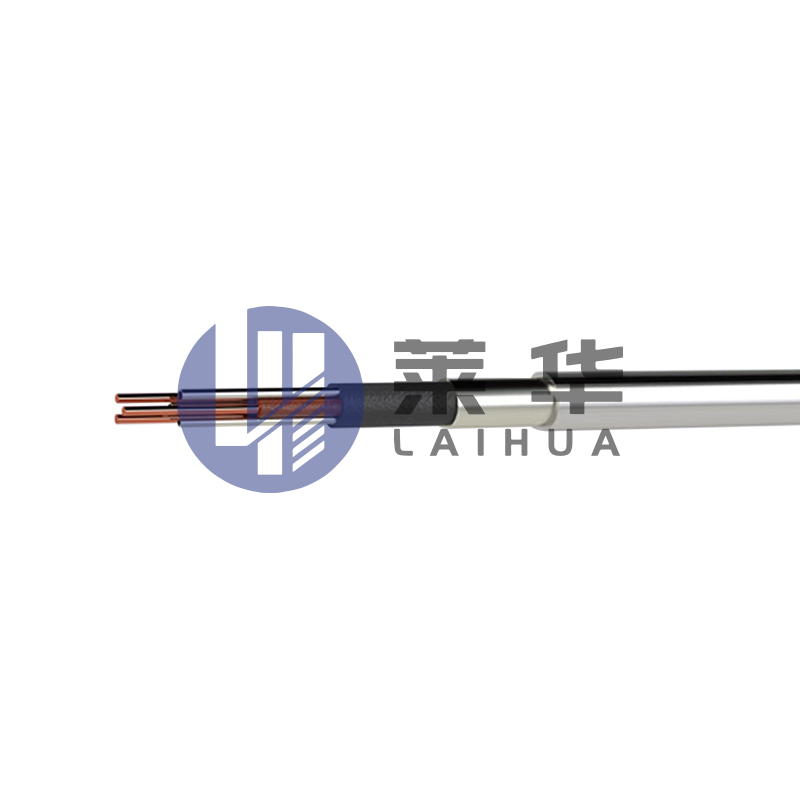
Purpose: The high-temperature testing cable, combined with the high-temperature testing vehicle, is mainly used in multi-parameter testing of heavy oi...
See Details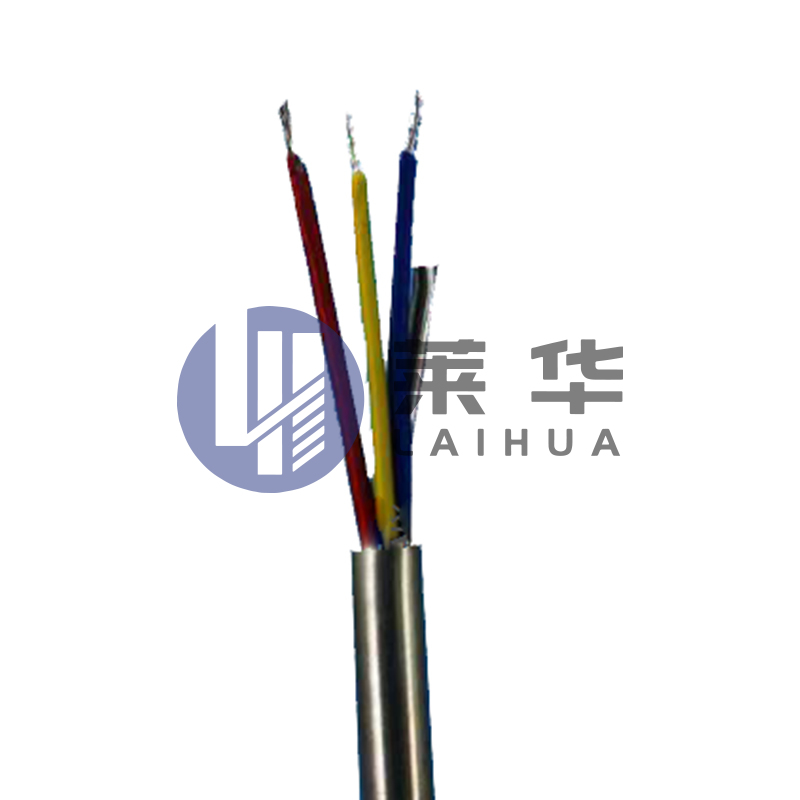
The Stainless Steel Fibre Optic Test Cable is a special test cable that combines the durability of stainless steel with the high transmission efficien...
See Details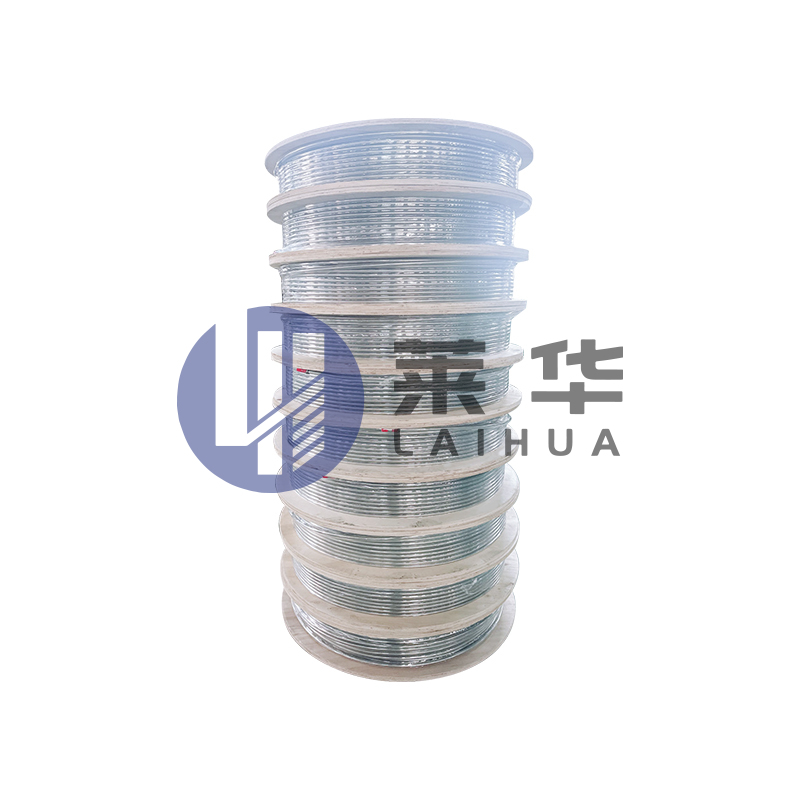
Instructions for the use of hydraulic control pipelines Hydraulic control pipeline, also known as capillary. Mainly used for underground capillary pre...
See Details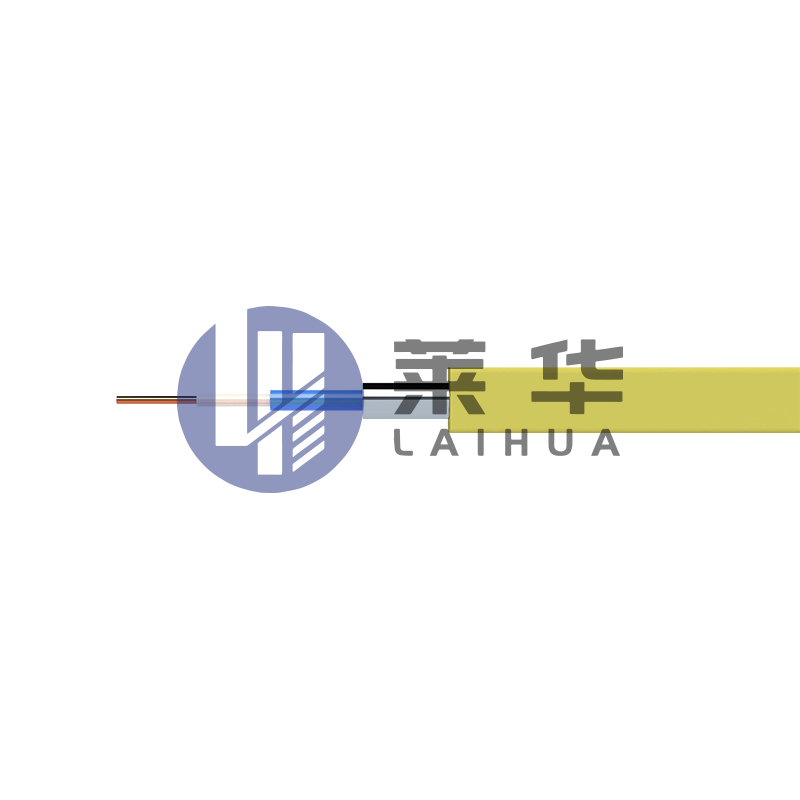
Stainless steel clad pipe is a piping system that combines the durability of stainless steel with the protection of plastic. This piping system is usu...
See Details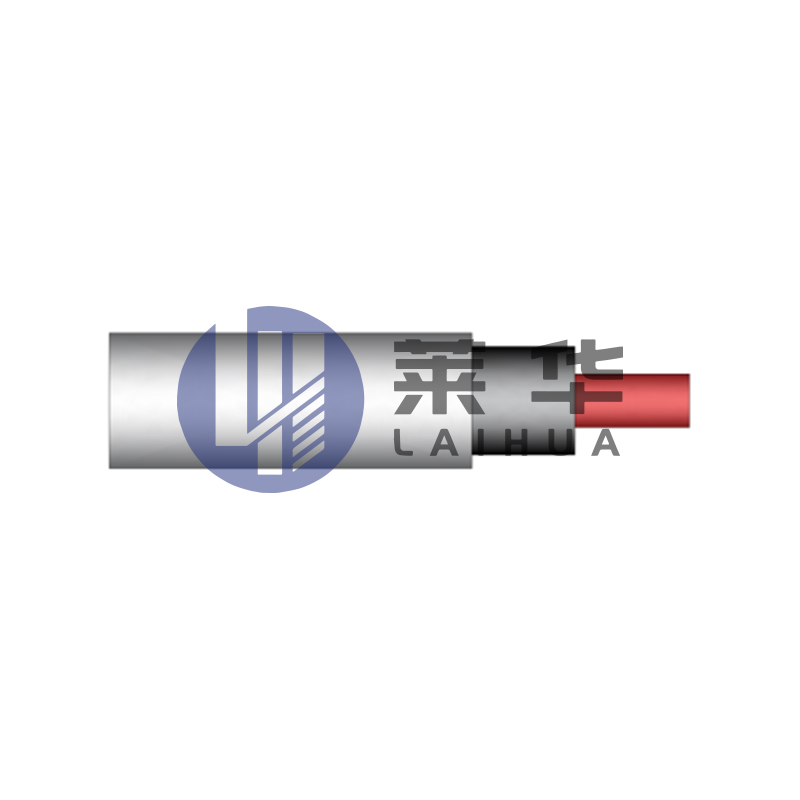
Application field:The electric induction heating system is a complete set of electric heating devices developed by our company specifically for heavy ...
See Details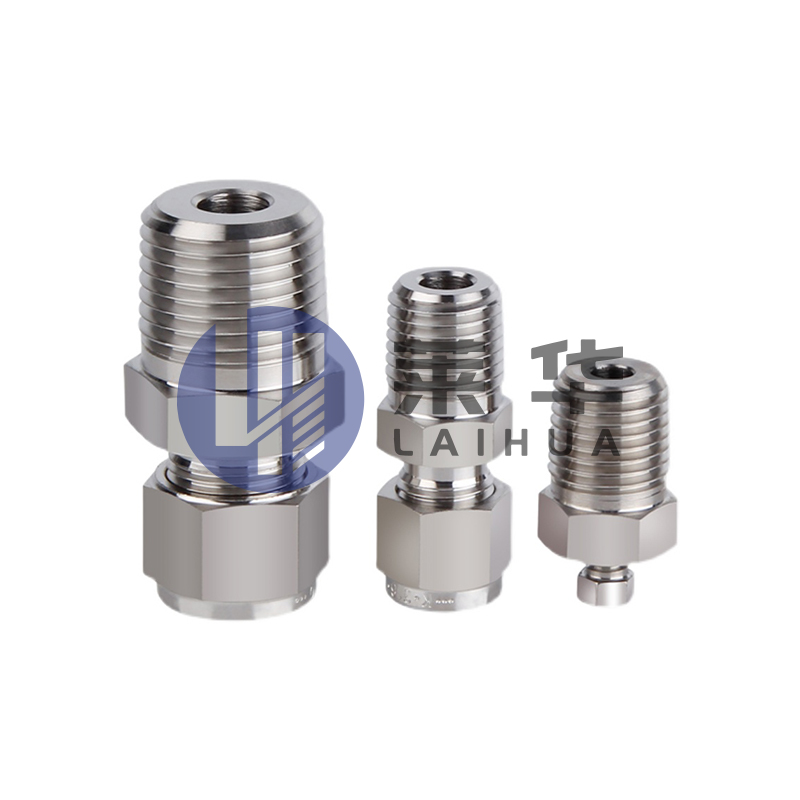
The ferrule type pipe joint consists of three parts: the joint body, ferrule, and nut. When the clamp and nut are inserted into the joint body on the ...
See Details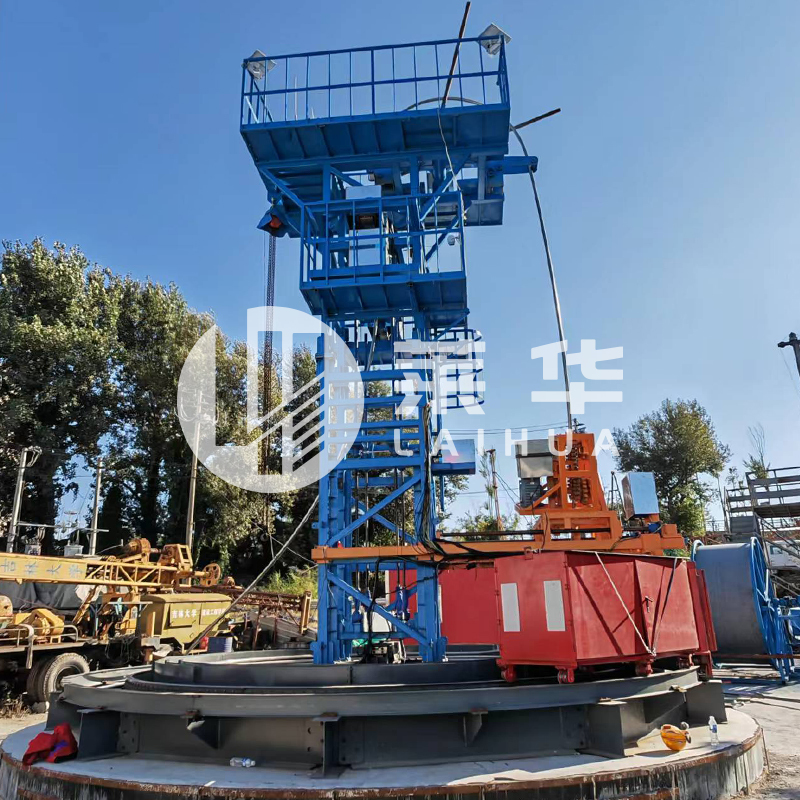
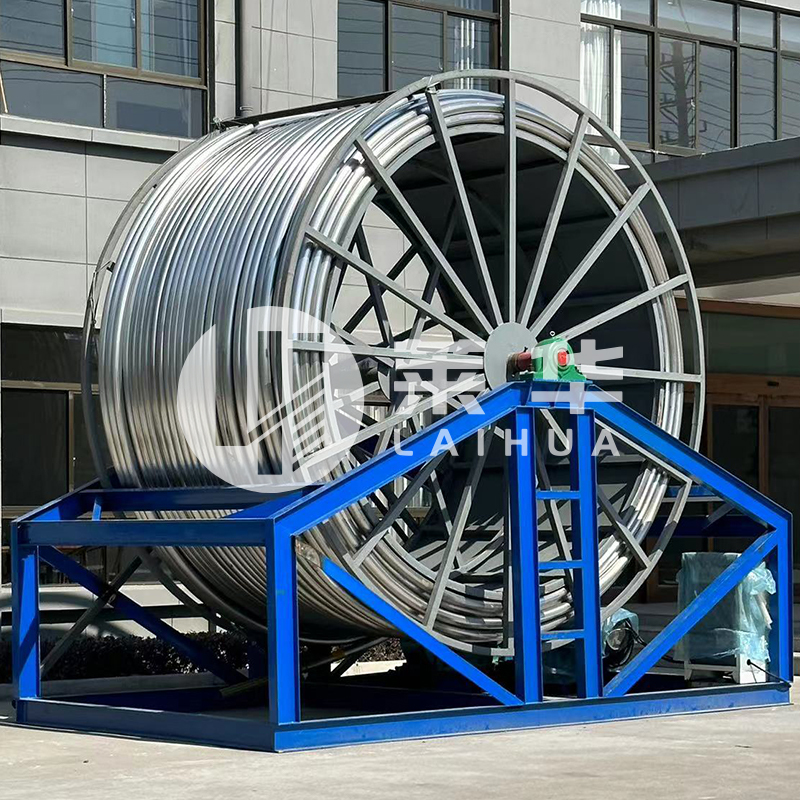
Continuous Tubing Skid Winch is a specially designed equipment for oilfield operations, which combines the design features of the Continuous Tubing Wo...
See Details
E-mail: [email protected]

Phone: +86-15996597000
+86-18252893456

Whatsapp: +86-18252874678

Address: No. 3 Xinyuan Road, Nanmo Town Industrial Park, Hai'an City, Nantong City, Jiangsu Province, China
QR code on
mobile phone



Contact Us