
 英语
英语 西班牙语
西班牙语 阿拉伯语
阿拉伯语Cat:Products
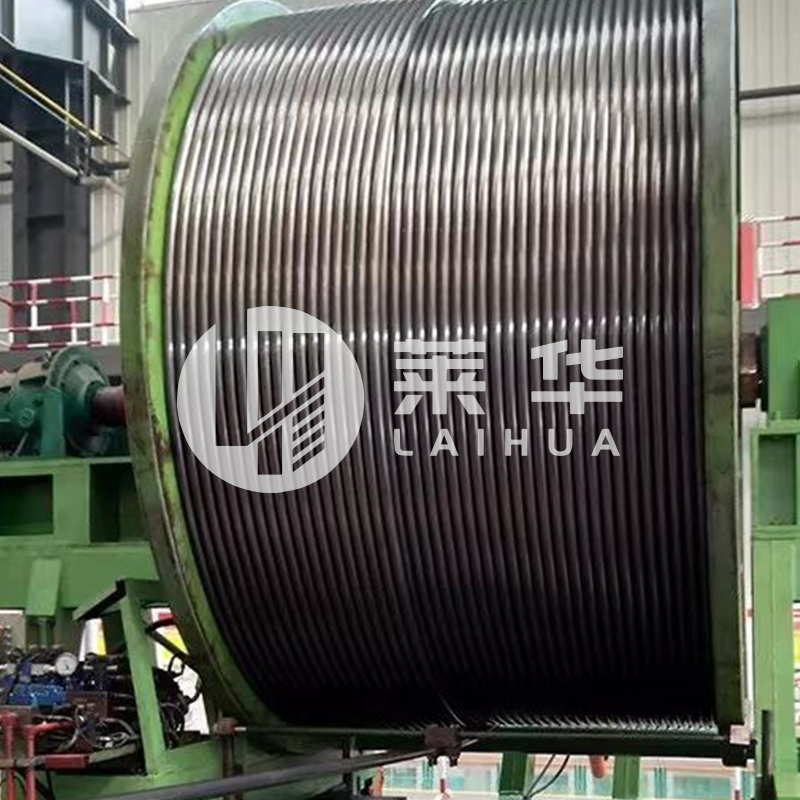
Continuous tubing, also known as flexible tubing or flexible tubing, is widely used in the fields of well workover, logging and drilling, etc. Its pro...
See Details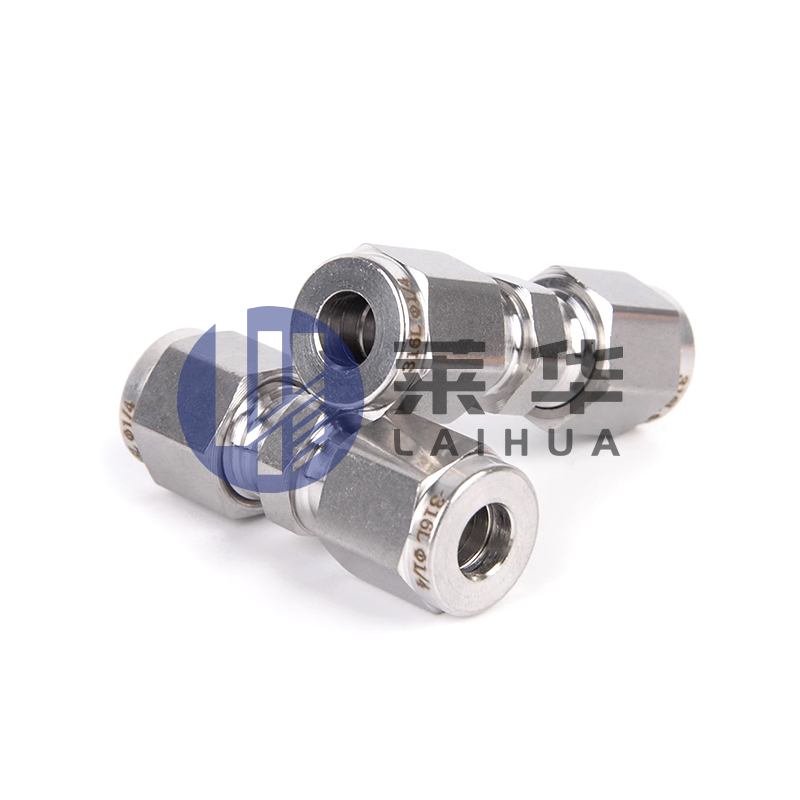
Content
Stainless steel is magnetic when its crystal structure is ferritic, martensitic, or a controlled austenite-ferrite mix; the fully austenitic 300-series grades are effectively non-magnetic once they leave the annealing furnace.
Carbon content barely matters here. What matters is the lattice: a body-centred cubic ferrite or martensite structure aligns magnetic domains easily, while the face-centred cubic austenite lattice does not. Nickel, manganese, nitrogen and carbon stabilise austenite; chromium, molybdenum and silicon push the balance toward ferrite.
| Family | Typical grades | Structure | Relative permeability | Typical role |
| Austenitic | 304, 304L, 316L, 321 | Single-phase austenite | 1.002 to 1.05 annealed | Instrument bodies, control lines, non-magnetic tubing |
| Austenitic, cold worked | Drawn, bent or straightened 304 | Austenite plus strain-induced martensite | Rises past 1.1 as reduction increases | Fasteners, cold-drawn tube, formed parts |
| Ferritic | 430, 439, 409, 446 | Ferrite | Hundreds; behaves like mild steel | Solenoid parts, trim, magnetic screening |
| Martensitic | 410, 420, 440C | Martensite | Hundreds; strongest response | Valve trim, shafts, cutting hardware |
| Duplex | 2205, 2507 | Roughly half austenite, half ferrite | 1.5 to 5 | High-strength tubulars and umbilicals |
| Cast austenitic | CF8M, CF3M | Austenite with retained delta ferrite | Weakly magnetic at the ferrite stringers | Pump and valve castings |
Austenitic stainless steel becomes magnetic when cold work converts part of its austenite into strain-induced martensite, or when welding and casting deliberately leave ferrite in the structure.
A 316L heat with 10-12% nickel and 2-3% molybdenum holds its austenite far more stubbornly than a 304 heat with 8% nickel. That stability is one reason 316L is the default for components that must stay non-magnetic after bending, straightening and machining.
Cold work is the wildcard. Drawing a tube at 20% reduction, roller straightening a coil end, or bending a control line all shear the lattice and generate martensite. A 304 coil that passed a magnet test as delivered can show a light magnetic pull at the straightened ends, which is exactly where a fitting will later be welded.
Welds behave the same way on purpose. Austenitic weld metal is balanced with a ferrite number of roughly 3 to 10 to prevent hot cracking, so a magnet will find the weld seam on a pipe that is otherwise non-magnetic. Castings such as CF8M keep a few percent of delta ferrite for identical metallurgical reasons.
Heat treatment is the remedy. Solution annealing at 1040-1120 C followed by a water quench dissolves the strain martensite and restores a single austenitic structure. Stress relief between 600 and 900 C does something different from what many buyers expect: it can precipitate carbides and sigma phase, which damages corrosion resistance without improving the magnetic reading.
A magnet test can prove that a part is ferritic or martensitic, but it can never prove that a part is 304 or 316, because non-magnetic grades other than the 300 series exist and because residual magnetism survives in fully austenitic steel.
A short four-step check removes most of the guesswork before material leaves the yard:
Screen with a magnet, specify with chemistry. A magnetic 304 is still 304. A non-magnetic 201 substitute is not, and only a spectrometer or XRF reading will settle the question.
Two traps catch experienced buyers. The first is manganese-substituted 201 and 204 grades sold as 304; their chemistry makes them noticeably more magnetic even in the annealed state. The second is residual magnetism: lifting magnets, magnetic chucks and magnetic particle inspection can leave 5 to 30 gauss on a part whose microstructure is perfectly austenitic. Demagnetising with an AC coil solves that issue, and no amount of heat treatment will.
Downhole tools that measure the earth's magnetic field must be non-magnetic; components that must carry flux, harden, or be inspected by magnetic particle testing should be magnetic.
Stainless steel continuous oil pipe is the clearest case on the non-magnetic side. A 316L string holds a stable austenitic structure through spooling and straightening, keeps permeability near 1.005, and resists the chlorides and CO2 that attack lower-alloy coiled product. Grade selection drives the outcome more than any surface treatment.
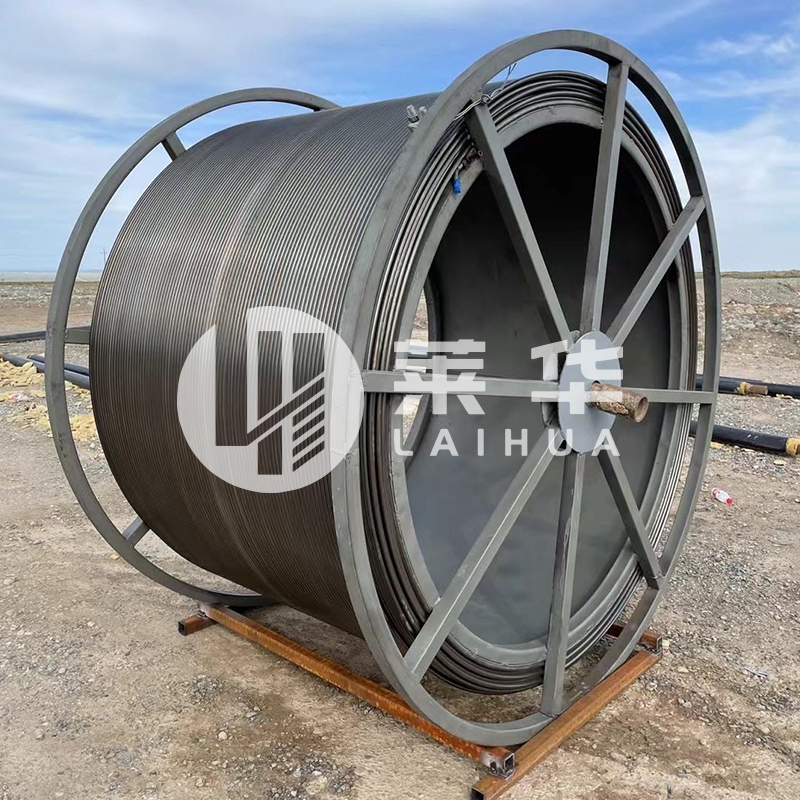 Stainless steel continuous oil pipeContinuous tubing, also known as flexible tubing or flexible tubing, is widely used in the fields of well workover, logging and drilling, etc. Its production technolog...View Product →
Ferrule joints sit at the opposite extreme. The body and ferrules are normally machined from ferritic or martensitic stock so they can be hardened and inspected by magnetic particle testing, and so the joint keeps its bite under vibration and thermal cycling. Cone geometry matters as much as the grade, since an eccentric or rough cone leaks regardless of how magnetic the material is. Practical notes on that behaviour are covered in this review of ferrule joint performance at high temperature.
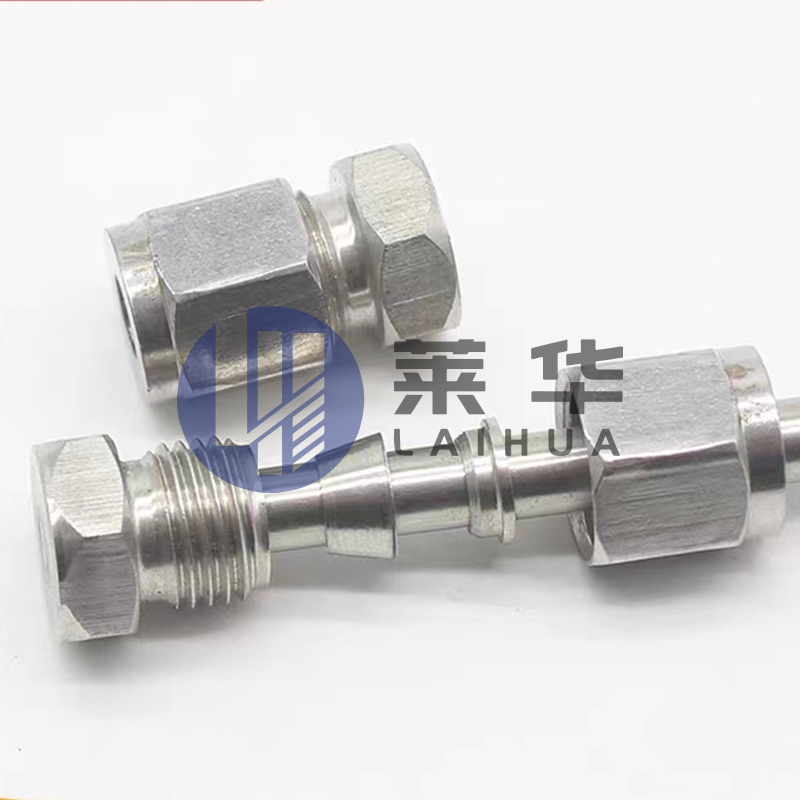 Stainless steel ferrule jointThe ferrule type pipe joint consists of three parts: the joint body, ferrule, and nut. When the clamp and nut are inserted into the joint body on the steel pipe, and t...View Product →
Coil and control pipeline sits in the middle ground. These lines run alongside gauges and sensors for years, so residual magnetism and permeability inherit from the cold drawing and straightening steps rather than from the melt. Specifying an annealed condition and a maximum permeability at the finished diameter keeps instrument readings clean.
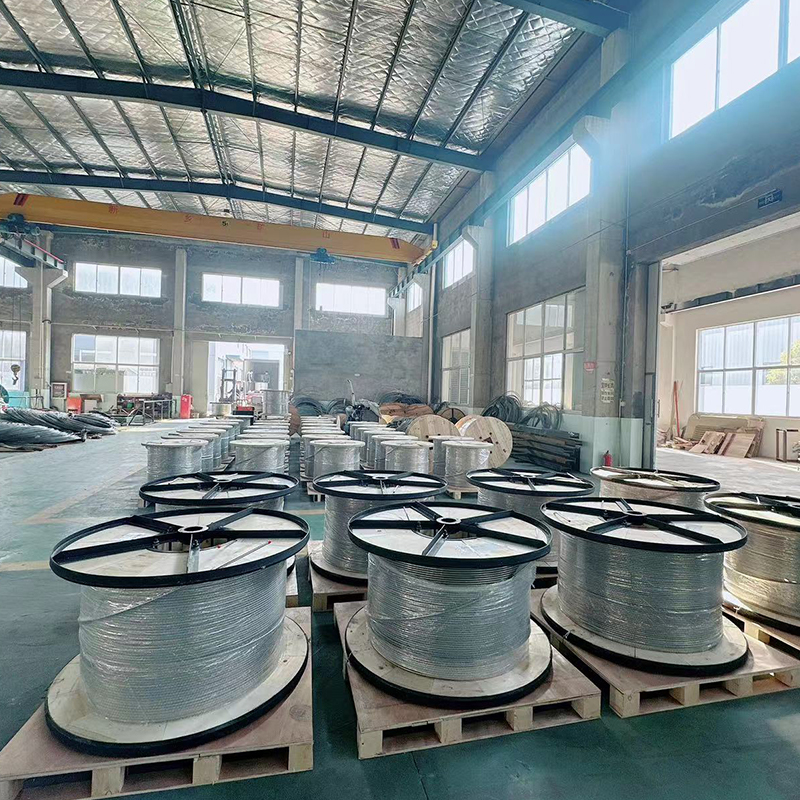 Stainless steel coil and control pipelineInstructions for the use of hydraulic control pipelines Hydraulic control pipeline, also known as capillary. Mainly used for underground capillary pressure measurement...View Product →
Two questions settle the material choice before drawing a single line: will this part be welded, and will it sit near a magnetometer or electromagnetic sensor? The first sets your residual field limit, the second sets your permeability limit.
Specify magnetism as a measured property: grade plus chemistry, heat treatment condition, a permeability or ferrite number limit, and a residual field limit at the tube ends.
Two numbers prevent most disputes on delivery: relative permeability on the finished component, and residual field at the ends. Everything else is chemistry that a spectrometer can verify in minutes.
A mill that runs its own spectrometer alongside eddy-current and hydrostatic testing can release chemistry, surface integrity and pressure containment on one document, which shortens the inspection argument later. If your application sits near a magnetometer, send the permeability limit and heat treatment requirement with your enquiry so the grade and the processing route are quoted together.
Annealed 304 is essentially non-magnetic, with relative permeability close to 1.02. Cold drawing, bending or forming generates strain-induced martensite and gives it a light magnetic pull, so a magnetic 304 part is not automatically a different grade.
Less than 304. The higher nickel plus molybdenum content in 316L keeps the austenite stable, so annealed 316L typically measures 1.002 to 1.005. Heavy cold work or welding still raises the reading slightly.
Often yes. Solution annealing at 1040-1120 C followed by a rapid water quench dissolves strain martensite and restores a single austenitic structure. Residual magnetism from lifting magnets or chucks is a separate problem and is removed with an AC demagnetising coil.
Downhole magnetometers and electromagnetic sensors read the earth's field, and nearby components with higher permeability distort that reading. In fabrication, a residual field above roughly 10 gauss causes arc blow and porosity during welding.
Magnetic stainless steel is a specification, not a defect. Choose ferritic or martensitic grades when you need flux, hardness or magnetic particle inspection, and hold 316L in the annealed condition when a sensor is listening.
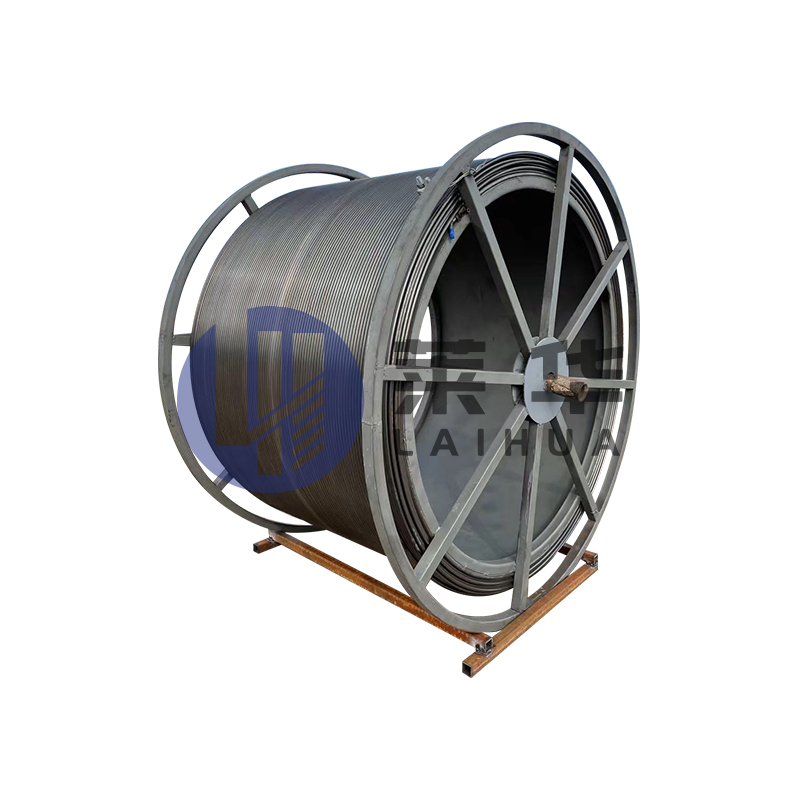
Continuous tubing, also known as flexible tubing or flexible tubing, is widely used in the fields of well workover, logging and drilling, etc. Its pro...
See Details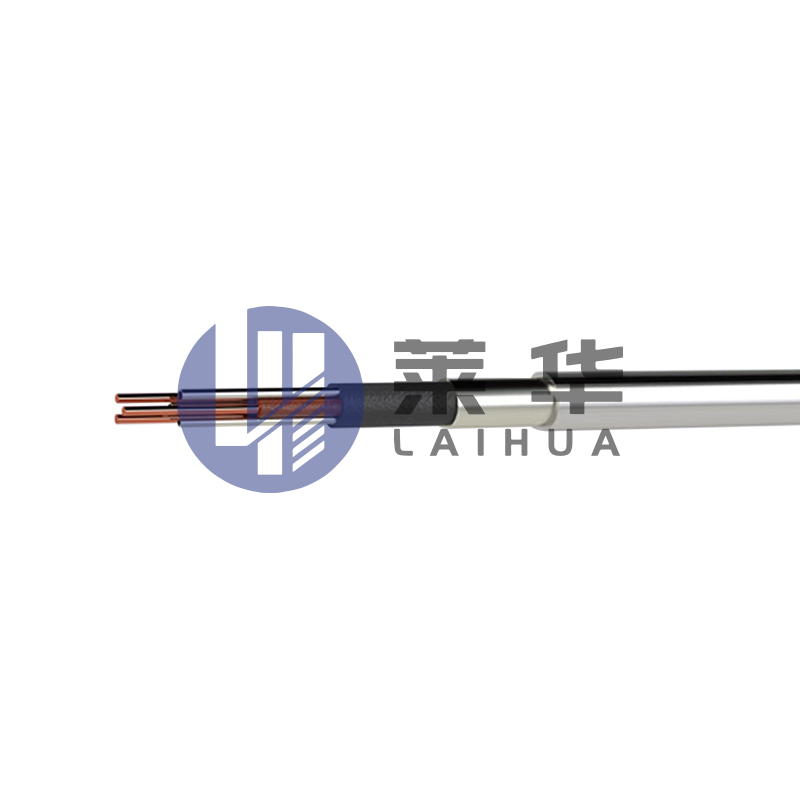
Purpose: The high-temperature testing cable, combined with the high-temperature testing vehicle, is mainly used in multi-parameter testing of heavy oi...
See Details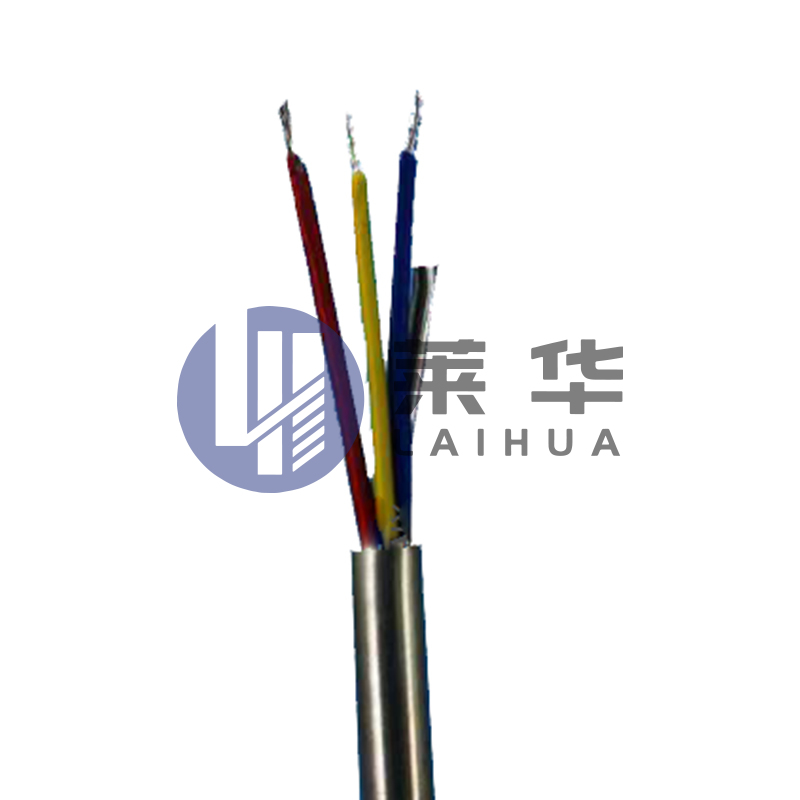
The Stainless Steel Fibre Optic Test Cable is a special test cable that combines the durability of stainless steel with the high transmission efficien...
See Details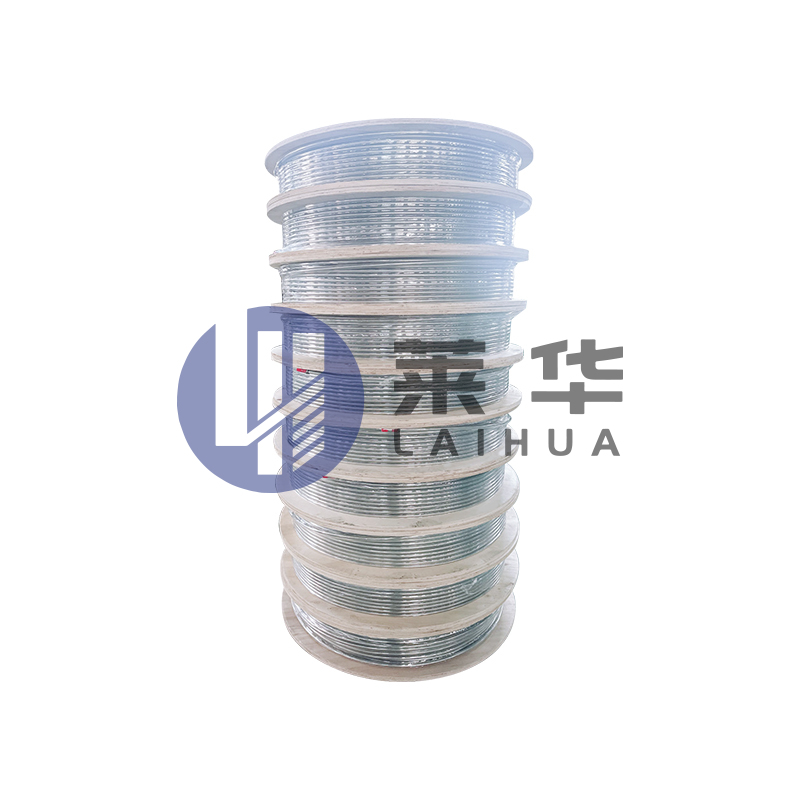
Instructions for the use of hydraulic control pipelines Hydraulic control pipeline, also known as capillary. Mainly used for underground capillary pre...
See Details
Stainless steel clad pipe is a piping system that combines the durability of stainless steel with the protection of plastic. This piping system is usu...
See Details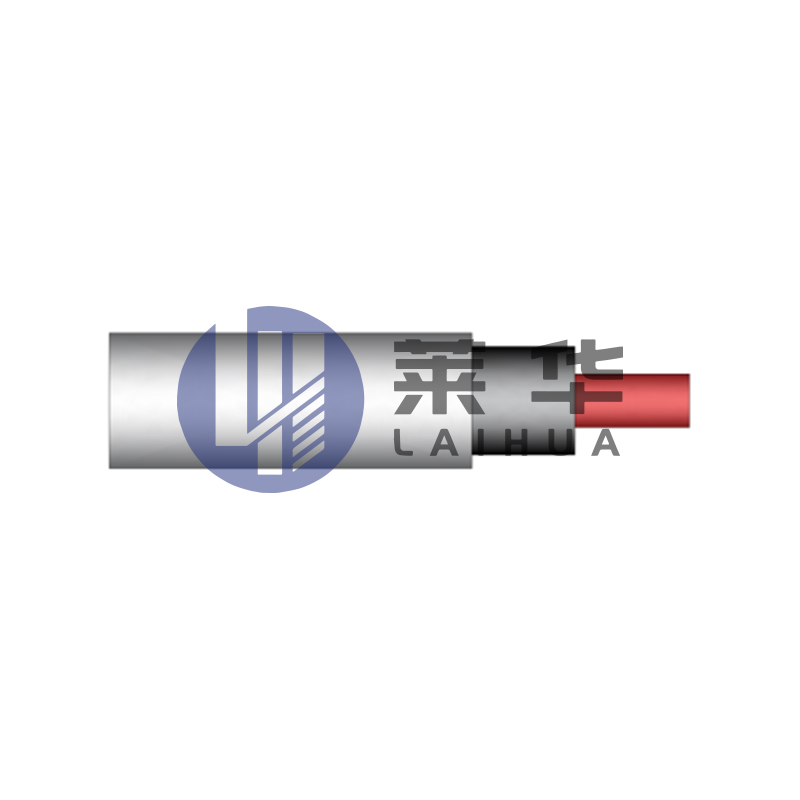
Application field:The electric induction heating system is a complete set of electric heating devices developed by our company specifically for heavy ...
See Details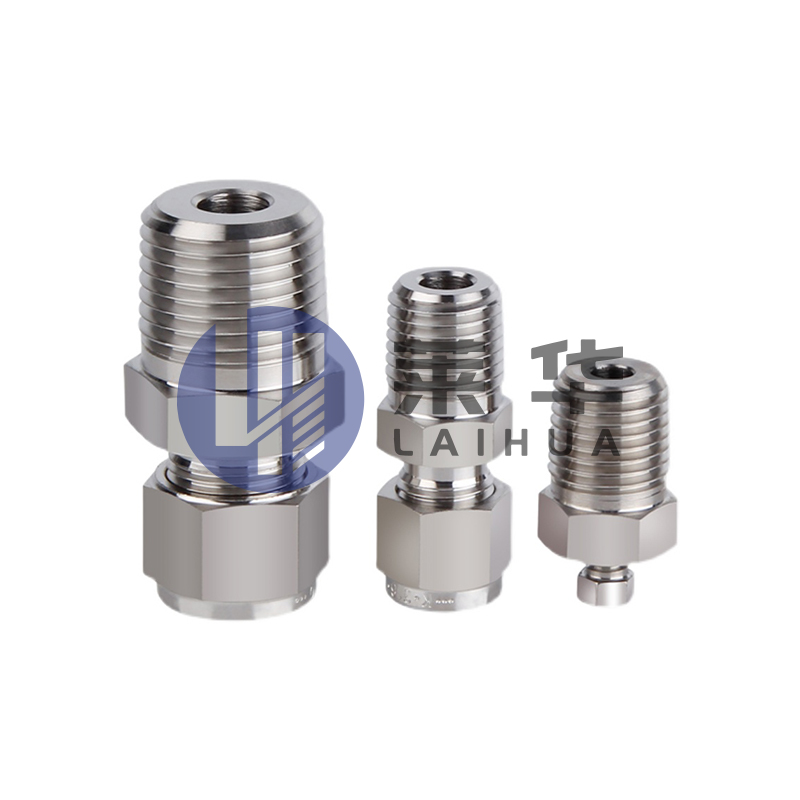
The ferrule type pipe joint consists of three parts: the joint body, ferrule, and nut. When the clamp and nut are inserted into the joint body on the ...
See Details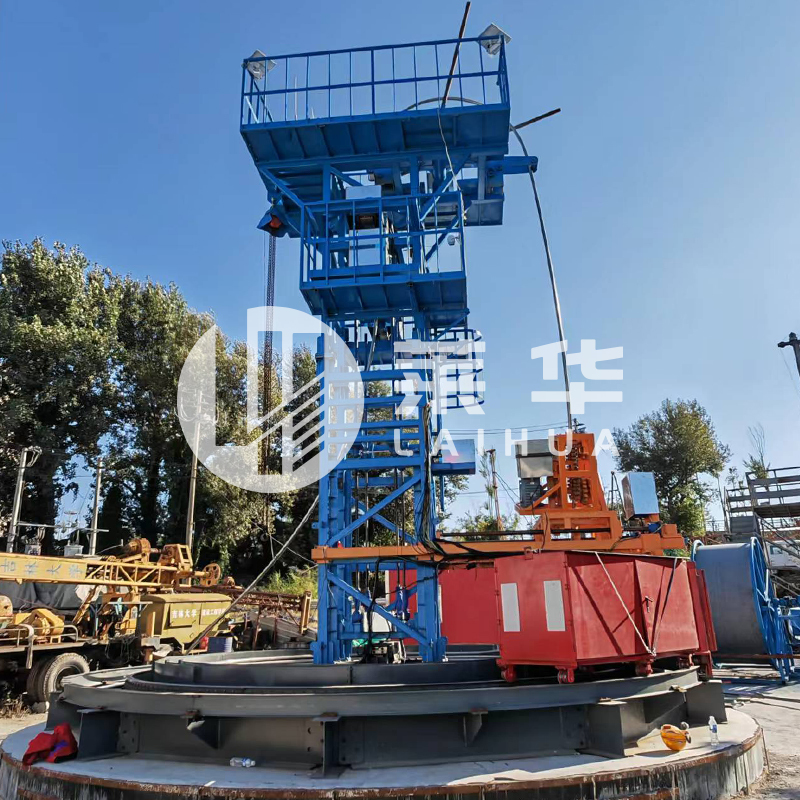
Continuous Tubing Skid Winch is a specially designed equipment for oilfield operations, which combines the design features of the Continuous Tubing Wo...
See Details
E-mail: [email protected]

Phone: +86-15996597000
+86-18252893456

Whatsapp: +86-18252874678

Address: No. 3 Xinyuan Road, Nanmo Town Industrial Park, Hai'an City, Nantong City, Jiangsu Province, China
QR code on
mobile phone



Contact Us