
 英语
英语 西班牙语
西班牙语 阿拉伯语
阿拉伯语Cat:Products
Continuous tubing, also known as flexible tubing or flexible tubing, is widely used in the fields of well workover, logging and drilling, etc. Its pro...
See Details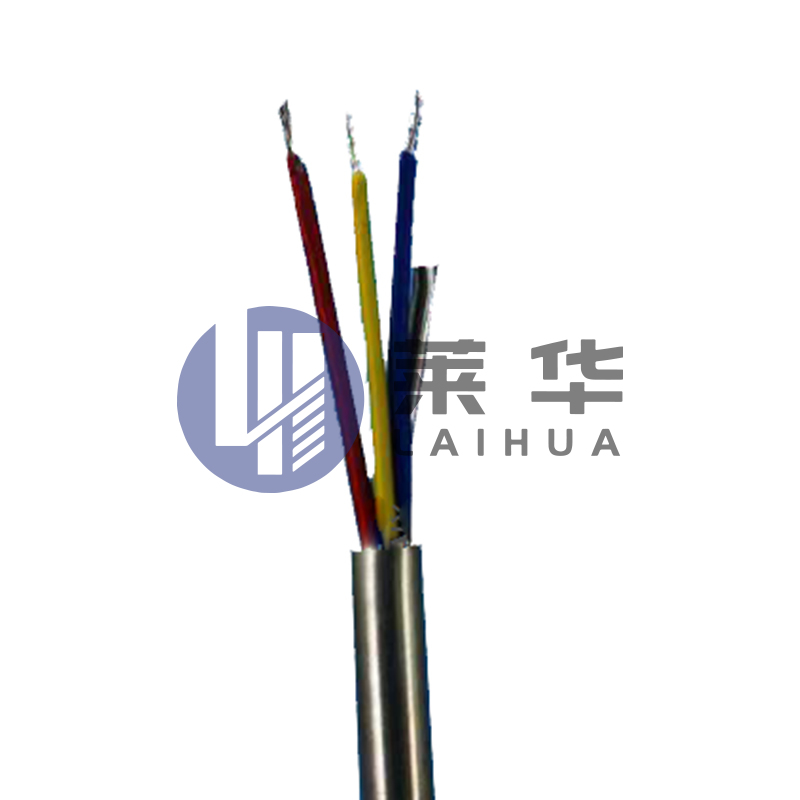
Content
Pull a small magnet out of a tool bag and touch it to a metre of 316L control line and nothing happens. Touch the same magnet to a 430 ferritic coil and it snaps tight. Both are stainless steel, both contain iron, and both resist corrosion in the right environment. The difference is not the word "stainless" on the mill certificate, it is the crystal structure underneath it.
The short answer: some stainless grades are strongly magnetic, some are effectively non-magnetic, and a few change behavior depending on how the part was formed. Austenitic grades such as 304, 316, 321 and 310 are non-magnetic when they are fully annealed. Ferritic grades such as 430, martensitic grades such as 410 and 420, and duplex grades such as 2205 are magnetic to varying degrees. Cold drawing, bending and welding can make an austenitic part respond weakly to a magnet, which is where most arguments in fabrication shops and most failed incoming inspections begin.
Steel responds to a magnet because of iron. In a body-centered cubic lattice, where iron atoms sit at the corners of a cube with one atom in the centre, the atoms are close enough for magnetic domains to line up with an external field. That alignment is what we call ferromagnetism, and it is strong enough to lift a fastener off a bench.
In austenitic stainless steel, nickel and manganese hold the lattice in a face-centered cubic form. The iron atoms are spaced further apart, the domains cannot align efficiently, and the material becomes paramagnetic. Its relative permeability sits close to 1.003, which on a shop magnet reads simply as "no stick".
Chromium promotes the body-centered cubic ferrite form, while nickel and manganese promote the face-centered cubic austenite form. That single competition explains most of the confusion. Grade 304 carries roughly 8 percent nickel and 316 carries 10 to 12 percent plus molybdenum, so both stay austenitic and non-magnetic. Grade 430 has almost no nickel, so it stays ferritic and magnetic. Molybdenum improves pitting resistance but does little to the magnetic picture.
If you only remember one thing from this article, remember that the family name predicts the magnet test far more reliably than the word "stainless".
| Family | Typical grades | Structure | Magnet response | Typical oilfield use |
|---|---|---|---|---|
| Austenitic | 304, 316, 321, 310 | Face-centered cubic | Non-magnetic when annealed | Control lines, coiled tubing, instrument tubing |
| Ferritic | 430, 446 | Body-centered cubic | Strongly magnetic | Heat exchanger parts, structural brackets |
| Martensitic | 410, 420, 440C | Body-centered tetragonal | Strongly magnetic | Pump shafts, valve trim, wear parts |
| Duplex | 2205, 2507 | Mixed austenite and ferrite | Weakly magnetic | High-strength flow lines |
| Precipitation hardening | 17-4 PH | Martensitic after ageing | Magnetic when aged | Instrument housings, shafts |
Here is the part that catches buyers out. Austenite is not always stable. When a 304 or 316 tube is cold drawn, bent or swaged, part of the austenite transforms into strain-induced martensite. That new phase is magnetic, and it appears exactly where the deformation is heaviest: the outside of a bend, the weld and heat-affected zone of a seam, and the full length of a heavily drawn capillary or control line.
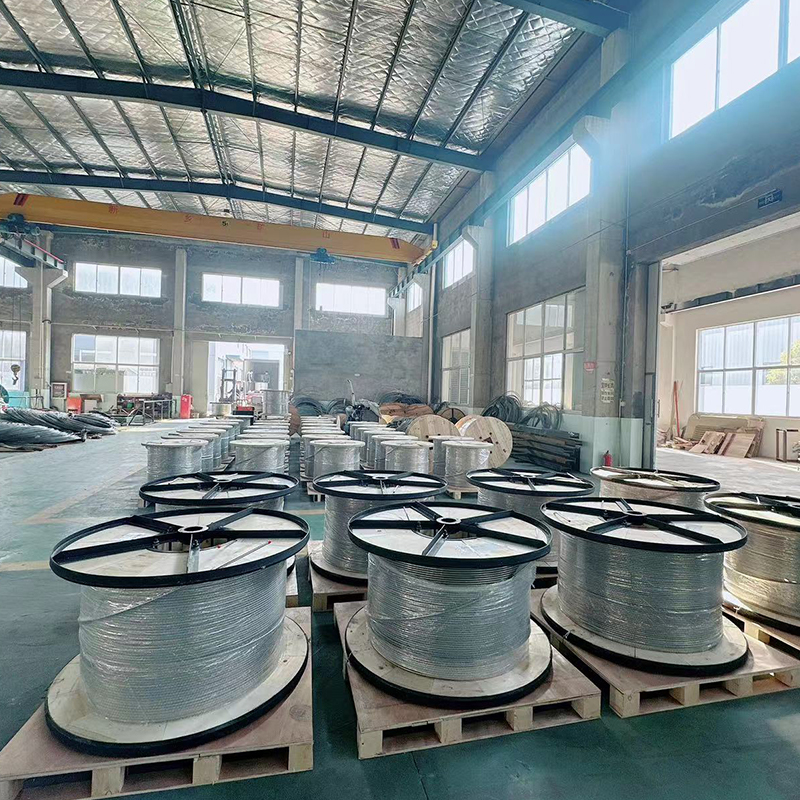 Stainless steel coil and control pipelineInstructions for the use of hydraulic control pipelines Hydraulic control pipeline, also known as capillary. Mainly used for underground capillary pressure measurement...View Product →
The practical effect is modest but real. A fully annealed 316 tube may show a relative permeability near 1.003, while the same tube after severe cold reduction can read several times higher, enough for a magnet to grip a bend and for a magnetic sensor nearby to notice. Grade 316 resists the transformation better than 304 because of its higher nickel and molybdenum content, but it is not immune. A bright anneal in a vacuum or hydrogen furnace reverses the transformation and returns the material to its non-magnetic state.
This is why the ordering conversation should cover condition as well as grade. A line specified as "316 stainless" and delivered in the cold-drawn condition is a different magnetic material from the same line delivered annealed. Our own stainless steel coil buying guide covers how grade, temper and surface condition interact when you write a specification.
The magnet test is genuinely useful for one task: catching mixed material in a bulk bin. If a fastener sold as 304 grabs a magnet firmly, it is probably a 400-series or carbon steel part that slipped into the box. Marine and offshore buyers have used this trick for decades.
It is a poor test for everything else. Non-magnetic does not mean stainless, because aluminium, brass, bronze, copper, titanium and many non-stainless alloys are also non-magnetic. Chrome-plated mild steel can look almost identical to stainless and will not attract a magnet through the plating. A magnet also cannot separate 304 from 316, which is exactly the distinction that matters for corrosion performance.
When grade identity really matters, use proper verification: a portable X-ray fluorescence analyser or spectrometer for chemistry, a ferrite meter for delta-ferrite content in welds, and a permeability measurement per ASTM A342 when magnetic behavior is part of the requirement.
Directional drilling tools use magnetometers to determine azimuth, and those sensors cannot distinguish the Earth's field from the field of a nearby ferromagnetic part. A housing, sub or tubing string reading permeability of 1.5 instead of 1.003 can bias a survey enough to matter. Anything within a metre or two of the sensor therefore gets scrutinised, including the tubing and cable routed alongside it.
 Stainless steel fiber optic testing cableThe Stainless Steel Fibre Optic Test Cable is a special test cable that combines the durability of stainless steel with the high transmission efficiency of fibre optic...View Product →
Fiber optic test cables are an interesting case. Light is unaffected by magnetism, so the optical measurement itself does not change. What matters is placement: an armoured cable run close to electromagnetic logging tools can disturb the tool's readings, and residual magnetism picked up during handling can hold iron debris against the armour. Cleaning and careful routing solve more problems than grade selection here.
Magnetic flux leakage inspection works in the opposite direction. It depends on the coiled tubing being magnetisable, so a heavily cold-drawn line with elevated permeability behaves differently from an annealed one under the same tool calibration. Inspectors should know the grade and temper before they interpret the signal.
Most disputes about magnetic behavior trace back to a specification that named a grade but not a condition. Work through these points before the purchase order goes out.
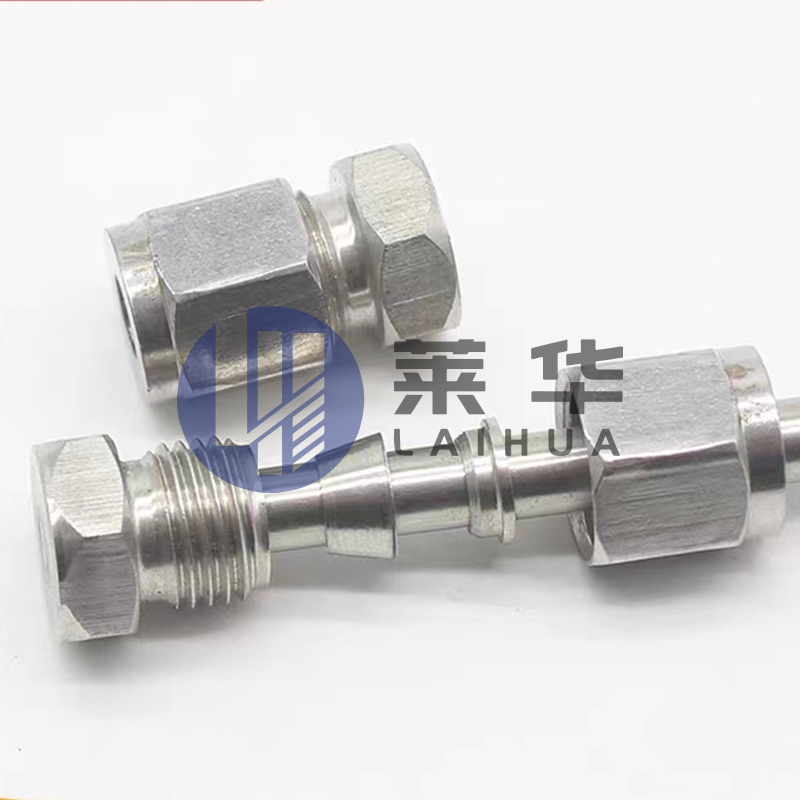 Stainless steel ferrule jointThe ferrule type pipe joint consists of three parts: the joint body, ferrule, and nut. When the clamp and nut are inserted into the joint body on the steel pipe, and t...View Product →
Fittings deserve their own note. A ferrule joint is cold worked during swaging and again during installation, so its magnetic response can change over its service life even though the raw material was non-magnetic. That is normal, and it rarely affects sealing performance, but it does mean that a magnet check on an installed joint tells you very little.
Stainless steel is magnetic when its structure is ferritic, martensitic or duplex, and non-magnetic when it is austenitic and annealed. Cold work blurs that line, and no magnet can sort the grades for you. The reliable route is to specify grade, temper, permeability limit and test method up front, then verify with chemistry and a certificate rather than a fridge magnet.
If you are sourcing coiled tubing, control line, high-temperature testing cable or ferrule joints for a project where magnetic behavior, pressure integrity or temperature performance is critical, describe the application and the measurements you need. Our engineers will match the grade and the heat treatment to the job, and you can reach the team here with your specification or drawing.
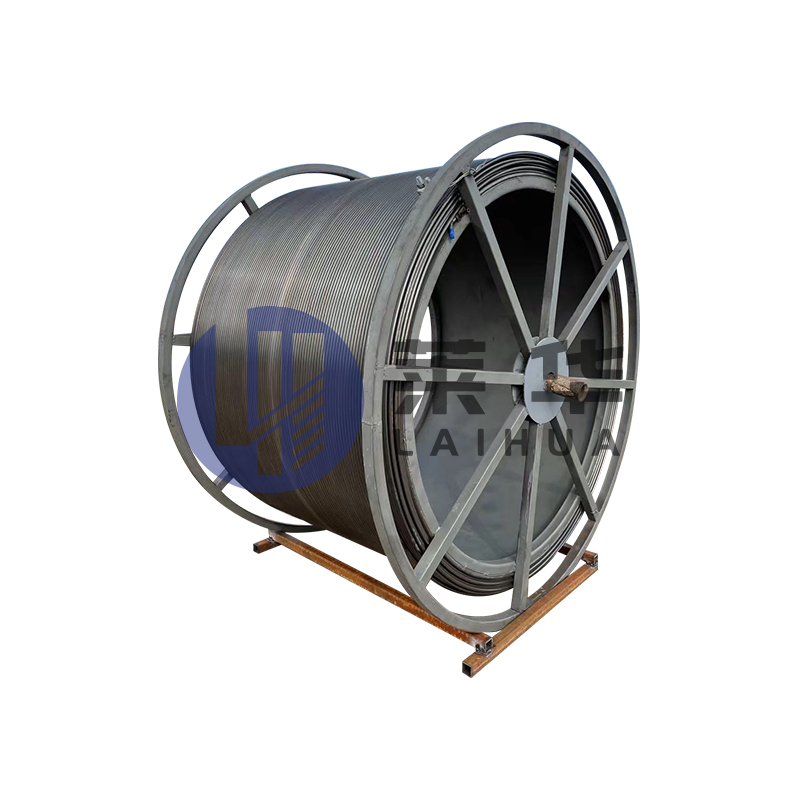
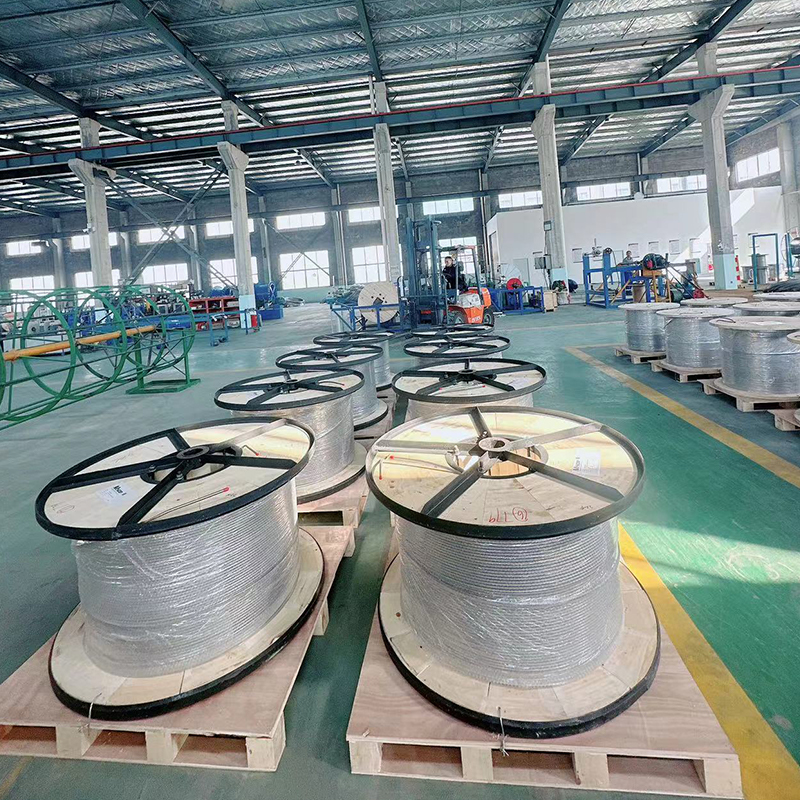
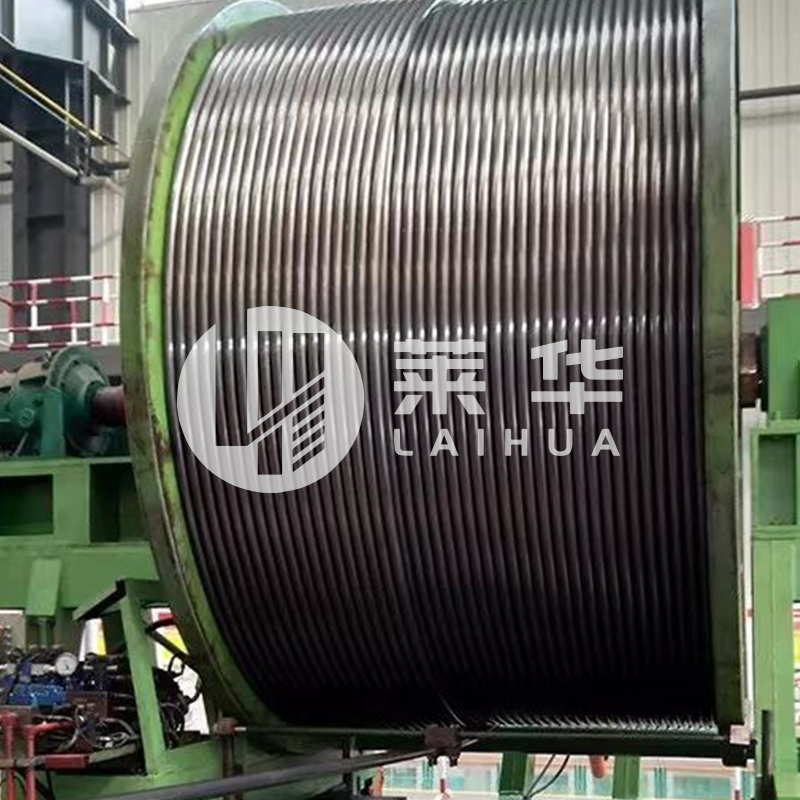
Continuous tubing, also known as flexible tubing or flexible tubing, is widely used in the fields of well workover, logging and drilling, etc. Its pro...
See Details
Purpose: The high-temperature testing cable, combined with the high-temperature testing vehicle, is mainly used in multi-parameter testing of heavy oi...
See Details
The Stainless Steel Fibre Optic Test Cable is a special test cable that combines the durability of stainless steel with the high transmission efficien...
See Details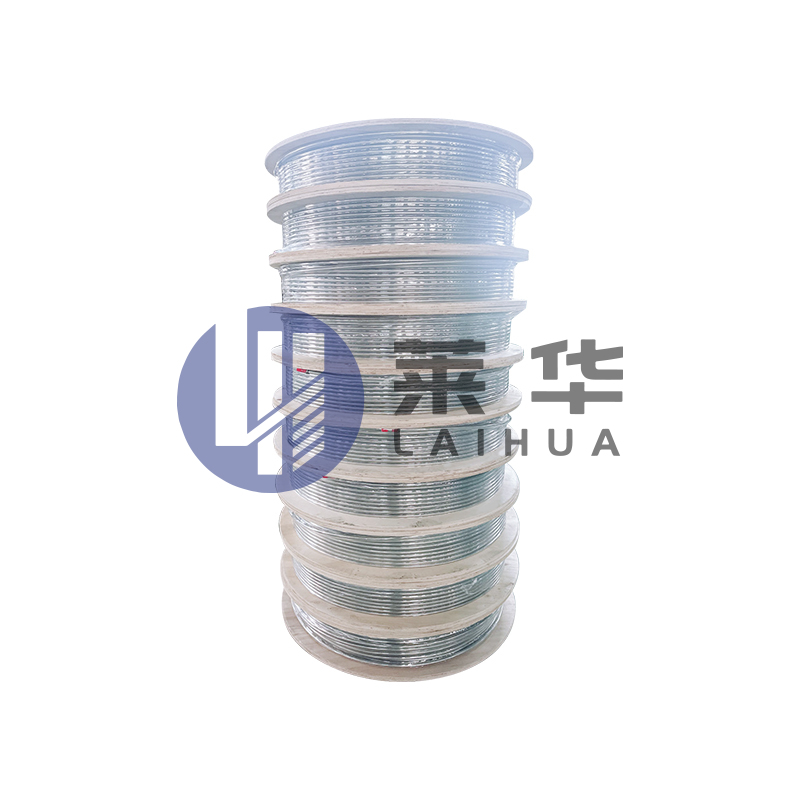
Instructions for the use of hydraulic control pipelines Hydraulic control pipeline, also known as capillary. Mainly used for underground capillary pre...
See Details
Stainless steel clad pipe is a piping system that combines the durability of stainless steel with the protection of plastic. This piping system is usu...
See Details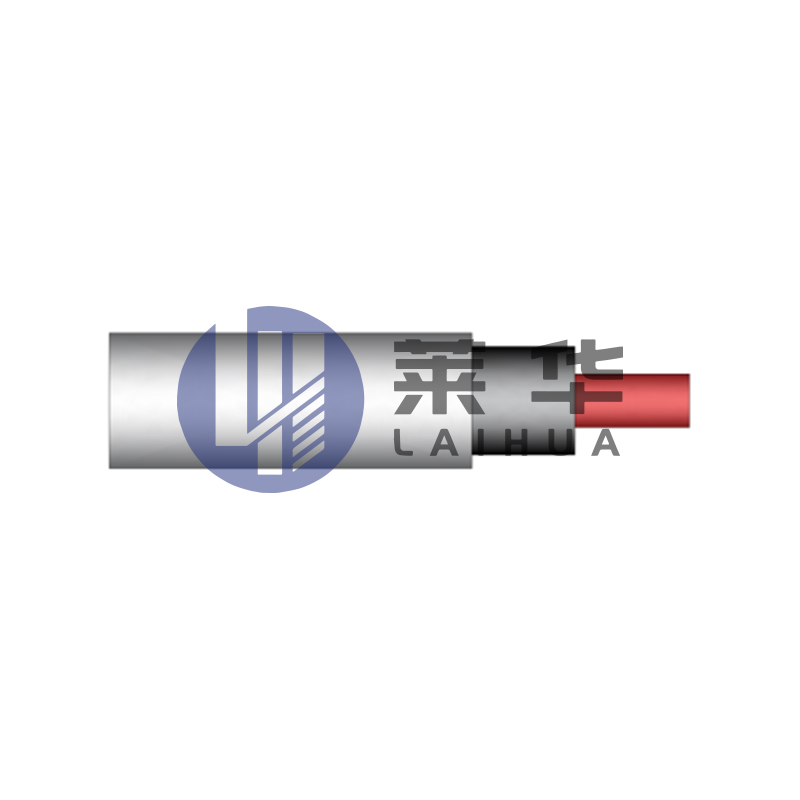
Application field:The electric induction heating system is a complete set of electric heating devices developed by our company specifically for heavy ...
See Details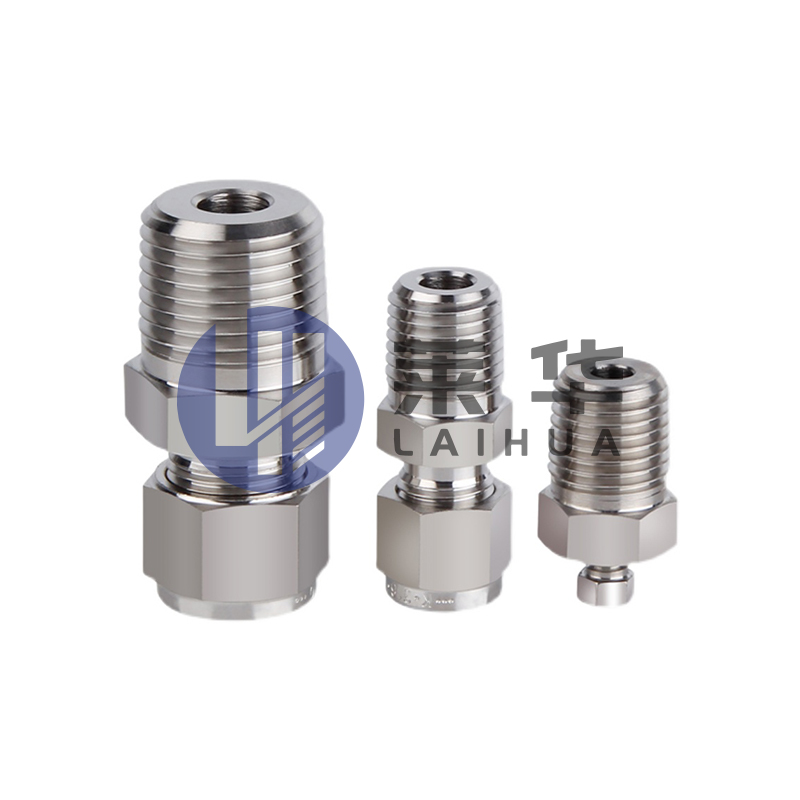
The ferrule type pipe joint consists of three parts: the joint body, ferrule, and nut. When the clamp and nut are inserted into the joint body on the ...
See Details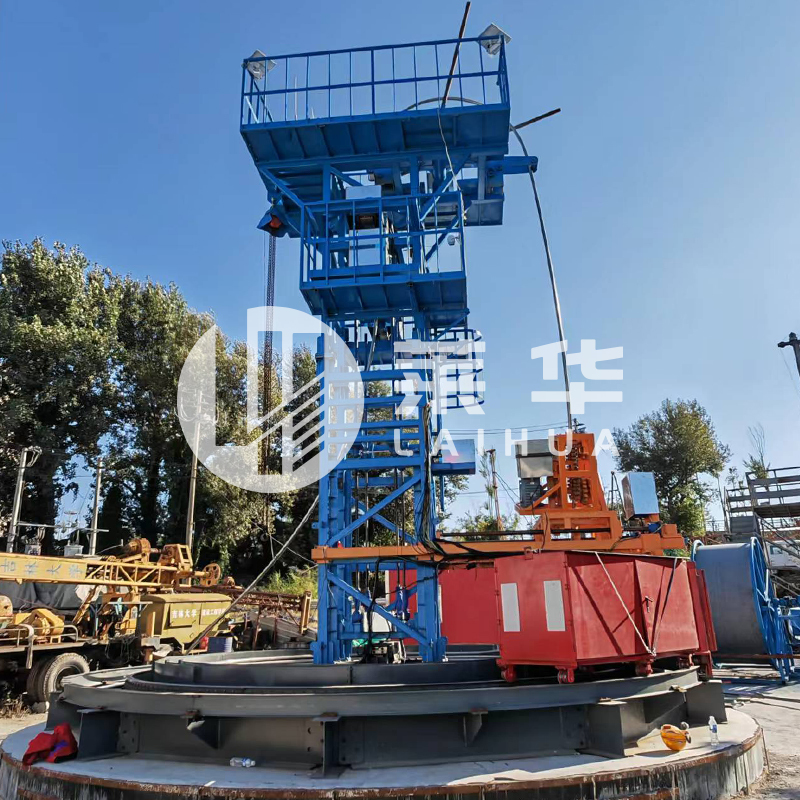
Continuous Tubing Skid Winch is a specially designed equipment for oilfield operations, which combines the design features of the Continuous Tubing Wo...
See Details
E-mail: [email protected]

Phone: +86-15996597000
+86-18252893456

Whatsapp: +86-18252874678

Address: No. 3 Xinyuan Road, Nanmo Town Industrial Park, Hai'an City, Nantong City, Jiangsu Province, China
QR code on
mobile phone



Contact Us