
 英语
英语 西班牙语
西班牙语 阿拉伯语
阿拉伯语Cat:Products
Continuous tubing, also known as flexible tubing or flexible tubing, is widely used in the fields of well workover, logging and drilling, etc. Its pro...
See Details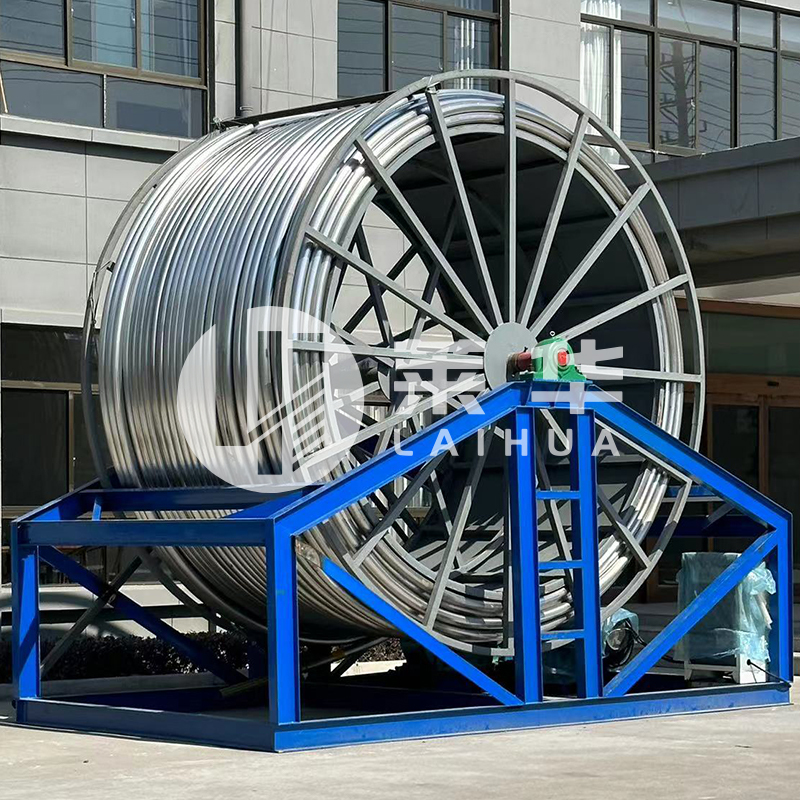
Content
SS material density is the mass of stainless steel per unit of volume, and for oilfield tubing grades it is normally quoted between 7.70 and 8.10 g/cm3 at room temperature.
Density is mass divided by volume, so the units matter as much as the value. A grade quoted at 7.93 g/cm3 is also 7,930 kg/m3 and 495 lb/ft3. Specific gravity, the figure printed on most mill certificates, is the same number with the units stripped off, because water sits at 1.000 g/cm3.
| Unit | Value | Where it is used |
| g/cm3 | 7.93 | Standard reference figure |
| kg/m3 | 7,930 | Structural and load calculations |
| kg/dm3 | 7.93 | European mill data |
| lb/in3 | 0.286 | US tubing weight tables |
| lb/ft3 | 495 | Bulk and shipping estimates |
| Specific gravity | 7.93 | Mill certificates, unitless |
Density alone will not tell you what a tube weighs. Weight is density multiplied by volume, so a mill that holds density to plus or minus 0.02 g/cm3 but runs wall eight percent heavy still ships a string heavier than the load chart assumed. The two tolerances have to be read together.
Grade 304 sits near 7.93 g/cm3, 316 at 8.00 g/cm3, 316L at 7.98 g/cm3, 321 at 7.90 g/cm3 and duplex 2205 at 7.80 g/cm3.
| Grade | UNS | g/cm3 | Typical oilfield use |
| 304 | S30400 | 7.93 | Coiled tubing, control lines, general tubing |
| 304L | S30403 | 7.90 | Welded tube with tight carbon control |
| 316 | S31600 | 8.00 | Chloride-bearing well fluids, instrument tubing |
| 316L | S31603 | 7.98 | Cable jackets, completion hardware |
| 321 | S32100 | 7.90 | High temperature service |
| 2205 duplex | S32205 | 7.80 | High strength flowlines and control lines |
| 430 ferritic | S43000 | 7.70 | Trim and non-pressure parts |
The pattern is easy to read. Nickel at 8.90 g/cm3 and molybdenum at 10.2 g/cm3 pull density up, which is why 316 with 2 to 3 percent molybdenum is the denser of the two workhorse grades. Chromium at 7.19 g/cm3 and the body-centred cubic ferrite lattice pull it down, which is why 430 and duplex sit lower. The 18-8 family behind most of these grades is unpacked in this grade and composition breakdown.
Published tables disagree by up to 0.05 g/cm3 for the same grade, because they were measured on different heats or rounded differently. Where a load margin is under 3 percent, take the density from the mill certificate rather than a catalogue page.
For room temperature load work, one value is enough. Three effects move stainless steel density, and only the first of them usually matters.
Austenitic stainless expands as it heats, so density falls. Linear expansion for 304 is about 17.3 microstrain per degree Celsius and volumetric change runs about three times that, so between room temperature and 700 C the density of 304 drops from 7.93 to roughly 7.65 g/cm3.
Drawing and coiling can form a little strain-induced martensite, which packs atoms less efficiently. Cold worked 304 commonly measures 7.88 to 7.91 g/cm3, roughly 0.3 percent below the annealed figure. Small, but it explains why two coils of one grade can differ on a weighbridge.
Adding 2 percent molybdenum to a 304 type chemistry raises density by about 0.07 g/cm3, while a fully ferritic structure drops it by 0.2 g/cm3 or more. Variation between heats inside a single grade normally stays within 0.02 g/cm3.
Weight per metre of a round stainless tube is pi multiplied by (OD minus wall) multiplied by wall multiplied by density, divided by 1000, with OD and wall in millimetres and density in g/cm3.
Dividing pi times density by 1000 collapses the formula into a single factor per grade, which is why tube weight tables are printed per grade rather than per alloy family.
A 1.5 inch tube of 38.1 mm OD with a 0.095 inch wall of 2.41 mm in grade 316 gives 0.02513 times 2.41 times 35.69, or 2.16 kg/m. The same tube in 304 runs 2.14 kg/m. Twenty grams per metre is noise; across a 5,000 metre reel it is about 100 kilograms.
Density feeds the load side of every tubing decision: string weight, reel capacity, winch rating and transport limits.
Three numbers follow for a typical 3,000 metre job.
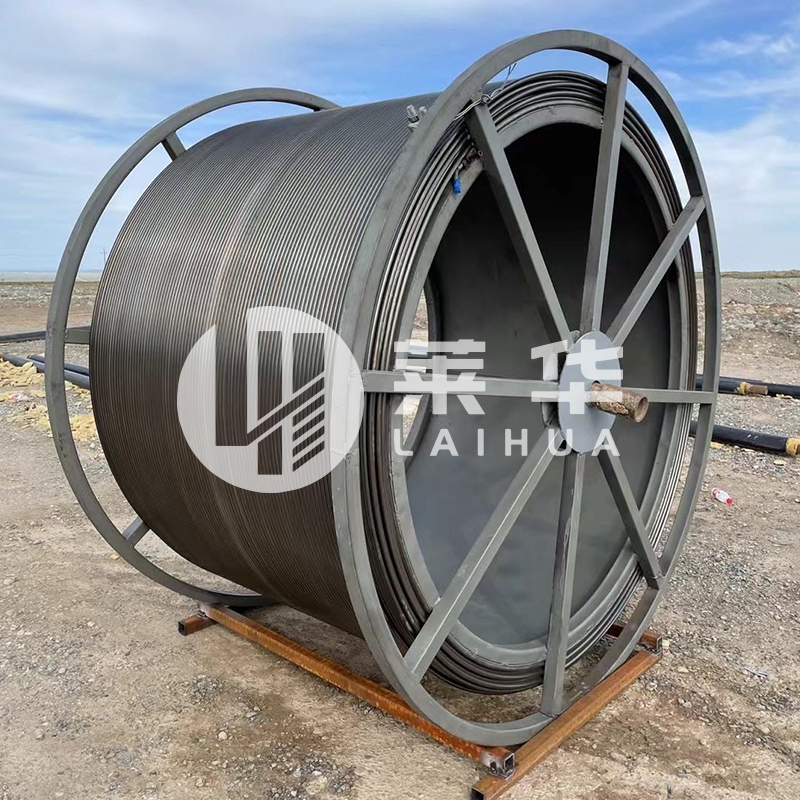 Stainless Steel Continuous Oil Pipe for Well Workover and DrillingContinuous tubing in 316L, 316, 304, Incoloy and duplex grades suits well workover, logging and drilling, including typical 3,000 metre jobs.View Product →
A quarter inch control line with a 0.035 inch wall in 316 weighs about 0.12 kg/m, so 8,000 metres on a spool comes to just under one tonne, light enough to run from a small workover rig.
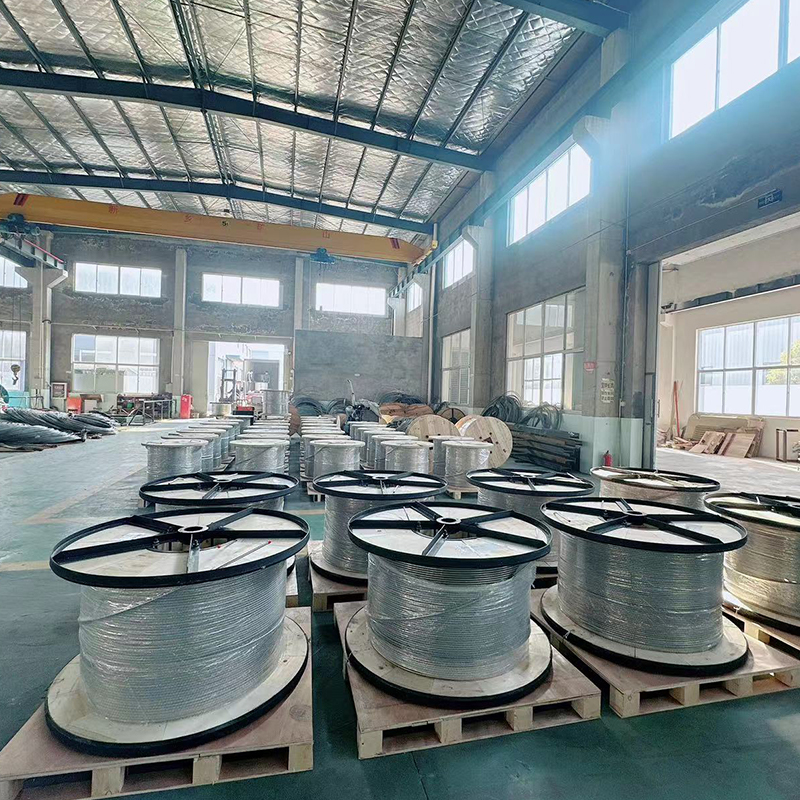 Stainless Steel Hydraulic Control Pipeline and Capillary TubingQuarter-inch 316 control line weighs about 0.12 kg/m; check material and unit density carefully for pressure monitoring, chemical injection and valve control.View Product →
Most density errors in tubing specifications come from mixing materials, mixing units, or assuming the number is exact.
Fittings and connectors add a small but real mass at every joint, and their behaviour under vibration scales with the load the whole string carries, so they belong in the same calculation.
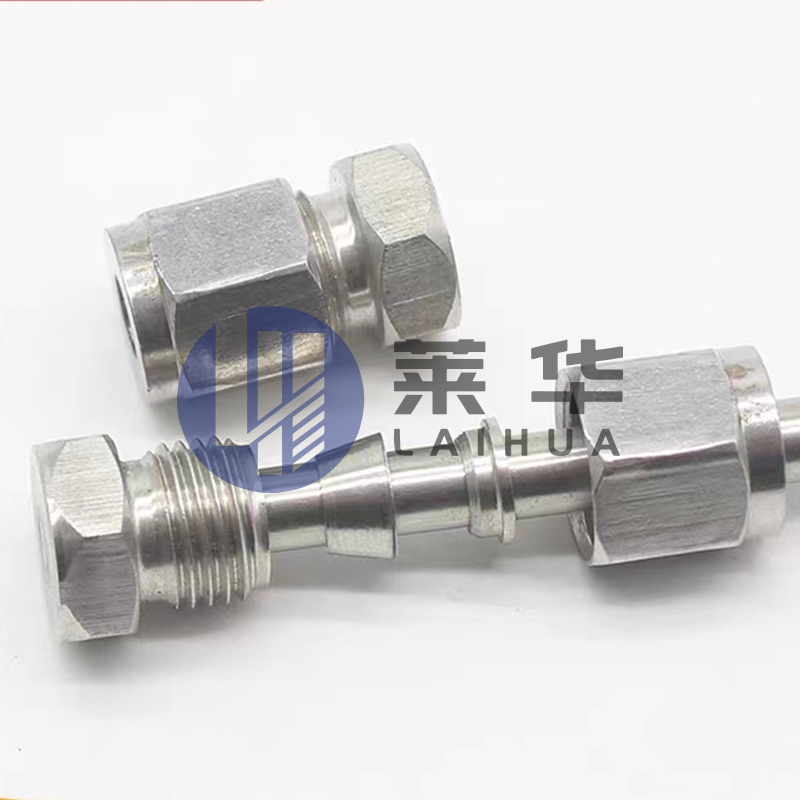 Stainless Steel Ferrule Joint for Fluid and Gas PipingFittings add mass and vibration loads; this 304/316L ferrule terminal is rated 0–20 MPa for oil, water and gas, with austenitic density near 8,000 kg/m³.View Product →
Most austenitic grades fall between 7,900 and 8,000 kg/m3 at room temperature. Grade 304 is usually taken as 7,930 kg/m3 and grade 316 as 8,000 kg/m3.
Slightly. Carbon steel is around 7.85 g/cm3 and 304 stainless is 7.93 g/cm3, roughly one percent more, so a ten tonne carbon steel order becomes about 10.1 tonnes in stainless.
Yes. Thermal expansion lowers it by roughly 3 to 4 percent between room temperature and 700 C, so elevated temperature load estimates should use a reduced density rather than the catalogue figure.
Multiply pi by (OD minus wall) by wall by density and divide by 1000, with dimensions in millimetres and density in g/cm3. For 304 the shortcut is 0.02491 times wall times (OD minus wall) in kilograms per metre.
If density, wall tolerance and weight per metre need to be confirmed against a specific string, send the OD, wall, grade and total length with the enquiry through the contact page and the figures come back with the quotation.
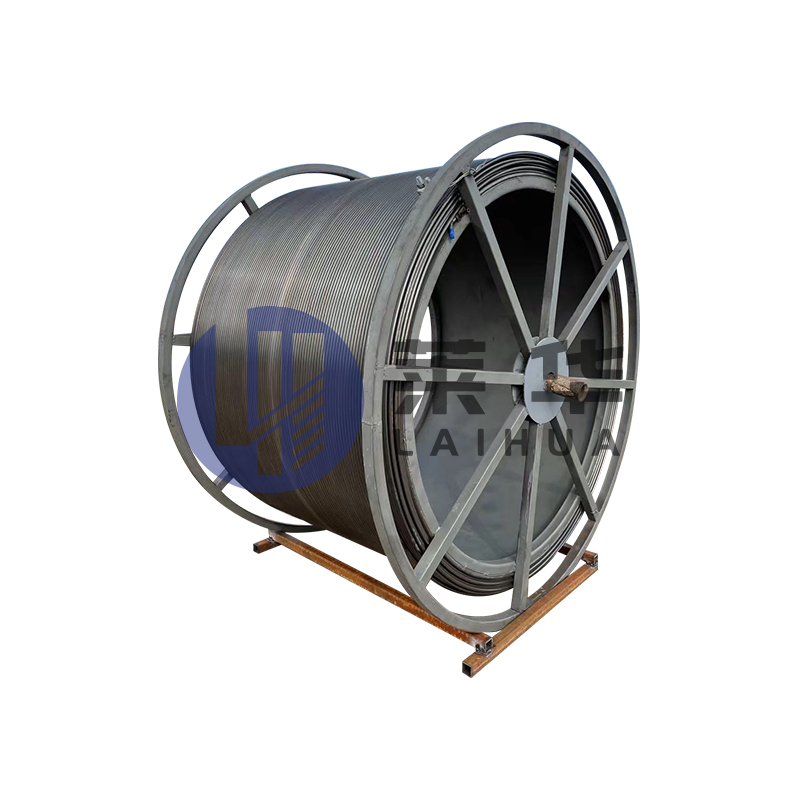
Continuous tubing, also known as flexible tubing or flexible tubing, is widely used in the fields of well workover, logging and drilling, etc. Its pro...
See Details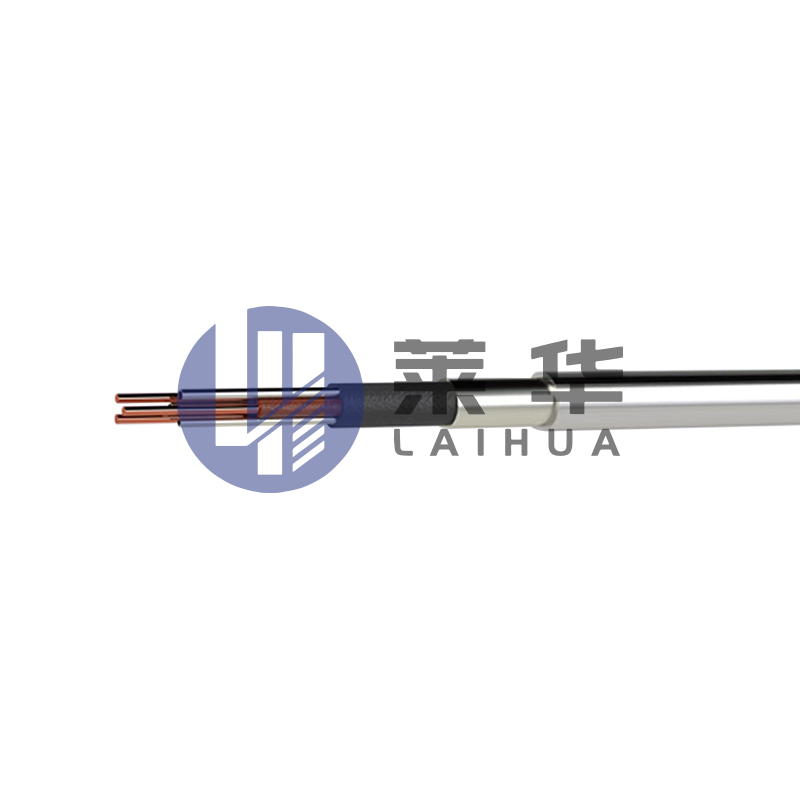
Purpose: The high-temperature testing cable, combined with the high-temperature testing vehicle, is mainly used in multi-parameter testing of heavy oi...
See Details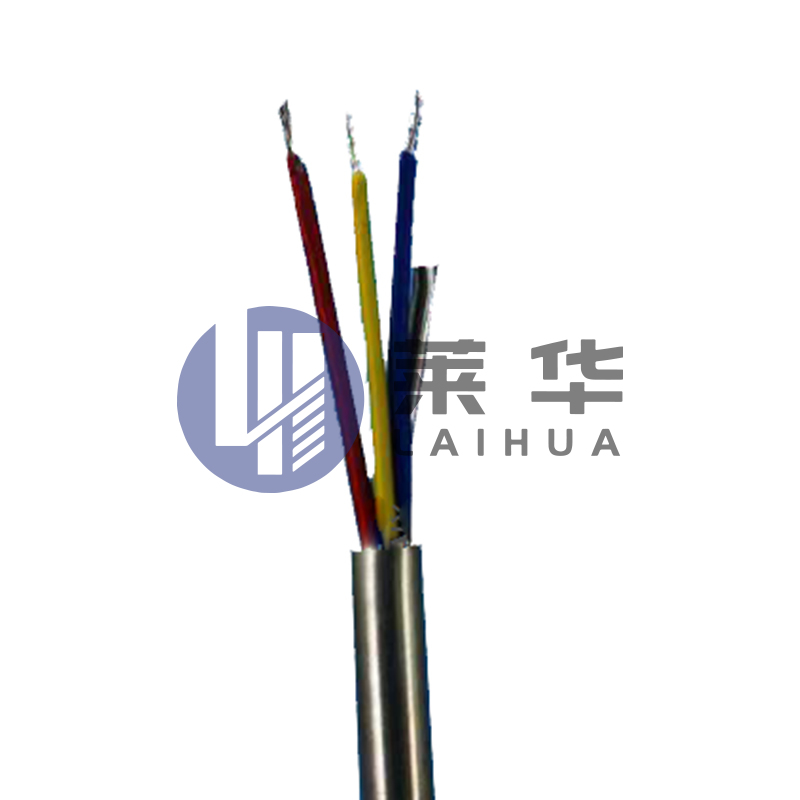
The Stainless Steel Fibre Optic Test Cable is a special test cable that combines the durability of stainless steel with the high transmission efficien...
See Details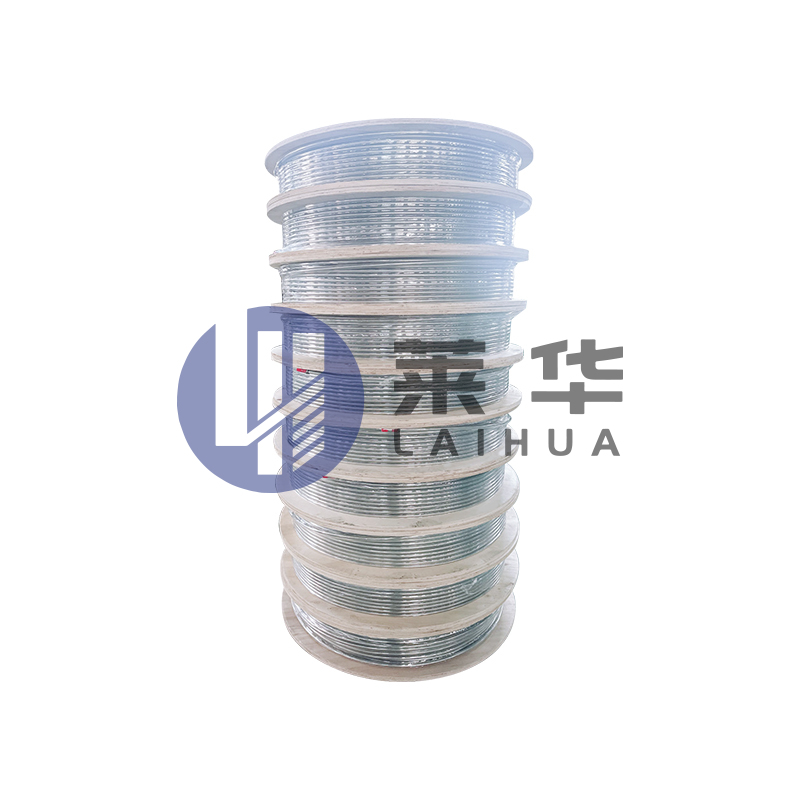
Instructions for the use of hydraulic control pipelines Hydraulic control pipeline, also known as capillary. Mainly used for underground capillary pre...
See Details
Stainless steel clad pipe is a piping system that combines the durability of stainless steel with the protection of plastic. This piping system is usu...
See Details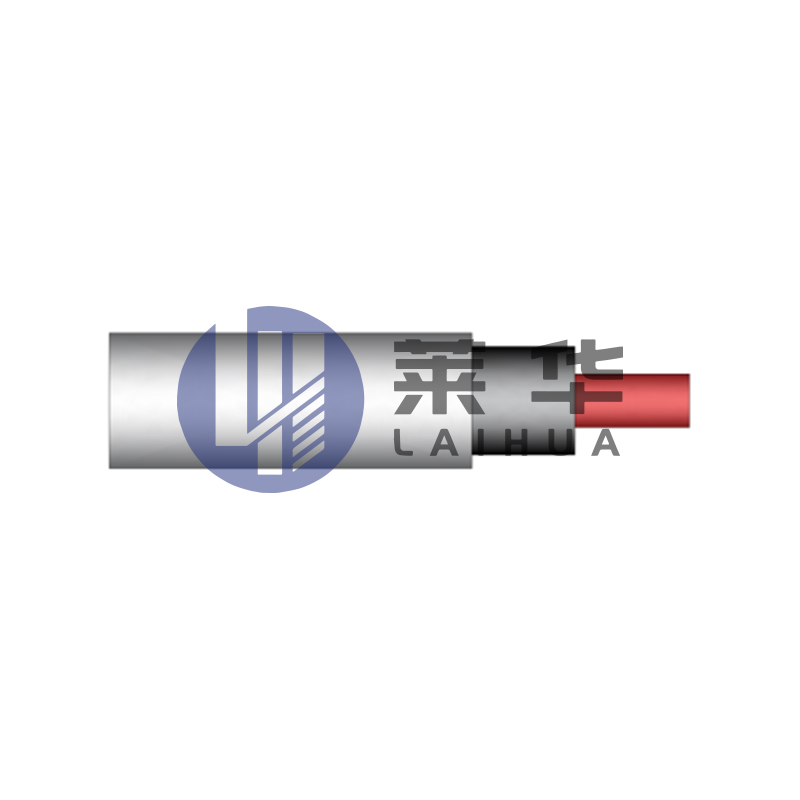
Application field:The electric induction heating system is a complete set of electric heating devices developed by our company specifically for heavy ...
See Details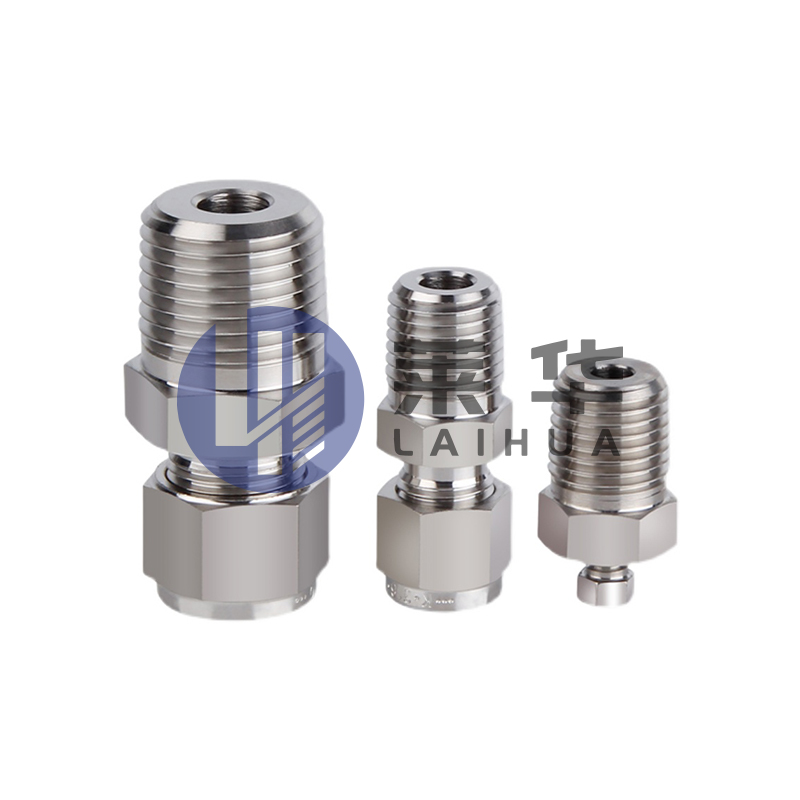
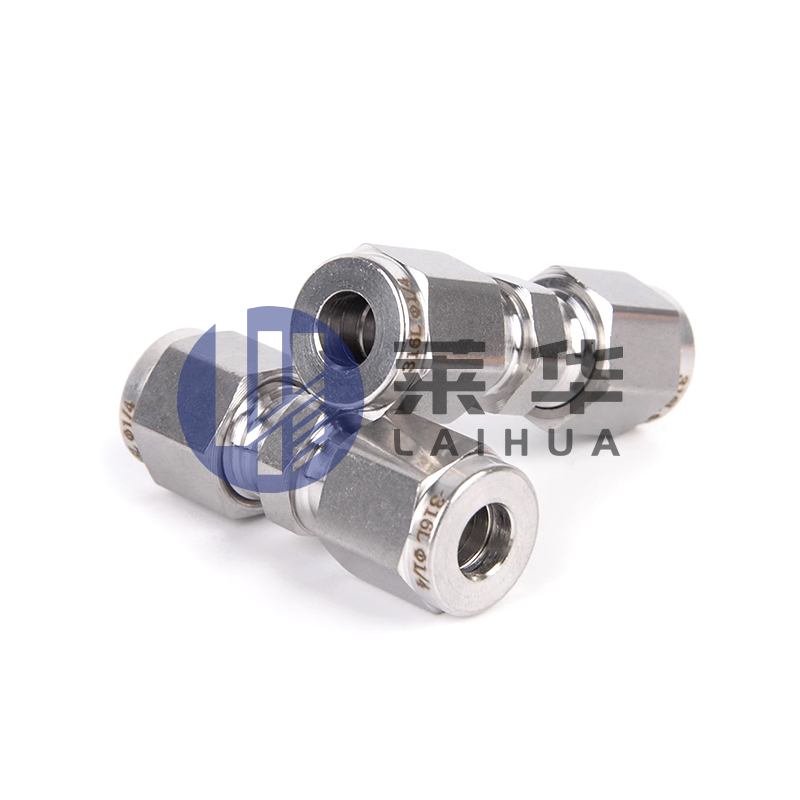
The ferrule type pipe joint consists of three parts: the joint body, ferrule, and nut. When the clamp and nut are inserted into the joint body on the ...
See Details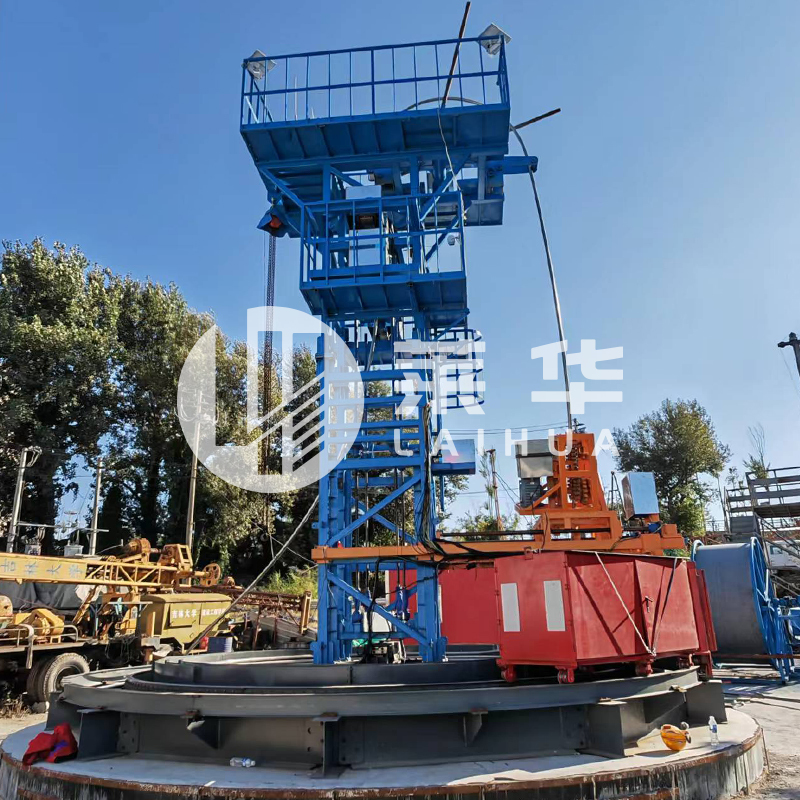
Continuous Tubing Skid Winch is a specially designed equipment for oilfield operations, which combines the design features of the Continuous Tubing Wo...
See Details
E-mail: [email protected]

Phone: +86-15996597000
+86-18252893456

Whatsapp: +86-18252874678

Address: No. 3 Xinyuan Road, Nanmo Town Industrial Park, Hai'an City, Nantong City, Jiangsu Province, China
QR code on
mobile phone



Contact Us