
 英语
 西班牙语
 阿拉伯语
Cat:Products
Continuous tubing, also known as flexible tubing or flexible tubing, is widely used in the fields of well workover, logging and drilling, etc. Its pro...
See Details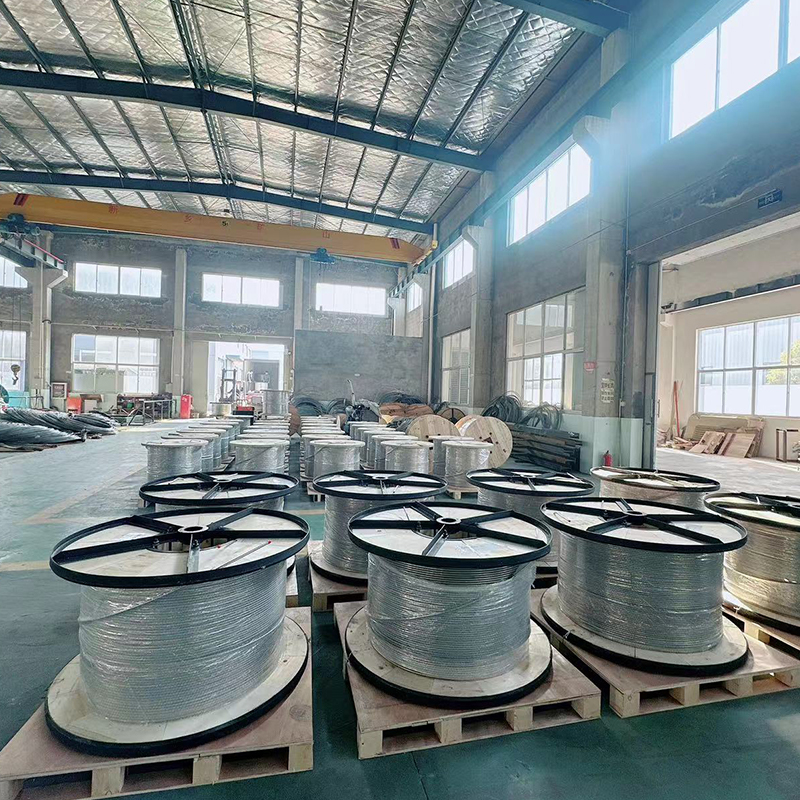
Content
Eight months in a coastal pipe yard is enough to put brown speckles on a 316L control line. The tube is rarely rusting from the inside out. Those marks are usually iron particles from a grinder, a carbon steel rack or a crane sling, sitting on top of a passive layer that is still doing its job underneath.
That distinction decides how you treat it. Scrubbing a contaminated surface with the wrong pad spreads the iron and scratches the finish; treating a genuinely pitted surface with a mild acid hides the problem for a few weeks and lets it return worse.
What follows covers why the film breaks down, how to identify the stain you are looking at, which removal method suits each pattern, and the passivation step that keeps the mark from returning.
Stainless steel resists rust because of a chromium oxide film a few nanometres thick, and that film fails for a handful of predictable reasons.
Chromium at 10.5 percent or above lets the alloy form the film spontaneously in air. Grade 304 carries around 18 percent chromium and 8 percent nickel; 316L adds 2 to 3 percent molybdenum, which is why it is the default for coastal and chloride-bearing service.
The film breaks down in five ways:
Brown marks on stainless steel fall into four patterns, and each one needs a different response.
| What you see | Most likely cause | First action |
| Even brown film near a weld or a low point where water pooled | Heat tint or tea staining | Pickling or electrochemical cleaning, not hand scrubbing |
| Sharp speckles spread evenly across the surface | Free iron from tools, dust or carbon steel contact | Citric or phosphoric acid, then passivate |
| Dark pits that catch a pick point, often with a brown halo | Chloride pitting | Measure depth and wall loss before cleaning |
| Brown ring under a clamp, gasket or ferrule joint | Crevice corrosion | Dismantle, clean, re-passivate on reassembly |
A ten-minute field test separates the first two patterns from the last two. Wipe a small area with a cloth soaked in 10 percent citric acid. If the brown lifts and does not return within a few weeks of normal service, it was surface iron. If it is back by the next maintenance window, the environment rather than the cleaning method is the problem.
Crevices deserve their own attention because they trap water and starve the surface of oxygen, which makes any fitting that relies on a metal-to-metal seal a common starting point for staining.
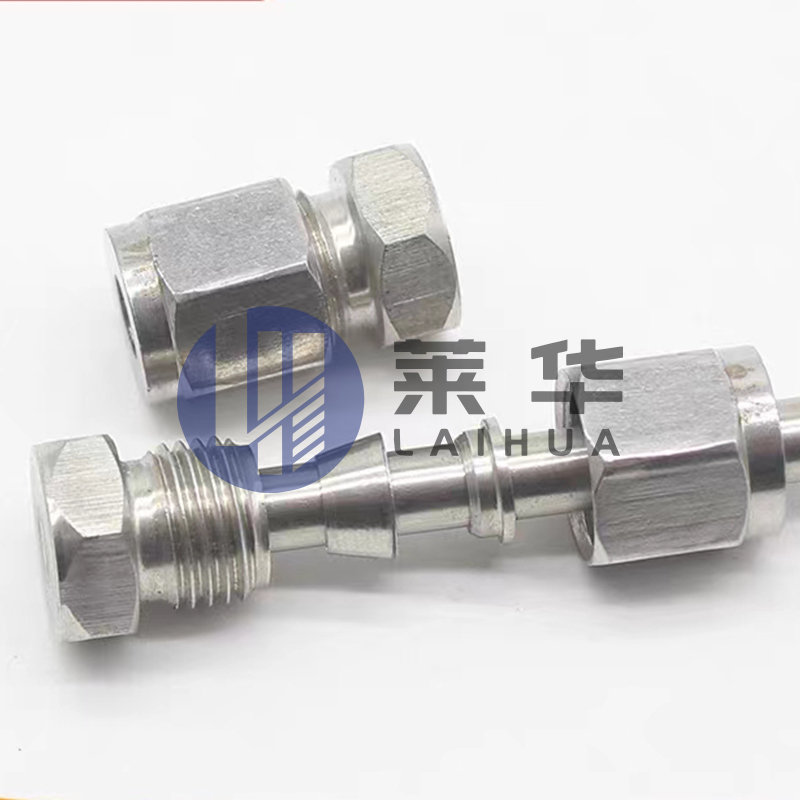 Stainless Steel Ferrule Tube JointFerrule-type stainless steel joint for oil, water, gas and industrial piping, rated 0–20 MPa and up to 450°C.View Product →
Pitting is a wall-thickness question, not a cosmetic one. Measure pit depth against nominal wall and treat anything deeper than about 10 percent of wall as a candidate for engineering review. On coiled tubing and control lines, that means ultrasonic measurement and a fresh pressure test rather than a visual pass.
Citric acid, phosphoric acid and light mechanical abrasion cover nearly every rust removal job on stainless steel; the real difference between them is dwell time and how much of the passive layer you sacrifice.
| Method | Best for | Typical dwell | Watch out for |
| Baking soda paste | Fingerprints and light bloom | 5-10 minutes | Non-abrasive, but useless on pitting |
| White vinegar, 5 percent | Thin rust film on flat panels | 10-30 minutes | Keep wet and rinse fully afterwards |
| Citric acid, 5-10 percent solution | Light rust plus mild passivation | 15-30 minutes | Slow on heavy scale |
| Phosphoric acid gel | Heavier rust on yard and shop equipment | 5-15 minutes | Must not dry on the surface; neutralise and rinse |
| Oxalic acid | Tea staining on architectural panels | 1-3 minutes | Toxic; needs thorough rinsing |
| Abrasive pad, 320-400 grit | Stubborn spots and weld-adjacent staining | By hand | Work with the grain, then re-passivate |
Grain direction matters more than most people expect. Brushed and rolled finishes have a visible direction, and any abrasive worked across it leaves a scratch field that will never blend. Use a backing block, keep the strokes long and straight, and stop as soon as the mark disappears.
A clean, passivated surface takes six steps, and the two most often skipped, the final rinse and the dry, are exactly the ones that cause a repeat stain.
Coil and control line products carry one extra consideration: mill finish and packaging decide how much of this work you face in the field. A surface protected from the moment it left the line usually needs a rinse, not an acid treatment. The same discipline shows up in surface quality control during coil manufacturing, where scratches and embedded particles are treated as defects before packing.
Stainless Steel Coil and Control LineStainless steel capillary for subsurface pressure and temperature monitoring and chemical injection, with material options including 316L, 2205, 2507 and 625.View Product →
Chlorides, carbon steel tooling and acid left to dry cause more damage than the rust you started with.
Safe on stainless
Never on stainless
Each of these has a mechanism behind it. Chloride ions attack the passive film directly and concentrate as a puddle evaporates, so one dried wash-down can do more harm than months of normal service. Carbon steel brushes embed iron particles that rust on the spot and leave a halo of staining around every scratch. Grade and coating selection belongs in the same conversation, because galvanised and stainless parts fail in completely different ways on the same wellsite.
Rust returns whenever the storage, environment or handling that caused it stays the same.
Storage
Indoor racking, VCI film on finished lengths, and plastic or painted separators so stainless never sits directly on carbon steel.
Environment
Control chloride exposure, schedule rinse-downs on coastal sites, and keep bleach out of wash-down and sanitation routines.
Specification
Move to 316L or duplex where chloride load is high, and specify sheathed or wrapped line for buried and splash-zone service.
Grade selection does most of the long-term work. Published chloride charts vary by temperature, pH and oxygen level, but as a rule of thumb 316L tolerates roughly double the chloride load of 304 in the same conditions, and duplex grades go further still. Where a line is buried, splash-exposed or washed down regularly, a protective sheath removes the electrolyte before the alloy has to deal with it.
 Plastic-Wrapped Stainless Steel Pipe and CableStainless steel pipe with PVC, F40, F46 or PU outer layer for corrosion, abrasion and water protection in demanding piping systems.View Product →
Yes, both are safe for light surface bloom. Household white vinegar at 5 percent acetic acid and a baking soda paste mixed with water lift fingerprints and thin rust films without attacking the alloy. Neither reaches pitting, and both need a clean water rinse and a full dry so residue does not sit in crevices.
Not usually. Free iron from tools, racks, grinding dust or nearby carbon steel is the most common cause and says nothing about the alloy itself. A genuine grade problem shows up as pitting in a chloride environment, or as rust that returns within days of a proper passivation step.
No. Cold work, welding and specific grades all change magnetic response, and 304 often becomes magnetic after drawing or forming. Magnetism is a fabrication clue, not a corrosion test, and it should never be used to judge whether a component will rust.
The film rebuilds in minutes to hours and then maintains itself in clean, oxygenated, low-chloride conditions. In coastal, offshore or frequent wash-down service it should be re-checked each maintenance cycle, and any mechanical abrasion or scratch reopens the job.
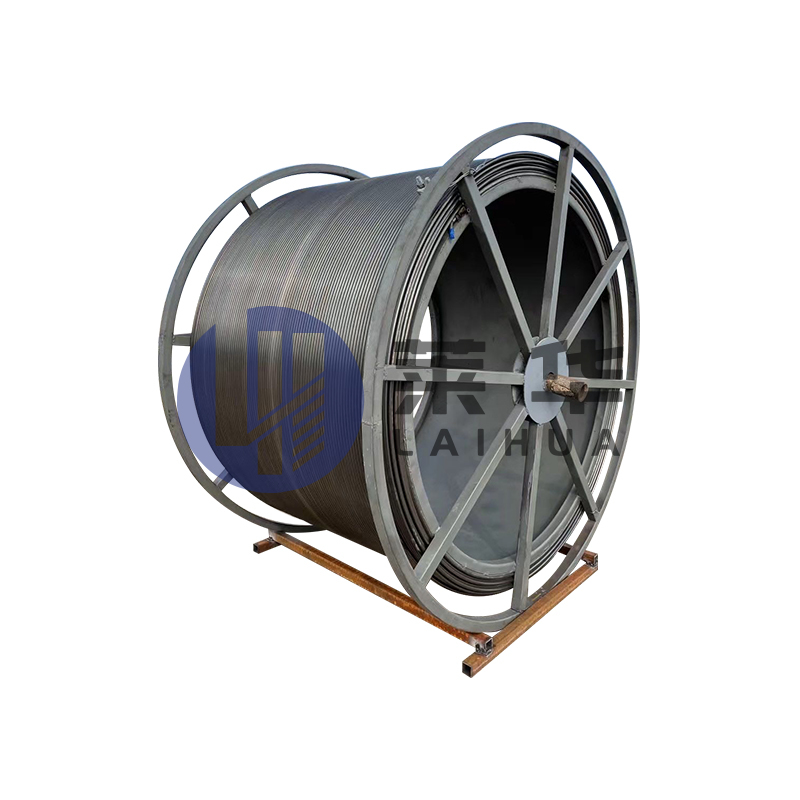
Continuous tubing, also known as flexible tubing or flexible tubing, is widely used in the fields of well workover, logging and drilling, etc. Its pro...
See Details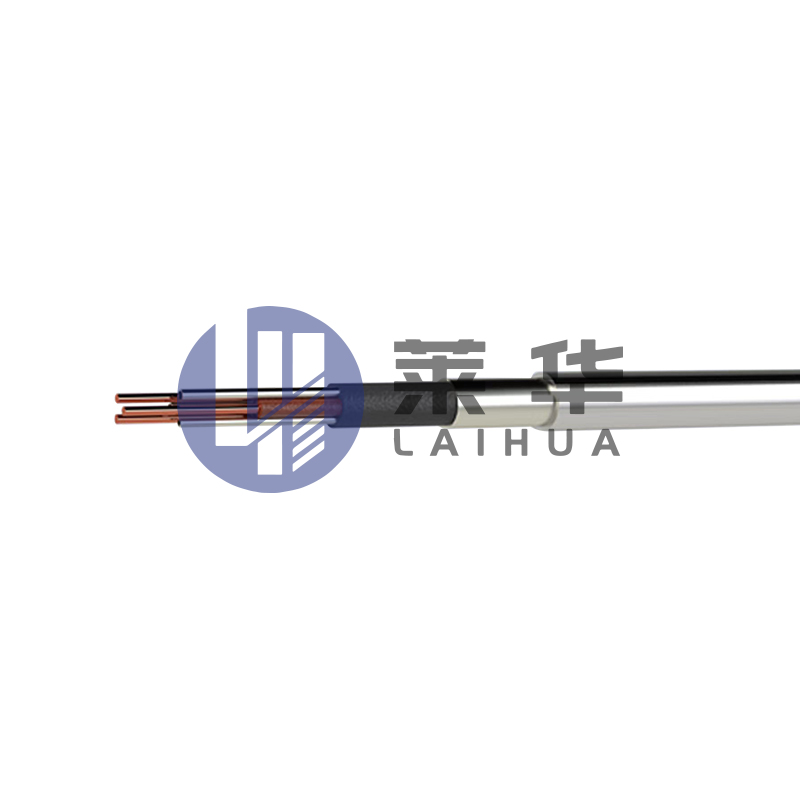
Purpose: The high-temperature testing cable, combined with the high-temperature testing vehicle, is mainly used in multi-parameter testing of heavy oi...
See Details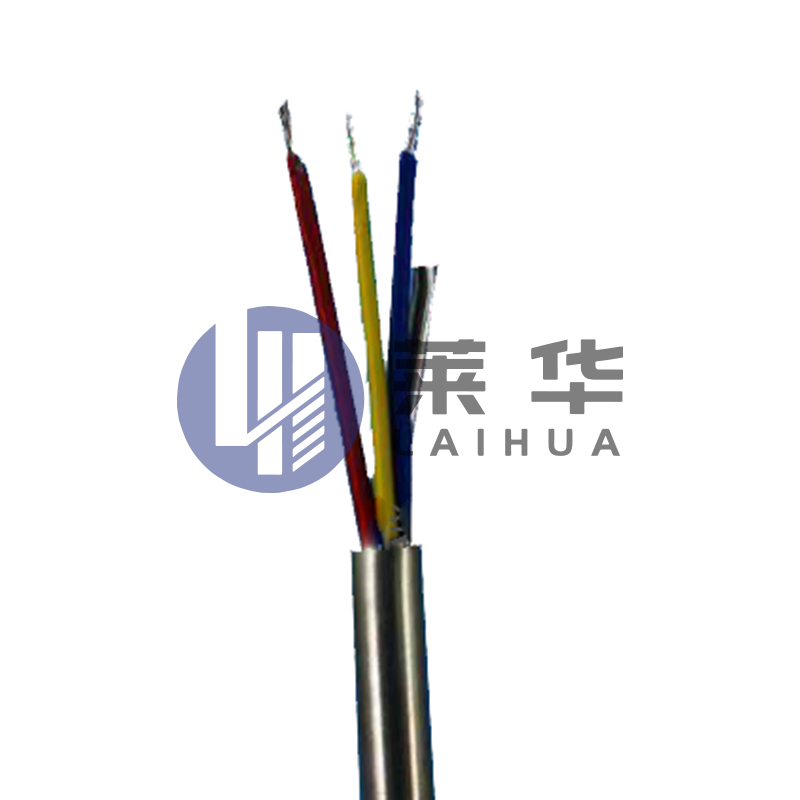
The Stainless Steel Fibre Optic Test Cable is a special test cable that combines the durability of stainless steel with the high transmission efficien...
See Details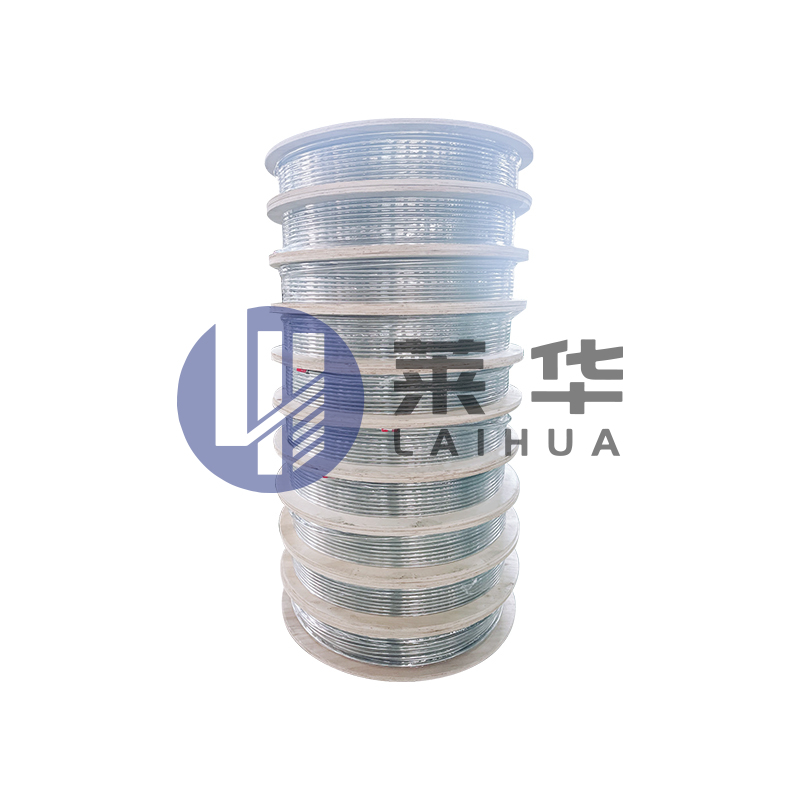
Instructions for the use of hydraulic control pipelines Hydraulic control pipeline, also known as capillary. Mainly used for underground capillary pre...
See Details
Stainless steel clad pipe is a piping system that combines the durability of stainless steel with the protection of plastic. This piping system is usu...
See Details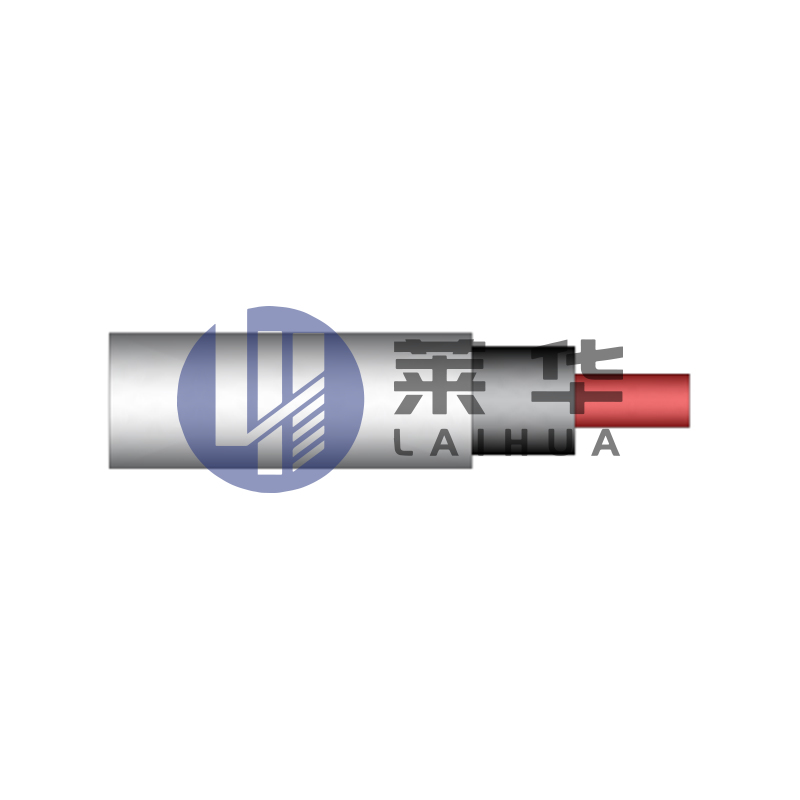
Application field:The electric induction heating system is a complete set of electric heating devices developed by our company specifically for heavy ...
See Details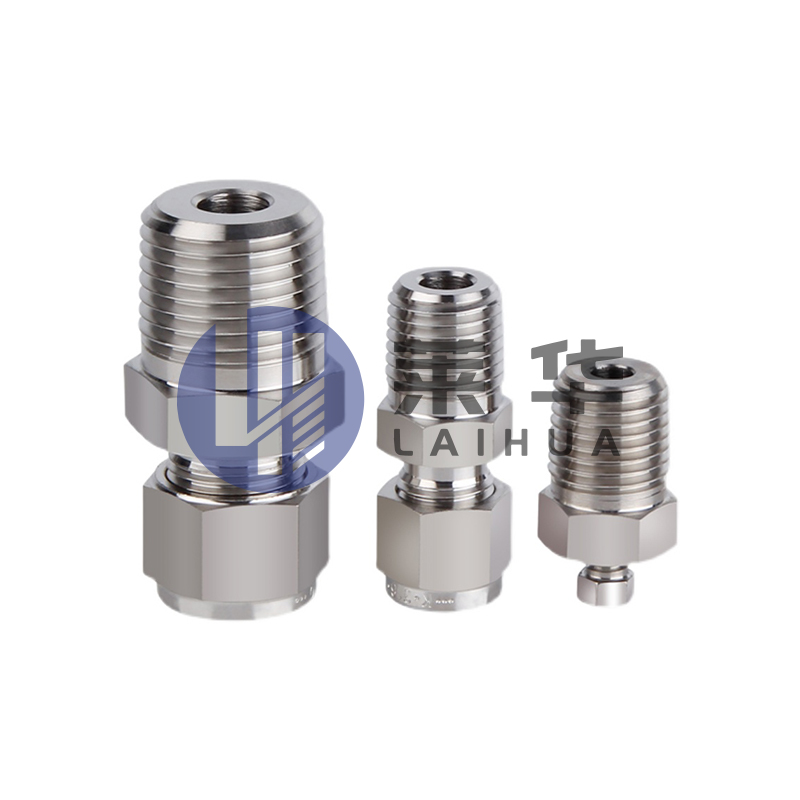
The ferrule type pipe joint consists of three parts: the joint body, ferrule, and nut. When the clamp and nut are inserted into the joint body on the ...
See Details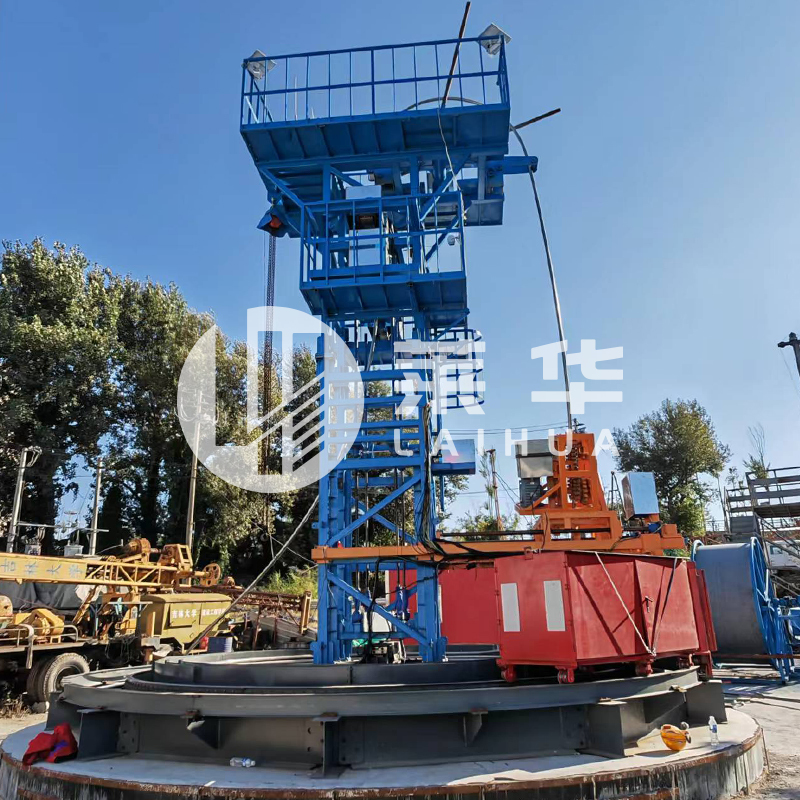
Continuous Tubing Skid Winch is a specially designed equipment for oilfield operations, which combines the design features of the Continuous Tubing Wo...
See Details
E-mail: [email protected]

Phone: +86-15996597000
+86-18252893456

Whatsapp: +86-18252874678

Address: No. 3 Xinyuan Road, Nanmo Town Industrial Park, Hai'an City, Nantong City, Jiangsu Province, China
QR code on
mobile phone



Contact Us