
 英语
 西班牙语
 阿拉伯语
Cat:Products
Continuous tubing, also known as flexible tubing or flexible tubing, is widely used in the fields of well workover, logging and drilling, etc. Its pro...
See Details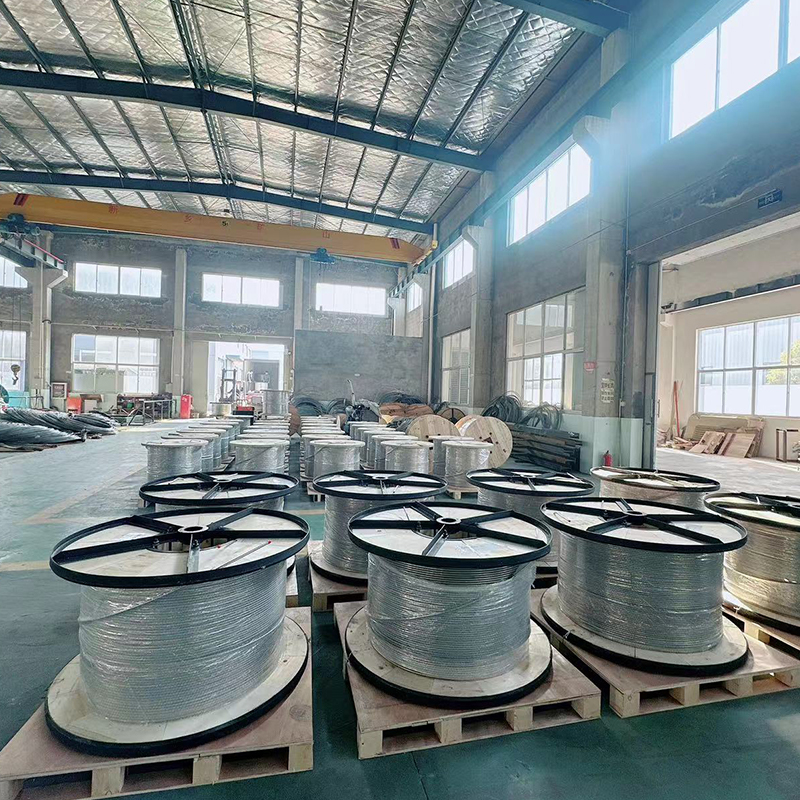
Content
If you need the short shop answer, start with the least aggressive cleaner that lifts the stain, keep the dwell time controlled, and never let an acid gel dry on the surface. On 304 or 316 process pipe, a rust bloom is a contamination signal, not routine wear.
Stainless steel shows rust because the passive film has been damaged, masked, or never formed correctly, not because the alloy has suddenly become ordinary carbon steel.
Grinding dust, carbon steel brushes, tooling, and weld spatter deposit iron on the surface. Rust can bloom within hours in damp air.
Salt water, bleach, hydrochloric acid, and aggressive wash-down chemicals attack the film and create tight, dark pits.
Welding and heavy grinding leave oxide colors and chromium-depleted zones that need pickling or passivation, not just wiping.
Grade selection matters. 316 contains molybdenum and usually tolerates chlorides better than 304, while 18-8 family grades behave differently after cold work and welding. A quick review of 18-8 stainless steel grades and oilfield applications helps set a realistic cleaning limit before abrasion begins.
Before you apply any acid or abrasive, confirm the grade, the source of the stain, and whether the part is a cosmetic panel or a pressure boundary.
Start with alkaline or mild acid cleaners and move to phosphoric or citric passivation gels only when the stain persists; never jump straight to hydrochloric acid or chlorine bleach.
| Method | Best for | Contact or dwell | Main risk |
| Baking soda poultice | Light water spots and fingerprints | 5 to 15 minutes, keep damp | Missed chloride source |
| Citric acid gel | Light rust and passivation boost | 10 to 30 minutes | Drying to a film |
| Phosphoric acid gel | Free iron blooms and shop stains | 10 to 15 minutes with agitation | Over-etching if left too long |
| Oxalic acid | Stubborn rust on sinks and panels | Spot test, short dwell | Aggressive on some finishes |
| Nitric passivation | Post-repair and weld zones | Controlled shop process | Safety and waste handling |
| Non-metallic abrasive pad | Loose rust after chemical softening | Light pressure only | Scratch change on brushed finish |
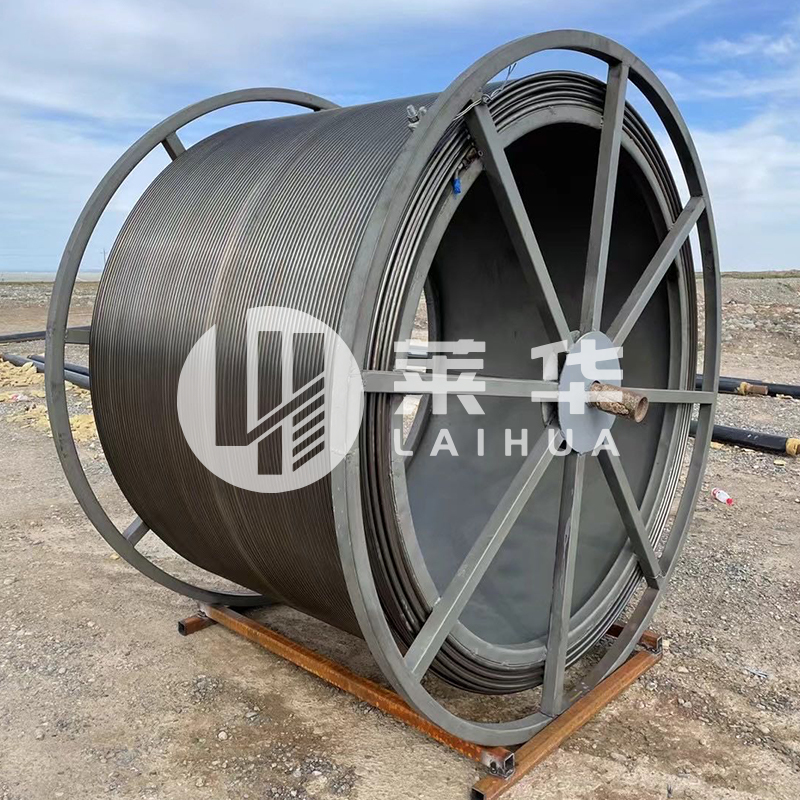
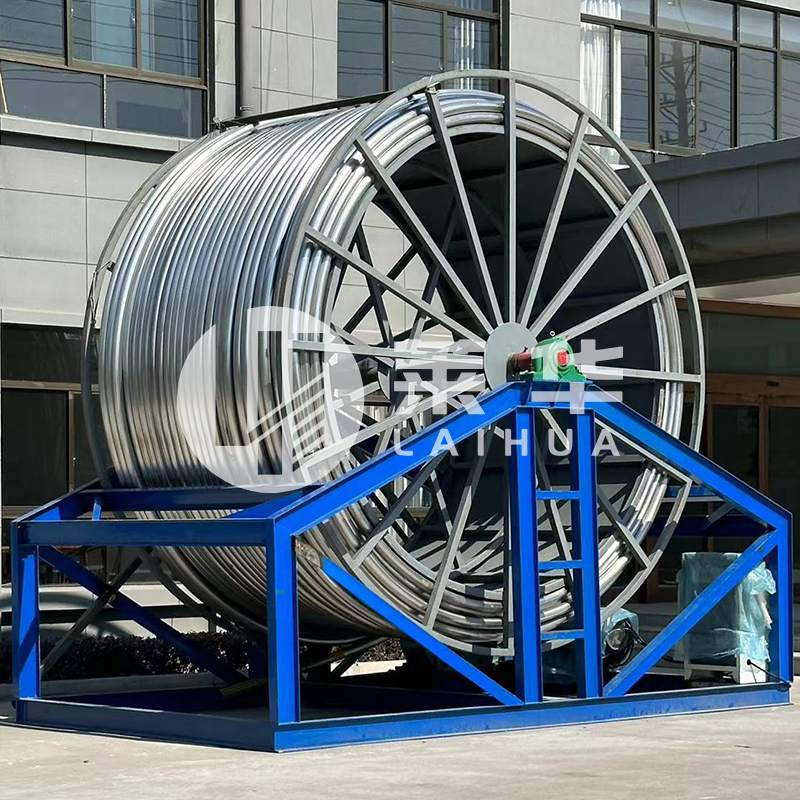
On coil and control pipeline surfaces, rust staining usually comes from handling, contaminated rinse water, or carbon steel contact during installation. The alloy itself is rarely the source.
Stainless Steel Coil and Control PipelineFor downhole pressure and temperature monitoring, chemical injection, and instrument control, with customizable alloys, dimensions, and pressure ratings.View Product →A repeatable removal sequence is clean, soften, lift, rinse, passivate, and inspect; skipping the rinse or passivation step is the usual reason the stain returns within weeks.
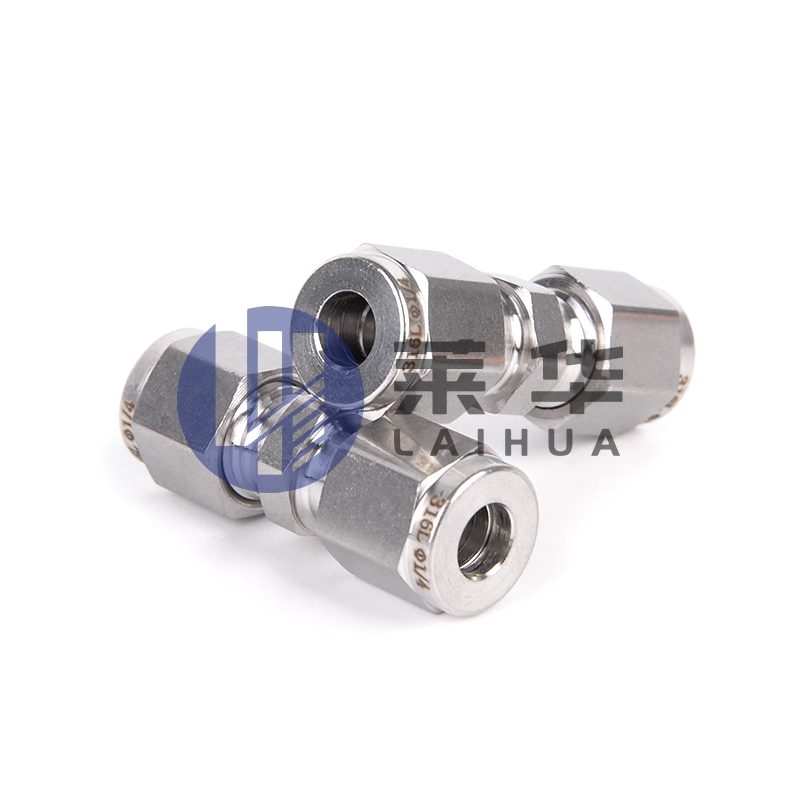
For hydraulic and instrumentation connections, rust around a ferrule joint can hide crevice corrosion. Replace pitted fittings rather than polishing through the sealing surface.
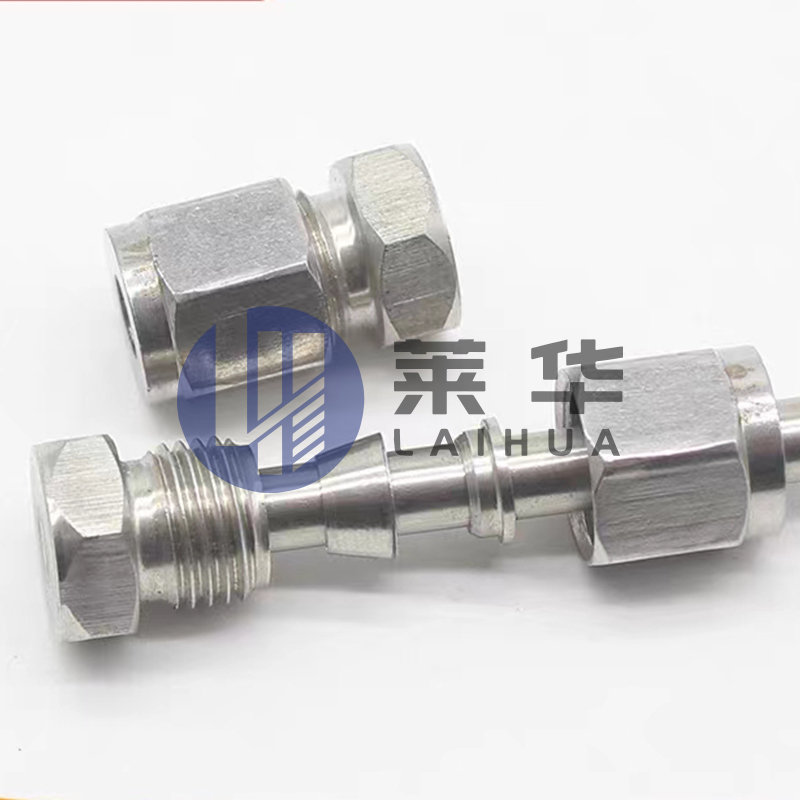 Stainless Steel Ferrule Joint for Hydraulic PipingInspect ferrule joints for crevice corrosion; this three-part stainless steel connection suits pressure-tight hydraulic and instrumentation piping with multiple thread options.View Product →
Rework is complete only when the surface is visually clean, chloride-free, and has a continuous passive film; a water-break test and a quick ferroxyl check are practical field and shop checks.
For critical oilfield parts, connect the cleaning record to the inspection record. A brushed surface that looks bright can still fail a ferroxyl test if free iron remains in scratches or weld toes.
Prevention works best when stainless steel is kept separate from carbon steel dust, chloride-rich water, and hot wash-down cycles that break down the passive film.
If the part is a pressure boundary or a coiled pipeline, ask for a written cleaning and passivation procedure before work starts. Share the service fluid, temperature, and chloride exposure so the supplier can confirm whether cleaning is enough or replacement is safer.
For project-specific guidance, send the service conditions to the supplier before the repair is approved.
Most stainless rust questions come down to grade, contamination source, and whether the passive film was restored after cleaning.
Yes, for light free-iron stains on a non-critical surface. Use a 50/50 white vinegar and water wipe, keep the dwell short, rinse with low-chloride water, and dry. Do not let vinegar pool on 304, especially near welds, because the acid can attack the passive film if left too long.
No, baking soda is mild and useful for fingerprints and light water spots. Make a paste, apply for 5 to 15 minutes, lift with a non-metallic pad, and rinse fully. It does not replace passivation if the stain came from free iron.
Look at the pattern and location. Free iron often appears as a bloom near tool marks, weld spatter, or water traps. Chloride pitting is tight, dark, and rough. A spot test with citric or phosphoric gel helps, but pitted pressure parts should be inspected before return to service.
No. Carbon steel wool and wire brushes leave free iron that rusts again. Use non-metallic abrasive pads, stainless-compatible brushes, or chemical softening first.
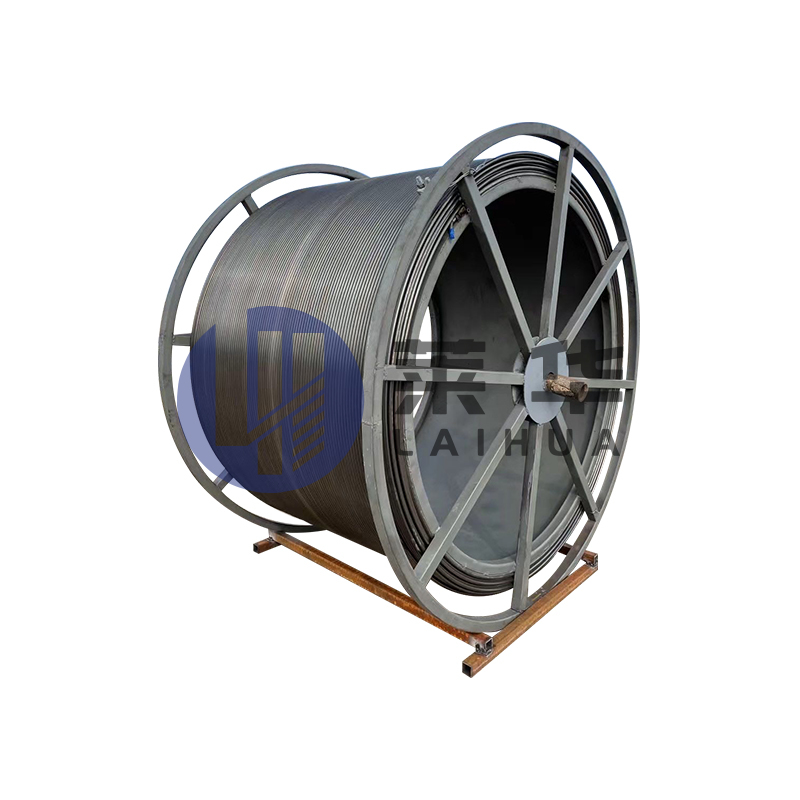
Continuous tubing, also known as flexible tubing or flexible tubing, is widely used in the fields of well workover, logging and drilling, etc. Its pro...
See Details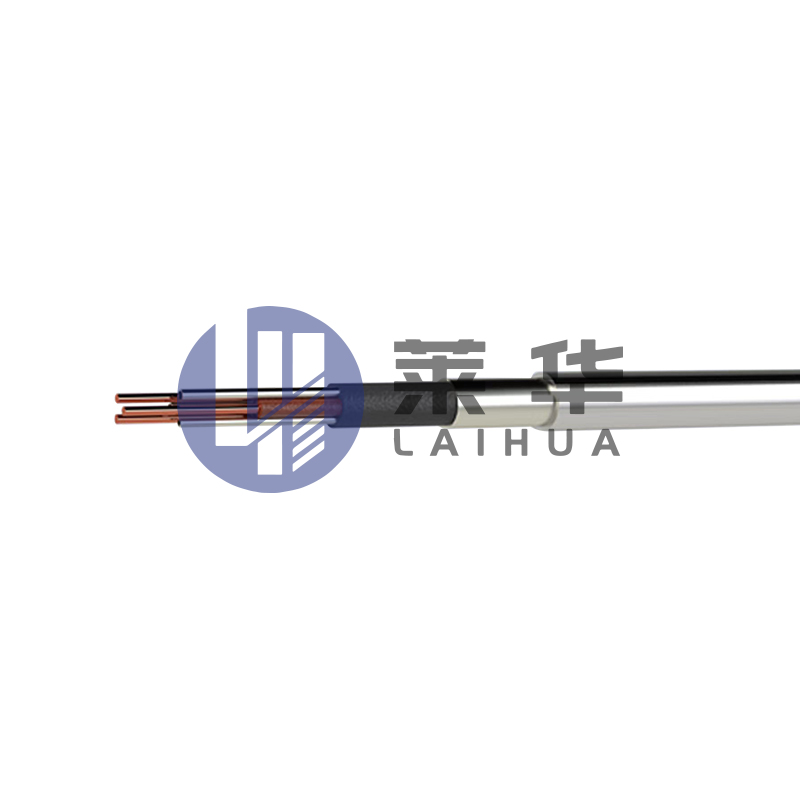
Purpose: The high-temperature testing cable, combined with the high-temperature testing vehicle, is mainly used in multi-parameter testing of heavy oi...
See Details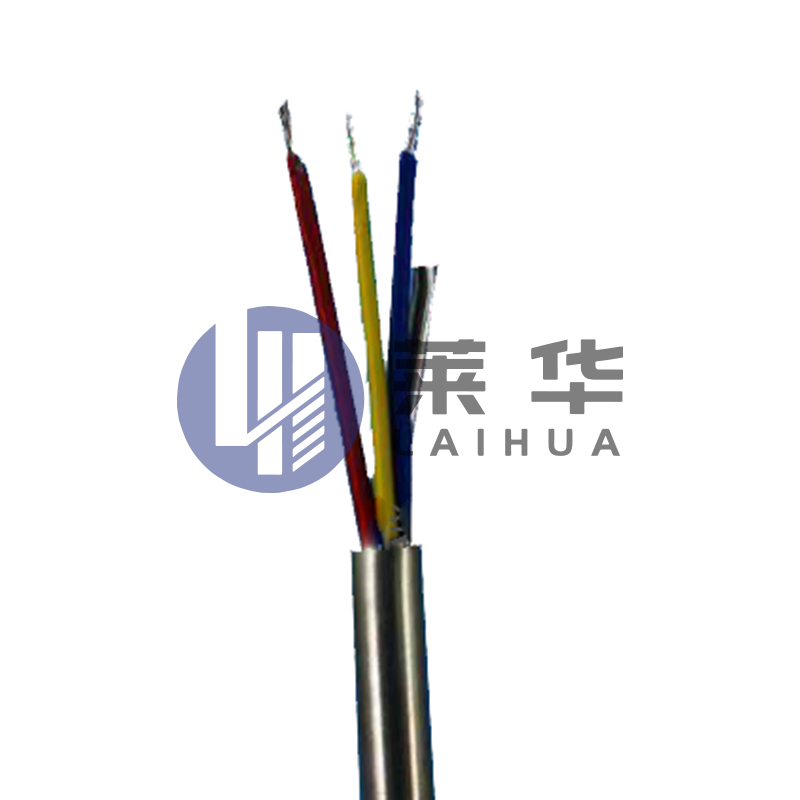
The Stainless Steel Fibre Optic Test Cable is a special test cable that combines the durability of stainless steel with the high transmission efficien...
See Details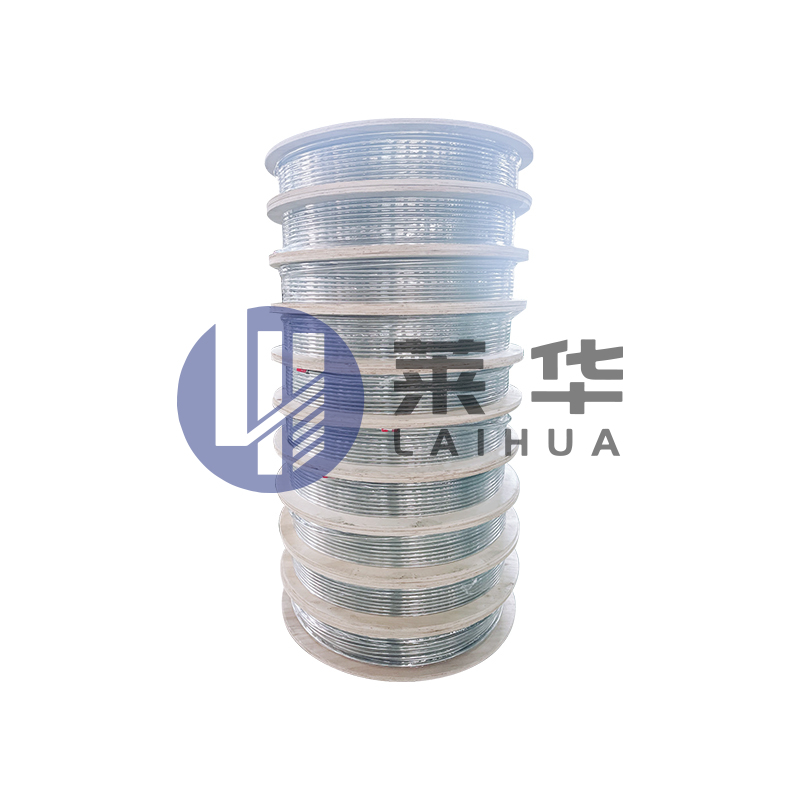
Instructions for the use of hydraulic control pipelines Hydraulic control pipeline, also known as capillary. Mainly used for underground capillary pre...
See Details
Stainless steel clad pipe is a piping system that combines the durability of stainless steel with the protection of plastic. This piping system is usu...
See Details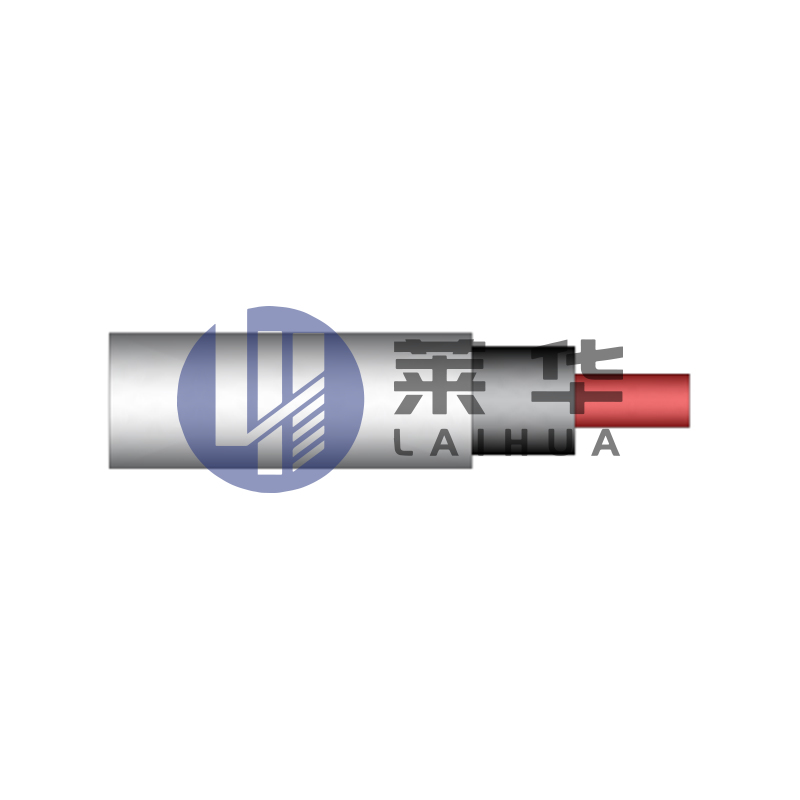
Application field:The electric induction heating system is a complete set of electric heating devices developed by our company specifically for heavy ...
See Details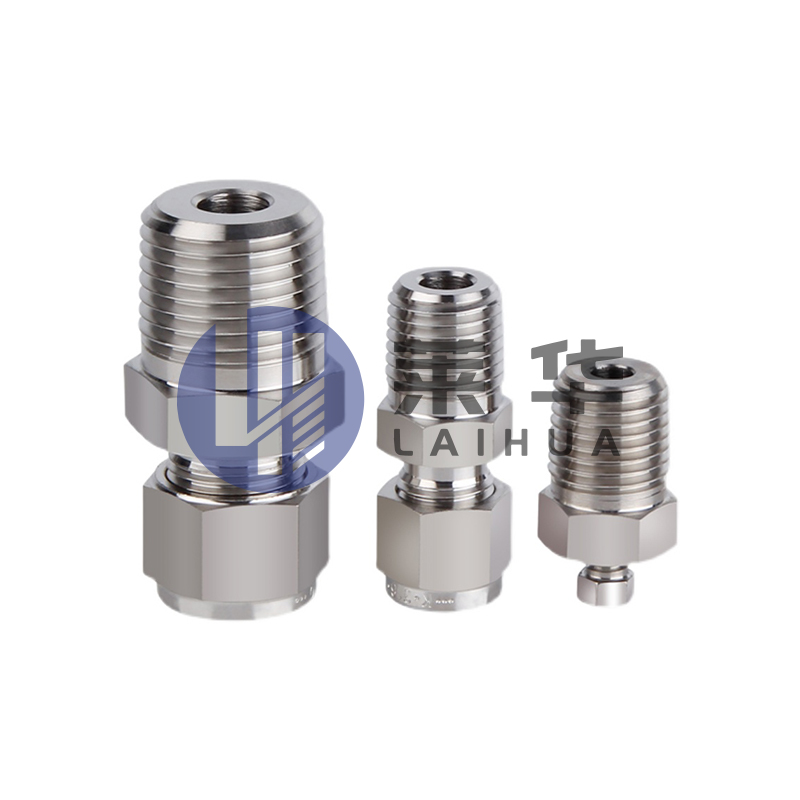
The ferrule type pipe joint consists of three parts: the joint body, ferrule, and nut. When the clamp and nut are inserted into the joint body on the ...
See Details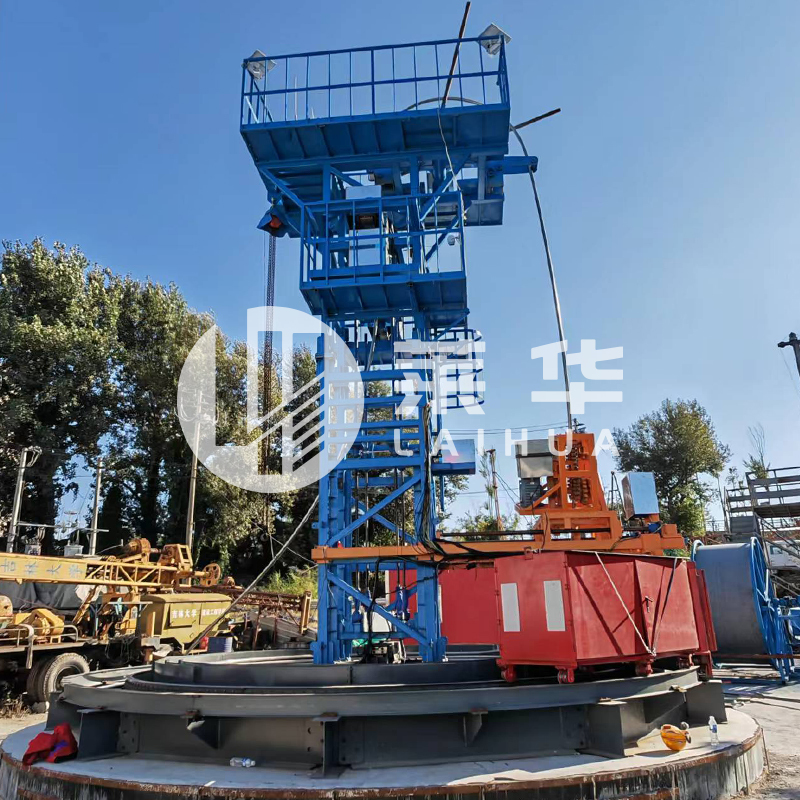
Continuous Tubing Skid Winch is a specially designed equipment for oilfield operations, which combines the design features of the Continuous Tubing Wo...
See Details
E-mail: [email protected]

Phone: +86-15996597000
+86-18252893456

Whatsapp: +86-18252874678

Address: No. 3 Xinyuan Road, Nanmo Town Industrial Park, Hai'an City, Nantong City, Jiangsu Province, China
QR code on
mobile phone



Contact Us