
 英语
 西班牙语
 阿拉伯语
Cat:Products
Continuous tubing, also known as flexible tubing or flexible tubing, is widely used in the fields of well workover, logging and drilling, etc. Its pro...
See Details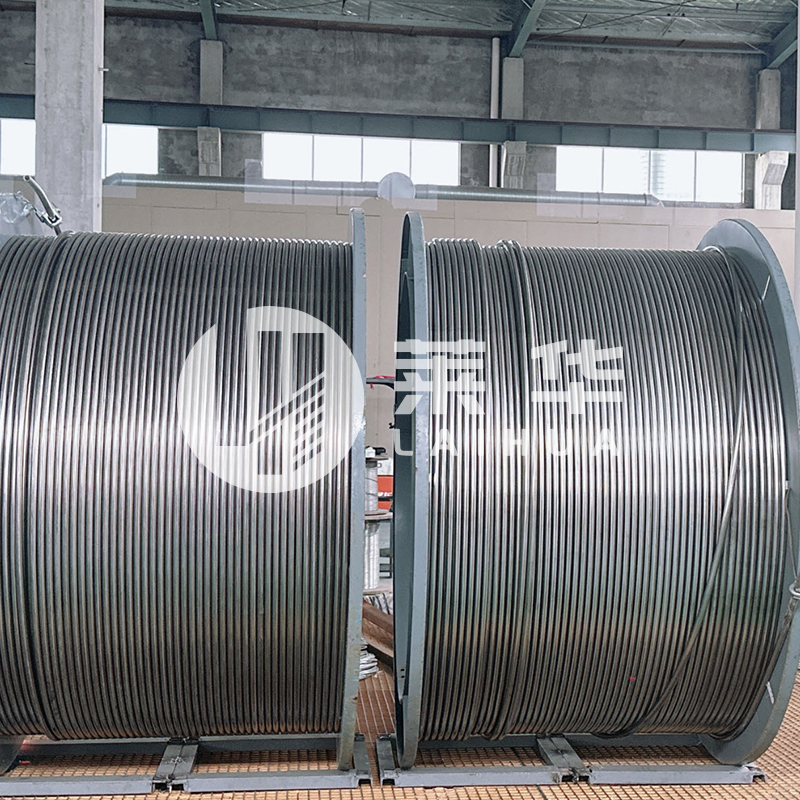
Content
The argument is rarely about the metal itself. It is about what the part will actually see: standing water inside a conduit, salt spray on a coastal skid, a 120 °C chemical injection line, or a bracket nobody will inspect for a decade. Those conditions, not the headline on a mill certificate, decide the answer.
Galvanising changes only the surface. The steel underneath stays ordinary carbon steel, so every mechanical property you rely on, from yield strength to weldability, belongs to the base metal rather than to the coating.
Hot-dip galvanising dips prepared steel into molten zinc at roughly 445-465 °C. The reaction forms zinc-iron alloy layers that are metallurgically bonded, not painted on. Structural work typically carries 45-85 µm of coating under ISO 1461, while electro-galvanised sheet is far thinner at 5-25 µm and is really an indoor finish. A hot-dip coating protects sheared edges for a few millimetres around the cut, which is why fabricators like it for steel that will be drilled and bolted on site.
That one difference explains most field behaviour. A zinc coating has a finite budget to spend, and it spends faster in chlorides, standing water, sulphur-bearing atmospheres and abrasion. Stainless has no coating to consume, but it can fail quickly when the passive film cannot re-form, for instance in a crevice, under a gasket, or in a stagnant chloride pocket.
In wet, salt-bearing service stainless steel outperforms galvanised steel by a wide margin; the gap closes to almost nothing in dry, painted or indoor conditions where the coating is never asked to work.
Marine and wellsite atmospheres are hard on zinc. Published corrosion rates put zinc loss at a few micrometres per year in moderate coastal air and considerably more in splash zones, so a 60 µm coating may last two or three decades on a sheltered structure and a fraction of that inside a wet trap. Stainless does not thin in service; it either keeps its film or pits locally.
Chlorides decide the stainless side. Austenitic grades such as 304 and 316 become susceptible to chloride stress corrosion cracking once service temperatures climb above roughly 60 °C in wet conditions, and 304 is the more vulnerable of the two. Grades with 2-3% molybdenum, such as 316L, resist pitting better, while duplex 2205 extends the chloride range further and brings higher strength with it.
Annealed galvanised steel is the stronger of the two in absolute terms, because the core is a structural grade at 275-355 MPa yield, while annealed 304 and 316L sit near 205 MPa; cold-worked stainless can pass 500 MPa, but it trades away ductility to get there.
| Property | Hot-dip galvanised steel | Austenitic stainless (304 / 316L) |
| Base material | Carbon steel S275 to S355 | 304 or 316L alloy throughout |
| Yield strength, annealed | 275-355 MPa | 205-215 MPa |
| Density | About 7.85 g/cm3 | About 7.9-8.0 g/cm3 |
| Practical temperature limit | About 200 °C before the coating degrades | Oxidation resistance to 800 °C, but pressure rating governs |
| Thermal conductivity | About 50 W/m·K | About 16 W/m·K |
| Magnetic behaviour | Magnetic | Non-magnetic when annealed, slightly magnetic after cold work |
| Site welding | Coating burns back 25-50 mm and needs zinc-rich repair | TIG with argon purge, then pickling or passivation |
| Damage at cut edges | Protected for a few millimetres | Film re-forms if oxygen reaches the surface |
Welding is usually the practical sticking point. Galvanised steel welds easily, but the coating burns back from the joint and must be repaired, and zinc fume demands ventilation. Stainless needs a purged argon backing, low heat input and post-weld cleaning; leave the heat tint in place and the weld becomes the first place to pit.
Galvanised steel wins on first cost, typically by a factor of two to four against 316L for the same section; stainless wins whenever the installed cost of replacement, or the cost of lost production, dwarfs the material price.
A control line is a poor place to save on material. Replacing one means a workover, deferred production and a fresh pressure test, and that labour content can exceed the price of the stainless coil several times over. The same logic applies to instrument tubing on an unmanned platform, buried lines, and anything sealed behind cladding where a coating repair can never be done.
Galvanised parts belong above the wellhead and away from process fluids; stainless parts belong in the flow path and in anything that stays wet.
Control line design is where the decision bites hardest. Material selection for hydraulic and safety valve control pipelines follows water chemistry, pressure and temperature rather than price per metre, and the reasoning is set out in this guide to safety valve control pipeline materials and design. Where the line is wetted, chlorides are present and the well runs warm, a 316L coil is the default rather than the upgrade.
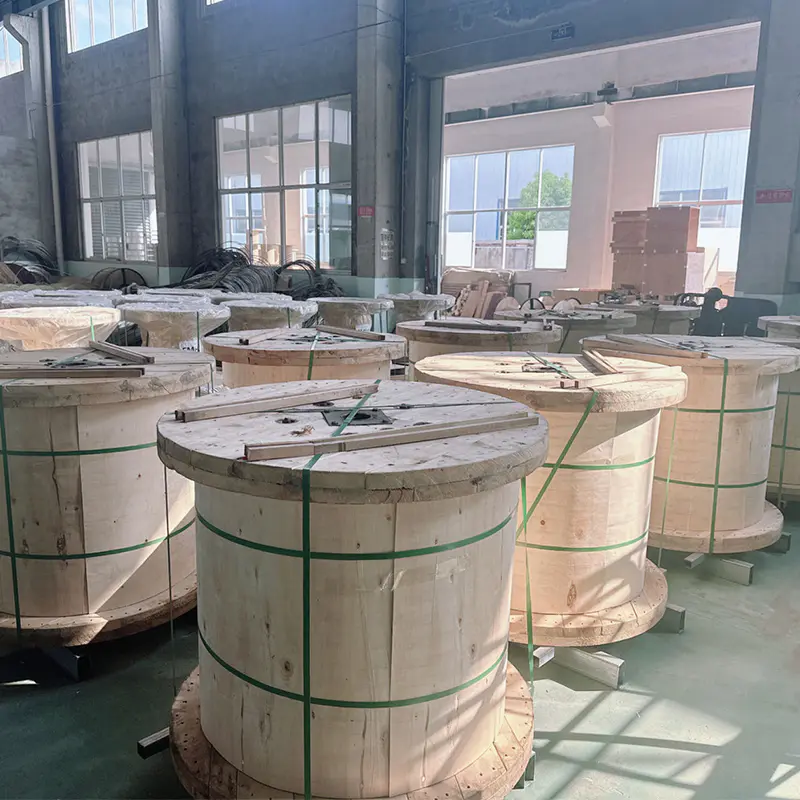 Stainless Steel Control and Capillary Coil TubingReview 316L and corrosion-resistant alloy coil options for wetted control lines where chlorides and temperature make material selection critical.View Product →
For continuous pipe the question is already settled: the string has to survive repeated bending, produced fluids and inhibitor programmes, and a zinc coating would be gone on the first trip. Stainless and corrosion-resistant alloy coiled strings exist for that reason.
Stainless and Alloy Continuous Coiled TubingConsider corrosion-resistant continuous tubing for workover, logging and drilling strings that must withstand repeated bending and produced fluids.View Product →
Connections deserve the same care. Where stainless tubing lands on a galvanised support, add an isolating sleeve; in wet conditions the large stainless cathode accelerates zinc consumption at the contact point, and the failure appears on the cheaper part first.
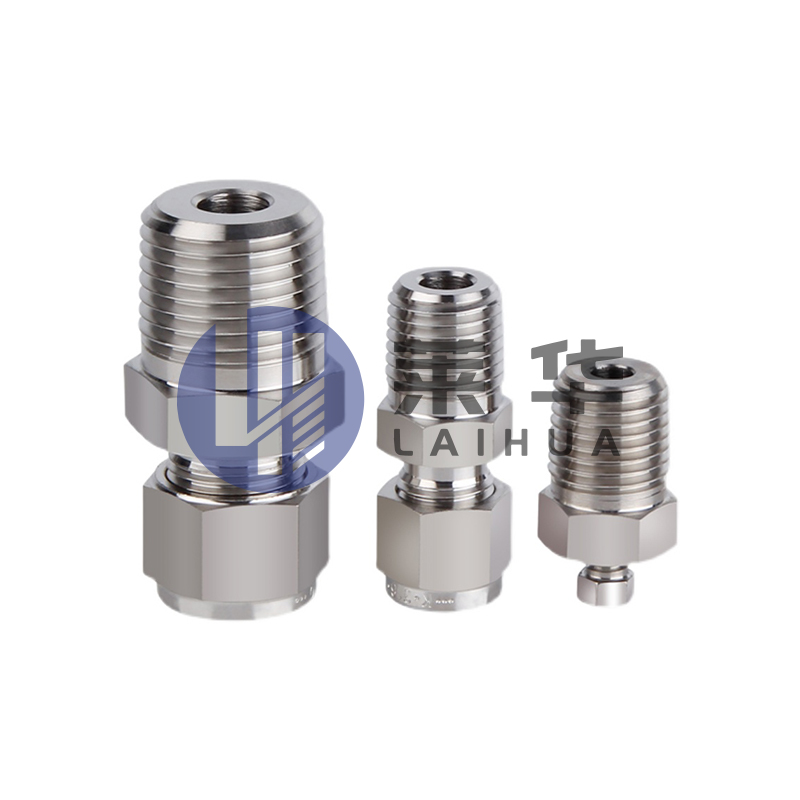 Stainless Steel Ferrule Tube FittingsInspect 304/316L ferrule joints for stainless pipe connections where sealing, installation detail and corrosion resistance affect long-term performance.View Product →
Most failures blamed on the wrong metal are actually failures of detailing, grade choice or installation damage, and they repeat across projects.
No. Galvanised steel resists corrosion only while zinc remains, so its life is finite and roughly proportional to coating thickness. Stainless steel protects itself with a self-repairing chromium oxide film and does not thin in service, although it can still pit or crack when chlorides overwhelm that film.
Annealed galvanised carbon steel, at 275-355 MPa yield, is stronger than annealed 304 or 316L at about 205 MPa. Cold-worked stainless can exceed 500 MPa, and duplex grades combine higher strength with better chloride resistance.
It can be joined, but the zinc coating must be ground back from the joint area, fume extraction is mandatory, and the finished weld should be coated or isolated. In wet chloride service direct coupling is best avoided, because the zinc corrodes preferentially to protect the stainless.
When the part stays dry, can be inspected and carries thick sections: skids, frames, trays, guards and temporary works. A 60-85 µm coating gives decades of service there at a fraction of the stainless price.
If you are weighing the two for a specific well, send line size, pressure, temperature and water analysis through the contact page and ask for mill test certificates to EN 10204 3.1 with the quotation.
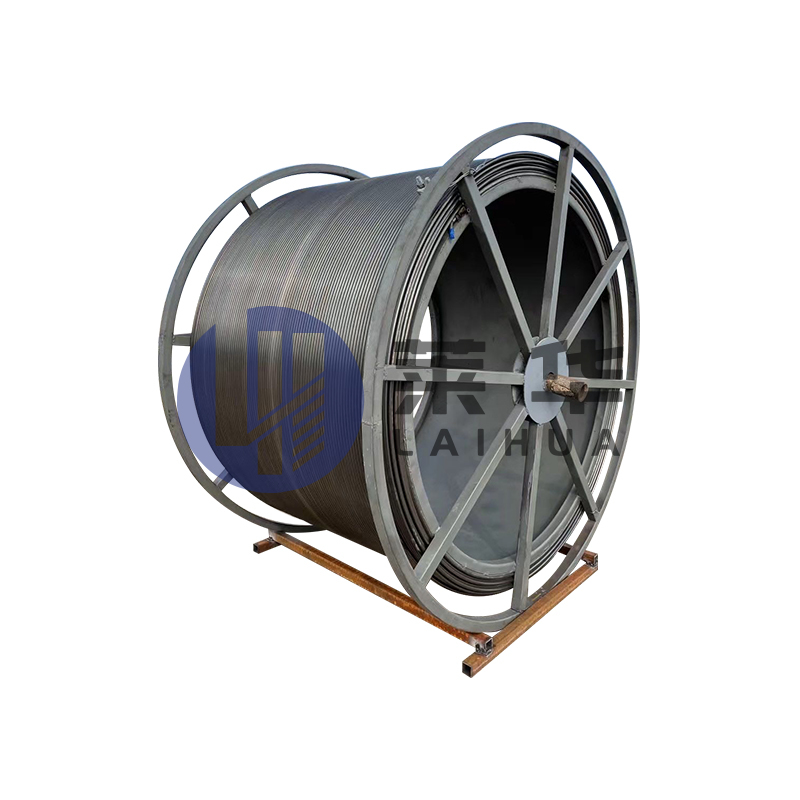
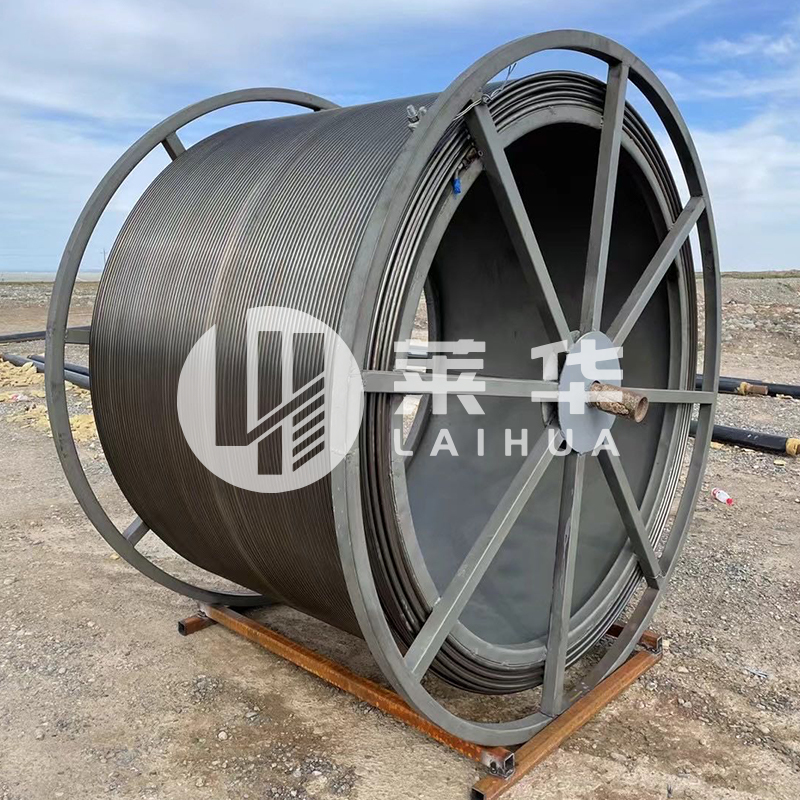
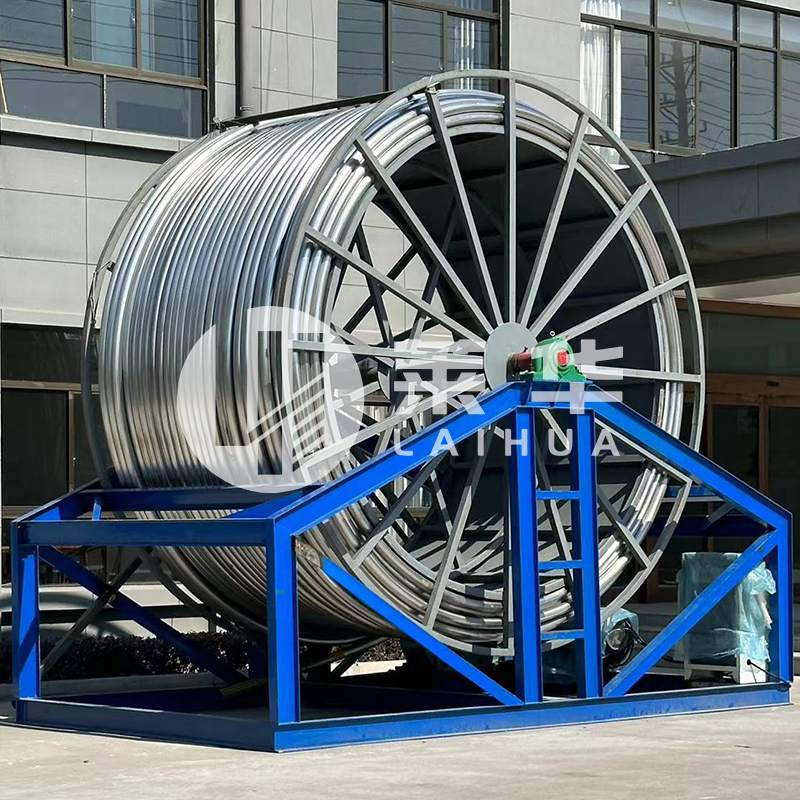
Continuous tubing, also known as flexible tubing or flexible tubing, is widely used in the fields of well workover, logging and drilling, etc. Its pro...
See Details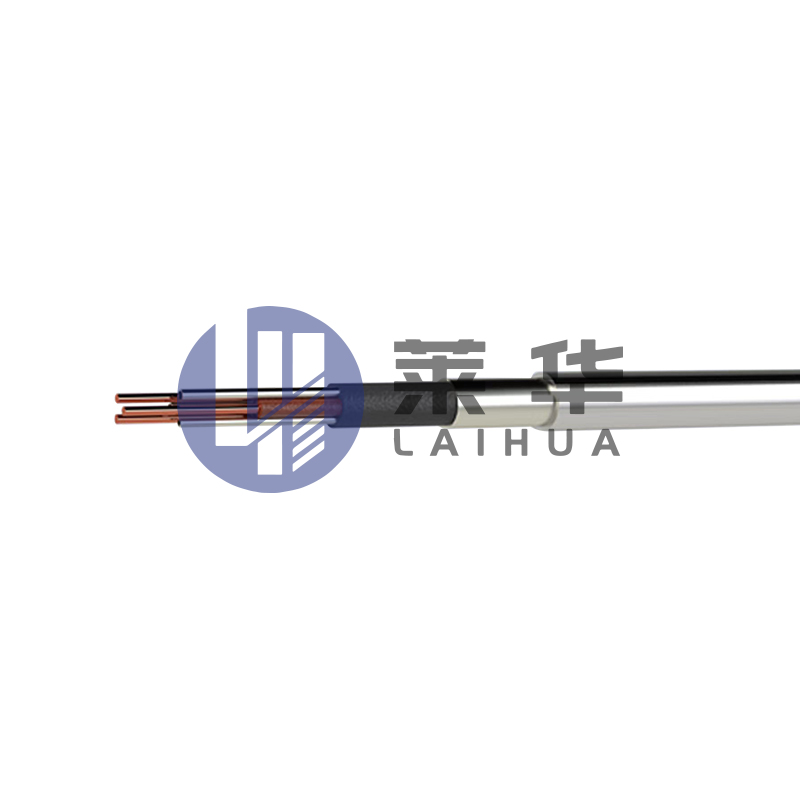
Purpose: The high-temperature testing cable, combined with the high-temperature testing vehicle, is mainly used in multi-parameter testing of heavy oi...
See Details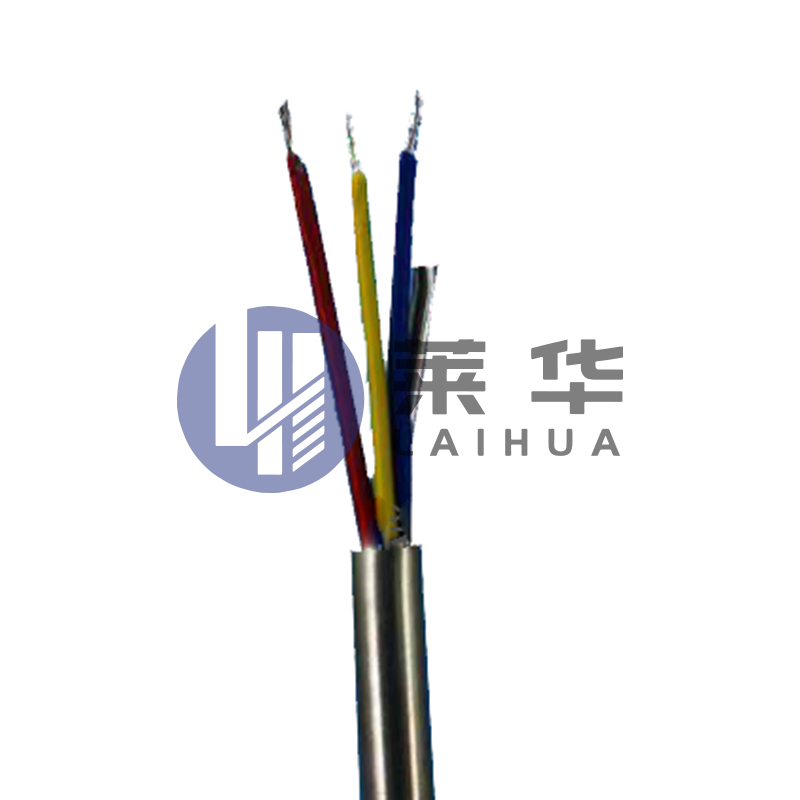
The Stainless Steel Fibre Optic Test Cable is a special test cable that combines the durability of stainless steel with the high transmission efficien...
See Details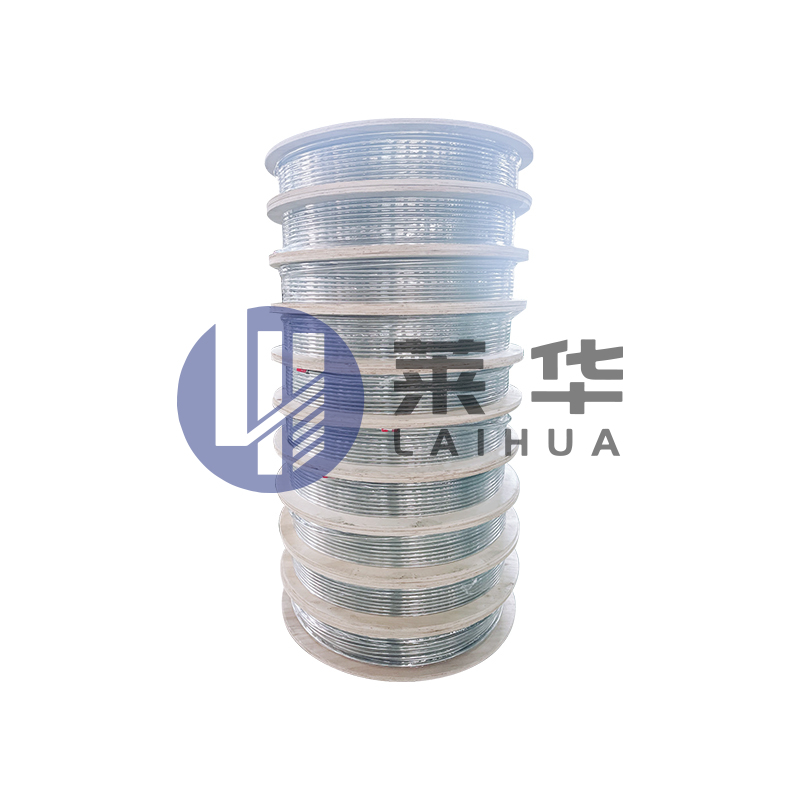
Instructions for the use of hydraulic control pipelines Hydraulic control pipeline, also known as capillary. Mainly used for underground capillary pre...
See Details
Stainless steel clad pipe is a piping system that combines the durability of stainless steel with the protection of plastic. This piping system is usu...
See Details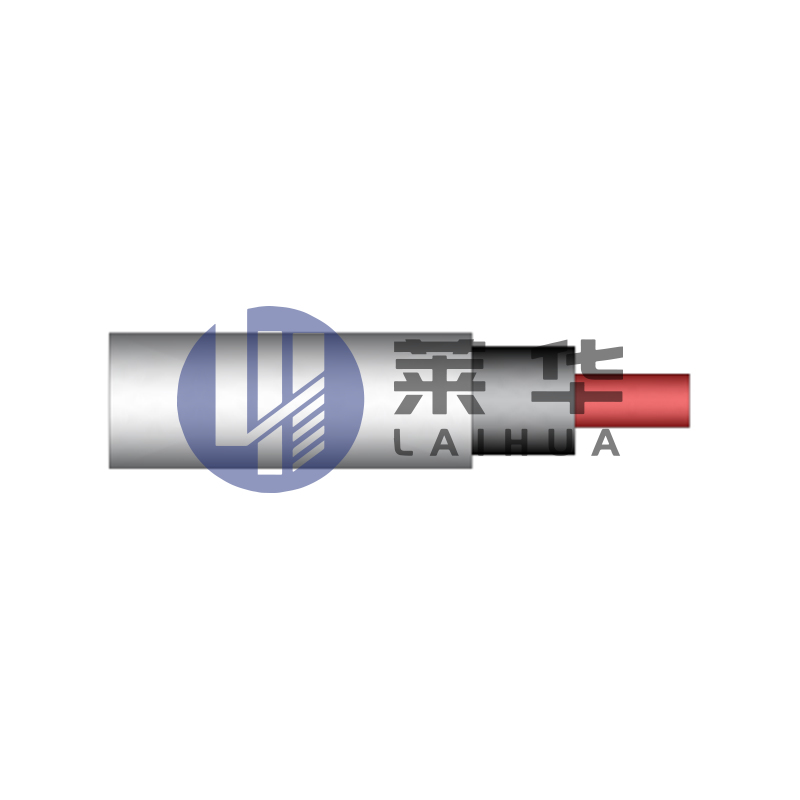
Application field:The electric induction heating system is a complete set of electric heating devices developed by our company specifically for heavy ...
See Details
The ferrule type pipe joint consists of three parts: the joint body, ferrule, and nut. When the clamp and nut are inserted into the joint body on the ...
See Details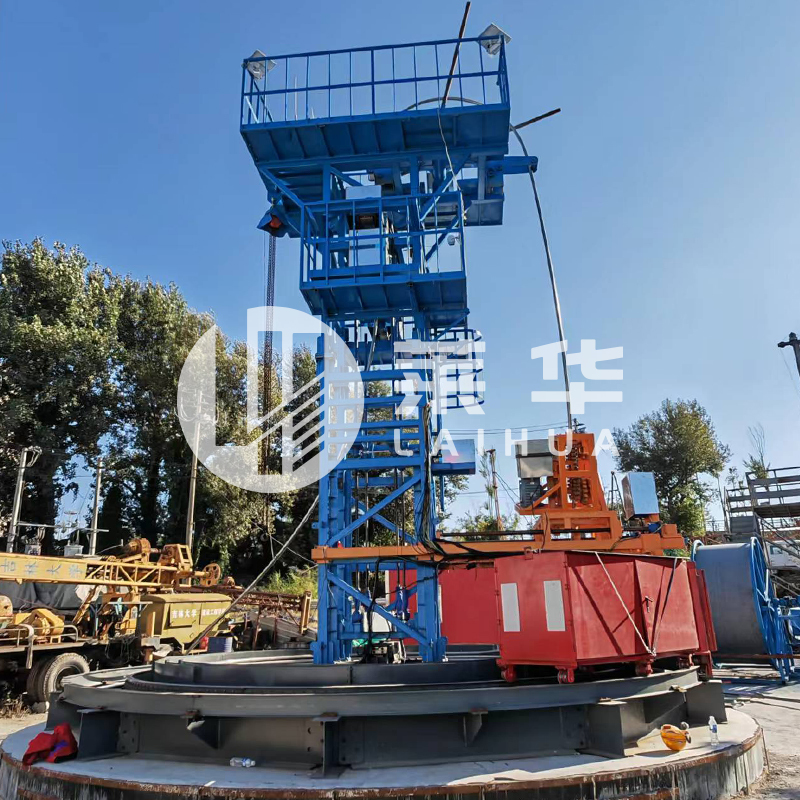
Continuous Tubing Skid Winch is a specially designed equipment for oilfield operations, which combines the design features of the Continuous Tubing Wo...
See Details
E-mail: [email protected]

Phone: +86-15996597000
+86-18252893456

Whatsapp: +86-18252874678

Address: No. 3 Xinyuan Road, Nanmo Town Industrial Park, Hai'an City, Nantong City, Jiangsu Province, China
QR code on
mobile phone



Contact Us