
 英语
英语 西班牙语
西班牙语 阿拉伯语
阿拉伯语Cat:Products
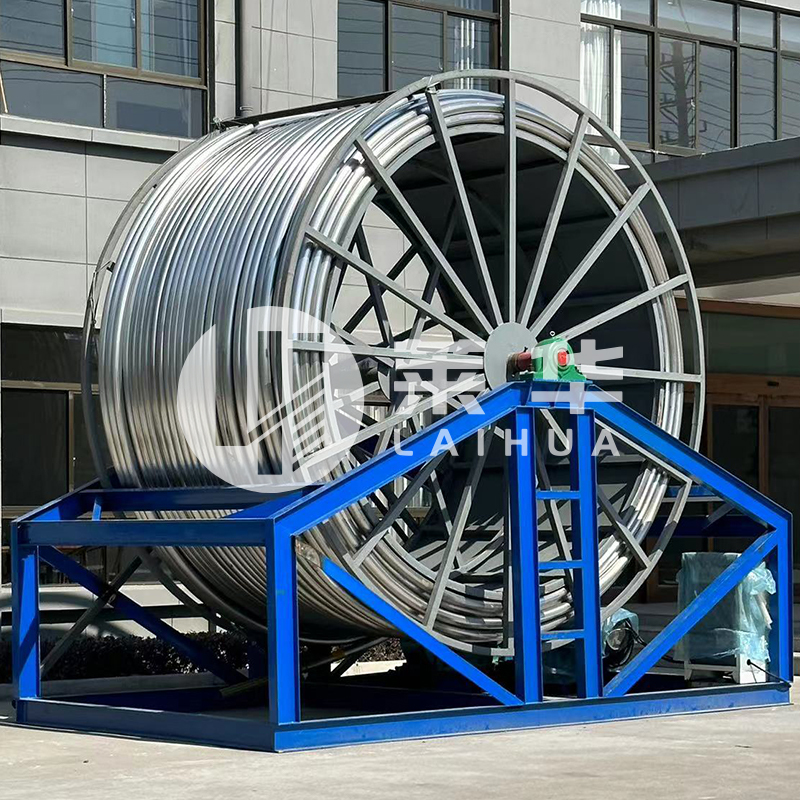
Continuous tubing, also known as flexible tubing or flexible tubing, is widely used in the fields of well workover, logging and drilling, etc. Its pro...
See Details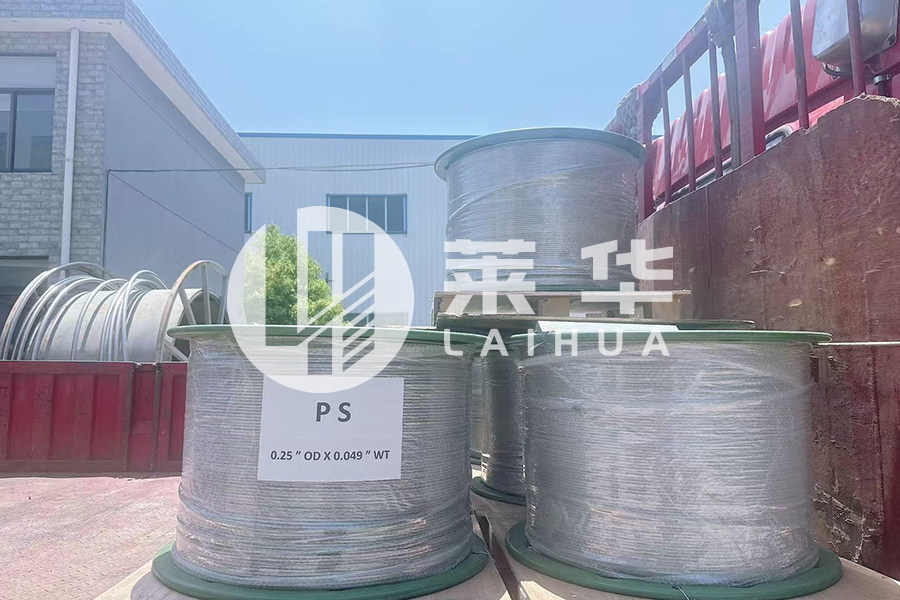
Content
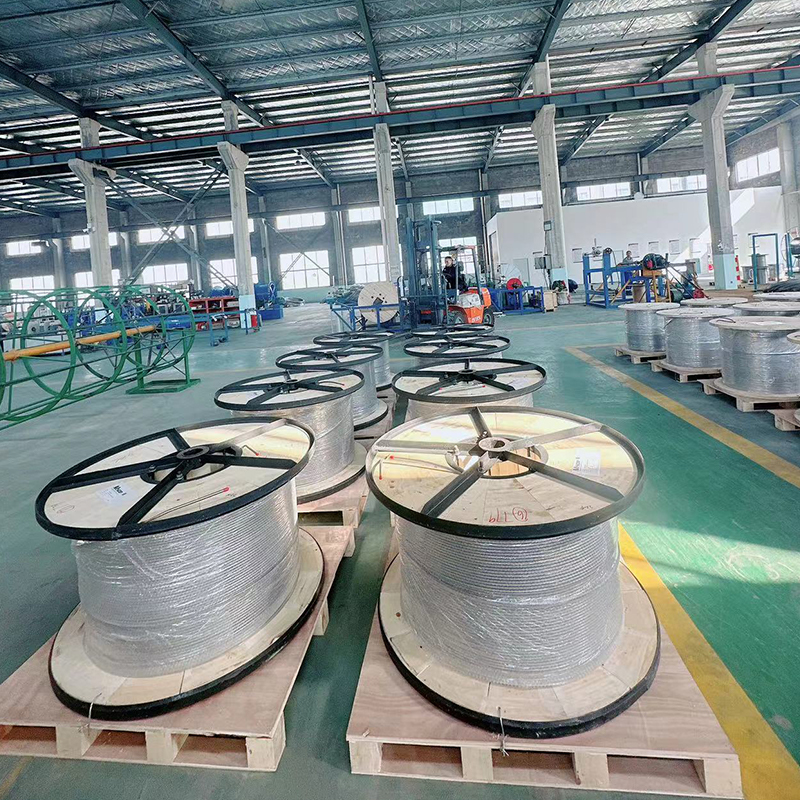
Stainless steel coils are continuous strips of stainless steel rolled into a coil form, serving as the primary raw material for industries ranging from automotive stamping and kitchen equipment manufacturing to construction cladding and medical device fabrication. Choosing the right grade, thickness, and surface finish directly determines the performance and cost-efficiency of your end product. This guide breaks down everything you need to know — from grade selection to procurement tips — in practical terms.
Stainless steel coils are produced by hot-rolling or cold-rolling stainless steel slabs into thin, flat strips, which are then wound into coils for efficient transport and processing. Hot-rolled coils are typically used for structural or heavy-duty applications, while cold-rolled coils offer tighter tolerances and smoother surfaces preferred in precision manufacturing.
The standard coil width ranges from 100 mm to 2,000 mm, and thickness typically spans 0.1 mm to 12 mm depending on the rolling process. Coil weight commonly falls between 3 and 20 metric tons per roll, which affects shipping logistics and handling equipment requirements at your facility.
Not all stainless steel coils perform the same way. The grade determines corrosion resistance, formability, weldability, and cost. The following table compares the most widely used grades:
| Grade | Series | Corrosion Resistance | Typical Applications |
|---|---|---|---|
| 304 | Austenitic | Good | Kitchen equipment, food processing, general fabrication |
| 316 | Austenitic | Excellent (marine-grade) | Marine, chemical processing, pharmaceuticals |
| 430 | Ferritic | Moderate | Appliance panels, automotive trim, decorative use |
| 201 | Austenitic | Moderate | Cost-sensitive indoor applications, tableware |
| 2205 Duplex | Duplex | Very High | Oil & gas, desalination, structural pressure vessels |
Grade 304 accounts for roughly 50% of global stainless steel consumption and is the default choice for most general-purpose coil applications. Grade 316 is the go-to upgrade when chloride exposure is involved — for example, coastal facilities or food-grade tanks cleaned with saline solutions.
Surface finish affects not only appearance but also corrosion performance, cleanability, and suitability for downstream processing like stamping, drawing, or welding. The most common finishes you'll encounter when sourcing stainless steel coils are:
For most stamping and forming operations, 2B finish is the industry standard due to its consistent surface roughness (Ra typically 0.1–0.5 µm) and lubrication-friendly texture.
Thickness tolerance is a critical procurement parameter that directly impacts scrap rates and tooling life. Stainless steel coils are categorized under two tolerance standards most commonly referenced internationally:
ASTM A480 defines permissible thickness variations based on width and nominal thickness. For example, a 304 stainless coil at 1.0 mm nominal thickness and 1,000 mm width carries a ±0.08 mm tolerance. Exceeding this tolerance in precision stamping applications can lead to part rejection rates exceeding 5%.
European standard EN 10259 takes a similar approach but with slight differences in allowable ranges. Many European mills offer "tight tolerance" or "precision rolled" coils with ±0.04 mm or better, at a premium of roughly 8–15% over standard pricing — worthwhile for medical device or electronics applications.
Understanding end-use demand helps buyers assess lead times and price cycles. The following industries are the largest consumers of stainless steel coils worldwide:
Supplier quality directly affects your downstream production consistency. When assessing potential coil suppliers, verify these specific criteria:
Stainless steel coil pricing is volatile and driven by nickel and chromium commodity prices. Grade 304 coil prices, for instance, fluctuated between $2,200 and $3,800 per metric ton between 2021 and 2024 largely due to nickel price swings on the London Metal Exchange (LME).
Practical ways to control coil procurement costs include:
Improper storage is a common cause of surface contamination and premature corrosion — particularly for coils with BA or No. 4 finishes that are susceptible to scratching and iron contamination from carbon steel equipment.
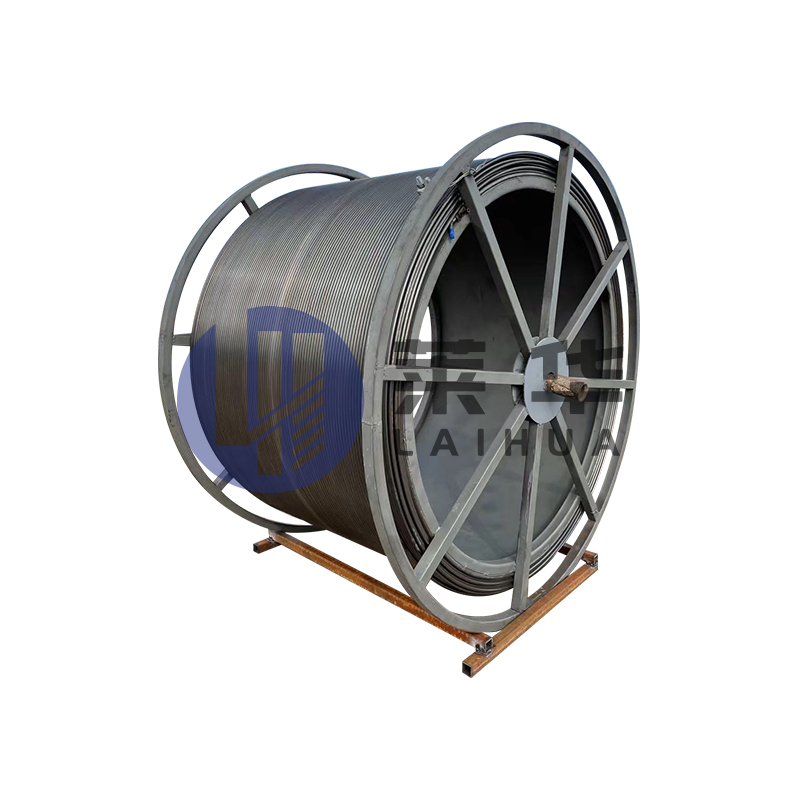
Continuous tubing, also known as flexible tubing or flexible tubing, is widely used in the fields of well workover, logging and drilling, etc. Its pro...
See Details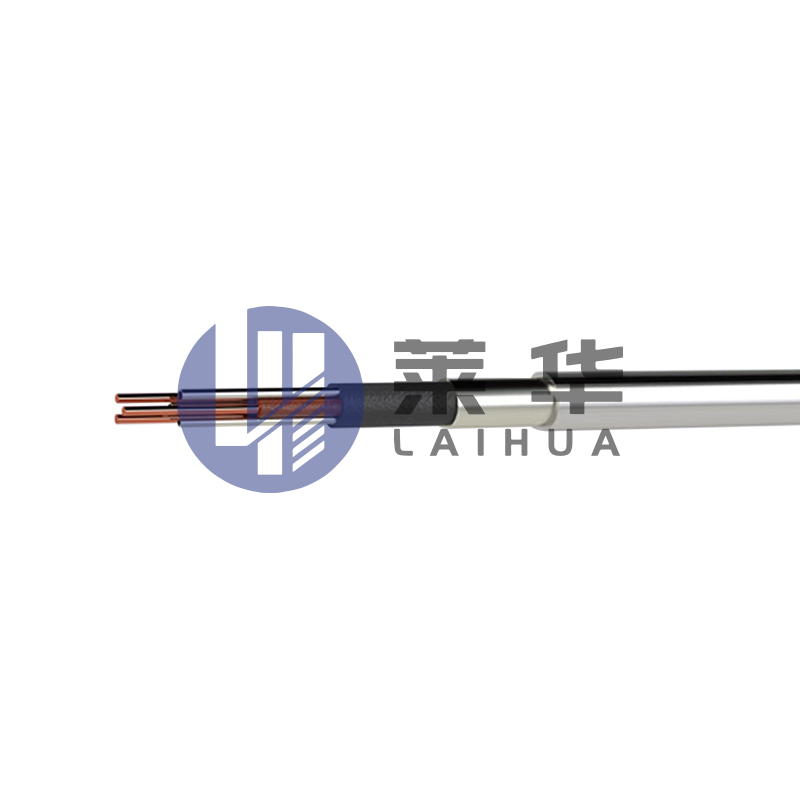
Purpose: The high-temperature testing cable, combined with the high-temperature testing vehicle, is mainly used in multi-parameter testing of heavy oi...
See Details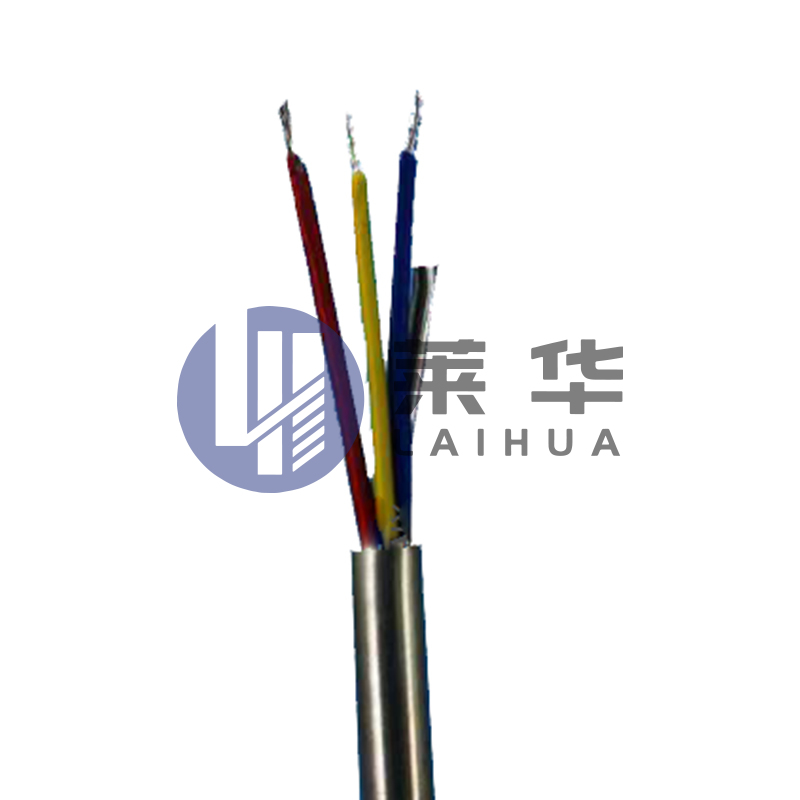
The Stainless Steel Fibre Optic Test Cable is a special test cable that combines the durability of stainless steel with the high transmission efficien...
See Details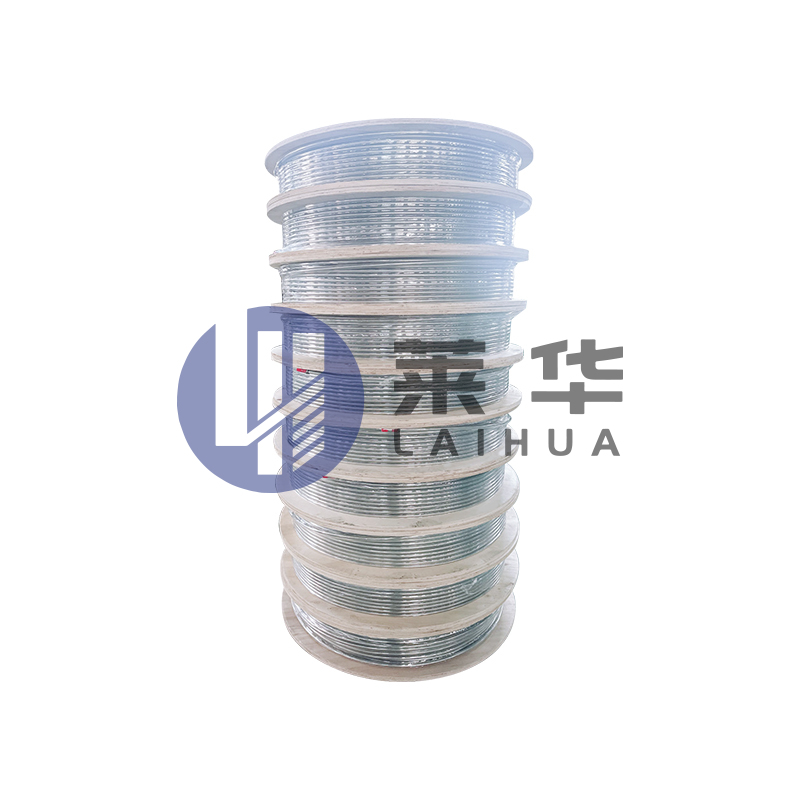
Instructions for the use of hydraulic control pipelines Hydraulic control pipeline, also known as capillary. Mainly used for underground capillary pre...
See Details
Stainless steel clad pipe is a piping system that combines the durability of stainless steel with the protection of plastic. This piping system is usu...
See Details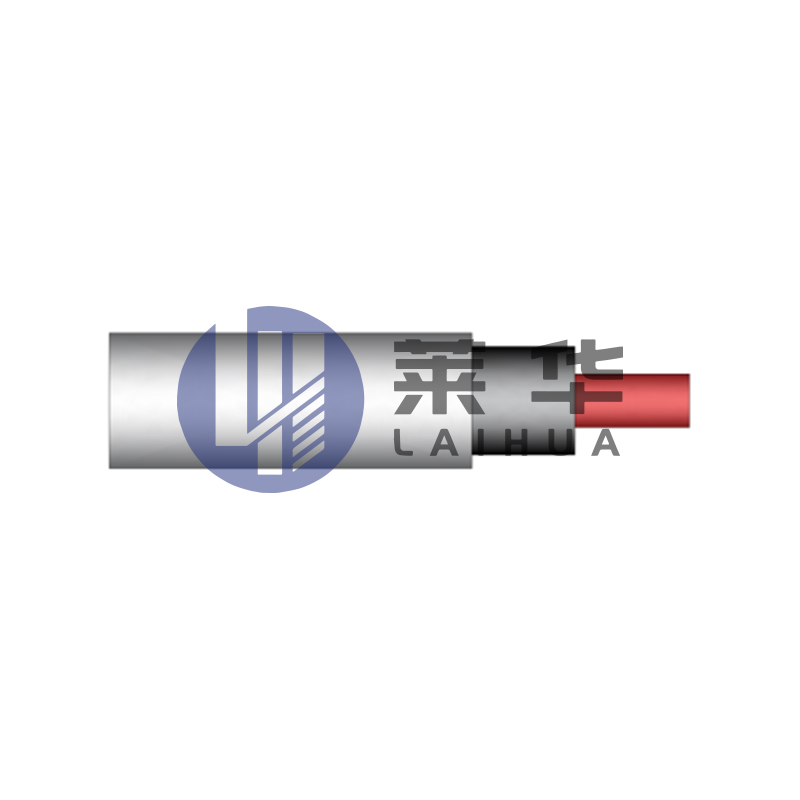
Application field:The electric induction heating system is a complete set of electric heating devices developed by our company specifically for heavy ...
See Details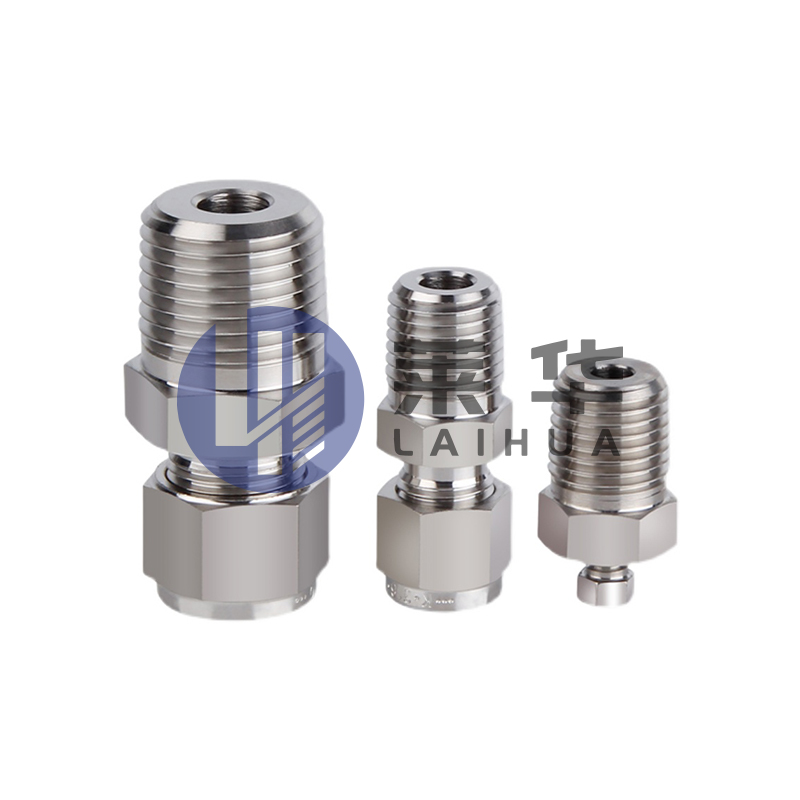
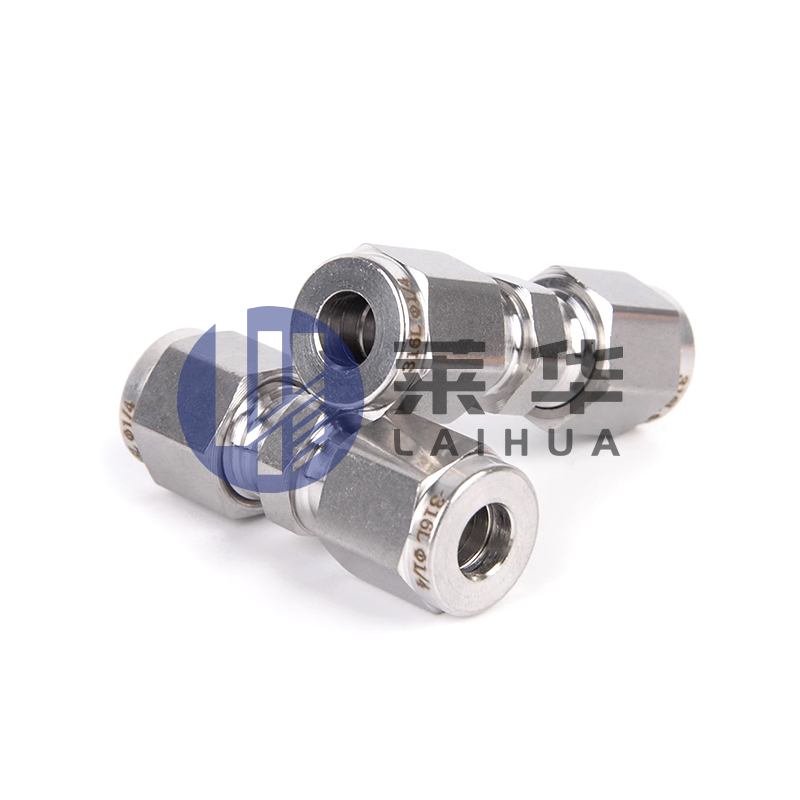
The ferrule type pipe joint consists of three parts: the joint body, ferrule, and nut. When the clamp and nut are inserted into the joint body on the ...
See Details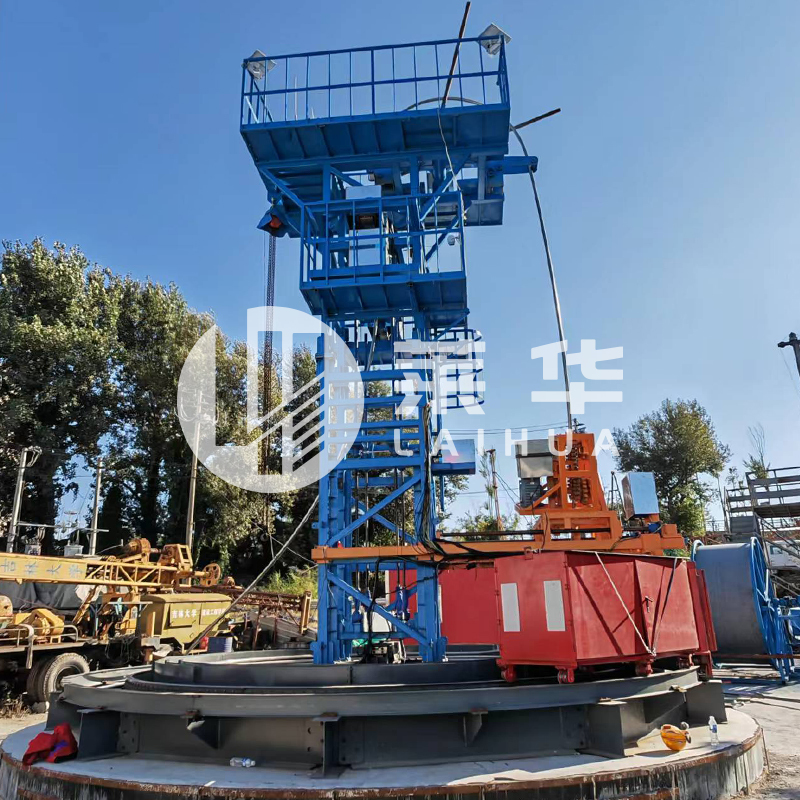
Continuous Tubing Skid Winch is a specially designed equipment for oilfield operations, which combines the design features of the Continuous Tubing Wo...
See Details
E-mail: [email protected]

Phone: +86-15996597000
+86-18252893456

Whatsapp: +86-18252874678

Address: No. 3 Xinyuan Road, Nanmo Town Industrial Park, Hai'an City, Nantong City, Jiangsu Province, China
QR code on
mobile phone



Contact Us