
 英语
英语 西班牙语
西班牙语 阿拉伯语
阿拉伯语Cat:Products
Continuous tubing, also known as flexible tubing or flexible tubing, is widely used in the fields of well workover, logging and drilling, etc. Its pro...
See Details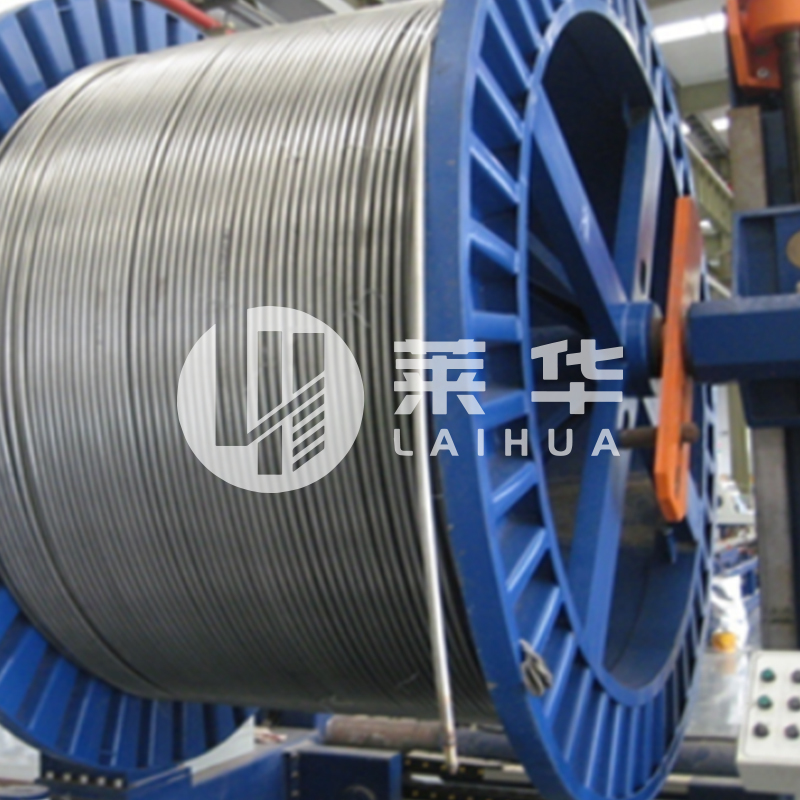
Content
Crude oil loses heat as it travels upward through production tubing. Once the temperature drops below the crude's wax appearance point — often between 30°C and 60°C depending on composition — paraffin crystals begin forming on tubing walls. Left unchecked, these deposits narrow the flow path, reduce pump efficiency, and eventually cause costly well shutdowns.
Mechanical scraping and hot-oil flushing are the traditional fixes, but both require workover operations that interrupt production. Electric downhole heating cables offer a continuous, non-invasive alternative — and among the available designs, the three-core armored T-type heating cable has become the industry workhorse for oil well anti-wax applications.
The "T" in T-cable refers to the triangular cross-section formed when three conductor cores are bundled together. Each core consists of a copper conductor, a high-temperature-rated insulation layer (typically cross-linked polyethylene or fluoropolymer), and an individual metal sheath. The three sheaths make direct metal-to-metal contact with each other and with an outer stainless steel armor wrap.
This geometry is not accidental. The flat contact surfaces between the sheaths maximize heat conduction outward to the armor and into the surrounding tubing — far more efficiently than round-sheathed designs separated by air gaps or elastomeric tape. Three-phase AC current is supplied to the conductors; the lower ends of all three conductors are connected together, completing the circuit without requiring a separate return wire. The result is a balanced, self-contained heating system from a single cable run.
The outer stainless steel armor — typically double-wound galvanized or 304/316L stainless steel wire — serves multiple functions simultaneously: it provides tensile strength for deployment into deep wells, protects against abrasion and crush loads, and acts as a heat spreader across the cable's outer surface.
Selecting the right T-cable for a given well requires matching cable specifications to actual downhole conditions. The following parameters matter most:
For wells classified as "three-high" — high colloidal asphalt content, high wax content, high pour point — the cable heating output should be calculated against the specific heat loss profile of the well, not simply extrapolated from neighboring well data.
The cable is strapped to the outer wall of the production tubing at regular intervals using stainless steel banding, then lowered into the wellbore with the tubing string. At surface, the three-phase supply connects to the upper ends of the three conductors through an explosion-proof junction box. No return conductor is needed: current flows down two phases and returns through the third, completing a balanced three-phase loop at the downhole termination.
Heat generated by the resistance of the conductors passes outward through the insulation and metal sheaths, then radiates from the armor surface into the tubing wall and surrounding production fluid. this continuous radial heating along the full cable length keeps the crude oil temperature above its wax appearance point throughout the critical upper section of the wellbore, where fluid temperature naturally drops fastest.
Research published in peer-reviewed petroleum engineering literature confirms that electrical heating inside the well prevents paraffin crystallization by maintaining fluid temperature above the wax appearance point, while simultaneously reducing crude viscosity to improve pump efficiency and flow rates.
Downhole fluids in oil wells are rarely benign. Hydrogen sulfide, brine, CO₂, and light hydrocarbons are all common co-produced species, each capable of degrading conventional carbon steel armor within months. Stainless steel armor — particularly 316L grade — offers a meaningful corrosion resistance advantage in H₂S-containing environments compared to standard galvanized steel wire.
Beyond corrosion, the armor must sustain the tensile load of its own weight over the full cable length. A 1,000 m cable run with a 16 mm OD and stainless armor generates substantial suspended weight; specifying a minimum breaking force appropriate to the deployment depth is non-negotiable. For wells where stainless steel continuous oil tubing is already deployed, a compatible stainless-armored heating cable simplifies material compatibility management across the entire completion string.
The insulation layer chemistry deserves equal attention. Nitrile-butadiene rubber (NBR) or PVC jackets resist oil and mild chemicals effectively, but in wells with elevated H₂S concentrations, extruded lead sheaths or high-performance fluoropolymer alternatives provide a more reliable long-term barrier. The insulation thickness is also critical: thinner insulation (≤0.025 inch per conductor) improves heat transfer efficiency, while thicker designs — common in power cables — impede it.
Correct installation largely determines whether a heating cable system delivers its designed service life or fails prematurely. Several practices separate successful deployments from avoidable failures:
If the well also uses downhole instruments or armored high-temperature testing cables for downhole data acquisition, ensure that the heating cable and instrumentation cables are routed on opposite sides of the tubing to minimize electromagnetic interference.
Once a heating cable system is operating, a small amount of routine monitoring prevents most unplanned failures. Track three parameters at regular intervals: supply current (should remain stable within ±5% of initial commissioning values), insulation resistance (trending downward over time signals insulation degradation before a full failure occurs), and wellhead temperature delta (a drop in the temperature differential between incoming and returning fluid can indicate reduced heating output).
When a cable does fail electrically, time-domain reflectometry (TDR) testing from surface can locate the fault depth within a few meters, allowing operators to assess whether a workover to retrieve and replace the cable is cost-justified relative to well productivity.
Operationally, an armored T-cable heating system typically requires no mechanical intervention for 3–5 years when correctly installed in a compatible wellbore environment — a significant improvement over mechanical paraffin cutting, which may need to be performed monthly or more frequently in high-wax wells.
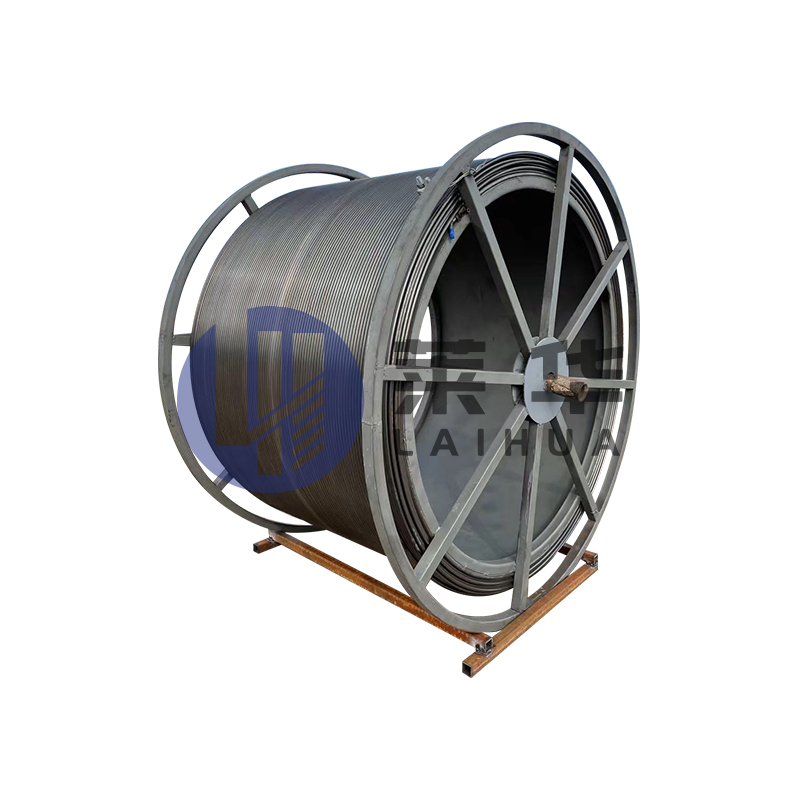
Continuous tubing, also known as flexible tubing or flexible tubing, is widely used in the fields of well workover, logging and drilling, etc. Its pro...
See Details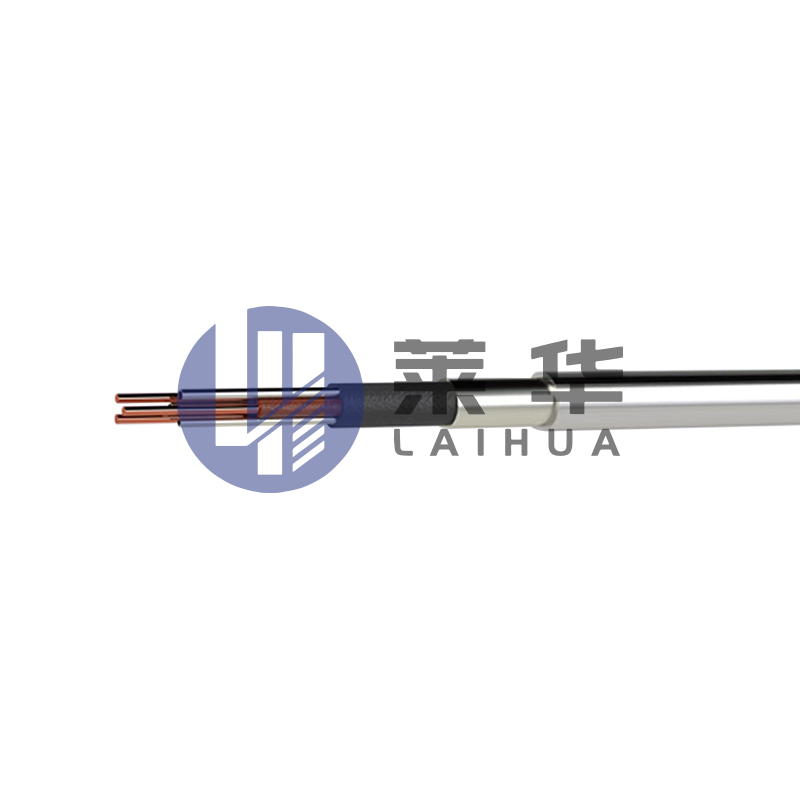
Purpose: The high-temperature testing cable, combined with the high-temperature testing vehicle, is mainly used in multi-parameter testing of heavy oi...
See Details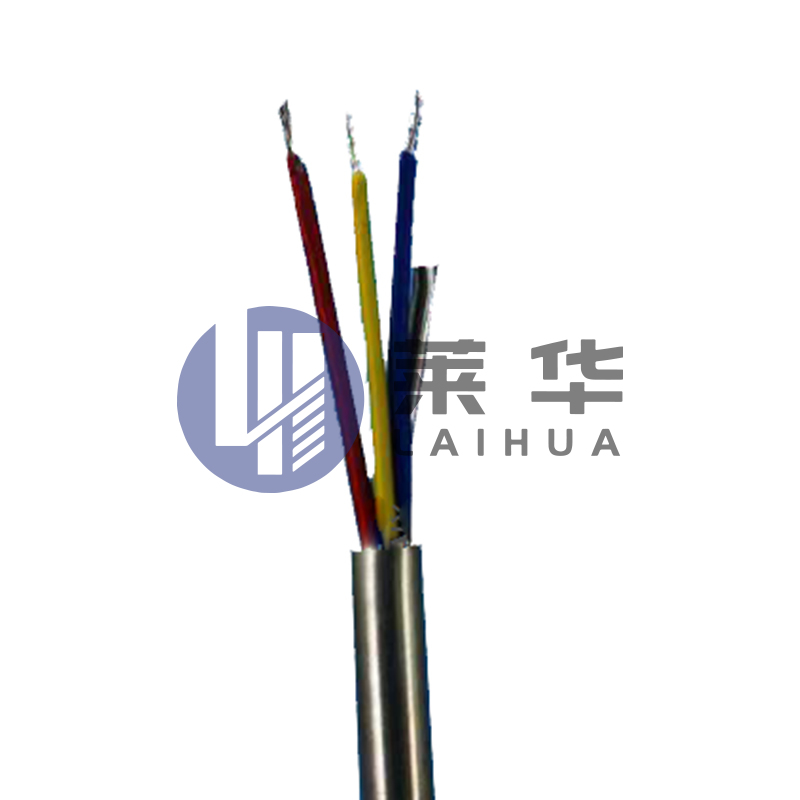
The Stainless Steel Fibre Optic Test Cable is a special test cable that combines the durability of stainless steel with the high transmission efficien...
See Details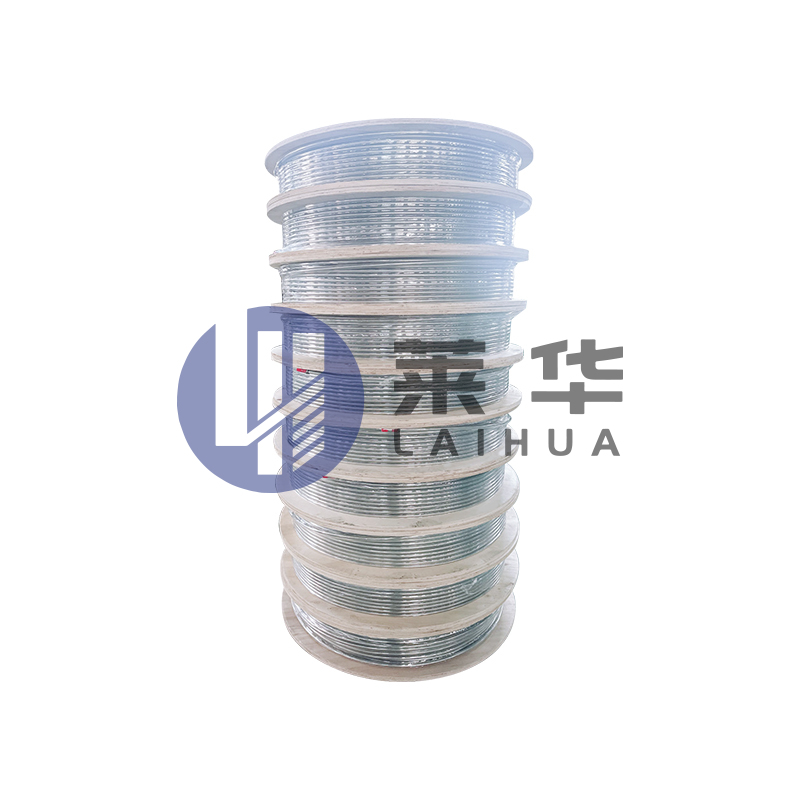
Instructions for the use of hydraulic control pipelines Hydraulic control pipeline, also known as capillary. Mainly used for underground capillary pre...
See Details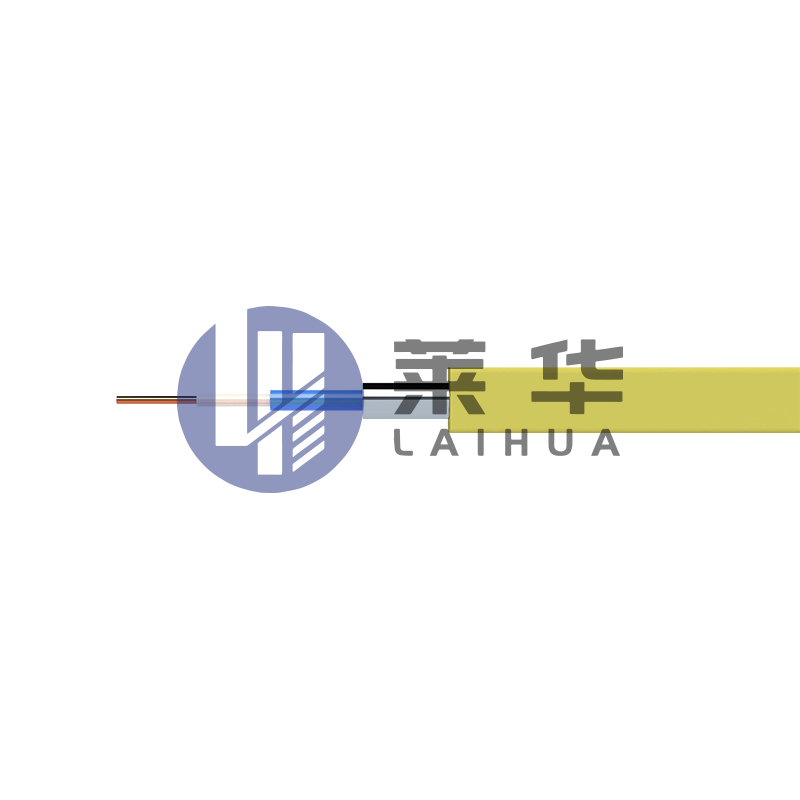
Stainless steel clad pipe is a piping system that combines the durability of stainless steel with the protection of plastic. This piping system is usu...
See Details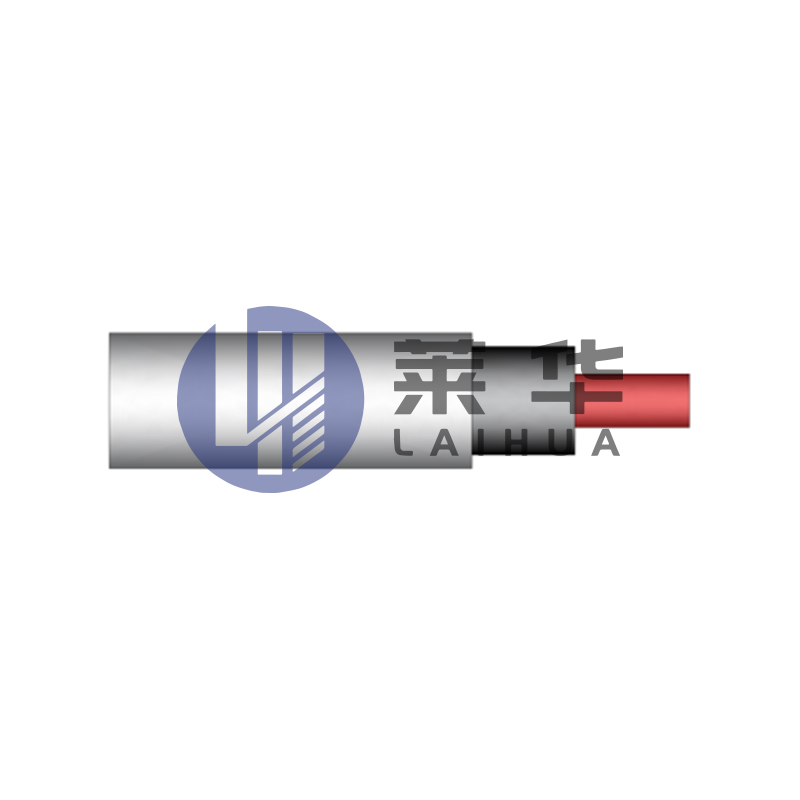
Application field:The electric induction heating system is a complete set of electric heating devices developed by our company specifically for heavy ...
See Details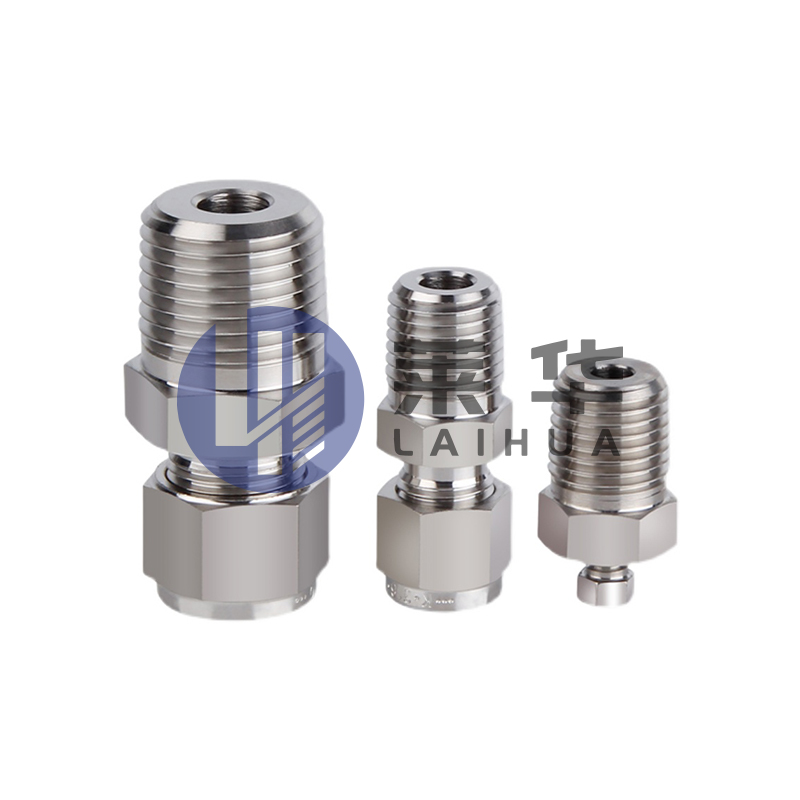
The ferrule type pipe joint consists of three parts: the joint body, ferrule, and nut. When the clamp and nut are inserted into the joint body on the ...
See Details
Continuous Tubing Skid Winch is a specially designed equipment for oilfield operations, which combines the design features of the Continuous Tubing Wo...
See Details
E-mail: [email protected]

Phone: +86-15996597000
+86-18252893456

Whatsapp: +86-18252874678

Address: No. 3 Xinyuan Road, Nanmo Town Industrial Park, Hai'an City, Nantong City, Jiangsu Province, China
QR code on
mobile phone



Contact Us