
 英语
英语 西班牙语
西班牙语 阿拉伯语
阿拉伯语Cat:Products
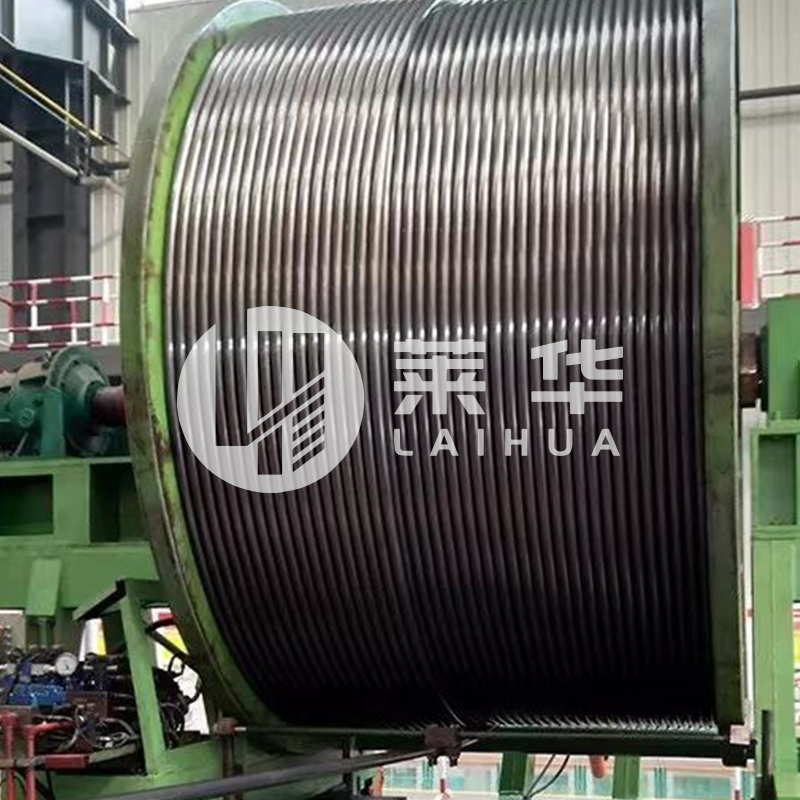
Continuous tubing, also known as flexible tubing or flexible tubing, is widely used in the fields of well workover, logging and drilling, etc. Its pro...
See Details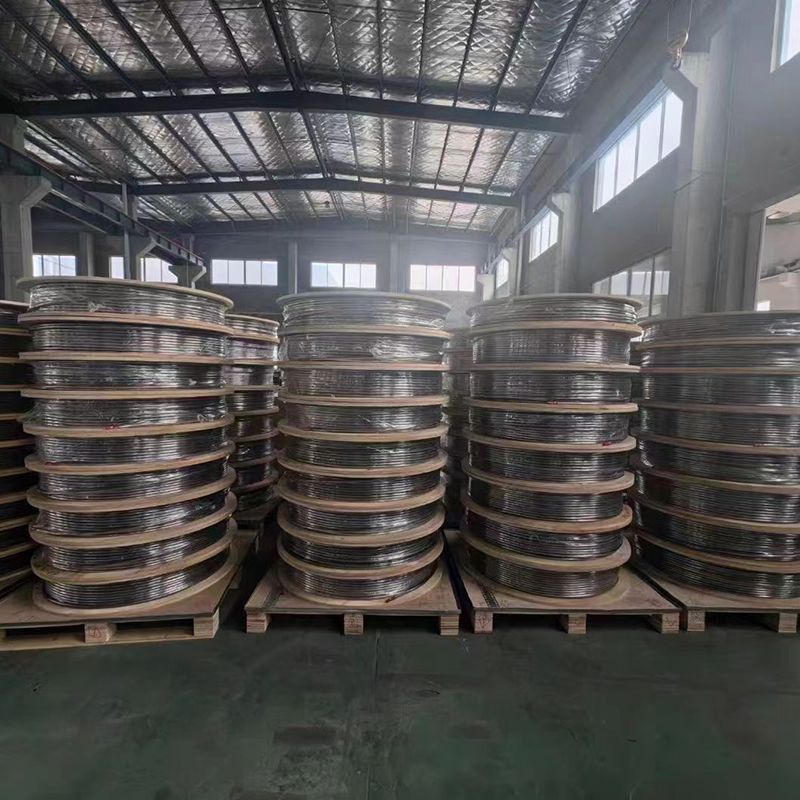
Content
The direct integration of stainless steel coil into control pipelines provides a superior solution for high-pressure instrumentation and hydraulic systems, outperforming carbon steel and copper alternatives in corrosion resistance, temperature stability, and long-term reliability. Data from industrial field studies show that properly specified 316L stainless steel coiled tubing reduces leak points by up to 80% compared to mechanically joined rigid pipe systems, while maintaining burst pressures exceeding 10,000 psi in common 1/4-inch OD sizes.
Control pipelines—ranging from pneumatic instrument air lines to hydraulic actuator feeds—demand materials that resist internal scaling, external corrosion, and fatigue from vibration. Stainless steel coil meets these demands through its unique metallurgical properties. For example, in offshore oil and gas platforms where chloride-induced pitting is a constant risk, 316L stainless steel (with 2-3% molybdenum content) provides a critical resistance threshold. Laboratory immersion tests (ASTM G48) confirm that 316L resists pitting initiation at chloride concentrations up to 1,000 ppm at 60°C, while 304 stainless steel begins pitting within 200 ppm.
Furthermore, the continuous coiled form eliminates circumferential butt welds required in straight pipe sections. Each weld in a traditional pipeline represents a potential failure point: under cyclic pressure testing, weld joints show fatigue life reduction of 40-60% compared to parent metal. By using a continuous stainless steel coil from the instrument to the control valve, operators effectively remove these weak points entirely.
Selecting the correct stainless steel coil for a control pipeline requires understanding three quantifiable parameters: working pressure, bend radius, and internal flow coefficient. The table below summarizes standard values for annealed 316L coiled tubing, the most common specification in industrial instrumentation.
| OD (in) | Wall (in) | Working Pressure (psi) | Min Bend Radius (in) | Cv per 100 ft |
|---|---|---|---|---|
| 1/4 | 0.035 | 3,600 | 5.0 | 0.88 |
| 3/8 | 0.049 | 4,200 | 7.5 | 1.95 |
| 1/2 | 0.065 | 3,900 | 10.0 | 3.40 |
Field data from a chemical plant retrofit project demonstrated that switching from carbon steel rigid pipe to 316L stainless steel coil for 42 control loops reduced annual maintenance costs by USD 18,700, primarily due to eliminating corrosion-related plugging in small-bore impulse lines (1/2-inch and below). The coiled tubing also reduced installation time by 35% because long continuous lengths (up to 1,000 feet per coil) minimized coupling connections.
Proper handling of stainless steel coil during installation directly affects control pipeline longevity. Three practices consistently prove critical:
Control pipeline designers frequently evaluate three material options: copper alloy, polymer tubing, and stainless steel coil. A direct comparison based on typical service conditions (300 psi, 80°C, outdoor chemical plant environment) reveals clear distinctions:
| Material | Max Temp (°C) | Corrosion Rate (mm/yr) | UV Resistance | Typical Lifespan (years) |
|---|---|---|---|---|
| 316L Stainless Coil | 450 | <0.001 | Excellent | 20+ |
| Copper (annealed) | 200 | 0.025 | Good | 10-12 |
| Nylon 11 tubing | 80 | N/A (swells) | Poor | 3-5 |
In a documented case from a paper mill’s chemical recovery area, copper impulse lines failed after 9 years due to stress corrosion cracking from ammonia compounds, while adjacent stainless steel coil circuits remained fully operational at the 18-year inspection mark. The upfront material cost difference (stainless steel being approximately 2.5 times that of copper) was recovered within 4 years through avoided replacement labor and process downtime.
When specifying stainless steel coil for a control pipeline, follow this decision sequence validated by ISA (International Society of Automation) guidelines:
Following these three steps reduces premature failure rates below 0.5% over a 10-year operational window, as recorded in a 2023 reliability study of 312 industrial control loops.
The maintenance advantage of stainless steel coil in control pipelines becomes evident after five years of service. Routine inspections should focus on three areas: mechanical clamp fretting, thermal expansion accommodation, and end fitting condition. A predictive maintenance program using ultrasonic thickness measurement found that 316L coiled lines lost less than 0.002 inches of wall thickness per decade in non-corrosive process environments, effectively eliminating scheduled replacement cycles.
In contrast, carbon steel controls lines in the same plant required wall thickness monitoring every 18 months and complete replacement at an average of 8 years. The total cost of ownership calculation favors stainless steel coil when the system life exceeds 7 years—a threshold met by the vast majority of permanent process control installations.
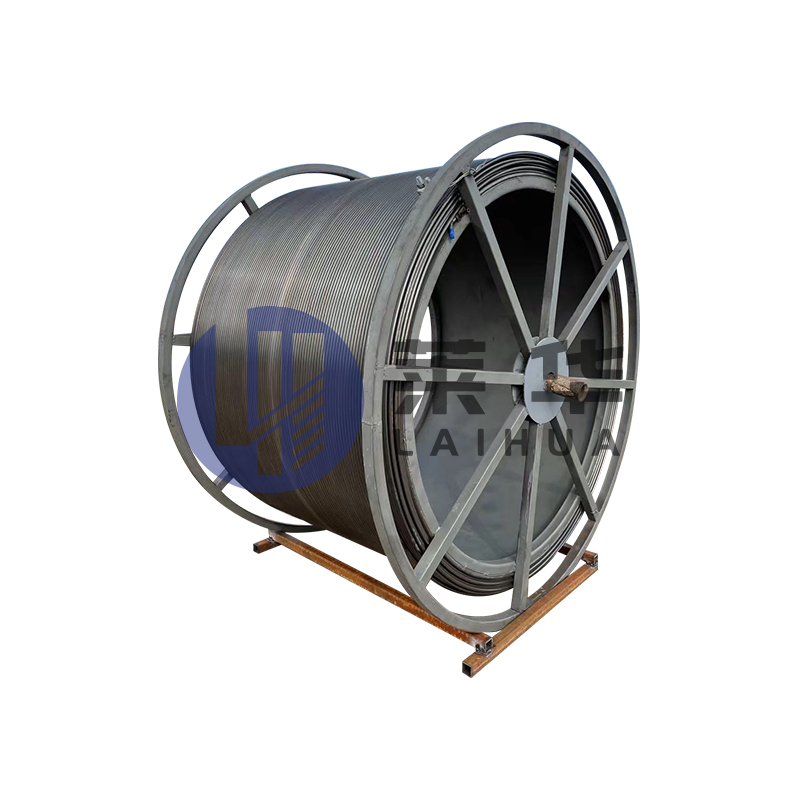
Continuous tubing, also known as flexible tubing or flexible tubing, is widely used in the fields of well workover, logging and drilling, etc. Its pro...
See Details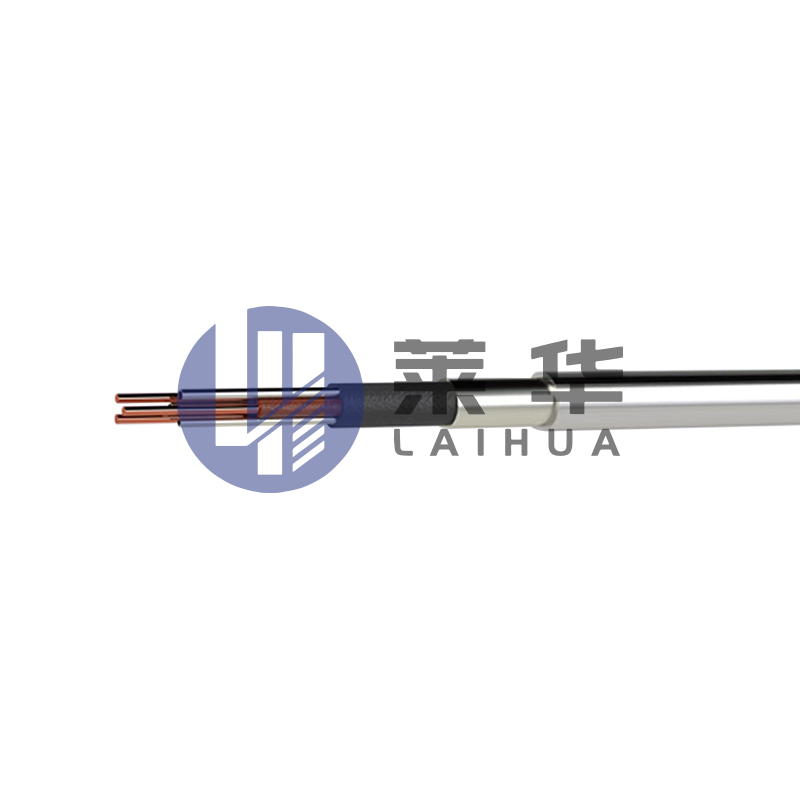
Purpose: The high-temperature testing cable, combined with the high-temperature testing vehicle, is mainly used in multi-parameter testing of heavy oi...
See Details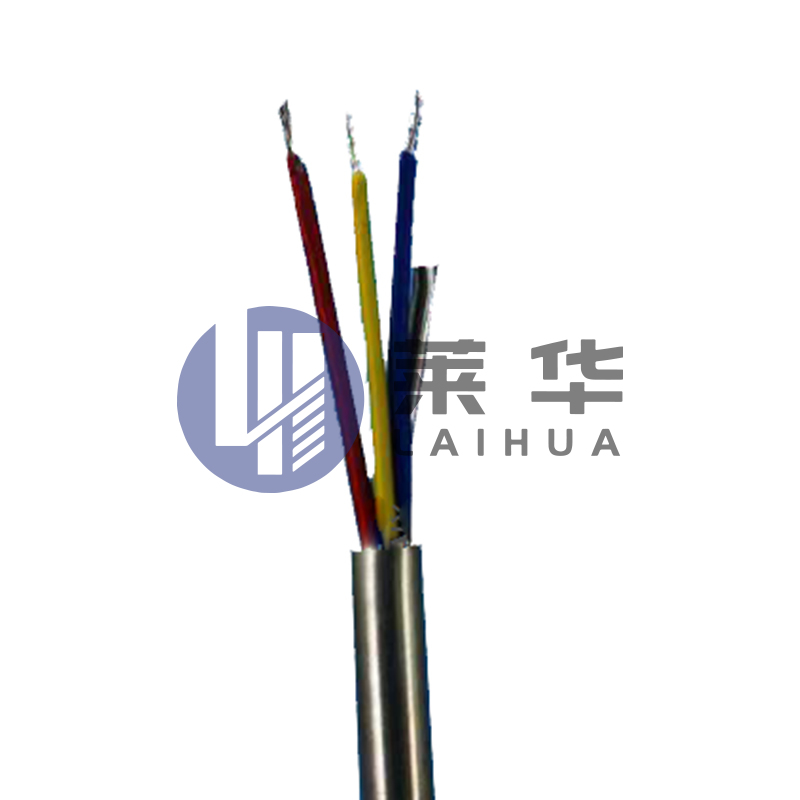
The Stainless Steel Fibre Optic Test Cable is a special test cable that combines the durability of stainless steel with the high transmission efficien...
See Details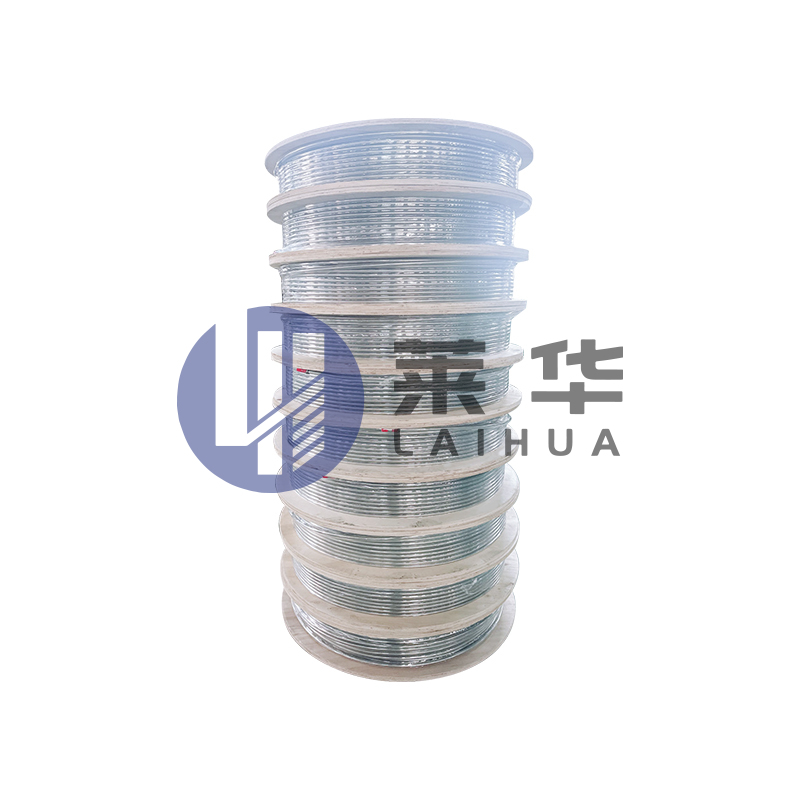
Instructions for the use of hydraulic control pipelines Hydraulic control pipeline, also known as capillary. Mainly used for underground capillary pre...
See Details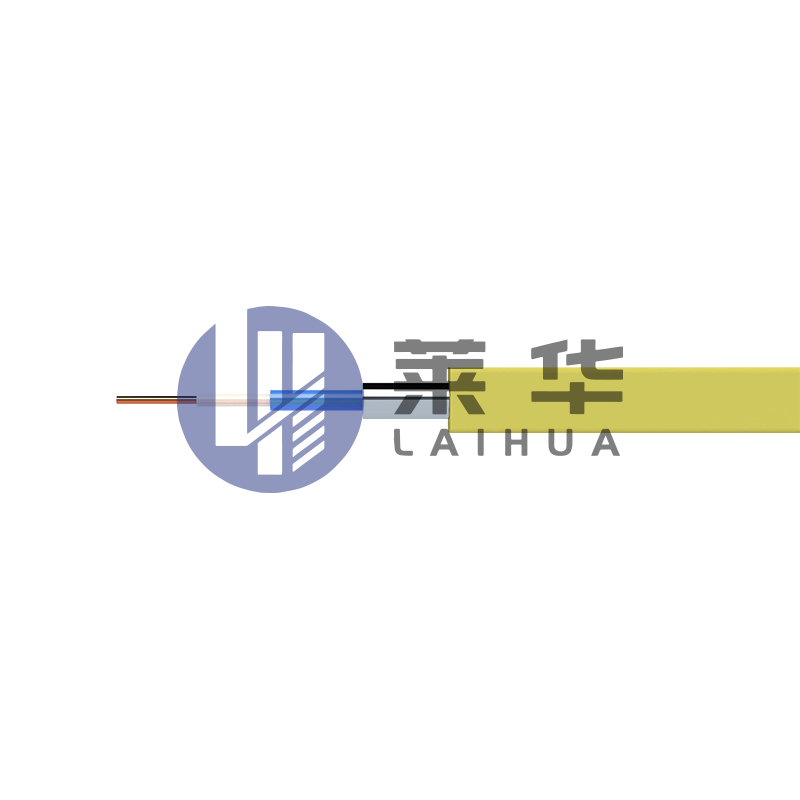
Stainless steel clad pipe is a piping system that combines the durability of stainless steel with the protection of plastic. This piping system is usu...
See Details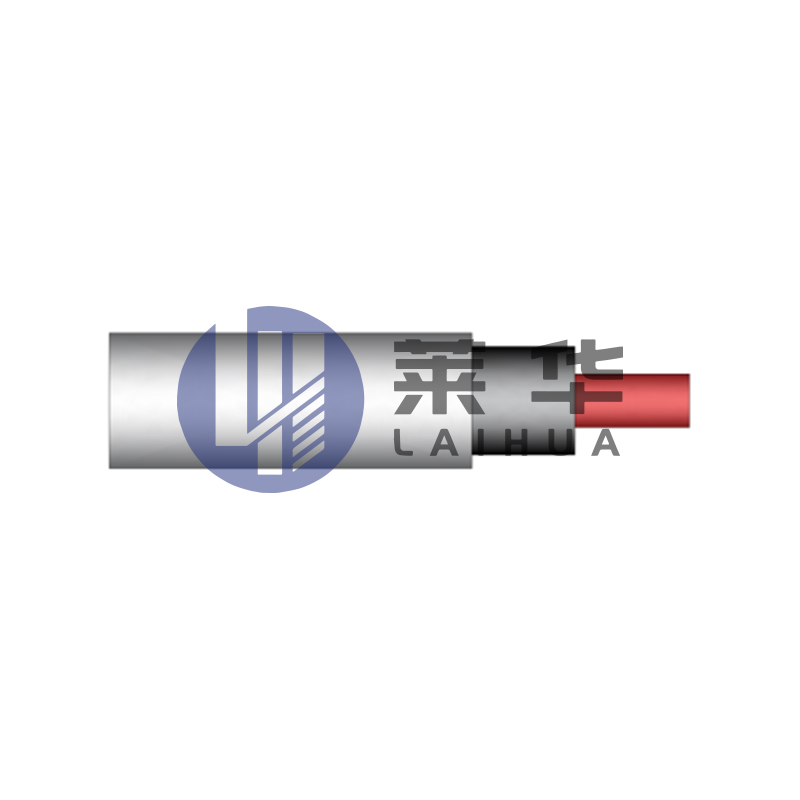
Application field:The electric induction heating system is a complete set of electric heating devices developed by our company specifically for heavy ...
See Details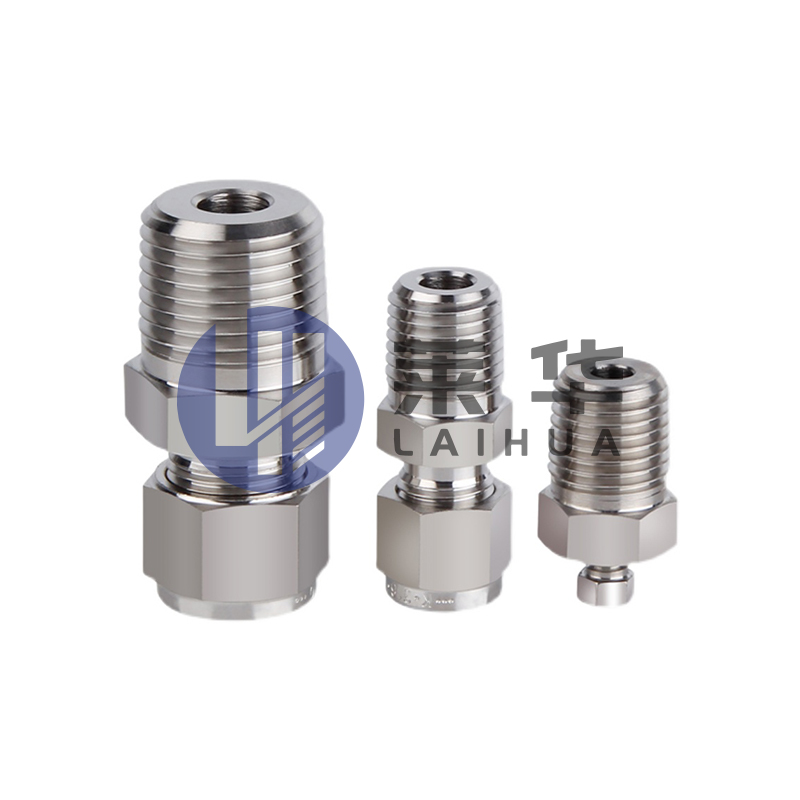
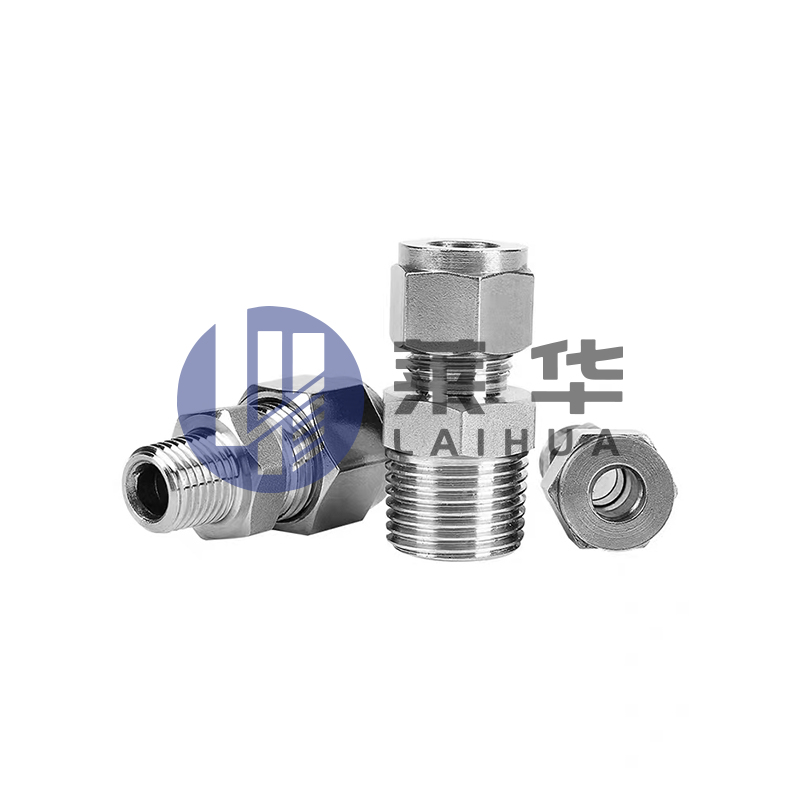
The ferrule type pipe joint consists of three parts: the joint body, ferrule, and nut. When the clamp and nut are inserted into the joint body on the ...
See Details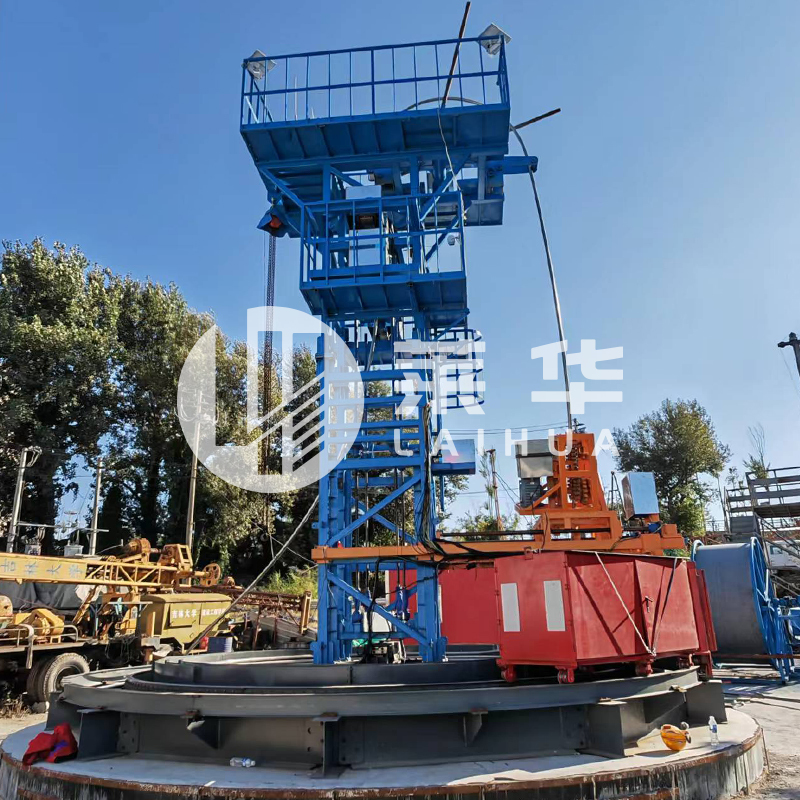
Continuous Tubing Skid Winch is a specially designed equipment for oilfield operations, which combines the design features of the Continuous Tubing Wo...
See Details
E-mail: [email protected]

Phone: +86-15996597000
+86-18252893456

Whatsapp: +86-18252874678

Address: No. 3 Xinyuan Road, Nanmo Town Industrial Park, Hai'an City, Nantong City, Jiangsu Province, China
QR code on
mobile phone



Contact Us