
 英语
英语 西班牙语
西班牙语 阿拉伯语
阿拉伯语Cat:Products
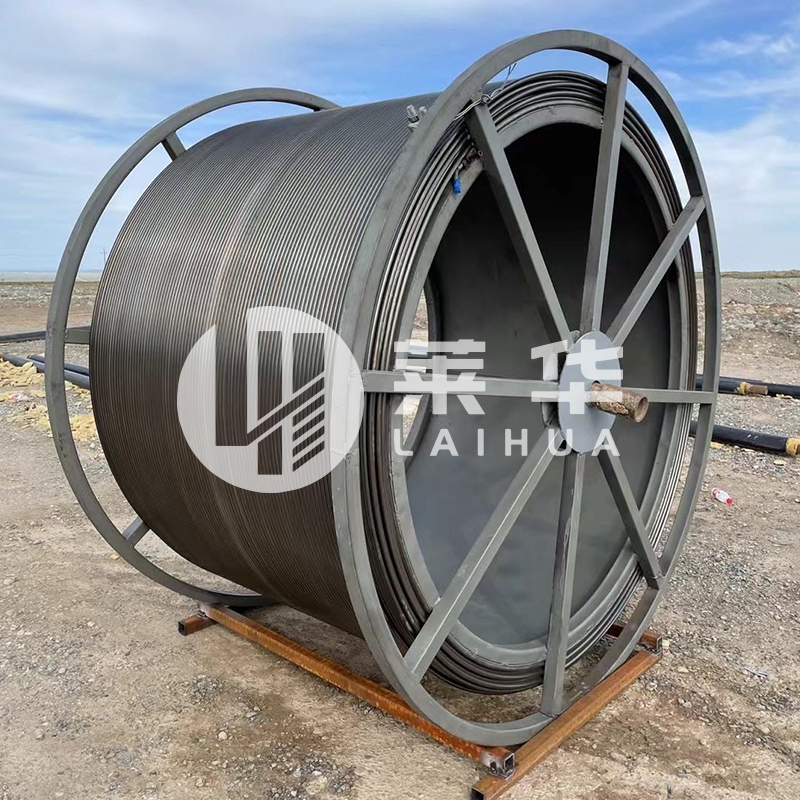
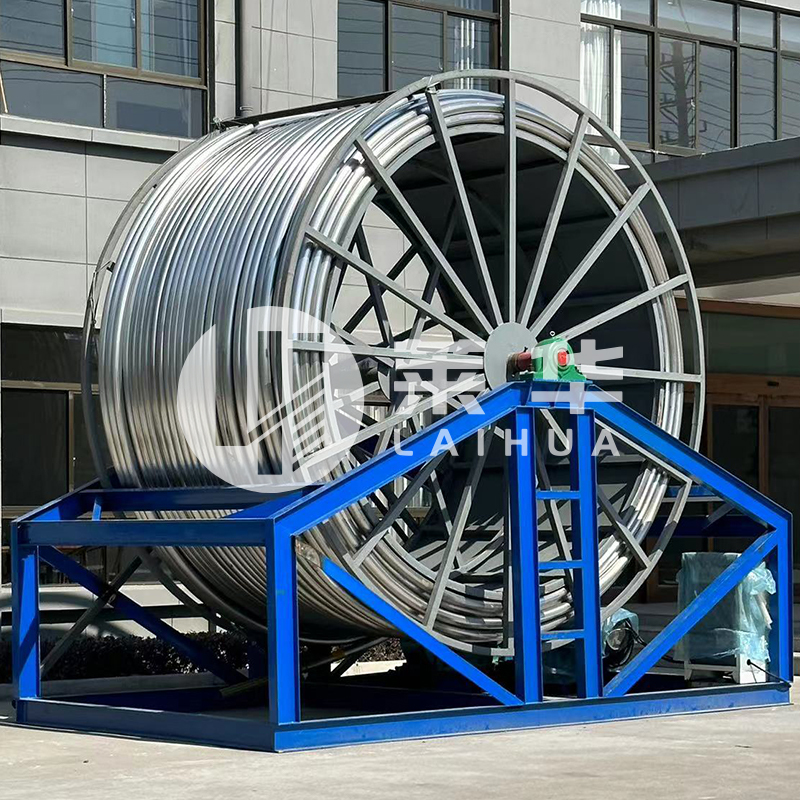
Continuous tubing, also known as flexible tubing or flexible tubing, is widely used in the fields of well workover, logging and drilling, etc. Its pro...
See Details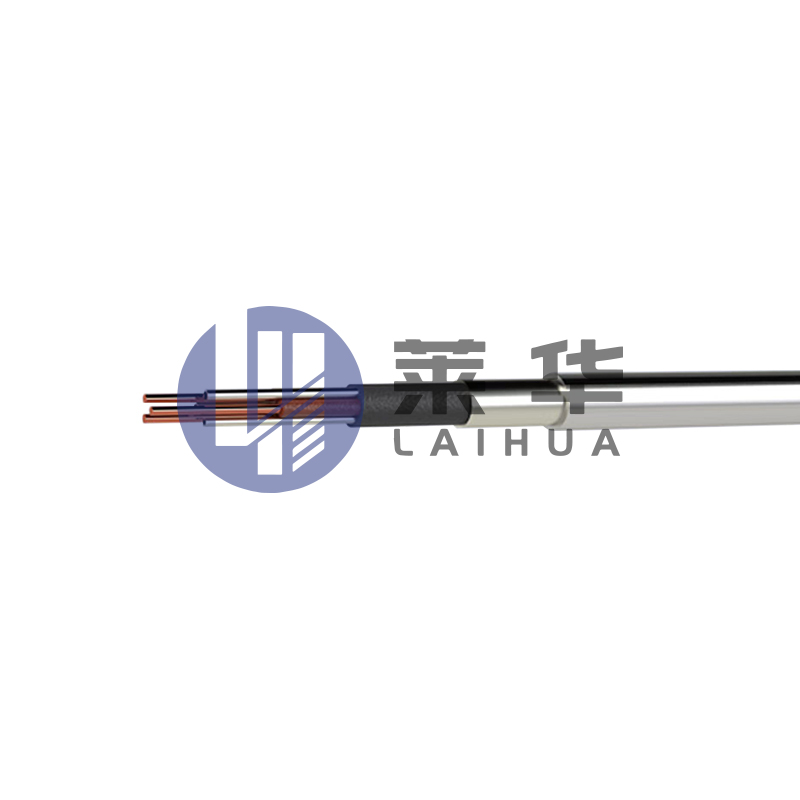
Content
A stainless steel clad pipe is a dual-metal structure: a carbon steel outer layer for mechanical strength, bonded to a stainless steel inner lining for corrosion resistance. This metallurgical combination — achieved through hot rolling, explosion bonding, or weld overlay — delivers the performance of solid stainless steel at a fraction of the cost.
For large-scale industrial infrastructure where thousands of meters of piping are required, that cost difference is decisive. Across oil, gas, and chemical sectors, clad pipes have become a standard solution wherever aggressive media, high pressure, or high temperature are present simultaneously.
The oil and gas industry subjects piping to some of the most punishing conditions on earth — corrosive brines, hydrogen sulfide, CO₂, and fluctuating pressures across thousands of meters of pipeline. Stainless steel clad pipes address each of these challenges across the full production chain.
Our stainless steel continuous oil pipe and stainless steel coil and control pipeline are engineered specifically for these upstream and midstream demands.
Chemical plants handle acids, alkalis, solvents, and reactive intermediates — often at elevated temperatures and under pressure. A single material failure can mean unplanned shutdowns, safety incidents, or product contamination. Clad pipes deliver the corrosion resistance of premium alloys where it matters most: at the fluid interface.
Explore our full range of specialty pipeline products designed for chemical and high-pressure process environments.
Beyond surface piping, stainless steel clad and coiled tubing products are used directly in well operations. Downhole environments combine reservoir brines, CO₂, and mechanical stress in ways that quickly eliminate standard carbon steel options.
Coiled tubing used for well stimulation, cleanouts, and logging must resist internal corrosion from injected fluids while tolerating repeated bending cycles. Our stainless steel armored high-temperature testing cable and fiber optic testing cable serve these demanding downhole environments, providing both signal integrity and corrosion resistance at depth.
| Factor | Stainless Steel Clad Pipe | Solid Stainless Steel Pipe |
|---|---|---|
| Material cost | Significantly lower | High (full alloy content) |
| Corrosion resistance (internal) | Equivalent | Equivalent |
| Mechanical strength | High (carbon steel base) | Moderate to high |
| Weight | Lower than solid alloy | Higher for same wall thickness |
| Best fit | Long-run pipelines, large infrastructure | Short-run, fully corrosive external environments |
For projects where miles of piping are required and external conditions do not demand full-alloy construction, clad pipe consistently offers the better economic and technical outcome.
Grade selection and bonding method depend on the specific service: fluid chemistry, operating temperature, pressure rating, and required service life all factor into the specification. The most common stainless linings used in oil, gas, and chemical service are 304/304L, 316/316L, 317L, duplex 2205, and super duplex 2507 — each suited to a different corrosion environment.
If you are evaluating clad pipe for a specific project, our engineering team can assist with grade selection and product specification. View our complete product range or contact us directly to discuss your application requirements.
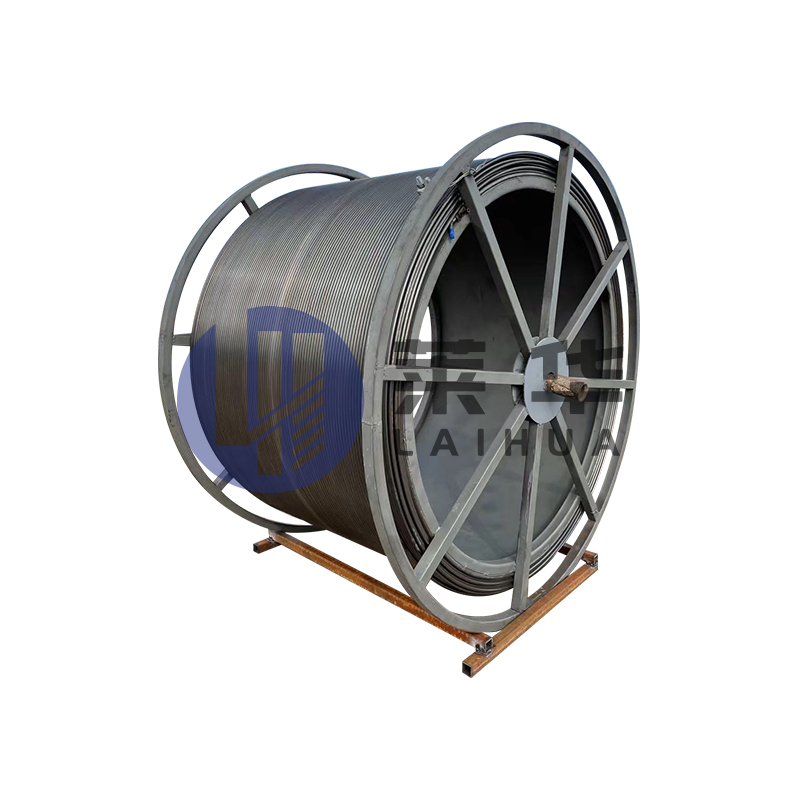
Continuous tubing, also known as flexible tubing or flexible tubing, is widely used in the fields of well workover, logging and drilling, etc. Its pro...
See Details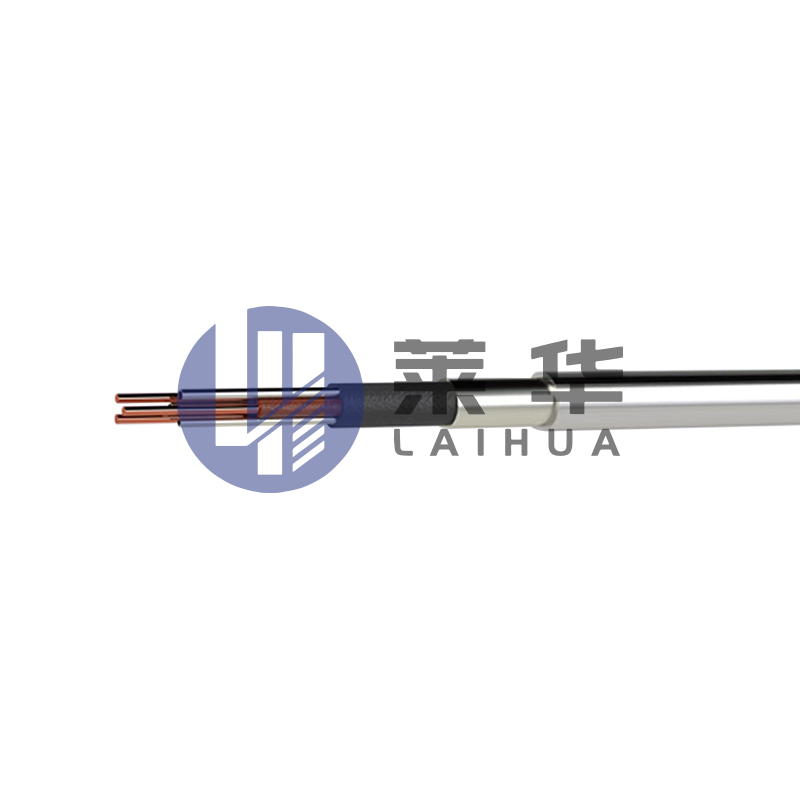
Purpose: The high-temperature testing cable, combined with the high-temperature testing vehicle, is mainly used in multi-parameter testing of heavy oi...
See Details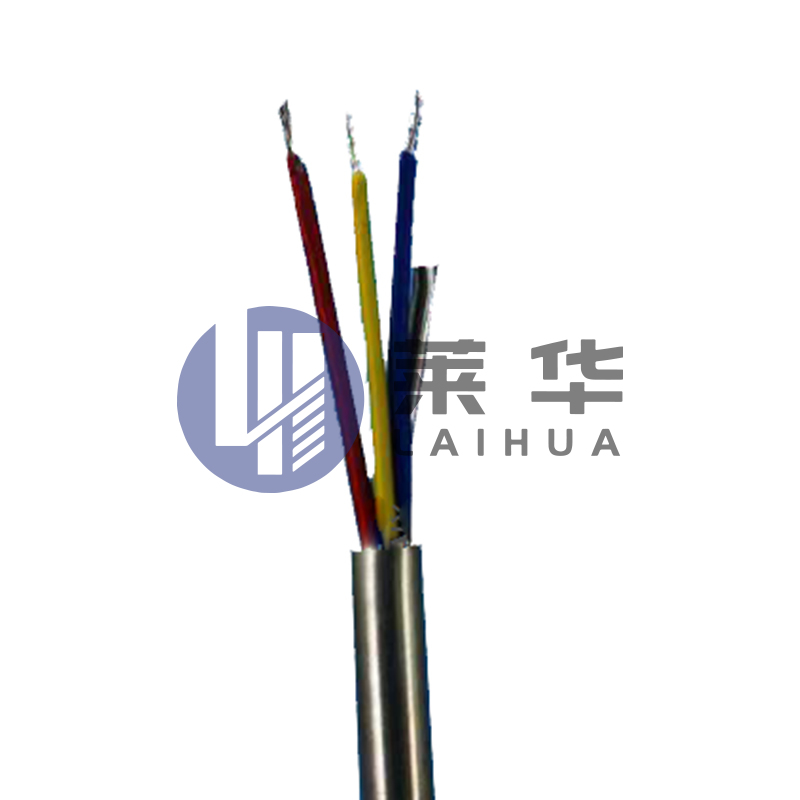
The Stainless Steel Fibre Optic Test Cable is a special test cable that combines the durability of stainless steel with the high transmission efficien...
See Details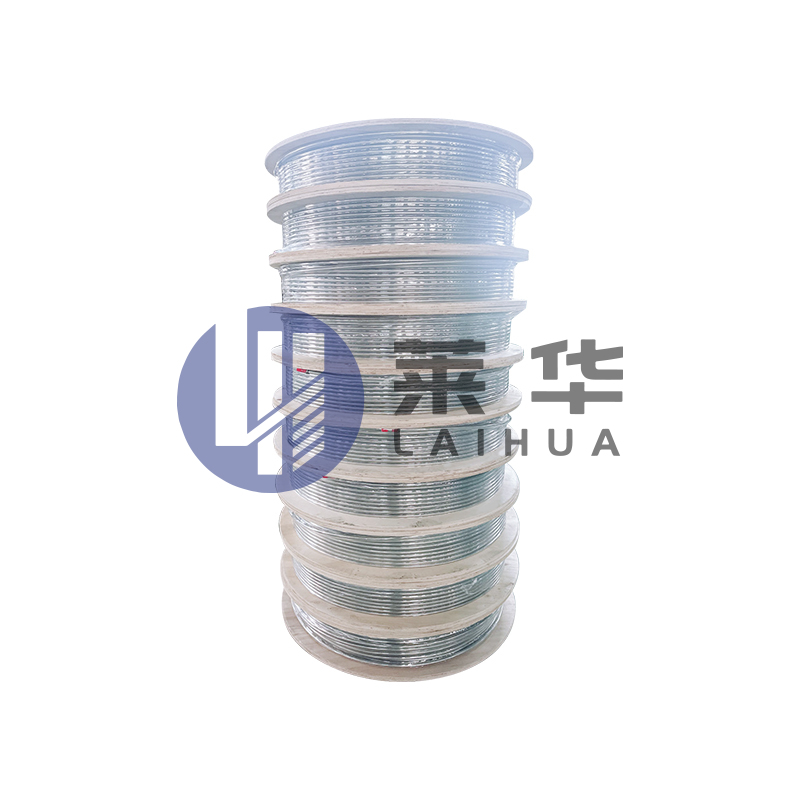
Instructions for the use of hydraulic control pipelines Hydraulic control pipeline, also known as capillary. Mainly used for underground capillary pre...
See Details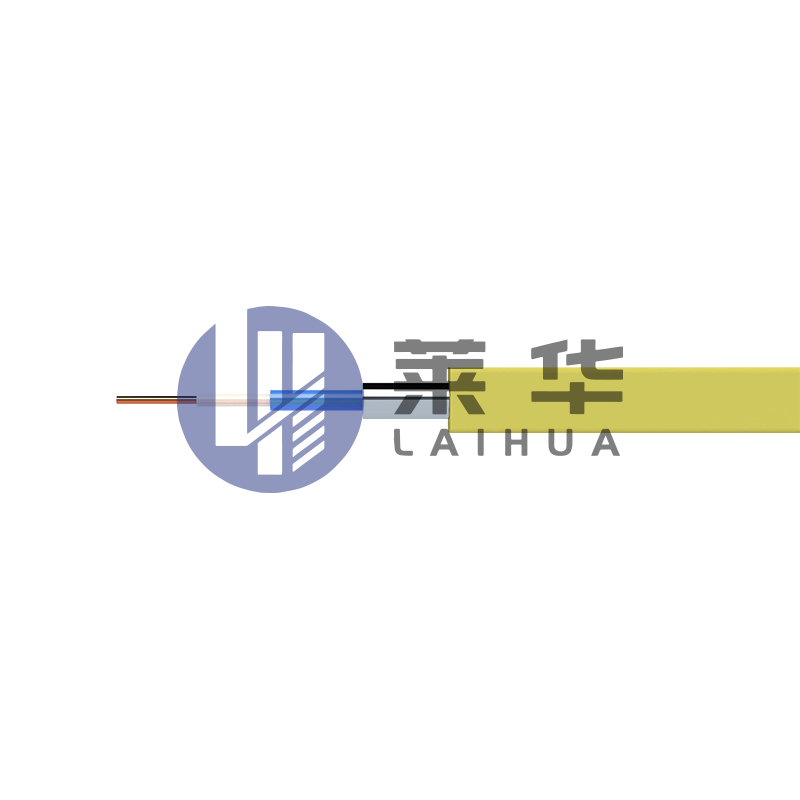
Stainless steel clad pipe is a piping system that combines the durability of stainless steel with the protection of plastic. This piping system is usu...
See Details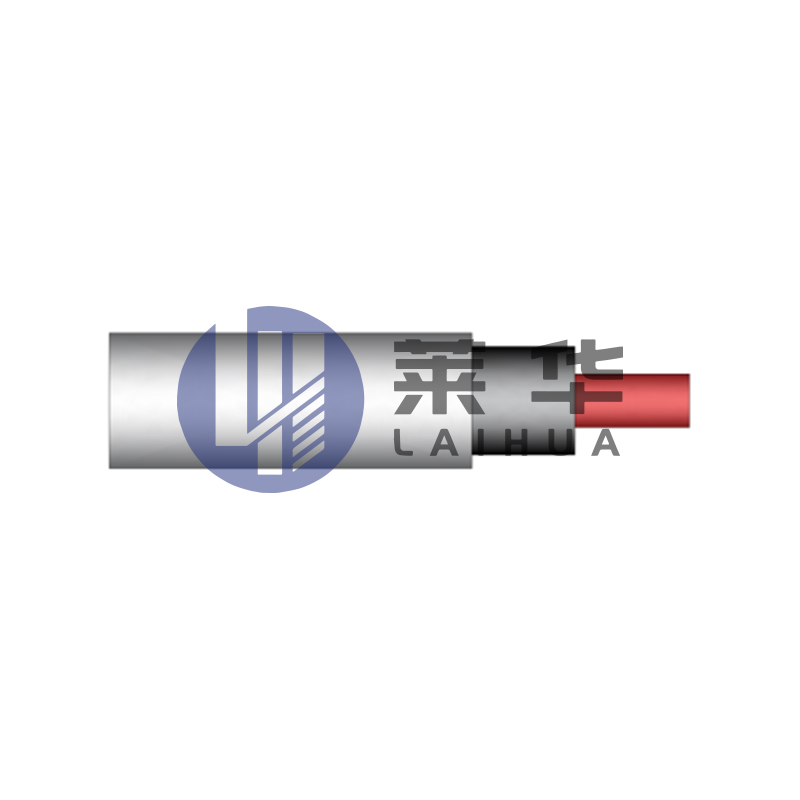
Application field:The electric induction heating system is a complete set of electric heating devices developed by our company specifically for heavy ...
See Details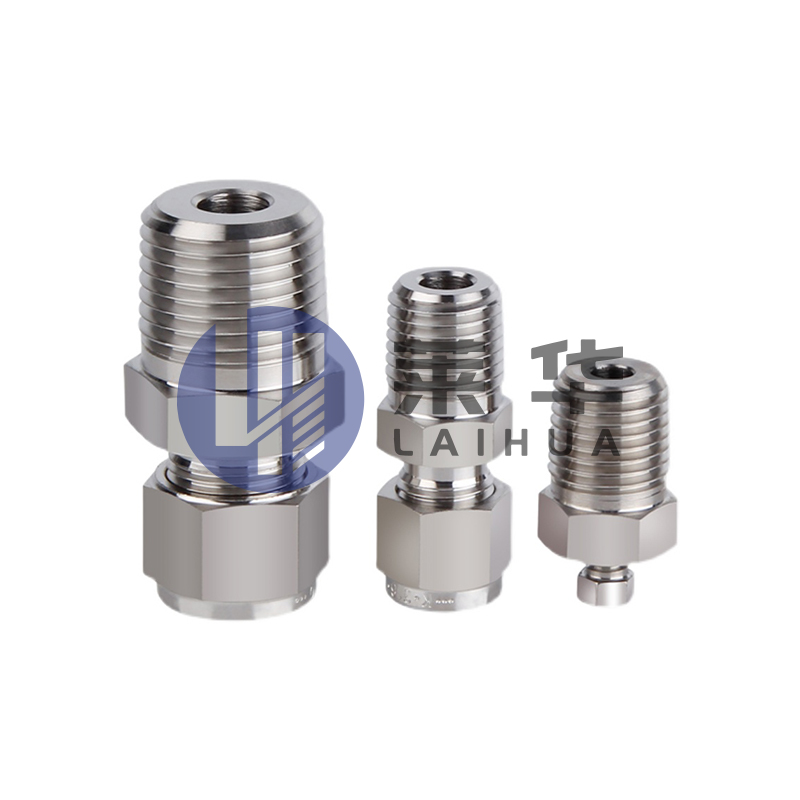
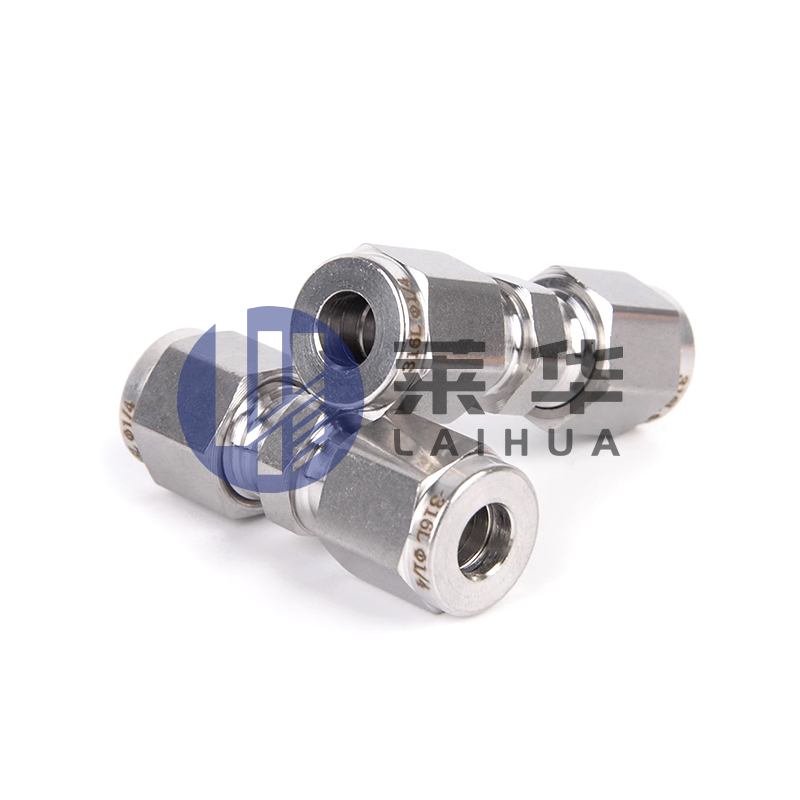
The ferrule type pipe joint consists of three parts: the joint body, ferrule, and nut. When the clamp and nut are inserted into the joint body on the ...
See Details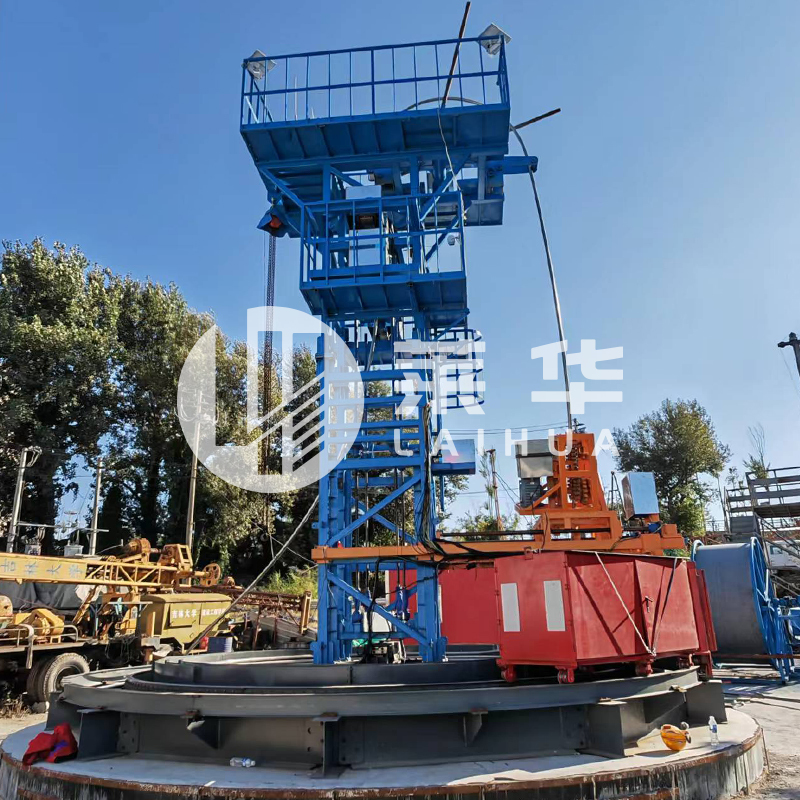
Continuous Tubing Skid Winch is a specially designed equipment for oilfield operations, which combines the design features of the Continuous Tubing Wo...
See Details
E-mail: [email protected]

Phone: +86-15996597000
+86-18252893456

Whatsapp: +86-18252874678

Address: No. 3 Xinyuan Road, Nanmo Town Industrial Park, Hai'an City, Nantong City, Jiangsu Province, China
QR code on
mobile phone



Contact Us