
 英语
英语 西班牙语
西班牙语 阿拉伯语
阿拉伯语Cat:Products
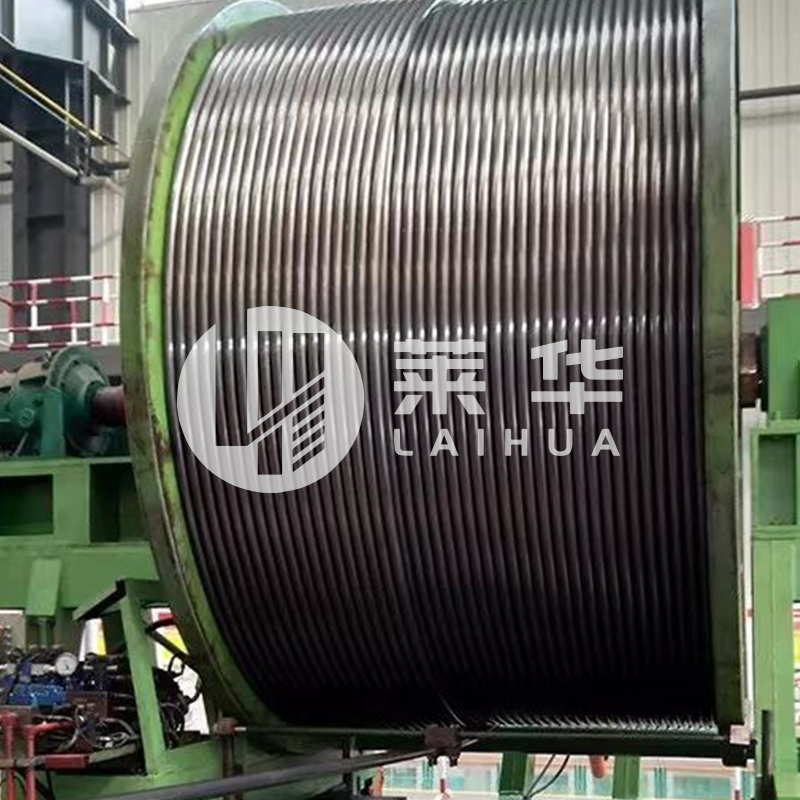
Continuous tubing, also known as flexible tubing or flexible tubing, is widely used in the fields of well workover, logging and drilling, etc. Its pro...
See Details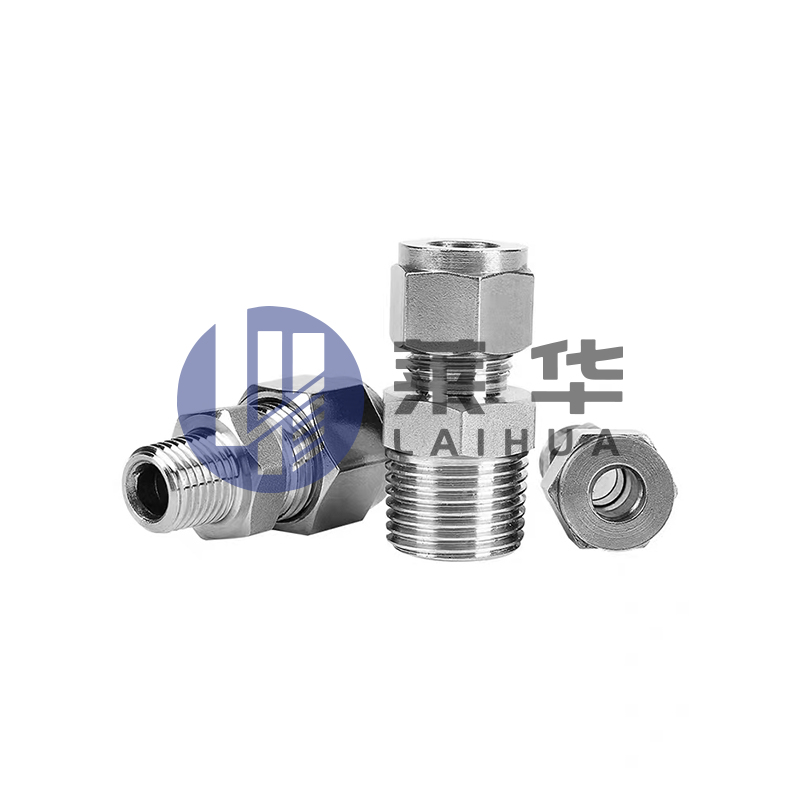
Content
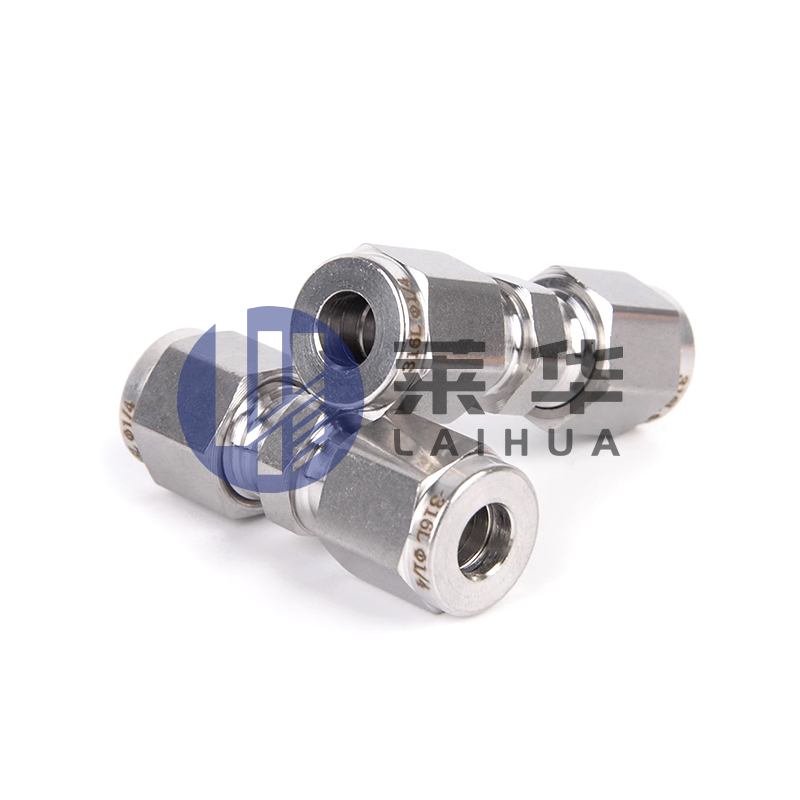
A stainless steel ferrule joint is a precision pipe connection assembly composed of three core components: a joint body, a ferrule (also called a clamp or olive), and a nut. When the ferrule and nut are inserted onto a steel pipe and the nut is tightened, the front end of the ferrule presses against the conical surface of the joint body while its inner edge bites evenly into the seamless steel pipe — forming a mechanically secure, leak-proof seal without welding or flaring.
Manufactured from American Standard 304 or 316L stainless steel, these joints are rated for pressures from 0 to 20 MPa and operating temperatures up to 450°C, making them a technically capable alternative to many traditional pipe fitting systems. They accommodate piping diameters ranging from Φ3 to Φ42 mm and support a variety of thread standards including ZG, M, NPT, and G.
Traditional pipe fittings encompass a broad category of connection methods including threaded fittings, welded joints, flanged connections, and flare-type fittings. Each has its own sealing mechanism and installation requirements:
While these methods remain widely used, they each carry trade-offs in terms of installation complexity, maintenance access, and long-term leak resistance — particularly in corrosive or high-vibration environments.
| Feature | Stainless Steel Ferrule Joint | Traditional Fittings (Threaded / Welded) |
|---|---|---|
| Components | 3 parts: body, ferrule, nut | Variable; may include gaskets, flanges, bolts, sealants |
| Sealing Mechanism | Radial compression bite into pipe wall | Thread sealant, gaskets, or fusion weld |
| Installation Method | Hand-tighten + 1.25 turns with wrench | Threading, welding, or bolting — specialized tools required |
| Disassembly / Reuse | Removable; ferrule typically not reusable | Welded joints are permanent; flanges are reusable |
| Material (standard) | 304 / 316L stainless steel | Carbon steel, brass, or cast iron (varies widely) |
| Pipe Diameter Range | Φ3–Φ42 mm | Wide range depending on type |
The sealing integrity of a ferrule joint derives from a fundamentally different principle than most traditional fittings. When the nut is tightened, the ferrule's front face is driven into the fitting body's conical seat, simultaneously compressing radially and biting into the outer surface of the pipe. This creates a dual-action mechanical seal — a face seal between the ferrule and body, and a grip seal between the ferrule and tube — that does not rely on sealant compounds or gasket materials.
Traditional threaded fittings, by contrast, depend on thread engagement supplemented by PTFE tape or thread sealant. Over time, vibration cycles, thermal expansion and contraction, or chemical degradation of the sealant can compromise joint integrity. Welded joints eliminate this concern but introduce heat-affected zones that may reduce corrosion resistance along the weld line — particularly relevant in stainless steel piping where chromium carbide precipitation can occur at grain boundaries during welding.
For applications carrying oil, gas, water, or process chemicals — the primary media handled by stainless steel ferrule joints — the compression-bite mechanism provides consistent sealing performance without reliance on consumable secondary materials.
One of the most quantifiable differences between ferrule joints and traditional fittings lies in rated operating parameters. Stainless steel ferrule joints manufactured to 304/316L standards are rated for service pressures of 0–20 MPa and temperatures up to 450°C, covering the operating ranges of most hydraulic control lines, oilfield capillary systems, and instrumentation piping networks.
Traditional carbon steel threaded fittings may offer comparable pressure ratings but fall short in corrosion resistance, especially when exposed to hydrogen sulfide, chlorides, or acidic process fluids. Cast iron flanged fittings can handle high pressures but add significant weight and are susceptible to cracking under thermal shock. Welded stainless steel joints can match or exceed ferrule joint pressure ratings but introduce installation complexity that limits their use in maintenance-intensive or space-constrained environments.
The stainless steel material in ferrule joints also provides inherent resistance to thermal cycling, meaning the seal maintains its compression load even as the joint expands and contracts with temperature changes — a common failure point in gasket-based traditional fittings.
Installation speed is one of the most operationally significant advantages of ferrule joints over traditional alternatives. A ferrule joint requires no welding equipment, no pipe threading tools, and no curing time for sealants. The standard assembly procedure involves sliding the nut and ferrule onto the tube, inserting the tube fully into the fitting body, and tightening the nut — typically one and a quarter turns past finger-tight — to complete the connection. This can be accomplished by a single technician with standard hand tools.
Welded joints, by comparison, require qualified welders, inert gas shielding, post-weld heat treatment in some cases, and non-destructive testing to verify weld integrity. This translates to longer installation time, higher labor costs, and stricter site safety requirements. Flanged connections require precise bolt torque patterns and gasket alignment, which are straightforward in workshop conditions but cumbersome in confined industrial spaces.
For maintenance access, ferrule joints can be disconnected and reconnected in the field without special equipment, which is a significant operational benefit in facilities like oil fields, chemical plants, and refineries where piping systems require periodic inspection or modification. Stainless steel coil and control pipelines used in these environments particularly benefit from this feature, as their capillary lines often require adjustment during well workover or production changes.
The choice of 304 or 316L stainless steel for ferrule joints is a direct response to the corrosion demands of petrochemical, coal, and marine environments. Grade 316L contains molybdenum, which significantly enhances resistance to chloride-induced pitting — a critical concern in offshore oil applications and coastal industrial installations. Grade 304 provides general-purpose corrosion resistance suitable for freshwater, food-grade, and atmospheric exposure applications.
Traditional carbon steel fittings require protective coatings or regular maintenance to prevent surface oxidation, and those coatings are subject to mechanical damage during installation or operation. Brass fittings offer reasonable corrosion resistance for water and gas systems but are not suitable for high-pressure petroleum service or environments with hydrogen sulfide contamination. Cast iron flanges develop surface rust readily and can suffer internal corrosion over time when carrying mildly acidic process fluids.
In contrast, the stainless steel body and ferrule of a properly installed compression joint provide passive corrosion protection across a wide chemical range, contributing to the product's suitability for use in petroleum, coal mining, chemical processing, shipbuilding, food industry, and environmental protection sectors — all industries where long-term material stability is non-negotiable.
The reliability of a ferrule joint in service depends heavily on the quality controls applied during manufacturing. Reputable producers subject their ferrule joints to systematic testing protocols including hydraulic pressure testing, dimensional inspection, hardness verification, and corrosion resistance evaluation. Testing equipment such as tensile test benches, Vickers hardness testers, spectrometers, and eddy current flaw detectors are used to confirm that each batch meets the chemical and physical performance specifications required for high-pressure service.
Material traceability — confirming that the steel meets standards such as ASTM A312 or equivalent — is a further quality differentiator. This level of documentation is not always available with commodity threaded fittings sourced from general-purpose distributors, yet it is essential for applications where fitting failure carries operational, environmental, or safety consequences.
For buyers sourcing stainless steel ferrule joints for critical systems, verifying the manufacturer's quality inspection capabilities and material certifications is as important as confirming the dimensional and pressure specifications of the product itself.
Ferrule joints are not universally the best choice for every piping application. They are optimally suited to tube diameters in the Φ3–Φ42 mm range, threaded connections in instrumentation, hydraulic control, and capillary service, and environments where corrosion resistance and installation speed are prioritized. For very large-diameter pipeline connections, flanged or welded joints remain the practical standard.
However, in the following scenarios, stainless steel ferrule joints consistently outperform traditional alternatives:
Understanding where each fitting type delivers its best performance — rather than applying a single solution across all connection types — is the foundation of an efficient and reliable piping system design.
Stainless steel ferrule joints offer a measurable combination of sealing reliability, corrosion resistance, installation efficiency, and pressure capability that positions them ahead of most traditional fittings in demanding industrial environments. Their three-component compression design eliminates dependence on secondary sealants, their 304/316L construction resists the full range of corrosive media encountered in petroleum and chemical service, and their tool-accessible installation reduces both labor costs and system downtime.
For engineers and procurement professionals specifying pipe connections for oilfield, chemical, marine, or instrumentation systems, a direct comparison of ferrule joints against the traditional alternatives — evaluated against specific pressure ratings, temperature range, installation constraints, and maintenance access requirements — will typically confirm the ferrule joint as the technically superior and operationally pragmatic choice at the small-diameter tubing scale where they are designed to excel.
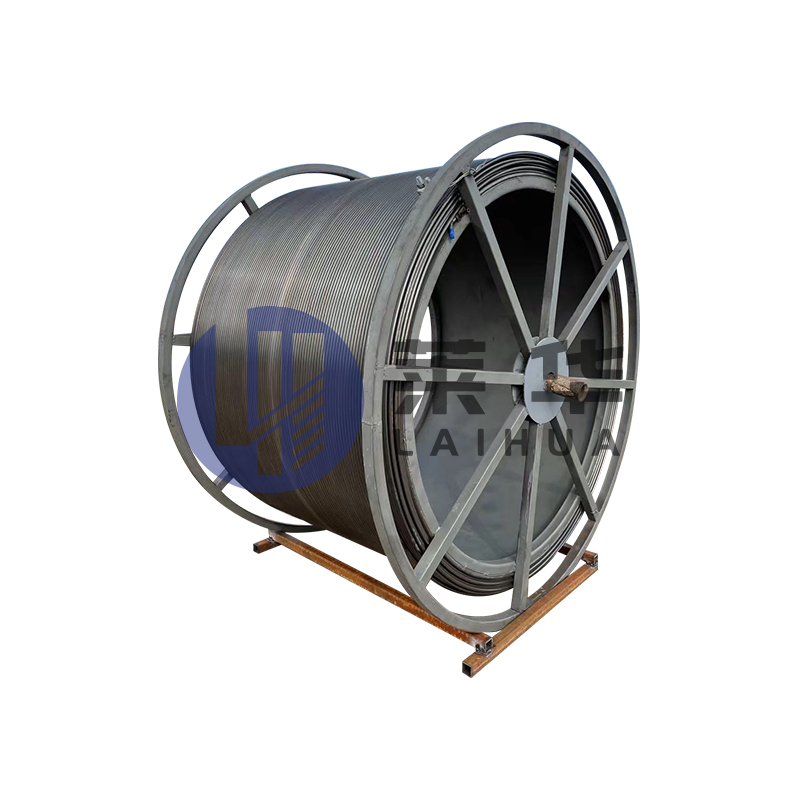
Continuous tubing, also known as flexible tubing or flexible tubing, is widely used in the fields of well workover, logging and drilling, etc. Its pro...
See Details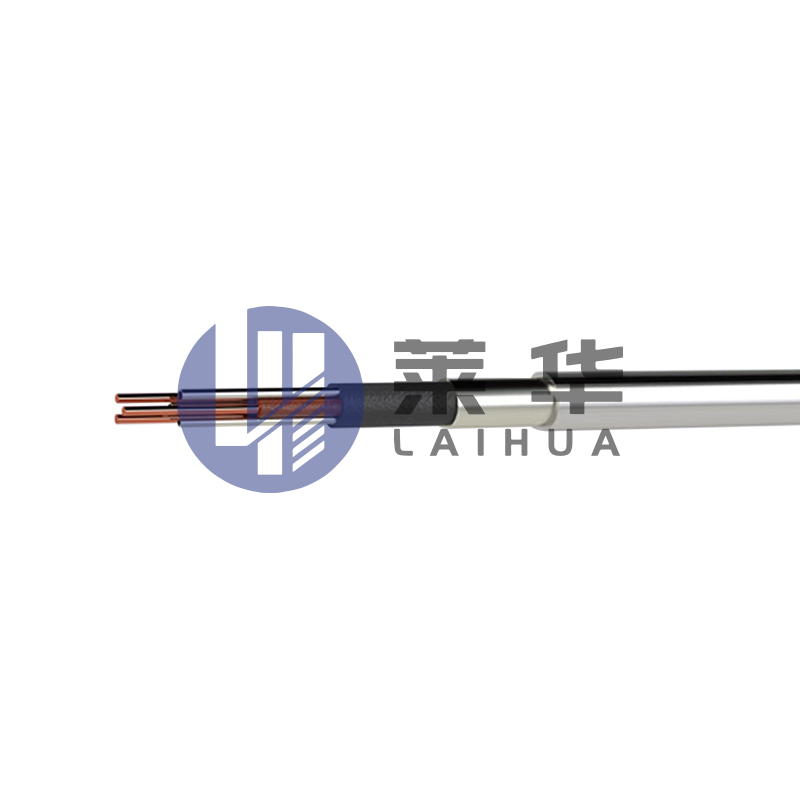
Purpose: The high-temperature testing cable, combined with the high-temperature testing vehicle, is mainly used in multi-parameter testing of heavy oi...
See Details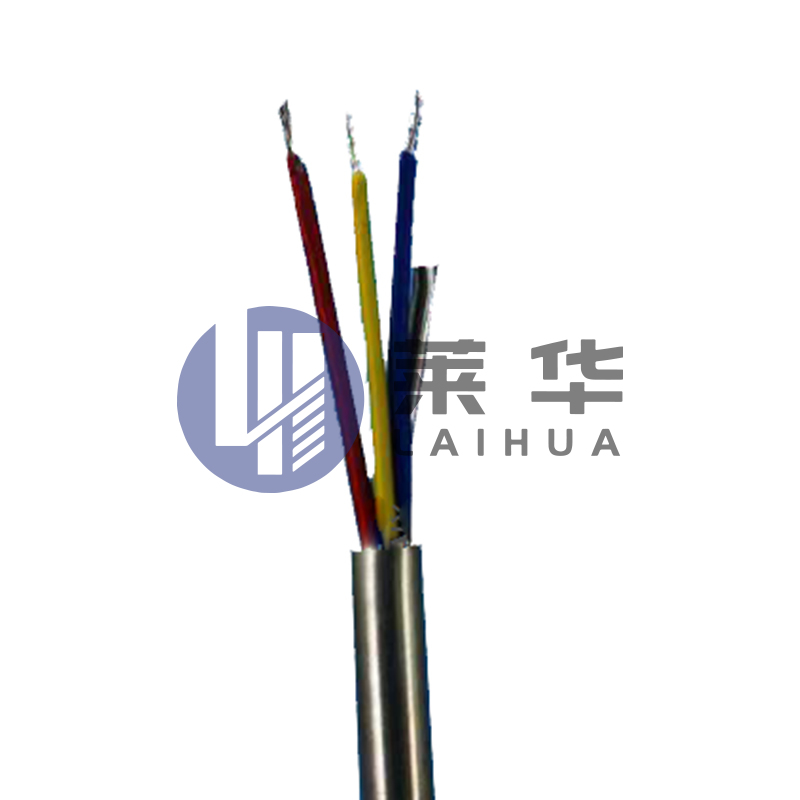
The Stainless Steel Fibre Optic Test Cable is a special test cable that combines the durability of stainless steel with the high transmission efficien...
See Details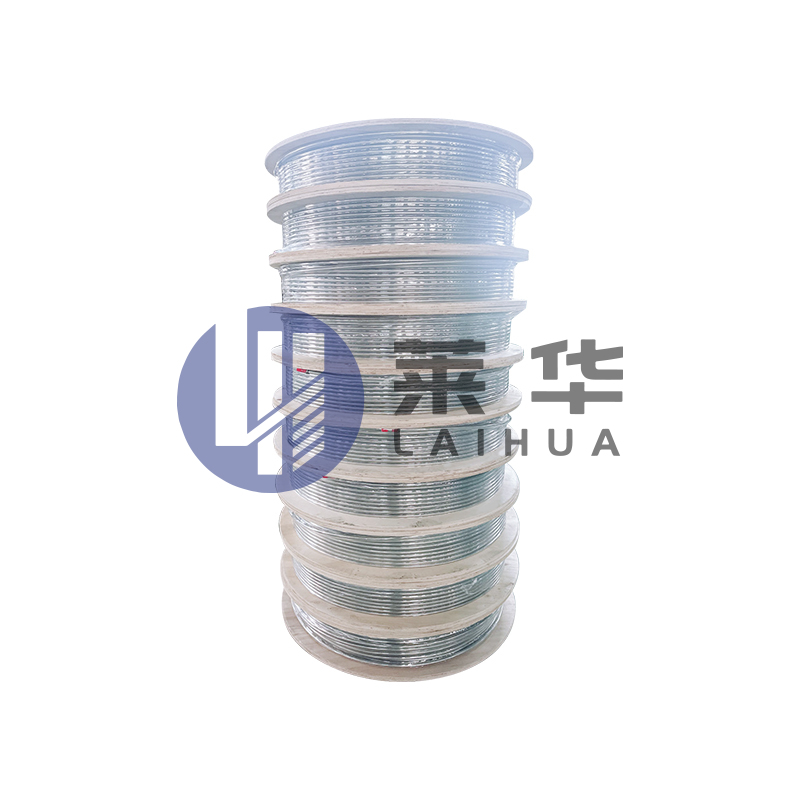
Instructions for the use of hydraulic control pipelines Hydraulic control pipeline, also known as capillary. Mainly used for underground capillary pre...
See Details
Stainless steel clad pipe is a piping system that combines the durability of stainless steel with the protection of plastic. This piping system is usu...
See Details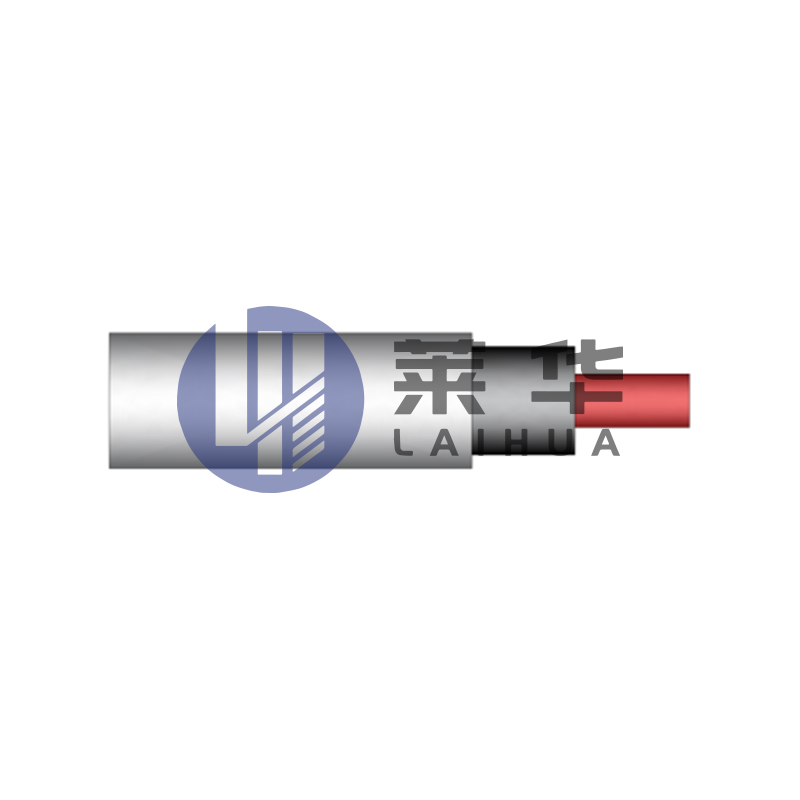
Application field:The electric induction heating system is a complete set of electric heating devices developed by our company specifically for heavy ...
See Details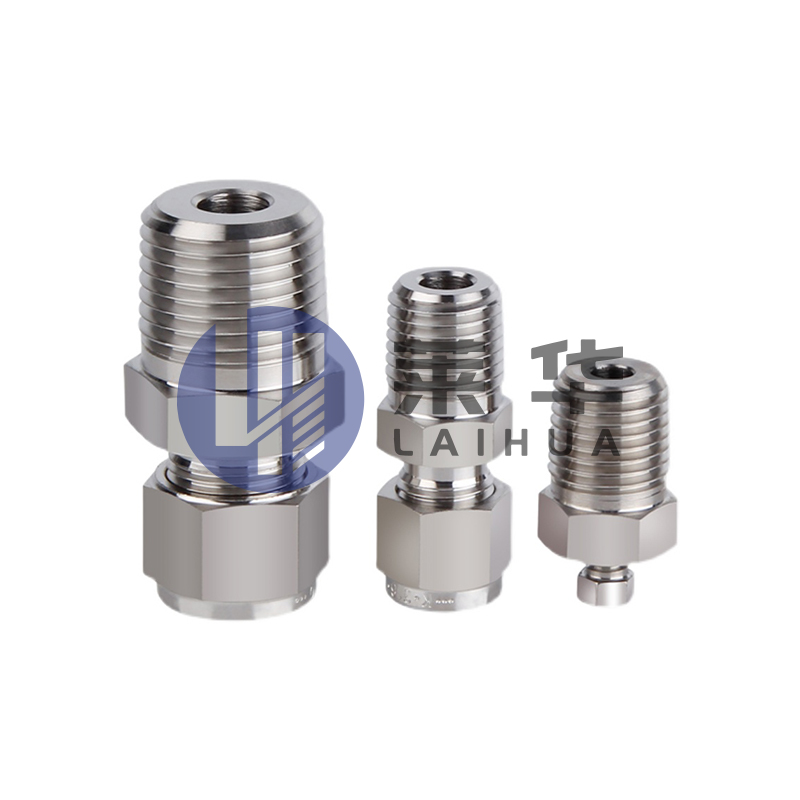
The ferrule type pipe joint consists of three parts: the joint body, ferrule, and nut. When the clamp and nut are inserted into the joint body on the ...
See Details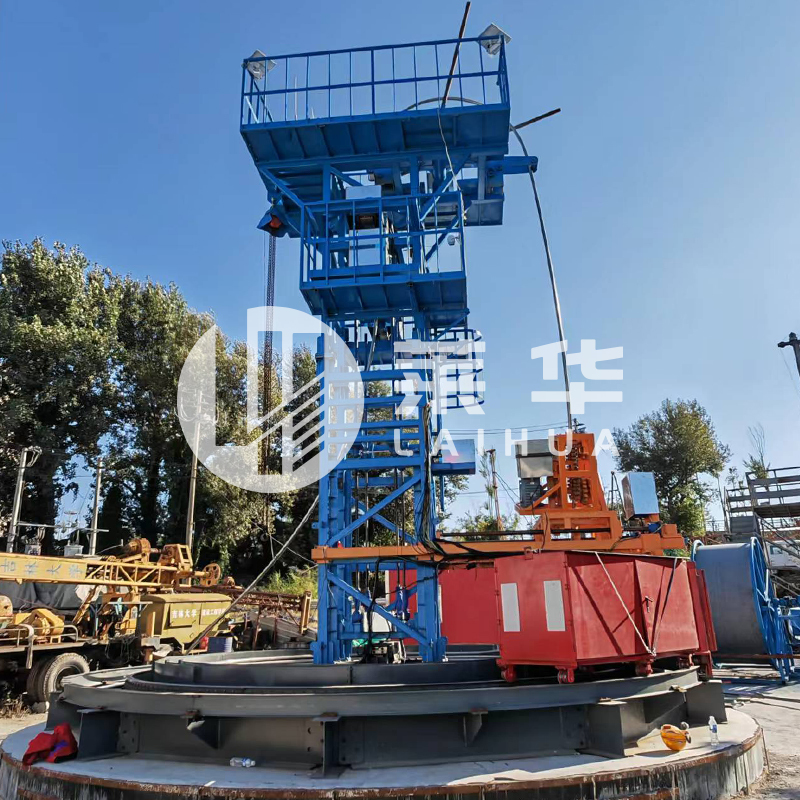
Continuous Tubing Skid Winch is a specially designed equipment for oilfield operations, which combines the design features of the Continuous Tubing Wo...
See Details
E-mail: [email protected]

Phone: +86-15996597000
+86-18252893456

Whatsapp: +86-18252874678

Address: No. 3 Xinyuan Road, Nanmo Town Industrial Park, Hai'an City, Nantong City, Jiangsu Province, China
QR code on
mobile phone



Contact Us