
 英语
英语 西班牙语
西班牙语 阿拉伯语
阿拉伯语Cat:Products
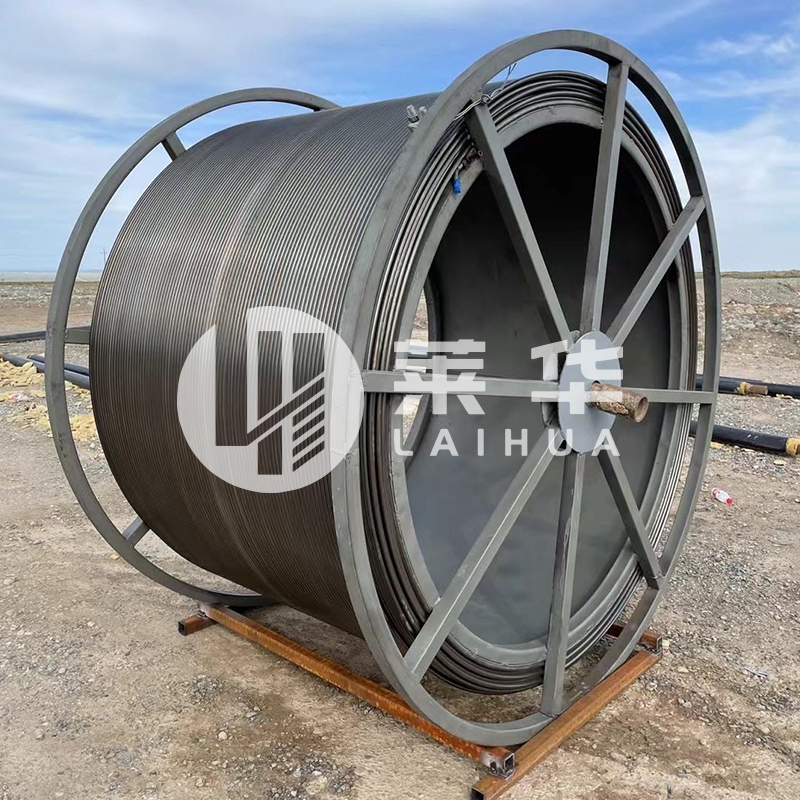
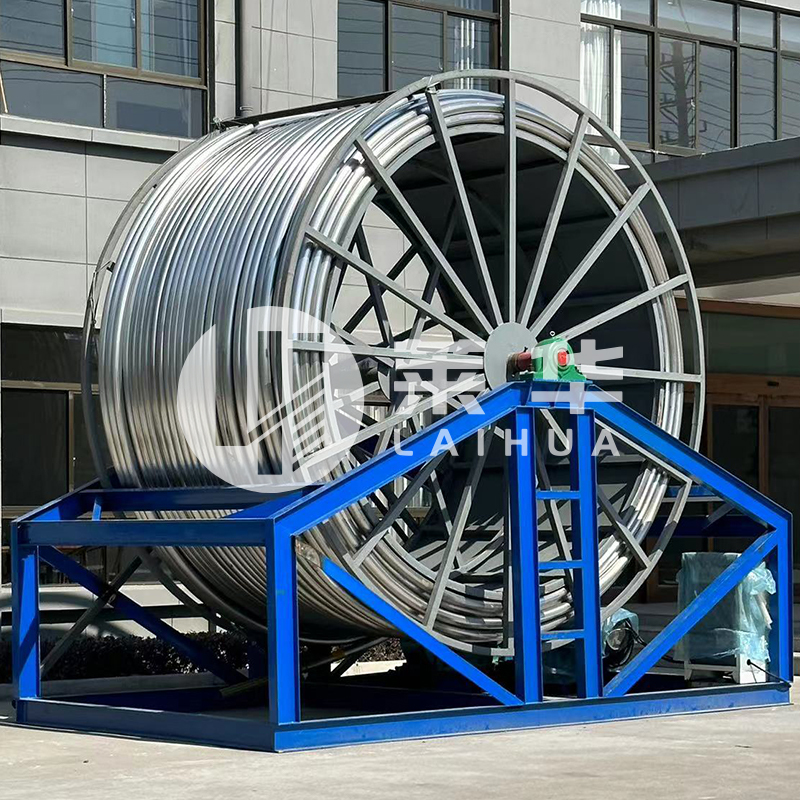
Continuous tubing, also known as flexible tubing or flexible tubing, is widely used in the fields of well workover, logging and drilling, etc. Its pro...
See Details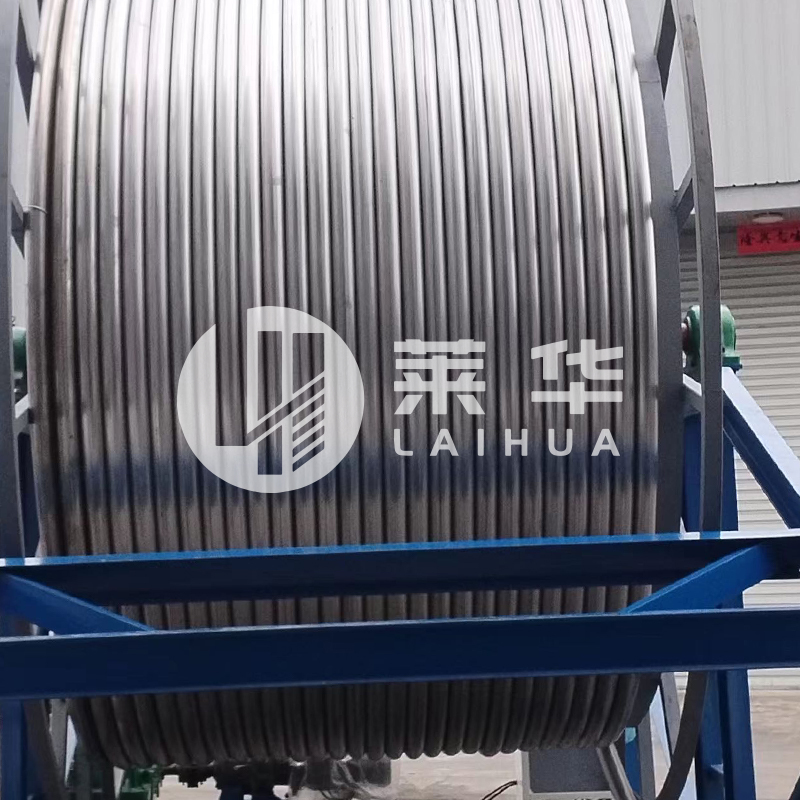
Content
Stainless steel continuous oil pipe delivers measurable improvements in flow performance and operational uptime compared to traditional jointed tubing systems. The seamless construction eliminates connection points that create flow restrictions and potential failure zones, resulting in up to 30% reduction in downtime during well intervention operations [^12^]. This technology has become essential for operators seeking to maximize production while minimizing non-productive time.
The continuous design allows for deployment speeds of 200 feet per minute, significantly faster than conventional rig-based operations at 30-60 feet per minute [^30^]. This accelerated deployment capability translates directly into cost savings and faster return to production.
Traditional jointed pipe systems create turbulence and pressure drops at each connection point. Stainless steel continuous oil pipe maintains a smooth internal bore throughout its entire length, reducing frictional losses and improving hydraulic efficiency. Research indicates that pressure losses in coiled tubing systems can be predicted with less than 5% error when proper flow dynamics are applied [^32^].
The internal diameter consistency of continuous pipe supports higher flow rates with lower pressure drops. Flow testing demonstrates that drag reduction additives can achieve up to 69% friction reduction in coiled tubing applications, further enhancing the natural flow advantages of the continuous design [^28^]. The table below illustrates maximum flow capacity across common tubing sizes:
| Tubing Size (inches) | Maximum Flow Rate at 1,000 ft (B/D) | Maximum Flow Rate at 5,000 ft (B/D) |
|---|---|---|
| 1.5 | 3,066 | 960 |
| 2.0 | 12,336 | 3,871 |
| 2.5 | 21,556 | 6,747 |
The coiled configuration enables continuous operations without connection breaks, eliminating the time-consuming process of making up and breaking down individual pipe joints. This seamless deployment capability allows operators to perform well interventions while maintaining production, effectively reducing rig time by approximately 30% compared to conventional operations [^16^].
Stainless steel continuous oil pipe enables live well intervention capabilities, meaning operations can proceed without shutting down production. This capability is particularly valuable for offshore platforms and high-value onshore assets where production interruption costs can exceed hundreds of thousands of dollars per day [^2^]. The ability to perform cleanouts, acidizing, and stimulation while the well remains flowing represents a fundamental shift in operational economics.
Austenitic stainless steel grades provide superior corrosion resistance in high-temperature, high-pressure, and corrosive environments common in oil and gas operations. This material selection extends equipment life and maintains internal surface integrity, ensuring consistent flow characteristics over extended service periods [^7^]. Duplex and nickel alloy variants offer enhanced performance for extreme sour service conditions.
Typical stainless steel continuous oil pipe exhibits burst pressures between 11,400 psi and 14,500 psi, providing substantial safety margins for high-pressure applications including hydraulic fracturing and deep well interventions [^30^]. This robust pressure containment supports aggressive operational parameters that improve flow rates and cleaning efficiency.
The versatility of stainless steel continuous oil pipe extends across multiple operational scenarios:
Each application benefits from the continuous flow path that eliminates pressure drops associated with tool connections and jointed pipe transitions. The compact footprint of coiled tubing units enables rapid mobilization, with equipment deployment possible on both onshore locations and offshore platforms where space constraints limit conventional rig operations [^11^].
The global coiled tubing drilling market reached USD 1,050.28 million in 2024 and is projected to grow to USD 1,779.28 million by 2033, reflecting a compound annual growth rate of 6.1% [^1^]. This growth trajectory underscores the industry recognition of continuous pipe technology as a cost-effective solution for maintaining and enhancing well productivity.
Operators report that coiled tubing interventions cost approximately 30% less than traditional rig-based workovers while delivering comparable or superior results [^16^]. The combination of reduced deployment time, live well capability, and multi-function operation during single runs creates compelling economics for field development and maintenance programs.
Advancements in coiled tubing technology continue to enhance flow performance and operational efficiency. Integration of real-time monitoring systems and predictive analytics enables operators to optimize flow parameters and detect anomalies before they cause downtime [^10^]. Automated coiled tubing systems have demonstrated 25% reduction in human error and improved safety profiles in offshore environments [^10^].
Emerging developments in composite materials and smart tubing technologies promise further improvements in flow efficiency and operational reliability. These innovations will extend the applicability of continuous pipe systems to deeper, hotter, and more challenging reservoir conditions while maintaining the core benefits of seamless flow and reduced downtime.
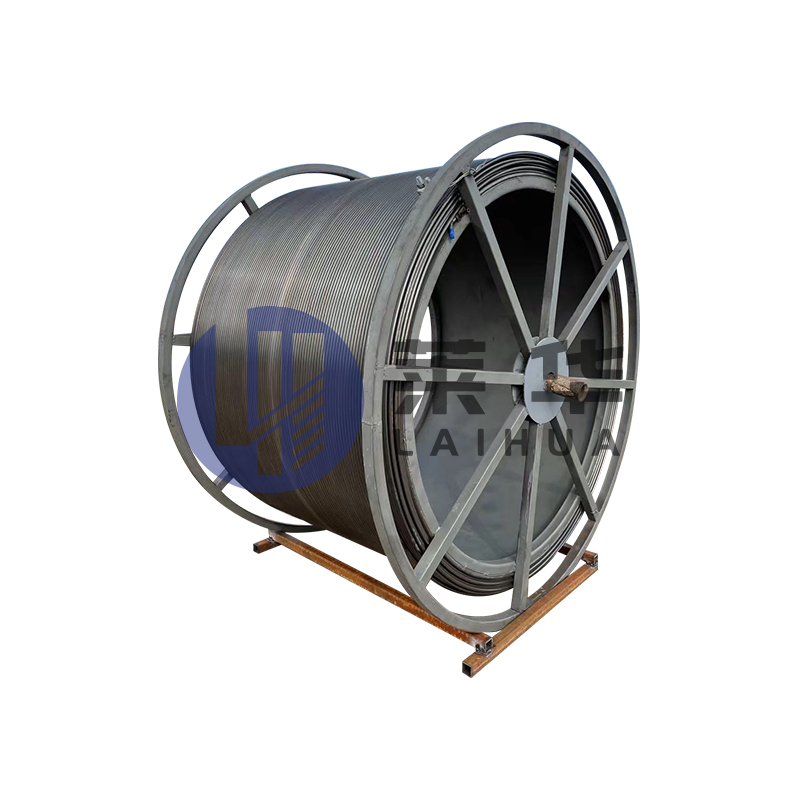
Continuous tubing, also known as flexible tubing or flexible tubing, is widely used in the fields of well workover, logging and drilling, etc. Its pro...
See Details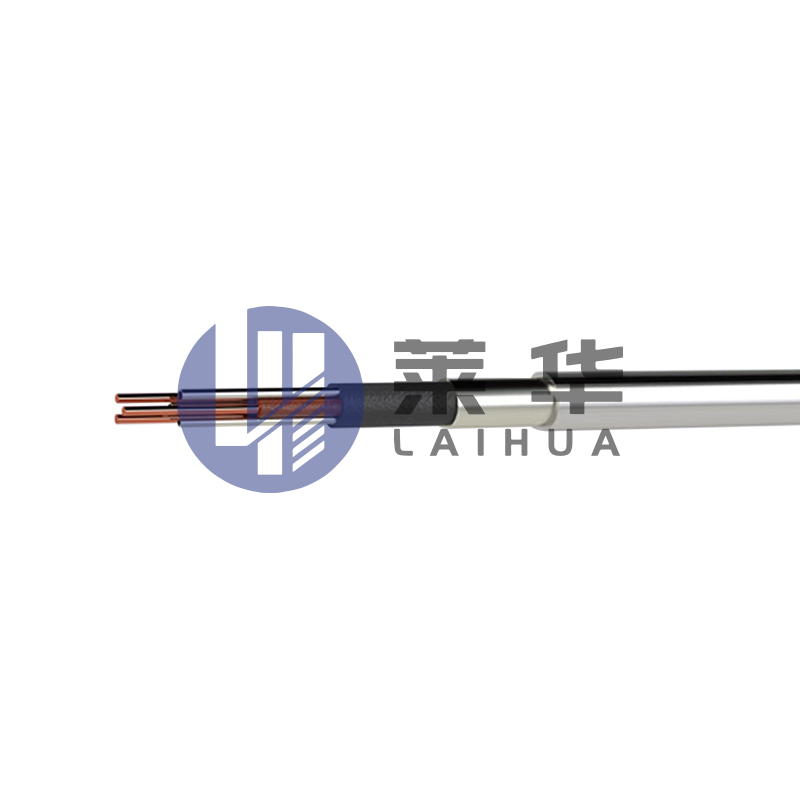
Purpose: The high-temperature testing cable, combined with the high-temperature testing vehicle, is mainly used in multi-parameter testing of heavy oi...
See Details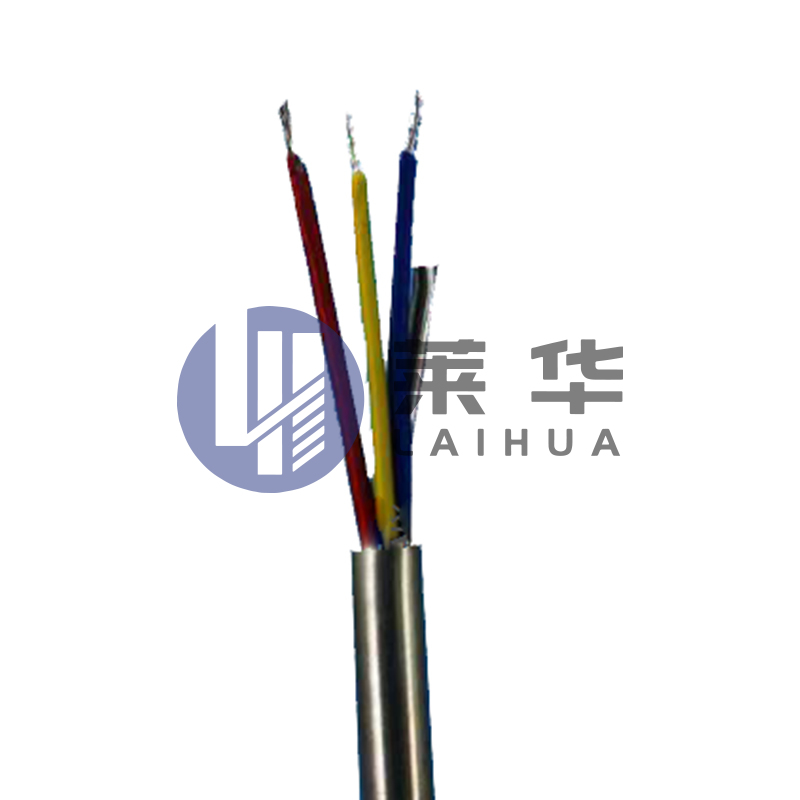
The Stainless Steel Fibre Optic Test Cable is a special test cable that combines the durability of stainless steel with the high transmission efficien...
See Details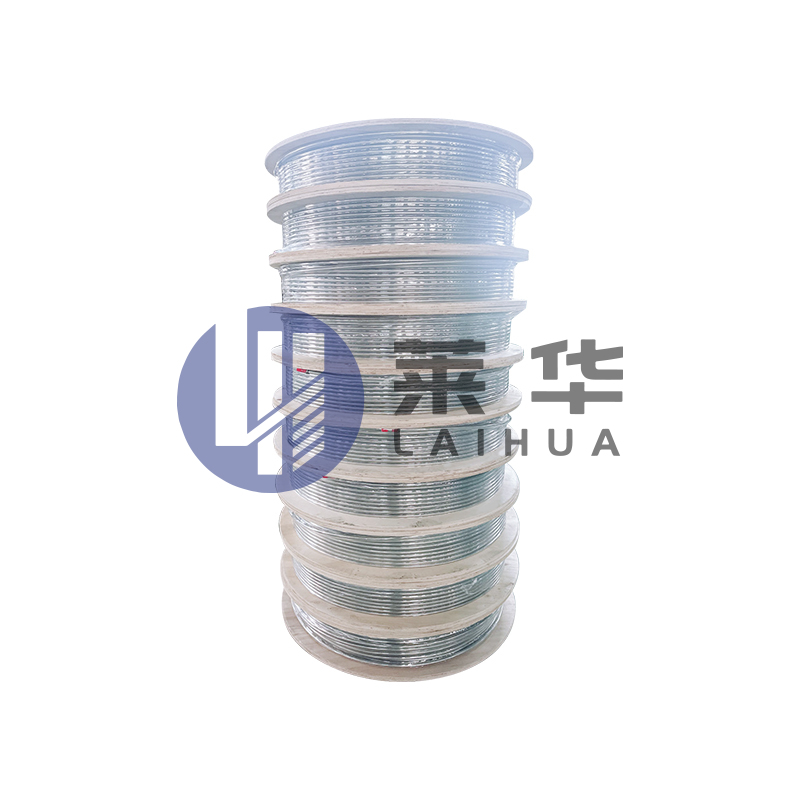
Instructions for the use of hydraulic control pipelines Hydraulic control pipeline, also known as capillary. Mainly used for underground capillary pre...
See Details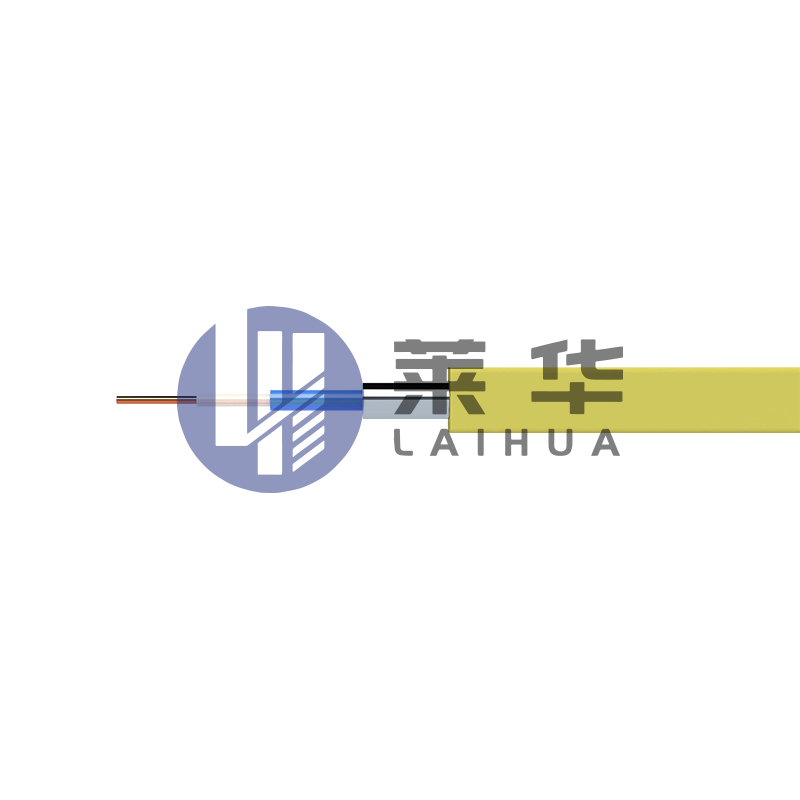
Stainless steel clad pipe is a piping system that combines the durability of stainless steel with the protection of plastic. This piping system is usu...
See Details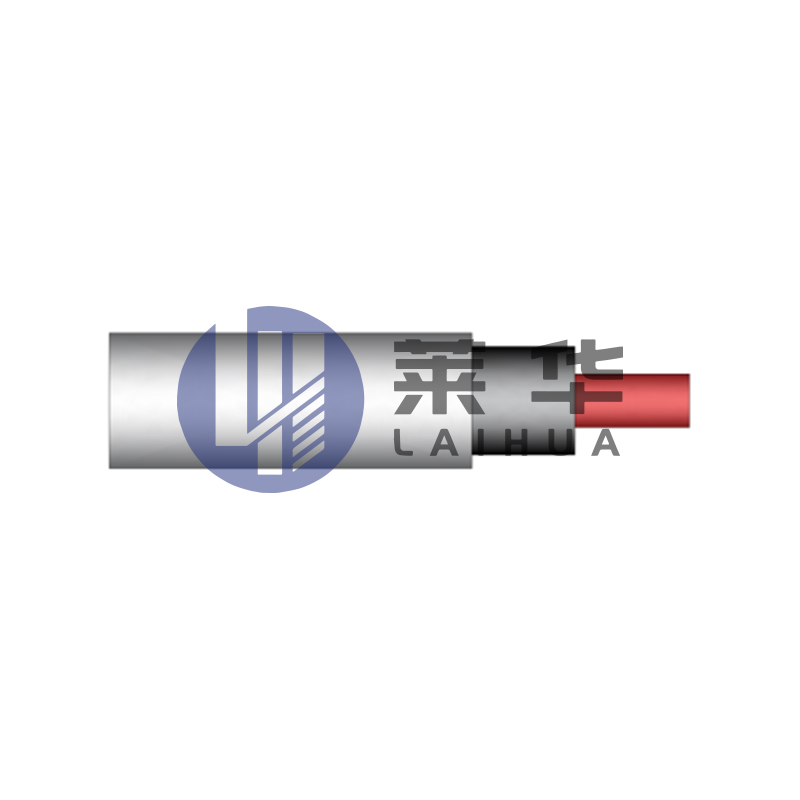
Application field:The electric induction heating system is a complete set of electric heating devices developed by our company specifically for heavy ...
See Details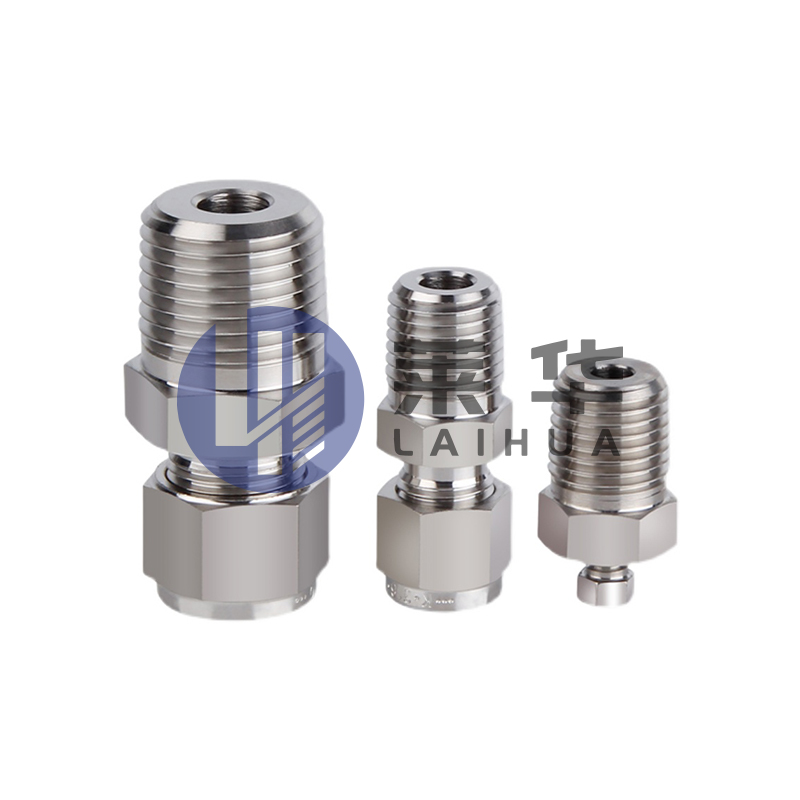
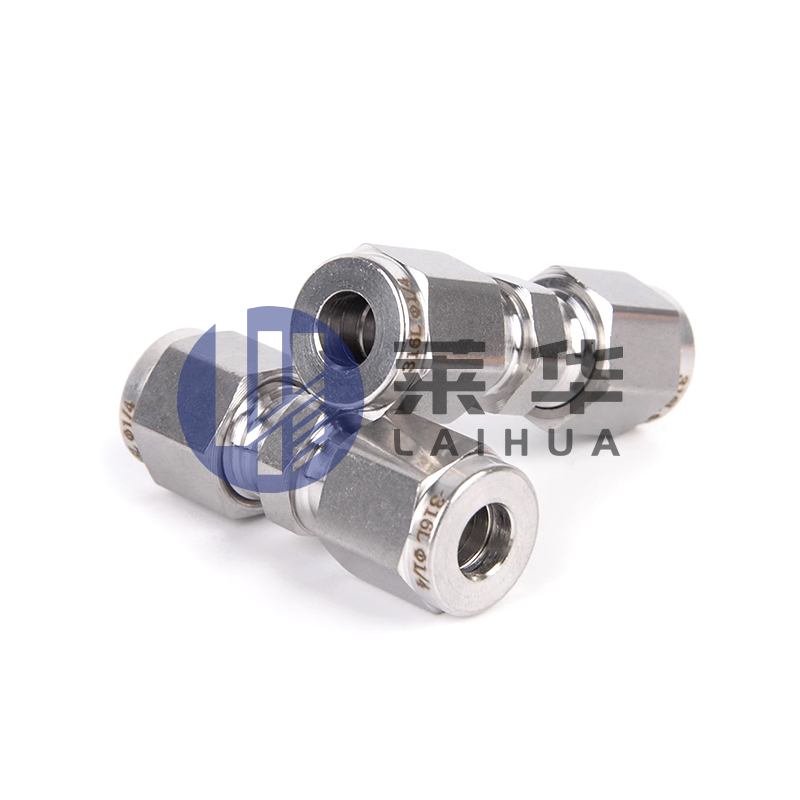
The ferrule type pipe joint consists of three parts: the joint body, ferrule, and nut. When the clamp and nut are inserted into the joint body on the ...
See Details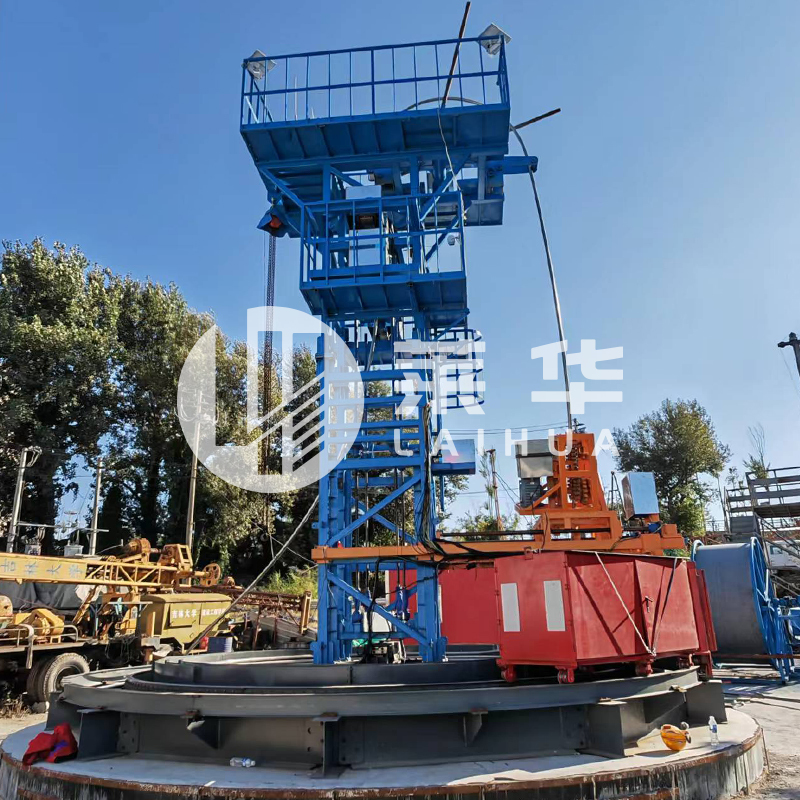
Continuous Tubing Skid Winch is a specially designed equipment for oilfield operations, which combines the design features of the Continuous Tubing Wo...
See Details
E-mail: [email protected]

Phone: +86-15996597000
+86-18252893456

Whatsapp: +86-18252874678

Address: No. 3 Xinyuan Road, Nanmo Town Industrial Park, Hai'an City, Nantong City, Jiangsu Province, China
QR code on
mobile phone



Contact Us