
 英语
英语 西班牙语
西班牙语 阿拉伯语
阿拉伯语Cat:Products
Continuous tubing, also known as flexible tubing or flexible tubing, is widely used in the fields of well workover, logging and drilling, etc. Its pro...
See Details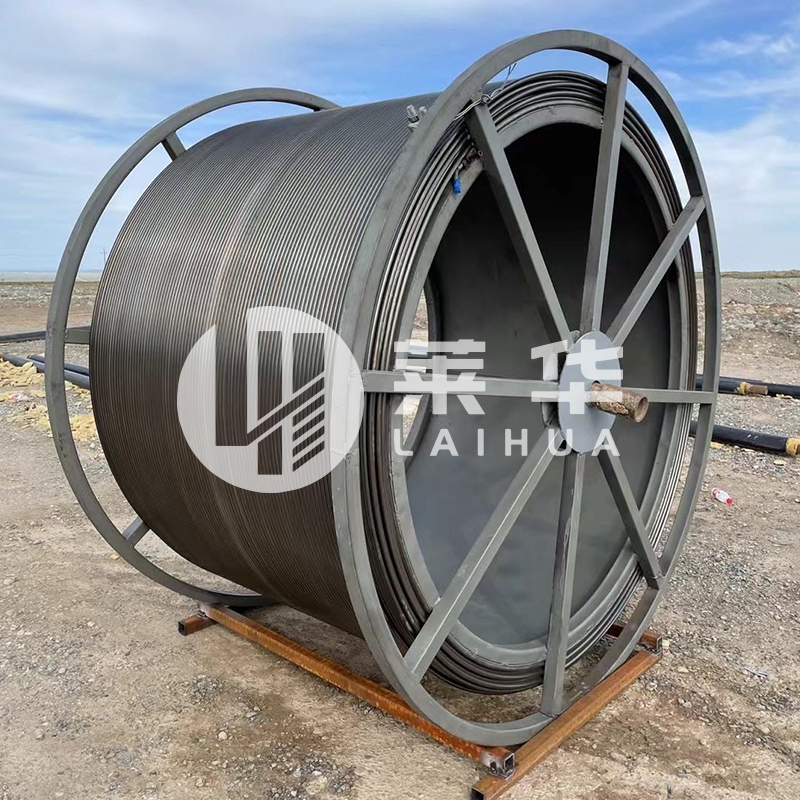
Content
Replacing a failed joint 3,000 meters underground costs far more than the pipe itself — in rig time, deferred production, and safety risk. That's the real reason stainless steel continuous oil pipes have displaced jointed pipe in demanding well operations over the past two decades. No couplings, no weak points, no leaks at the seams.
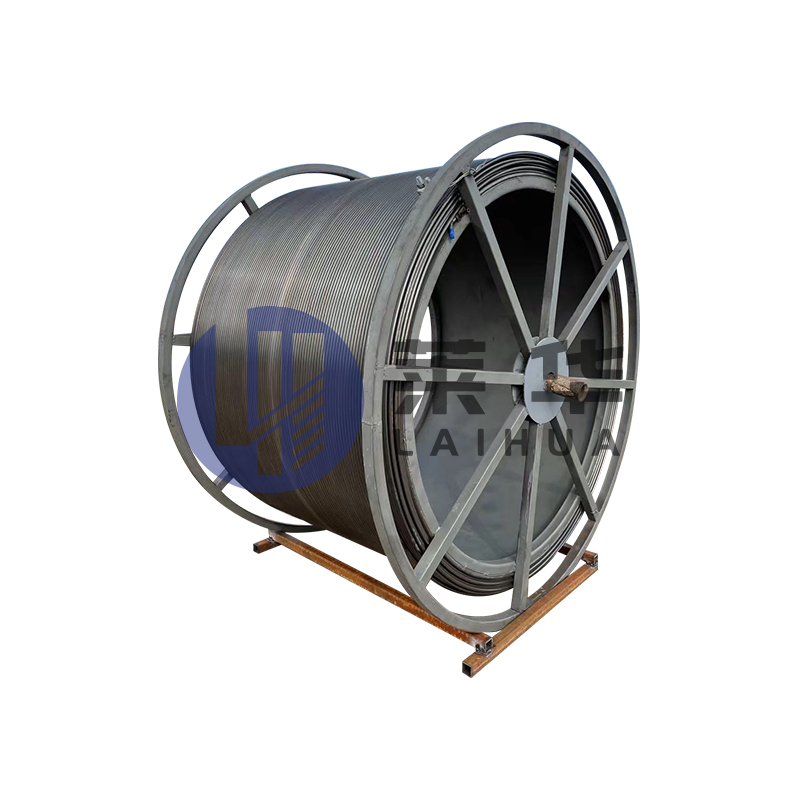
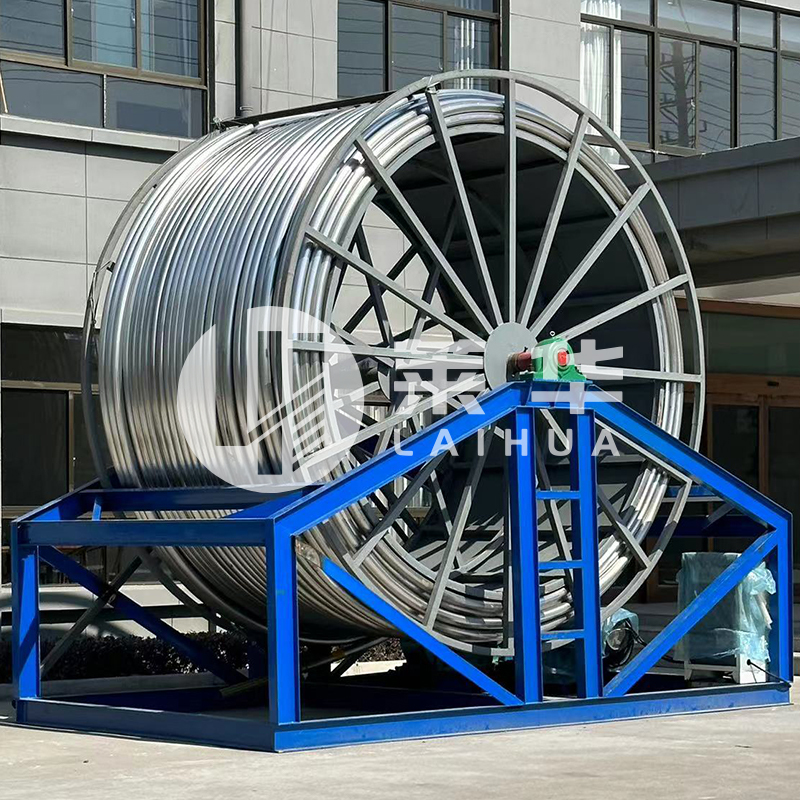
Stainless steel continuous oil pipes — also called stainless steel continuous flexible tubing oil pipes or coiled tubing — are manufactured as a single, seamless length wound onto a large reel. There are no threaded connections along the run, which eliminates the most common failure points found in conventional jointed pipe strings.
Because the pipe is continuous, it can be deployed and retrieved without stopping to make up or break out joints. For operations such as well workover, acidizing, logging, and horizontal drilling, this translates directly into hours saved per well. The tube enters the wellbore through an injector head and can be pumped with fluid simultaneously — a key advantage over wireline.
The technology was originally developed by only two U.S. companies. Chinese manufacturers began breaking into this space in 2008 and achieved full domestic production by 2010, significantly expanding global supply and making the product more accessible to operators across Asia, the Middle East, and beyond.
The wrong alloy in a corrosive or high-temperature wellbore fails silently — pitting from the inside out before any external sign appears. Grade selection is therefore the first and most consequential decision when specifying continuous oil tubing.
| Grade | Key Property | Typical Application |
|---|---|---|
| 304 | General corrosion resistance | Low-salinity, moderate-pressure wells |
| 316 / 316L | Molybdenum-enhanced pitting resistance | Offshore, chloride-rich environments |
| 2205 (Duplex) | High strength + stress-corrosion resistance | Sour gas, H₂S-containing wells |
| 2507 (Super Duplex) | Highest corrosion resistance, superior strength | Deep offshore, ultra-high-pressure |
| Incoloy 825 / 625 | Extreme corrosion + heat resistance | High-temperature, highly aggressive fluids |
For most land-based workover operations, 316L strikes the best balance between cost and performance. When hydrogen sulfide is present, duplex grades (2205 or 2507) are preferred because standard austenitic steels are susceptible to sulfide stress cracking under tension. If a well produces at temperatures above 200°C with acidic brine, Incoloy 825 or 625 becomes the practical choice despite the premium cost.
Operators sourcing stainless steel continuous flexible tubing oil pipes should nail down four parameters before requesting a quote:
Most reputable manufacturers allow full customization of grade and dimensions. If a standard size does not match the well profile, a custom specification can typically be arranged with a minimum order quantity.
Stainless continuous tubing earns its place on a rig because it handles multiple jobs that would otherwise require separate equipment runs:
Downhole conditions are never static. Injection rates shift, reservoir pressure varies, and thermal cycling occurs every time a well is shut in and brought back online. Stainless steel handles this better than most alternatives for two structural reasons.
First, the alloy's elasticity allows controlled expansion and contraction under pressure without plastic deformation — as long as the operating pressure stays within the specified working range. Second, the seamless design means there is no localized stress concentration at couplings where fatigue cracks typically initiate in jointed strings.
That said, continuous tubing accumulates fatigue cycles with each deployment. Tracking the number of trips in and out of a well, plus the cumulative bending cycles through the injector arch, is essential maintenance practice. Most operators work with the manufacturer to define a safe cycle limit based on wall thickness, OD, and operating pressure.
A credible manufacturer will provide test documentation alongside every reel. At minimum, request the following before accepting shipment:
Manufacturers with in-house quality inspection centers — including 300 MPa hydraulic test benches and spectrometric analysis — can produce this documentation without relying on third-party labs, which reduces lead time and traceability gaps. The stainless steel coil and control pipeline product range operates under the same quality framework, useful when a single supplier covers both wellhead control lines and production tubing in one order.
Continuous oil tubing is not a commodity purchase. The cost difference between a well-specified reel and a marginal one shows up in fatigue life, not in the purchase order. Specify the grade first based on the corrosion environment, then work outward to OD, wall thickness, and length. Verify that the supplier can provide full traceability documentation, and confirm that pressure test protocols meet or exceed the well's maximum anticipated treating pressure.
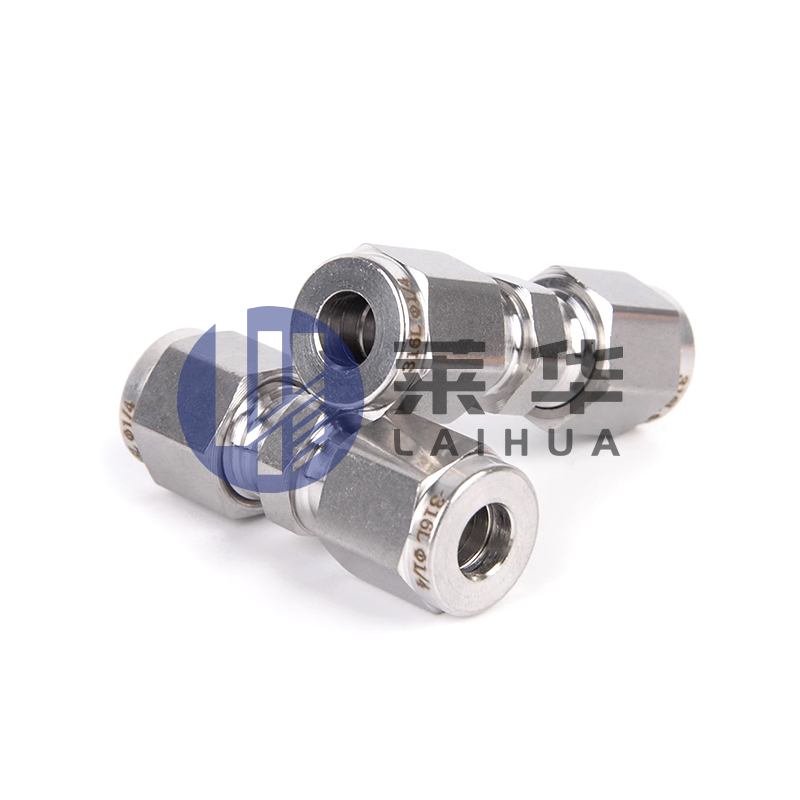
For operations that combine production tubing, downhole testing, and wellbore heating in a single well system, sourcing all components — continuous pipe, armored cable, control lines, and high-integrity stainless steel ferrule joints — from one qualified manufacturer simplifies quality assurance and reduces interface risk between components.
Continuous tubing, also known as flexible tubing or flexible tubing, is widely used in the fields of well workover, logging and drilling, etc. Its pro...
See Details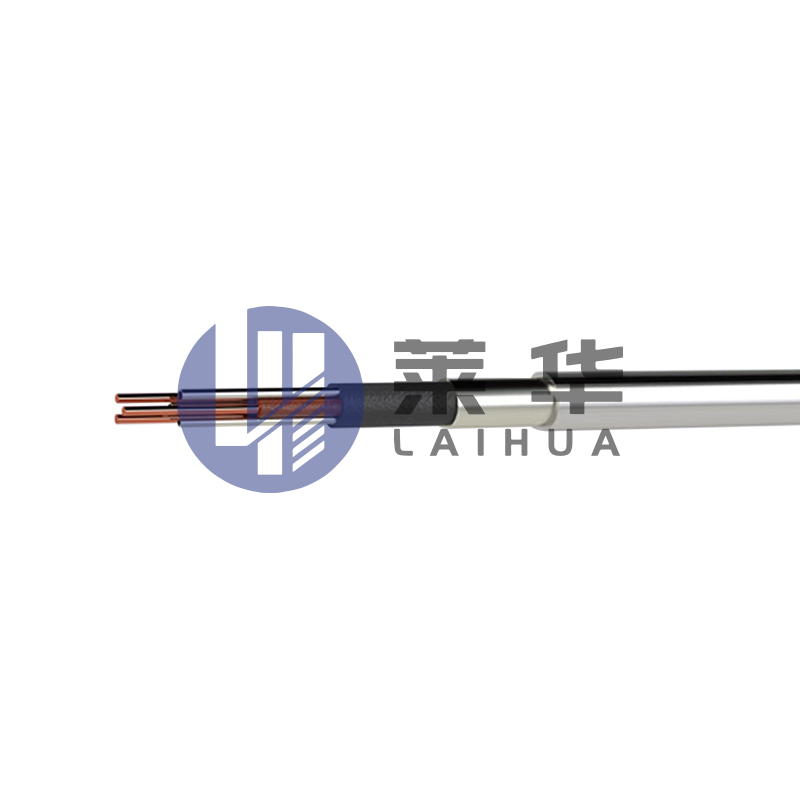
Purpose: The high-temperature testing cable, combined with the high-temperature testing vehicle, is mainly used in multi-parameter testing of heavy oi...
See Details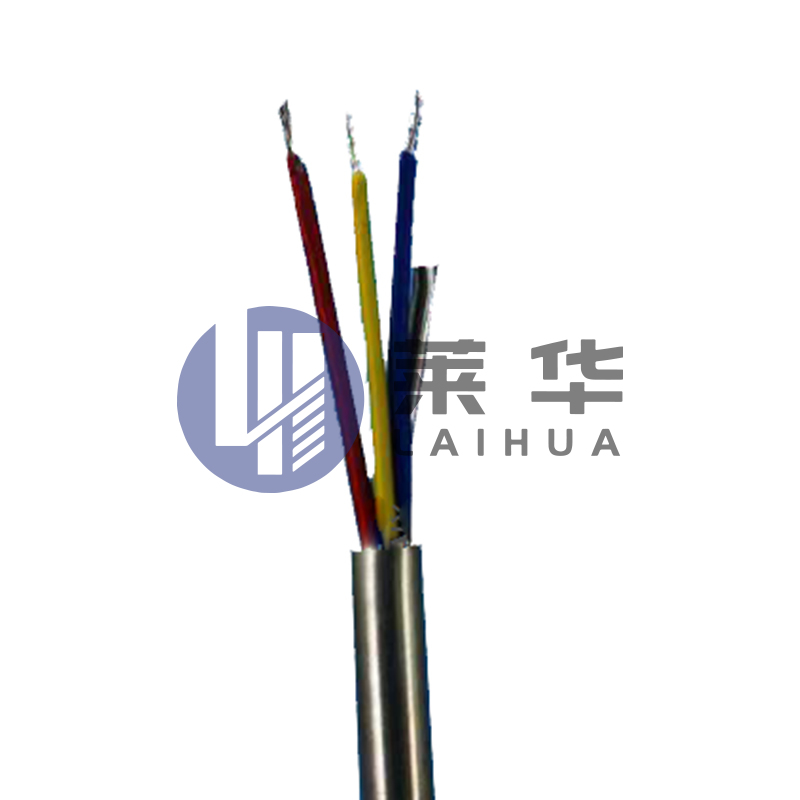
The Stainless Steel Fibre Optic Test Cable is a special test cable that combines the durability of stainless steel with the high transmission efficien...
See Details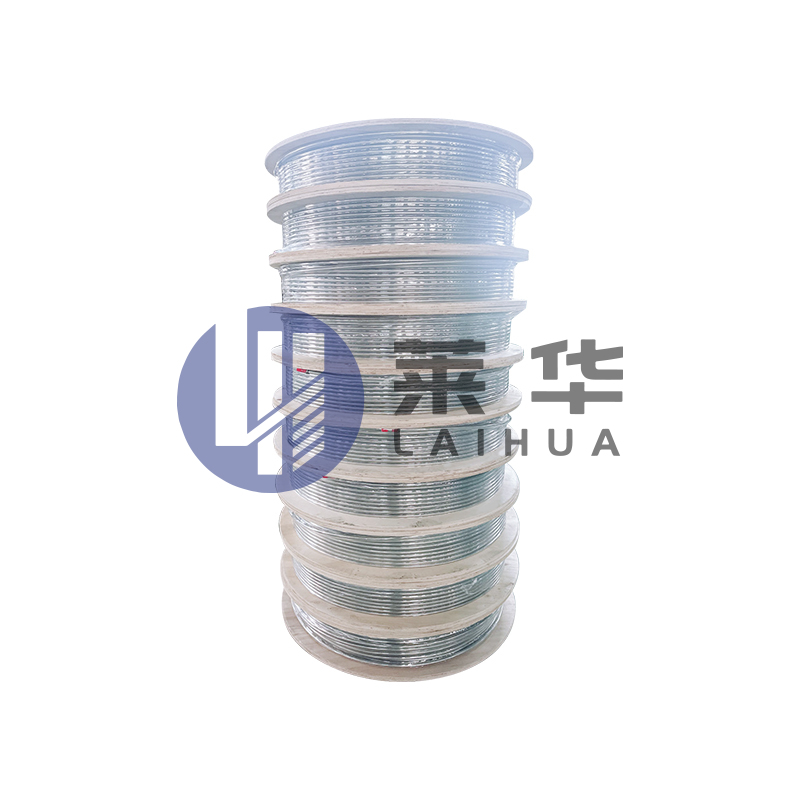
Instructions for the use of hydraulic control pipelines Hydraulic control pipeline, also known as capillary. Mainly used for underground capillary pre...
See Details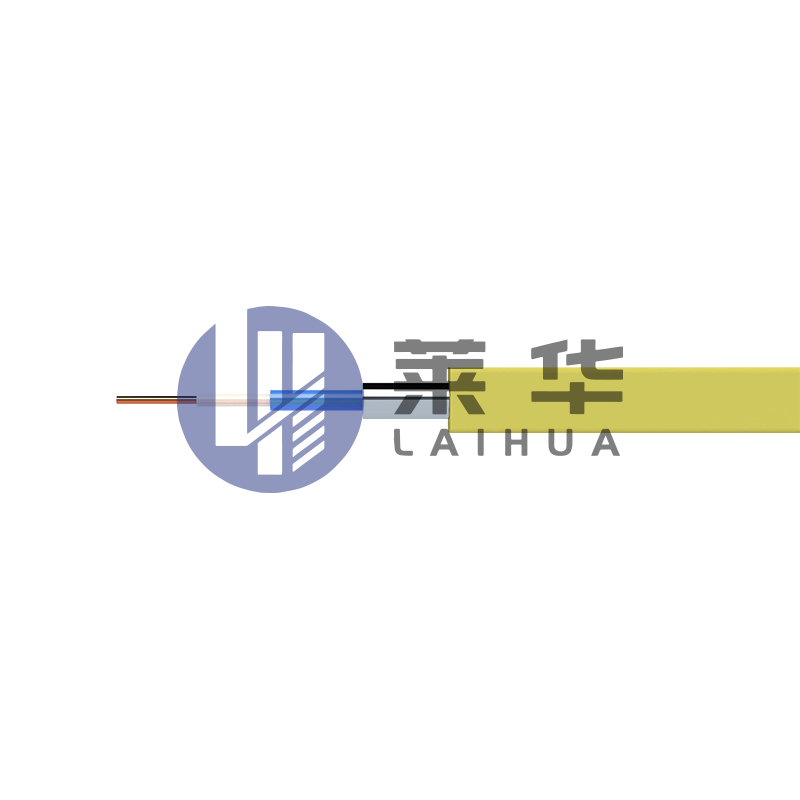
Stainless steel clad pipe is a piping system that combines the durability of stainless steel with the protection of plastic. This piping system is usu...
See Details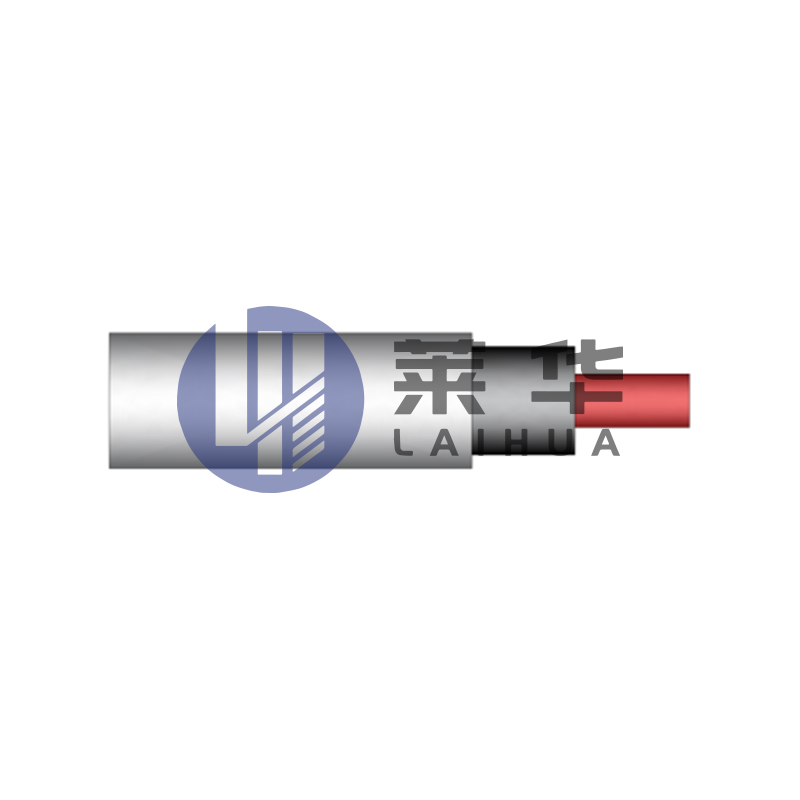
Application field:The electric induction heating system is a complete set of electric heating devices developed by our company specifically for heavy ...
See Details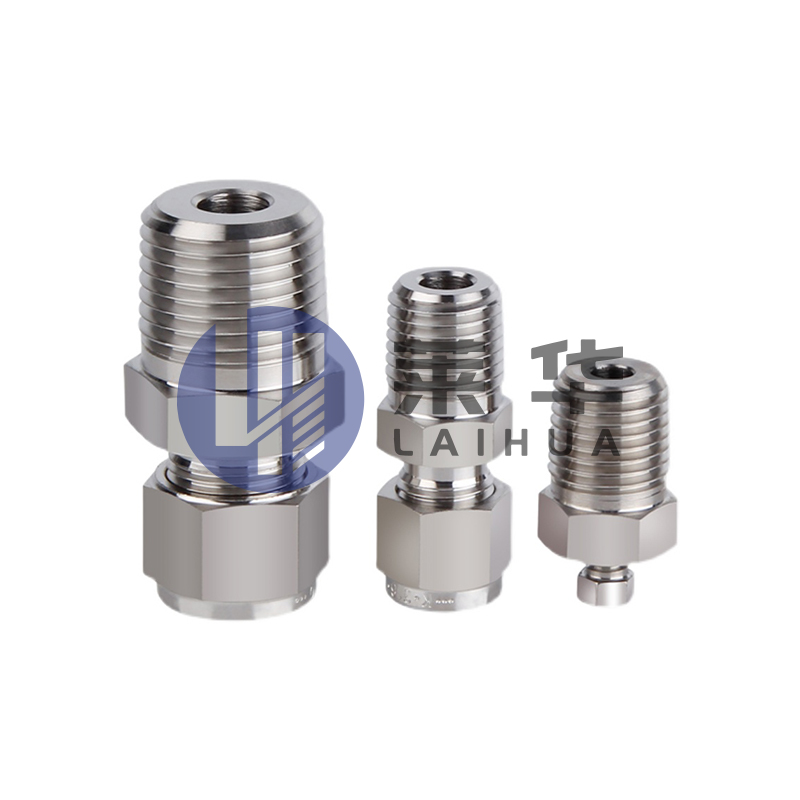
The ferrule type pipe joint consists of three parts: the joint body, ferrule, and nut. When the clamp and nut are inserted into the joint body on the ...
See Details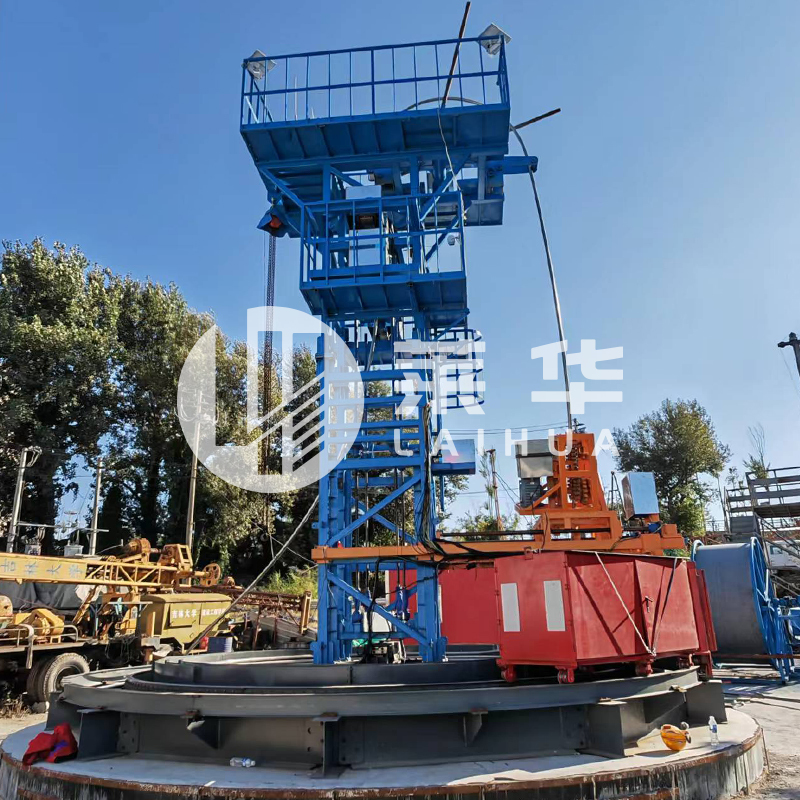
Continuous Tubing Skid Winch is a specially designed equipment for oilfield operations, which combines the design features of the Continuous Tubing Wo...
See Details
E-mail: [email protected]

Phone: +86-15996597000
+86-18252893456

Whatsapp: +86-18252874678

Address: No. 3 Xinyuan Road, Nanmo Town Industrial Park, Hai'an City, Nantong City, Jiangsu Province, China
QR code on
mobile phone



Contact Us