
 英语
英语 西班牙语
西班牙语 阿拉伯语
阿拉伯语
Cat:Products
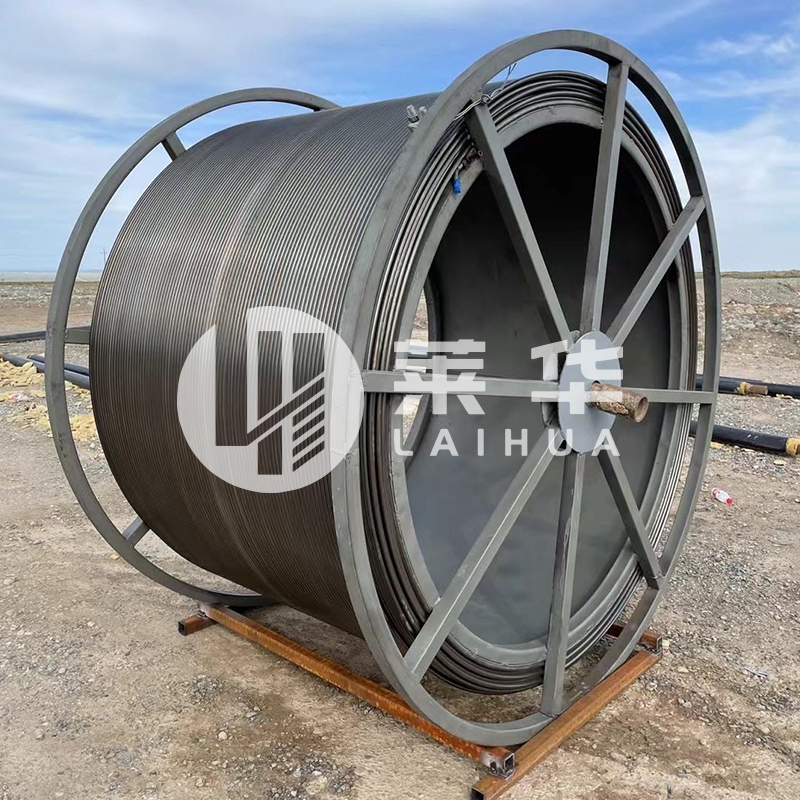
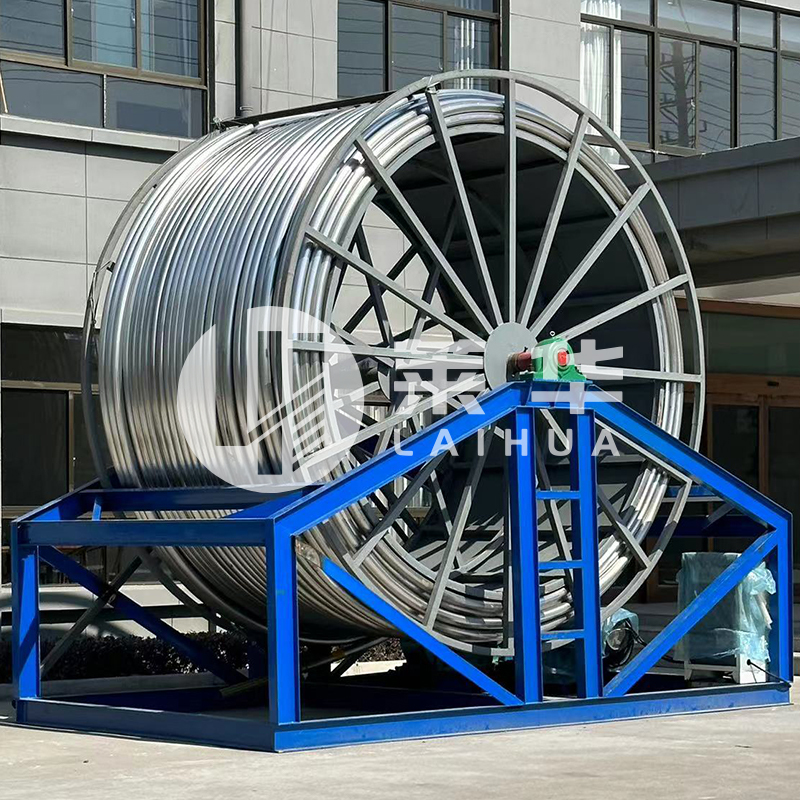
Continuous tubing, also known as flexible tubing or flexible tubing, is widely used in the fields of well workover, logging and drilling, etc. Its pro...
See Details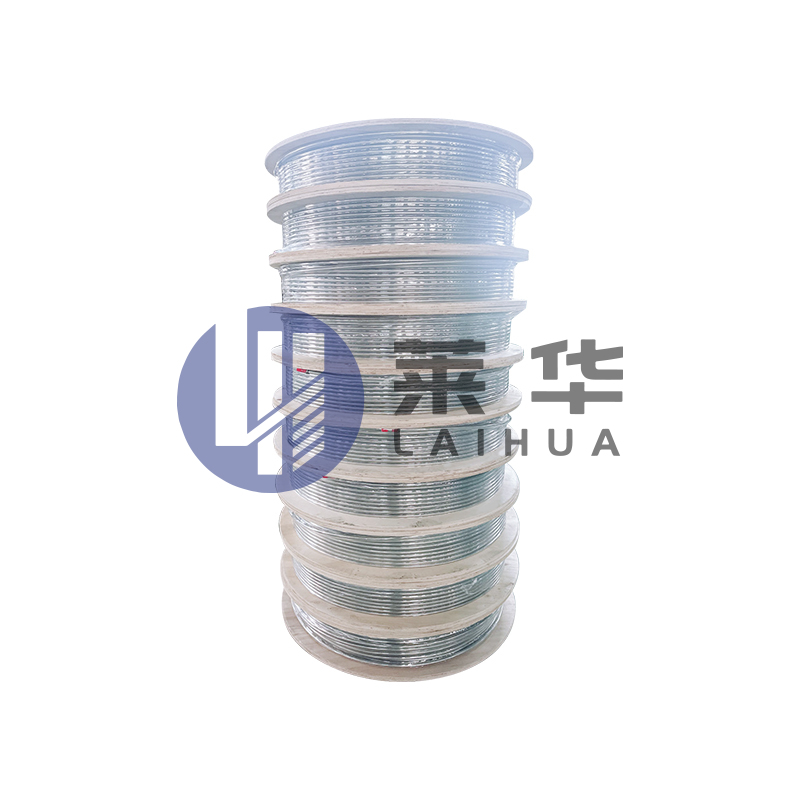
Content
In 2025, global stainless steel production exceeded 60 million metric tons, with coil-form products making up over 40% of downstream processing. This material backbone supports everything from subsea umbilicals to pharmaceutical heat exchangers. Specifying the right stainless steel coil means balancing corrosion resistance, mechanical strength, and formability across hundreds of grade and finish combinations.
Grade selection starts with the environment. Austenitic grades such as 304 and 316 dominate due to their excellent formability and weldability. 304L and 316L, with lower carbon content, reduce the risk of intergranular corrosion after welding—critical for pressure vessels and chemical tanks. For chloride-rich or marine conditions, 316L with 2–3% molybdenum delivers pitting resistance that 304 simply cannot match. Beyond the basics, 321 (titanium-stabilized) handles high-temperature oxidation up to 870°C, while 904L and duplex 2205 serve aggressive acid and high-strength applications.
Surface finish often dictates long-term performance. A No. 2B mill finish costs less but provides only moderate corrosion resistance. No. 4 brushed or BA (bright annealed) finishes improve cleanability in food and pharmaceutical lines. For offshore and chemical environments, a No. 2D or pickled finish removes scale and enhances passivation. Coil width tolerances, thickness (typically 0.3 mm to 12 mm), and edge condition (slit, mill edge) must match the downstream forming process—stamping, roll forming, or tube welding.
Coil selection fails when specifications ignore the interplay of mechanical and chemical factors. Ultimate tensile strength, yield strength, and elongation dramatically affect how the material behaves during bending, deep drawing, or hydroforming. Austenitic 304 typically provides 515 MPa tensile and 205 MPa yield at 40% elongation, offering a forgiving forming window. Duplex grades like 2205 push yield above 450 MPa, enabling thinner walls in structural applications but requiring higher press tonnage.
Corrosion resistance isn’t a single metric. The PREN (Pitting Resistance Equivalent Number = %Cr + 3.3×%Mo + 16×%N) offers a quick ranking. 316L with a PREN around 24 outperforms 304 (PREN ~18) in coastal exposure. For offshore platforms and chemical processing plants, a PREN above 40 (common in super duplex and 6% moly grades) is often mandatory to prevent crevice corrosion. Temperature further complicates the picture. Prolonged exposure above 500°C can induce sigma phase embrittlement in duplex steels, while austenitics retain toughness down to cryogenic temperatures.
Fatigue life and thermal expansion also drive choices. Coils used in flexible flowlines or vibrating equipment racks must pass rigorous fatigue testing. The coefficient of thermal expansion—roughly 17.3 µm/m°C for 304—affects joint design, especially when connecting to carbon steel structures.
Oil and gas extraction consumes vast quantities of stainless steel coil in control lines, chemical injection lines, and downhole safety valve systems. Stainless steel coil and control pipeline assemblies rely on 316L or duplex for their corrosion resistance under high-pressure H₂S and CO₂ conditions. In chemical processing, coiled tubes appear in reactors, heat exchangers, and distillation columns where seamless, long-length coils reduce the number of leak-prone welded joints.
Manufacturing and construction sectors demand coil for automotive exhaust systems, architectural cladding, and kitchen equipment. The cleanability and aesthetic consistency of No. 4 finish coils make them a staple in commercial food service. In precision electronics, thin-gauge 301 or 304 coil forms spring contacts and battery components, where exact temper specifications (1/4 hard, 1/2 hard, full hard) control spring-back behavior.
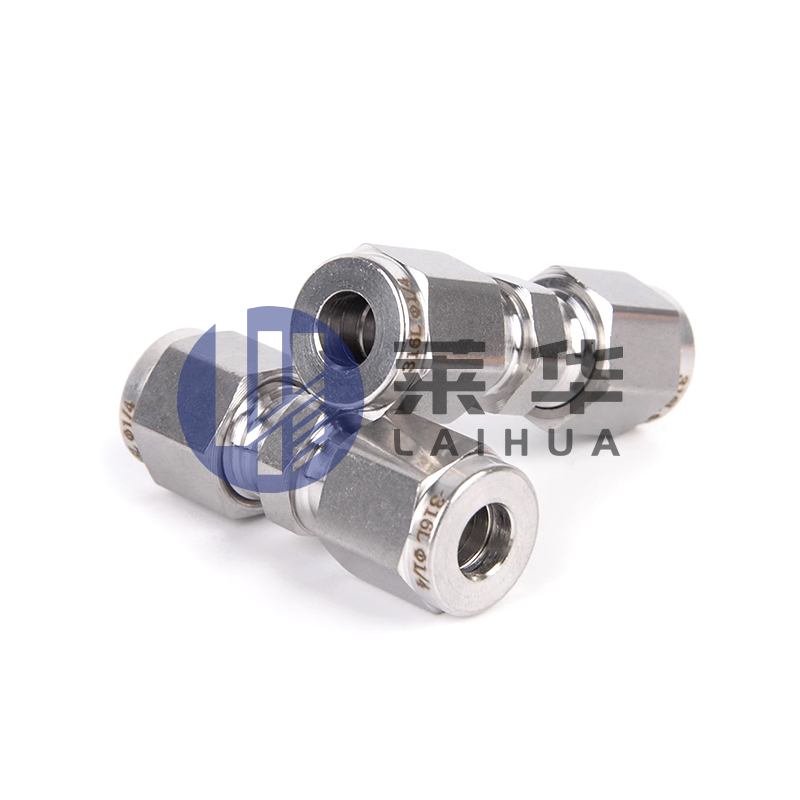
Connection technology often becomes the weak link. Compression fittings such as stainless steel ferrule joints provide reliable, vibration-resistant connections in hydraulic and pneumatic lines. Proper ferrule joint design ensures that the coil ends do not compromise system integrity, especially in pulsating flow applications.
Requesting a coil with only an ASTM designation—A240 for sheet, A269 for welded tubing—is insufficient. Buyers should demand full mill test reports (MTRs) showing heat chemistry, mechanical properties, and any supplementary testing (intergranular corrosion per ASTM A262, ultrasonic examination, eddy current). Specify whether the coil is welded or seamless, annealing condition, and permissible inclusion levels. For critical service, third-party inspection during slitting and recoiling reduces the risk of edge cracking or thickness variation.
Lead times for non-standard grades and finishes have stretched following the 2023–2025 supply chain realignments. Domestic and regional mill partnerships often provide more predictable delivery than long-distance sourcing, especially for wide, thin-gauge coils prone to transport damage. Material traceability—from heat number to final coil ID—protects against counterfeit or off-spec material, a growing concern in high-value projects.
When evaluating suppliers, compare not just base material cost but total acquisition cost: scrap rates during forming, surface defects requiring rework, and post-weld treatment expenses. A slightly higher upfront coil price frequently translates to lower overall project cost when reject rates drop from 5% to under 1%.
The table below summarizes common stainless steel coil grades and their selection drivers.
| Grade | Key Alloy Additions | PREN (approx.) | Max Service Temp (°C) | Typical Coil Uses |
|---|---|---|---|---|
| 304/304L | 18Cr, 8Ni | 18–20 | 870 | Architectural panels, food equipment, general tubing |
| 316/316L | 16Cr, 10Ni, 2Mo | 23–28 | 870 | Marine hardware, chemical processing, oil & gas control lines |
| 321 | 17Cr, 9Ni, Ti | 18–20 | 870 | Exhaust systems, thermal oxidizers, high-temperature ducting |
| 904L | 20Cr, 25Ni, 4.5Mo, Cu | 34–36 | 400 | Sulfuric acid service, offshore platforms, seawater cooling |
| Duplex 2205 | 22Cr, 5Ni, 3Mo, N | 34–36 | 300 | Pressure vessels, heat exchangers, structural components in corrosive media |
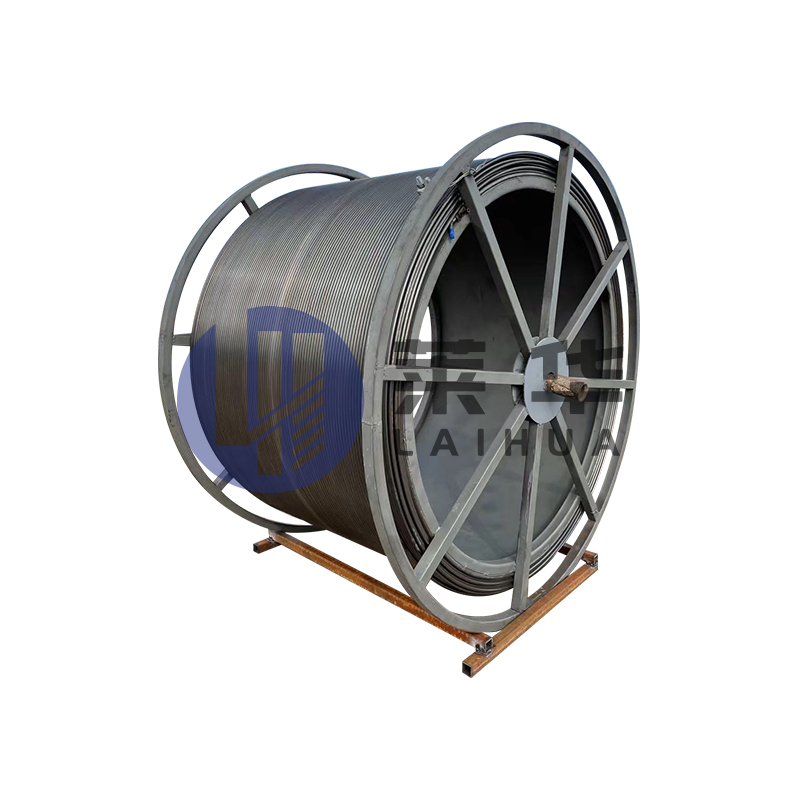
Continuous tubing, also known as flexible tubing or flexible tubing, is widely used in the fields of well workover, logging and drilling, etc. Its pro...
See Details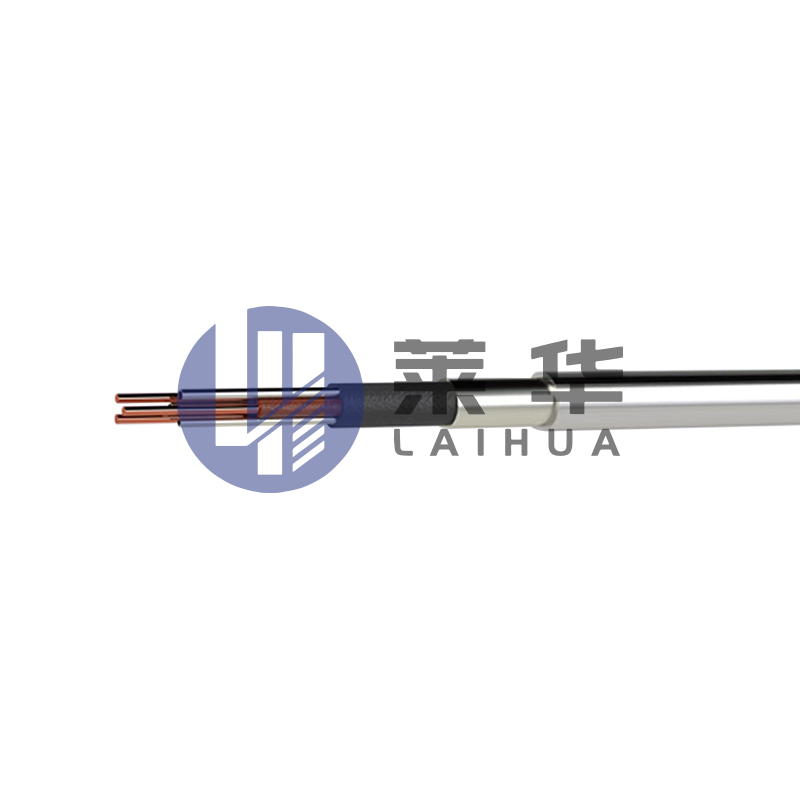
Purpose: The high-temperature testing cable, combined with the high-temperature testing vehicle, is mainly used in multi-parameter testing of heavy oi...
See Details
The Stainless Steel Fibre Optic Test Cable is a special test cable that combines the durability of stainless steel with the high transmission efficien...
See Details
Instructions for the use of hydraulic control pipelines Hydraulic control pipeline, also known as capillary. Mainly used for underground capillary pre...
See Details
Stainless steel clad pipe is a piping system that combines the durability of stainless steel with the protection of plastic. This piping system is usu...
See Details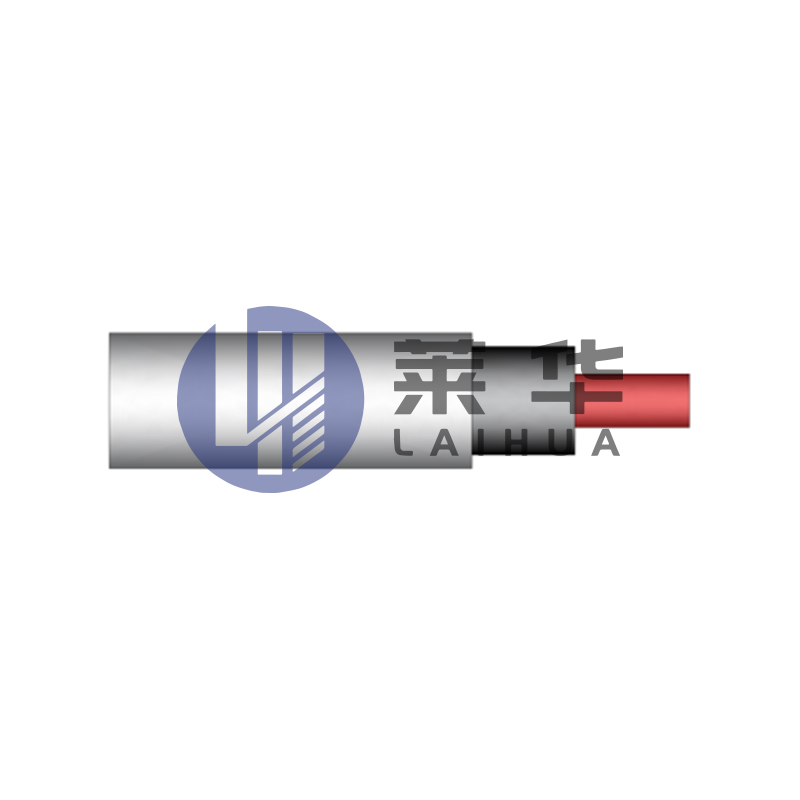
Application field:The electric induction heating system is a complete set of electric heating devices developed by our company specifically for heavy ...
See Details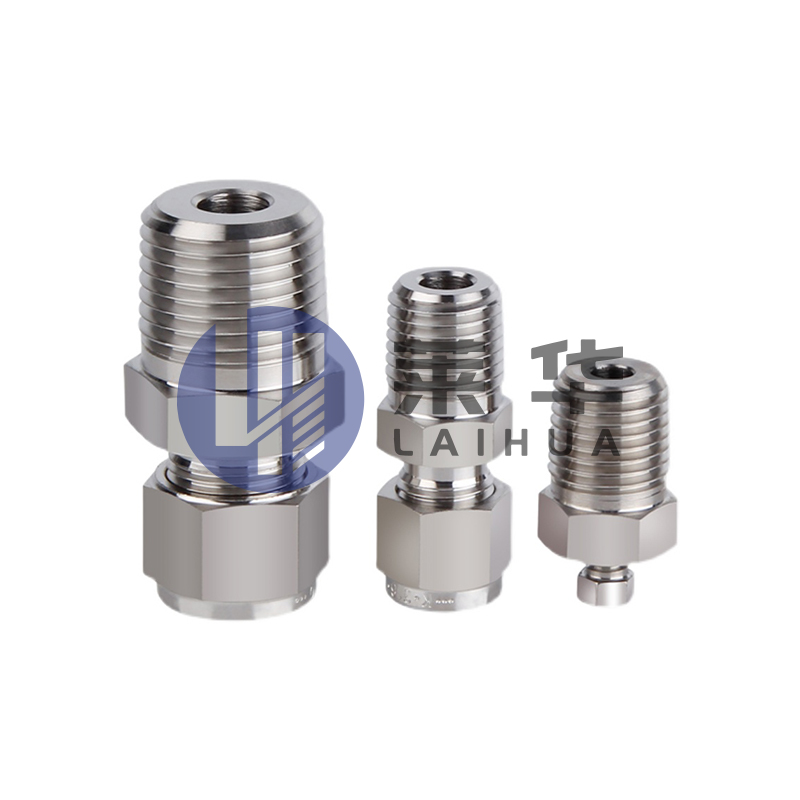
The ferrule type pipe joint consists of three parts: the joint body, ferrule, and nut. When the clamp and nut are inserted into the joint body on the ...
See Details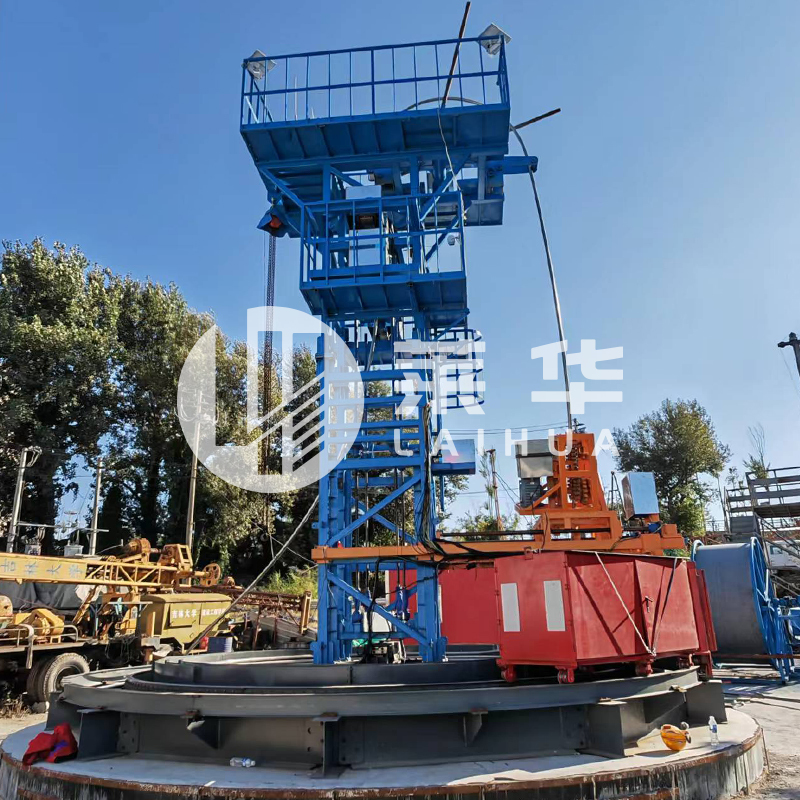
Continuous Tubing Skid Winch is a specially designed equipment for oilfield operations, which combines the design features of the Continuous Tubing Wo...
See Details
E-mail: [email protected]

Phone: +86-15996597000
+86-18252893456

Whatsapp: +86-18252874678

Address: No. 3 Xinyuan Road, Nanmo Town Industrial Park, Hai'an City, Nantong City, Jiangsu Province, China
QR code on
mobile phone



Contact Us