
 英语
英语 西班牙语
西班牙语 阿拉伯语
阿拉伯语Cat:Products
Continuous tubing, also known as flexible tubing or flexible tubing, is widely used in the fields of well workover, logging and drilling, etc. Its pro...
See Details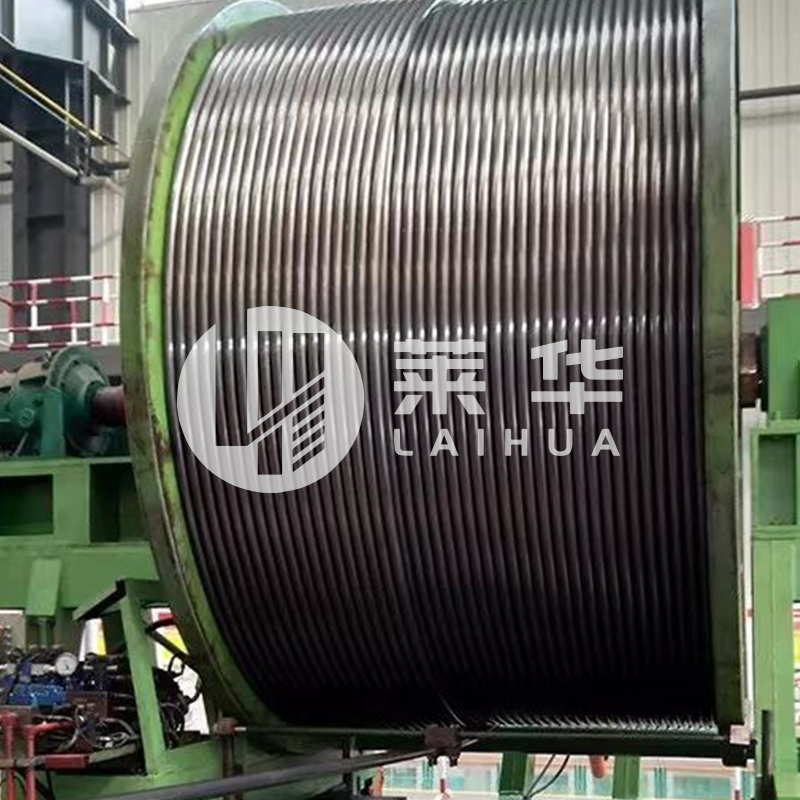
Content
Most well intervention jobs that once demanded a full workover rig now run on a single reel of continuous tubing — and the grade of stainless steel that reel is made from determines whether the job goes smoothly or fails downhole. Choosing the right stainless steel continuous oil pipe comes down to material grade, wall thickness, pressure rating, and length. This guide walks through each factor so you can specify with confidence.
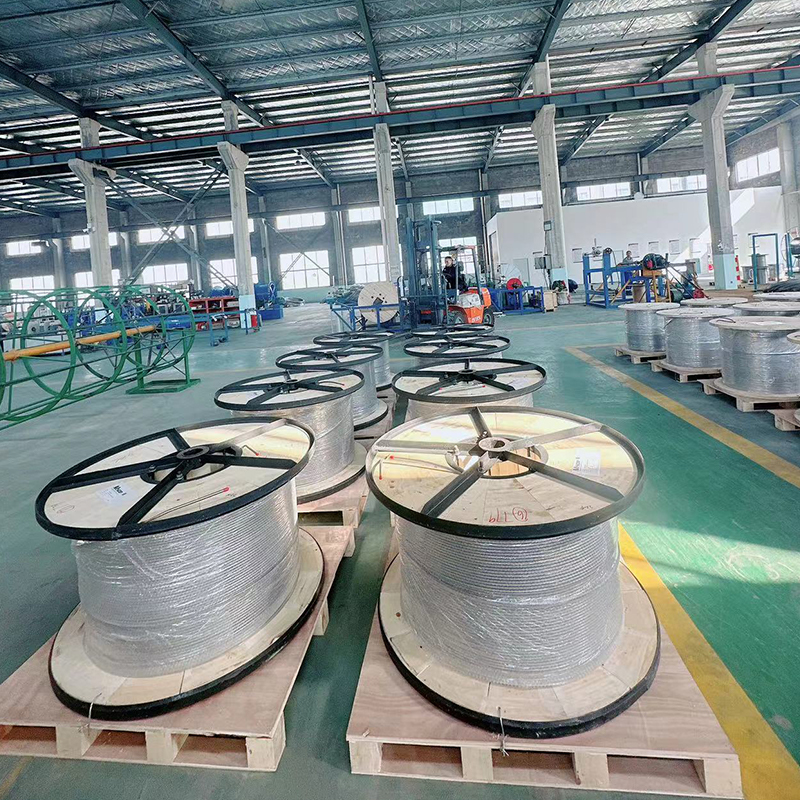
A stainless steel continuous oil pipe — also called continuous flexible tubing or coiled tubing — is a single, seamless length of steel tube wound onto a large reel, ranging from 500 m to 10,000 m per spool. Unlike jointed pipe, it enters the wellbore without stopping to make connections. That single structural feature eliminates leak points, cuts rig-up time from days to hours, and allows operations on live pressurized wells without killing the well first.
The technology was once exclusively produced by two U.S. companies and heavily imported by the rest of the world. Today it is manufactured domestically in China to meet the same performance benchmarks, with key specifications independently verified by the China National Petroleum Corporation Oil Pipe Supervision and Inspection Center.
Grade selection is the most consequential decision in specifying continuous oil pipe. The wrong material corrodes prematurely; the right one lasts the life of the well.
| Grade | Key Property | Typical Application |
|---|---|---|
| 304 | General corrosion resistance | Low-chloride, moderate-temperature environments |
| 316 / 316L | Molybdenum addition; superior chloride resistance | Offshore wells, saline formations, chemical injection |
| 2205 Duplex | High strength + corrosion resistance | High-pressure sour gas wells |
| 2507 Super Duplex | Exceptional pitting resistance | Deep offshore, ultra-high-chloride environments |
| Incoloy 825 / 625 | Nickel-based; resists H₂S and CO₂ | Highly corrosive sour service, high-temperature wells |
For most onshore workover and logging operations, 316L is the standard choice — the low-carbon variant resists sensitization after welding and handles chloride-rich produced water reliably. Step up to duplex or super duplex when H₂S partial pressures or chloride concentrations are elevated.
Standard production ranges for stainless steel continuous oil pipe are as follows:
All parameters can be customized. Wall thickness is the primary lever for pressure rating — a thicker wall tolerates higher internal pressure but adds reel weight and reduces flexibility. Most operators running workover or logging applications in the 3,000–6,000 m depth range use 1″ to 2″ OD pipe with wall thickness of 1.0–2.0 mm.
The operational case for continuous tubing is strongest in four scenarios:
For complementary downhole control functions, stainless steel coil and control pipelines (hydraulic capillary lines) are often deployed alongside continuous oil pipe to actuate subsurface safety valves and chemical injection systems.
A pipe rated to 120 MPa does not get there by material grade alone. Four manufacturing factors combine to achieve that rating:
Continuous tubing accumulates fatigue cycles each time it is spooled on or off the reel. Three practices extend service life significantly. First, never exceed the minimum bend radius specified for the pipe's OD and wall thickness — forcing a tighter bend causes plastic deformation that nucleates fatigue cracks. Second, track cumulative cycle count per spool; retire tubing before it reaches the manufacturer's fatigue life limit for your operating pressure. Third, inspect the reel flanges and gooseneck guides for wear, since abrasion at these contact points is the most common cause of early-life tube failure.
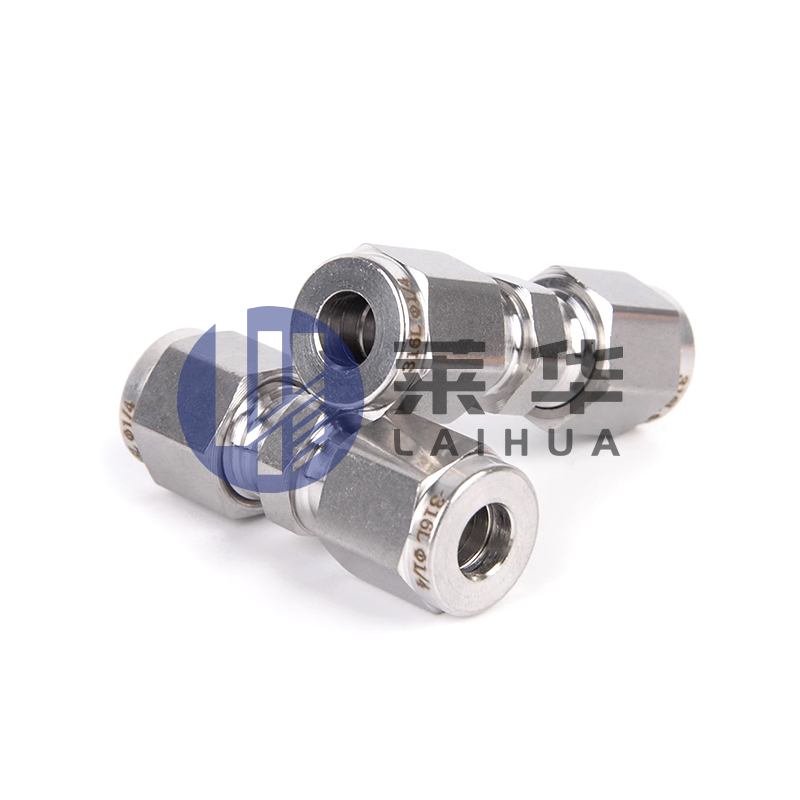
For secure, leak-free terminations at the wellhead or surface equipment, stainless steel ferrule joints provide compression-type sealing that withstands vibration and pressure cycling without thread engagement — a reliable choice at the critical connection point between tubing and surface hardware.
Beyond material certifications, three supplier capabilities matter most. First, spool length: a supplier limited to 2,000 m spools forces a mid-well connection on deep jobs. Look for capacity up to 10,000 m. Second, grade flexibility: oilfield applications change; a supplier who stocks and processes 316L, duplex, and Incoloy grades can respond when your formation analysis changes. Third, traceable quality records: each spool should be accompanied by material test reports (MTRs), hydrostatic test data, and eddy-current flaw detection results, not just a mill certificate. These documents matter during regulatory review and incident investigation.
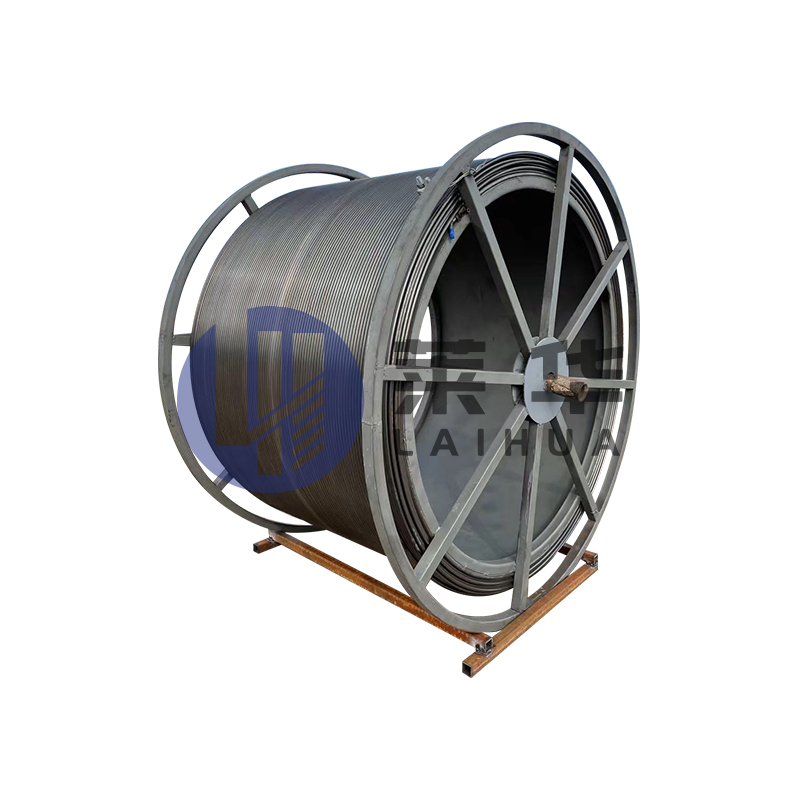
Continuous tubing, also known as flexible tubing or flexible tubing, is widely used in the fields of well workover, logging and drilling, etc. Its pro...
See Details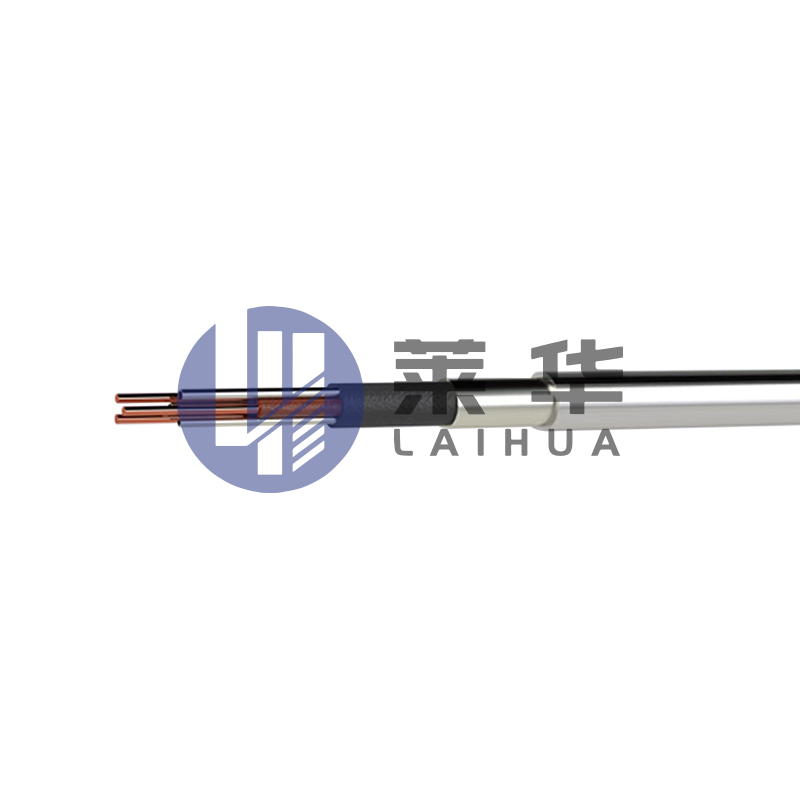
Purpose: The high-temperature testing cable, combined with the high-temperature testing vehicle, is mainly used in multi-parameter testing of heavy oi...
See Details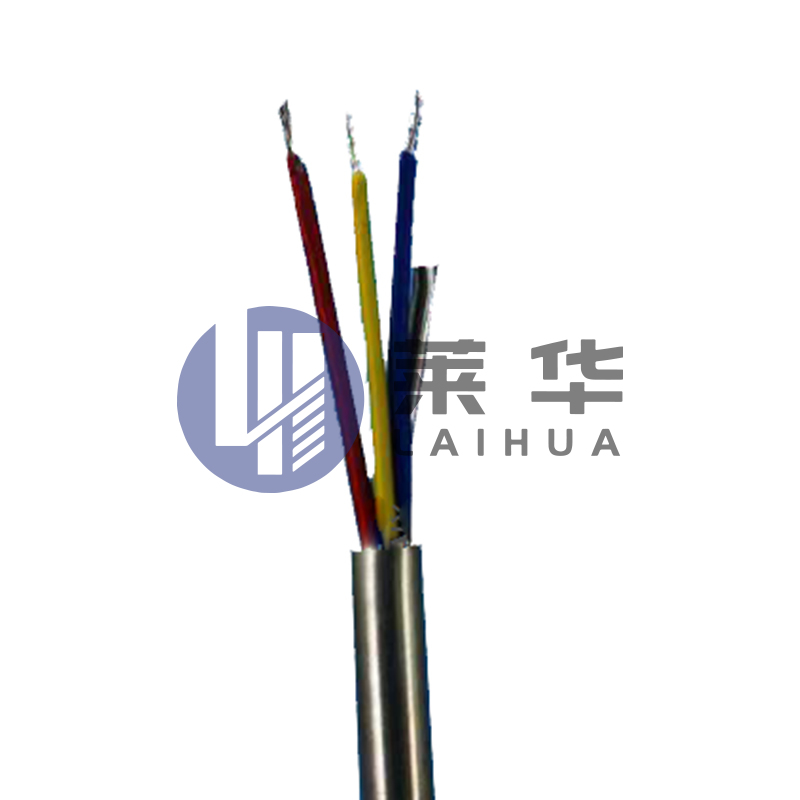
The Stainless Steel Fibre Optic Test Cable is a special test cable that combines the durability of stainless steel with the high transmission efficien...
See Details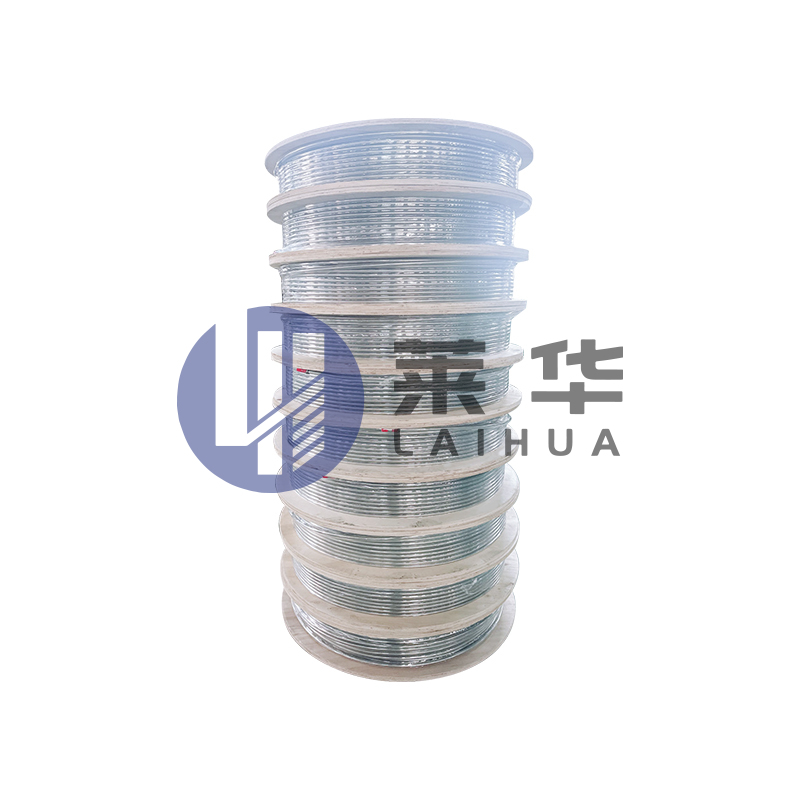
Instructions for the use of hydraulic control pipelines Hydraulic control pipeline, also known as capillary. Mainly used for underground capillary pre...
See Details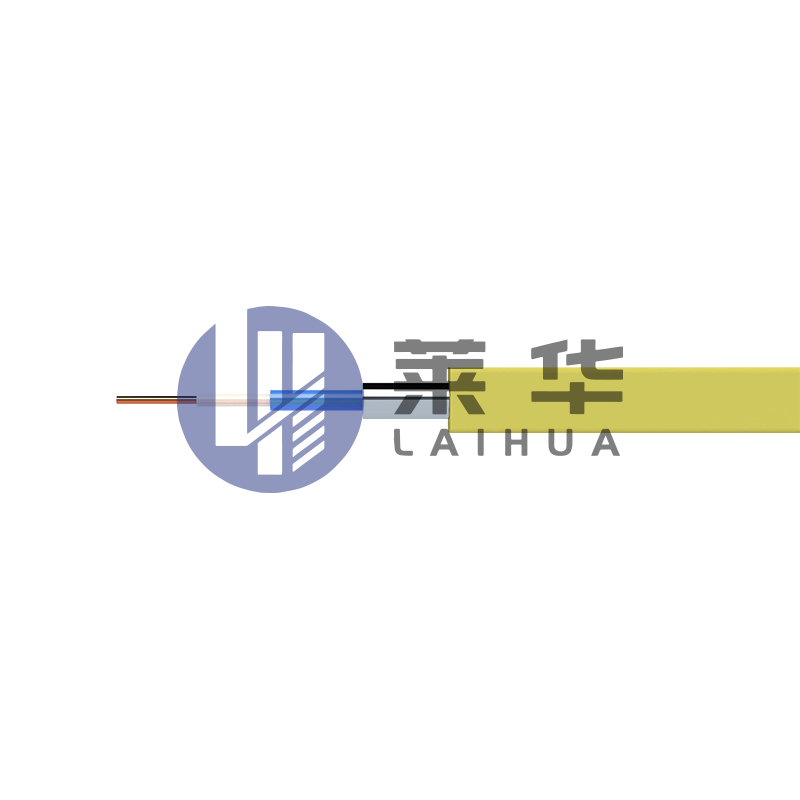
Stainless steel clad pipe is a piping system that combines the durability of stainless steel with the protection of plastic. This piping system is usu...
See Details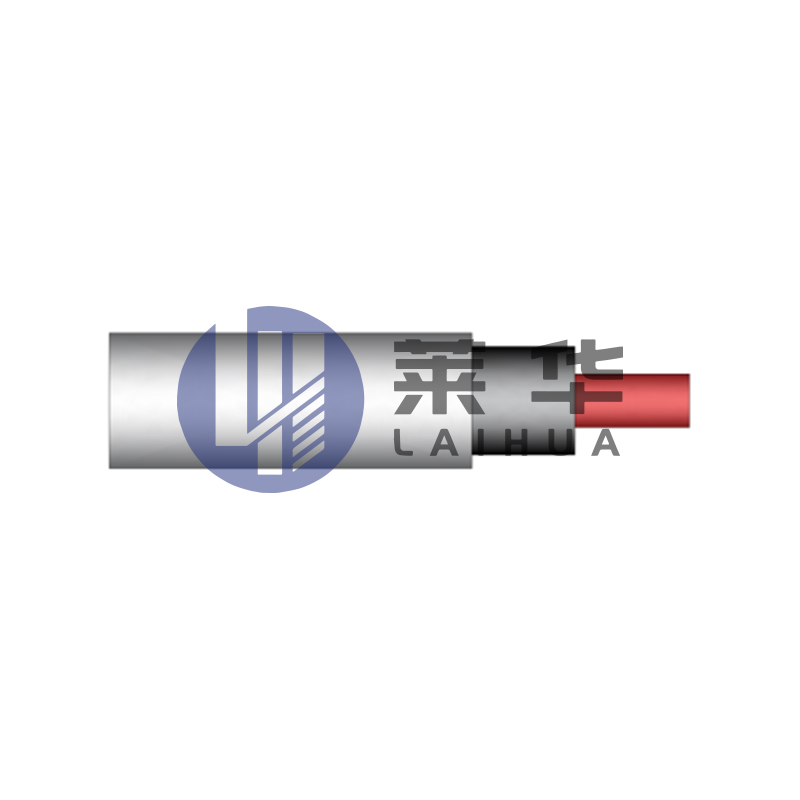
Application field:The electric induction heating system is a complete set of electric heating devices developed by our company specifically for heavy ...
See Details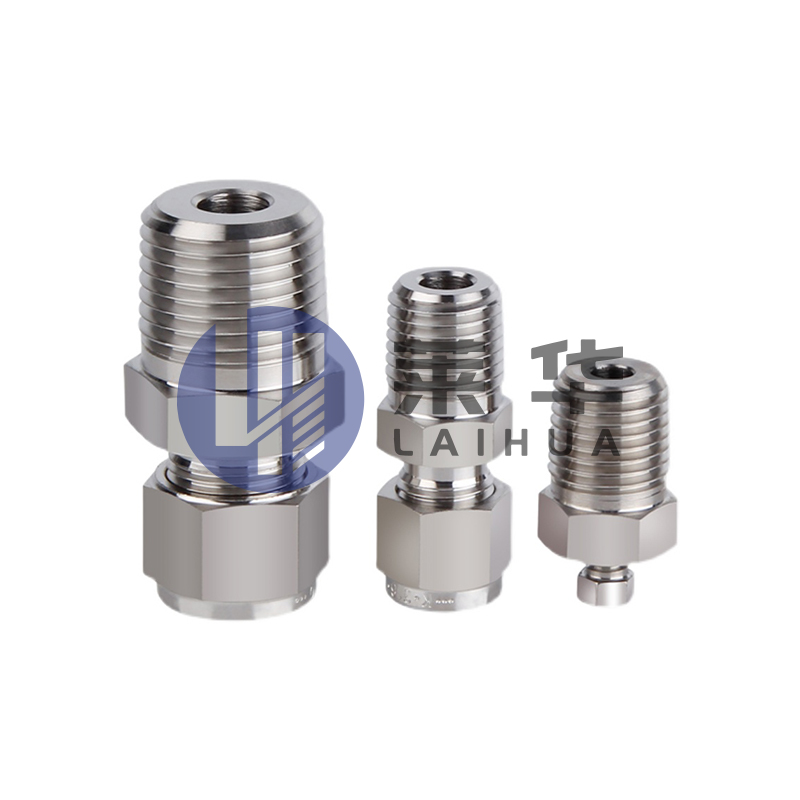
The ferrule type pipe joint consists of three parts: the joint body, ferrule, and nut. When the clamp and nut are inserted into the joint body on the ...
See Details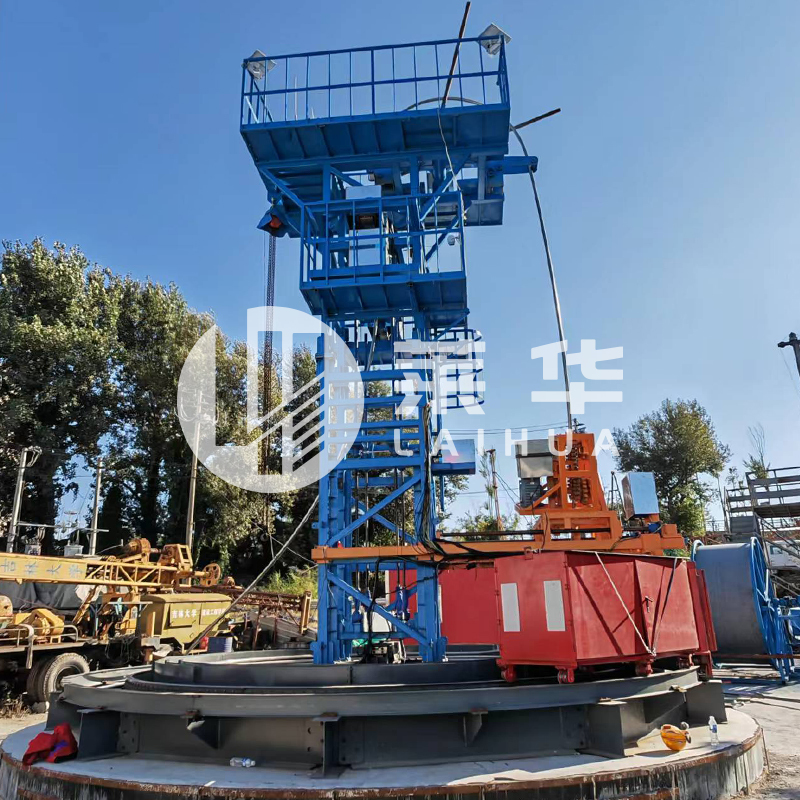
Continuous Tubing Skid Winch is a specially designed equipment for oilfield operations, which combines the design features of the Continuous Tubing Wo...
See Details
E-mail: [email protected]

Phone: +86-15996597000
+86-18252893456

Whatsapp: +86-18252874678

Address: No. 3 Xinyuan Road, Nanmo Town Industrial Park, Hai'an City, Nantong City, Jiangsu Province, China
QR code on
mobile phone



Contact Us