
 英语
英语 西班牙语
西班牙语 阿拉伯语
阿拉伯语Cat:Products
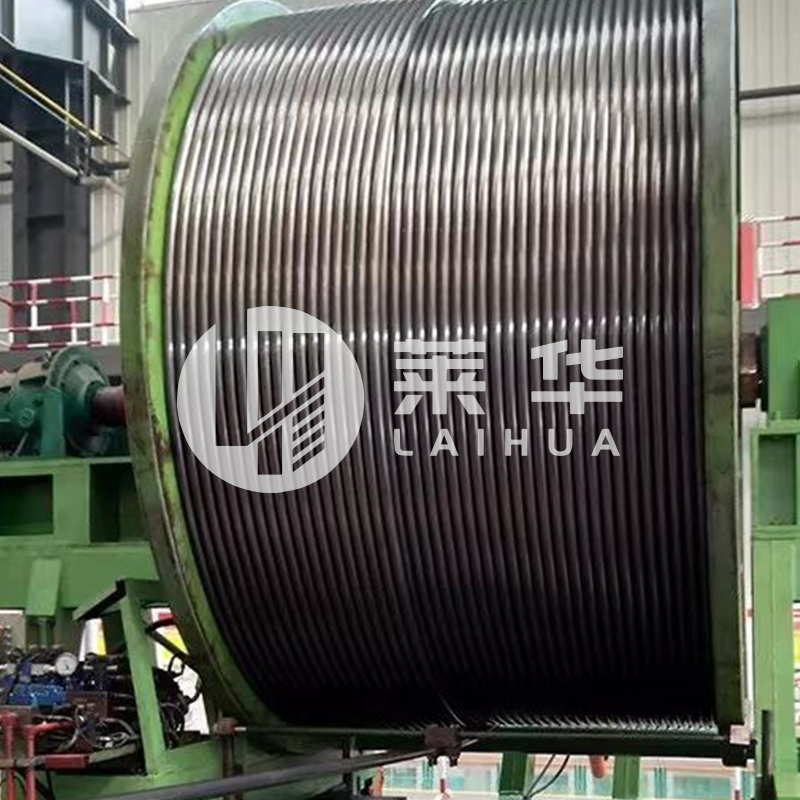
Continuous tubing, also known as flexible tubing or flexible tubing, is widely used in the fields of well workover, logging and drilling, etc. Its pro...
See Details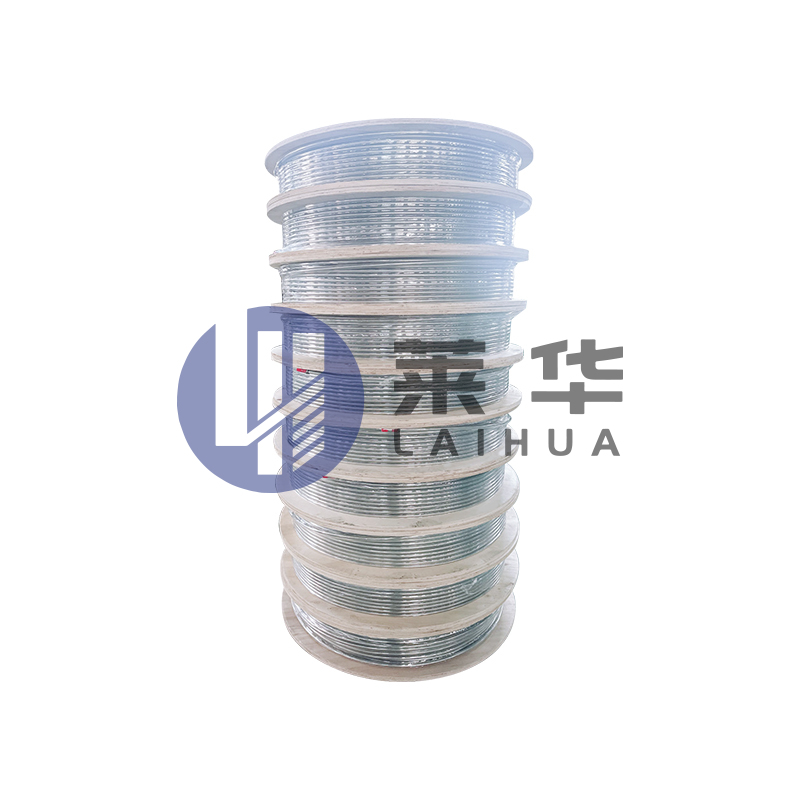
Content
Pick up any stainless steel welded pipe and you're holding a product born from coil. That's the supply chain reality most buyers overlook: the quality of a finished welded pipe traces directly back to the stainless steel welded coil it was formed from. Understanding both materials — and how they connect — is the fastest way to make smarter sourcing decisions.
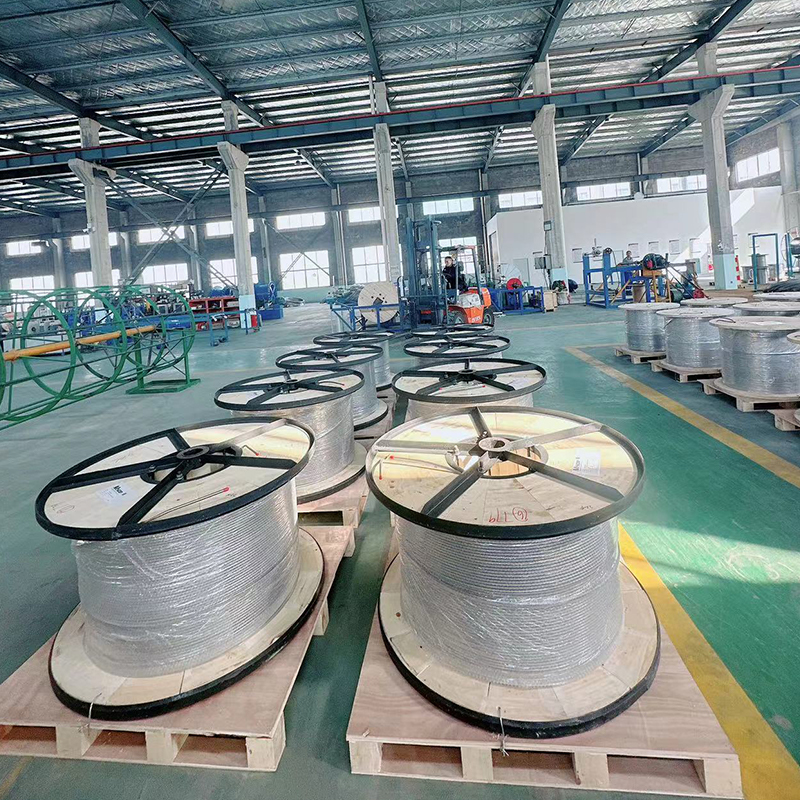
Stainless steel welded coils are long, continuous strips of stainless steel produced by welding individual sheet sections end-to-end and rolling them into a coil form. This differs from seamless coil stock, which is drawn without any joining seam. Welded coils are the dominant raw material for pipe production because they offer consistent width, controlled thickness, and far greater lengths than seamless alternatives.
Common grades used in coil production include 304, 316L, 321, 2205 duplex, and 2507 super duplex. Grade selection is driven by three variables: corrosion exposure, operating temperature, and mechanical load. For example, 316L resists chloride-induced pitting far better than 304 — a distinction that matters enormously in offshore or chemical environments.
| Grade | Key Feature | Typical Use |
|---|---|---|
| 304 / 304L | General corrosion resistance | Food processing, water systems |
| 316 / 316L | Molybdenum for chloride resistance | Marine, chemical, pharmaceutical |
| 321 | Titanium stabilized, high-temp stable | Exhaust systems, heat exchangers |
| 2205 Duplex | High strength + corrosion resistance | Oil & gas, desalination |
| 2507 Super Duplex | Extreme pitting resistance (PREN >40) | Subsea, aggressive acid environments |
The manufacturing sequence matters because defects introduced at any stage carry forward. Here is the core process:
Modern production lines can process pipes from 6 mm to over 600 mm OD, with wall thicknesses from 0.3 mm to 25 mm. Tighter tolerances on the input coil directly translate to tighter tolerances on the finished pipe — which is why coil quality is the non-negotiable starting point.
Welded pipes dominate because they deliver excellent performance at lower cost and with faster lead times. Seamless pipes retain an edge in a narrow set of conditions: very high-pressure systems (above 700 bar), extremely thick walls, or applications where even a perfectly heat-treated weld seam is considered a liability by the end-user's engineering specification.
For the vast majority of industrial piping — oil and gas control lines, chemical process systems, food-grade conveyance, hydraulic circuits — high-quality welded stainless steel pipe performs on par with seamless at a meaningful cost advantage. The key qualifier is "high-quality": weld integrity, post-weld annealing, and surface treatment determine whether a welded pipe truly matches seamless performance.
One of the most demanding uses of stainless steel welded coil stock is in hydraulic control pipelines and capillary tubing for oil and gas wells. These products are produced from the same welded coil base but manufactured to far tighter specifications: outer diameters typically from 1/8" to 1/2", wall thickness of 0.8 mm–1.65 mm, lengths reaching 500 m to 10,000 m per coil, and working pressures of 50 MPa to 120 MPa.
Grades like 316L, 2205, 2507, and 825 are specified for these lines because downhole environments combine high pressure, elevated temperature, H₂S, CO₂, and chloride-laden formation water simultaneously. A control line failure kilometers underground is not a maintenance event — it's an unplanned well shutdown. The continuous oil pipe and coiled tubing products used in workover, logging, and chemical injection operations face the same multi-threat environment, reinforcing why grade selection and weld quality are engineering decisions, not purchasing decisions.
Four checkpoints reduce sourcing risk:
Pairing the right grade to the environment, verifying the manufacturing process, and insisting on traceable documentation are the three non-negotiables — everything else is secondary. The connection between stainless steel welded coils and the pipes they become is tight; choosing well at the coil stage saves significant cost and risk at every step that follows.
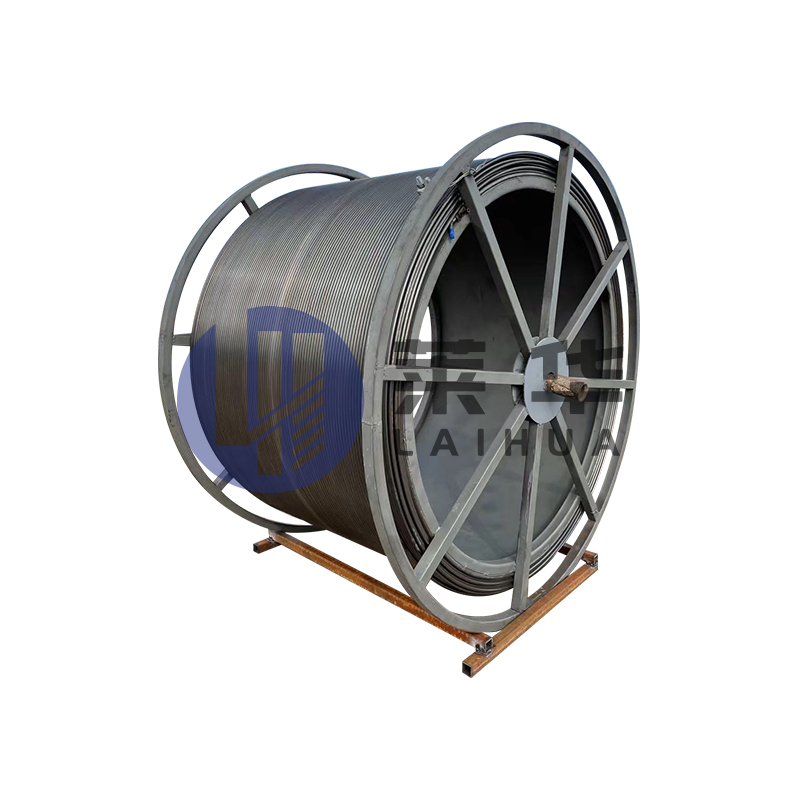
Continuous tubing, also known as flexible tubing or flexible tubing, is widely used in the fields of well workover, logging and drilling, etc. Its pro...
See Details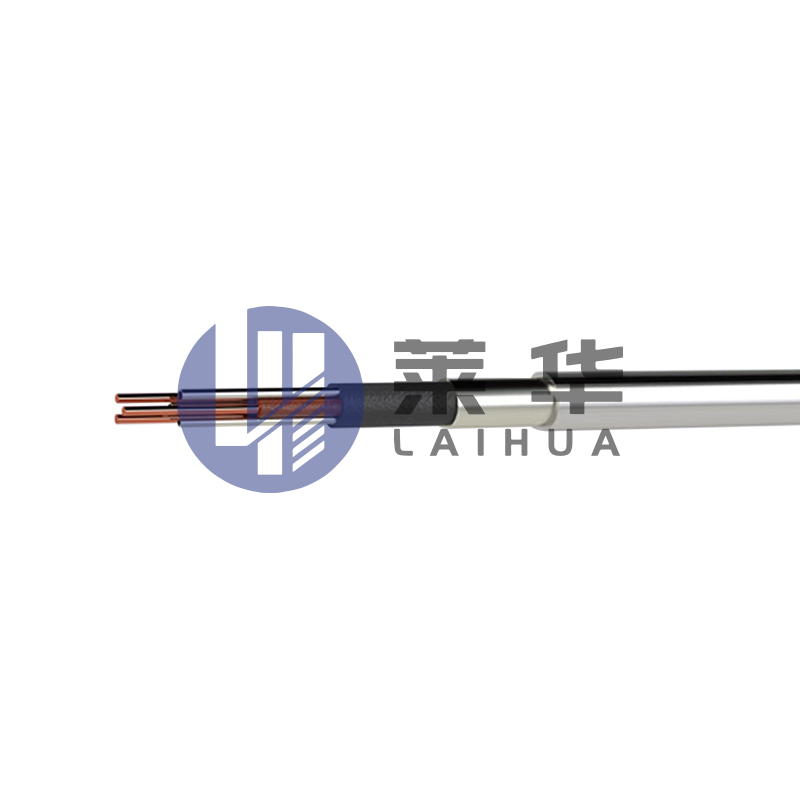
Purpose: The high-temperature testing cable, combined with the high-temperature testing vehicle, is mainly used in multi-parameter testing of heavy oi...
See Details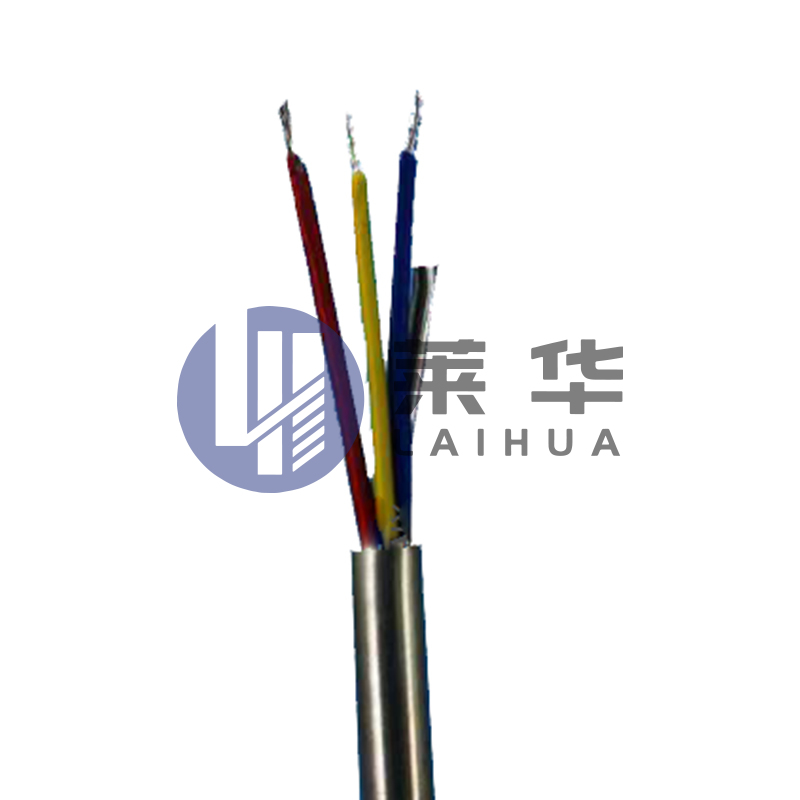
The Stainless Steel Fibre Optic Test Cable is a special test cable that combines the durability of stainless steel with the high transmission efficien...
See Details
Instructions for the use of hydraulic control pipelines Hydraulic control pipeline, also known as capillary. Mainly used for underground capillary pre...
See Details
Stainless steel clad pipe is a piping system that combines the durability of stainless steel with the protection of plastic. This piping system is usu...
See Details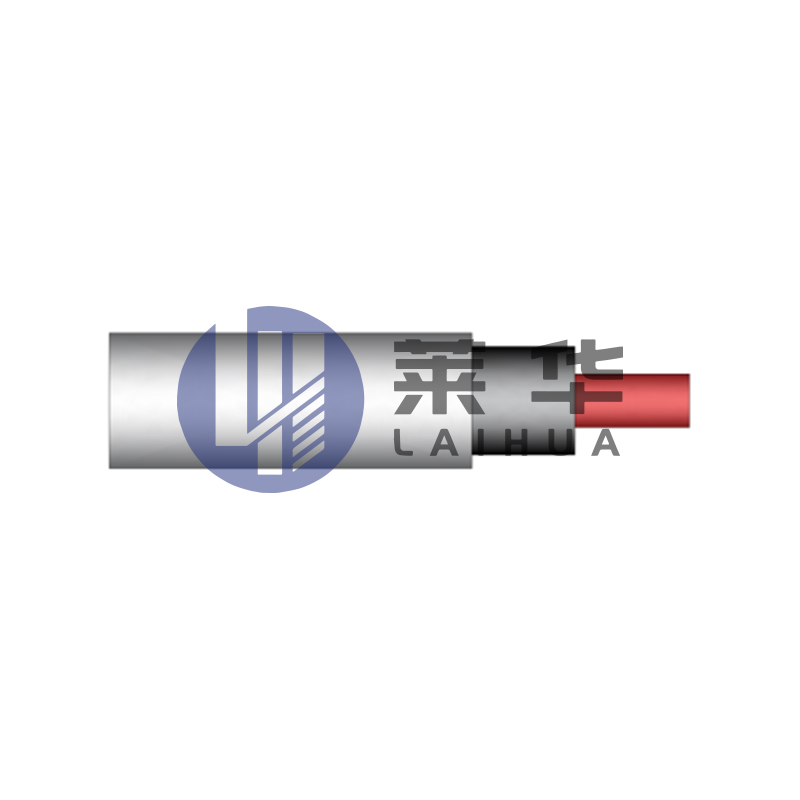
Application field:The electric induction heating system is a complete set of electric heating devices developed by our company specifically for heavy ...
See Details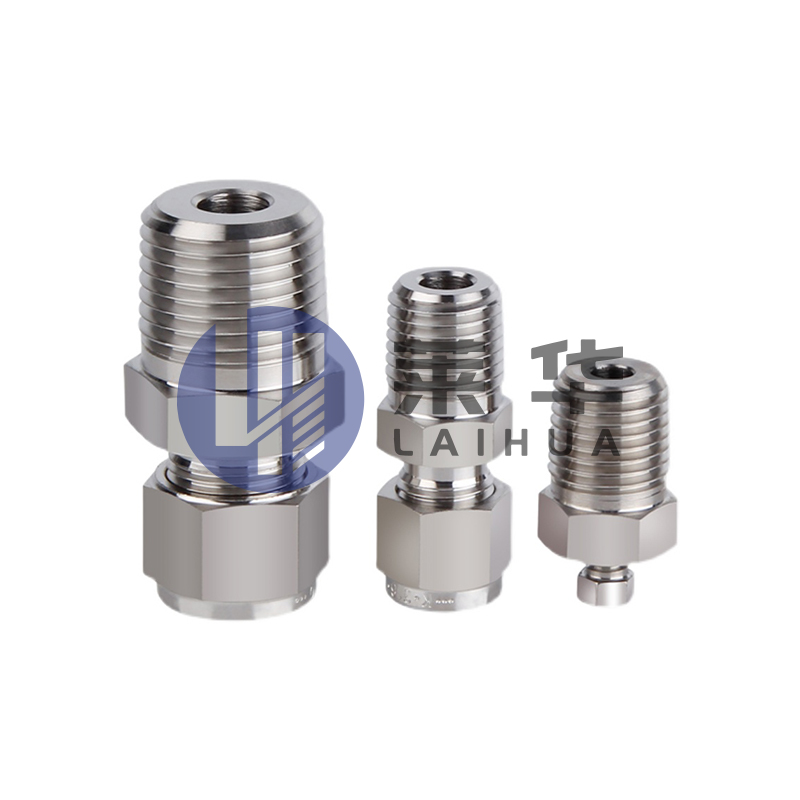
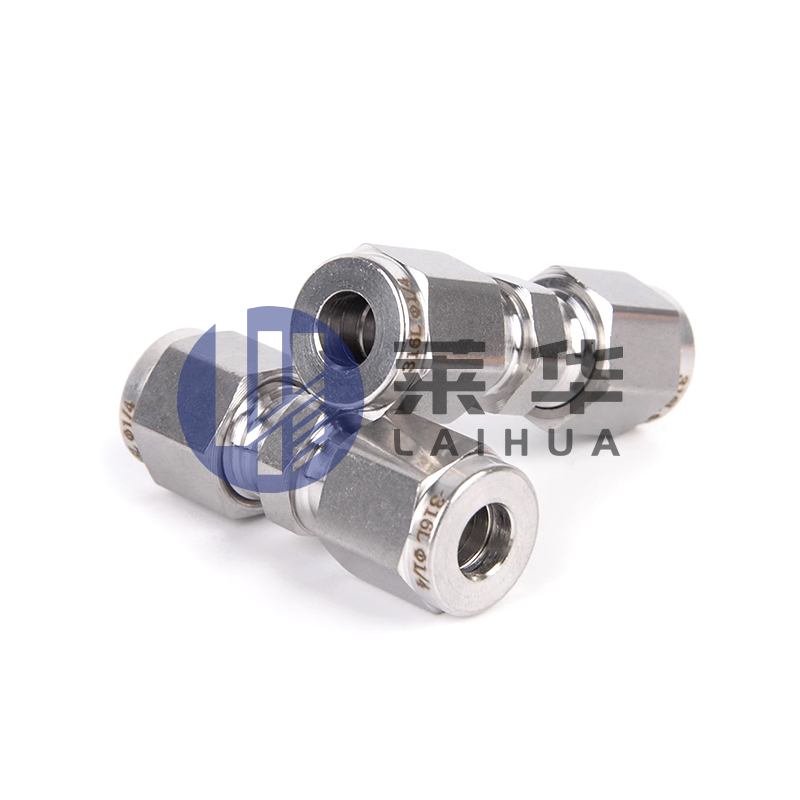
The ferrule type pipe joint consists of three parts: the joint body, ferrule, and nut. When the clamp and nut are inserted into the joint body on the ...
See Details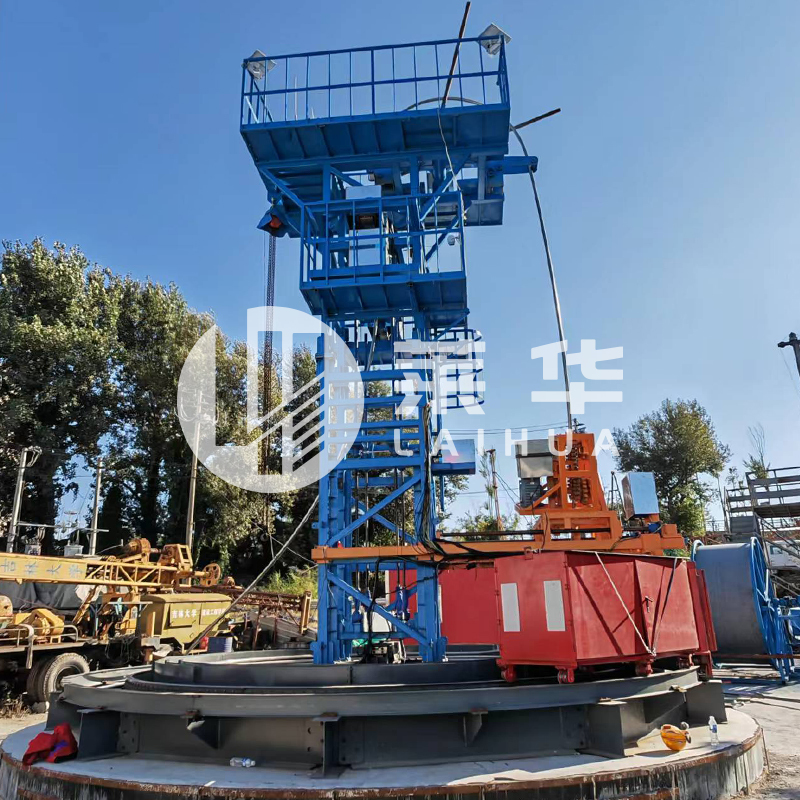
Continuous Tubing Skid Winch is a specially designed equipment for oilfield operations, which combines the design features of the Continuous Tubing Wo...
See Details
E-mail: [email protected]

Phone: +86-15996597000
+86-18252893456

Whatsapp: +86-18252874678

Address: No. 3 Xinyuan Road, Nanmo Town Industrial Park, Hai'an City, Nantong City, Jiangsu Province, China
QR code on
mobile phone



Contact Us