 英语
英语 西班牙语
西班牙语 阿拉伯语
阿拉伯语Cat:Products
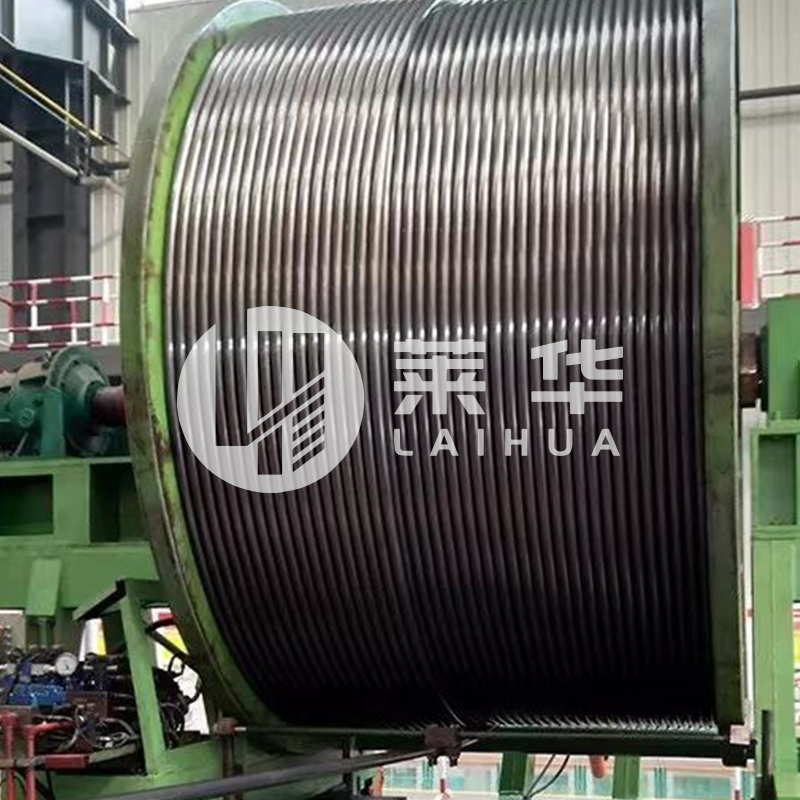
Continuous tubing, also known as flexible tubing or flexible tubing, is widely used in the fields of well workover, logging and drilling, etc. Its pro...
See Details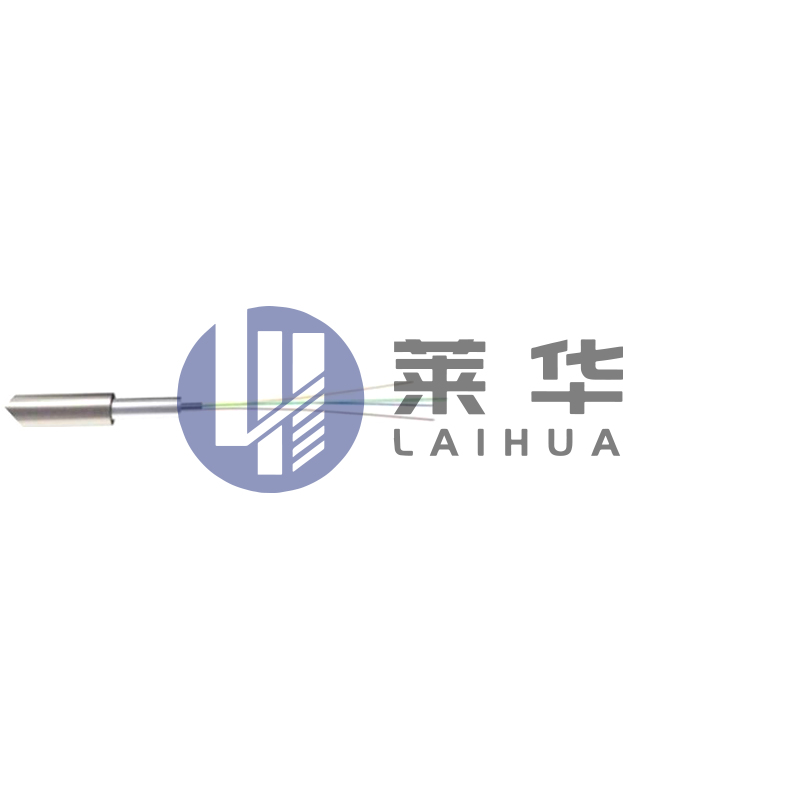
Content
Fiber optic testing cables are routinely deployed in some of the most demanding environments on earth — deep oil and gas wells, offshore platforms, high-temperature heavy oil reservoirs, and industrial processing facilities where aggressive chemicals are ever-present. In these settings, the structural integrity of the cable's outer casing is just as critical as the optical performance of the fiber inside.
Corrosive threats take many forms: hydrogen sulfide (H₂S) and carbon dioxide (CO₂) in sour gas wells, chloride-rich saltwater in marine and coastal deployments, high-pressure acidic fluids in chemical process environments, and temperature extremes that can exceed 150°C in downhole testing operations. When cable housings degrade under these conditions, the consequences go beyond material failure — signal attenuation increases, measurement accuracy drops, and unplanned retrieval operations become costly.
Material selection at the design stage determines whether a fiber optic testing system performs reliably for years or fails within months. Stainless steel has emerged as the material of choice for high-integrity fiber optic test cable armoring precisely because it addresses these threats at a metallurgical level — not merely as a surface treatment.
The corrosion resistance of stainless steel is not a coating or an additive — it is an inherent property of the alloy's composition. Stainless steel contains a minimum of 10.5% chromium by weight. When exposed to oxygen, this chromium reacts spontaneously to form a thin, stable chromium oxide layer on the metal's surface. This passive film, typically only a few nanometers thick, acts as a self-repairing barrier that prevents oxygen and moisture from reaching the underlying metal.
What makes this mechanism particularly valuable in fiber optic testing applications is its self-healing nature. When the surface is scratched or abraded during installation or cable retrieval, the passive film reforms almost immediately upon re-exposure to oxygen. This behavior is fundamentally different from coated or galvanized carbon steel, where any breach in the protective layer exposes bare metal to corrosive attack.
Nickel, present in austenitic grades such as 304 and 316L, further enhances this passive layer's stability across a wide pH range and improves resistance to stress corrosion cracking. Molybdenum, added in 316L and duplex grades like 2507, significantly boosts resistance to pitting and crevice corrosion in chloride-rich environments — the dominant corrosion mechanism in subsea and offshore testing applications.
Compared to carbon steel, which begins oxidizing almost immediately upon moisture exposure and requires continuous protective measures, stainless steel maintains structural integrity without any additional coatings, cathodic protection, or inhibitor treatments — a decisive advantage in sealed, inaccessible downhole environments where maintenance is simply not possible.
Corrosion resistance is the foundation, but the reliability advantages of stainless steel in fiber optic testing extend well beyond oxidation protection. Engineers and procurement teams evaluating test cable systems should consider the full spectrum of performance characteristics that stainless steel delivers:
For procurement teams sourcing Stainless Steel Fibre Optic Test Cable for field operations, these combined properties translate into a system that performs consistently from the first deployment to the last — without the signal degradation and mechanical failures that compromise data quality in less durable constructions.
Not all stainless steel performs equally across every application. Selecting the right alloy grade is critical to matching material performance with the specific corrosive and mechanical demands of a given testing environment. The following comparison covers the grades most commonly used in fiber optic test cable construction:
| Grade | Key Alloying Elements | Corrosion Resistance | Typical Application |
|---|---|---|---|
| 304 | 18% Cr, 8% Ni | Good — atmospheric and mild chemical environments | Onshore testing, low-chloride environments |
| 316L | 16% Cr, 10% Ni, 2% Mo | Excellent — chloride, acid, and saline environments | Offshore, marine, sour gas wells, chemical plants |
| 2205 (Duplex) | 22% Cr, 5% Ni, 3% Mo | Very high — stress corrosion cracking resistant | High-pressure sour service, deep wells |
| 2507 (Super Duplex) | 25% Cr, 7% Ni, 4% Mo | Exceptional — aggressive chloride and H₂S environments | Ultra-deep offshore, subsea testing systems |
For most downhole fiber optic testing applications in oil and gas production, 316L is the industry standard — offering an optimal balance of corrosion performance, weldability, and cost. Where chloride stress corrosion cracking is a specific concern, duplex grades (2205 or 2507) provide substantially higher resistance due to their two-phase microstructure. Custom material specifications — including Incoloy 825 and Incoloy 625 for extreme sour service — are also available for specialized requirements.
The combination of corrosion resistance and mechanical reliability makes stainless steel armored fiber optic test cables the engineering solution of choice across several demanding sectors:
These applications align directly with the extended product range available from the factory, including stainless steel continuous oil pipe and integrated coiled tubing solutions that support full-system deployment of fiber optic testing infrastructure.
The acquisition cost of stainless steel armored fiber optic test cables is higher than that of basic polymer-jacketed or carbon steel alternatives. For experienced procurement and engineering teams, however, the relevant comparison is not unit price — it is total cost of ownership over the cable's operational life.
Consider the cost drivers that corroding cables generate: early replacement due to sheath degradation, signal quality decline requiring recalibration or retesting, retrieval operations from deep wells when mechanical failure occurs downhole, and production delays when testing equipment must be pulled from service ahead of schedule. A fiber optic test cable that requires replacement after two years in a sour gas well costs far more in operational disruption than the premium paid for a 316L stainless steel unit engineered for ten years of reliable service.
In environments where cable retrieval is operationally difficult or economically significant, the durability advantage of stainless steel is not optional — it is a core engineering requirement. The passive corrosion protection mechanism requires no chemical inhibitors, no maintenance interventions, and no external power — making it uniquely suited to the permanently inaccessible conditions of downhole and embedded sensor applications.
Beyond direct cost savings, reliable test data quality has its own value. When fiber optic temperature or pressure measurements are used to make real-time production decisions, signal integrity directly affects the quality of those decisions. Equipment that maintains consistent optical and mechanical performance throughout its service life delivers more actionable data — and that data-driven reliability compounds the return on every cable investment.
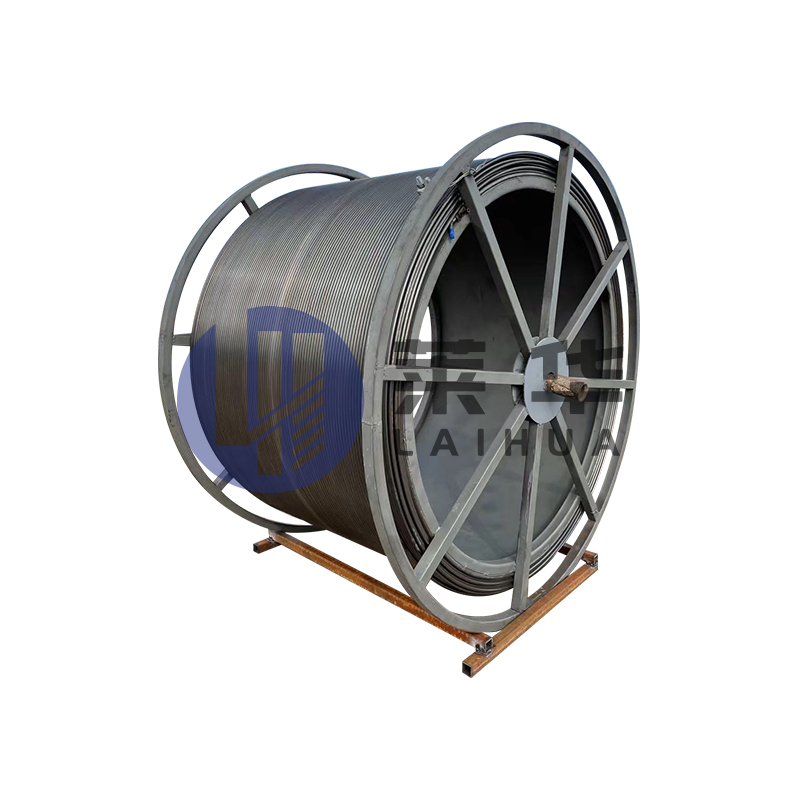
Continuous tubing, also known as flexible tubing or flexible tubing, is widely used in the fields of well workover, logging and drilling, etc. Its pro...
See Details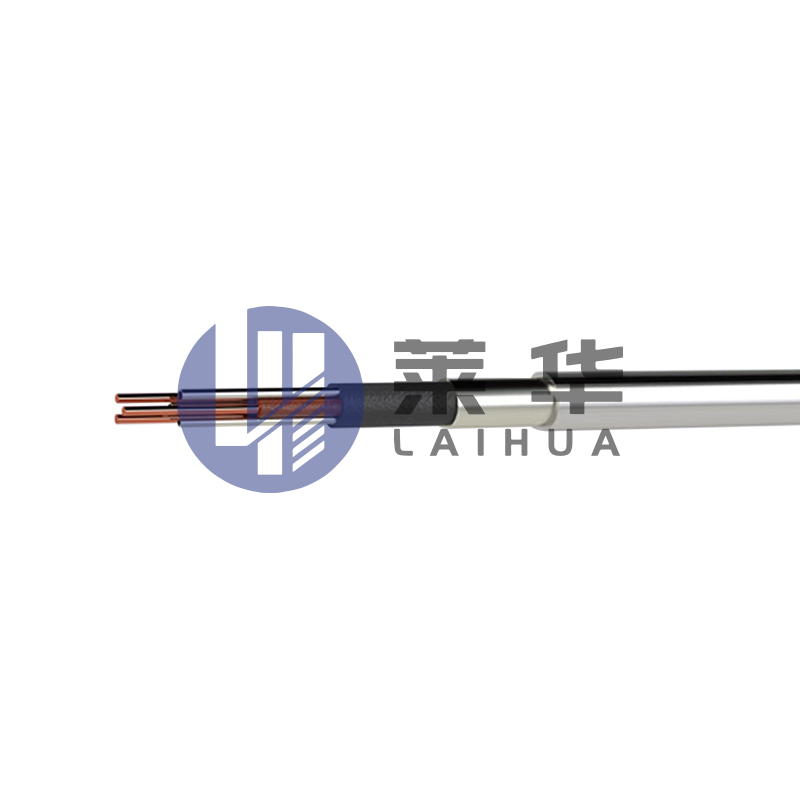
Purpose: The high-temperature testing cable, combined with the high-temperature testing vehicle, is mainly used in multi-parameter testing of heavy oi...
See Details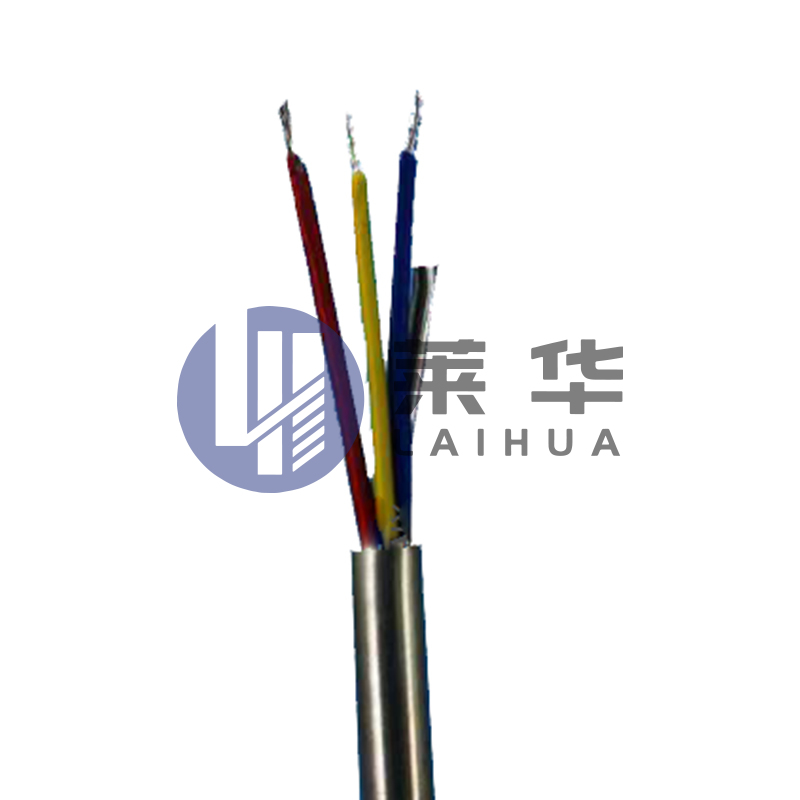
The Stainless Steel Fibre Optic Test Cable is a special test cable that combines the durability of stainless steel with the high transmission efficien...
See Details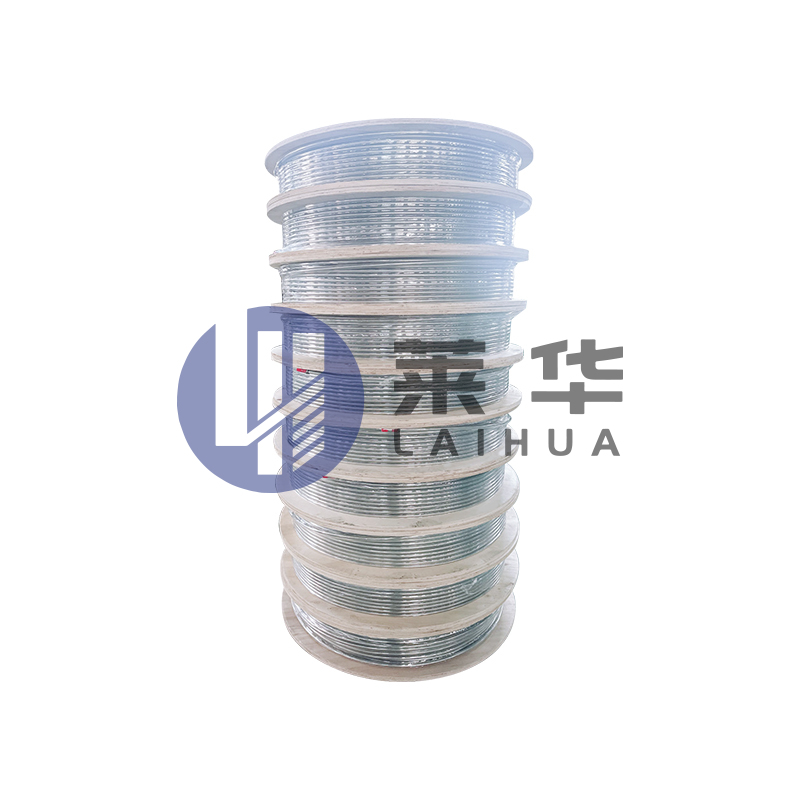
Instructions for the use of hydraulic control pipelines Hydraulic control pipeline, also known as capillary. Mainly used for underground capillary pre...
See Details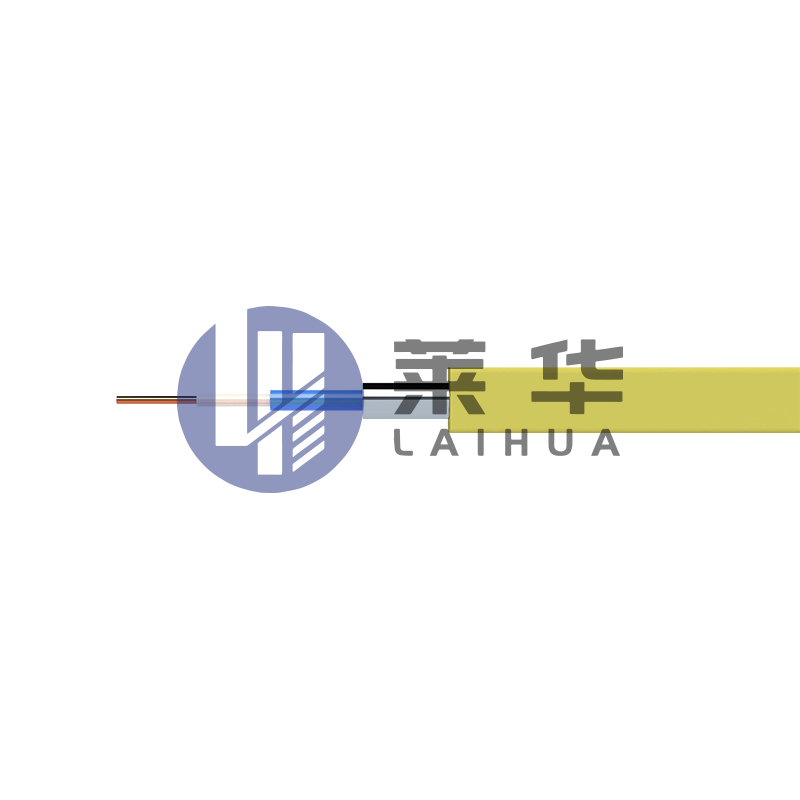
Stainless steel clad pipe is a piping system that combines the durability of stainless steel with the protection of plastic. This piping system is usu...
See Details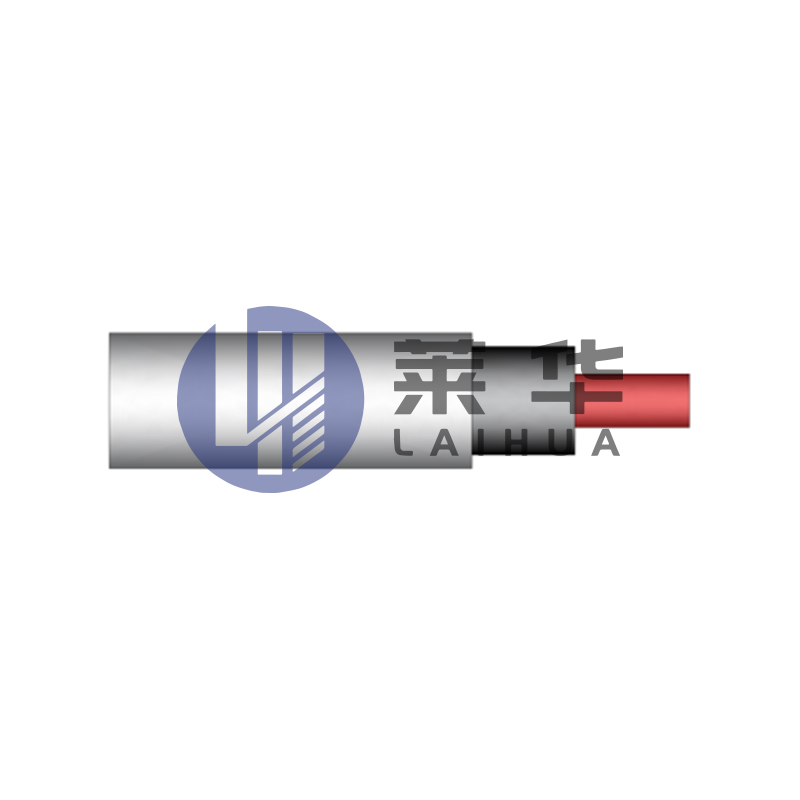
Application field:The electric induction heating system is a complete set of electric heating devices developed by our company specifically for heavy ...
See Details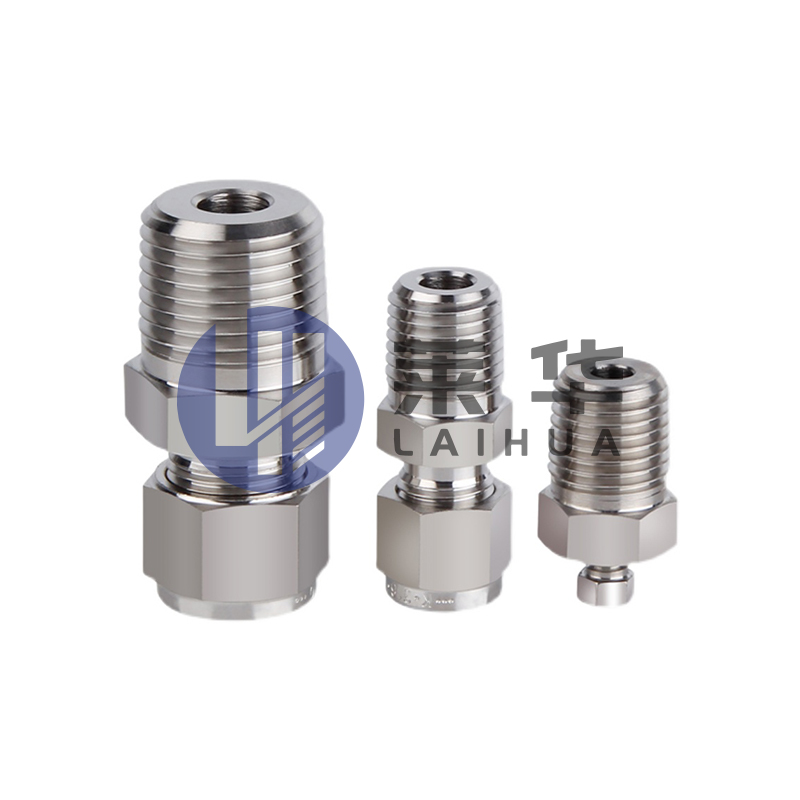
The ferrule type pipe joint consists of three parts: the joint body, ferrule, and nut. When the clamp and nut are inserted into the joint body on the ...
See Details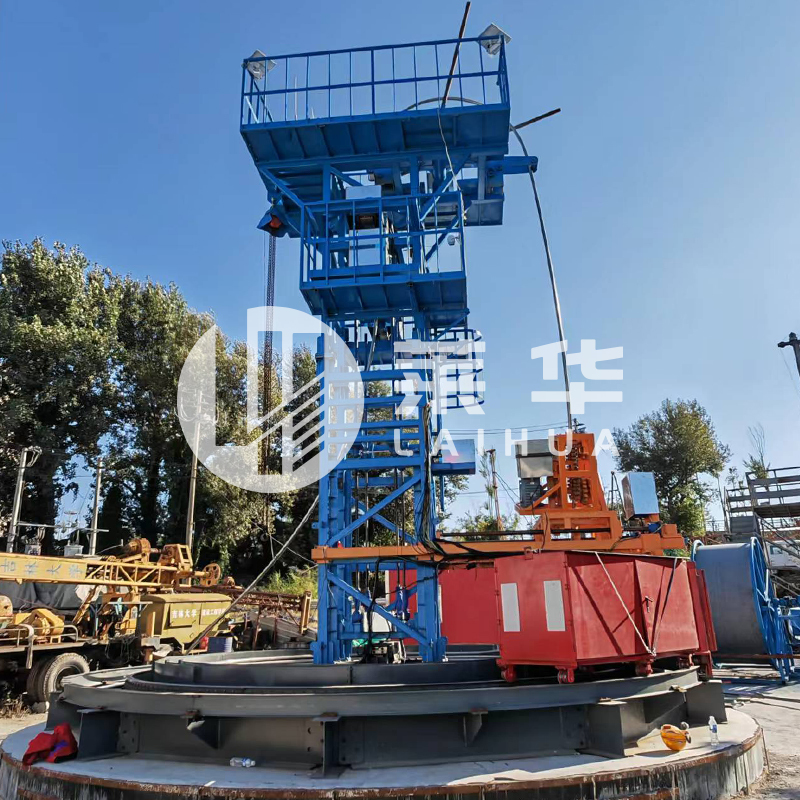
Continuous Tubing Skid Winch is a specially designed equipment for oilfield operations, which combines the design features of the Continuous Tubing Wo...
See Details
E-mail: [email protected]

Phone: +86-15996597000
+86-18252893456

Whatsapp: +86-18252874678

Address: No. 3 Xinyuan Road, Nanmo Town Industrial Park, Hai'an City, Nantong City, Jiangsu Province, China
QR code on
mobile phone



Contact Us