
 英语
英语 西班牙语
西班牙语 阿拉伯语
阿拉伯语Cat:Products
Continuous tubing, also known as flexible tubing or flexible tubing, is widely used in the fields of well workover, logging and drilling, etc. Its pro...
See Details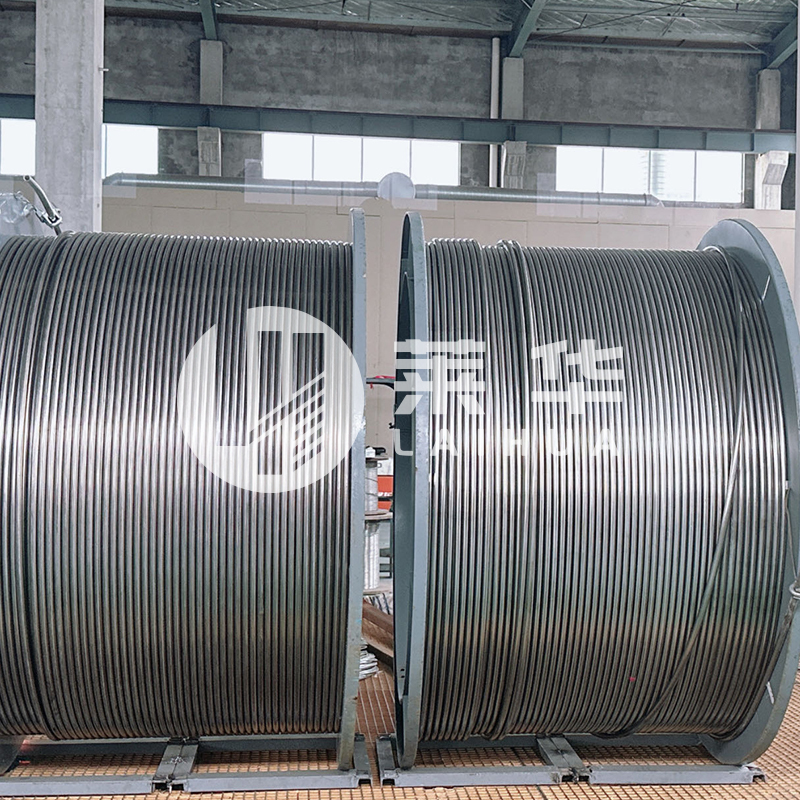
Content
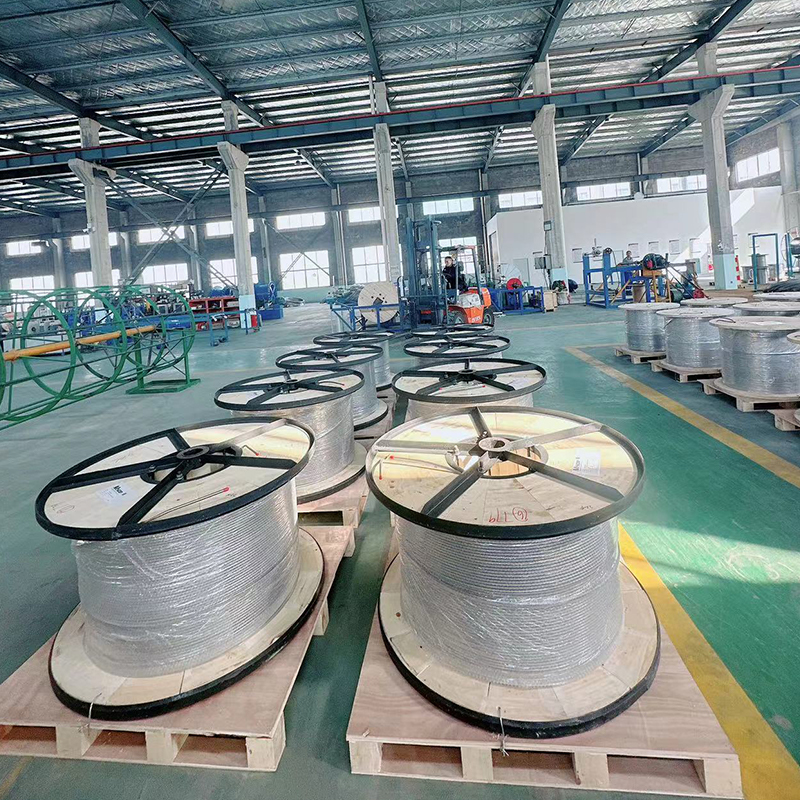
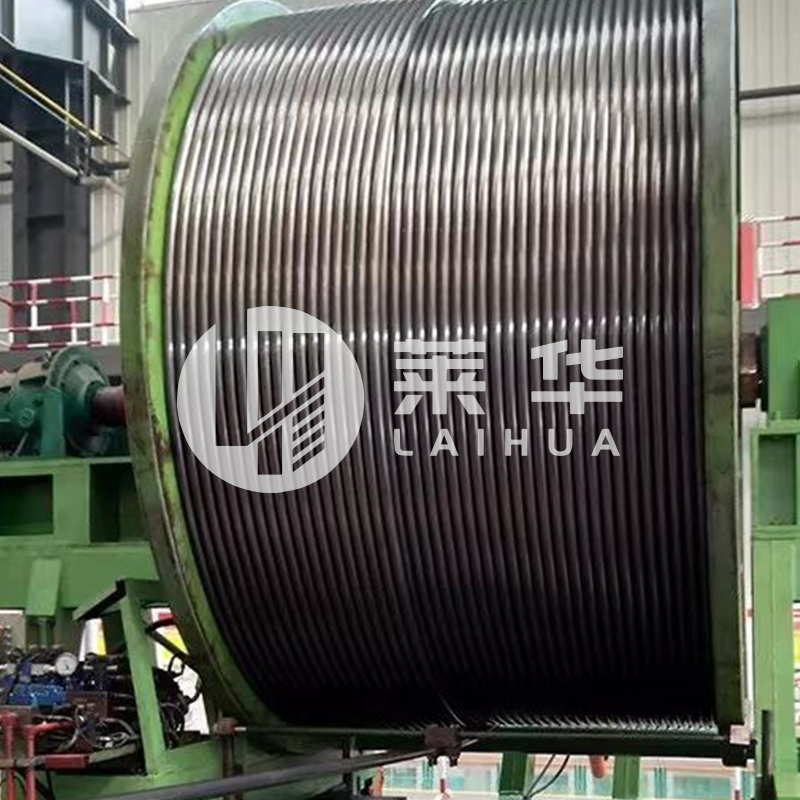
Stainless steel continuous oil pipe — commonly referred to as coiled tubing when supplied in long, uninterrupted lengths — is a seamless or welded tubular product manufactured without threaded connections along its body. Unlike conventional jointed pipe, it is wound onto large reels and deployed in a single continuous string, eliminating the leak points and make-up time associated with pin-and-box connections.
The key differentiator over carbon steel alternatives is the alloy composition. Chromium content of at least 10.5% forms a passive oxide layer on the pipe surface, providing inherent resistance to oxidation, chloride attack, and acidic media — conditions routinely encountered in oil and gas production, chemical injection, and downhole intervention services.
Typical outer diameters range from 6.35 mm (¼ in.) up to 88.9 mm (3½ in.), with wall thicknesses selected to balance burst pressure requirements against the bending fatigue cycles the tubing will experience during spooling and unspooling operations.
Grade selection is the single most critical decision when specifying stainless steel continuous oil pipe. The operating environment — particularly chloride concentration, temperature, and H₂S partial pressure — dictates which alloy family is appropriate.
| Grade | UNS | Key Alloying Elements | Typical Application |
|---|---|---|---|
| 316L | S31603 | 18Cr–12Ni–2Mo | Chemical injection, low-chloride environments |
| 2205 Duplex | S32205 | 22Cr–5Ni–3Mo–0.17N | Offshore production, moderate H₂S service |
| 2507 Super Duplex | S32750 | 25Cr–7Ni–4Mo–0.27N | High-chloride, deep-water, sour service |
| 825 (Nickel Alloy) | N08825 | 42Ni–21Cr–3Mo–2.3Cu | Highly aggressive acid and H₂S conditions |
Duplex and super duplex grades offer a roughly twice-higher yield strength compared to austenitic 316L, enabling thinner walls for the same pressure rating and reducing the reel weight that coiled tubing units must handle. However, their dual-phase microstructure demands tighter control over heat input during welding and post-weld heat treatment to avoid sigma-phase embrittlement.
Stainless steel continuous oil pipe is produced via two primary routes: seamless extrusion/piercing and longitudinal weld (LW) or high-frequency induction weld (HFIW). Seamless pipe avoids the weld seam entirely and is preferred when uniform fatigue life around the circumference is critical. Welded pipe, when produced under strict process controls with full seam inspection, can match or exceed seamless performance at lower cost for larger diameters.
Governing specifications buyers should reference include:
Non-destructive examination (NDE) typically includes 100% eddy-current or ultrasonic testing of the tube body, hydrostatic proof testing, and, for sour service grades, hardness mapping to confirm compliance with the 22 HRC maximum specified by NACE MR0175.
Downhole chemical injection lines are among the highest-volume uses for small-diameter stainless continuous pipe. Corrosion and scale inhibitors, methanol for hydrate prevention, and demulsifiers are pumped continuously through capillary strings running alongside the production tubing. Stainless steel resists both the injected chemicals and the produced fluids should a check valve fail.
Coiled tubing intervention operations deploy larger-diameter strings (typically 38–60 mm OD) for well cleanout, nitrogen lift, logging tool conveyance, and hydraulic fracturing in horizontal wells. Here, fatigue life under cyclic bending is the primary design limit: a coiled tubing string typically withstands 50–200 trips into a well before retirement, depending on curvature, pressure cycling, and material grade.
Subsea umbilicals and control lines rely on stainless continuous tubing bundled within thermoplastic sheaths to carry hydraulic fluid and chemicals to subsea trees at water depths exceeding 3,000 m. The combination of external seawater pressure, internal operating pressure, and dynamic motion fatigue demands the high pitting resistance equivalent number (PREN) offered by super duplex and 6Mo austenitic grades.
Beyond upstream oil and gas, the same continuous pipe technology serves geothermal energy extraction, hydrogen transport pilot projects, and industrial chemical processing where leak-free performance over multi-year service lives is non-negotiable.
A structured selection process prevents costly mid-project material changes. Work through the following criteria in sequence:
Engaging a manufacturer or technical supplier early in the FEED (Front-End Engineering Design) stage — before bid documents are finalized — often uncovers opportunities to standardize on fewer pipe sizes, consolidate reel lengths to reduce field splice welds, and qualify alternative grades that offer equivalent corrosion performance at lower cost.
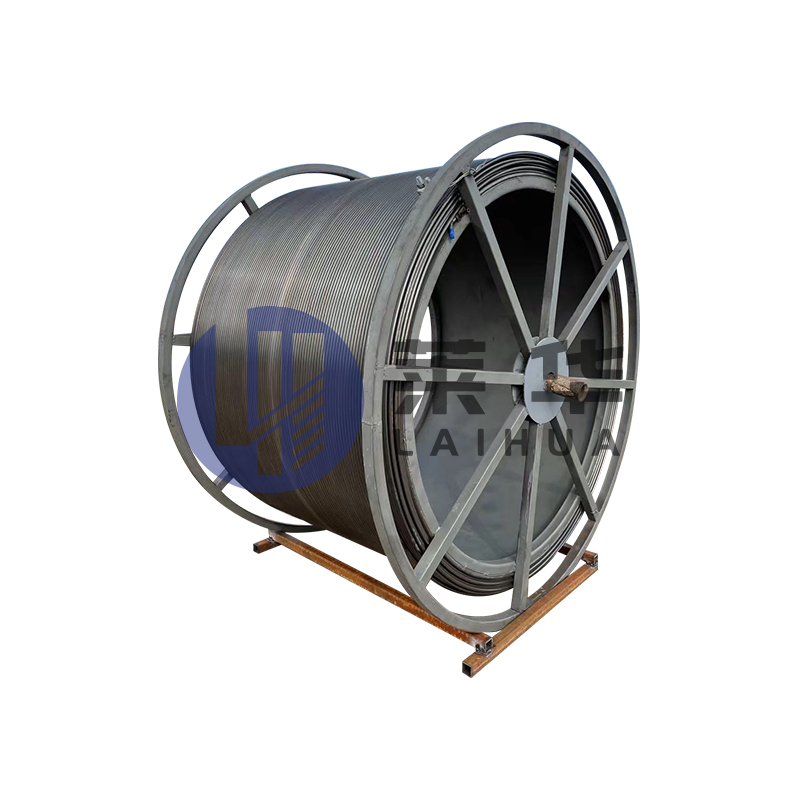
Continuous tubing, also known as flexible tubing or flexible tubing, is widely used in the fields of well workover, logging and drilling, etc. Its pro...
See Details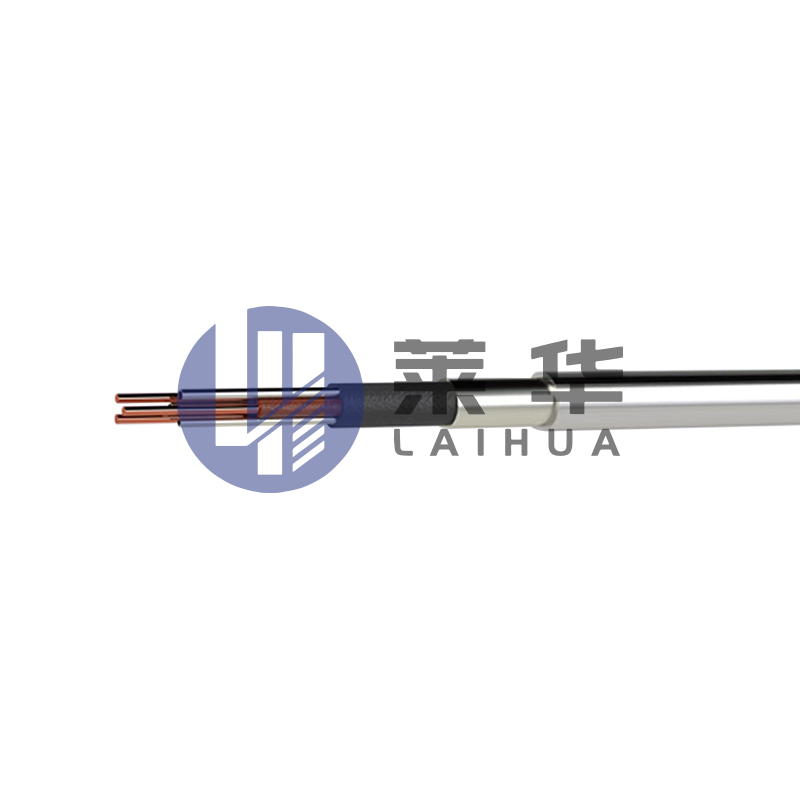
Purpose: The high-temperature testing cable, combined with the high-temperature testing vehicle, is mainly used in multi-parameter testing of heavy oi...
See Details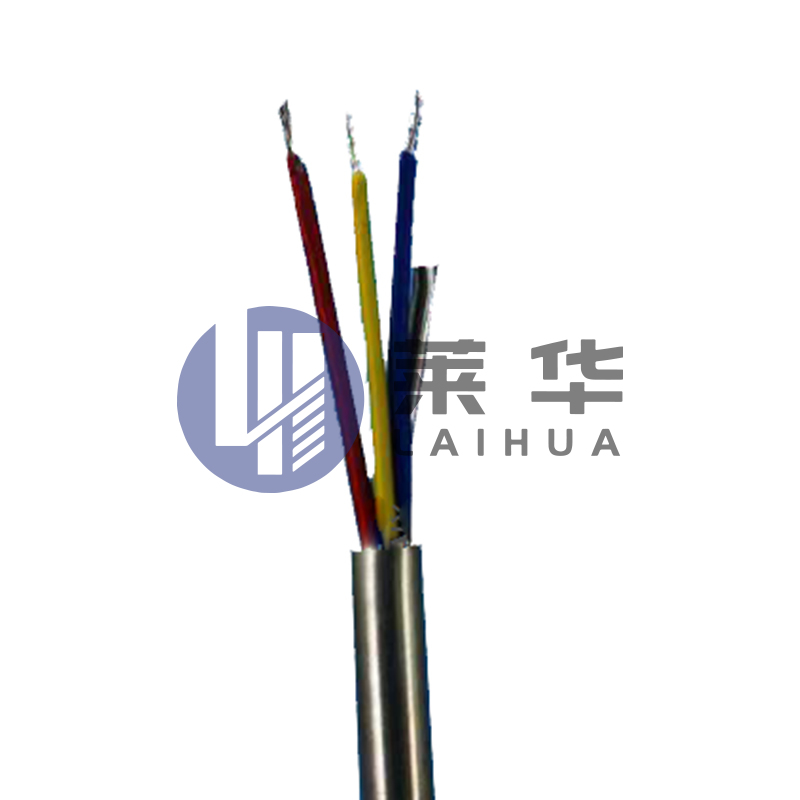
The Stainless Steel Fibre Optic Test Cable is a special test cable that combines the durability of stainless steel with the high transmission efficien...
See Details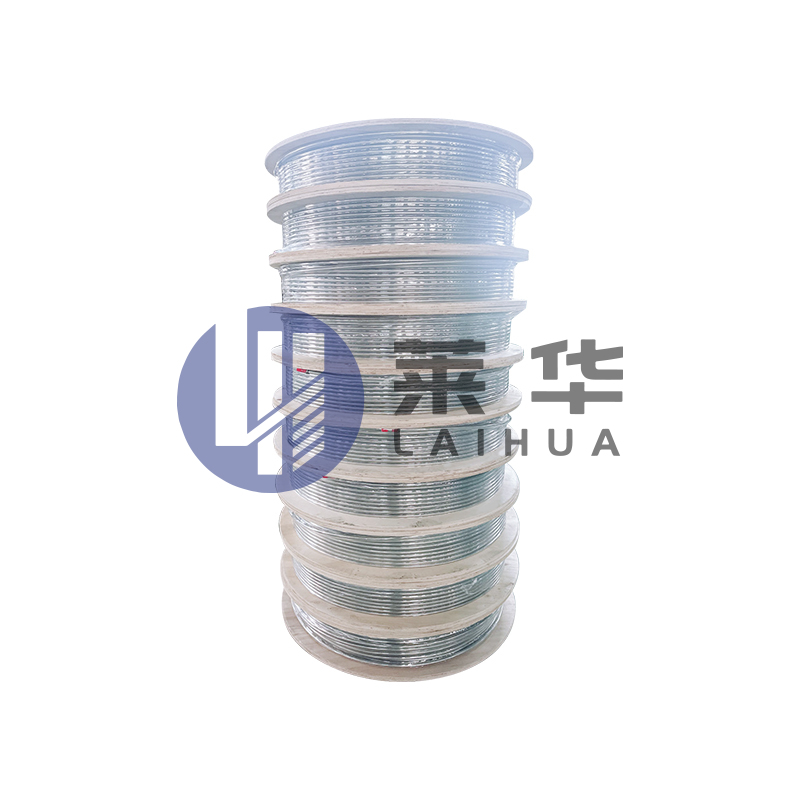
Instructions for the use of hydraulic control pipelines Hydraulic control pipeline, also known as capillary. Mainly used for underground capillary pre...
See Details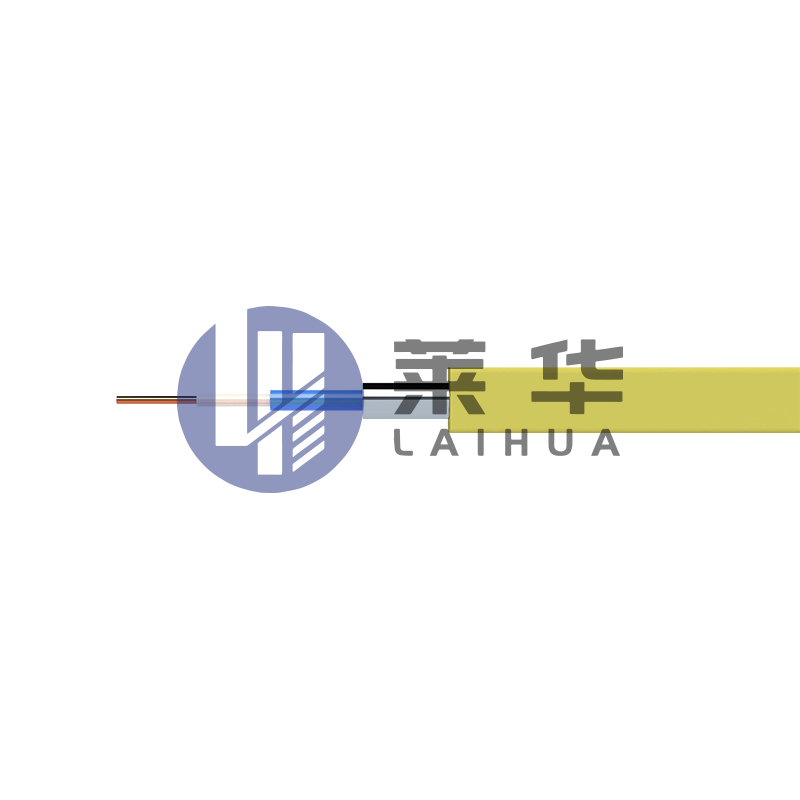
Stainless steel clad pipe is a piping system that combines the durability of stainless steel with the protection of plastic. This piping system is usu...
See Details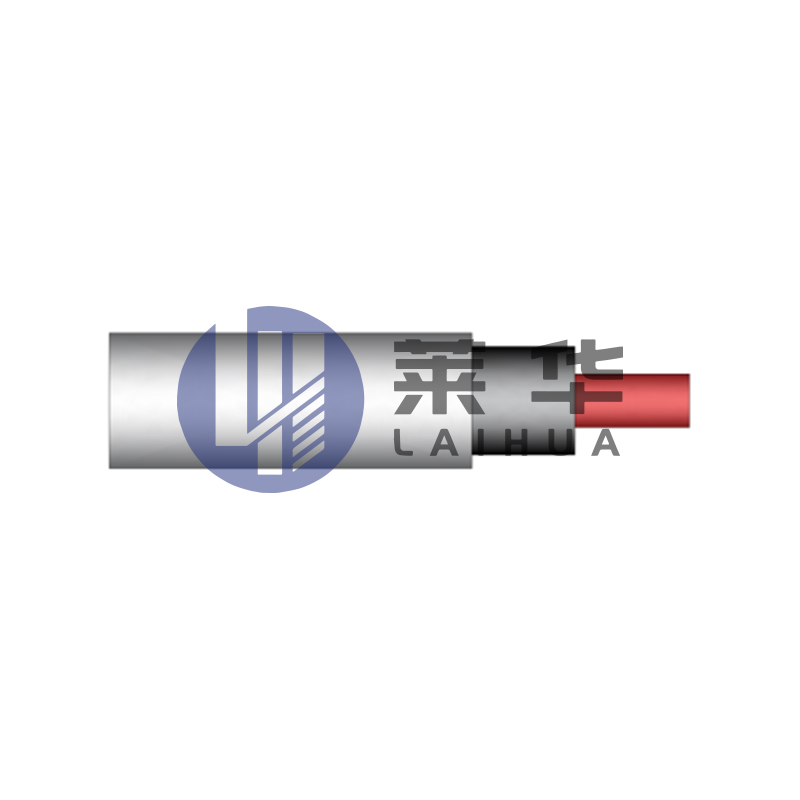
Application field:The electric induction heating system is a complete set of electric heating devices developed by our company specifically for heavy ...
See Details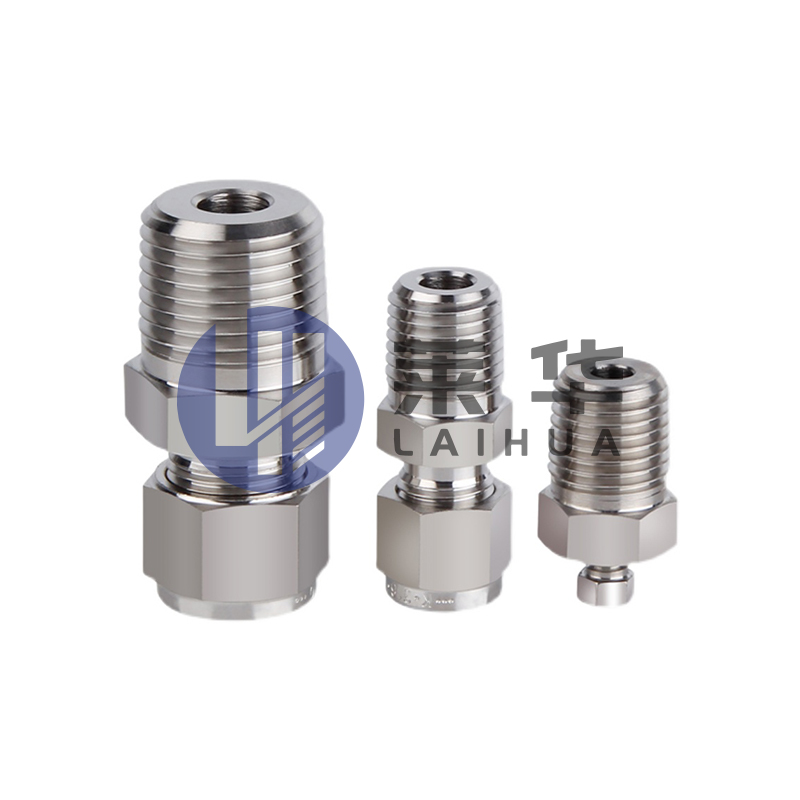
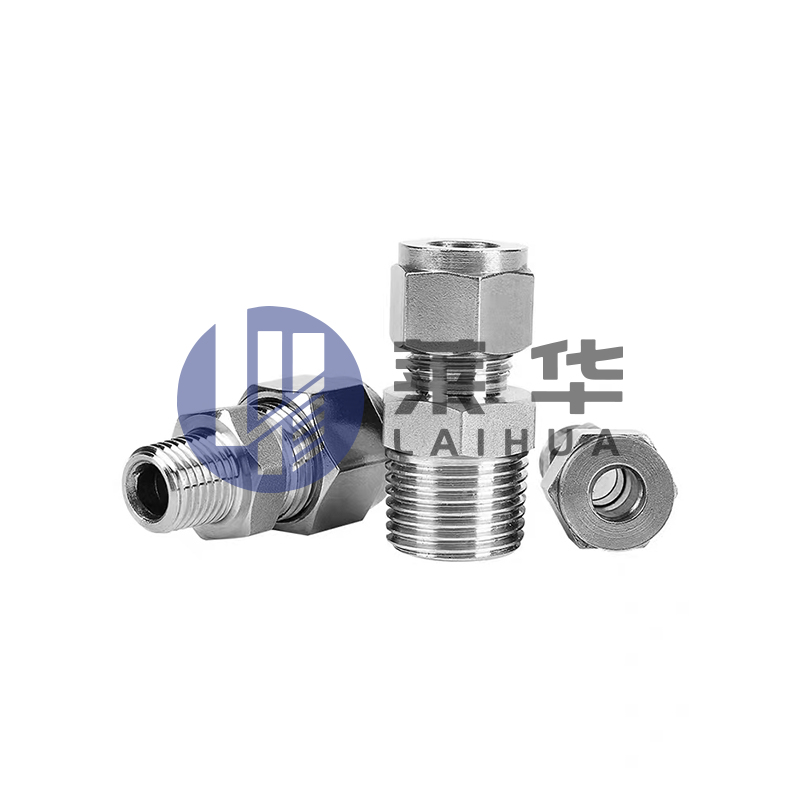
The ferrule type pipe joint consists of three parts: the joint body, ferrule, and nut. When the clamp and nut are inserted into the joint body on the ...
See Details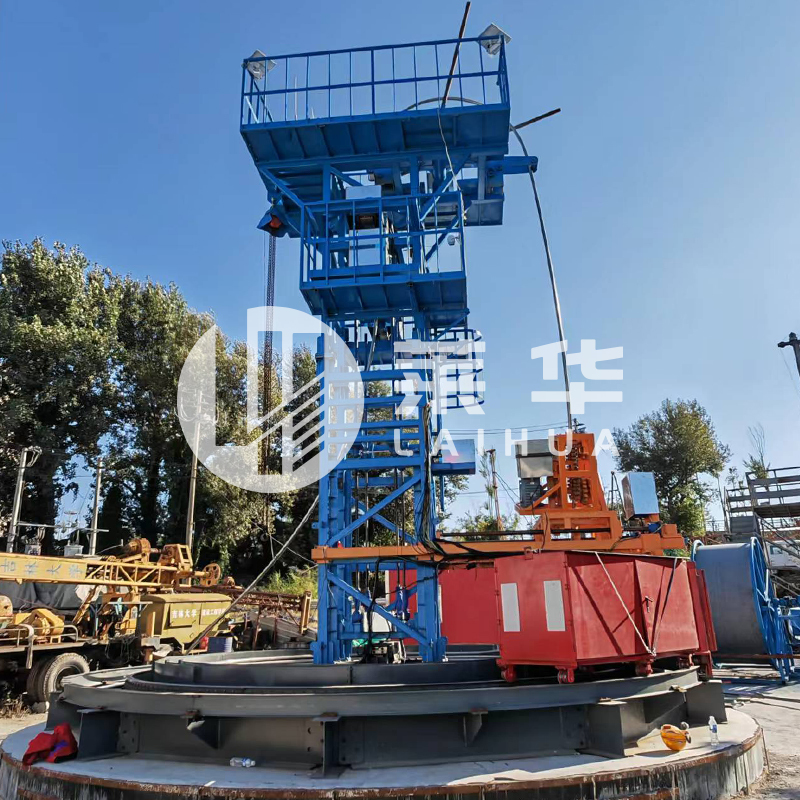
Continuous Tubing Skid Winch is a specially designed equipment for oilfield operations, which combines the design features of the Continuous Tubing Wo...
See Details
E-mail: [email protected]

Phone: +86-15996597000
+86-18252893456

Whatsapp: +86-18252874678

Address: No. 3 Xinyuan Road, Nanmo Town Industrial Park, Hai'an City, Nantong City, Jiangsu Province, China
QR code on
mobile phone



Contact Us