
 英语
英语 西班牙语
西班牙语 阿拉伯语
阿拉伯语Cat:Products
Continuous tubing, also known as flexible tubing or flexible tubing, is widely used in the fields of well workover, logging and drilling, etc. Its pro...
See Details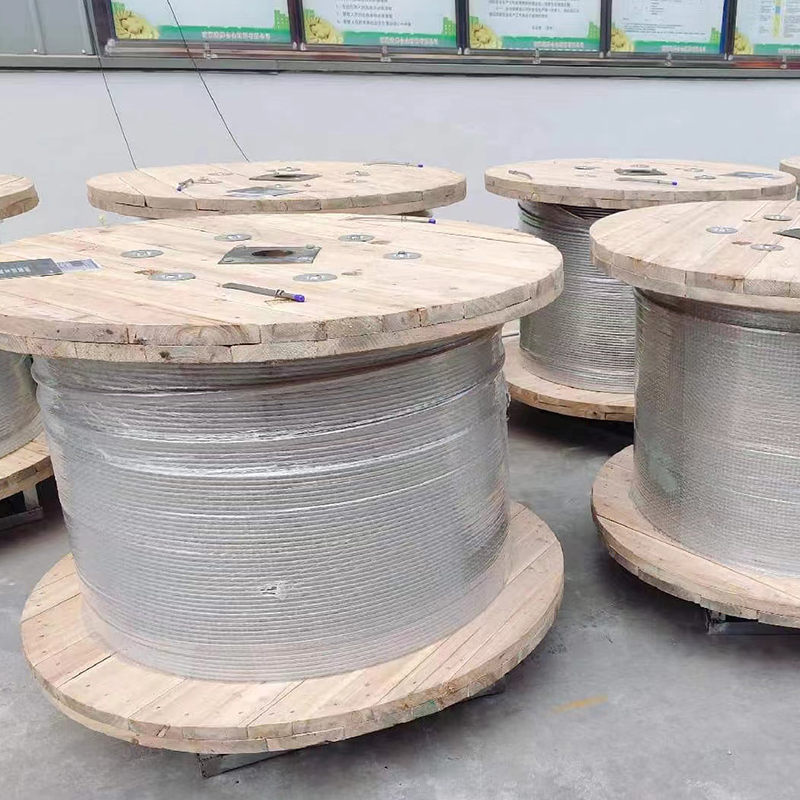
Content
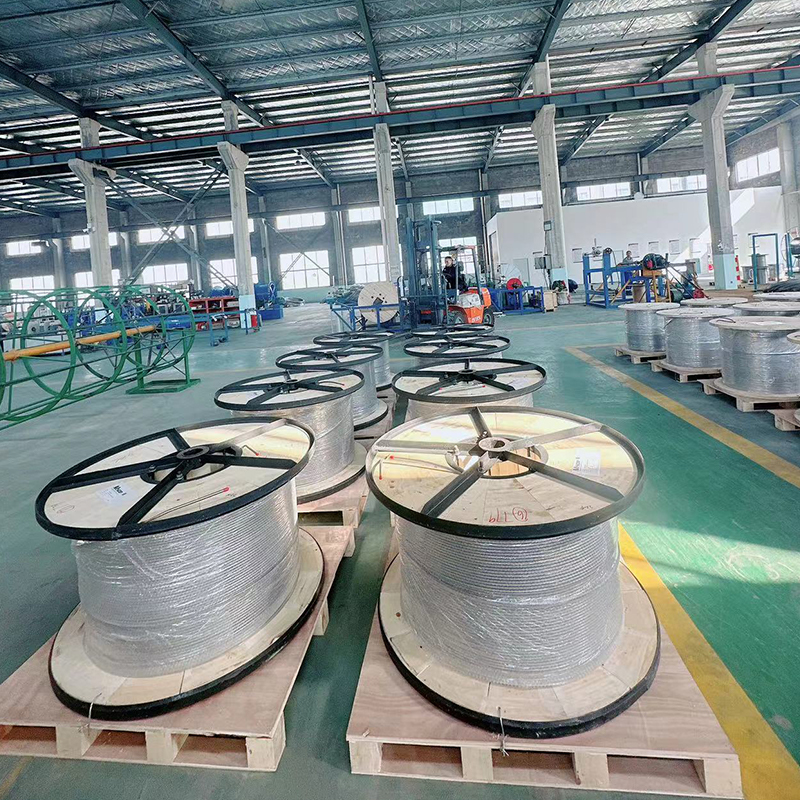
When a production engineer plans a new control-line installation, the first specification that gets challenged is often the tubing itself. Stainless steel welded tubing coils hold pressure, flex through tight radii, and resist corrosion without the price premium of seamless product. For chemical injection, hydraulic control lines, and instrument tubing, a continuous welded coil is frequently the most reliable option because it removes the couplings and leaks that come with short lengths. The engineering decision is less about welded versus seamless and more about choosing the right wall thickness, grade, and surface finish for the environment. At our factory, we produce stainless steel coil and control pipeline products in long continuous lengths, so deployment can run from one spool without interruption.
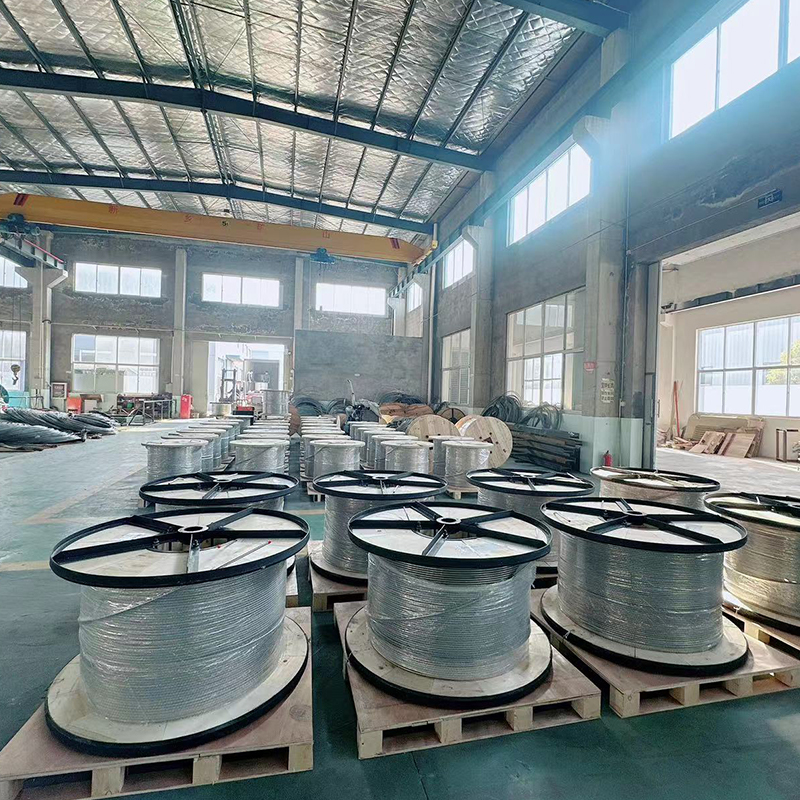 Seamless Stainless Steel Hydraulic Control Pipelines ManufacturersLaihua is China Seamless Stainless Steel Hydraulic Control Pipelines Manufacturers and Safety Valve Control Pipelines Factory, Wholesale ...View Product →
Welded tubing coils start as stainless steel strip. The strip is roll-formed into a tube, the edges are joined by a longitudinal weld, and the weld is then cold worked and heat treated so it is nearly indistinguishable from the parent metal. The result is a continuous tube that can be wound onto a large-diameter spool for transport and deployment. Sizes typically stay in the capillary and small-diameter range, from around 1/8 in. to 1 in. outside diameter, with wall thicknesses selected for working pressure and collapse resistance. Larger diameters are used for continuous service, but the same principle of continuous length applies.
Welded product does not mean lower performance. When the weld zone is properly treated, inspected, and tested, it can pass hydrostatic, tensile, and hardness checks just as reliably as seamless tubing. The advantage of welding is efficiency and consistency: coil lengths can be long, tolerances can be held tight, and the finished reel arrives ready for the job.
How the tube is made matters as much as the grade. A good welded coil starts with clean strip and ends with a finished spool that has not been scratched, over-drawn, or allowed to corrode between process steps. The typical sequence is:
At our Jiangsu factory, the process runs through tube mills, drawing benches, and inline vacuum bright annealing furnaces before every coil reaches the inspection center. That center is what separates a tubing supplier from a tubing manufacturer. We run tensile tests, 300 MPa hydrostatic tests, Vickers hardness checks, spectrometer checks, and eddy current flaw detection on production lots.
The grade you choose should match the fluid, temperature, and chloride level of the site. The table below lists grades commonly drawn into welded coils.
| Grade | Typical Applications | Selection Notes |
|---|---|---|
| 304/L | General control lines, hydraulic tubing, low-chloride chemical injection | Good balance of strength, cost, and corrosion resistance for dry or mildly corrosive service. |
| 316/L | Offshore hydraulic lines, downhole control tubing, chloride-bearing fluids | Higher resistance to pitting and crevice corrosion, making it the default for seawater and brine environments. |
| 321 | High-temperature instrumentation lines, thermal cycling | Titanium stabilised to reduce carbide precipitation when the coil is exposed to elevated temperatures. |
| 347 | High-temperature process tubing, welded systems | Niobium stabilised for service where 321 is not preferred or where higher creep strength is required. |
| 2205 duplex | Sour gas, high-chloride, and high-pressure service | Roughly twice the yield strength of 316/L with better resistance to stress corrosion cracking, though it is harder to form. |
Surface finish also matters. Vacuum bright annealed coil is clean and oxide-free, which helps keep instrument lines from plugging. A pickled or 2B finish is acceptable for many hydraulic and chemical injection services, but scratches on the bore can trap contaminants. For control pipeline service, specify internal surface cleanliness as a line item, not an assumption.
When a coil arrives on site, the visible condition and the paperwork tell the real story. Check the following before installation:
If a vendor cannot produce the test reports or does not know the heat number, that is a red flag, no matter how good the price looks.
For control pipeline systems, stainless steel welded tubing coils are used to carry hydraulic fluid, corrosion inhibitors, and gas from the surface to wellheads, valves, and subsea equipment. They also appear in instrument and impulse lines where long lengths reduce the number of fittings and potential leak paths. In refineries and chemical plants, coils are routed through conduit trays, heat-traced, and connected to process analyzers. For downhole intervention, heavier-wall welded coil can also be drawn and packaged as part of our continuous oil pipe product range for well cleanout, nitrogen circulation, and production logging.
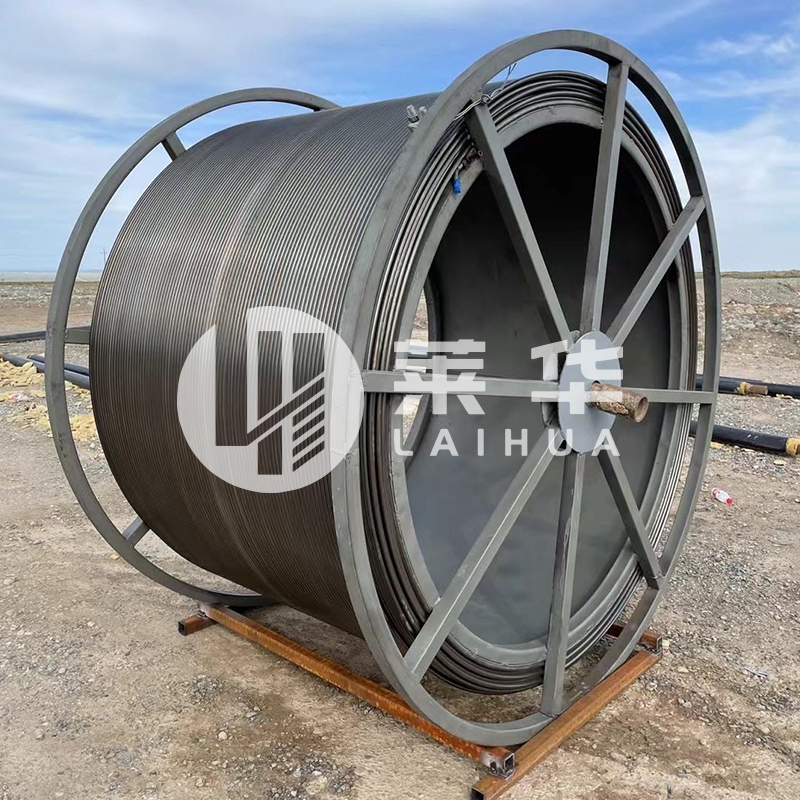 Stainless Steel Continuous Oil Pipes Manufacturers, Factory, SuppliersAs China Wholesale Stainless Steel Continuous Flexible Tubing Oil Pipes Manufacturers, Factory, Suppliers , Laihua Custom 316L, 316, 304 ...View Product →
For a more detailed rundown of typical uses, see our guide to stainless steel welded tubing coil applications and benefits.
One of the biggest procurement risks is receiving a coil that looks right but has hidden weld defects or inconsistent wall thickness. That risk drops when the supplier controls the process from strip to final spool. Because we operate our own tube mills, drawing benches, annealing furnaces, and inspection equipment, we can change a dimension or adjust a heat-treatment cycle without waiting on an outside processor. That is also why we can answer questions about minimum bend radius, packaging, and hydrostatic test pressure before an order is placed. If you are planning a new control-line system and need help with grade selection, dimension checks, or packaging, contact our engineers with your working pressure and environmental data.
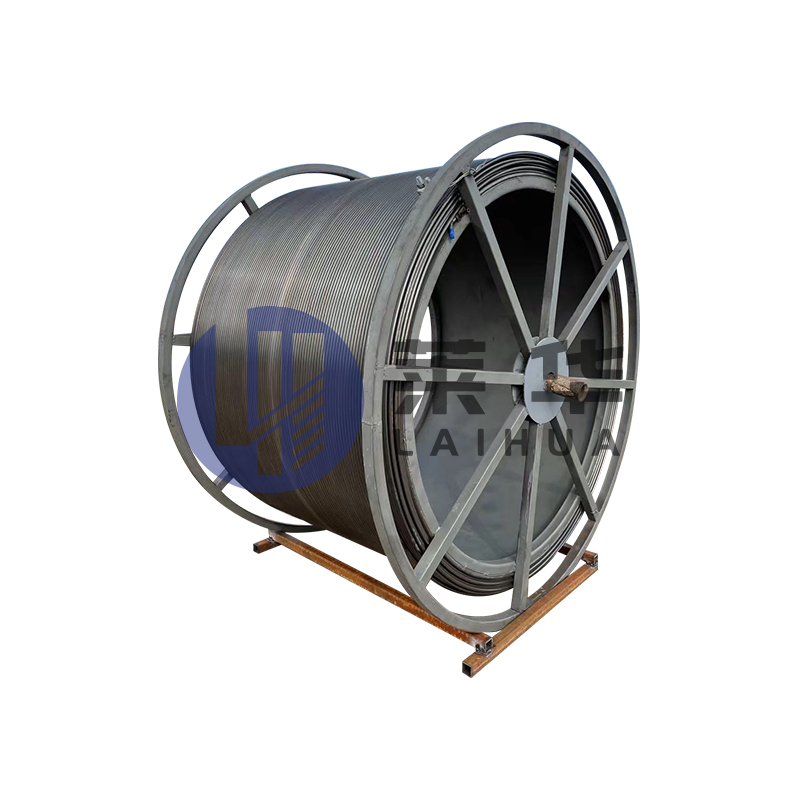
Continuous tubing, also known as flexible tubing or flexible tubing, is widely used in the fields of well workover, logging and drilling, etc. Its pro...
See Details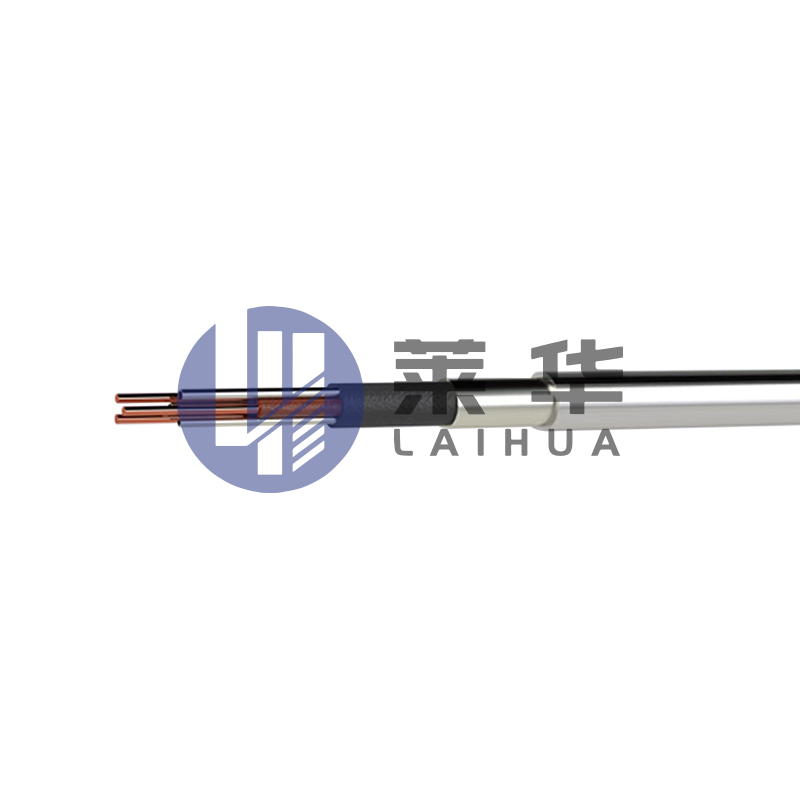
Purpose: The high-temperature testing cable, combined with the high-temperature testing vehicle, is mainly used in multi-parameter testing of heavy oi...
See Details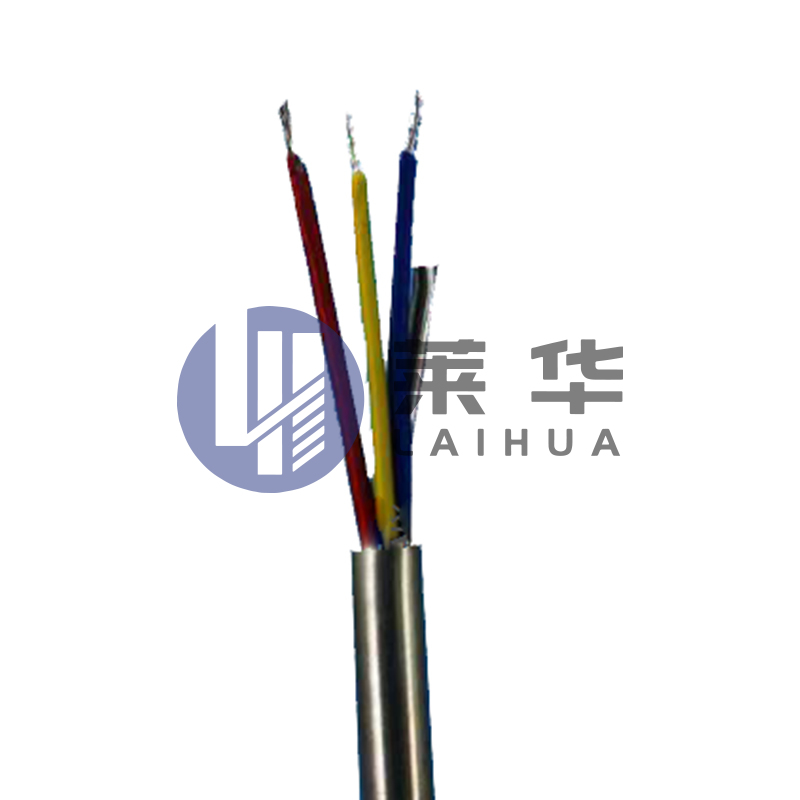
The Stainless Steel Fibre Optic Test Cable is a special test cable that combines the durability of stainless steel with the high transmission efficien...
See Details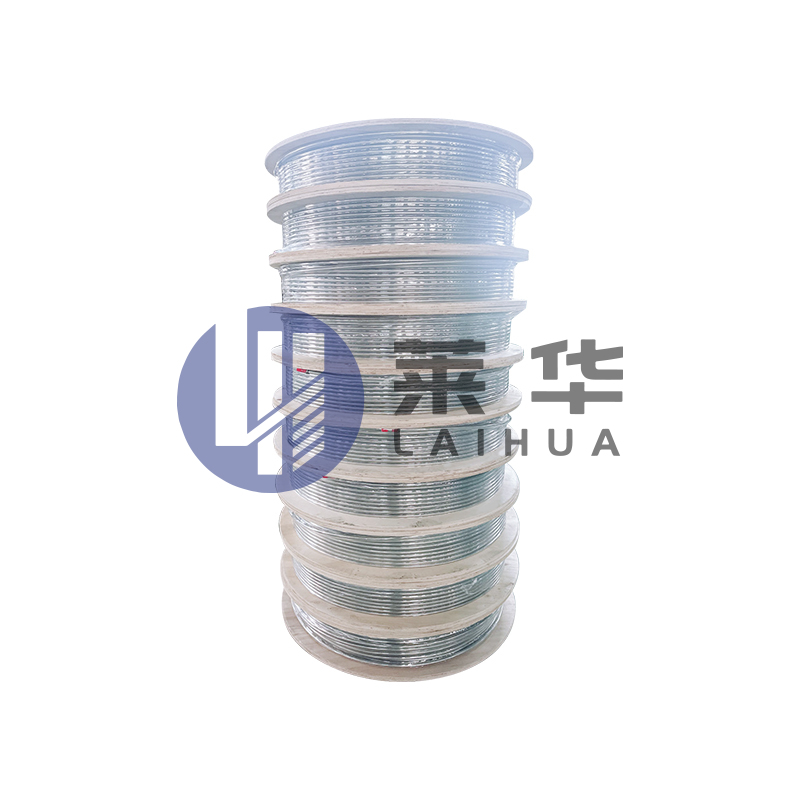
Instructions for the use of hydraulic control pipelines Hydraulic control pipeline, also known as capillary. Mainly used for underground capillary pre...
See Details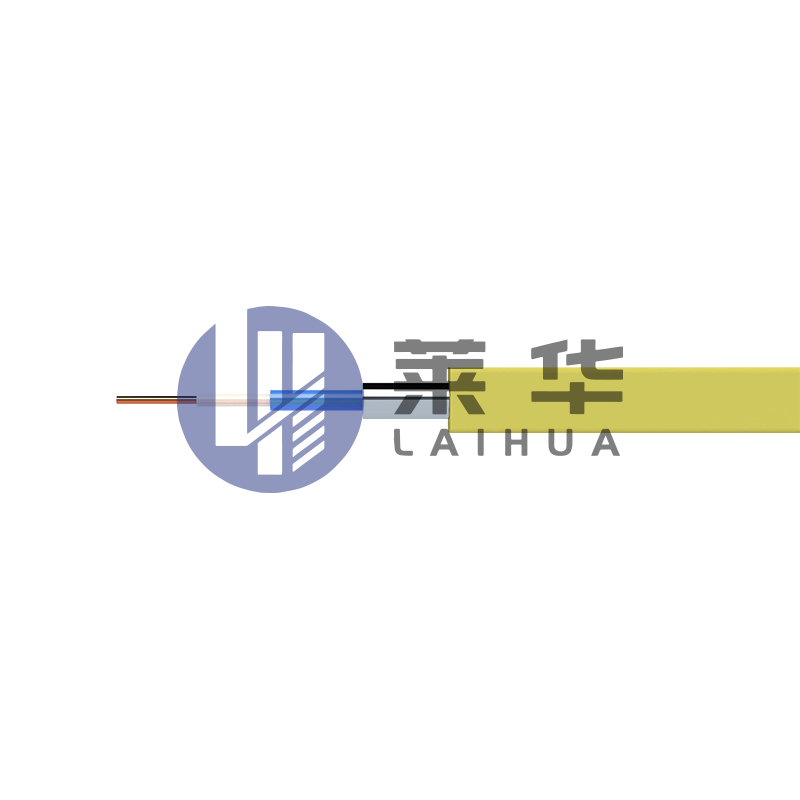
Stainless steel clad pipe is a piping system that combines the durability of stainless steel with the protection of plastic. This piping system is usu...
See Details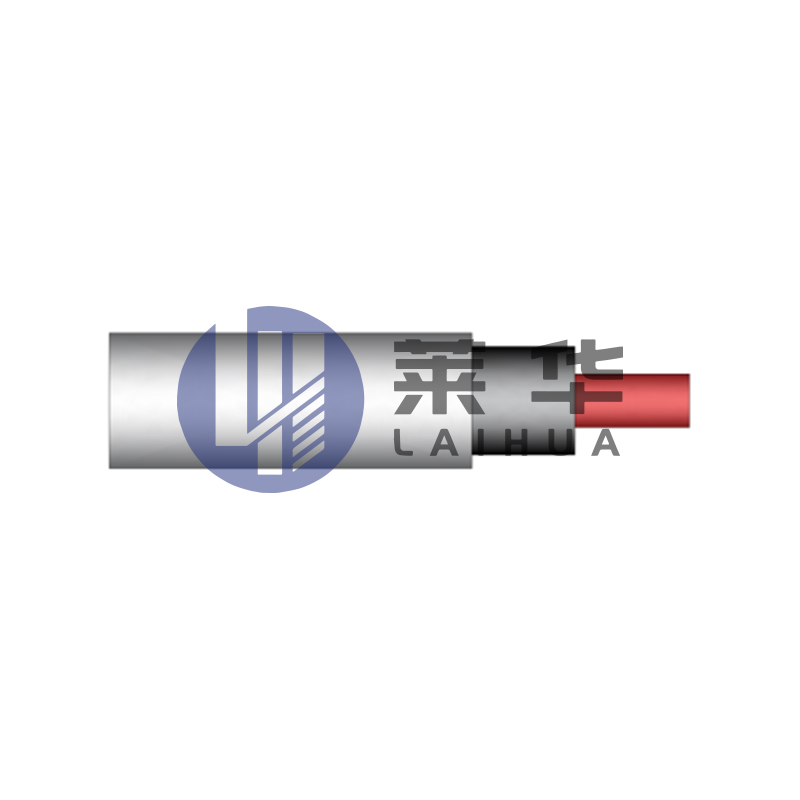
Application field:The electric induction heating system is a complete set of electric heating devices developed by our company specifically for heavy ...
See Details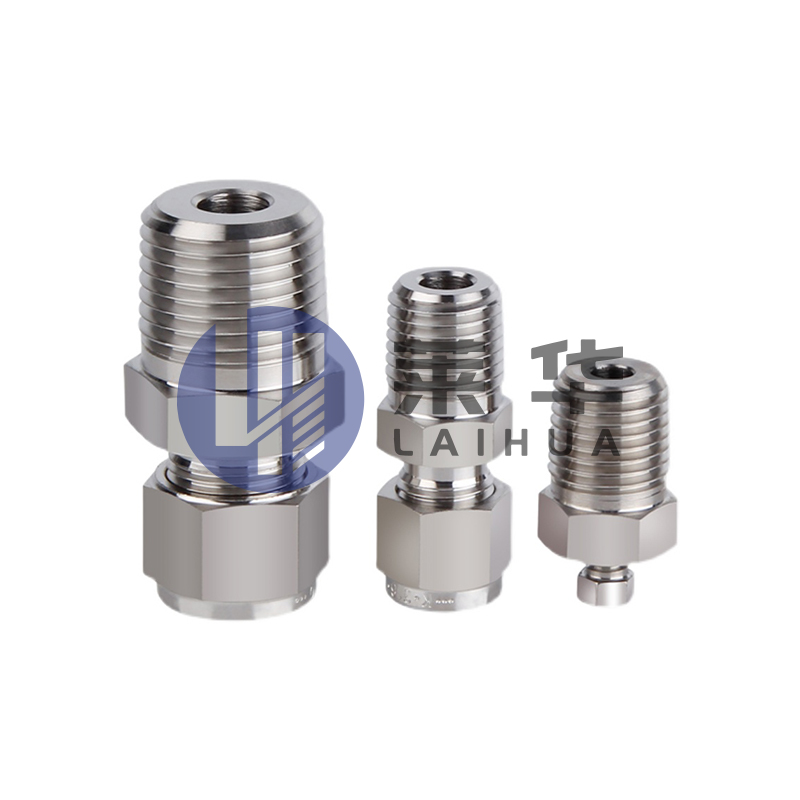
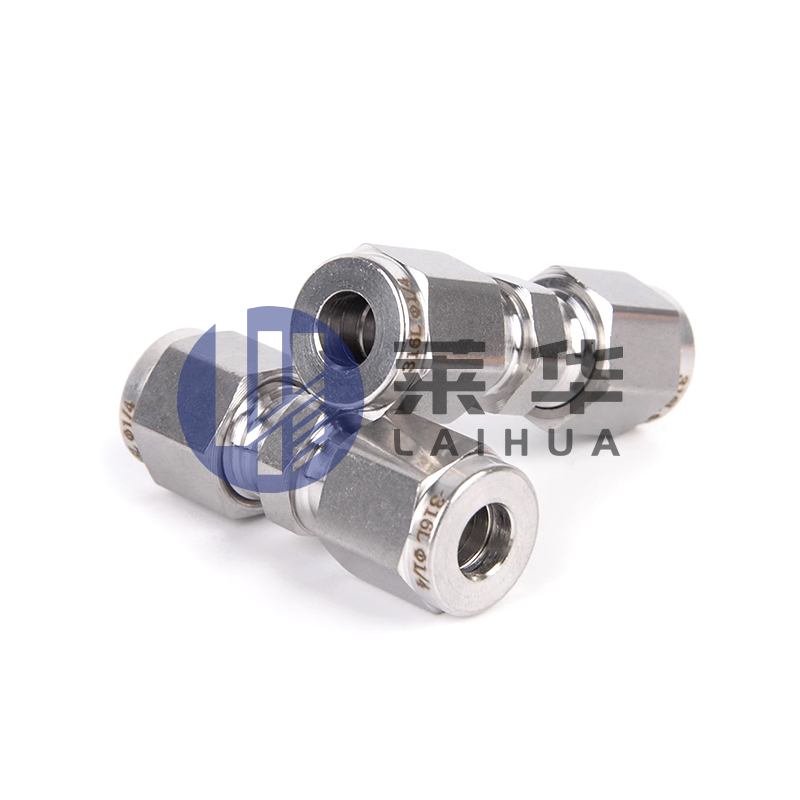
The ferrule type pipe joint consists of three parts: the joint body, ferrule, and nut. When the clamp and nut are inserted into the joint body on the ...
See Details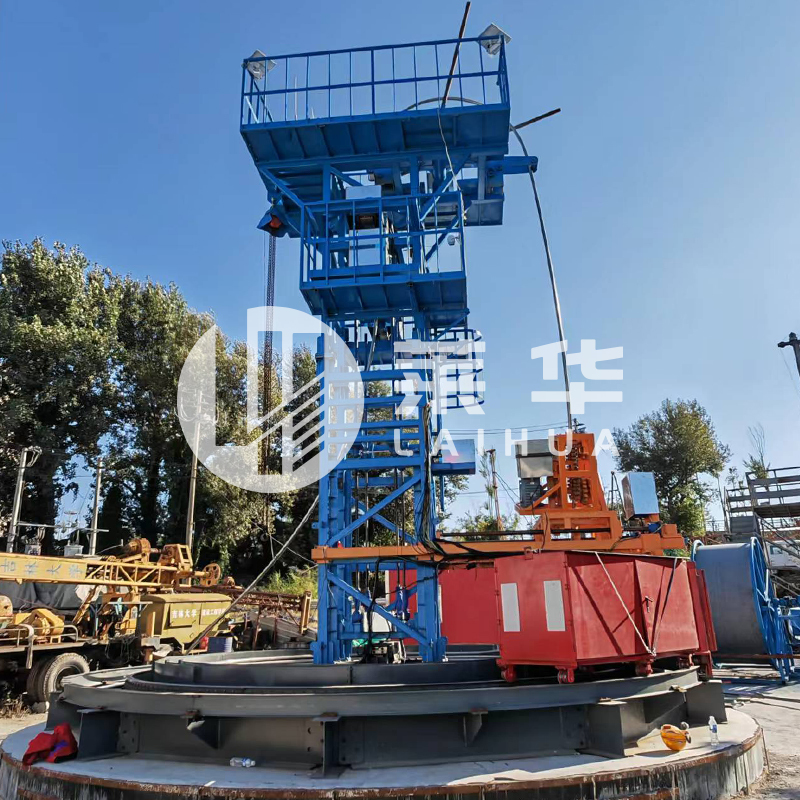
Continuous Tubing Skid Winch is a specially designed equipment for oilfield operations, which combines the design features of the Continuous Tubing Wo...
See Details
E-mail: [email protected]

Phone: +86-15996597000
+86-18252893456

Whatsapp: +86-18252874678

Address: No. 3 Xinyuan Road, Nanmo Town Industrial Park, Hai'an City, Nantong City, Jiangsu Province, China
QR code on
mobile phone



Contact Us