
 英语
英语 西班牙语
西班牙语 阿拉伯语
阿拉伯语Cat:Products
Continuous tubing, also known as flexible tubing or flexible tubing, is widely used in the fields of well workover, logging and drilling, etc. Its pro...
See Details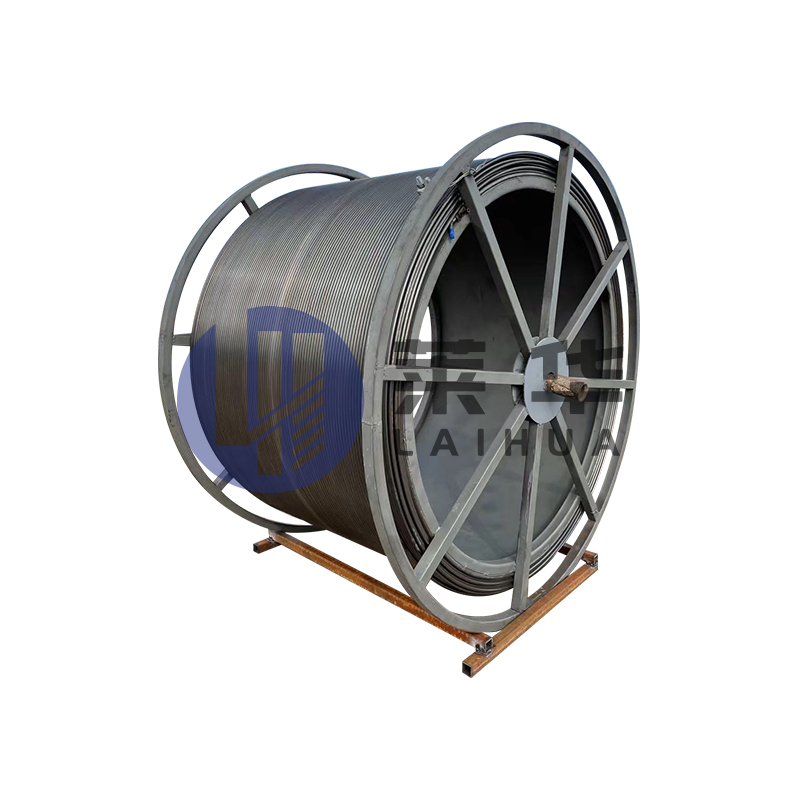
Content
A quarter-inch stainless control line develops a pinhole leak at a wellhead. A batch of welded pipe is rejected at third-party inspection because the eddy current signal shows a string of shallow weld defects. In both situations, the first instinct is to blame the welding process. In most cases, the evidence points to a specification gap: the wrong grade, an unverified manufacturing route, or a supplier whose quality control stops at the mill certificate.
Welded steel pipe is not the budget fallback that casual comparisons make it out to be. When the material grade, welding process, and inspection scope are matched to the actual service condition, welded steel pipe is the most cost-effective pressure-containing product available for the majority of industrial and oilfield duties. What follows is a practical look at how welded pipe is made, what separates a dependable seam from a defective one, and how to specify the right product the first time.
Welded steel pipe begins as a flat strip or plate, cold-formed into a tubular profile, and joined along its seam. For very large transmission lines the seam runs helically; for the vast majority of industrial and oilfield pipe, it runs longitudinally. The forming process is similar at every reputable mill. The weld, the heat treatment, and the inspection are what separate consistent product from reject material.
Three manufacturing routes account for nearly all welded steel pipe in service today:
After welding, the pipe is sized to the specified outside diameter, straightened, and — for stainless and alloy grades — heat treated. Heat treatment is not a formality. It relieves residual welding stress and restores corrosion resistance to the heat-affected zone, where sensitization would otherwise make the seam the first location to fail. The finished pipe then passes through inline inspection, and representative samples go to the laboratory for mechanical testing and chemical verification.
The practical gap between welded and seamless pipe is far narrower than the old “seamless is stronger” rule suggests. Modern welding processes, combined with eddy current and hydrostatic testing, have made welded pipe the default choice in most pressure applications. Seamless retains a genuine advantage in very thick walls and in fatigue-critical designs where a longitudinal weld seam is considered an unacceptable risk. It also costs more and cannot be delivered as long continuous coils.
| Consideration | Welded Steel Pipe | Seamless Steel Pipe |
|---|---|---|
| Relative cost | Lower for most sizes and volumes | Higher because of billet piercing and additional machining |
| Dimensional control | Excellent wall-thickness consistency | Good, but less consistent over long lengths |
| Delivery form | Straight lengths or long continuous coils | Straight lengths in practical terms |
| Weld seam | Present; quality depends on process and inspection | None |
| Inspection emphasis | Full-length eddy current plus hydrostatic testing | Hydrostatic and ultrasonic testing per code requirements |
| Best-fit applications | Process piping, hydraulic lines, coiled tubing, control lines | Heavy-wall, fatigue-critical, and code-restricted services |
The conclusion is direct. Choose welded pipe unless the design code, a fatigue calculation, or a sour-service requirement explicitly rules out a longitudinal weld. Where the seam is permitted, welded pipe delivers the same pressure-holding performance at a lower cost and with better dimensional consistency. That is the case for most process, hydraulic, and well-service applications.
A welded pipe performs only as well as its seam. Incomplete fusion, inclusions, or an uneven weld bead create stress concentrations that can grow into leaks under pressure cycling. Two inspections catch these defects before the pipe ships: eddy current testing scans the full seam length for surface and near-surface discontinuities, and hydrostatic testing proves the pipe holds its rated pressure. Neither should be treated as an optional extra in a serious specification.
Corrosion resistance begins in the melt, not in the weld. For stainless grades, chromium and molybdenum content, together with low carbon, determine resistance to pitting and chloride attack. Sour service, elevated temperature, and exposure to formation water all narrow the grade choice. Heat treatment after welding matters just as much: a poorly annealed heat-affected zone corrodes preferentially even when the base metal is correct. This is the pattern behind most “unexplained” tubing failures in the field. For a closer look, review the factors that influence the corrosion resistance of welded steel pipes.
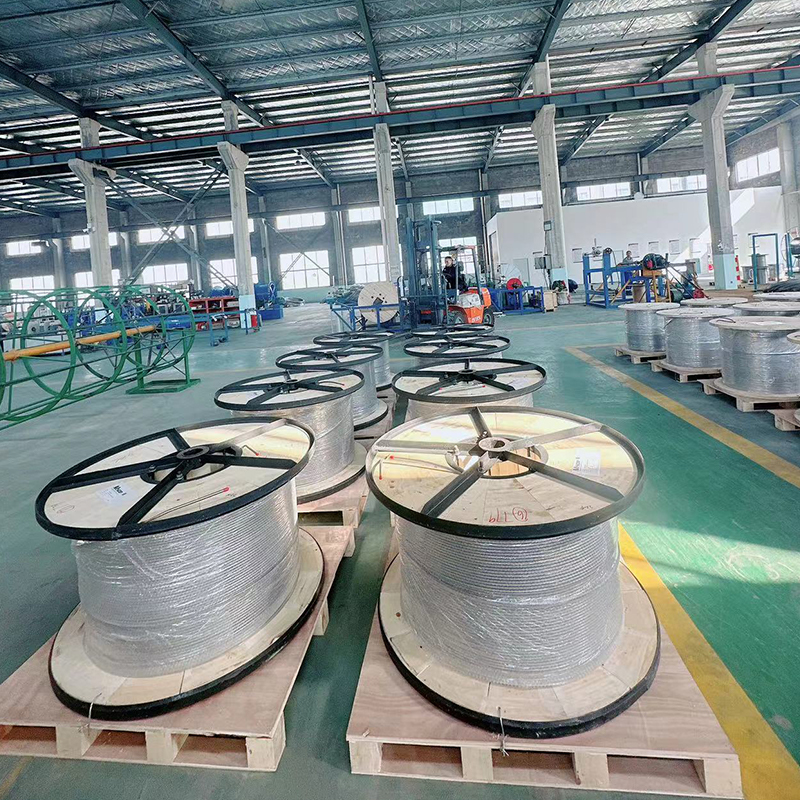
Mill certificates are easy to print and harder to substantiate. What matters is the equipment behind them. Our facility combines spectral analysis for chemical composition, a tensile bench for mechanical properties, a hydraulic test bench rated at 300 MPa for pressure integrity, a Vickers hardness tester, and eddy current flaw detectors that scan the weld zone on every coil. Together they catch the two failure modes that matter most in service: wrong chemistry that leads to corrosion, and weld defects that lead to leaks.
Welded steel pipe is not a generic commodity in oilfield practice. It shows up as coiled tubing strings, hydraulic control lines, instrument bundles, chemical injection lines, and process piping. The practical question is not whether welded pipe is up to the task; it is which form and grade fit the duty. That decision is easier when you can review the full range of what a dedicated manufacturer produces.
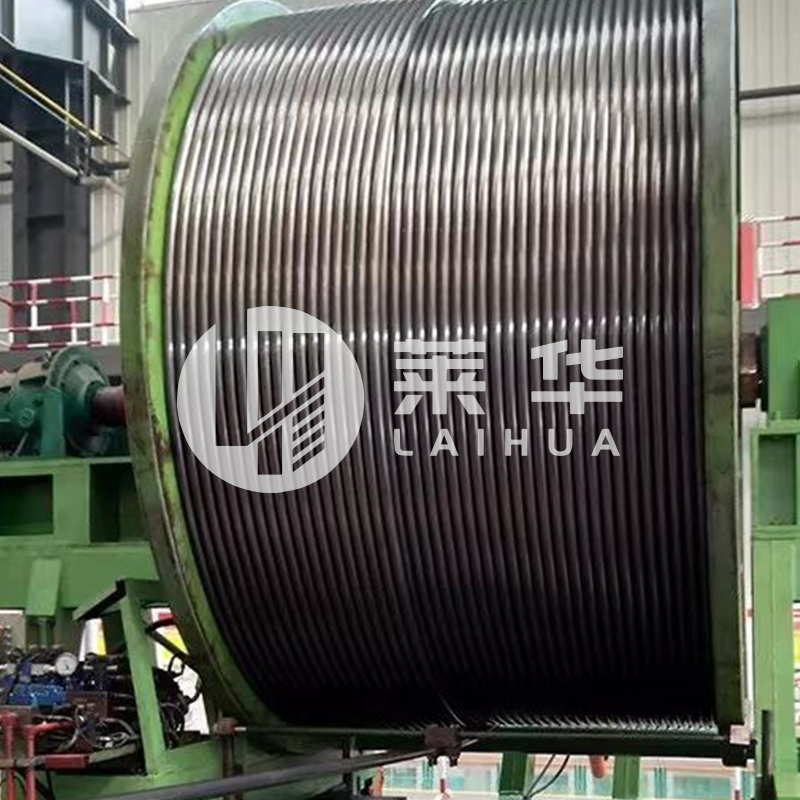
When a well needs circulating, washing, scale removal, or chemical placement at depth, operators run a continuous string rather than jointed pipe. The stainless steel continuous oil pipe is manufactured and spooled as one continuous coil, so the entire workstring arrives without field welds. That is what makes a coiled tubing unit practical: the string is run, worked, and retrieved as a single welded tube engineered for bending cycles, surface handling, and downhole pressure.
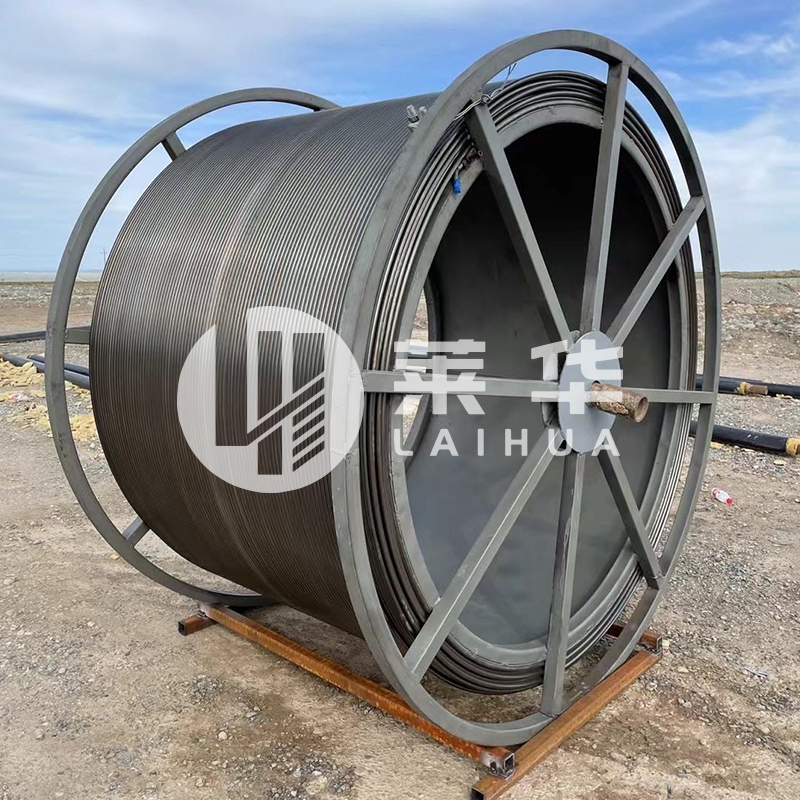 Stainless Steel Continuous Oil Pipes Manufacturers, Factory, SuppliersAs China Wholesale Stainless Steel Continuous Flexible Tubing Oil Pipes Manufacturers, Factory, Suppliers , Laihua Custom 316L, 316, 304 ...View Product →
Small-diameter welded coil and control pipeline does the same job for hydraulic, chemical, and pneumatic systems: it carries a controlled fluid over long distances without a single field weld, and every eliminated joint is an eliminated leak path. That is why control lines, chemical injection lines, and hydraulic supply lines are specified as continuous coils matched to working pressure, bore size, and fluid compatibility. Our stainless steel coil and control pipeline range covers the pressures and bore sizes most commonly called out in wellhead and process control systems.
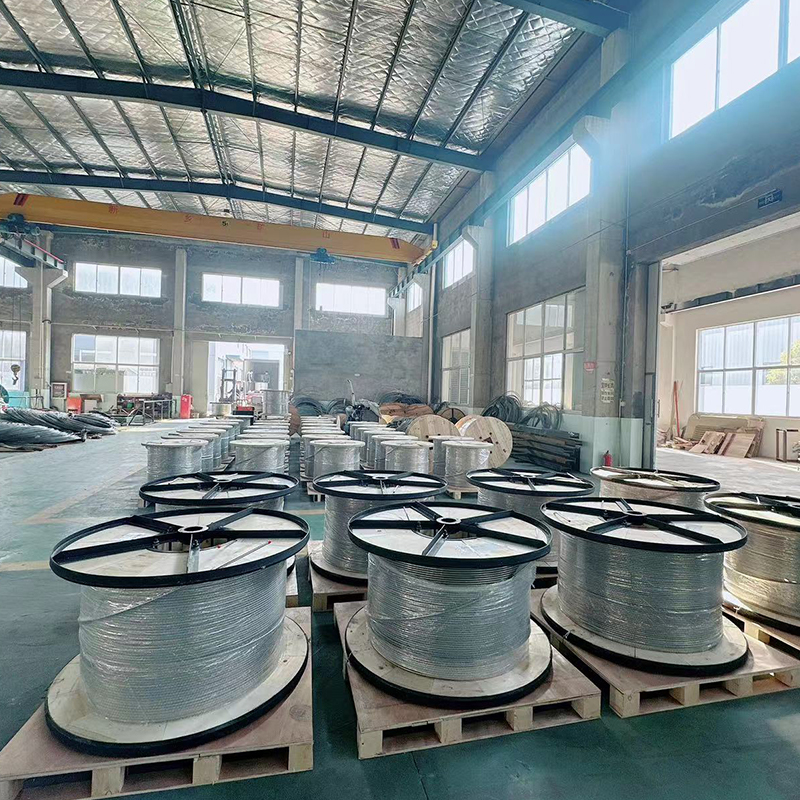 Seamless Stainless Steel Hydraulic Control Pipelines ManufacturersLaihua is China Seamless Stainless Steel Hydraulic Control Pipelines Manufacturers and Safety Valve Control Pipelines Factory, Wholesale ...View Product →
A pipe is only one part of the circuit. Site-installed connectors must survive the same pressure, temperature, and vibration as the tubing itself. For small-bore stainless lines, compression-type ferrules are preferred because they seal without hot work, tolerate thermal cycling, and can be broken and remade during maintenance. The stainless steel ferrule joint is the connection of choice in hydraulic and instrument systems where sealing pressure and cycling loads are part of the daily operating reality.
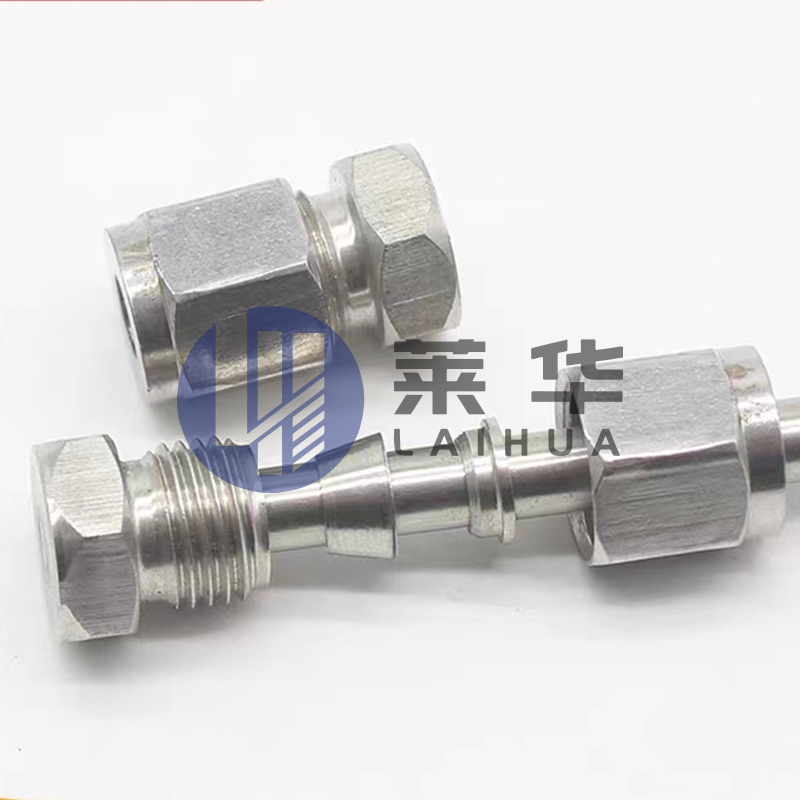 Oil Pipes Stainless Steel Ferrule Joint Manufacturers, Factory, SuppliersLaihua Petroleum is China Wholesale Oil Pipes Stainless Steel Ferrule Joint Manufacturers, Factory, Suppliers, supply Custom Oil Pipes St...View Product →
Before you issue a purchase order, run the specification through this checklist:
Welded steel pipes carry water, chemicals, gas, and hydraulic pressure through nearly every industrial sector. Specified with the same discipline as any pressure component, they match seamless reliability at a significantly lower cost. Most failure stories trace back to specification gaps and unverified manufacturing, not to the welding process itself. If you are planning a project or reviewing a tubular specification, speak with our engineering team — we build welded stainless tubulars and pressure-tested coils every day.
Continuous tubing, also known as flexible tubing or flexible tubing, is widely used in the fields of well workover, logging and drilling, etc. Its pro...
See Details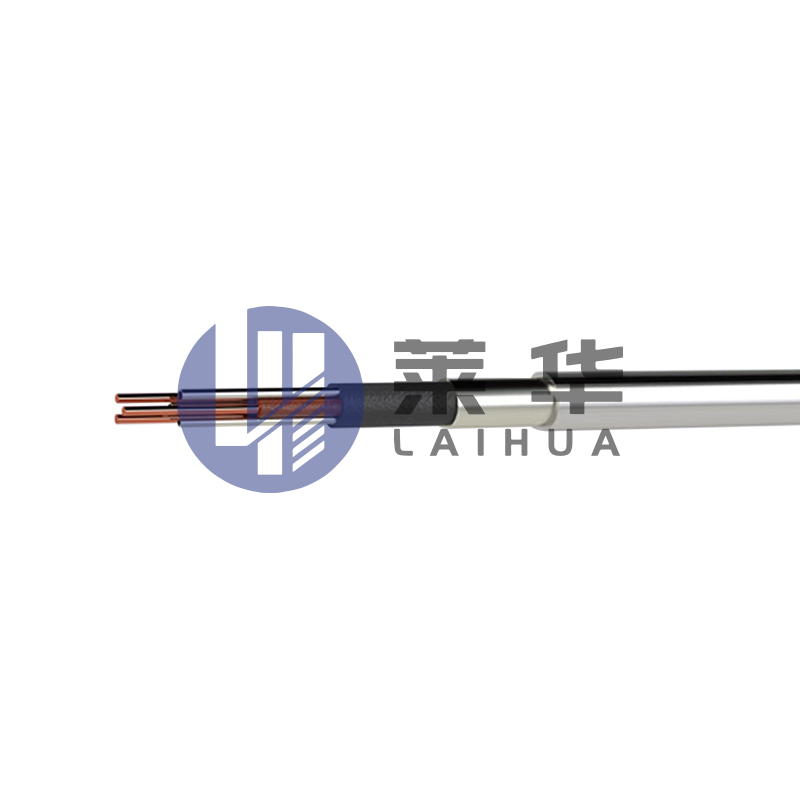
Purpose: The high-temperature testing cable, combined with the high-temperature testing vehicle, is mainly used in multi-parameter testing of heavy oi...
See Details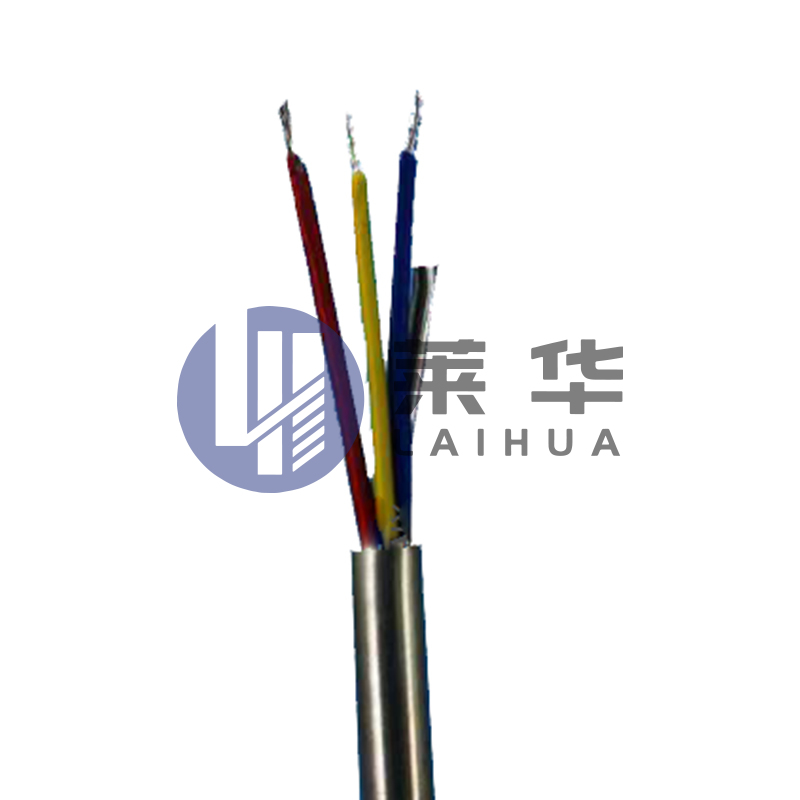
The Stainless Steel Fibre Optic Test Cable is a special test cable that combines the durability of stainless steel with the high transmission efficien...
See Details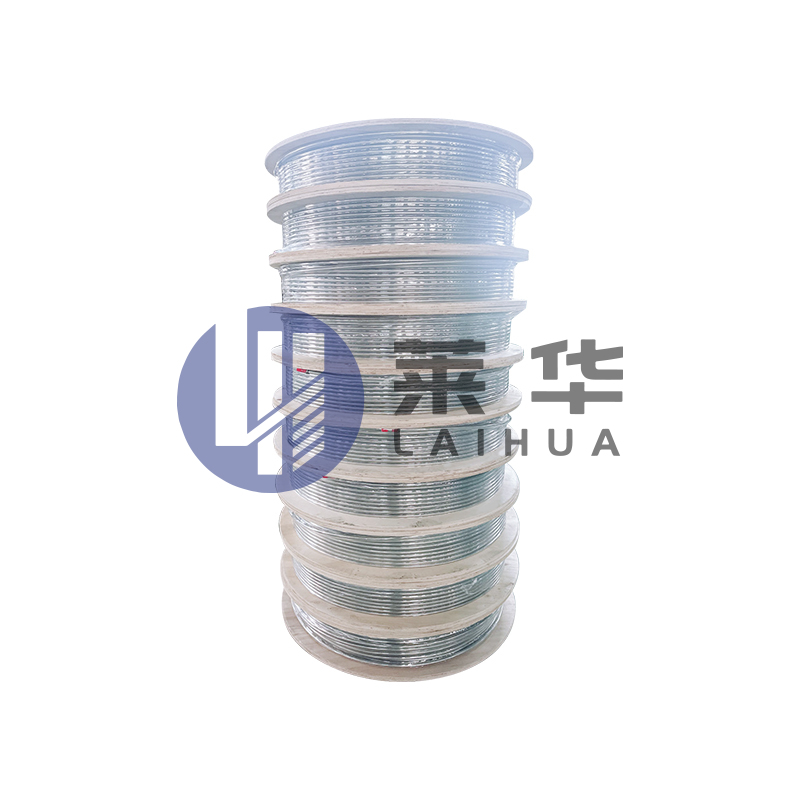
Instructions for the use of hydraulic control pipelines Hydraulic control pipeline, also known as capillary. Mainly used for underground capillary pre...
See Details
Stainless steel clad pipe is a piping system that combines the durability of stainless steel with the protection of plastic. This piping system is usu...
See Details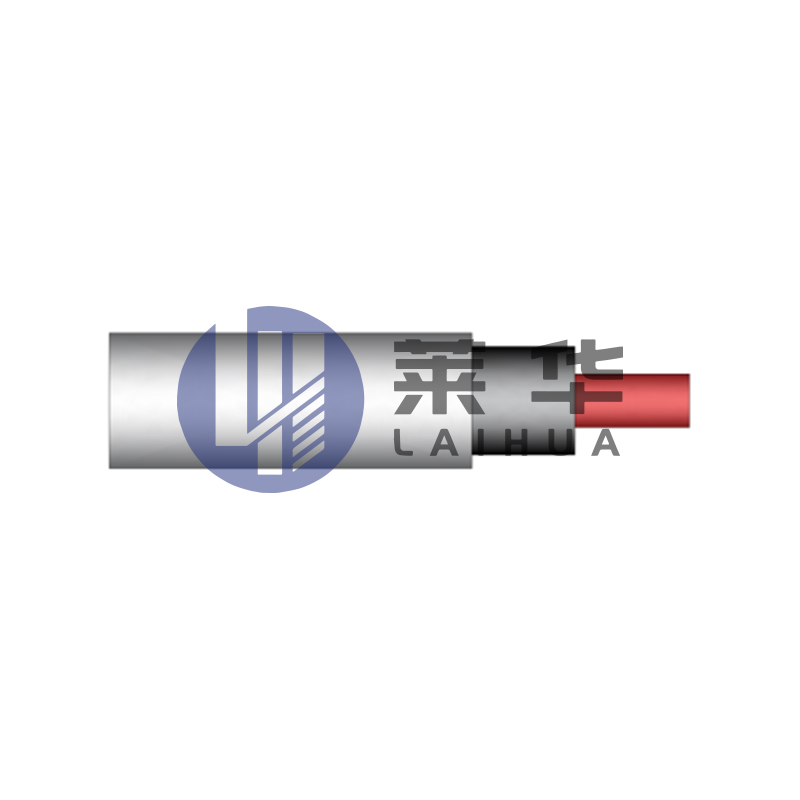
Application field:The electric induction heating system is a complete set of electric heating devices developed by our company specifically for heavy ...
See Details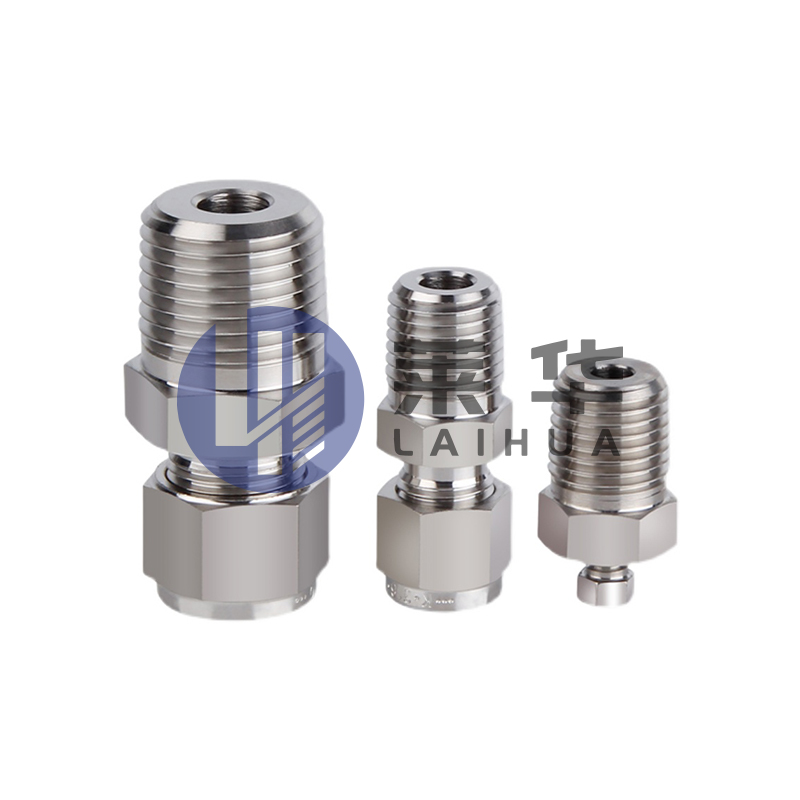
The ferrule type pipe joint consists of three parts: the joint body, ferrule, and nut. When the clamp and nut are inserted into the joint body on the ...
See Details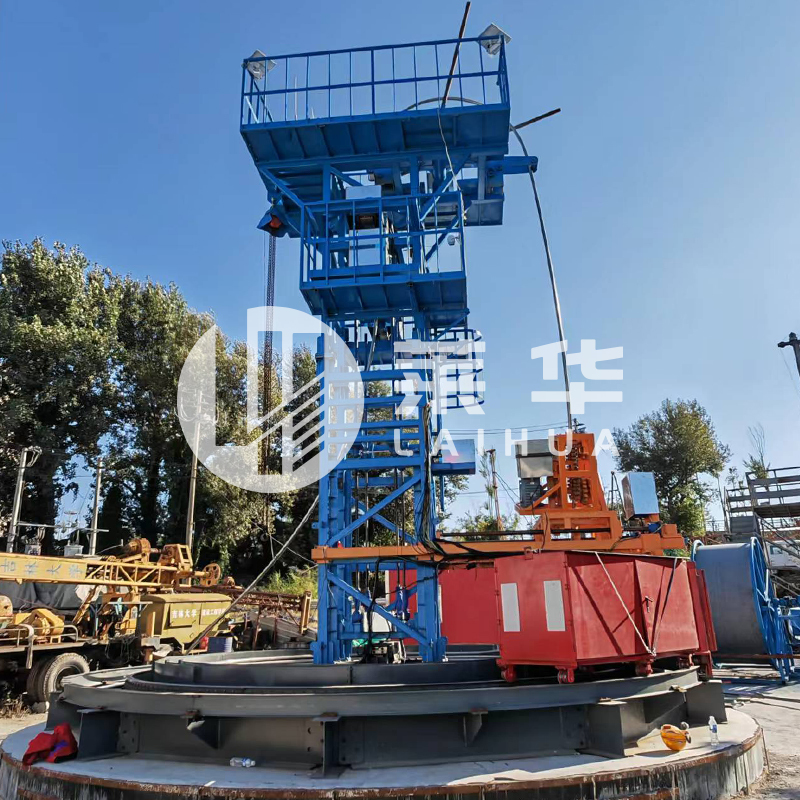
Continuous Tubing Skid Winch is a specially designed equipment for oilfield operations, which combines the design features of the Continuous Tubing Wo...
See Details
E-mail: [email protected]

Phone: +86-15996597000
+86-18252893456

Whatsapp: +86-18252874678

Address: No. 3 Xinyuan Road, Nanmo Town Industrial Park, Hai'an City, Nantong City, Jiangsu Province, China
QR code on
mobile phone



Contact Us