
 英语
英语 西班牙语
西班牙语 阿拉伯语
阿拉伯语Cat:Products
Continuous tubing, also known as flexible tubing or flexible tubing, is widely used in the fields of well workover, logging and drilling, etc. Its pro...
See Details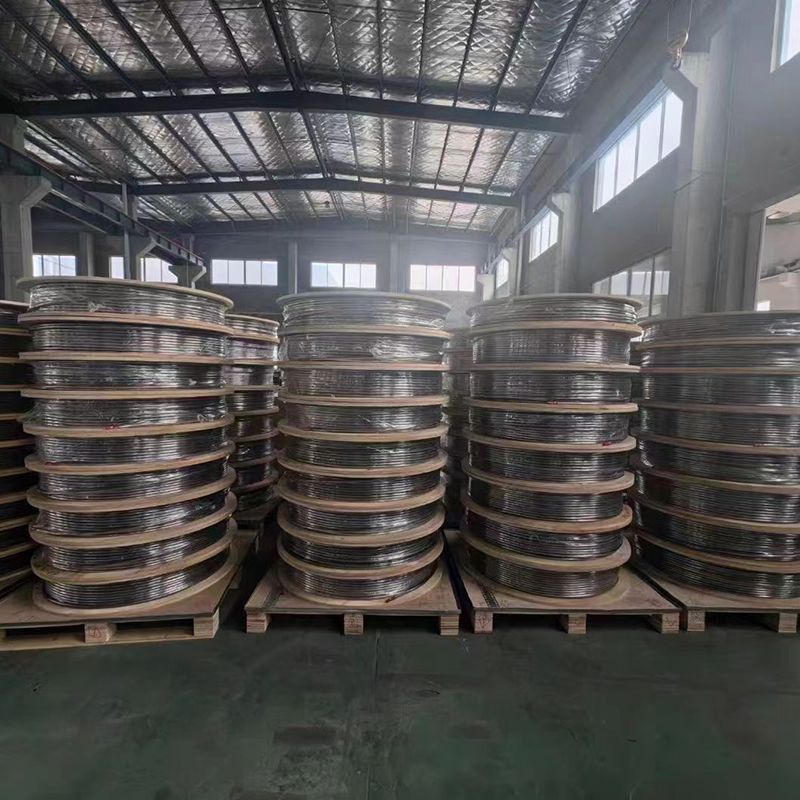
Content
A pipeline engineer selecting materials for a sour gas field faces a common dilemma: solid stainless steel offers impeccable corrosion resistance but can inflate material costs by 30–50 %. Carbon steel keeps the budget under control yet risks early failure from H₂S and CO₂ attack. Stainless steel clad pipe solves this trade-off by metallurgically bonding a corrosion‑resistant alloy layer to a carbon steel backing. The result is a single pipe that delivers the structural strength of steel and the surface properties of a high‑alloy liner—at roughly half the cost of a solid stainless steel alternative.
The clad layer typically ranges from 1 to 10 mm in thickness and is selected according to the corrosive medium: 304L for general chemical resistance, 316L for chloride‑bearing environments, or Inconel 625 for the most aggressive offshore and downhole conditions. Because the bond is atomic—not mechanical—the pipe withstands thermal cycling, pressure fluctuations, and mechanical stress without delamination. This intrinsic reliability makes clad pipe a preferred choice for flowlines, subsea risers, and refinery heat exchangers where a leak is not an option.
In hot‑roll bonding, a stainless steel sheet or plate is placed on a cleaned carbon steel slab, heated above 1250 °C, and passed through a rolling mill. Under extreme pressure and temperature, the two surfaces undergo atomic diffusion, creating a metallurgical bond with shear strengths typically exceeding 210 MPa (per ASTM A264). The process yields a continuous, homogenous interface suitable for large‑diameter pipe production. Its chief limitations are the need for heavy‑gauge starting material and the difficulty of bonding sharply dissimilar alloys where thermal expansion mismatch is severe.
Explosive welding uses a controlled detonation to propel the clad plate against the base plate at supersonic speeds, generating a short‑lived but intense pressure wave. The impact expels surface oxides and creates a solid‑state bond without melting the parent metals. This technique excels at joining metals that are metallurgically incompatible by conventional welding—for example, titanium to steel. It is especially useful for large‑diameter, thick‑wall pipe and for cladding small production runs where rolling‑mill setup costs would be prohibitive.
Weld overlay deposits a stainless or nickel‑alloy layer onto the inner surface of a carbon steel pipe using automated gas tungsten arc (GTAW) or submerged arc welding (SAW). It is the preferred method for complex geometries such as elbows, tees, and reducers, as well as for field rehabilitation of existing piping. A detailed look at how this process is applied can be found in our article on the weld overlay process for clad pipes. Close control of dilution and interpass temperature is critical to achieving a clean overlay with minimal iron pick‑up, which could otherwise degrade the corrosion performance of the stainless layer.
Buyers often conflate clad and lined pipe; the distinction, however, determines whether a pipe will last 5 years or 25. In clad pipe, the corrosion‑resistant layer is atomically bonded to the carbon steel backing. Lined pipe, by contrast, relies on a mechanical interference fit or thin adhesive layer—there is no metallurgical bond. That single design difference cascades into every performance metric that matters in a high‑risk application.
| Criterion | Clad Pipe | Lined Pipe |
|---|---|---|
| Bond Type | Metallurgical | Mechanical / Loose |
| Shear Strength | ≥210 MPa | 40–80 MPa |
| Resistance to Thermal Cycling | No delamination | Risk of liner collapse |
| Typical Service Life | 20–25 years | 5–15 years |
| Upfront Cost | Higher | Lower |
The data leaves little room for debate. While lined pipe may reduce initial spend, the lifecycle cost—once you factor in inspection intervals, unscheduled replacements, and production downtime—almost always favors clad pipe. For any service where the fluid is toxic, pressurized, or subject to rapid temperature swings, clad pipe is the defensible engineering choice.
Stainless steel clad pipe is deployed across the full upstream and midstream chain: sour crude gathering lines, produced‑water reinjection systems, subsea flowlines, and refinery overhead condensers. The selection of the clad alloy depends squarely on the expected corrosive agents. For wet CO₂ environments, 316L cladding delivers cost‑effective protection; when hydrogen sulfide is present, 316L or duplex stainless grades are mandatory; and in deep‑water production where both CO₂ and chlorides are aggressive, Inconel 625 or 825 cladding becomes the standard. For a broader look at the use cases, refer to our overview of detailed clad pipe applications in oil & gas.
Beyond the clad layer, the supporting systems that connect these pipes are equally critical. In wellhead control and hydraulic actuation, the reliability of stainless steel control pipeline dictates the safety and response time of the entire operation. Explore our durable stainless steel control pipeline products engineered to withstand the same harsh conditions that clad pipe is designed for.
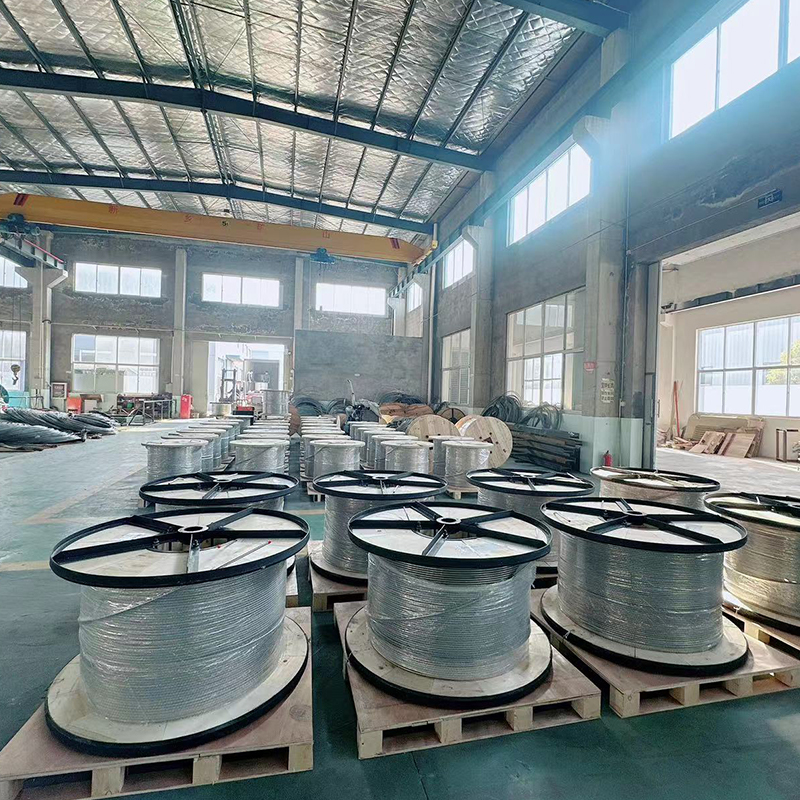 Seamless Stainless Steel Hydraulic Control Pipelines ManufacturersLaihua is China Seamless Stainless Steel Hydraulic Control Pipelines Manufacturers and Safety Valve Control Pipelines Factory, Wholesale ...View Product →
A disbonded clad layer is the single most costly manufacturing defect. Prevention starts with pre‑heating the base metal to remove moisture and surface contaminants, maintaining a controlled interpass temperature during overlay welding, and verifying bond integrity with 100 % ultrasonic testing (UT) per ASTM A578. Any indication at the interface larger than the acceptance limit means the joint must be cut out and re‑welded. When hot‑roll bonding, cleanliness of the mating surfaces is paramount; even a microscopic film of oxide will prevent atomic diffusion.
ASTM A264 permits a clad‑layer thickness tolerance of ±20 % of the specified nominal value, but that is a minimum expectation. For critical service—such as subsea risers exposed to external hydrostatic pressure—many operators tighten the tolerance to ±10 % and mandate a minimum local thickness that ensures corrosion allowance is never breached. Always specify the tolerance band in the purchase order and confirm it with a macro‑etch examination on the first cut‑off specimen.
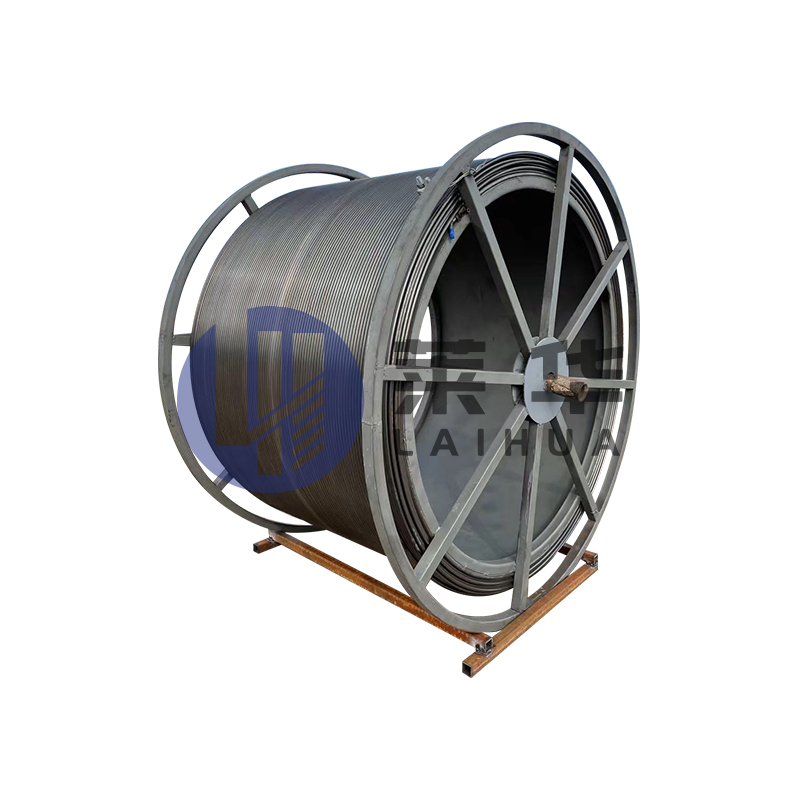
Continuous tubing, also known as flexible tubing or flexible tubing, is widely used in the fields of well workover, logging and drilling, etc. Its pro...
See Details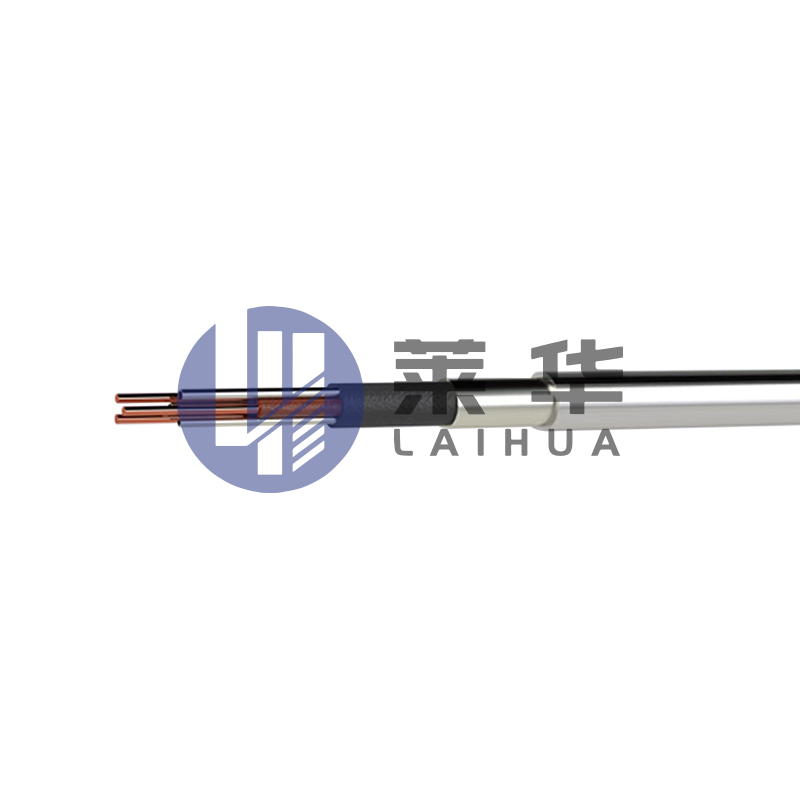
Purpose: The high-temperature testing cable, combined with the high-temperature testing vehicle, is mainly used in multi-parameter testing of heavy oi...
See Details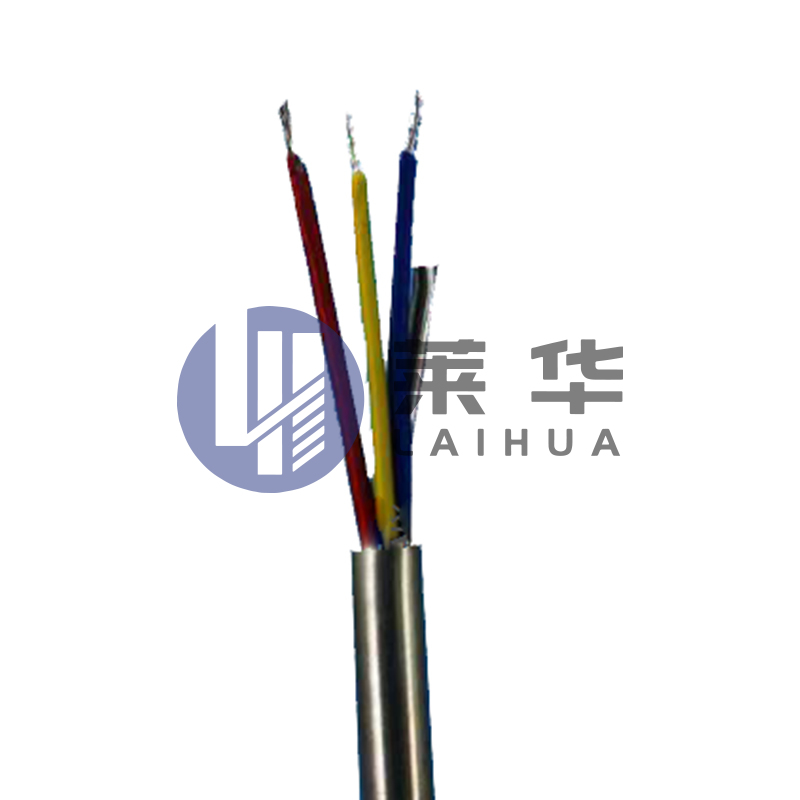
The Stainless Steel Fibre Optic Test Cable is a special test cable that combines the durability of stainless steel with the high transmission efficien...
See Details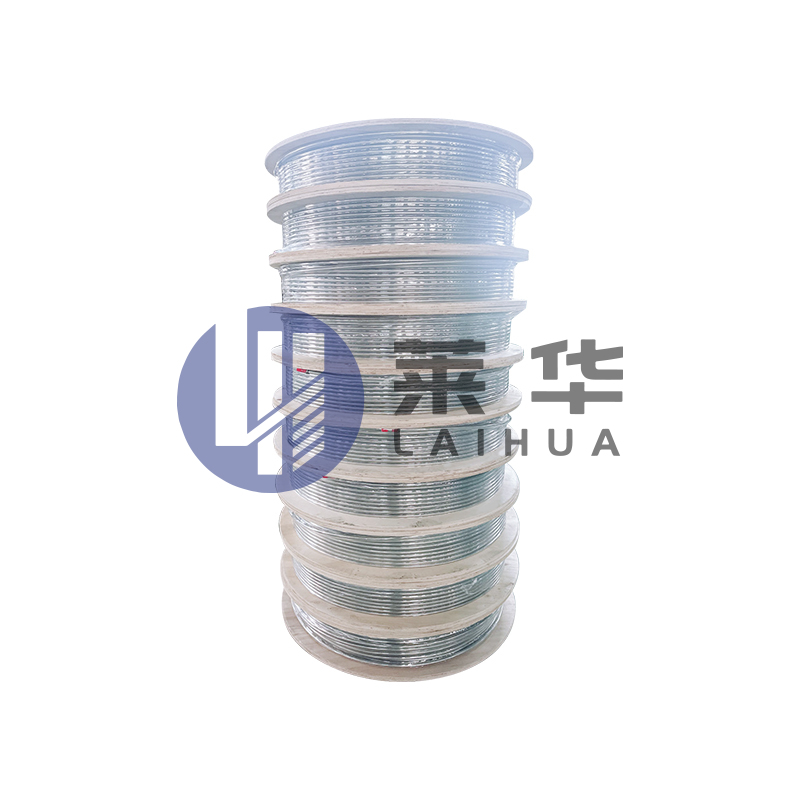
Instructions for the use of hydraulic control pipelines Hydraulic control pipeline, also known as capillary. Mainly used for underground capillary pre...
See Details
Stainless steel clad pipe is a piping system that combines the durability of stainless steel with the protection of plastic. This piping system is usu...
See Details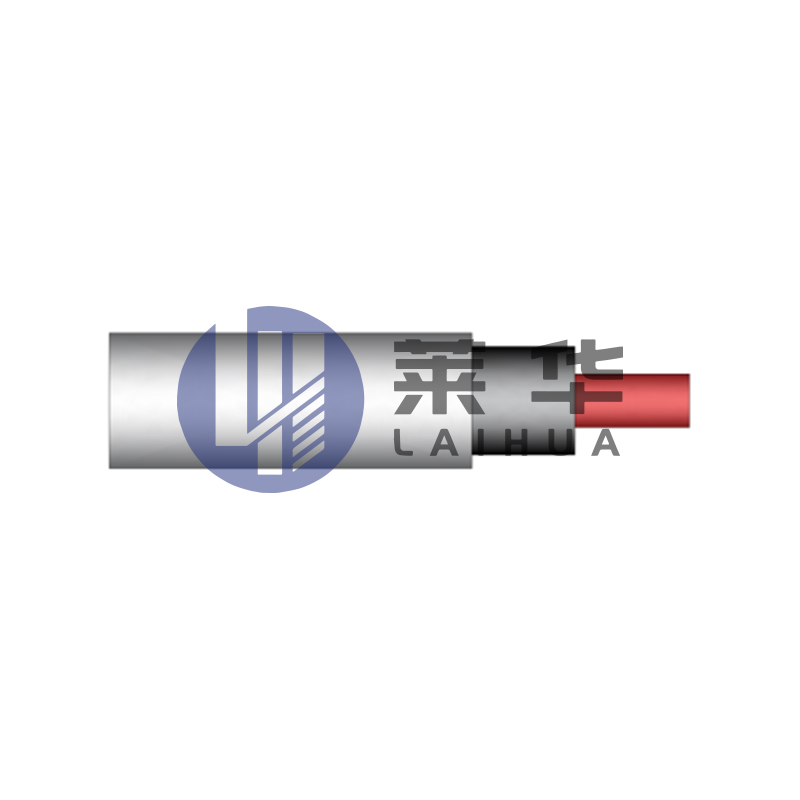
Application field:The electric induction heating system is a complete set of electric heating devices developed by our company specifically for heavy ...
See Details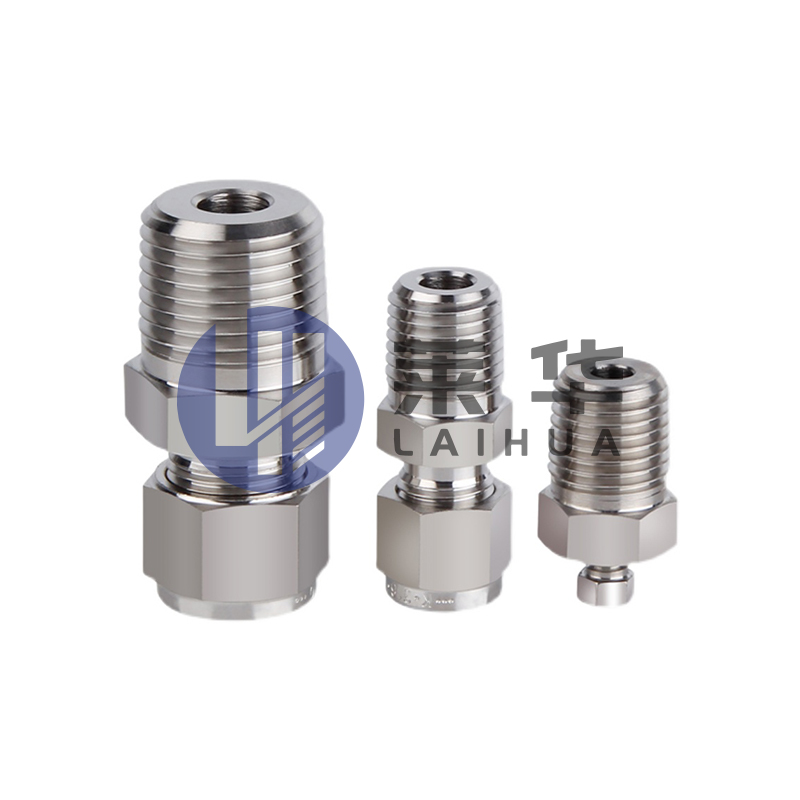
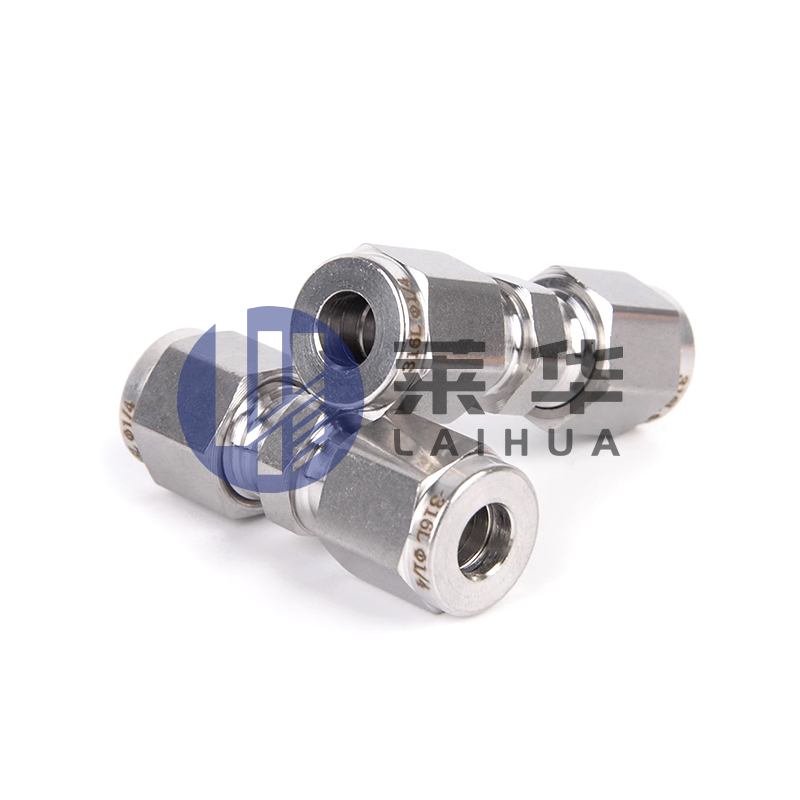
The ferrule type pipe joint consists of three parts: the joint body, ferrule, and nut. When the clamp and nut are inserted into the joint body on the ...
See Details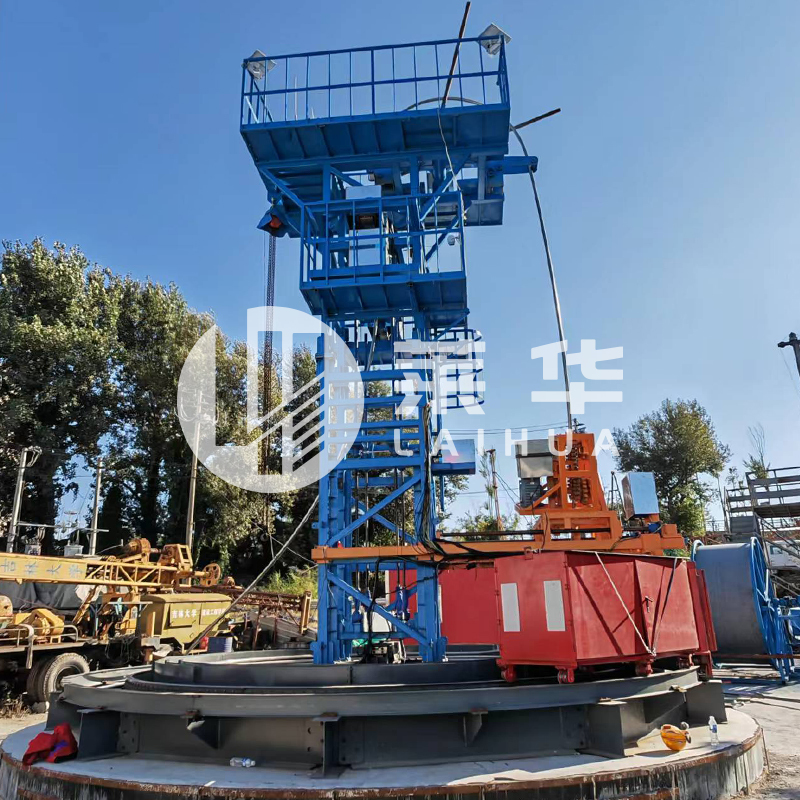
Continuous Tubing Skid Winch is a specially designed equipment for oilfield operations, which combines the design features of the Continuous Tubing Wo...
See Details
E-mail: [email protected]

Phone: +86-15996597000
+86-18252893456

Whatsapp: +86-18252874678

Address: No. 3 Xinyuan Road, Nanmo Town Industrial Park, Hai'an City, Nantong City, Jiangsu Province, China
QR code on
mobile phone




Contact Us