
 英语
英语 西班牙语
西班牙语 阿拉伯语
阿拉伯语Cat:Products
Continuous tubing, also known as flexible tubing or flexible tubing, is widely used in the fields of well workover, logging and drilling, etc. Its pro...
See Details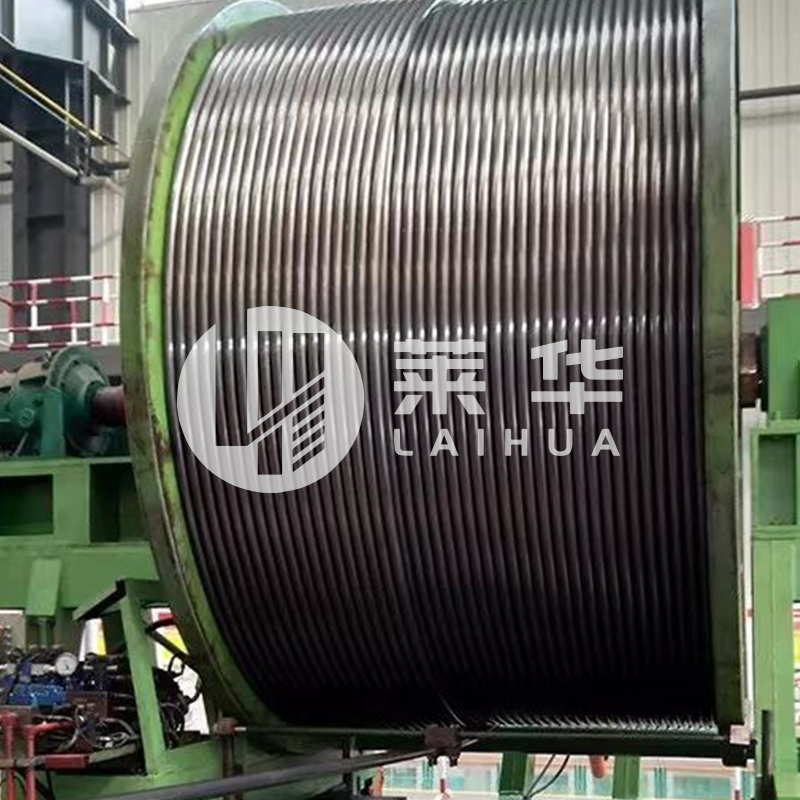
Content
You are reviewing a material certificate for a batch of stainless steel control line, and the column next to the grade says simply “18/8 stainless steel.” That five-character shorthand shows up on quotations, mill test reports, and product labels. It is also one of the most misunderstood descriptions in the stainless steel industry.
18/8 is not a single AISI grade. It is a familiar way of saying that the alloy contains roughly 18% chromium and 8% nickel, which makes it an austenitic stainless steel. In practice, most 18/8 material supplied today meets the specification of AISI 304 or, less commonly, AISI 302. If you need corrosion resistance, formability, and good mechanical strength without paying for molybdenum, 18/8 stainless steel is usually the right starting point.
Chromium and nickel do two different jobs. Chromium forms a thin, self-healing oxide layer on the surface that protects the steel from corrosive media. Nickel stabilizes the austenitic structure at room temperature, giving the material a face-centered cubic lattice that is tough, ductile, and non-magnetic in the annealed condition.
The “18” refers to chromium content by weight, typically 17.5% to 19.5% in a commercial 18/8 alloy. The “8” refers to nickel content, usually 8% to 10.5%. The remainder is mainly iron, with small amounts of carbon, manganese, silicon, phosphorus, and sulfur. This basic chemistry forms the starting point for the entire 300-series austenitic stainless steel family.
Why does that matter to a buyer? Because the ratio of chromium to nickel controls the material’s response to heat treatment, welding, cold forming, and service environments. A genuinely 18/8 alloy with a correct balance of austenite stabilizers will remain tough at cryogenic temperatures and will not harden excessively during bending. That is exactly the behavior you want in a long coiled tube or a small-diameter control line.
The value of 18/8 stainless steel comes from a combination of properties that can be measured and compared:
These properties are what make 18/8 stainless steel a safe, economical default for many applications, but they do not make it universal. In the next section we compare it with the two grades that appear most often on specifications.
18/8 is often treated as a synonym for 304, and for most commercial purposes that is accurate. 304 is the industrial grade that meets the 18/8 chemistry with tighter limits and a defined standard (ASTM A240, A269, A312, etc.). 316 is a higher-alloy austenitic stainless steel with molybdenum added to resist chloride attack.
The table below summarizes the key differences you are likely to see in procurement documents.
| Parameter | 18/8 (generic) | AISI 304 | AISI 316 |
|---|---|---|---|
| Chromium | ~18% | 18–20% | 16–18% |
| Nickel | ~8% | 8–10.5% | 10–14% |
| Molybdenum | None | None | 2–3% |
| Chloride resistance | Fair | Fair | Excellent |
| Typical use | General tubing, fasteners, fittings | Process piping, coils, instrument lines | Marine, sour wells, chemical injection |
| Relative cost | Baseline | Baseline | Approx. 30–40% higher |
The practical result is simple. If your service environment contains chlorides above a few hundred ppm, or if you are dealing with sour fluid containing H2S, 316 or a higher alloy is often a better choice. If the fluid is not severely corrosive, 18/8 / 304 gives you excellent value for money.
18/8 stainless steel is not limited to kitchen sinks. In oil and gas production, it is used for a range of critical components that must survive pressure cycles, vibration, and corrosive well fluids. The most common applications in our work are continuous oil pipe, coil and control pipeline, and ferrule joints.
Continuous oil pipe. Coiled tubing made from 304-type stainless steel is light enough to be transported on a reel and strong enough to perform well interventions, acid washes, and nitrogen lifts. The 18/8 chemistry gives the required ductility for repeated spooling and straightening cycles. The material must be manufactured with controlled surface quality and welded with full penetration to avoid fatigue cracking. Our continuous oil pipe is specified for wells where standard carbon steel cannot resist corrosion and where the temperature is below the range that would require high-alloy grades.
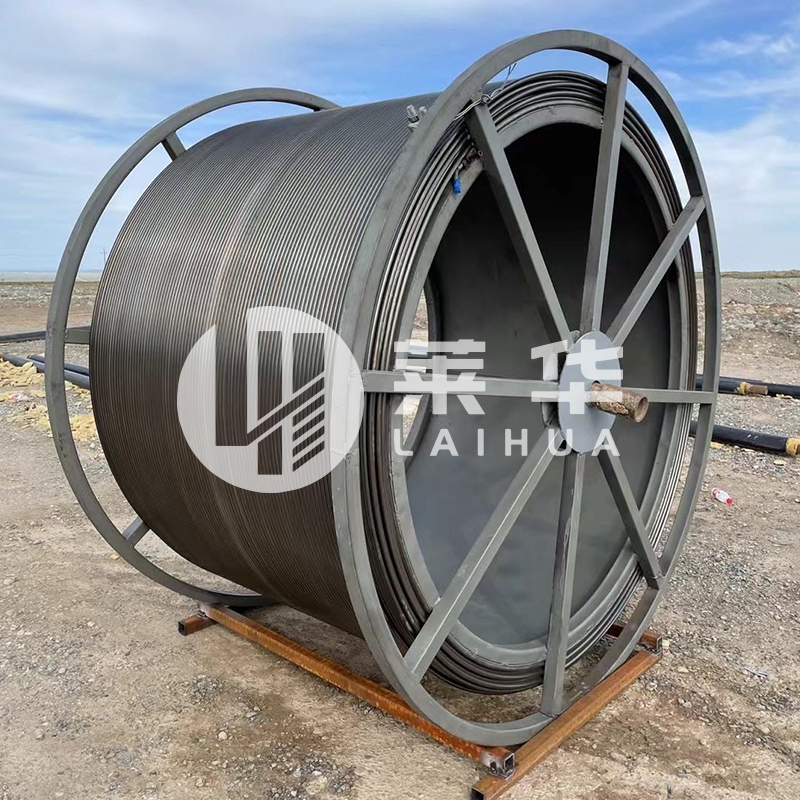 304-Type Stainless Steel Continuous Oil Pipe for Well InterventionsThis coiled tubing product is highlighted in a section discussing continuous oil pipe for interventions, acid washes, and nitrogen lifts. The product page confirms materials like 316L and 304 with pressure ratings up to 120 MPA, making it relevant for corrosion-resistant well operations.View Product →
Coil and control pipeline. Small-diameter stainless steel coils and hydraulic control lines carry chemical inhibitors, hydraulic fluid, and control pressure to subsea or wellhead equipment. For these long, slender lines, 18/8 stainless steel offers the right balance of burst strength and ductility. It can be bent around tight radii without necking and does not create the risk of galvanic corrosion when paired with 304 stainless steel fittings. The manufacturing process must keep the internal surface smooth and scratch-free because a scratch can become a stress riser under cyclic pressure. Our control pipeline is manufactured with surface inspection and hydrostatic pressure testing to meet that requirement.
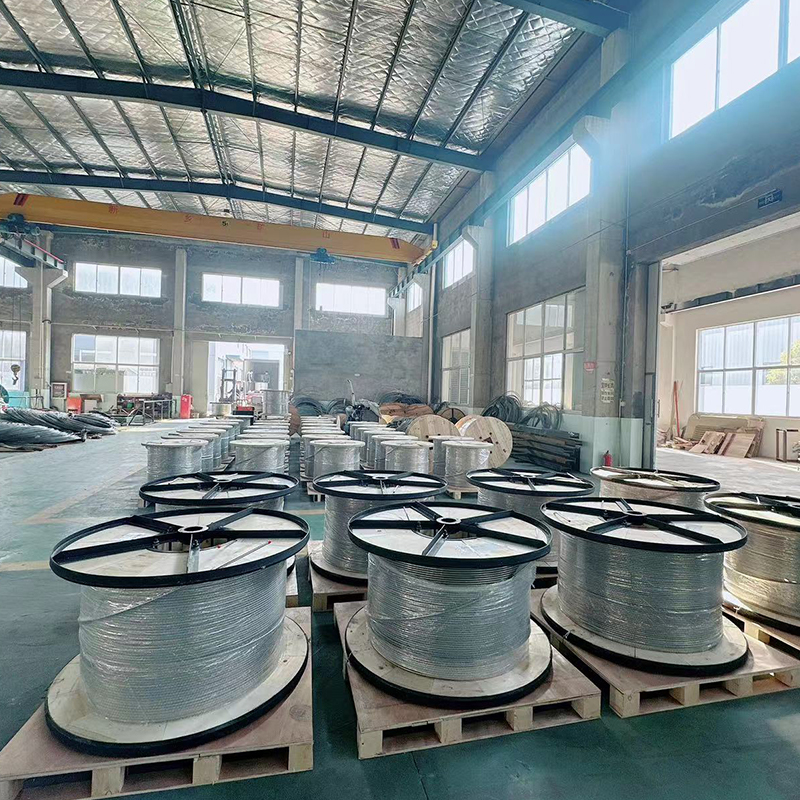 Stainless Steel Hydraulic Control Pipeline for Subsea and Wellhead UseFeatured in the section on coil and control pipeline, this product carries chemical inhibitors and control pressure. The product page describes capillary applications for downhole pressure monitoring and chemical injection, aligning with the context of long, slender lines needing smooth surfaces and hydrostatic testing.View Product →
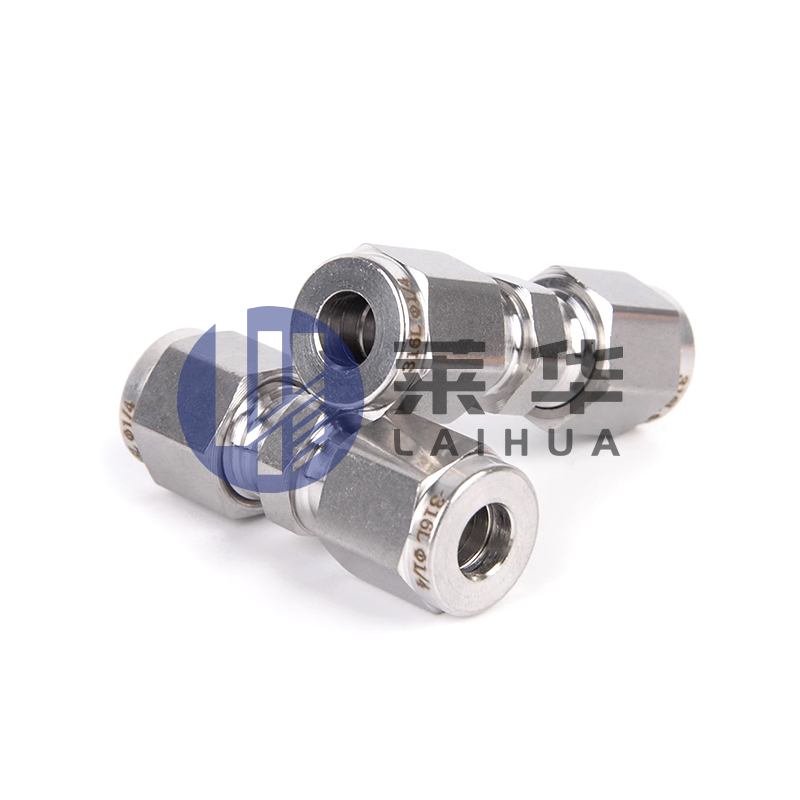
Ferrule joints. The connections that join control lines and small-bore tubing are as important as the tubes themselves. 18/8 stainless steel ferrule joints rely on precision-formed conical surfaces to create a gas-tight seal. The material must have consistent hardness and machinability; the 18/8 chemistry provides a stable microstructure that allows the ferrule to deform slightly and bite into the tube without cracking. Our stainless steel ferrule joints are produced from the same grade family as the tubing they connect, minimizing galvanic differences and making installation predictable.
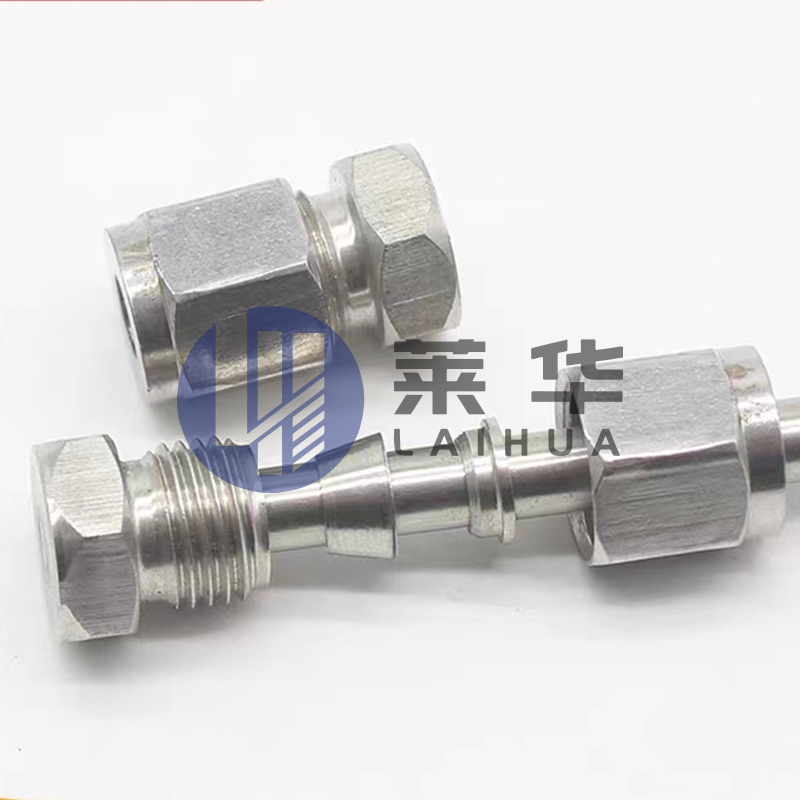 Stainless Steel Ferrule Joint for Reliable Tube ConnectionsPresented in the discussion of connections joining control lines, this ferrule joint uses precision-formed conical surfaces for a gas-tight seal. The product page lists 304/316L materials, temperatures up to 450°C, and pressures to 20 MPA, matching the context of consistent hardness and machinability.View Product →
Protective sheathing for cables. Armored testing cables and heating cables also use stainless steel as an outer jacket. In many wells, 18/8 stainless steel is sufficient to protect the inner conductor from brine and downhole chemicals. Where chlorides or H2S are severe, we move to 316 or specialized alloys. The selection rule is straightforward: match the jacket material to the combination of temperature, chloride, and acid gases you expect.
Because performance depends on the exact product configuration, it is wise to review the operating envelope with the manufacturer. Engineers often ask how temperature and pressure change the bending life of a coiled string; our technical article explains the interaction between pressure, temperature, and material fatigue. If you need alloy verification for a specific well, you can contact our engineering team with the service conditions.
Because “18/8” is not a precise standard, the first purchasing rule is to ask for the actual grade designation. Insist on AISI 304 (UNS S30400), 304L, or another documented grade from the supplier. A mill certificate should quote the chemical composition, mechanical properties, and product specification.
Next, check the condition of supply. For tubing and coils, the material should be delivered in the solution-annealed condition. This step restores the austenitic structure and gives maximum corrosion resistance and ductility. If a tube has been cold drawn below the required diameter but not fully annealed, it may have reduced corrosion resistance in the most deformed areas.
Surface finish is another key factor. In a coil or control pipeline, scratches, die marks, and oxide scale on the internal surface are not just cosmetic issues. They create local stress risers and can break the passive film, allowing pitting to start. Ask for internal surface roughness values and, where critical, an eddy current or ultrasonic inspection.
Finally, verify the environment compatibility. For a well producing high CO2 and no H2S, 18/8 may be acceptable up to elevated temperatures. For a well with chlorides in the produced water, you may need 316L or a duplex grade. The cost difference is small compared to a premature failure.
You can avoid the most common mistakes by reviewing the manufacturer’s quality control process. A supplier that routinely performs spectrochemical analysis, hydrostatic testing, and hardness checks is more likely to ship material that meets your envelope.
18/8 stainless steel remains a practical, cost-effective choice for a wide range of industrial and oilfield applications. The label tells you the general chemistry, but it does not tell you the manufacturing quality, the heat treatment, or the traceability. When the component is buried in a well or skidded offshore, that difference matters.
Ask for a full material grade, check the mill certificate, and work with a supplier that offers the supporting test data. That combination will give you the performance you expect from “18/8” — without guessing.
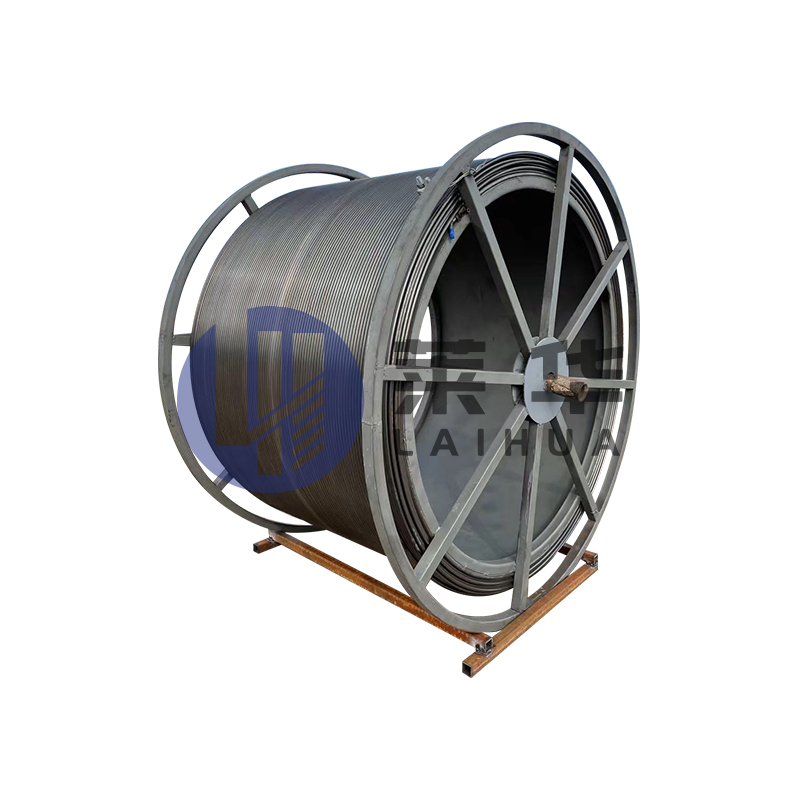
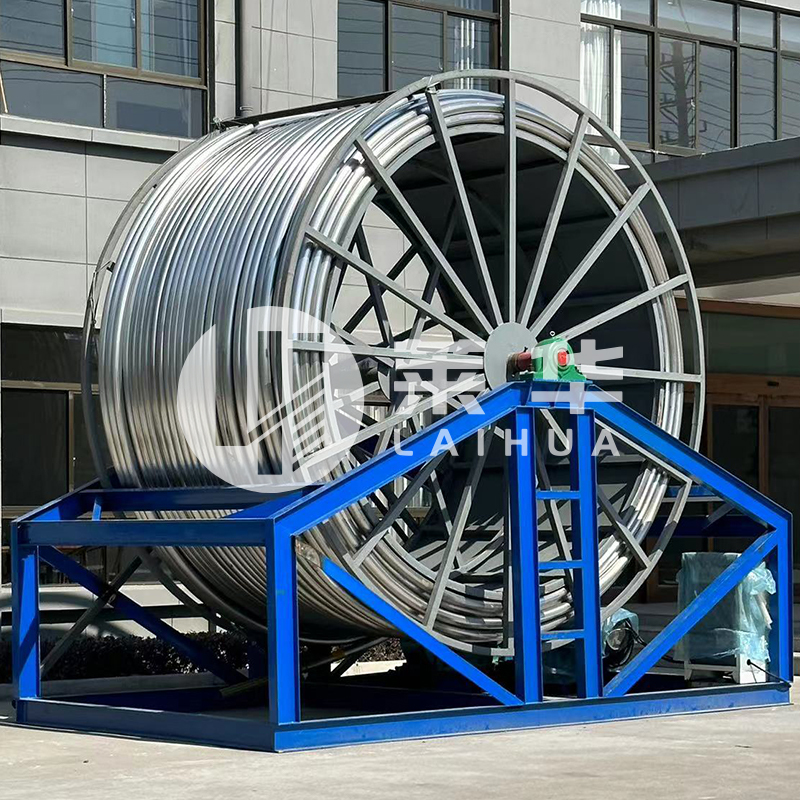
Continuous tubing, also known as flexible tubing or flexible tubing, is widely used in the fields of well workover, logging and drilling, etc. Its pro...
See Details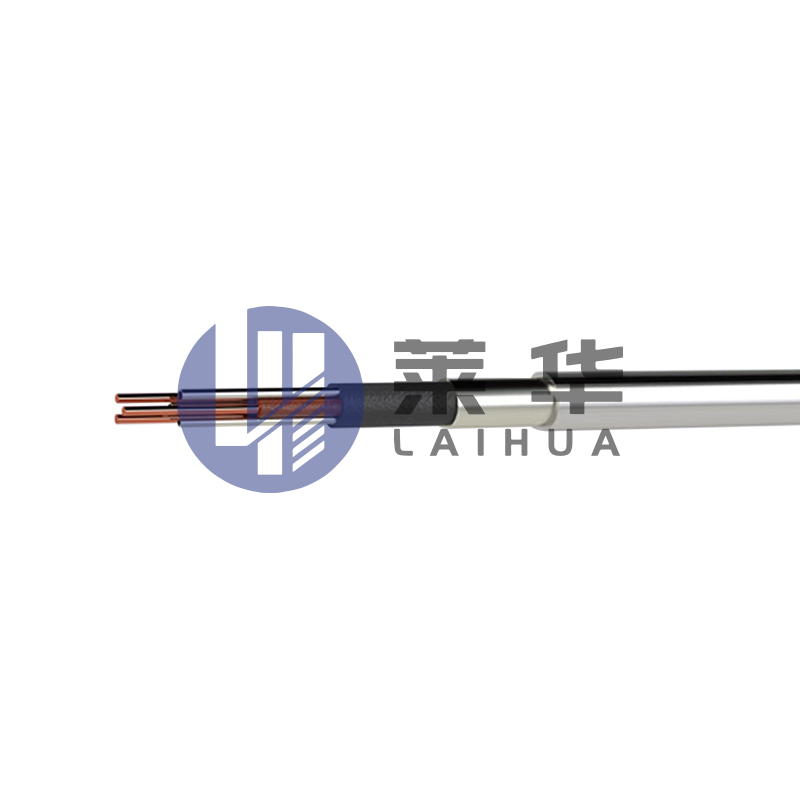
Purpose: The high-temperature testing cable, combined with the high-temperature testing vehicle, is mainly used in multi-parameter testing of heavy oi...
See Details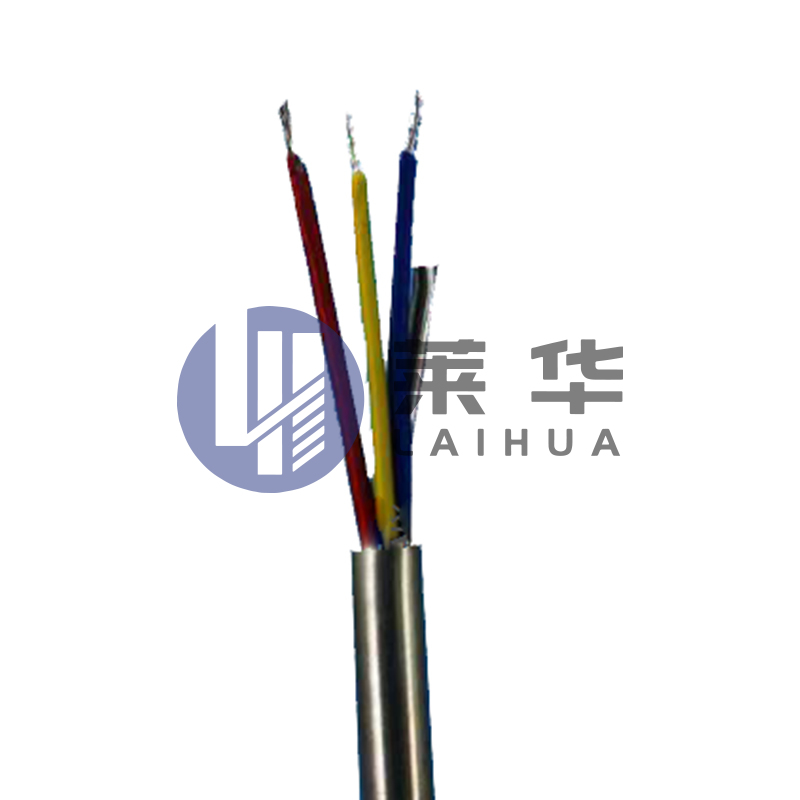
The Stainless Steel Fibre Optic Test Cable is a special test cable that combines the durability of stainless steel with the high transmission efficien...
See Details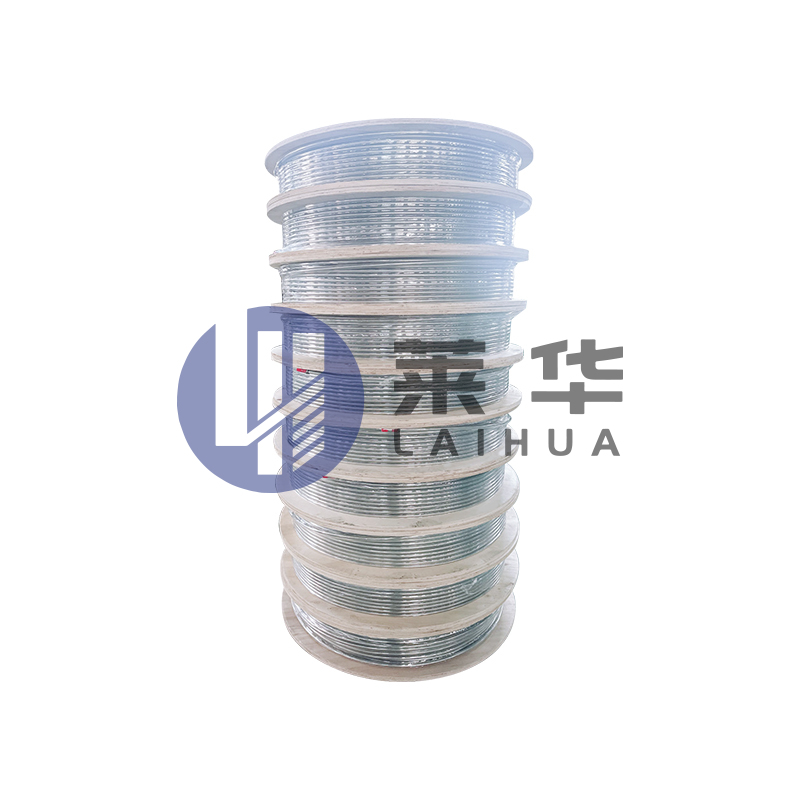
Instructions for the use of hydraulic control pipelines Hydraulic control pipeline, also known as capillary. Mainly used for underground capillary pre...
See Details
Stainless steel clad pipe is a piping system that combines the durability of stainless steel with the protection of plastic. This piping system is usu...
See Details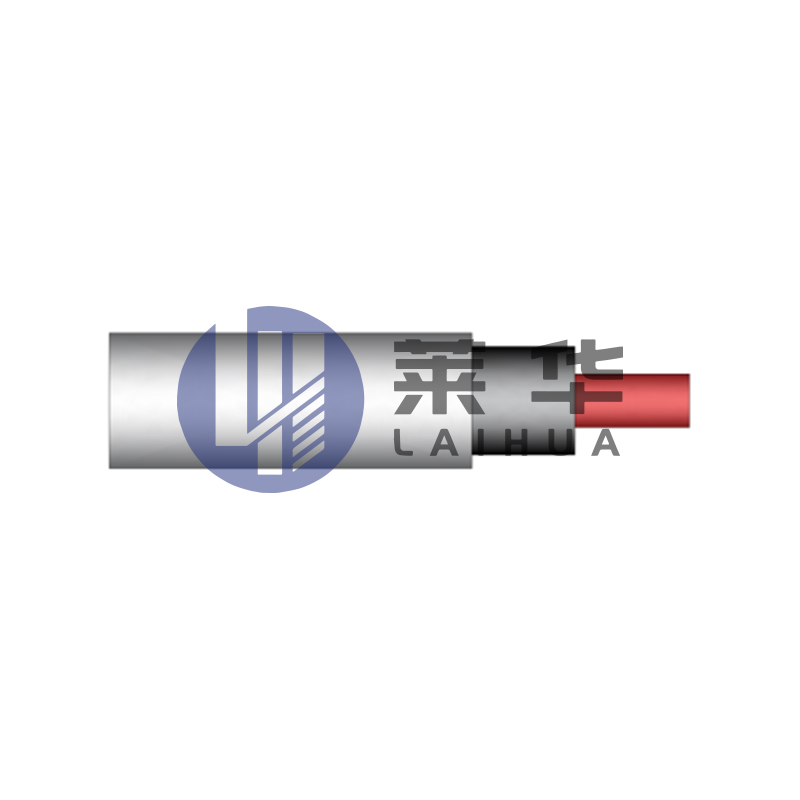
Application field:The electric induction heating system is a complete set of electric heating devices developed by our company specifically for heavy ...
See Details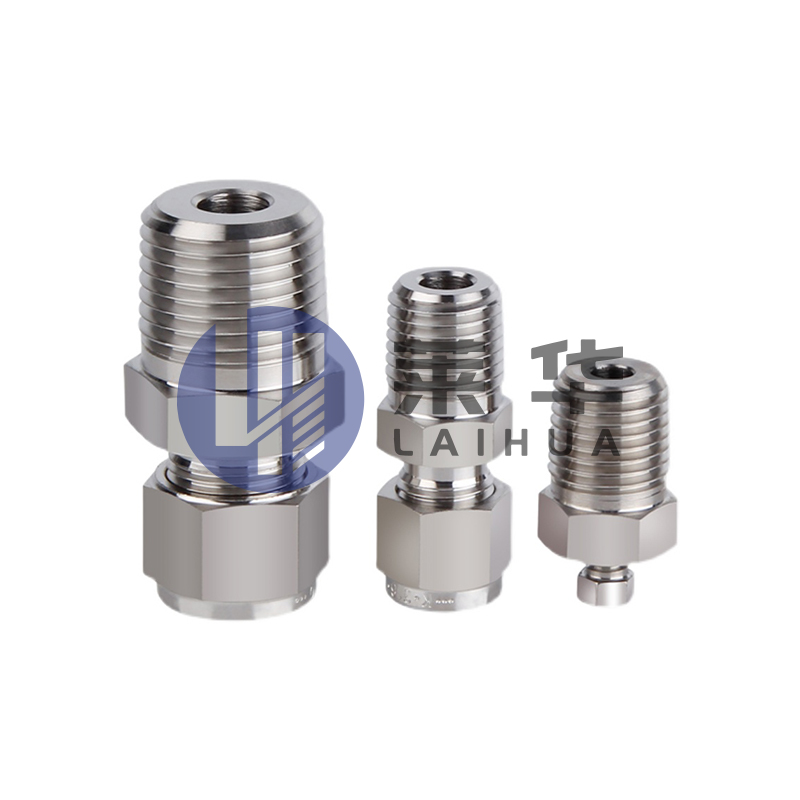
The ferrule type pipe joint consists of three parts: the joint body, ferrule, and nut. When the clamp and nut are inserted into the joint body on the ...
See Details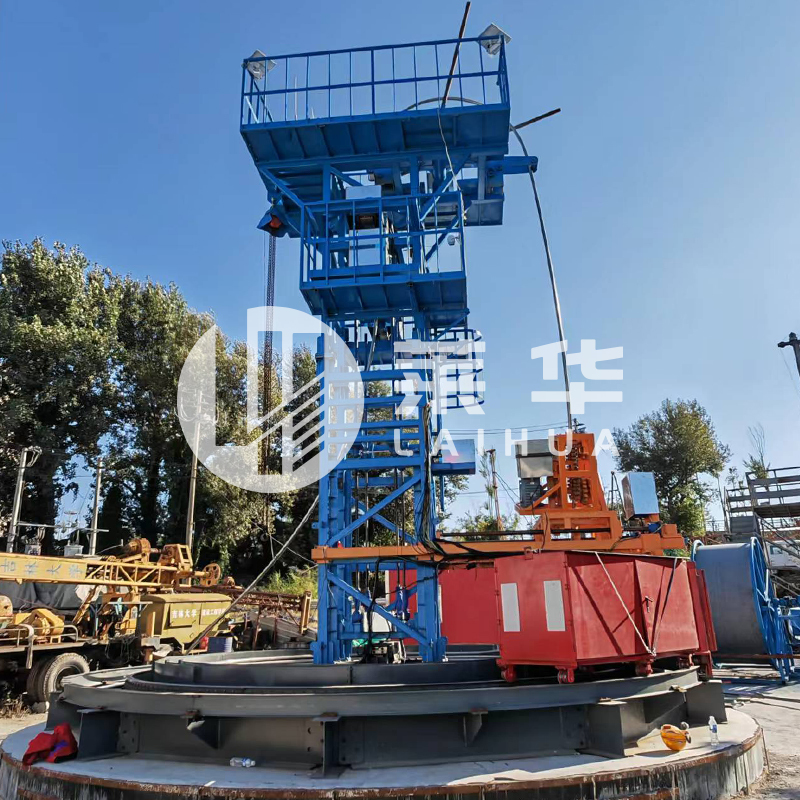
Continuous Tubing Skid Winch is a specially designed equipment for oilfield operations, which combines the design features of the Continuous Tubing Wo...
See Details
E-mail: [email protected]

Phone: +86-15996597000
+86-18252893456

Whatsapp: +86-18252874678

Address: No. 3 Xinyuan Road, Nanmo Town Industrial Park, Hai'an City, Nantong City, Jiangsu Province, China
QR code on
mobile phone





Contact Us