
 英语
 西班牙语
 阿拉伯语
Cat:Products
Continuous tubing, also known as flexible tubing or flexible tubing, is widely used in the fields of well workover, logging and drilling, etc. Its pro...
See Details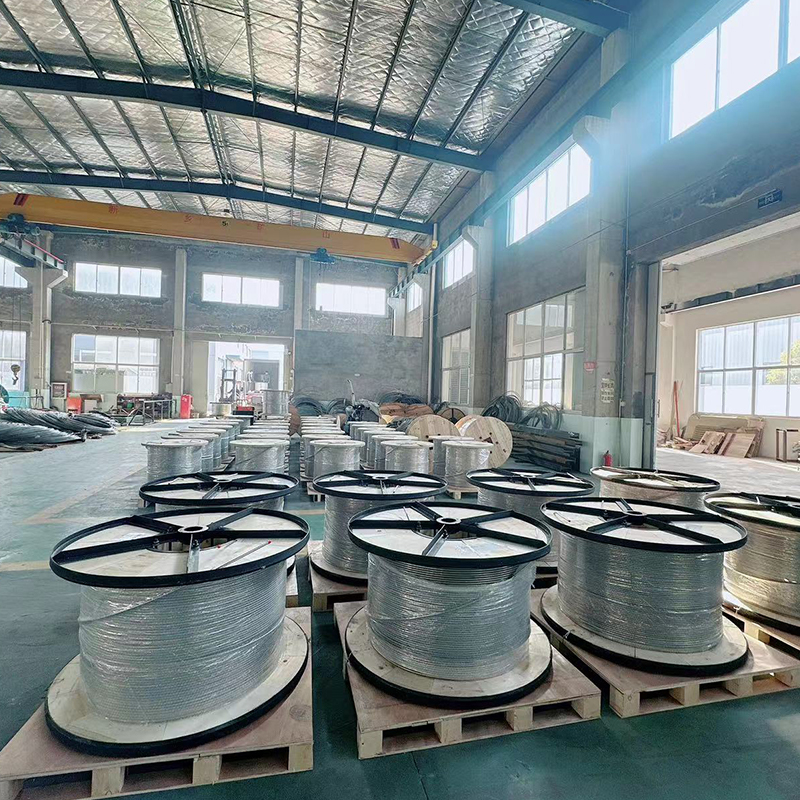
Content
Stainless steel rusts when the chromium oxide film over a small area is destroyed faster than oxygen can rebuild it, so the exposed metal corrodes exactly like ordinary steel.
Passivation is the spontaneous reaction between chromium in the alloy and oxygen in air or water, which produces a self-healing oxide layer a few atoms thick. The alloy needs roughly 10.5 percent chromium to form that layer at all. Grade 304 carries about 18 percent chromium and 8 percent nickel, while 316L keeps a similar chromium level and adds 2 to 3 percent molybdenum for chloride service. The 18-8 family most fabricators keep in sheet and coil covers indoor work well, but its limits in wet, salt-bearing service are worth knowing before you blame the steel.
In clean, oxygenated air the film repairs itself within minutes. Four conditions stop that from happening:
Grade selection sets the ceiling on how much chloride a surface can carry before it stains:
Rust that wipes off with a cloth and leaves no pit is surface contamination, while rust sitting in a pit or tracking a scratch is corrosion of the metal itself, and the two need completely different treatments.
Ten seconds with a fingernail, a plastic card or a warm damp cloth is usually enough to tell them apart. If the cloth comes away brown and the surface underneath is smooth and bright, you are cleaning a deposit. If the card catches an edge, the metal has already lost material and an abrasive will only widen the damage.
| Stain appearance | What it usually is | Quick check | Right response |
| Brown film that smears when wiped | Tea staining from surface chlorides | Comes off on a dry white cloth | Mild acid wash, rinse, passivate |
| Rust in a line along a weld | Heat tint and chromium depletion | Follows the weld toe exactly | Pickling or citric passivation after cleaning |
| Small brown craters with dark centres | Pitting corrosion | A pin or fingernail catches the edge | Clean, passivate, check remaining wall thickness |
| Rust in a fingerprint or droplet pattern | Embedded free iron | Returns within 24 hours of cleaning | Oxalic or phosphoric gel, then passivate |
| Rust inside scratches or gouges | Mechanical damage from tools | Visible scratch under the rust | Polish along the grain, then passivate |
Start with the mildest method that works and stop as soon as the stain lifts, because every step up the scale removes a little more of the surface you are trying to protect.
| Method | Best for | Contact time | Risk to the finish |
| Warm water and pH-neutral detergent | Dust, oils, fresh fingerprints | 2 to 5 minutes | None |
| Bicarbonate paste, 3 parts soda to 1 part water | Light surface film | 10 to 15 minutes | Mildly abrasive, can dull a mirror polish |
| White vinegar, 5 percent acetic acid | Tea staining and light oxide | 30 to 60 minutes | Attacks the film if left on for hours |
| Lemon juice with salt | Isolated stubborn spots | 5 to 10 minutes | Salt adds chloride, rinse thoroughly or skip it |
| Oxalic acid gel, 2 to 5 percent | Embedded free iron | 5 to 15 minutes | Strong, leaves streaks if it dries out |
| Citric acid, 4 to 10 percent | Post-cleaning passivation | 20 to 60 minutes | Safe but slow acting |
| Nitric acid passivation to ASTM A967 | Specification-grade passivation | 20 to 30 minutes | Requires PPE and waste control |
| 600 to 800 grit paper or a non-metallic pad | Pitting and scratches | As needed | Removes metal and permanently changes the finish |
Work through the sequence in order and stop as soon as the surface is clean, because most everyday rust stains are gone by step three.
Some common cleaners attack the passive film faster than the rust you are trying to remove, and a few create a corrosion cell that keeps working long after the cloth is put away.
Cleaning removes the stain; passivation is what stops it coming back within the month.
Citric acid at 4 to 10 percent, kept wet for 20 to 60 minutes at room temperature, rebuilds the chromium oxide layer on most shop and field work. Nitric acid passivation to ASTM A967 is used where a specification demands it, or where the surface has been welded, machined or heavily ground.
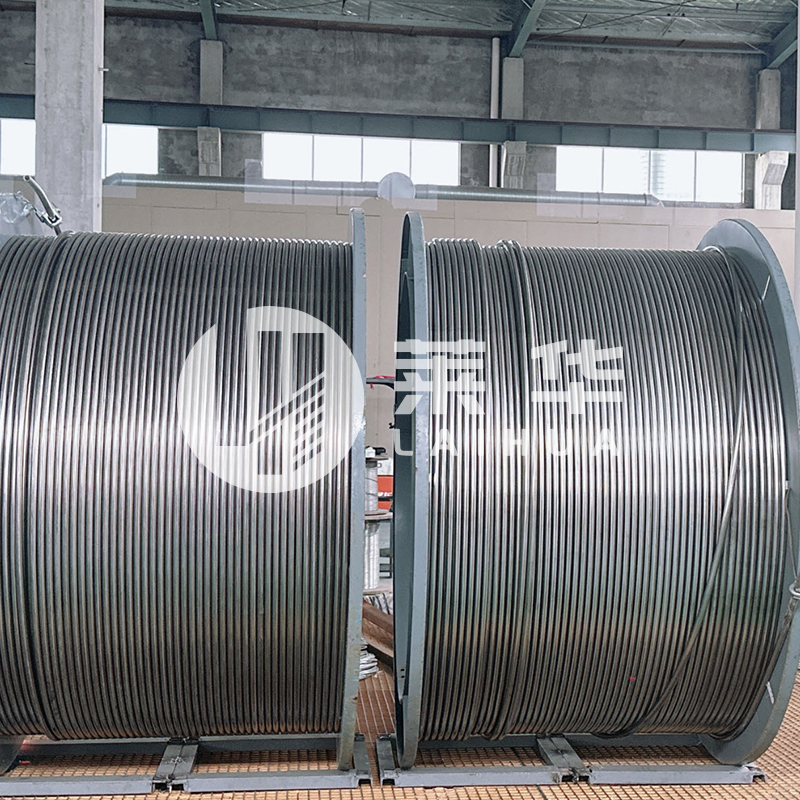
On coiled control line and continuous tubing the same rule applies at a much larger scale. A coil that is degreased, acid-cleaned and passivated before it leaves the shop will not carry a rust bloom into the yard, and the mill finish survives handling far better.
Stainless Steel Coil and Control PipelinePassivated coiled tubing for downhole pressure and temperature monitoring, chemical injection, and surface valve control in oilfield systems.View Product →
Where a procedure calls for documented passivation, record the acid concentration, contact time and rinse water quality. Those three numbers are what a client auditor will ask for when a stain appears six months into service.
Prevention is mostly about keeping chlorides and free iron off the surface long enough for the film to repair itself between exposures.
Crevice corrosion is the quiet version of the same problem. Chloride-laden water pools in the narrow gap behind a fitting and never dries, so the film inside the gap fails while the visible surface still looks clean.
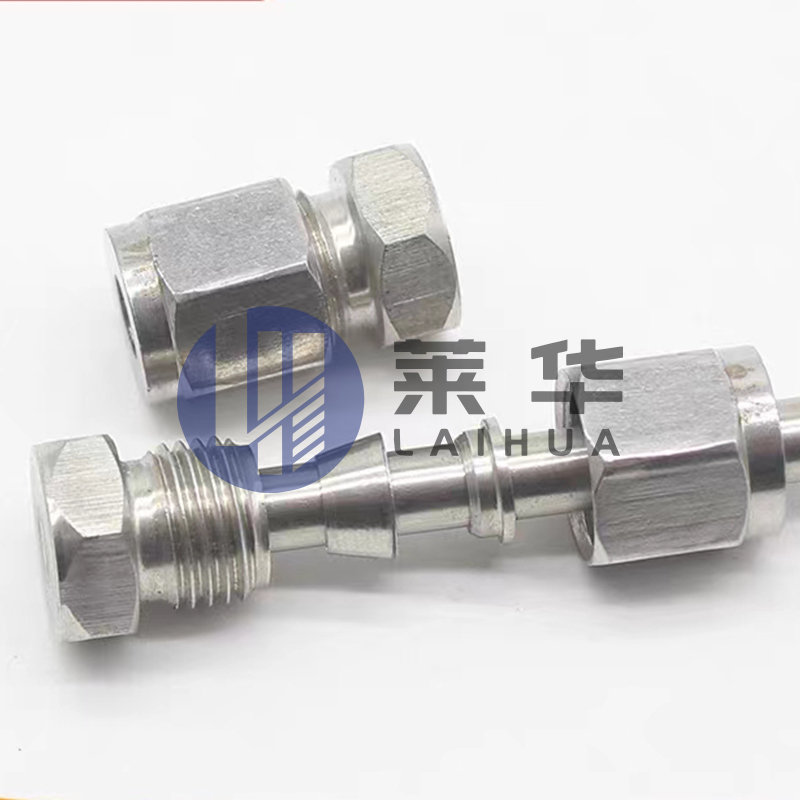 Stainless Steel Ferrule Joint for Instrument PipingCorrosion-resistant 304/316L ferrule joint for oil, water, and gas lines up to 20 MPa, offering simple installation and a secure seal on stainless tubing.View Product →
Not at 5 percent acetic acid with a contact time of 30 to 60 minutes, followed by a water rinse and drying. Damage comes from leaving it on for hours, from stronger acetic acid, or from letting the cloth dry and concentrate the acid in one spot.
Only if the cause is still present. A stain that returns within 24 hours points to embedded free iron from tools or weld spatter, while a stain that returns over weeks points to repeated chloride exposure or an under-specified grade.
Only a stainless wire brush kept exclusively for stainless work, and even then with light pressure. Carbon steel wool and general-purpose brushes embed iron that rusts within days and then needs an acid treatment to remove.
Not on its own. Most rust found on 304 and 316 surfaces starts as contamination from tooling, weld spatter or chlorides, and a tea-stained 316 sheet can still match its mill certificate on chemistry and mechanical properties.
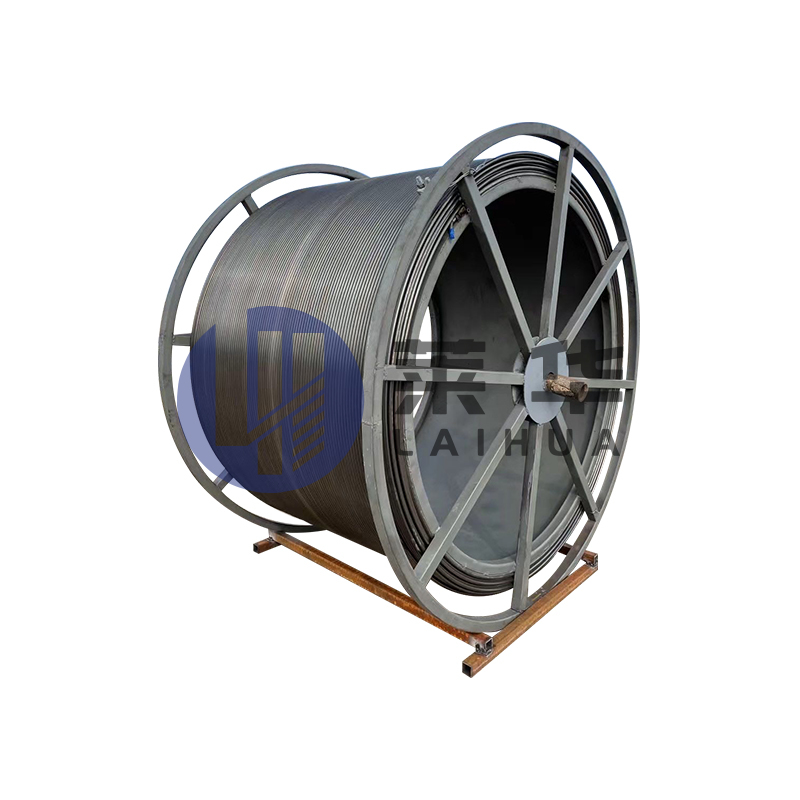
Continuous tubing, also known as flexible tubing or flexible tubing, is widely used in the fields of well workover, logging and drilling, etc. Its pro...
See Details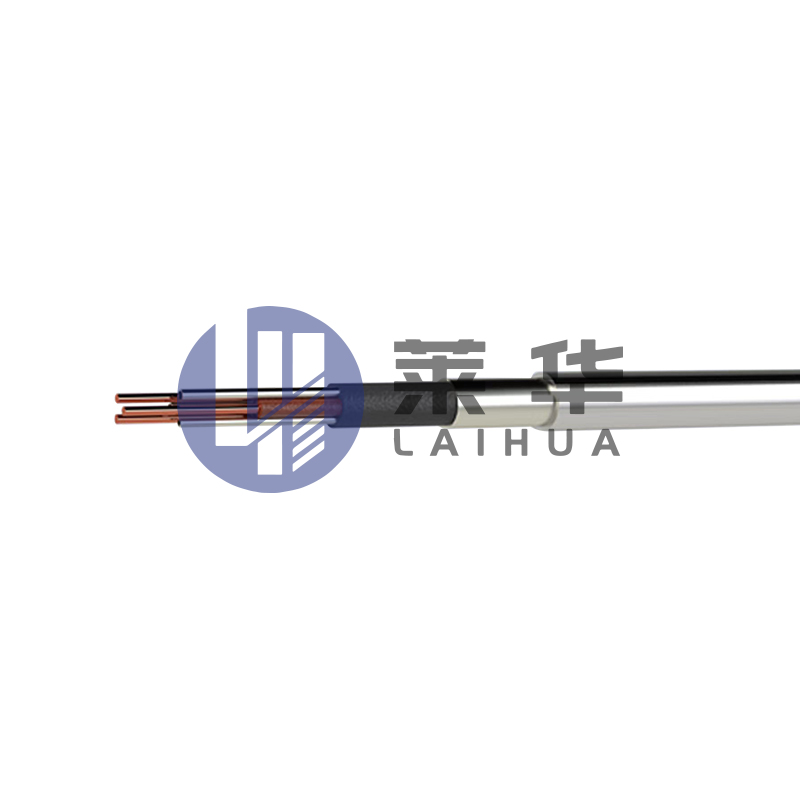
Purpose: The high-temperature testing cable, combined with the high-temperature testing vehicle, is mainly used in multi-parameter testing of heavy oi...
See Details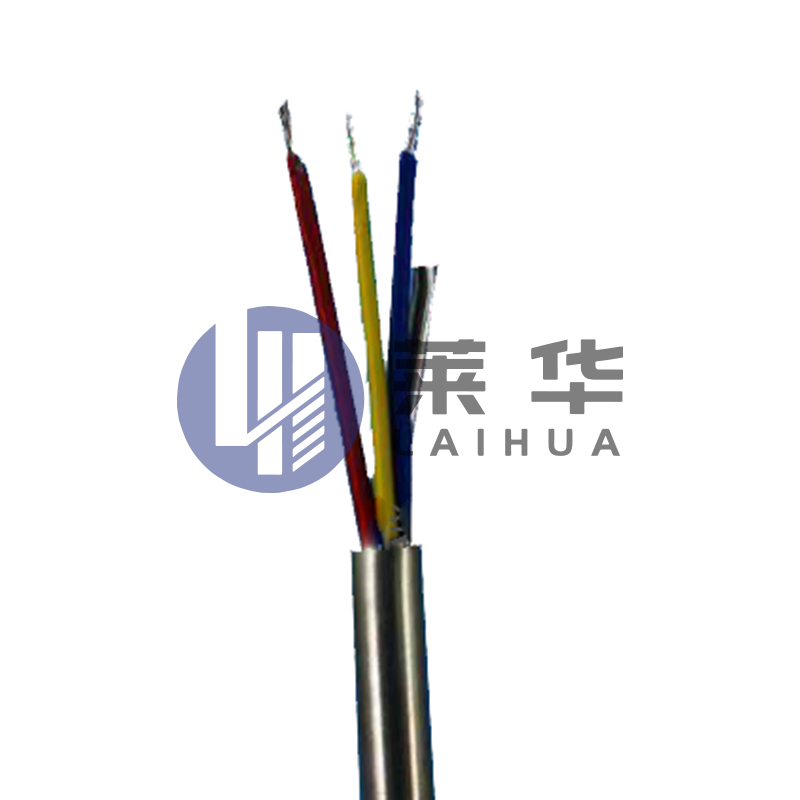
The Stainless Steel Fibre Optic Test Cable is a special test cable that combines the durability of stainless steel with the high transmission efficien...
See Details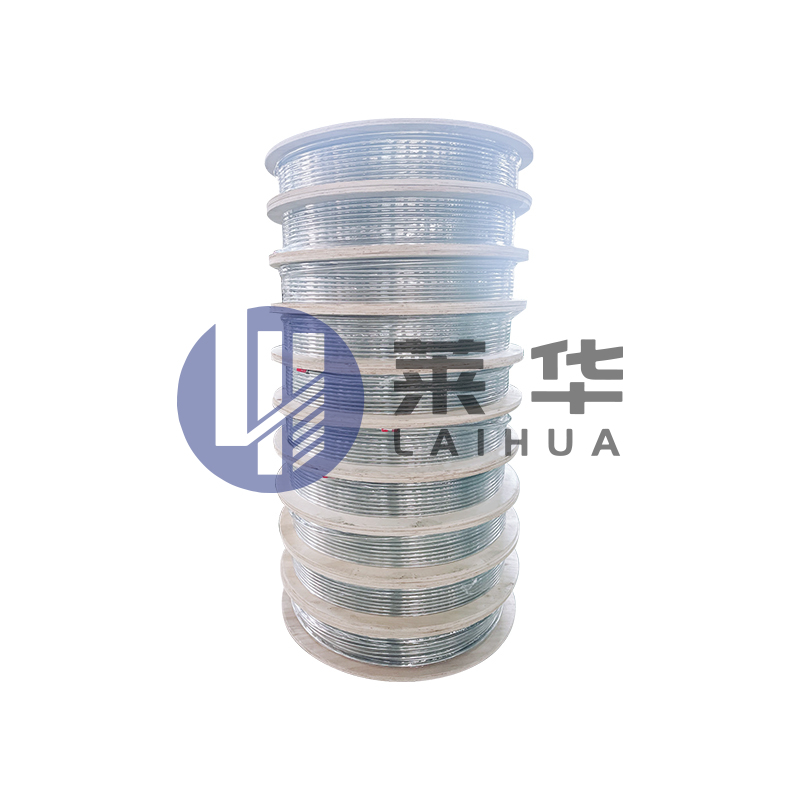
Instructions for the use of hydraulic control pipelines Hydraulic control pipeline, also known as capillary. Mainly used for underground capillary pre...
See Details
Stainless steel clad pipe is a piping system that combines the durability of stainless steel with the protection of plastic. This piping system is usu...
See Details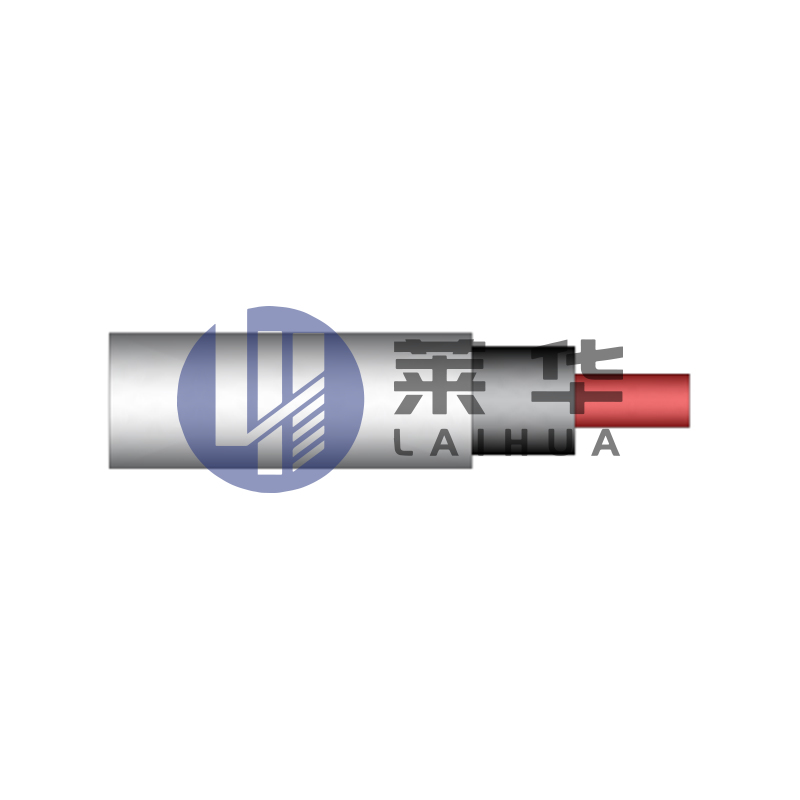
Application field:The electric induction heating system is a complete set of electric heating devices developed by our company specifically for heavy ...
See Details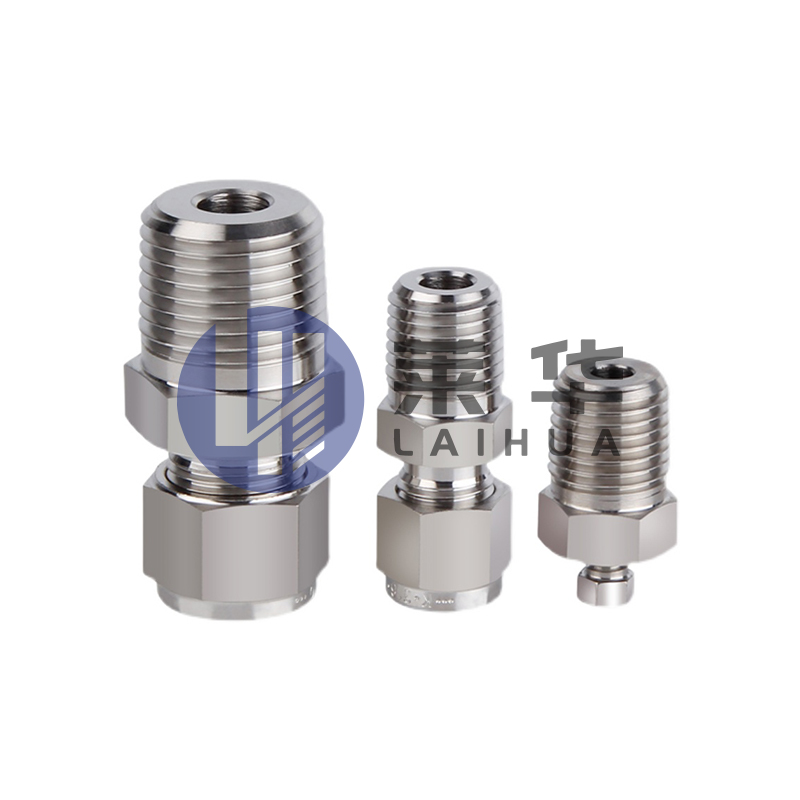
The ferrule type pipe joint consists of three parts: the joint body, ferrule, and nut. When the clamp and nut are inserted into the joint body on the ...
See Details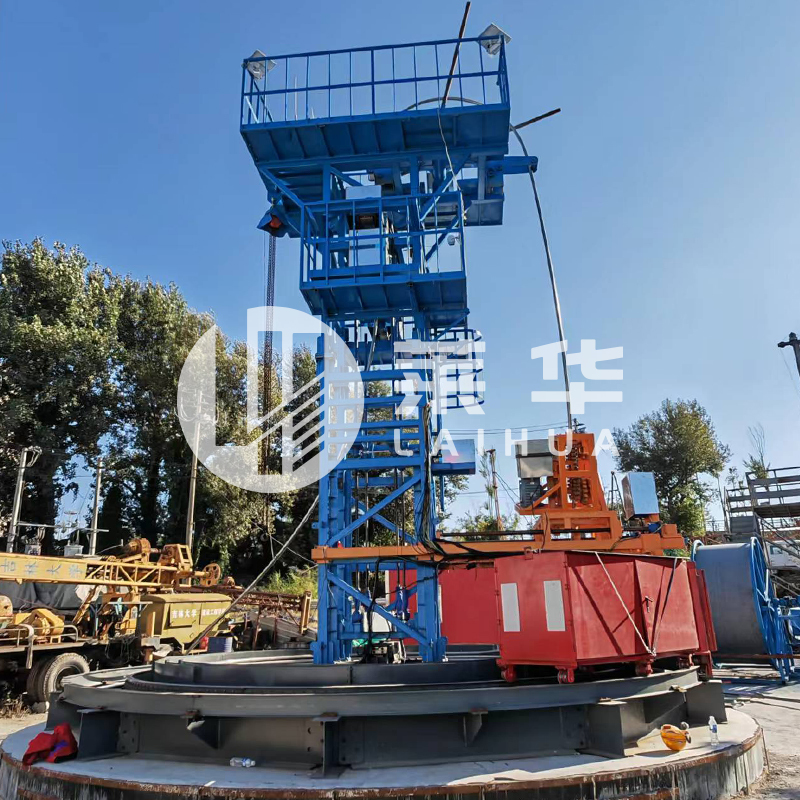
Continuous Tubing Skid Winch is a specially designed equipment for oilfield operations, which combines the design features of the Continuous Tubing Wo...
See Details
E-mail: [email protected]

Phone: +86-15996597000
+86-18252893456

Whatsapp: +86-18252874678

Address: No. 3 Xinyuan Road, Nanmo Town Industrial Park, Hai'an City, Nantong City, Jiangsu Province, China
QR code on
mobile phone



Contact Us