
 英语
 西班牙语
 阿拉伯语
Cat:Products
Continuous tubing, also known as flexible tubing or flexible tubing, is widely used in the fields of well workover, logging and drilling, etc. Its pro...
See Details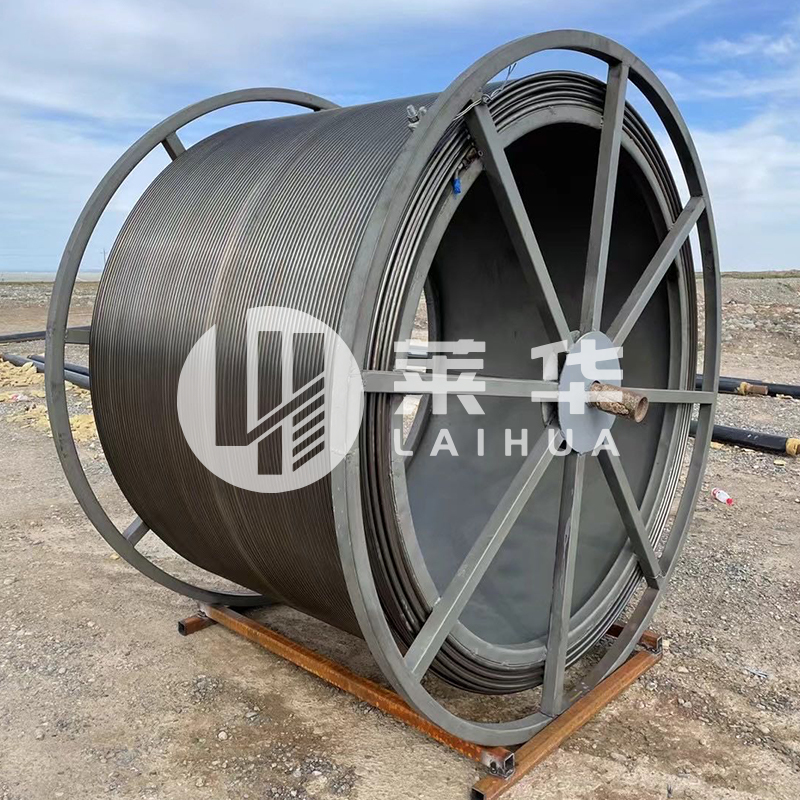
Content
Yes, 304 stainless steel is good for the large majority of general-purpose work: it resists rust in normal indoor and fresh-water service, forms and welds without fuss, and typically costs 20 to 30 percent less than 316L per tonne. It stops being good once chlorides, sustained heat, or thick welded sections enter the duty cycle.
That answer holds whether you are buying a kitchen worktop or a hydraulic control line. What changes is how hard you have to look at three numbers: chloride concentration in the fluid, metal temperature, and section thickness at the weld. Inside those limits 304 is not a budget compromise. Outside them it is the wrong grade, no matter how attractive the price per kilogram looks.
304 is an austenitic chromium-nickel stainless steel with 18 to 20 percent chromium and 8 to 10.5 percent nickel, no intentional molybdenum, and a minimum yield strength of 205 MPa in the annealed condition.
Definition: 304 stainless steel (UNS S30400, EN 1.4301) is an 18/8 austenitic grade with a minimum tensile strength of 515 MPa, elongation near 40 percent, density of about 8.0 g/cm3, and a Pitting Resistance Equivalent Number close to 18. The low-carbon version, 304L (S30403), caps carbon at 0.030 percent to protect weld heat-affected zones.
The numbers below explain almost every field decision you will make with this grade.
| Grade | Chromium % | Nickel % | Molybdenum % | PREN | Typical duty |
| 304 | 18.0-20.0 | 8.0-10.5 | - | 18-19 | Indoor air, fresh water, food contact |
| 304L | 18.0-20.0 | 8.0-12.0 | - | 18-19 | Welded assemblies and heavy sections |
| 316L | 16.0-18.0 | 10.0-14.0 | 2.0-3.0 | 24-26 | Coastal air, brine, mild acids |
| 904L | 19.0-23.0 | 23.0-28.0 | 4.0-5.0 | 33-36 | Severe chloride, sour process streams |
PREN is calculated as %Cr + 3.3 x %Mo + 16 x %N. These are approximate typical ranges rather than guaranteed minimums, so confirm against the mill certificate for the heat you actually receive.
304 is genuinely good in fresh water, inland atmosphere, food handling, and low-chloride process lines, which is why it remains the most widely consumed stainless grade in the world.
In practice, that combination covers a very wide field. The grade holds up well where the environment is wet but not salty, and where the part is cleaned rather than buried.
In clean water and inland air, 304 usually outlasts the equipment bolted to it. Its limit is chloride, not time.
304 fails predictably in three situations: standing chlorides, chloride-bearing solutions above roughly 60 C, and thick welded joints held in the 425 to 850 C sensitisation window.
Each failure mode has its own trigger, so the fix is rarely the same one twice.
Tea staining is not a structural failure, but it is a maintenance signal. On a coastal site you either design 304 out of visible surfaces or you accept a recurring cleaning cycle.
Move up from 304 to 316L when chlorides exceed a few hundred milligrams per litre, when chlorides are present above about 60 C, or when the purchase specification explicitly names molybdenum.
Stay with 304
Move to 316L
One practical shortcut: for a brand new project with no history, price the difference between 304 and 316L on the whole assembly, not per kilogram. On thin-wall tube and small fittings the gap is often under 15 percent of installed cost, which is cheap insurance against a rework campaign.
On oilfield hardware the grade is decided by the produced fluid, not the part name: 304 and 304L are common in clean hydraulic control lines and non-sour intervention strings, while sour or high-chloride wells push the same components toward 316L, duplex, or 904L.
For hydraulic control lines, 304L is a sound default when the hydraulic fluid is clean, dry, and chloride-free. Wall thickness and pressure rating decide the design far more than the alloy does. The moment the line shares a corrosive environment with the wellbore, or sits in a marine atmosphere on deck, the calculation changes.
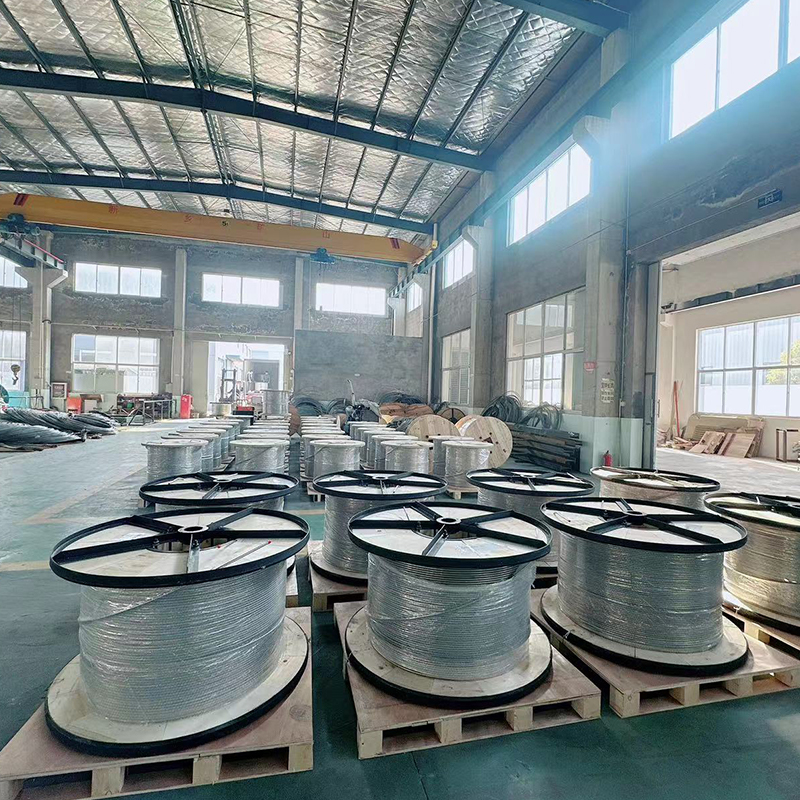 Stainless Steel Capillary and Control Line TubingFor hydraulic control lines and downhole monitoring, this capillary tubing offers 316L, 2205, 2507, and other material options with customized specifications.View Product →
On coiled tubing for workover and intervention, 304 handles non-sour wells and mild chemistry well, and its ductility survives repeated bending over the guide arch. Sour wells with H2S and chlorides are a different problem, and the corrosion barrier needs a higher-grade answer.
Stainless Steel Continuous Coiled TubingFor workover, logging, and drilling, this continuous tubing is available in 316L, 304, 2205, 2507, 825, and 625 grades.View Product →
Fittings follow the same logic. A 304 ferrule joint body performs reliably in a clean, temperature-stable hydraulic circuit. Put the same joint on a coastal deck or in a chloride-rich test loop and 316 becomes the cheaper long-term decision. When the fluid is genuinely aggressive, it is worth reviewing a 904L selection guide before locking the bill of materials.
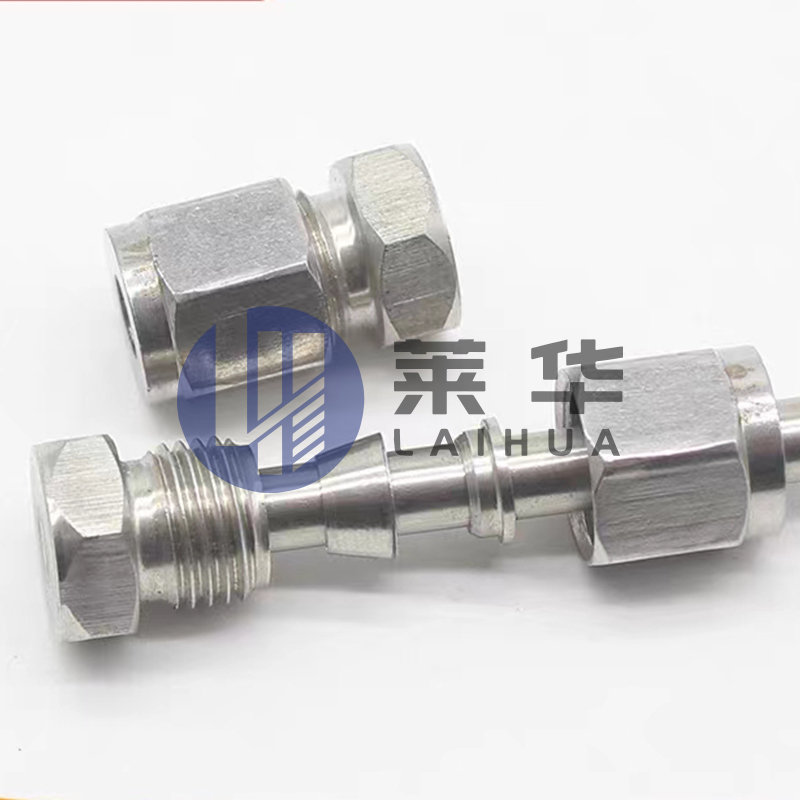 Stainless Steel Ferrule Joint for Piping ConnectionsA three-part ferrule joint for stainless steel piping, available in 304/316L and rated to 20 MPa for oil, water, and gas service.View Product →
Ask for the mill certificate with the heat number, and check three fields against your specification: carbon content, nickel content, and the intergranular corrosion test result if the part is welded. A certificate that lists grade only, with no heat number, tells you very little about what will arrive on site.
Yes inland, with a caveat. In rural and urban atmospheres 304 performs well for decades. Within roughly a kilometre of the coast, or anywhere road salt is applied, expect tea staining and eventual pitting, and specify 316L instead.
Yes. The 18/8 composition is the standard workhorse for food contact surfaces, it is non-porous and easy to clean, and it does not leach nickel or chromium at levels that concern food regulators under normal use.
Annealed 304 is essentially non-magnetic. Cold working, such as drawing, rolling, or bending, converts part of the structure to martensite and makes the part weakly magnetic. That matters for instrument housings and for anyone using a magnet as a grade test.
No. Without molybdenum the grade pits quickly in seawater and in brackish or chlorinated washdown water. Use 316L for splash zones and a duplex or higher grade for continuous immersion.
A quick test for buyers: if two or more answers above contradict your duty cycle, the material question is not about 304 being good or bad. It is about which grade your chloride and temperature profile actually allows.
304 is a good steel, and for most clean, dry, low-chloride work it is the most sensible purchase on the market. It becomes a bad steel the moment it is asked to hold chlorides at temperature, or to survive a weld that was never annealed. Both failures are avoidable at the specification stage and expensive after commissioning.
If you are weighing 304 against 316L, duplex, or 904L for tubing, control lines, or fittings, send the fluid chemistry and the temperature range with your enquiry. Contact the team and the grade recommendation can be matched to the actual duty rather than to a catalogue default.
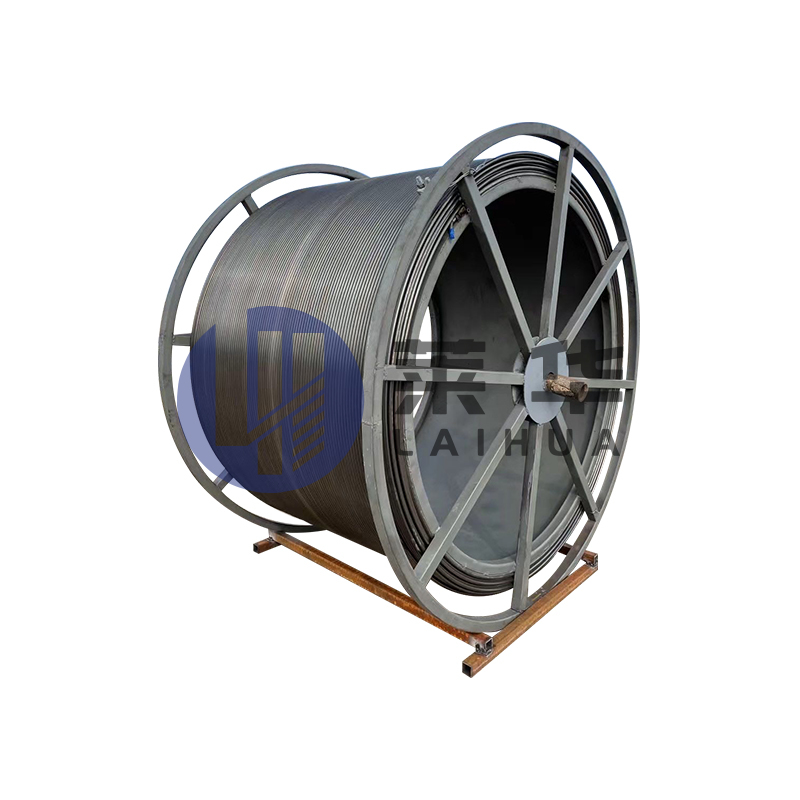
Continuous tubing, also known as flexible tubing or flexible tubing, is widely used in the fields of well workover, logging and drilling, etc. Its pro...
See Details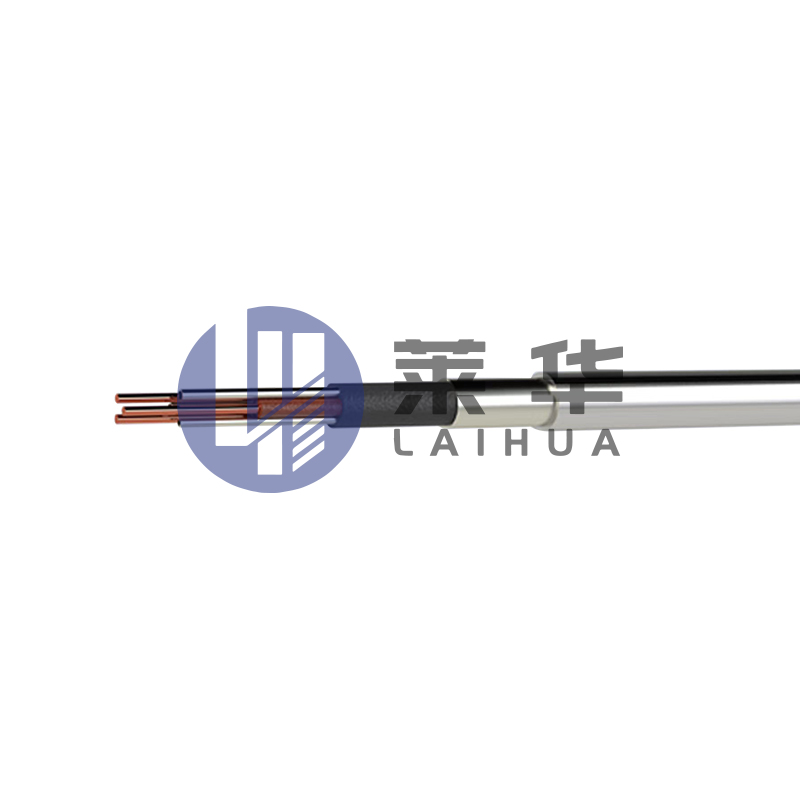
Purpose: The high-temperature testing cable, combined with the high-temperature testing vehicle, is mainly used in multi-parameter testing of heavy oi...
See Details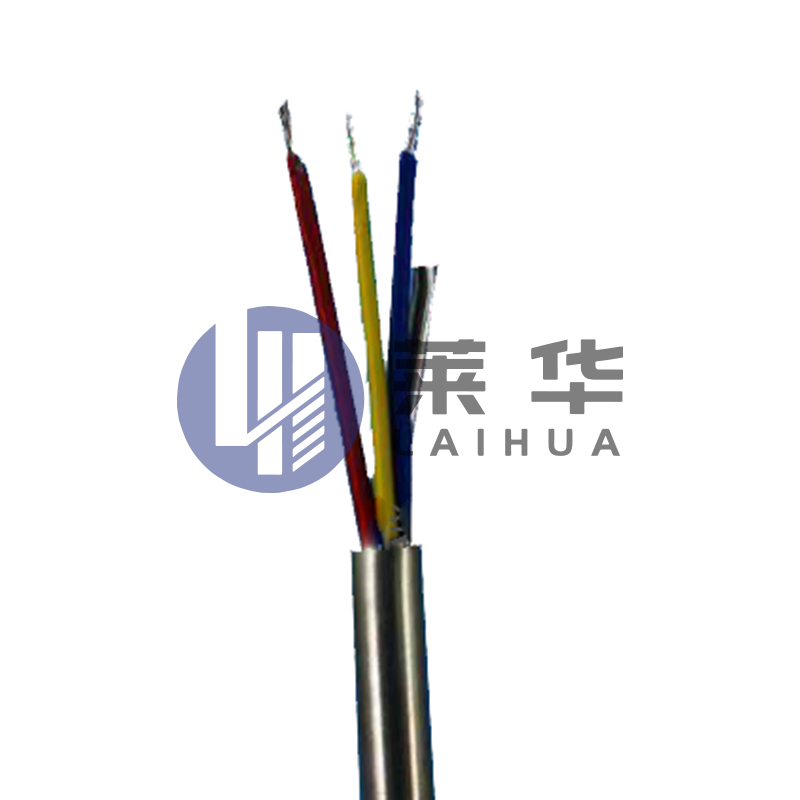
The Stainless Steel Fibre Optic Test Cable is a special test cable that combines the durability of stainless steel with the high transmission efficien...
See Details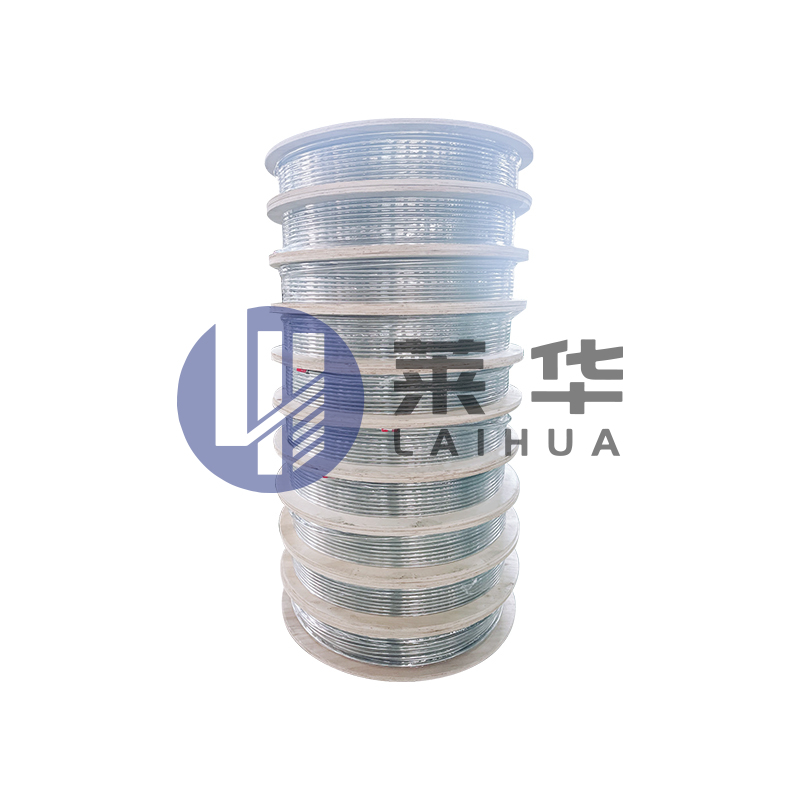
Instructions for the use of hydraulic control pipelines Hydraulic control pipeline, also known as capillary. Mainly used for underground capillary pre...
See Details
Stainless steel clad pipe is a piping system that combines the durability of stainless steel with the protection of plastic. This piping system is usu...
See Details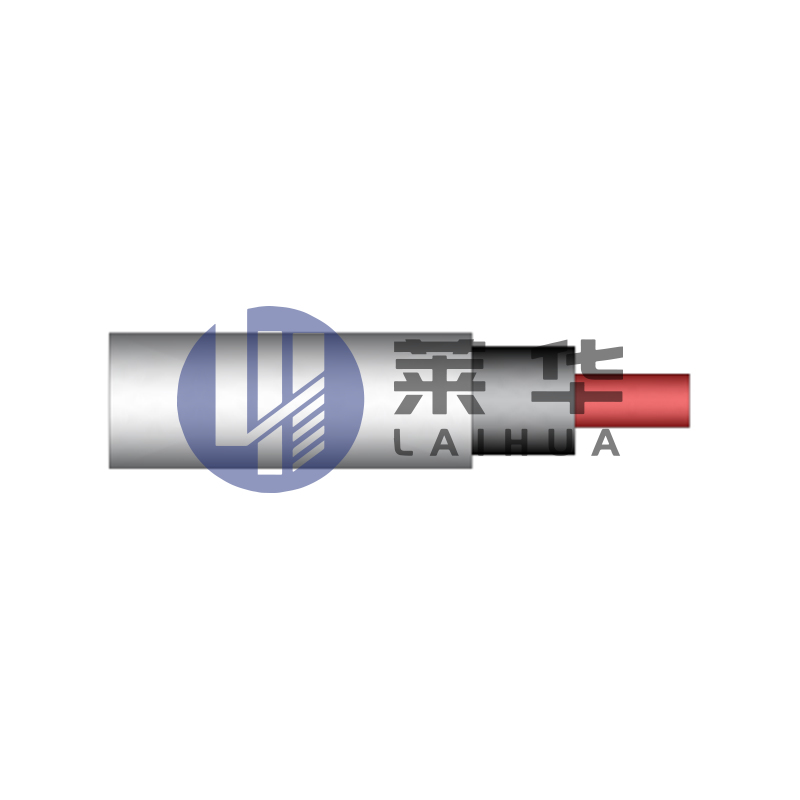
Application field:The electric induction heating system is a complete set of electric heating devices developed by our company specifically for heavy ...
See Details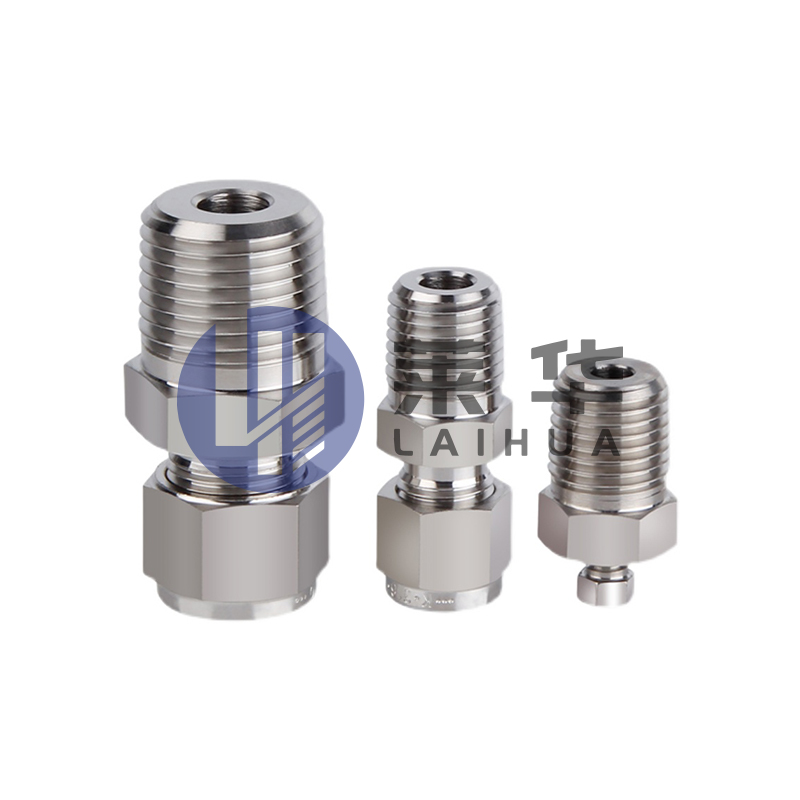
The ferrule type pipe joint consists of three parts: the joint body, ferrule, and nut. When the clamp and nut are inserted into the joint body on the ...
See Details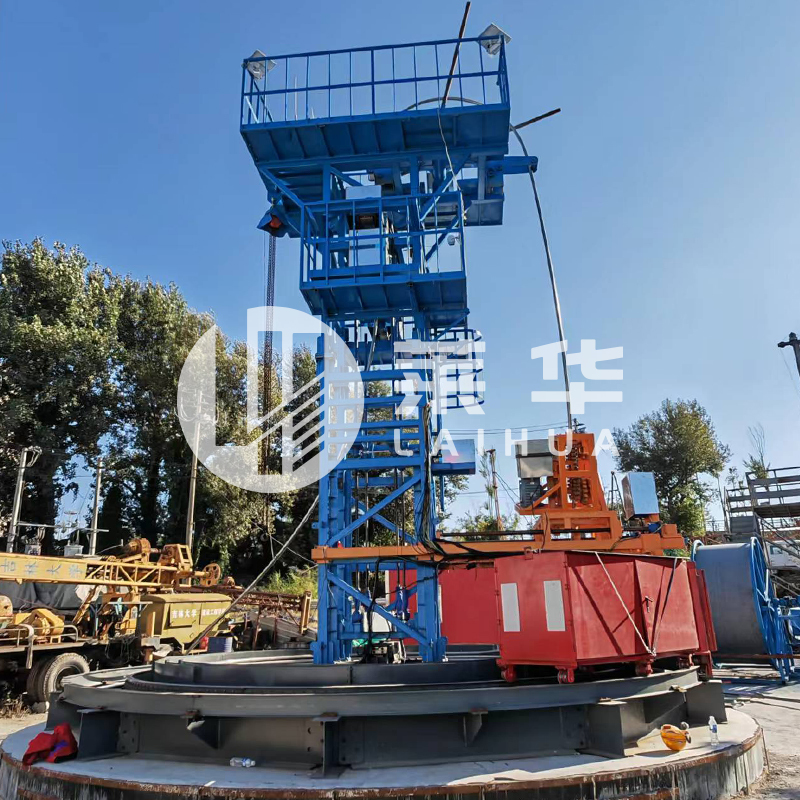
Continuous Tubing Skid Winch is a specially designed equipment for oilfield operations, which combines the design features of the Continuous Tubing Wo...
See Details
E-mail: [email protected]

Phone: +86-15996597000
+86-18252893456

Whatsapp: +86-18252874678

Address: No. 3 Xinyuan Road, Nanmo Town Industrial Park, Hai'an City, Nantong City, Jiangsu Province, China
QR code on
mobile phone



Contact Us