
 英语
 西班牙语
 阿拉伯语
Cat:Products
Continuous tubing, also known as flexible tubing or flexible tubing, is widely used in the fields of well workover, logging and drilling, etc. Its pro...
See Details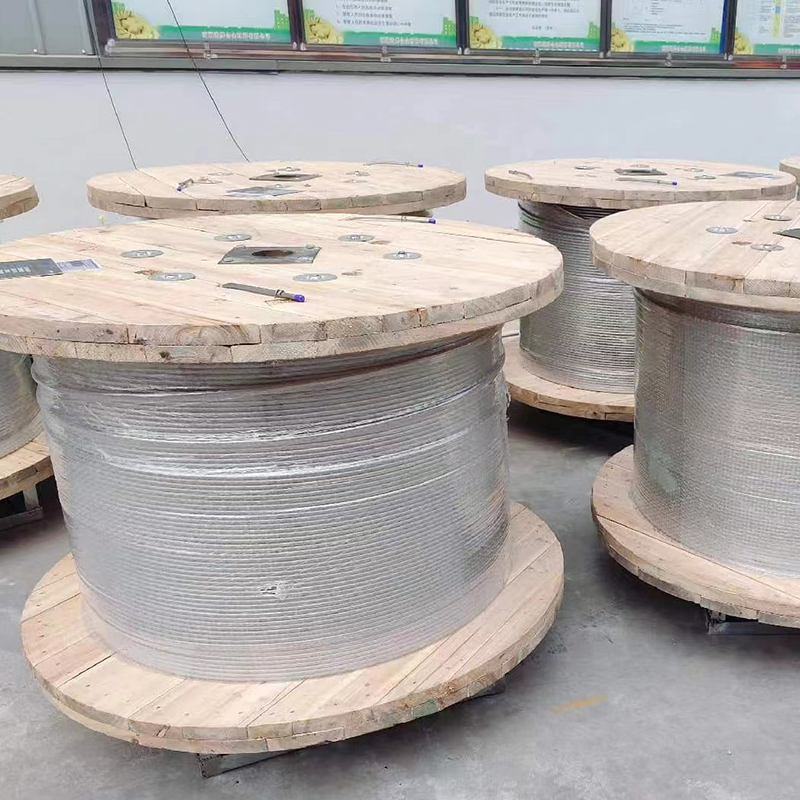
Content
A mill certificate says 304, the packing list says 304, and then a small neodymium magnet snaps onto the bend of the tube. That single moment has turned more sound deliveries into rejection claims than almost any other incoming check on austenitic stainless.
The confusion comes from mixing two questions: whether the grade is really 304, and what has been done to the metal since it left the annealing furnace. A magnet answers the second question far better than the first, and it answers neither of them completely.
Annealed 304 stainless steel is austenitic and effectively non-magnetic, with relative permeability close to 1, usually quoted between 1.002 and 1.005. Once the same grade is cold worked, part of the austenite can transform into strain-induced martensite, which is ferromagnetic, so a drawn tube, a bent sheet or a rolled thread may pull a small magnet with a light but measurable force.
Annealed 304 normally stays below about 1.05 relative permeability, which is why a sink or a fridge door feels non-magnetic. Heavy drawing or severe bending can push deformed sections past 1.2 and occasionally towards 1.5. Hand magnets start to feel a pull somewhere around 1.1 to 1.2, depending on magnet strength and wall thickness.
A strong pull on an annealed flat product is worth investigating, but it is not proof of a wrong grade. It may simply mean the part was straightened, machined or formed after annealing, and nobody mentioned it on the paperwork.
Strain-induced martensite is the body-centred phase that forms when austenitic stainless steel is deformed below the temperature at which its austenite is stable. The parent austenite has a face-centred cubic lattice and is not ferromagnetic; the martensite that forms from it is.
Grade 304 is built around roughly 18 percent chromium and 8 percent nickel. Chromium supplies the passive layer, while nickel and nitrogen stabilise the austenite that keeps the steel non-magnetic. When nickel sits near the bottom of the 8.0 to 10.5 percent range, the austenite is less stable and transforms more readily, which is why two heats of 304 can behave differently on the same press brake.
| Grade | Structure | Annealed | After cold work |
| 304 / 304L | Austenitic | Non-magnetic | Weakly magnetic at bends, threads and drawn sections |
| 316 / 316L | Austenitic with molybdenum | Non-magnetic | Slightly magnetic, usually less than 304 |
| 201 | Austenitic with manganese | Usually non-magnetic | Often noticeably magnetic after forming |
| 430 | Ferritic | Magnetic | Magnetic |
| 410 | Martensitic | Magnetic | Magnetic |
| 2205 | Duplex | Magnetic | Magnetic |
Ferritic and martensitic grades are magnetic whatever you do to them, so a strongly magnetic item that was never cold worked is a grade question rather than a condition question.
Every cold forming step adds both strength and magnetic response, and the effect is local. A tube can be non-magnetic along the straight run and magnetic at the bend, while a bolt can be non-magnetic on the shank and magnetic on the rolled thread.
The values above are indicative and move with chemistry and reduction ratio, but the trend is reliable: more reduction means more martensite and a harder pull. The same transformation raises yield strength and hardness, which is why cold drawn 304 control line is stronger than the annealed coil it started as.
The trade-off is small but real. Heavily transformed sections lose a little corrosion resistance and can disturb magnetic sensors or magnetic drive pumps. If the drawing demands a non-magnetic finished part, the answer is a final solution anneal, not another grade label. For a closer look at how forming history shifts the response, see this note on magnetic grades and cold work in stainless steel.
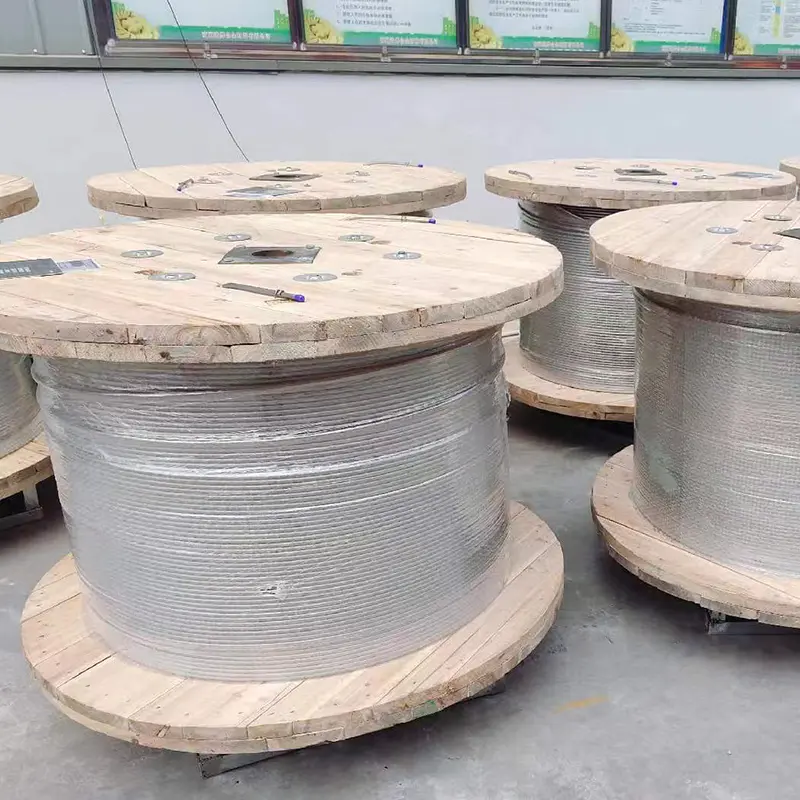 Stainless Steel Capillary and Control Line for Oilfield ServiceCold-drawn capillary and control line for downhole pressure and temperature monitoring, chemical injection, and instrument control; review forming history and magnetic response.View Product →
Cold drawn coil and control line is a good illustration: the drawing schedule that delivers the pressure rating and tolerance is the same schedule that leaves a light magnetic response, and that response is a normal consequence of the process rather than a material defect.
For most structural and process duty a weakly magnetic 304 part is harmless. It becomes a decision point in four areas: inspection, instrumentation, contamination control and grade verification. Magnetic particle inspection is the clearest case, because the method needs a ferromagnetic surface and gives no reliable indication on austenitic stainless.
Drawn tube, formed sheet and rolled threads with a light pull. Slight response in weld metal and heat affected zones. Parts that will be annealed after forming.
A fully annealed flat product that holds a magnet firmly. Identical parts from two suppliers behaving very differently. Response on a part that must pass a magnetic particle test or feed a magnetic sensor.
Contamination control is underestimated in clean service. A magnetic 304 section collects iron fines from cutting and handling, and those fines rust in place even when the base metal does not.
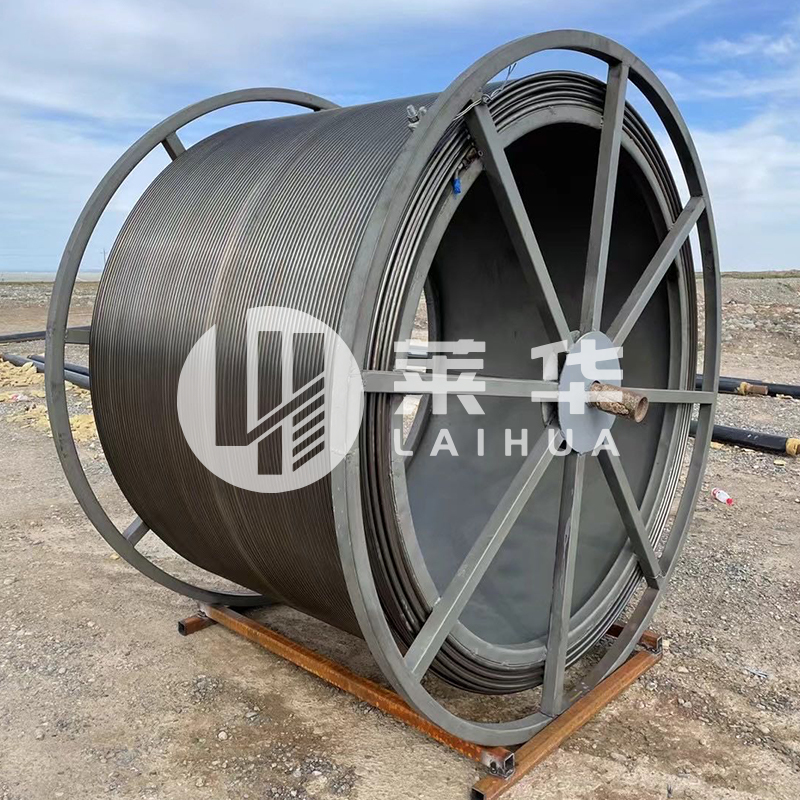 Stainless Steel Continuous Oil Pipe and Coiled TubingCoiled tubing for well workover, logging, and drilling; consider material grade and magnetic behavior when contamination control or downhole inspection matters.View Product →
Downhole, the same rule covers continuous oil pipe and coiled strings. A slightly magnetic section from straightening or spooling is routine; a strong, consistent pull along the whole string is not, and it deserves documentation before the string runs.
Verification is a paperwork and instrument exercise, not a party trick. The sequence below resolves almost every case, from a single fastener to a full coil.
A magnet is a fast sorting aid for shop floor use. It is not a grade test, it is not an acceptance criterion unless the drawing says so, and it never overrides a certificate plus a chemical analysis.
Where the magnetic state genuinely matters, write it into the purchase order as a measurable requirement, such as a maximum relative permeability or a specified annealed condition, together with the test method and sampling frequency.
Annealed 304 is austenitic and effectively non-magnetic. It becomes weakly magnetic after cold working, because part of the austenite transforms into strain-induced martensite, which is ferromagnetic.
Thread rolling, drawing, bending and straightening deform the surface far more than the core. Those zones carry the martensite, so the pull is often strongest at threads and bends and almost absent on the straight body.
No. A magnetic 304 part can be fully compliant and corrosion resistant. Very heavy transformation slightly reduces corrosion resistance and raises hardness, but a light pull by itself says nothing about quality.
Yes. A solution anneal at roughly 1,040 to 1,120 degrees C followed by rapid cooling restores the austenitic structure and removes the magnetic response, provided the part is not deformed again afterwards.
If a delivery is sitting in quarantine because a magnet stuck to it, work through the certificate, the chemical analysis and the forming history before making a decision. Our technical team can review grade, condition and test records for coil, control line and downhole tube against your specification, and you can reach them through the contact page.
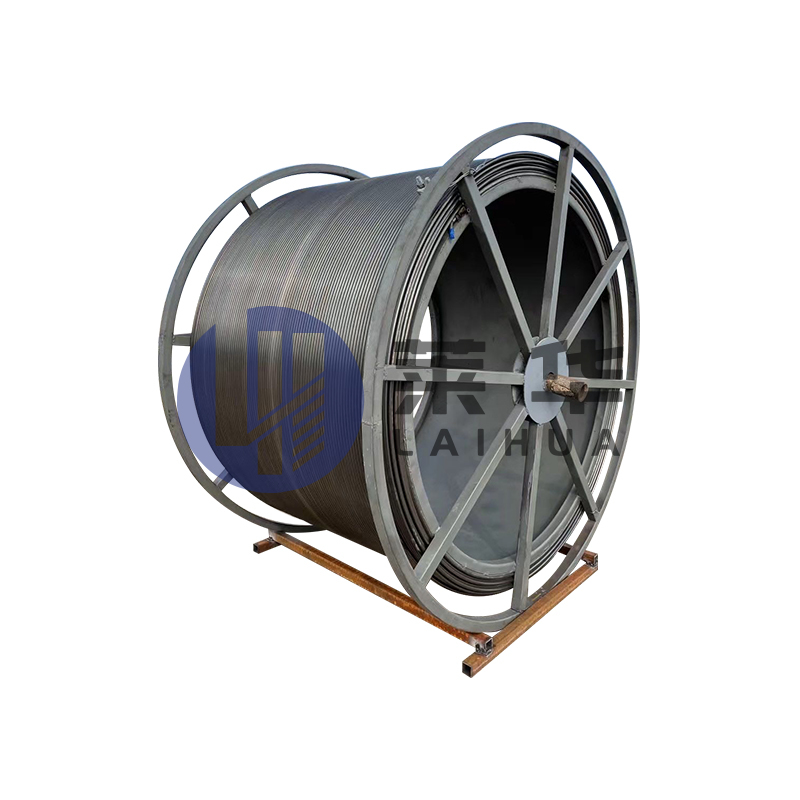
Continuous tubing, also known as flexible tubing or flexible tubing, is widely used in the fields of well workover, logging and drilling, etc. Its pro...
See Details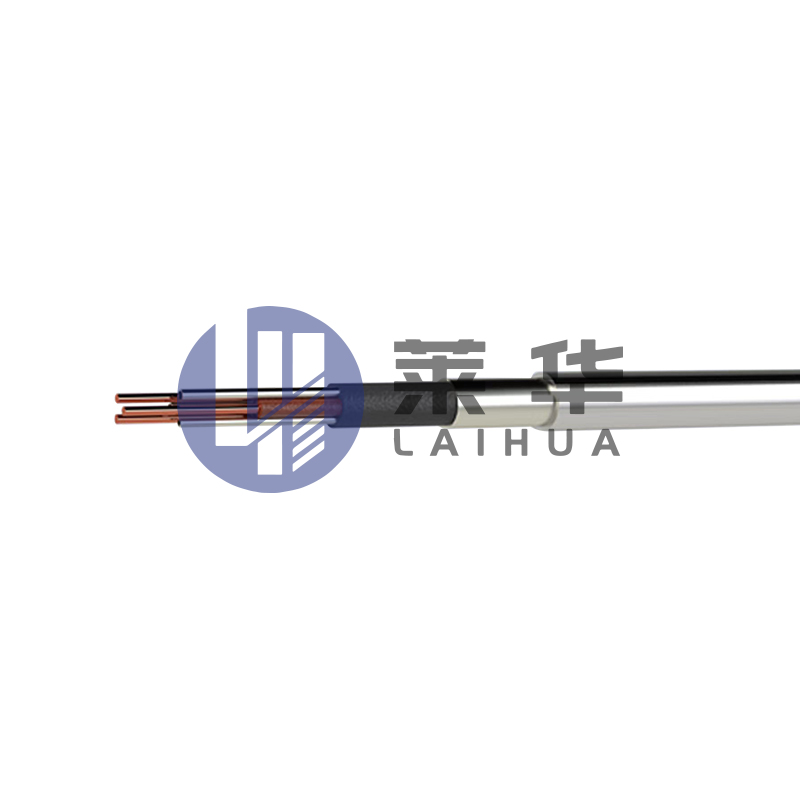
Purpose: The high-temperature testing cable, combined with the high-temperature testing vehicle, is mainly used in multi-parameter testing of heavy oi...
See Details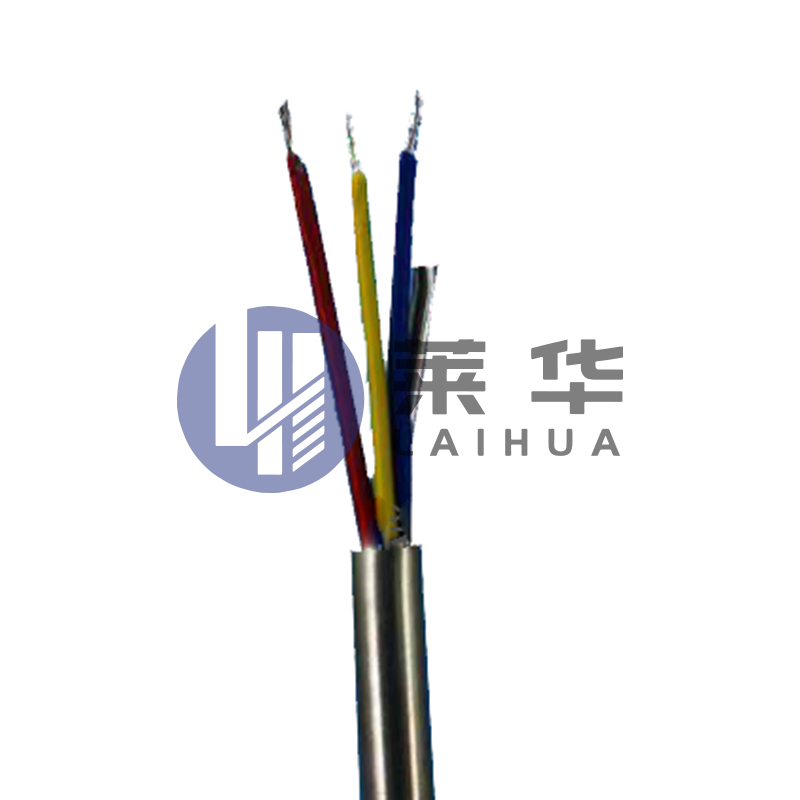
The Stainless Steel Fibre Optic Test Cable is a special test cable that combines the durability of stainless steel with the high transmission efficien...
See Details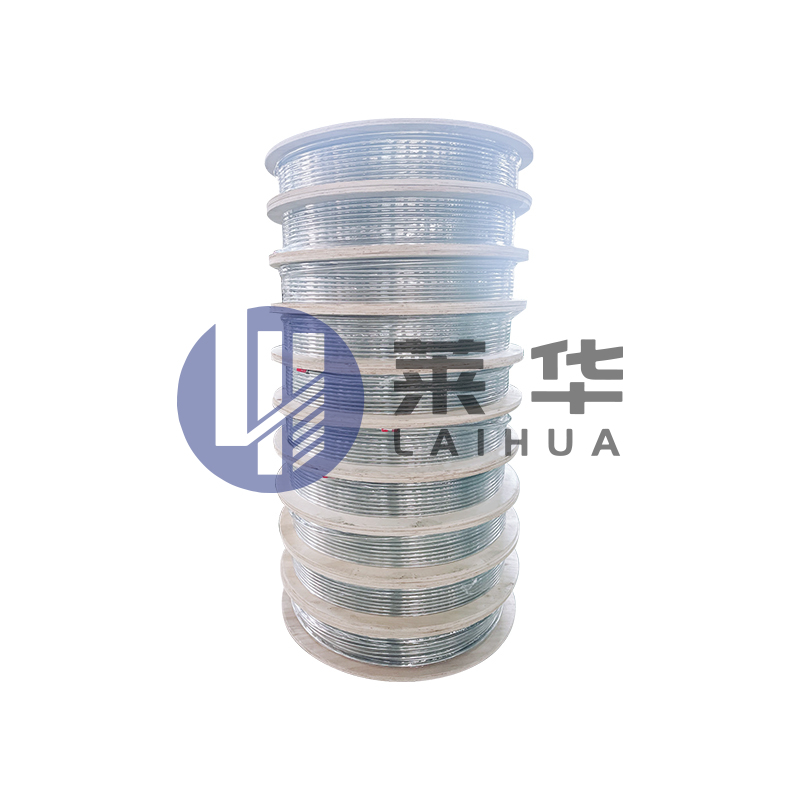
Instructions for the use of hydraulic control pipelines Hydraulic control pipeline, also known as capillary. Mainly used for underground capillary pre...
See Details
Stainless steel clad pipe is a piping system that combines the durability of stainless steel with the protection of plastic. This piping system is usu...
See Details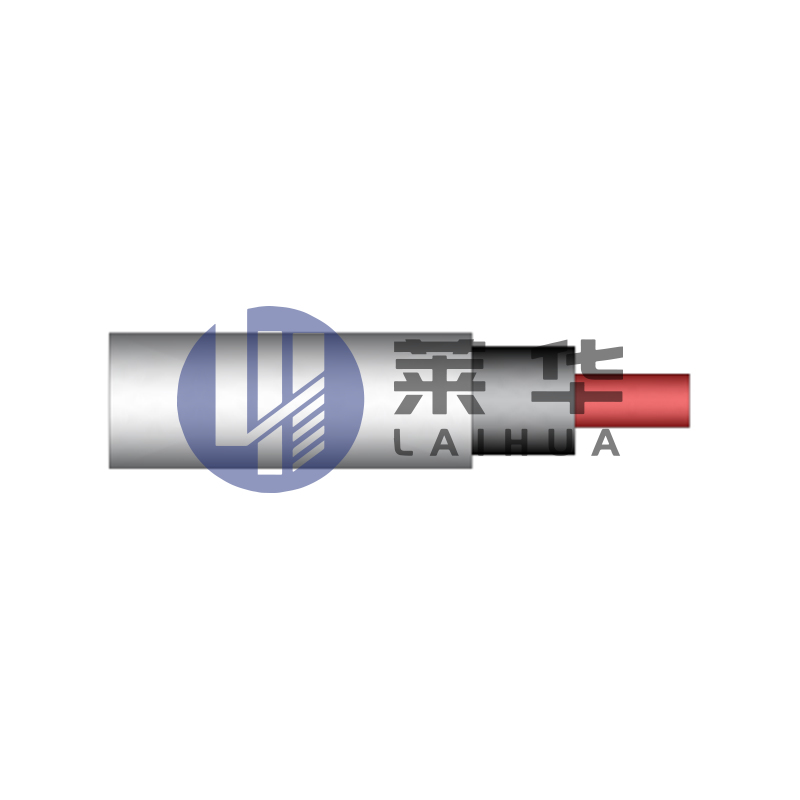
Application field:The electric induction heating system is a complete set of electric heating devices developed by our company specifically for heavy ...
See Details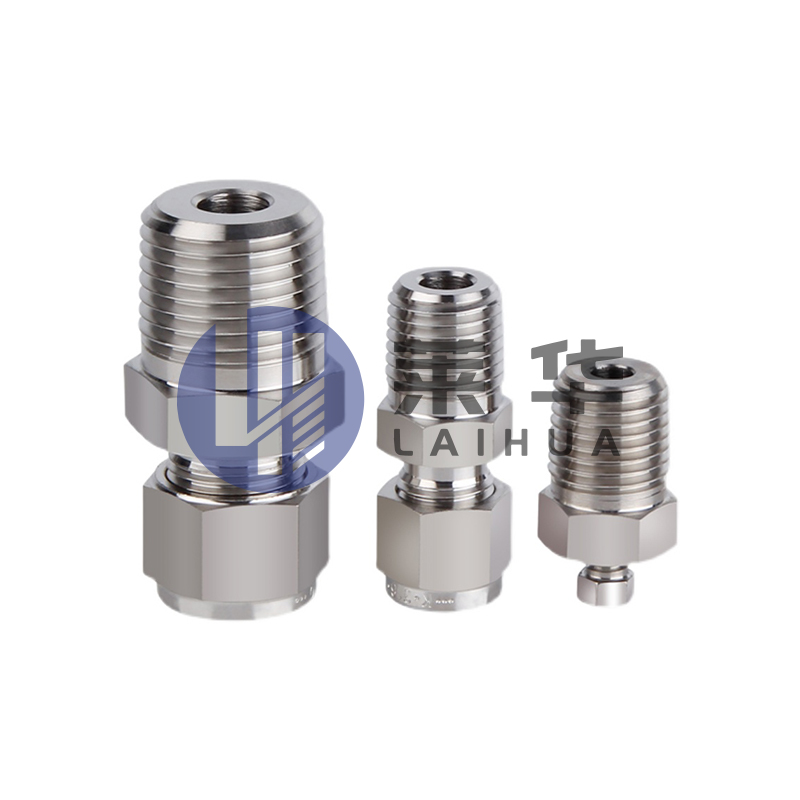
The ferrule type pipe joint consists of three parts: the joint body, ferrule, and nut. When the clamp and nut are inserted into the joint body on the ...
See Details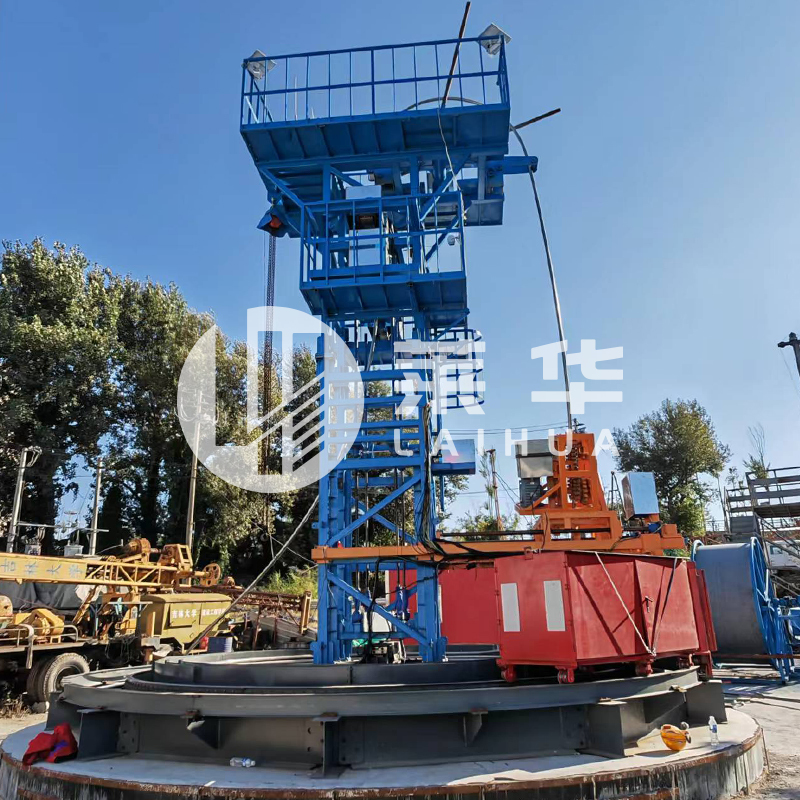
Continuous Tubing Skid Winch is a specially designed equipment for oilfield operations, which combines the design features of the Continuous Tubing Wo...
See Details
E-mail: [email protected]

Phone: +86-15996597000
+86-18252893456

Whatsapp: +86-18252874678

Address: No. 3 Xinyuan Road, Nanmo Town Industrial Park, Hai'an City, Nantong City, Jiangsu Province, China
QR code on
mobile phone



Contact Us