
 英语
英语 西班牙语
西班牙语 阿拉伯语
阿拉伯语Cat:Products
Continuous tubing, also known as flexible tubing or flexible tubing, is widely used in the fields of well workover, logging and drilling, etc. Its pro...
See Details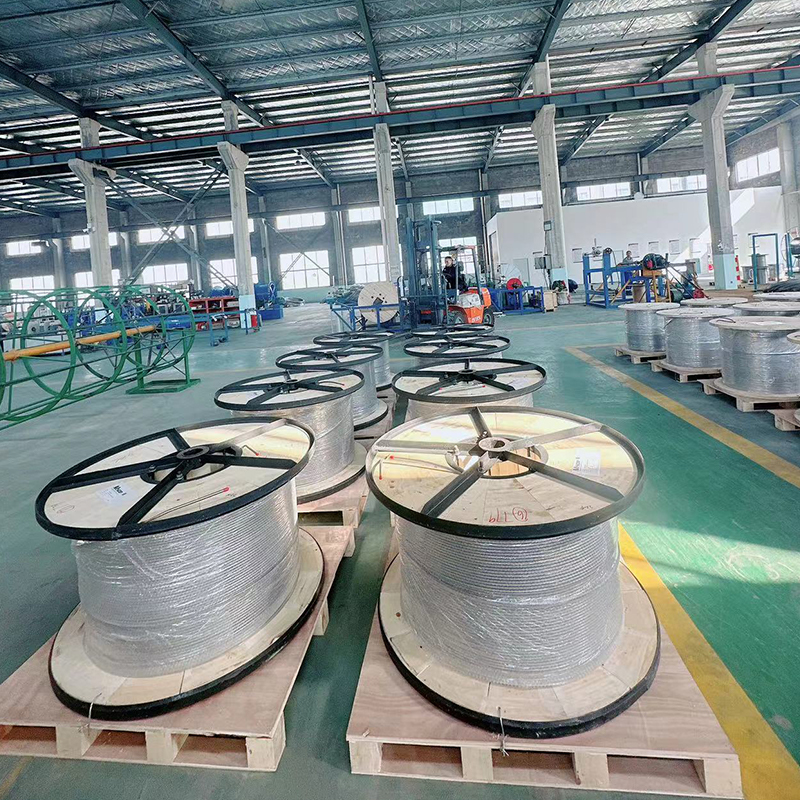
Content
A sheet of 18 gauge mild steel is 0.0478 inches (1.214 mm) thick. An 18 gauge stainless steel sheet is 0.0500 inches (1.27 mm). An 18 gauge aluminum sheet is only 0.0403 inches (1.02 mm). Three different answers to the same question, with nearly 25 percent of thickness separating the extremes — that is the first fact every buyer should know about 18 gauge metal thickness. The gauge number is only half the specification; the metal and the gauge standard behind it are the other half.
Handled correctly, the ambiguity disappears: name the material, name the gauge system, and write the decimal thickness alongside the gauge. Do that, and 18 gauge becomes one of the most predictable and versatile sheet sizes in metalworking. Skip the detail, and you may receive material measurably different from what your design assumed.
Gauge is not a direct unit like millimeters. The system grew out of English wire making several centuries ago, where a wire's number roughly corresponded to how many times it had been drawn through progressively smaller dies. More passes meant a higher number and a thinner product, which explains the rule that confuses newcomers: the lower the gauge number, the thicker the metal.
When sheet production industrialized, the numbering logic carried over. In the United States, sheet steel gauge was standardized around weight: under the Manufacturers' Standard Gauge, 18 gauge steel represents roughly 1.95 pounds per square foot (9.52 kg per square meter), which converts to a nominal 0.0478 inches (1.214 mm). Standard steel gauges run from about 3 down to 36, and 18 gauge sits in the middle of that range — light enough to cut, form and weld economically, yet substantial enough for enclosures, ducting, brackets and general fabrication.
Because gauge systems evolved separately for different metals, the same callout resolves to different nominal thicknesses. The values below are cited most consistently across standard conversion charts.
| Material | Thickness (in) | Thickness (mm) | Gauge basis |
|---|---|---|---|
| Mild (standard) steel | 0.0478 | 1.214 | Manufacturers' Standard Gauge |
| Stainless steel | 0.0500 | 1.270 | Steel gauge chart, stainless column |
| Galvanized steel | 0.0520 | 1.321 | Steel gauge plus zinc coating |
| Aluminum | 0.0403 | 1.024 | Brown & Sharpe |
The differences are not rounding errors — each material sits on a slightly different foundation:
For procurement, the risk is easy to state: an order that reads only "18 gauge sheet" can be satisfied four different ways. A press brake set up for one thickness will show visibly different springback on another, and weight estimates, shipping costs and fit-up all inherit the error.
Start with paperwork. A mill test certificate should list actual measured thickness alongside chemistry, and for stainless flat-rolled products ASTM A480 defines how much nominal thickness may vary and where it is measured on the sheet. When a project tolerates little deviation, state the decimal thickness on the purchase order and ask the supplier to confirm it against the certificate.
Then confirm on arrival. A calibrated micrometer gives a direct reading, while an ultrasonic thickness gauge checks finished parts without damaging them. Both take seconds and catch the classic mistakes — wrong chart, wrong column, substituted material — long before they reach a welder or a customer.
Context decides whether 18 gauge is the right answer, so it helps to see its nearest neighbors:
| Gauge | Thickness (in) | Thickness (mm) | Typical role |
|---|---|---|---|
| 16 | 0.0598 | 1.519 | Heavy ductwork, equipment frames, reinforced brackets |
| 18 | 0.0478 | 1.214 | General fabrication, enclosures, panels, kitchen equipment |
| 20 | 0.0359 | 0.912 | Light covers, guards, non-structural panels |
Eighteen gauge earns its popularity by being the crossover point. It bends cleanly on a press brake with an inside radius of about one times its thickness, welds predictably with moderate heat input, and carries enough stiffness that most panels need no extra reinforcement. Sixteen gauge adds strength but raises material cost and tooling wear; twenty gauge saves weight but dents and oil-cans under load. In corrosive or marine service, many designers move down the chart to 16 gauge instead, leaving a corrosion allowance rather than redesigning in heavier material later.
In tube and pipe, the industry largely abandons gauge and specifies wall thickness directly in decimals, because pressure capacity, corrosion allowance and fitting compatibility all depend on it. The habit is worth copying for anyone buying 18 gauge material: translate every gauge callout into a real number early, before tolerances and test reports are negotiated.
It is also closer to our daily work than it might look. A wall of roughly 0.048 inches (1.2 mm) sits in the territory of small-bore stainless hydraulic control lines, where a variation of a few hundredths of a millimeter changes crush resistance and vibration life. Our control line and coiled tubing production is therefore backed by eddy current flaw detection, spectrometer chemistry checks, Vickers hardness testing and hydrostatic pressure testing rated to 300 MPa, so the thickness on the certificate is the thickness in the coil. The selection logic behind these lines is covered in more detail in our guide to safety valve control pipeline design and materials selection.
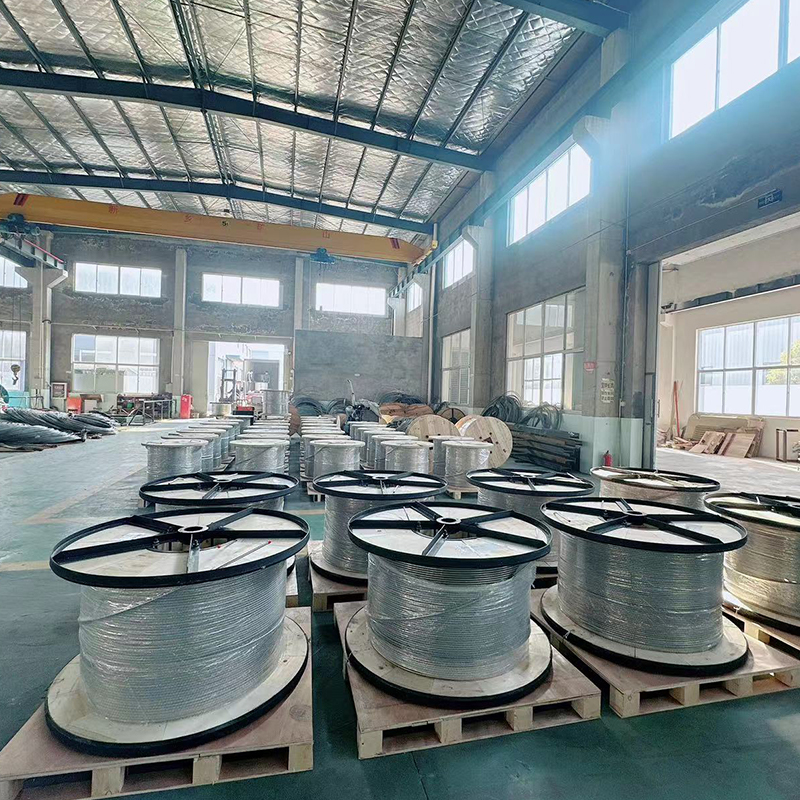 Stainless Steel Control Line and Capillary TubingSmall-bore stainless hydraulic control lines for downhole pressure and temperature monitoring and chemical injection, with verified wall thickness backed by eddy current, hardness and pressure testing.View Product →
The same discipline extends to continuous oil pipe, where the wall must survive repeated bending on and off the reel while holding pressure downhole, and to the ferrule joints that grip it: a ferrule's bite depth is matched to a defined wall range, so a tube that drifts thin can loosen the connection that depends on it.
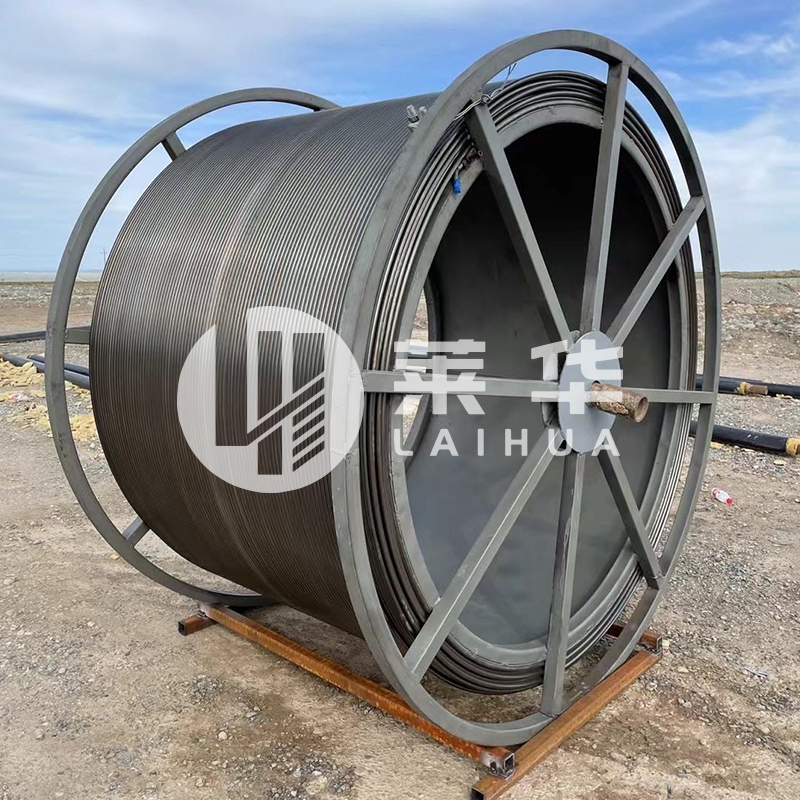 Stainless Steel Coiled Continuous Tubing for Oil and Gas WellsContinuous coiled tubing in grades like 316L and 825, with walls engineered to withstand repeated spooling while holding downhole pressure, made in walls from 1 to 5 mm.View Product →
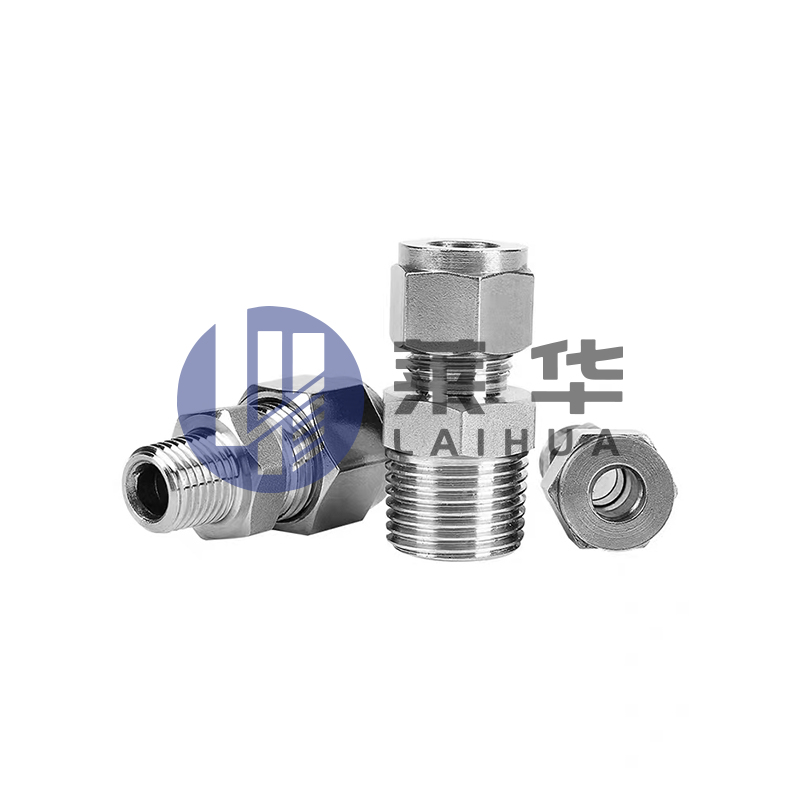
 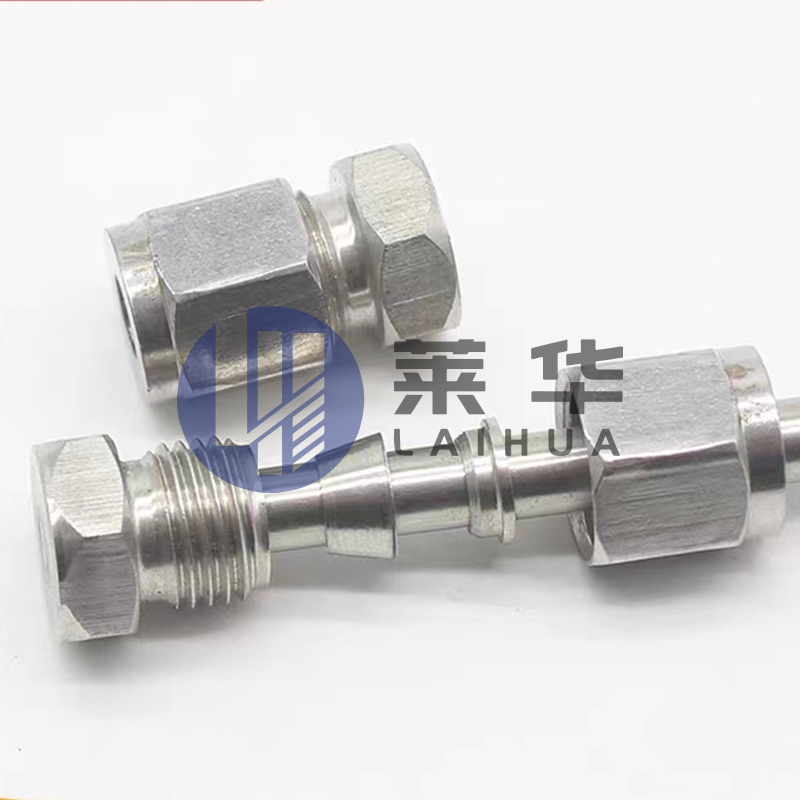 Stainless Steel Ferrule Tube FittingsFerrule joints whose bite depth matches a defined tube wall range, providing corrosion-resistant, high-pressure sealed connections for control lines and instrument tubing.View Product →
Follow those five steps and 18 gauge stops being ambiguous. If your project involves stainless coiled tubing, control lines or the fittings around them, our team at Jiangsu Laihua Petroleum Equipment works with these thickness decisions every day — contact us to discuss grades, walls and testing for your application.
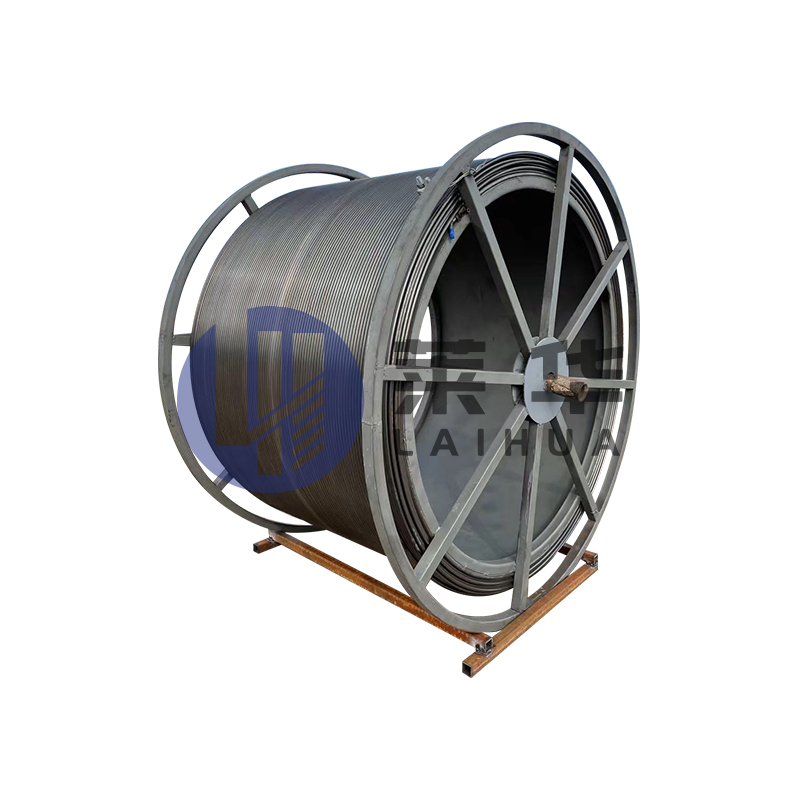
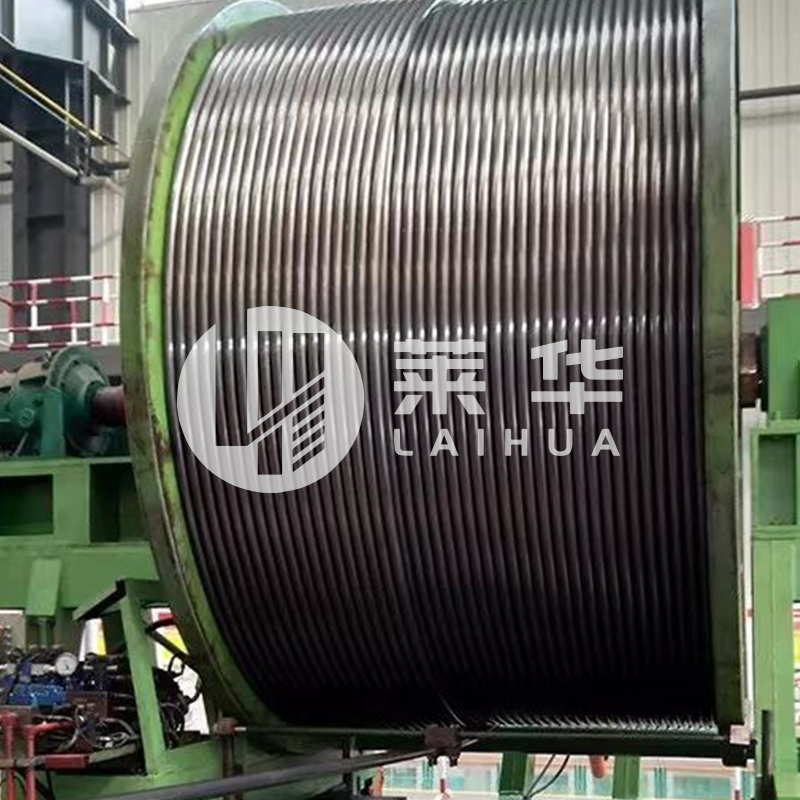
Continuous tubing, also known as flexible tubing or flexible tubing, is widely used in the fields of well workover, logging and drilling, etc. Its pro...
See Details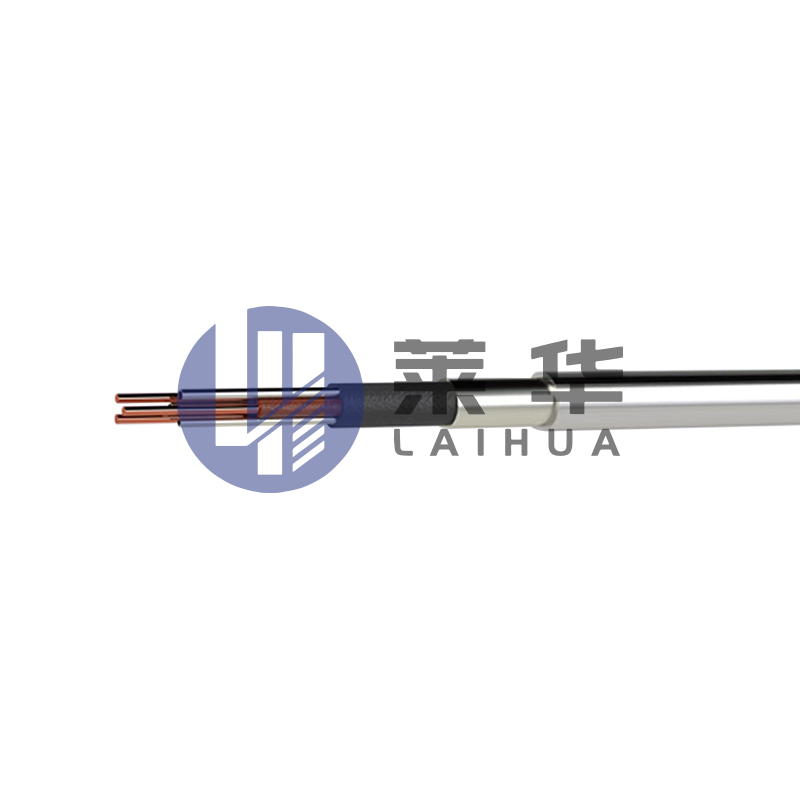
Purpose: The high-temperature testing cable, combined with the high-temperature testing vehicle, is mainly used in multi-parameter testing of heavy oi...
See Details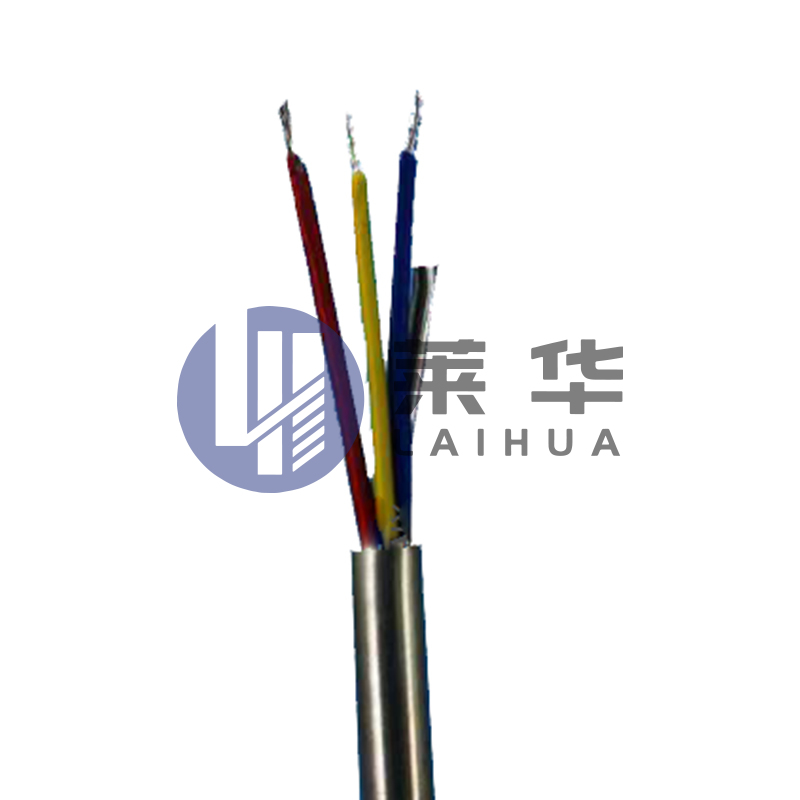
The Stainless Steel Fibre Optic Test Cable is a special test cable that combines the durability of stainless steel with the high transmission efficien...
See Details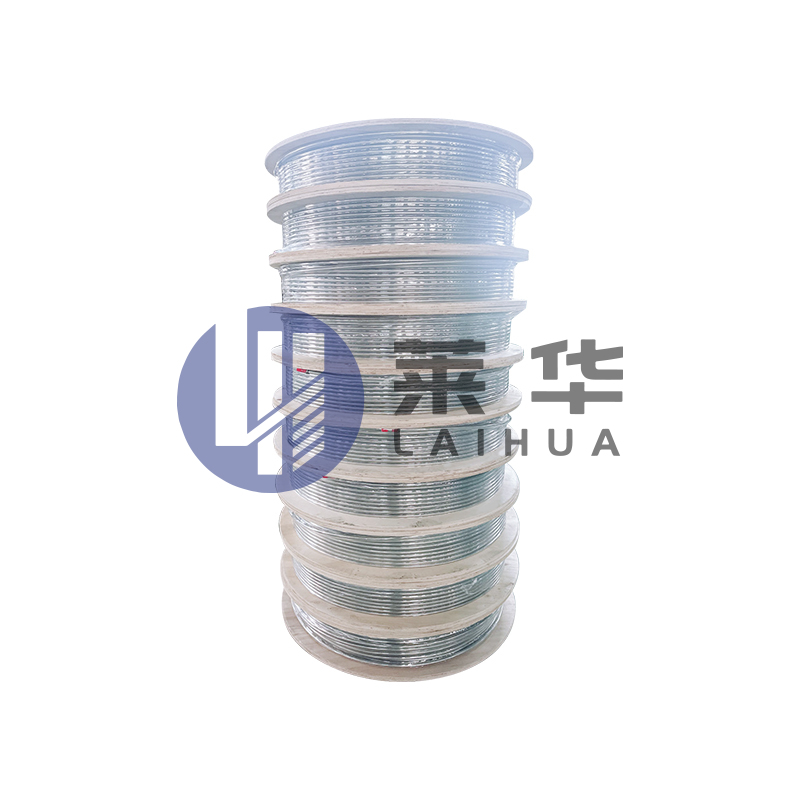
Instructions for the use of hydraulic control pipelines Hydraulic control pipeline, also known as capillary. Mainly used for underground capillary pre...
See Details
Stainless steel clad pipe is a piping system that combines the durability of stainless steel with the protection of plastic. This piping system is usu...
See Details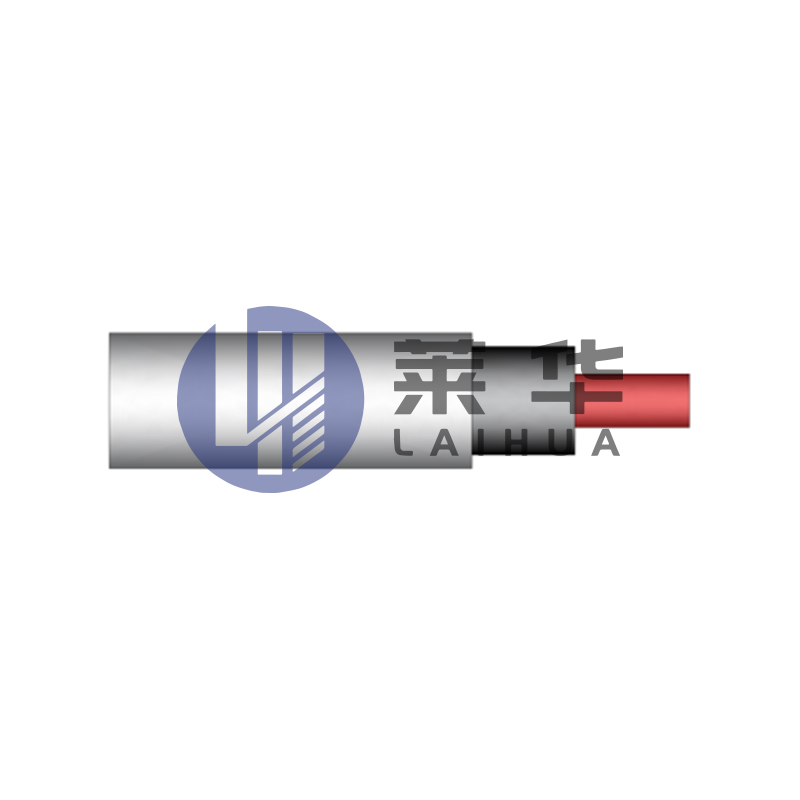
Application field:The electric induction heating system is a complete set of electric heating devices developed by our company specifically for heavy ...
See Details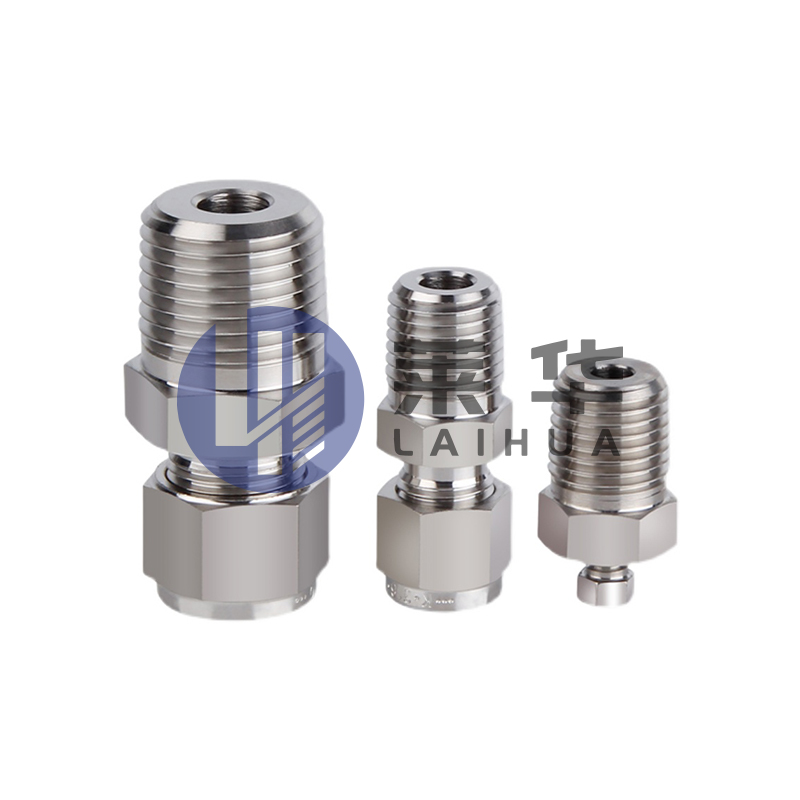
The ferrule type pipe joint consists of three parts: the joint body, ferrule, and nut. When the clamp and nut are inserted into the joint body on the ...
See Details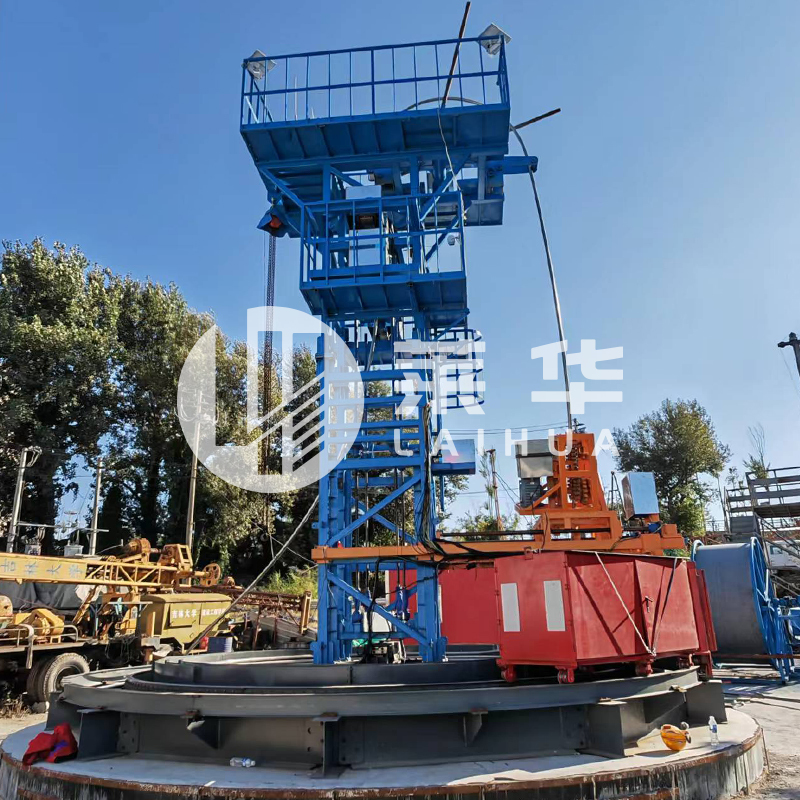
Continuous Tubing Skid Winch is a specially designed equipment for oilfield operations, which combines the design features of the Continuous Tubing Wo...
See Details
E-mail: [email protected]

Phone: +86-15996597000
+86-18252893456

Whatsapp: +86-18252874678

Address: No. 3 Xinyuan Road, Nanmo Town Industrial Park, Hai'an City, Nantong City, Jiangsu Province, China
QR code on
mobile phone



Contact Us