
 英语
英语 西班牙语
西班牙语 阿拉伯语
阿拉伯语Cat:Products
Continuous tubing, also known as flexible tubing or flexible tubing, is widely used in the fields of well workover, logging and drilling, etc. Its pro...
See Details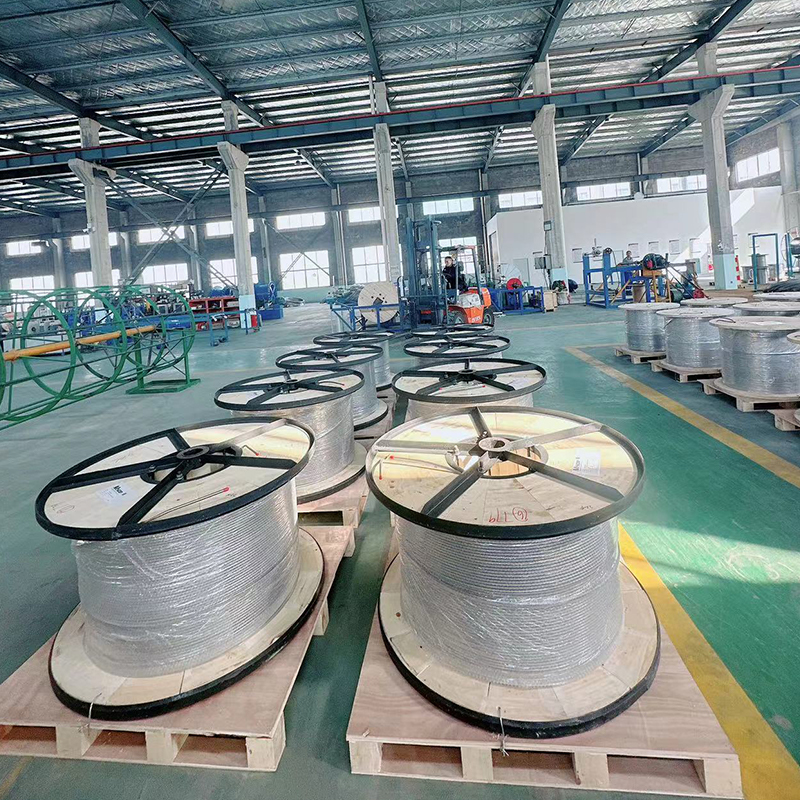
Content
Run a magnet along a new coil of 304 stainless control line and you will usually feel nothing. Press it against the bent, flared end of the same coil, and it may suddenly grip. That single moment triggers a remarkable number of false counterfeit-material alarms at receiving docks and well sites. Here is the short answer first: stainless steel can be magnetic or non-magnetic, and the difference comes from crystal structure, not from quality. Austenitic grades such as 304 and 316 are essentially non-magnetic in the annealed state, showing at most a faint response, but they pick up a slight pull where they have been bent or drawn. Ferritic and martensitic grades such as 430 and 410 are magnetic by design. Knowing which behavior to expect turns a pocket magnet from a source of confusion into a genuinely useful first screening tool.
Every stainless steel contains iron and at least 10.5% chromium, so on paper all of them should respond to a magnet. They do not, because magnetism depends on how the atoms stack together, not merely on what the alloy contains. In ferrite, the crystal structure found in grades like 430, atoms sit in a body-centered cubic arrangement whose spacing allows magnetic domains to line up, so the material pulls firmly on a magnet. In austenite, the structure of the 300 series, the arrangement is face-centered cubic, and the nickel in the chemistry holds that structure stable at room temperature. The wider atomic spacing prevents the domains from aligning, which is why an annealed sheet of 304 barely reacts.
The chemistry behind this is easy to remember. Grade 304 carries roughly 18% chromium and 8% nickel; grade 316 adds 2-3% molybdenum and slightly more nickel. Grade 430 keeps the chromium but drops the nickel almost entirely, which is why it costs less, resists corrosion only moderately, and sticks to a magnet. Martensitic grades such as 410 and 420 are also magnetic, and they trade some corrosion resistance for the ability to harden, which suits valve parts, pump shafts, and tooling. Duplex grades contain a mix of both structures, so they show a weak but measurable pull.
The fastest way to predict magnetic behavior is to identify the grade family, and the table below gives a practical overview. It also explains why two deliveries that look identical can behave completely differently in front of the same magnet.
| Family | Common grades | Response to a magnet | Typical roles |
|---|---|---|---|
| Austenitic | 304, 316, 321 | Essentially none; slight pull possible after cold work | Control lines, capillary tubing, chemical and food equipment |
| Ferritic | 409, 430, 446 | Clearly magnetic | Exhaust systems, appliance panels, decorative trim |
| Martensitic | 410, 420, 431 | Clearly magnetic | Valves, blades, and wear parts that need hardness |
| Duplex | 2205, 2507 | Weak to moderate pull | Offshore piping and high-strength corrosive service |
| Precipitation hardening | 17-4 PH | Magnetic | High-strength shafts, fasteners, and fittings |
Cold work is the most common reason a supposedly non-magnetic tube or panel picks up magnetism. Bending, coiling, drawing, and flaring deform the austenitic structure, and part of it transforms into strain-induced martensite. The effect concentrates exactly where deformation is heaviest: the tight bends of a coiled line, the mouth of a flared fitting, the edge of a formed sheet. Read the magnet accordingly:
This distinction matters for coiled products in particular. Control line tubing is wound onto spools, unspooled, and bent around sheaves during installation, so a local magnetic response near deformation zones is part of normal service history rather than evidence of wrong chemistry.
A magnet is a screening tool, not a verification method. It separates ferritic and martensitic material from austenitic material in seconds, which is genuinely useful on a loading dock. What it cannot do is tell you which grade you actually have: 304 and 316 feel identical to a magnet, low-nickel substitutes can slip past a casual check, and a heavily cold-worked genuine 304 can be mistaken for cheap ferritic stock. A workable verification sequence looks like this:
In our quality center, every batch passes through tensile testing, a 300 MPa hydraulic test bench, Vickers hardness measurement, spectrographic analysis, and eddy current flaw detection, because structure and chemistry both have to be confirmed rather than assumed. For a broader view of how grade selection works before you buy, this guide to stainless steel coil grades and applications walks through the decision logic in detail.
In oil and gas service, the magnetic question usually resolves into a trade-off between corrosion resistance and cost. Chemical injection lines, hydraulic control lines, and umbilical tubing are overwhelmingly austenitic, typically 316 in chloride-rich service, because pitting corrosion is the failure mode that ends their working life, and the faint magnetic response from coiling has no effect on function. Ferritic grades earn their place where loads are light and budgets are tight, such as cladding, panels, and trim.
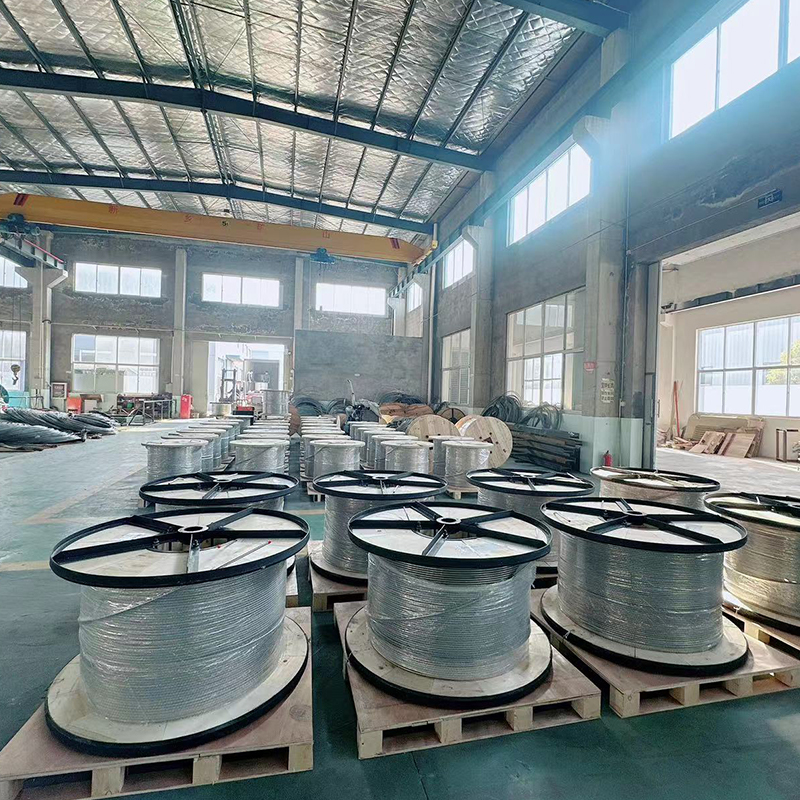 Stainless Steel Coil and Control Pipeline for Downhole MonitoringAvailable in austenitic and duplex grades such as 316L, 2205, and 2507, this capillary tubing transmits downhole temperature and pressure to surface displays and carries chemical injections, making corrosion resistance the key selection factor in chloride-rich wells.View Product →
Magnetic behavior itself does matter in a few places. Equipment that relies on magnetic sensing, such as directional survey instruments, needs a magnetically quiet environment around it, which is one more reason austenitic material is preferred near measurement points. In chemically aggressive wells, the same corrosion-driven logic applies to capillary lines, and it extends to the continuous coiled tubing that runs into the well for intervention and extraction work.
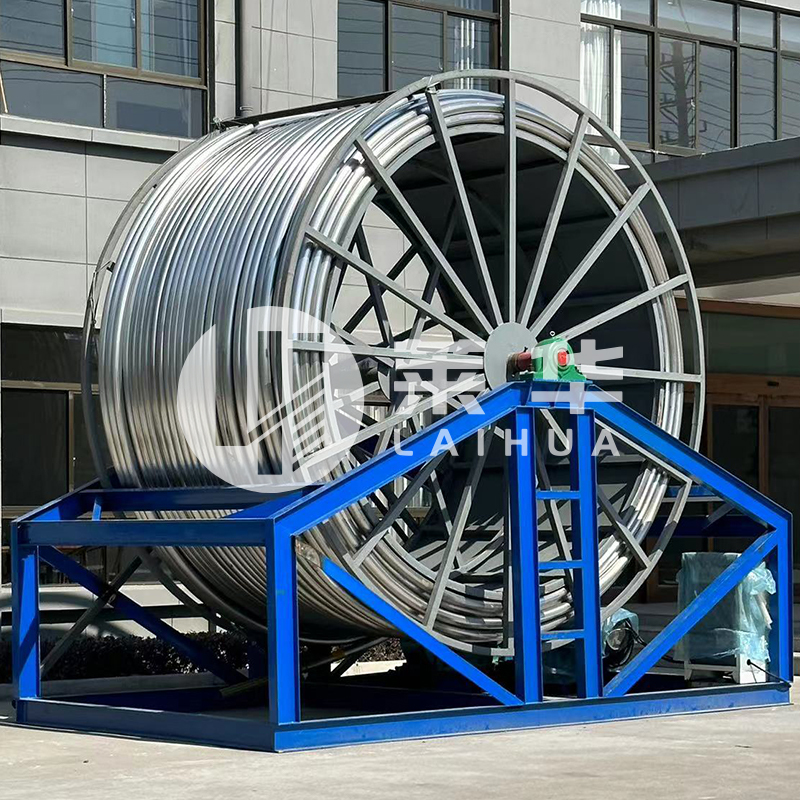
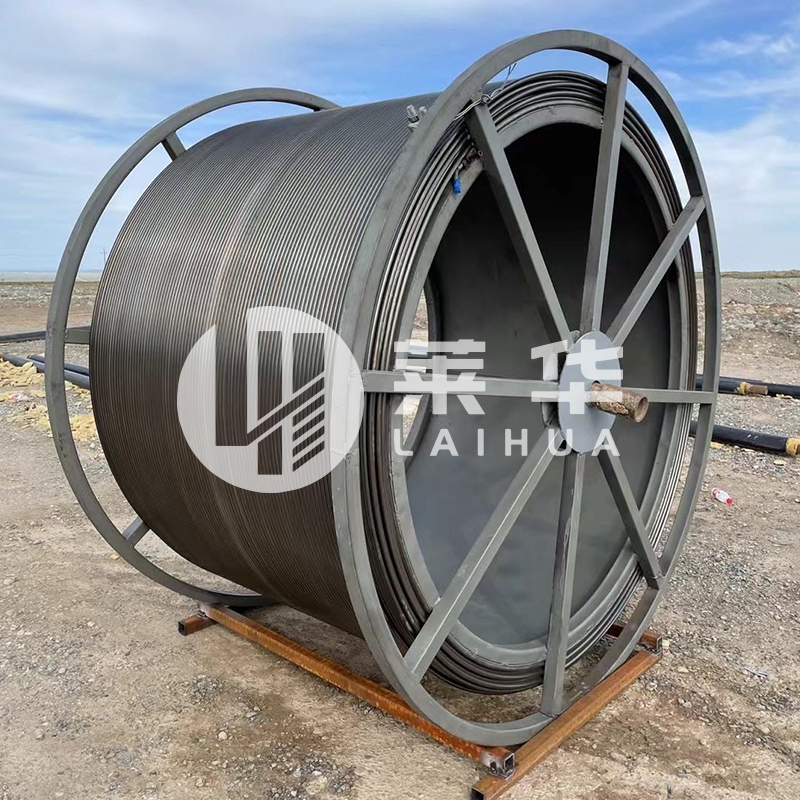 Stainless Steel Continuous Coiled Tubing for Well InterventionThis continuous tubing serves workover, logging, and drilling operations, with outer diameters from 6 mm to 89 mm and pressure resistance up to 120 MPa, so grade choice must balance corrosion resistance against the magnetic concerns discussed nearby.View Product →
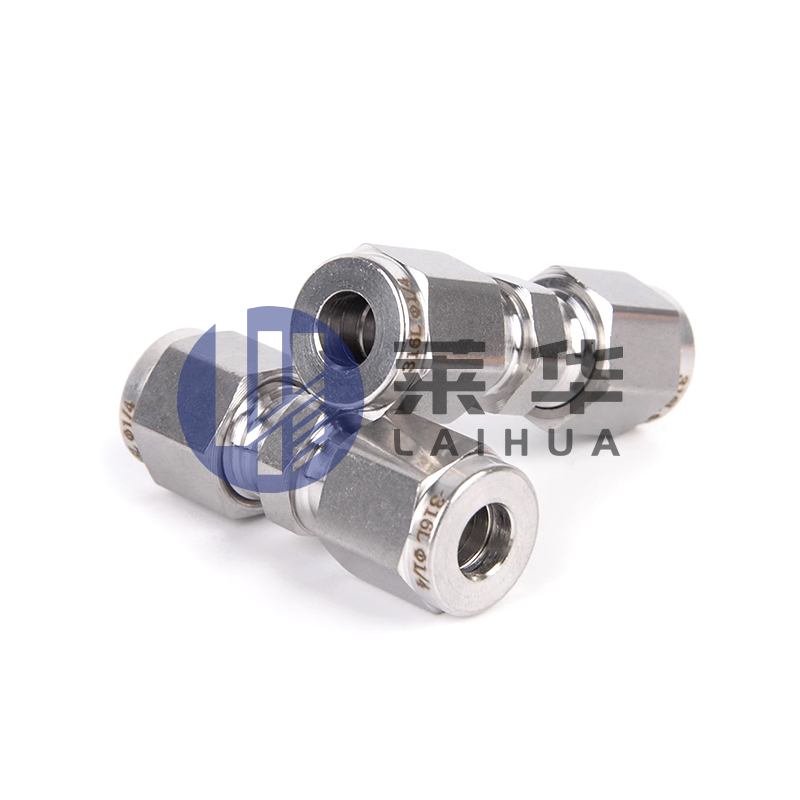
Fittings deserve special attention in this discussion. A ferrule joint machined from a mismatched grade can become the corrosion weak point of an otherwise well-chosen system, and vibration plus pressure cycling concentrate the stress right at the connection. Matching the fitting grade to the tubing grade, then verifying both with the same test sequence, removes that weak link. If you are matching grades to specific well conditions, our team is available through the contact page to review media, pressure, and temperature parameters before you commit to an order.
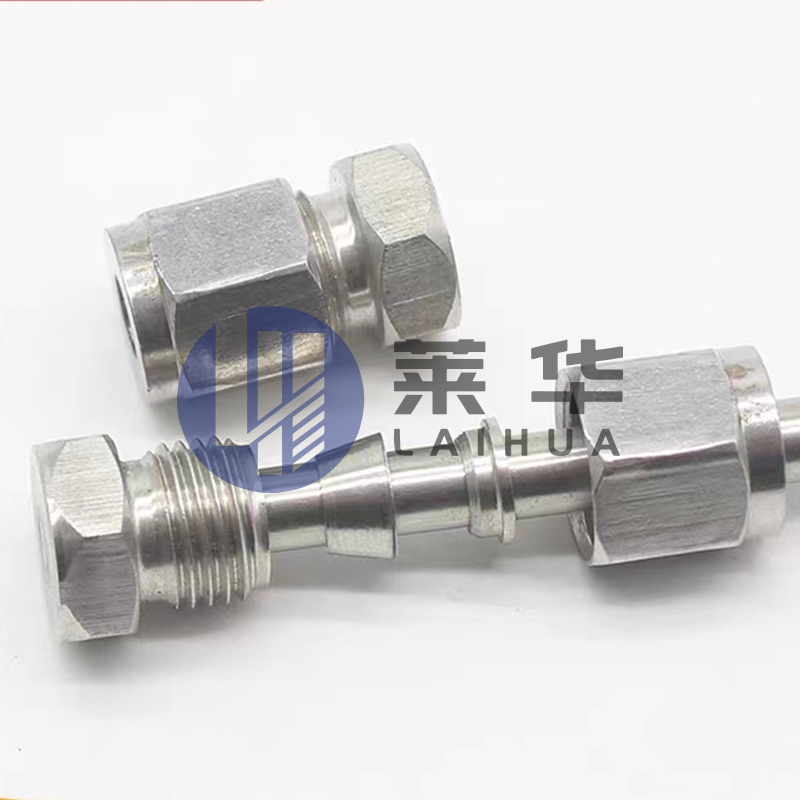 Stainless Steel Ferrule Joint for Instrument Tubing ConnectionsComprising a body, ferrule, and nut, this fitting seals stainless tubing in oil, water, and gas service up to 20 MPa, and matching its grade to the tubing prevents the corrosion weak point highlighted in this section.View Product →
The next time a magnet sticks somewhere unexpected, read it as information rather than a verdict. Magnetic response tells you about crystal structure; it says nothing about whether the alloy will survive your well conditions. Screen with a magnet, confirm with chemistry and pressure testing, and specify the grade family deliberately. That sequence keeps stainless steel doing its job downhole, in the control panel, and everywhere in between.
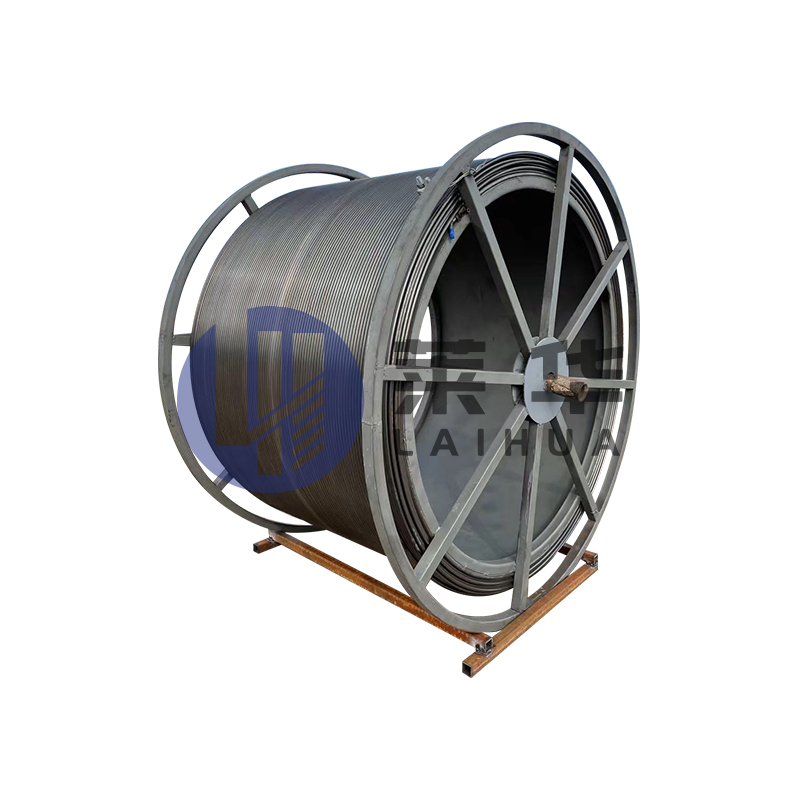
Continuous tubing, also known as flexible tubing or flexible tubing, is widely used in the fields of well workover, logging and drilling, etc. Its pro...
See Details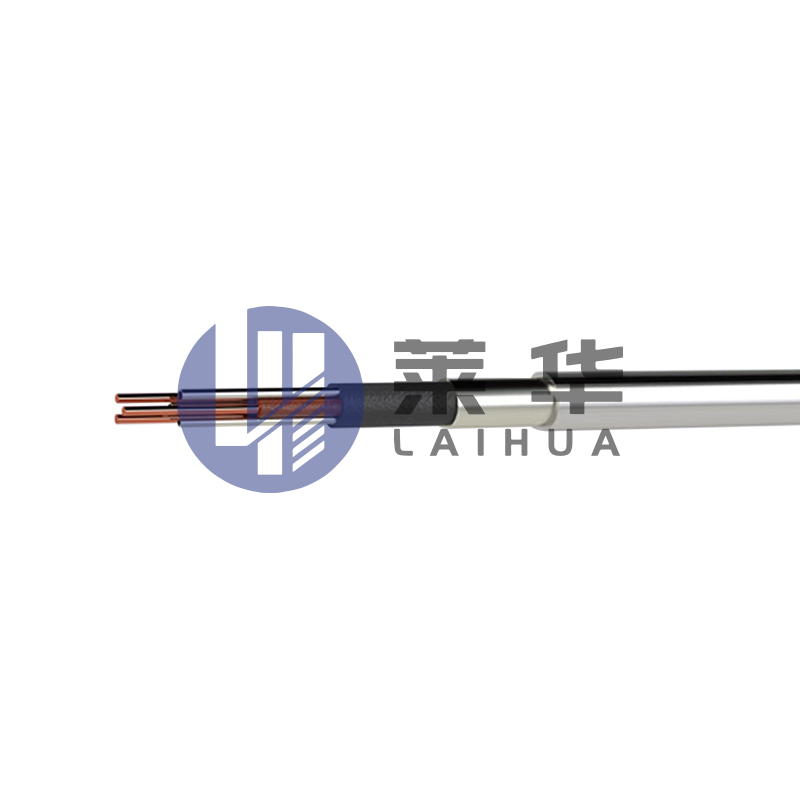
Purpose: The high-temperature testing cable, combined with the high-temperature testing vehicle, is mainly used in multi-parameter testing of heavy oi...
See Details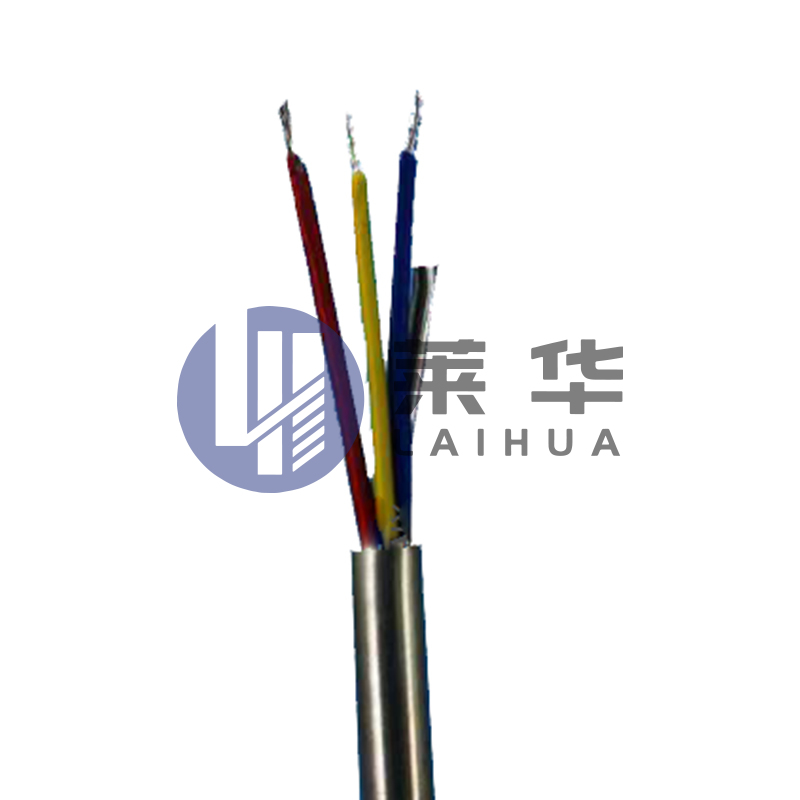
The Stainless Steel Fibre Optic Test Cable is a special test cable that combines the durability of stainless steel with the high transmission efficien...
See Details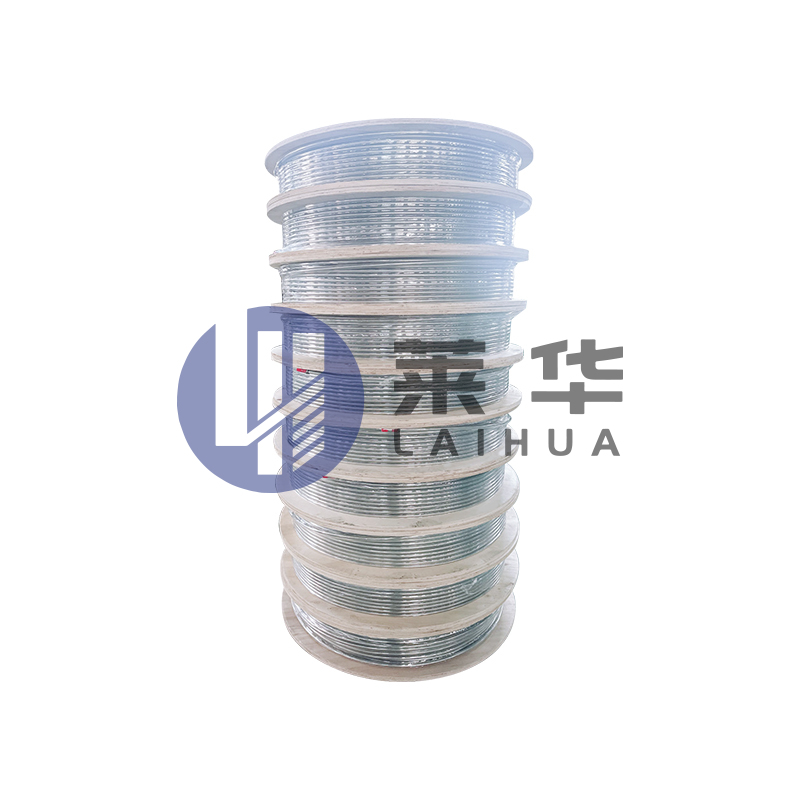
Instructions for the use of hydraulic control pipelines Hydraulic control pipeline, also known as capillary. Mainly used for underground capillary pre...
See Details
Stainless steel clad pipe is a piping system that combines the durability of stainless steel with the protection of plastic. This piping system is usu...
See Details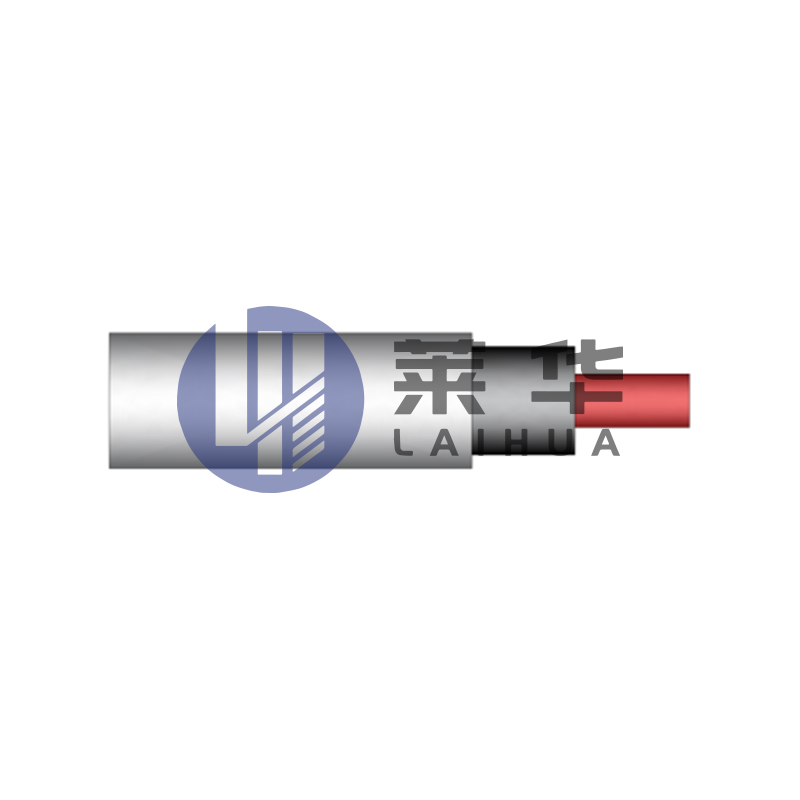
Application field:The electric induction heating system is a complete set of electric heating devices developed by our company specifically for heavy ...
See Details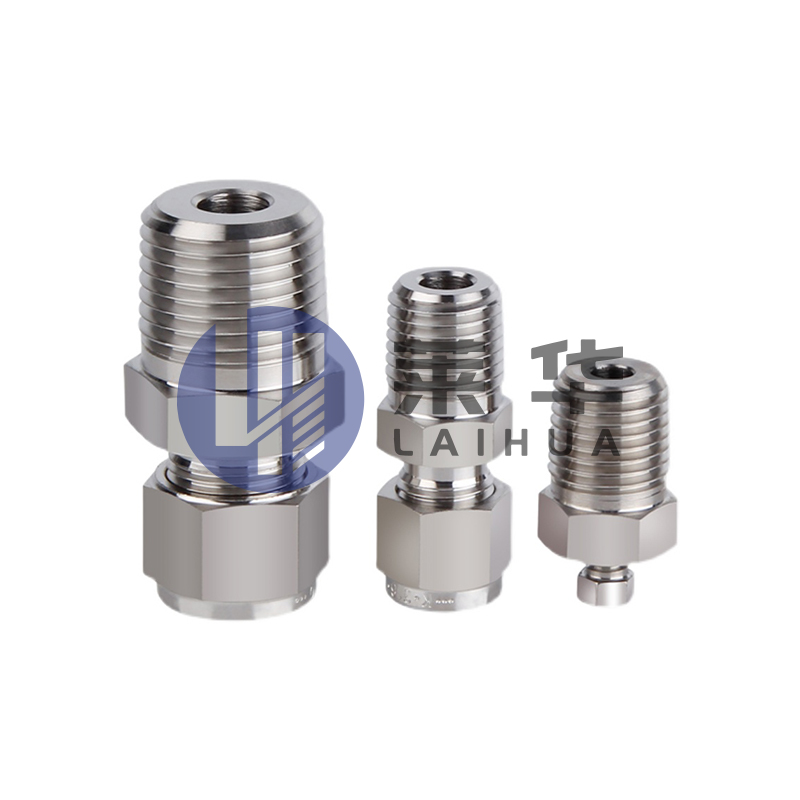
The ferrule type pipe joint consists of three parts: the joint body, ferrule, and nut. When the clamp and nut are inserted into the joint body on the ...
See Details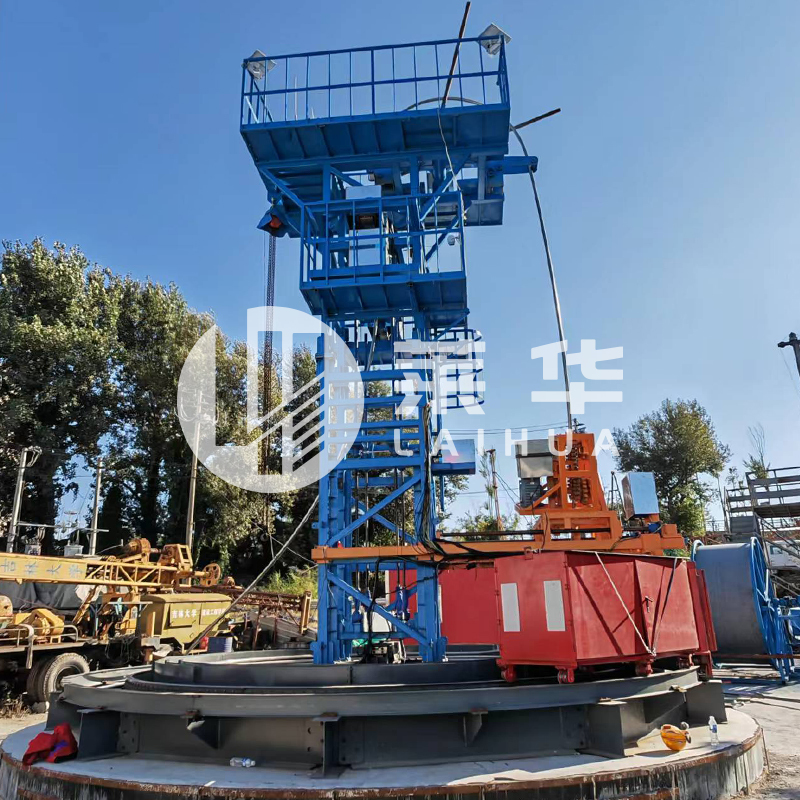
Continuous Tubing Skid Winch is a specially designed equipment for oilfield operations, which combines the design features of the Continuous Tubing Wo...
See Details
E-mail: [email protected]

Phone: +86-15996597000
+86-18252893456

Whatsapp: +86-18252874678

Address: No. 3 Xinyuan Road, Nanmo Town Industrial Park, Hai'an City, Nantong City, Jiangsu Province, China
QR code on
mobile phone




Contact Us