
 英语
英语 西班牙语
西班牙语 阿拉伯语
阿拉伯语Cat:Products
Continuous tubing, also known as flexible tubing or flexible tubing, is widely used in the fields of well workover, logging and drilling, etc. Its pro...
See Details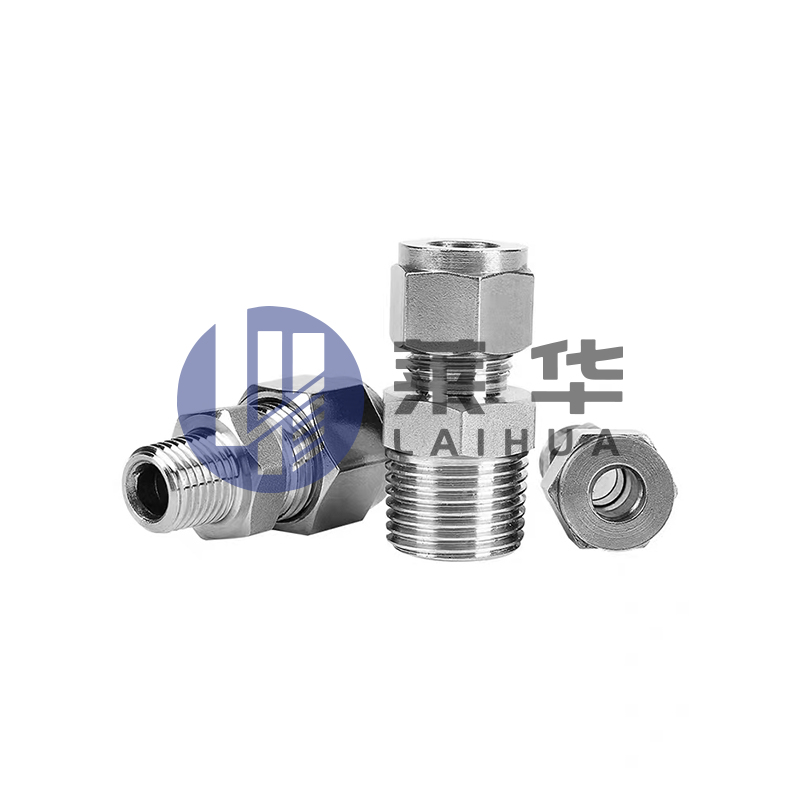
Content
A subsurface safety valve 3,000 meters down a gas well does nothing until a thread of hydraulic fluid reaches it, and that thread often travels through stainless steel capillary tube with an outside diameter of less than 5 mm. The same class of tubing doses corrosion inhibitor into a wellhead, carries sample gas to an online analyzer, and transmits pressure from a downhole gauge to surface instrumentation. The conclusion first: a capillary tube is a precision component, not simply small pipe. Three decisions separate a reliable purchase from a costly failure — match the inside diameter to your flow, match the wall thickness to your pressure, and match the stainless grade to the fluid it will touch.
Manufacturers and buyers generally reserve the term for stainless tubing with an outside diameter from roughly 0.5 mm up to 8 mm, paired with walls between about 0.1 and 1.0 mm. The defining feature is not small size alone but the precision that comes with it: outside diameters held within ±0.05 mm, often tighter, and a clean, smooth inside surface. That accuracy is what allows the tube to seat correctly in compression fittings, deliver repeatable flow in an analytical line, or survive thousands of coiled meters without kinking.
Most capillary tube is austenitic stainless steel. Grade 304 covers general instrument work in mild environments. Grade 316 adds 2 to 3% molybdenum and is the default wherever chlorides, seawater influence, or injected chemicals appear. The L variants, 304L and 316L, cap carbon content at 0.03%, which keeps weld zones corrosion-resistant when the tube must be joined by welding.
Seamless capillary tube is pierced and cold-drawn, giving it a uniform wall and making it the usual choice for high-pressure and sensing duties. Welded capillary tube starts as rolled strip that is formed and welded continuously; when the weld is drawn down afterward, the result is highly consistent tube at lower cost, though an interior weld bead remains a consideration for flow-critical or sample-critical lines. For long downhole control runs, continuous welded tube drawn after welding has largely become the standard, because spool lengths of several kilometers are impractical to produce seamlessly.
The applications cluster where flow is small, pressure is high, and space is tight:
In oilfield service the capillary tube is rarely an isolated part. It terminates in ferrule fittings at both ends, runs alongside cable and larger coiled tubing, and must hold pressure for years in a well where pulling it out to repair a leak is expensive.
Three physics facts govern the choice. Internal pressure capacity rises sharply as the wall thickens relative to diameter: hoop stress in a thin-wall tube is roughly the pressure multiplied by diameter minus wall thickness, divided by twice the wall, so halving the wall roughly doubles the stress at the same pressure. Flow capacity follows the inside diameter, and because the bore is small, small changes matter — doubling the bore multiplies flow capacity several-fold at the same pressure drop. Finally, the condition of the inside surface governs both pressure loss and how a sensor or sample behaves in the line.
| Parameter | Typical range | Why it matters |
|---|---|---|
| Outside diameter | 0.5 to 8 mm, commonly 1.6, 3.2, 4.8, 6.4 mm | Must match fitting seats and required flow; tolerance typically ±0.05 mm or tighter |
| Wall thickness | 0.1 to 1.0 mm | Sets burst and working pressure; thinner walls bend more easily but hold less pressure |
| Grade | 304, 304L, 316, 316L | 316 and 316L for chloride or chemical exposure; L grades for welded assemblies |
| Delivery condition | Annealed or light cold-drawn | Annealed tube bends and coils without cracking; cold work raises strength but reduces ductility |
| Testing | Eddy current, hydrostatic, tensile, hardness, PMI | Confirms the tube is sound along its full length, not just at the sample end |
| Delivery form | Straight lengths or continuous coils on spools | Continuous lengths eliminate joints, which are the most common leak points |
Testing is where a manufacturer either proves the product or hopes you will not ask. A capable plant runs eddy-current flaw detection over the entire length, performs hydrostatic pressure tests — equipment rated to 300 MPa covers even the thickest-wall instrument lines with margin — and backs the certificates with tensile, hardness, and spectrographic checks confirming the grade is what the mill report claims.
Austenitic stainless steel in the annealed state bends well but work-hardens quickly: every bend increases hardness and reduces the ductility left for the next one. In practice this means two things. First, plan the route so each bend is made in a single smooth motion rather than worked back and forth. Second, respect a minimum bend radius — a practical starting point is around eight times the outside diameter, so a 3.2 mm tube wants a bend radius near 25 mm. Tighter radii are possible with proper tooling, but ovality beyond tolerance will cause fitting leaks later even if the tube never visibly cracks.
The full mechanics, including why cracks start at the outer surface of a bend and how wall thickness and annealing condition change the answer, are covered in our article on whether a stainless steel capillary tube can be bent without breaking it.
Stainless steel resists corrosion through a passive chromium-oxide film, but that film has known enemies. Chlorides are the main one: they attack the film locally and cause pitting, often at a scratch or in a crevice under a clamp where oxygen cannot renew the surface. Molybdenum in 316 and 316L raises resistance to this mode of attack, which is why those grades dominate chemical injection and offshore work. The other practical risks are mundane: contact with carbon-steel tools or wire brushes transfers free iron onto the surface and starts rust spots that look like tube failure, and weld heat in non-L grades can sensitize the material to intergranular attack. Specifying 316L, storing tube off the ground in its original packaging, and using stainless-only tools eliminate most field corrosion problems before they begin.
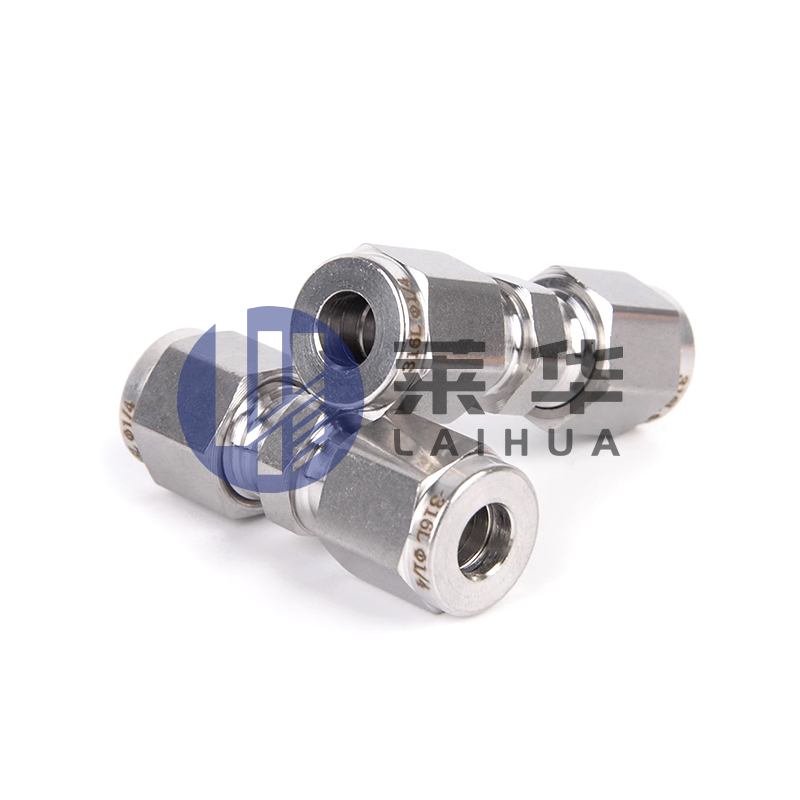
A capillary line fails at its connections far more often than in the tube body. Compression-type ferrule joints dominate because they grip and seal by deforming the ferrule onto the tube, which means the result depends on tube tolerance, ferrule hardness matching, and the quality of the conical seat inside the fitting body. An eccentric or rough cone produces a sealing line that is not a line but a leak path, which is why precision machining of the seat and concentricity checks belong in any serious supplier's process. Make-up procedure matters too: hand-tight plus a defined number of turns, never a guess with a wrench.
stainless steel ferrule joints for capillary and control lines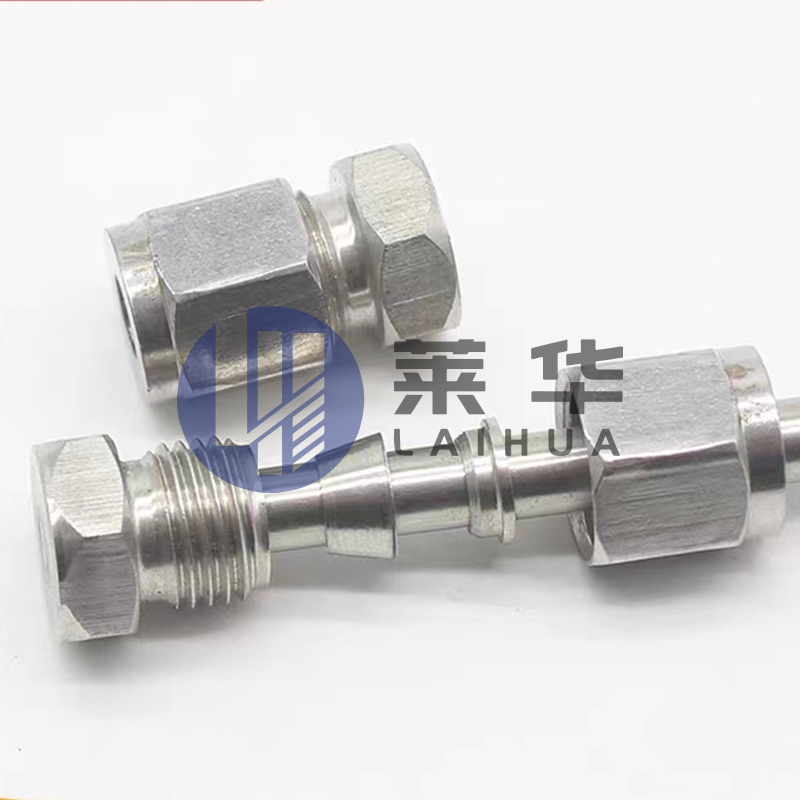 Stainless Steel Ferrule Joint for Capillary TubingA three-part fitting — body, ferrule, and nut — that seals by biting the ferrule into the tube against a machined conical seat. Since capillary lines most often leak at connections, joint precision and make-up quality are critical here.View Product →
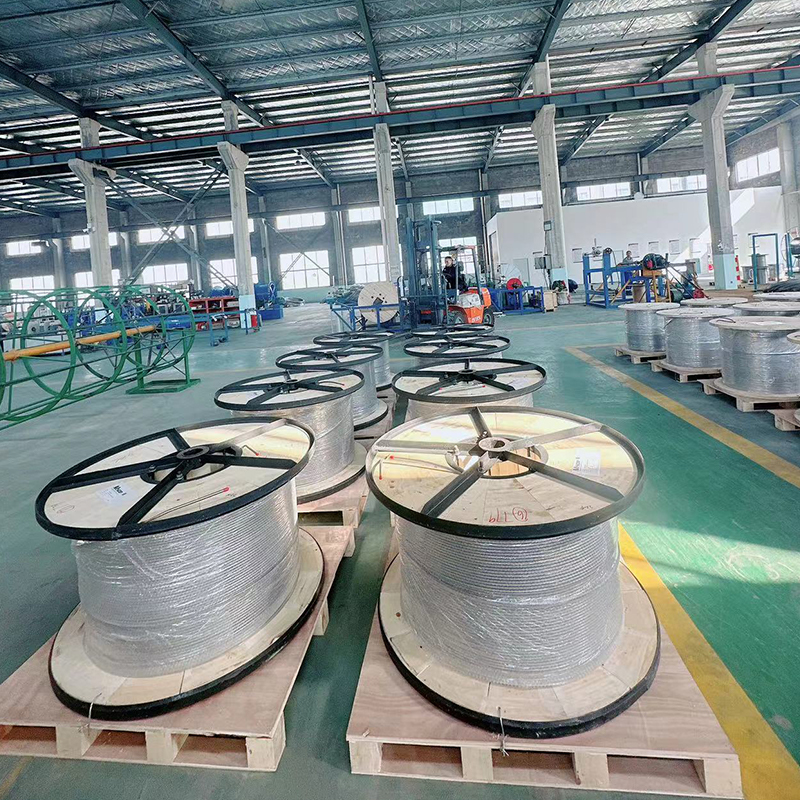
The logic of a capillary tube — small bore, thin wall, continuous length — scales directly into downhole control lines, which are larger members of the same family. A control line running 3,000 meters from surface to a safety valve cannot tolerate mid-string joints, so it is produced as a continuous welded and drawn coil shipped on a single spool, with size, wall, and grade matched to the valve's operating pressure by the same calculation described above.
stainless steel coil and control pipeline for downhole hydraulic lines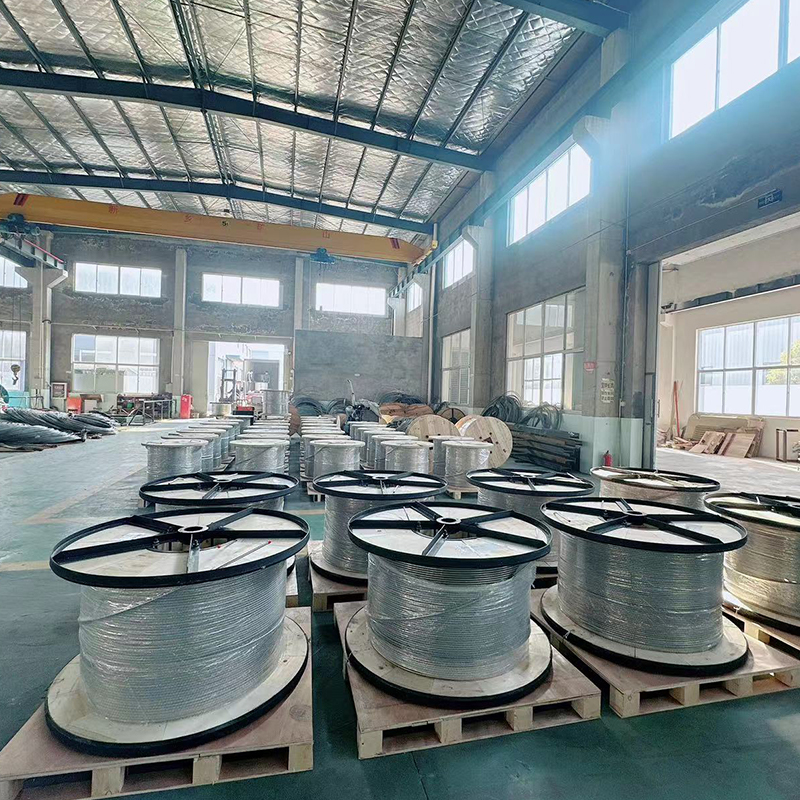 Stainless Steel Hydraulic Control Line (Capillary Pipeline)Produced as a continuous welded and drawn coil on a single spool, this control line carries hydraulic signals from downhole sensors to surface or injects chemicals, and must run thousands of meters without mid-string joints.View Product →
One step up in diameter, continuous coiled tubing brings the same single-run discipline to well intervention, where the tubing itself becomes the workstring pushed into the well rather than fluid carried through it.
stainless steel continuous oil pipe for well intervention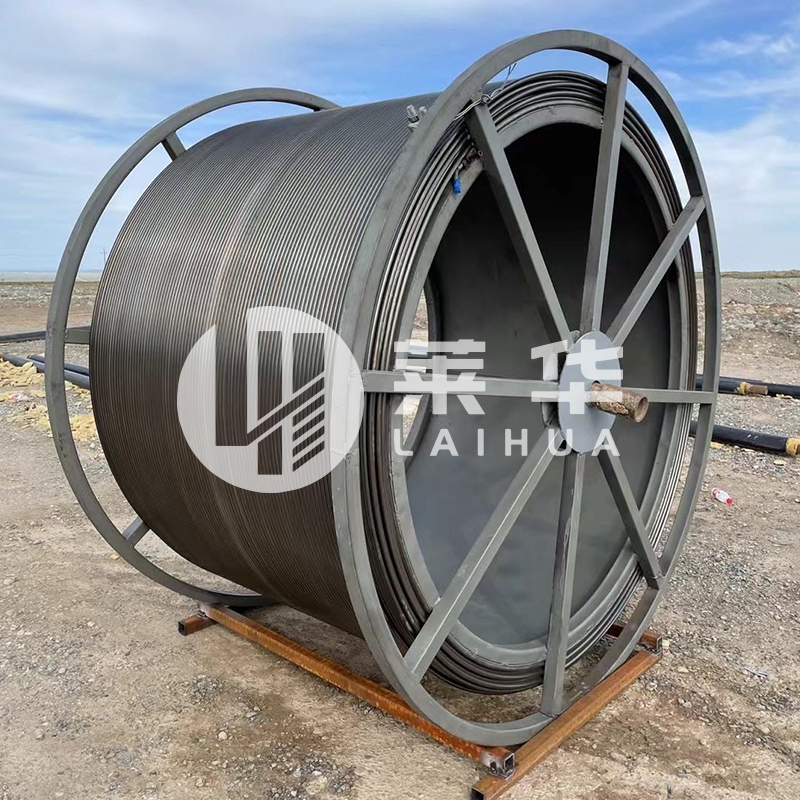 Stainless Steel Continuous Coiled Tubing for Well InterventionOne step up in diameter from control lines, this continuous coiled tubing serves workover, logging, and drilling, with multiple alloy grades and custom sizes available for matching well service conditions.View Product →
A supplier who asks about your application before quoting a price is usually one worth keeping. If you are matching capillary tube to a control line, an injection system, or an instrument loop, describe the service conditions and request grade, size, and testing documentation to match. Contact the factory directly to discuss specifications and obtain a quotation.
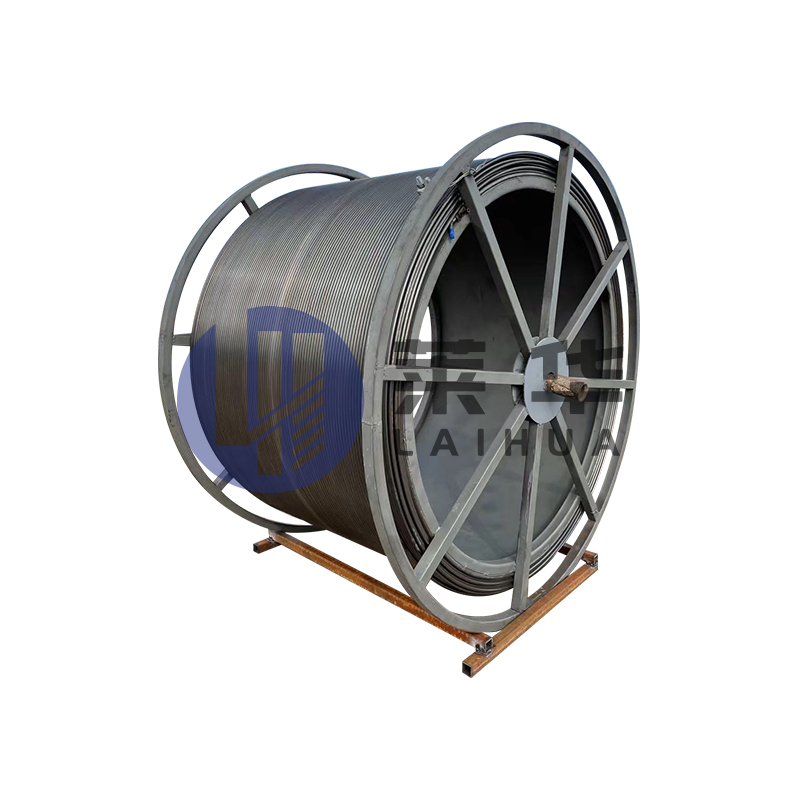
Continuous tubing, also known as flexible tubing or flexible tubing, is widely used in the fields of well workover, logging and drilling, etc. Its pro...
See Details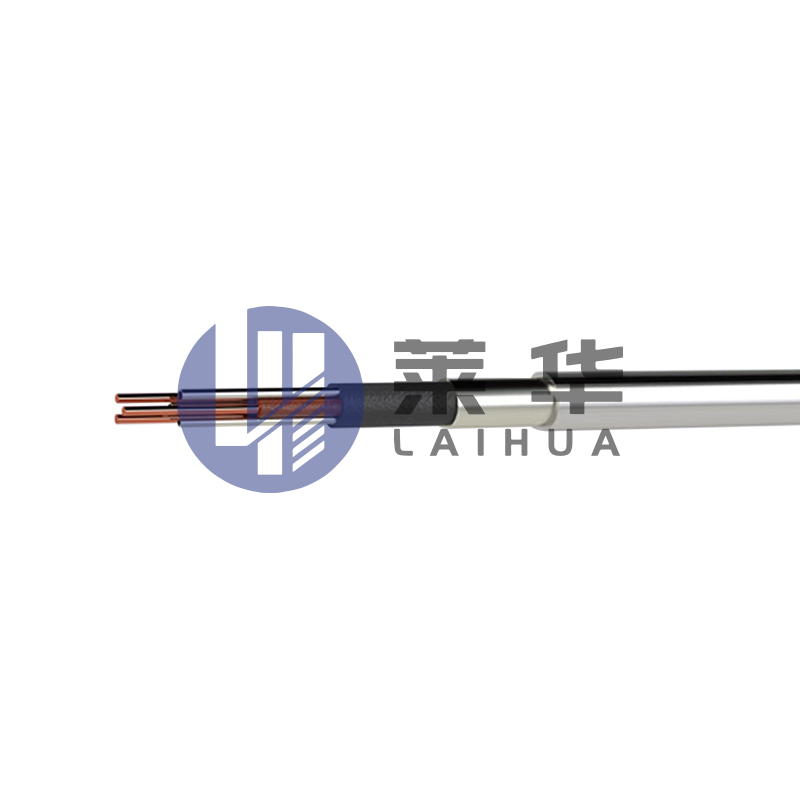
Purpose: The high-temperature testing cable, combined with the high-temperature testing vehicle, is mainly used in multi-parameter testing of heavy oi...
See Details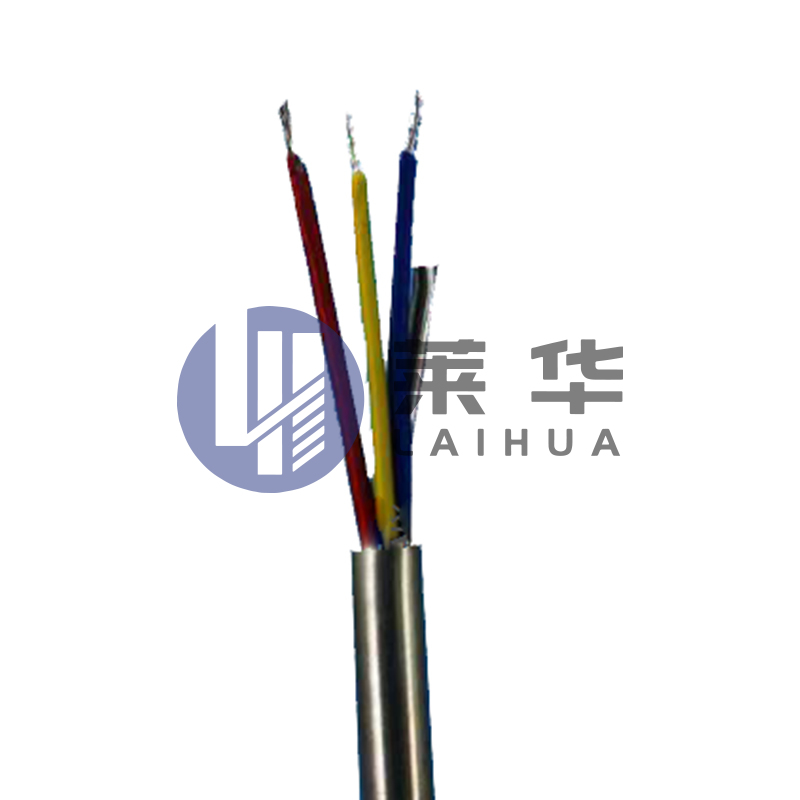
The Stainless Steel Fibre Optic Test Cable is a special test cable that combines the durability of stainless steel with the high transmission efficien...
See Details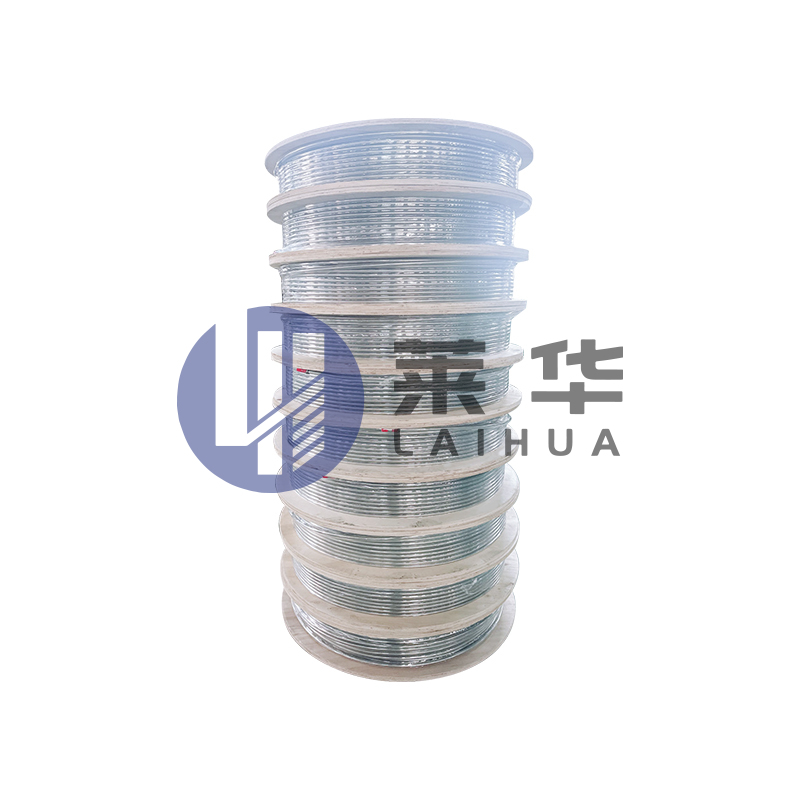
Instructions for the use of hydraulic control pipelines Hydraulic control pipeline, also known as capillary. Mainly used for underground capillary pre...
See Details
Stainless steel clad pipe is a piping system that combines the durability of stainless steel with the protection of plastic. This piping system is usu...
See Details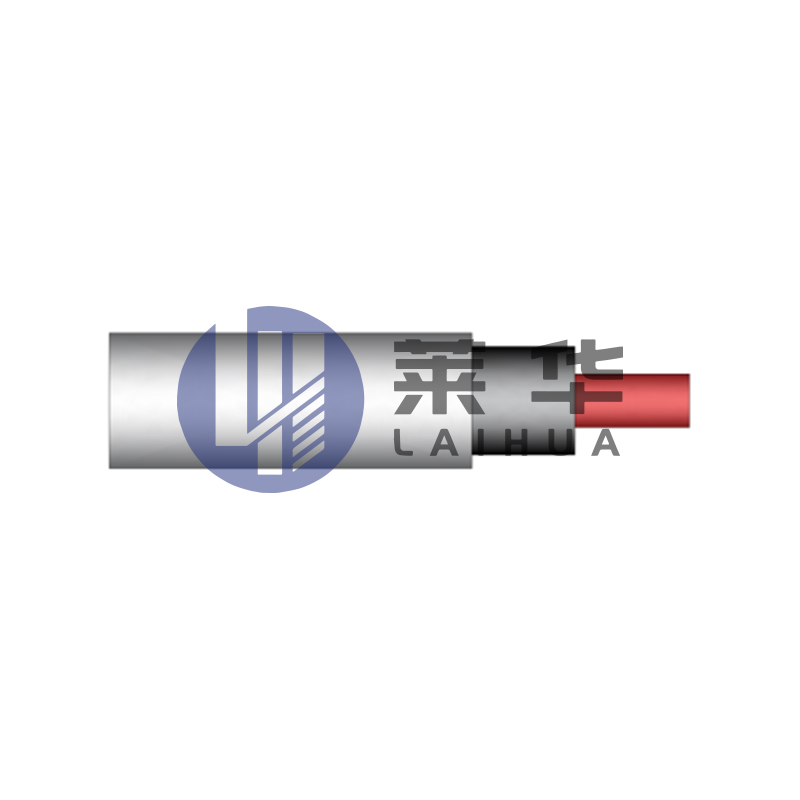
Application field:The electric induction heating system is a complete set of electric heating devices developed by our company specifically for heavy ...
See Details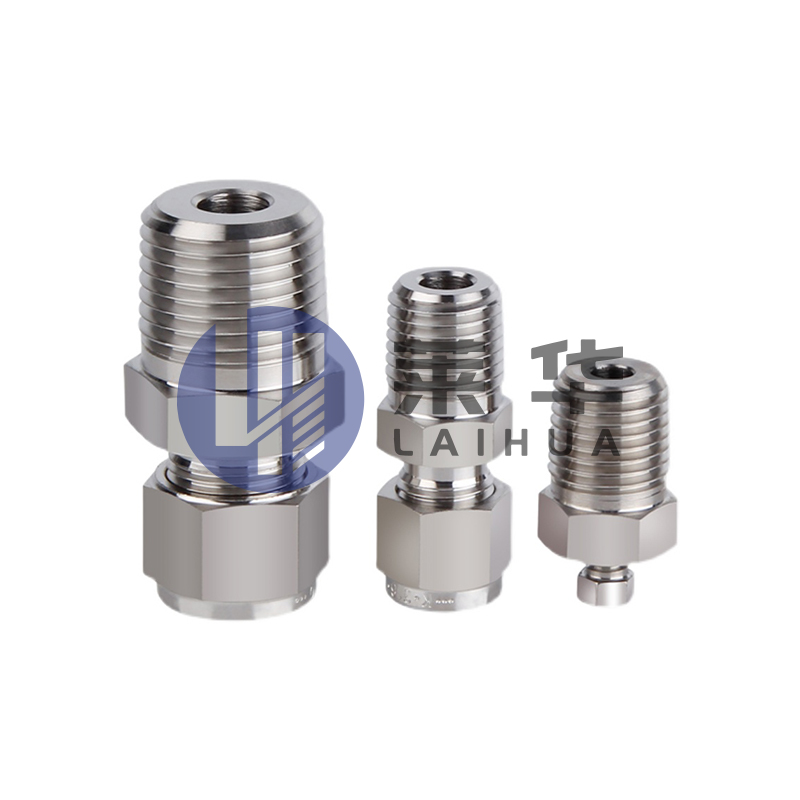
The ferrule type pipe joint consists of three parts: the joint body, ferrule, and nut. When the clamp and nut are inserted into the joint body on the ...
See Details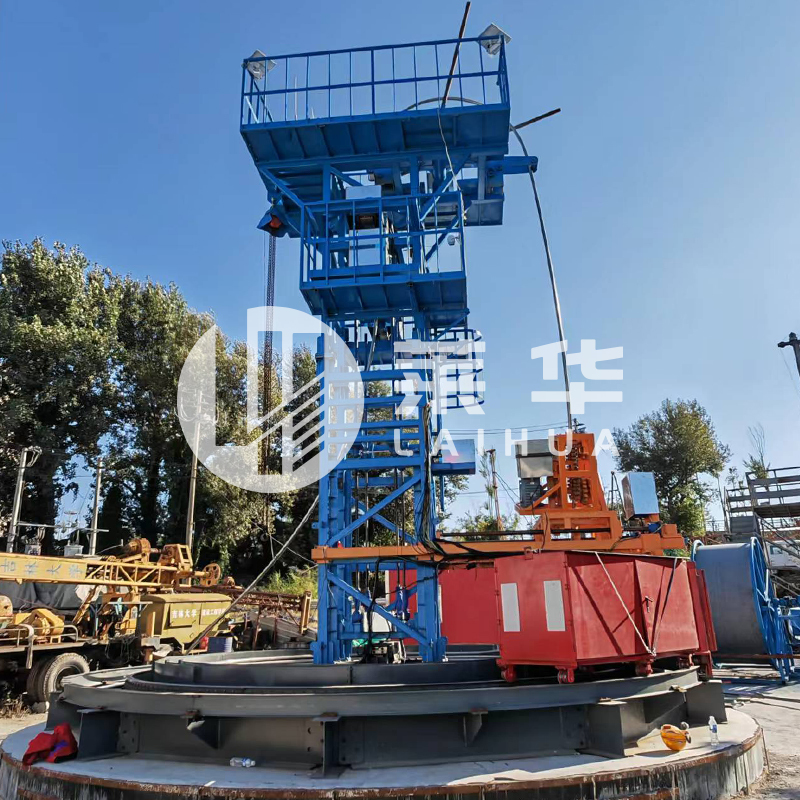
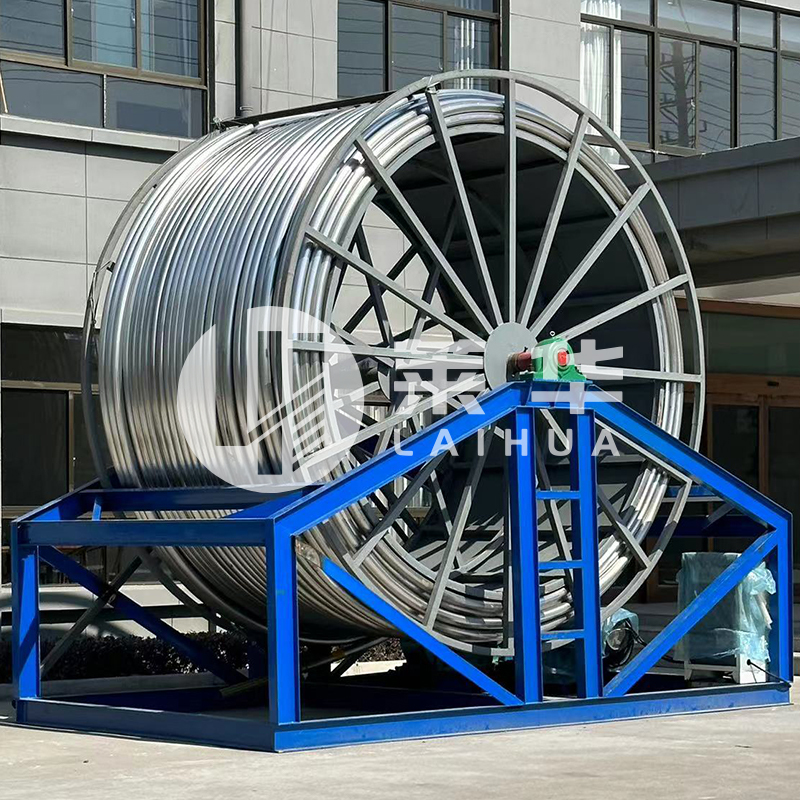
Continuous Tubing Skid Winch is a specially designed equipment for oilfield operations, which combines the design features of the Continuous Tubing Wo...
See Details
E-mail: [email protected]

Phone: +86-15996597000
+86-18252893456

Whatsapp: +86-18252874678

Address: No. 3 Xinyuan Road, Nanmo Town Industrial Park, Hai'an City, Nantong City, Jiangsu Province, China
QR code on
mobile phone



Contact Us