
 英语
英语 西班牙语
西班牙语 阿拉伯语
阿拉伯语Cat:Products
Continuous tubing, also known as flexible tubing or flexible tubing, is widely used in the fields of well workover, logging and drilling, etc. Its pro...
See Details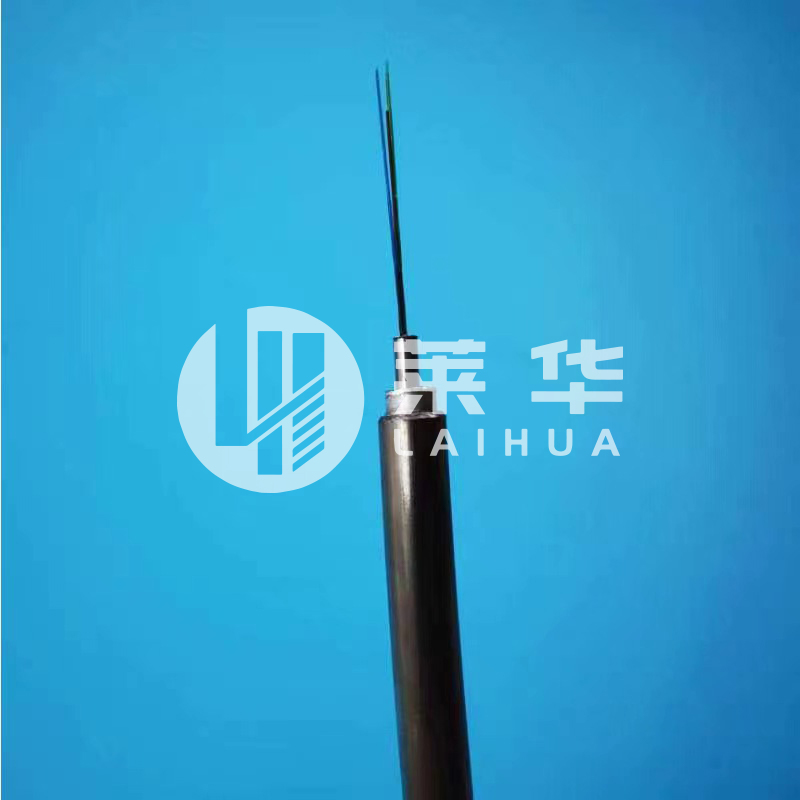
Content
During a recent site acceptance test for a new fiber backbone, the OTDR (optical time-domain reflectometer) kept showing an odd attenuation event at the same location no matter how clean the connectors were. The problem turned out to be the temporary test cable itself: its polymer jacket had been nicked by a cable tray edge, letting moisture into the buffered fiber. Replacing it with a stainless steel fiber optic testing cable produced a clean trace immediately. The lesson was straightforward. When the test path is not fully controlled, the cable you test with deserves the same attention as the instrument you test with.
This article explains what stainless steel fiber optic testing cables are, which specifications matter most, and how to choose one that will not create false readings or fail in a harsh environment.
In a standard fiber optic patch cord, the fiber sits inside a polymer buffer and jacket. In a stainless steel fiber optic testing cable, the fiber is protected by a rugged stainless steel tube, usually made from 304 or 316L stainless steel. The tube can serve as the outer armor itself or be covered by an additional polymer jacket for moisture resistance and electrical insulation.
This construction changes the cable's behavior in ways that matter for testing. Because the fiber is held inside a strong metallic tube, the cable is less likely to be crushed by a boot, a dropped tool, or an improperly adjusted cable tie. It also resists chemicals and saltwater far better than PVC or PE jacketed cables. In environments where temperature fluctuates or where workers handle cables roughly, the steel armor gives a more constant optical path, which means more repeatable OTDR measurements.
That is why these cables are common in oil and gas well monitoring, chemical plant fiber runs, and outdoor telecom network testing. They are also used as permanent sensing cables, but for testing purposes, their main advantage is the ability to survive a job site without changing the optical characteristics of the fiber.
Not every stainless steel fiber optic testing cable is the same. The table below lists the specifications that have the strongest effect on measurement quality and service life.
| Parameter | Typical Range or Option | Why It Matters |
|---|---|---|
| Armor material | 304 or 316L stainless steel | 316L offers higher resistance to chlorides and acidic chemicals, making it the safer choice for marine and chemical plant test paths. |
| Fiber type | Singlemode G.652D; multimode OM3/OM4 for some short runs | Singlemode is preferred for OTDR and long-haul testing; multimode is used only when the application and test source require it. |
| Temperature range | -40°C to +85°C typical; up to +150°C with high-temperature coating | If the test cable is left in sunlight or near hot equipment, the jacket and buffer must not soften or outgas. |
| Minimum bending radius | Usually 10 to 15 times the cable outer diameter | Steel tube can kink permanently if bent too sharply, creating a loss event that is difficult to locate. |
| Tensile load | Often 500 N to 2000 N or more, depending on tube wall thickness | A pulling grip must transmit force to the steel armor, not to the fiber, to avoid attenuation changes. |
| Crush resistance | Significantly higher than polymer-jacket patch cords | Reduces the chance that a point load creates a microbend loss during site testing. |
These parameters determine whether the cable can handle the physical conditions of your test site. A cable that is too flexible may kink easily; one that is too stiff is difficult to route around corners. Matching the cable to the job requires knowing the expected temperature, chemical exposure, pulling tension, and minimum bend radius available.
Stainless steel fiber optic testing cables are rugged, but they are not indestructible. Their metal tube behaves differently from a plastic jacket: a tight loop that might be harmless on a patch cord can permanently deform the steel and increase attenuation. The most common mistake is treating the armored test cable like a normal lead cord and coiling it in small loops around test equipment.
Follow these steps to keep the cable within its mechanical limits:
If a stainless steel armored cable is bent beyond its limit, the damaged section often cannot be repaired in the field; it must be replaced. That makes route planning a critical part of using these cables efficiently.
Selection is not just about picking a metal tube with a fiber inside. The cable has to match your test instrument, your environment, and your handling practices.
Start with the harshest condition the cable will encounter. For a chemical plant, 316L steel is a safer choice than 304. For outdoor use in cold climates, check that the buffer and outer jacket are rated for low-temperature flexibility. For downhole or steam-flood monitoring, you may need a high-temperature fiber coating and a welded tube construction that can withstand well fluids. Reviewing the key performance metrics in extreme environments can help you set realistic acceptance criteria before you request a quote.
The cable user must know whether the fiber is singlemode or multimode and which connector style is required, usually LC, SC, or FC. A stainless steel cable can be terminated with standard connectors, but the termination method must prevent strain from reaching the fiber inside the steel tube. Ask the manufacturer whether the connector is attached to the steel armor or only to the fiber.
Look for manufacturers that perform spectral analysis of raw material, eddy current testing of the steel tube, and tensile or pressure tests on finished samples. A good supplier will provide a material certificate and an optical test report for the assembled cable. For a ready-to-specify option, you can compare construction details on the stainless steel fiber optic testing cable product page and order the exact length you need.
Because stainless steel fiber optic testing cables are made from welded tube, the quality of the weld and the dimensional control of the tube are as important as the fiber itself. A weak weld can leak well fluid or fail under repeated bending. A tube that is not round will cause uneven stress on the fiber and unpredictable loss.
A competent manufacturer will run a complete batch through inspection: a spectrometer to confirm alloy composition, eddy current equipment to detect surface defects, a hydraulic test to prove the tube can hold pressure, and a tensile test to document strength. These are not extras; they are the basis for trusting the cable in live testing work. Ask your supplier for written evidence of these checks, not just a general brochure.
If you need a custom length, a special fiber coating, or 316L material for a specific site, contact the manufacturer directly with those requirements. A supplier with in-house production and inspection will be able to give you a clear answer about lead times and test documentation.
Many test procedures specify the launch cable length and the connector type, but they rarely mention whether the cable has a polymer or stainless steel jacket. On a controlled bench, the difference is invisible. On a real site, the difference appears as unexplained loss, moisture damage, or a kinked cable that has to be thrown away. If your work regularly brings a test cable out of a clean room, a stainless steel fiber optic testing cable is not an expensive accessory; it is a repeatability tool.
Base the selection on the environment, verify the specifications with the manufacturer, and follow proper handling rules. If you do that, the test cable will give you clean data for years instead of a false trace on the afternoon you need it most.
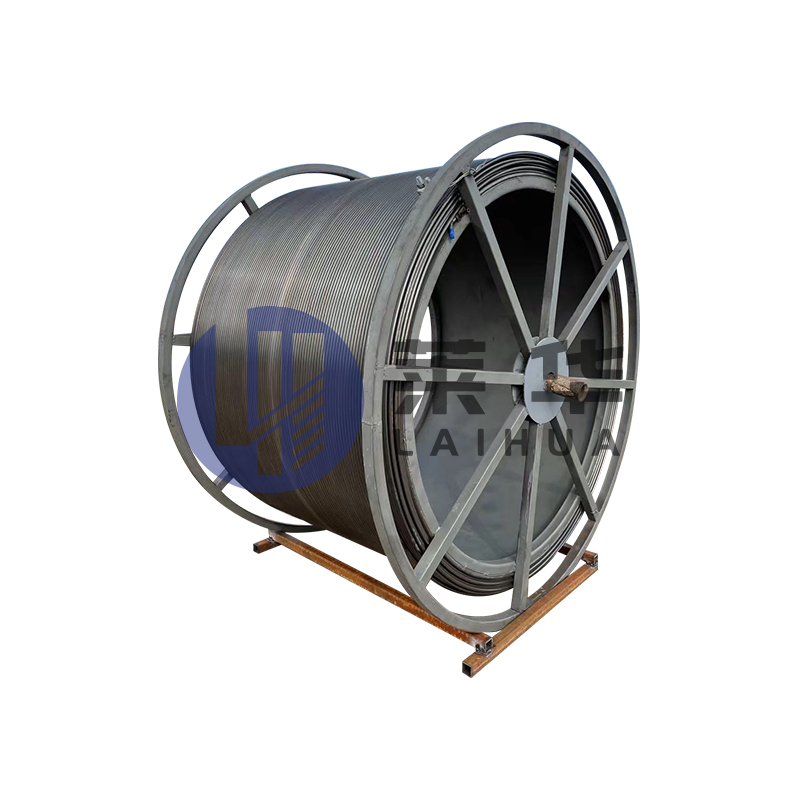
Continuous tubing, also known as flexible tubing or flexible tubing, is widely used in the fields of well workover, logging and drilling, etc. Its pro...
See Details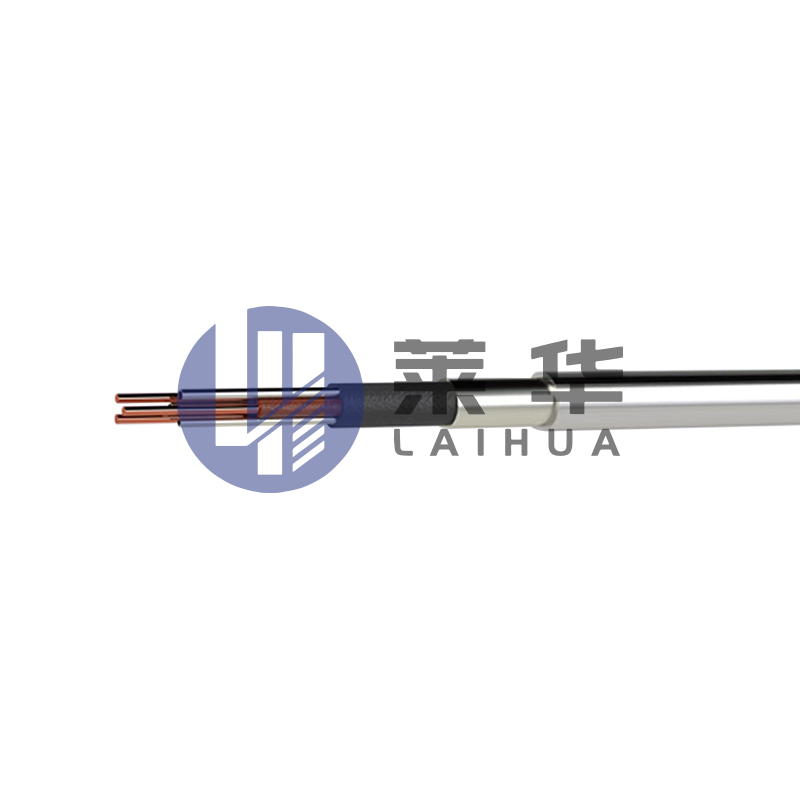
Purpose: The high-temperature testing cable, combined with the high-temperature testing vehicle, is mainly used in multi-parameter testing of heavy oi...
See Details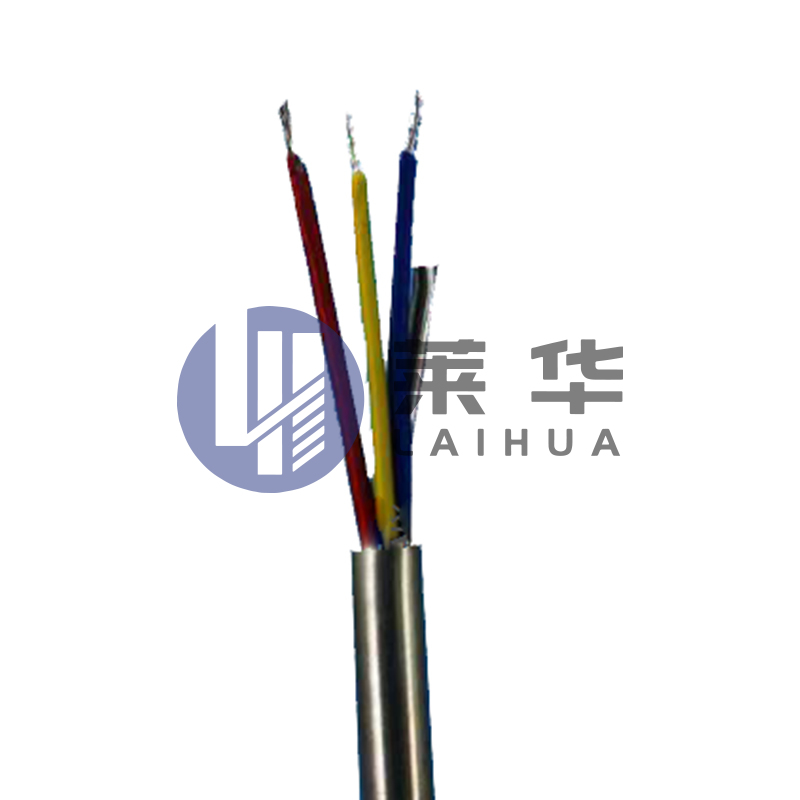
The Stainless Steel Fibre Optic Test Cable is a special test cable that combines the durability of stainless steel with the high transmission efficien...
See Details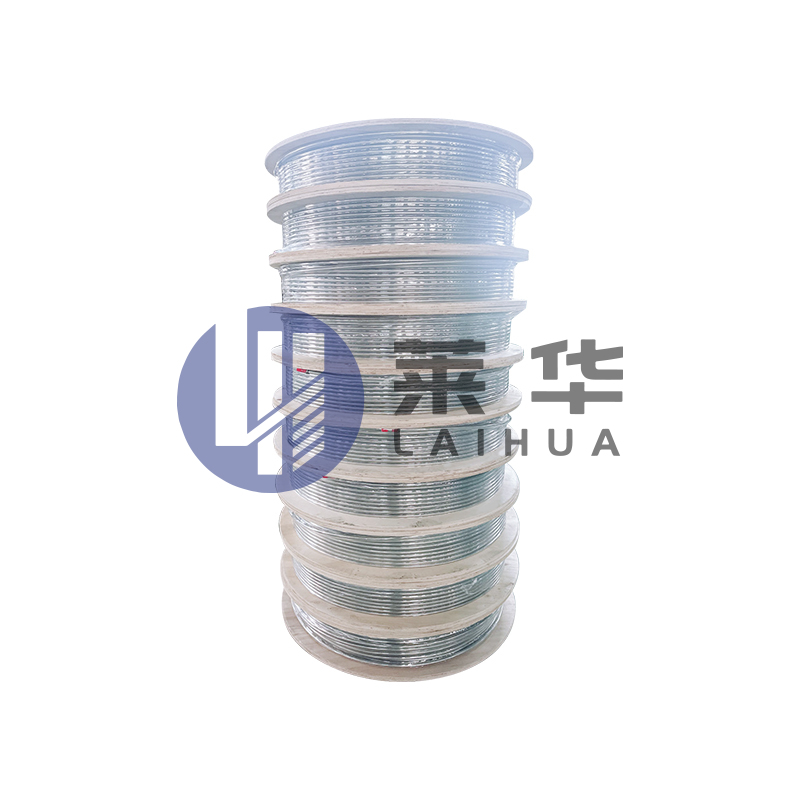
Instructions for the use of hydraulic control pipelines Hydraulic control pipeline, also known as capillary. Mainly used for underground capillary pre...
See Details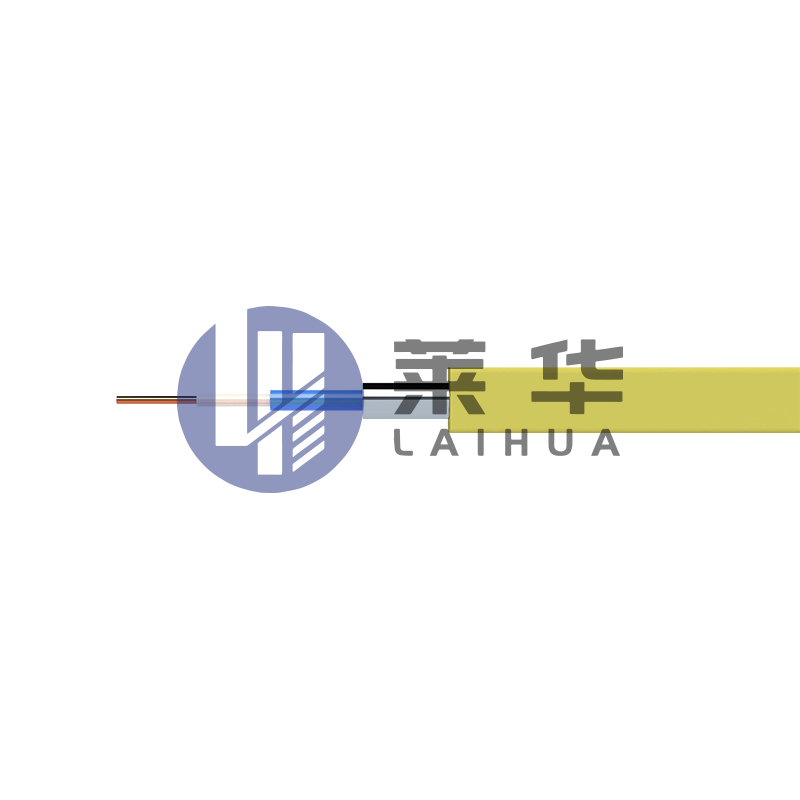
Stainless steel clad pipe is a piping system that combines the durability of stainless steel with the protection of plastic. This piping system is usu...
See Details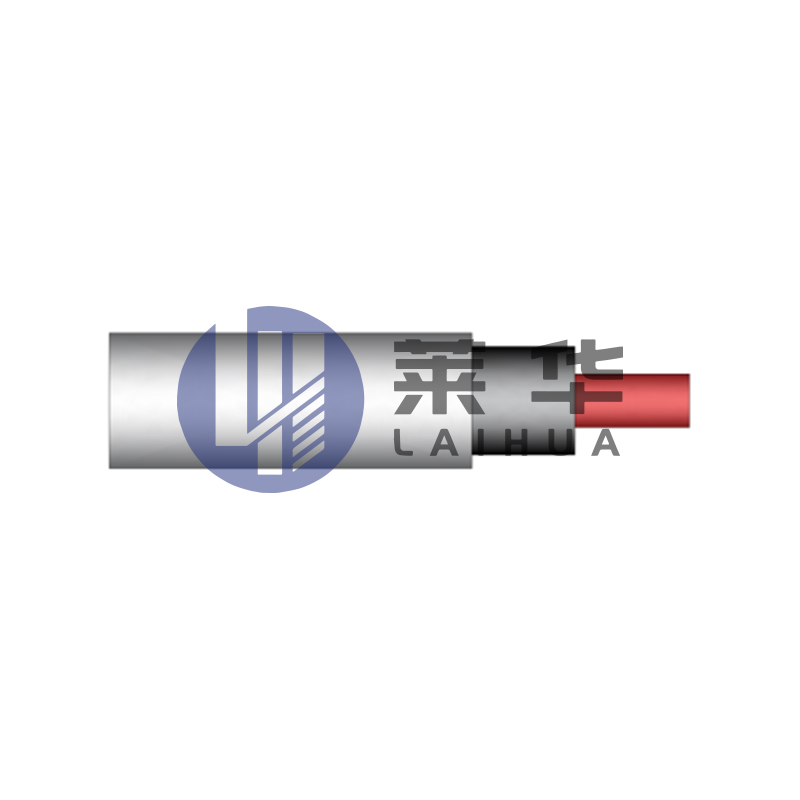
Application field:The electric induction heating system is a complete set of electric heating devices developed by our company specifically for heavy ...
See Details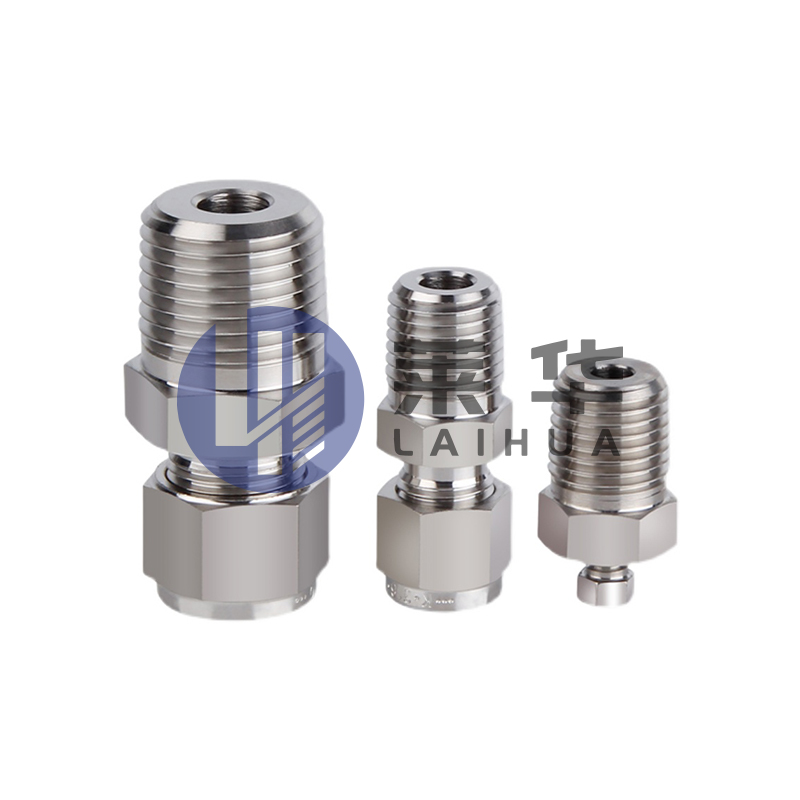
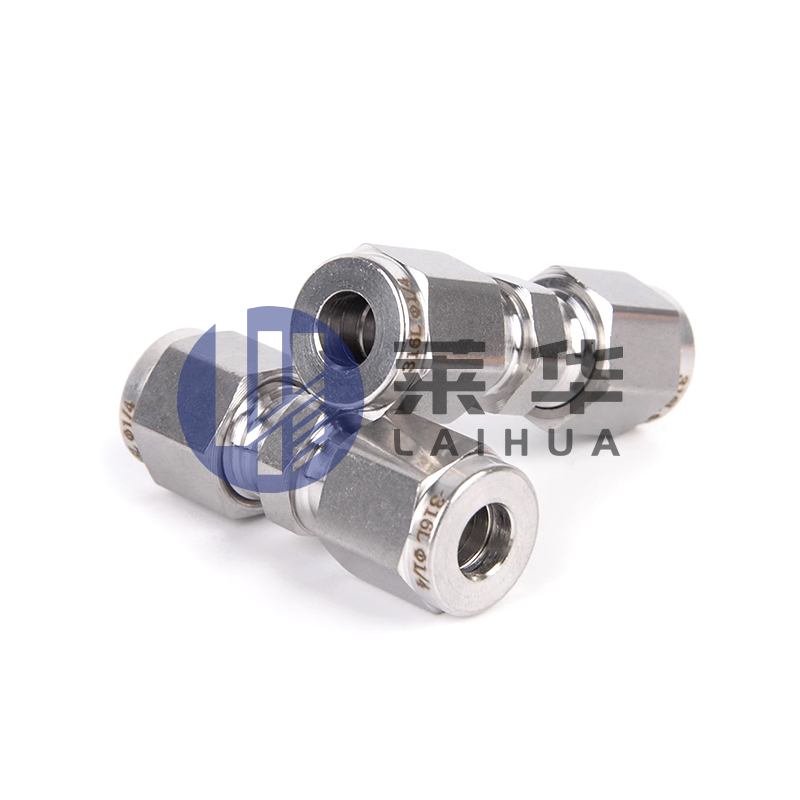
The ferrule type pipe joint consists of three parts: the joint body, ferrule, and nut. When the clamp and nut are inserted into the joint body on the ...
See Details
Continuous Tubing Skid Winch is a specially designed equipment for oilfield operations, which combines the design features of the Continuous Tubing Wo...
See Details
E-mail: [email protected]

Phone: +86-15996597000
+86-18252893456

Whatsapp: +86-18252874678

Address: No. 3 Xinyuan Road, Nanmo Town Industrial Park, Hai'an City, Nantong City, Jiangsu Province, China
QR code on
mobile phone



Contact Us