
 英语
英语 西班牙语
西班牙语 阿拉伯语
阿拉伯语Cat:Products
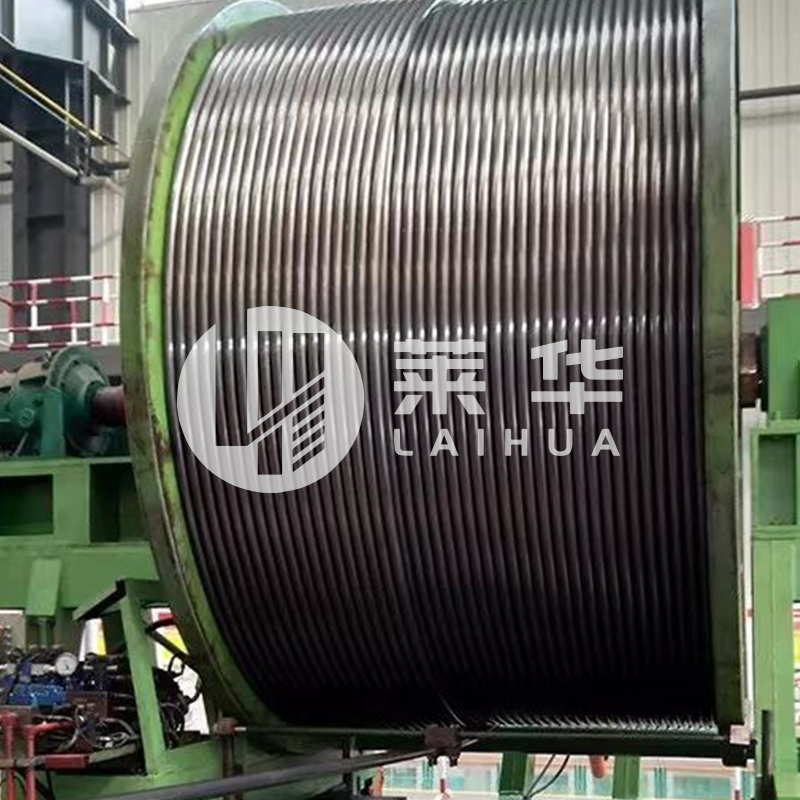
Continuous tubing, also known as flexible tubing or flexible tubing, is widely used in the fields of well workover, logging and drilling, etc. Its pro...
See Details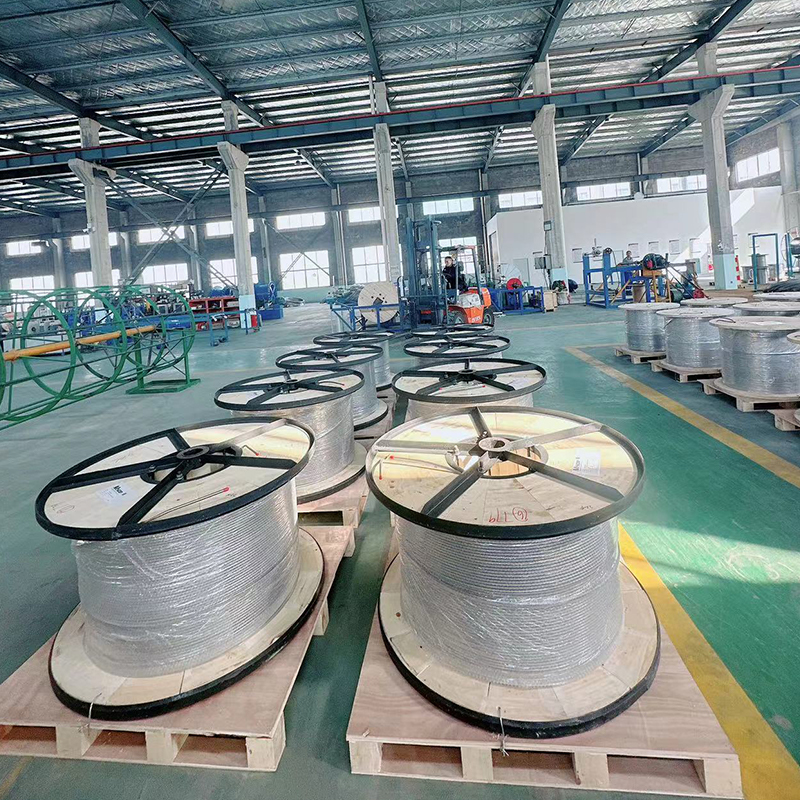
Content
Stainless steel coils are among the most versatile semi-finished forms in modern manufacturing. As a professional manufacturer specializing in stainless steel tubular and coil products, we work with procurement engineers, project managers, and industrial buyers every day who need to match the right coil type to the right application. The answer to "what is a stainless steel coil used for" is rarely simple — it spans dozens of industries and hundreds of specific use cases. This article breaks down the most important ones so you can make a more informed sourcing decision.
A stainless steel coil is a continuous length of stainless steel strip or tube that has been wound into a coil form for ease of handling, storage, and further processing. Coils can be flat-rolled strips (used as feedstock for stamping or forming) or tubular coils (used directly in fluid and gas conveyance systems). The two are fundamentally different products, though they share the same base material and corrosion-resistant properties.
The grade of stainless steel largely determines where a coil can be used. The most common grades and their defining characteristics are summarized below:
| Grade | Key Properties | Typical Applications |
|---|---|---|
| 304 | Good general corrosion resistance, cost-effective | Food processing, kitchen equipment, architectural panels |
| 316 / 316L | Enhanced chloride and acid resistance due to molybdenum | Marine, pharmaceutical, oil & gas downhole systems |
| 2205 (Duplex) | High strength, excellent stress corrosion cracking resistance | Offshore pipelines, chemical processing, desalination |
| Incoloy 825 / 625 | Exceptional high-temperature and acid resistance | Deep oil wells, heat exchangers, flue gas systems |
| 2507 (Super Duplex) | Superior strength and corrosion resistance vs. standard duplex | Subsea umbilicals, aggressive chemical environments |
The oil and gas industry is one of the largest consumers of stainless steel coil tubing, and the performance requirements here are unmatched by almost any other sector. Coiled tubing in this context refers to continuous tubular products that can be deployed into wells without the need for threaded joints — a significant operational advantage that reduces connection failure risks and speeds up downhole operations.
In workover, well logging, and drilling operations, continuous coiled tubing is fed into the wellbore from a large reel, eliminating the need to make and break pipe connections. This approach can reduce rig time by 30–50% compared to conventional jointed pipe in certain well intervention scenarios. Typical specifications for downhole coiled tubing include outer diameters from 6 mm to 89 mm, wall thicknesses from 1 mm to 5 mm, and pressure ratings up to 120 MPa — dimensions that must be held to tight tolerances across lengths of 1,000 m to 6,000 m or more.
Smaller-diameter stainless steel coils, commonly called capillary or control lines, serve a critical function in reservoir monitoring. These lines run alongside production tubing strings into reservoirs several kilometers underground, connecting downhole pressure and temperature gauges to surface readout systems. They are also used to inject corrosion inhibitors, scale dissolvers, and other treatment chemicals directly into the production zone — a process called chemical injection that extends well life and maintains production rates. Our stainless steel coil and control pipeline products are specifically engineered for these high-pressure, ultra-long-length downhole applications.
Stainless steel's combination of thermal conductivity, corrosion resistance, and mechanical strength makes coiled tubing an excellent choice for heat exchanger applications. Coiled tube heat exchangers are compact and efficient, achieving surface areas of 50–200 m² per unit in a much smaller footprint than shell-and-tube designs. They are widely used in:
For high-temperature applications such as flue gas treatment or steam generation, grades like Incoloy 825 are preferred because they maintain structural integrity at temperatures exceeding 500°C where standard 304 or 316 would lose tensile strength rapidly.
Chemical plants handle some of the most aggressive media imaginable — concentrated acids, caustic alkalis, chlorinated solvents, and high-pressure gases. Stainless steel coils are used extensively in this sector for reactor cooling coils, process pipework, and instrument tubing. The key performance criterion is resistance to pitting and crevice corrosion in chloride-rich environments.
Duplex grades 2205 and 2507 are increasingly specified in new chemical plant construction because they offer roughly twice the yield strength of austenitic grades (approximately 450 MPa vs. 210 MPa for 316L), which allows for thinner wall sections and weight savings without sacrificing corrosion resistance. This translates directly into lower material costs on large projects.
Instrument tubing coils are also standard in chemical plants for connecting pressure transmitters, flow meters, and control valves. These small-diameter coiled runs absorb vibration and thermal expansion better than rigid straight runs, which is why they remain the industry default for instrument hookups.
Hygiene is the dominant factor in these sectors, and stainless steel — particularly 304 and 316L — meets the strict regulatory requirements of the FDA, EU food contact regulations (EC 1935/2004), and pharmaceutical cGMP guidelines. Coils appear in several specific roles:
A surface finish of Ra ≤ 0.8 µm (electropolished) is commonly specified for pharmaceutical tubing to minimize protein adhesion and facilitate effective cleaning — this is a specification that requires careful selection of manufacturer, as not all suppliers can hold this tolerance across long coiled lengths.
Flat-rolled stainless steel coil strip is the feedstock for a wide range of construction and architectural products. It is slit, formed, welded, or stamped into:
The life-cycle economics of stainless steel in construction are compelling. Studies from the Euro Inox association have shown that stainless steel structures in aggressive environments can achieve service lives exceeding 100 years with minimal maintenance, compared to painted carbon steel which typically requires recoating every 10–15 years at considerable cost.
Seawater is one of the most corrosive environments stainless steel must contend with. The combination of chloride ions, dissolved oxygen, and biological fouling creates conditions where even standard 316L can suffer pitting corrosion over time. For offshore oil platforms, subsea umbilicals, and desalination plants, super duplex grades like 2507 are now considered the minimum acceptable specification in many engineering standards.
Stainless steel coiled tubing is specifically used in subsea umbilical bundles — multi-function cables that simultaneously carry hydraulic control fluid, electrical power, and chemical injection lines from a surface vessel down to a subsea wellhead. A single umbilical on a deepwater project may run 3,000 m or more in length and contain four to eight individual stainless steel tubes, making the material's combination of flexibility, strength, and corrosion resistance absolutely critical.
In the automotive sector, flat-rolled stainless steel coil is stamped into exhaust system components, catalytic converter housings, and fuel system parts. The grade chosen here is usually a ferritic stainless (409 or 439) rather than austenitic, because ferritic grades have better resistance to cyclic thermal fatigue — a key failure mode in exhaust systems that experience repeated heating and cooling cycles.
In aerospace, precision-formed stainless coil tubing is used in hydraulic systems, fuel lines, and environmental control systems. These applications demand not just corrosion resistance but also certified traceability of material composition and mechanical properties — a procurement requirement that separates qualified aerospace suppliers from the broader industrial market.
After working with clients across the oil and gas, chemical, and industrial sectors, we have found that the most costly specification mistakes come from three areas:
We recommend sharing your operating pressure, temperature, fluid chemistry, and required length with your supplier before finalizing a specification. As a manufacturer with direct production control over raw material selection, tube forming, and quality inspection, we can advise on the most cost-effective grade and dimension for your specific conditions. You can explore our full range of stainless steel coil and pipeline products to find the right solution for your project.
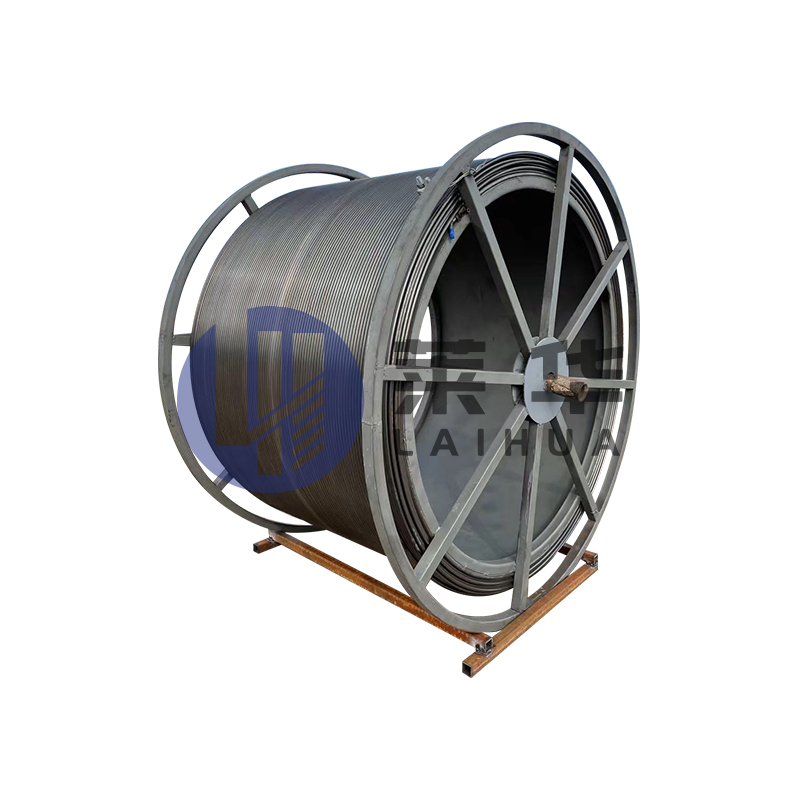
Continuous tubing, also known as flexible tubing or flexible tubing, is widely used in the fields of well workover, logging and drilling, etc. Its pro...
See Details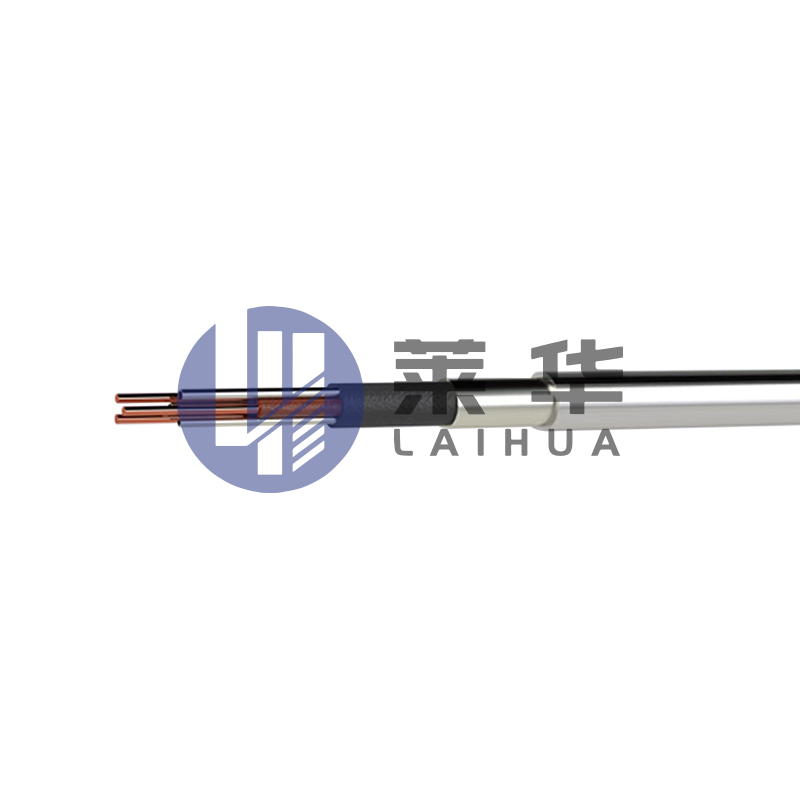
Purpose: The high-temperature testing cable, combined with the high-temperature testing vehicle, is mainly used in multi-parameter testing of heavy oi...
See Details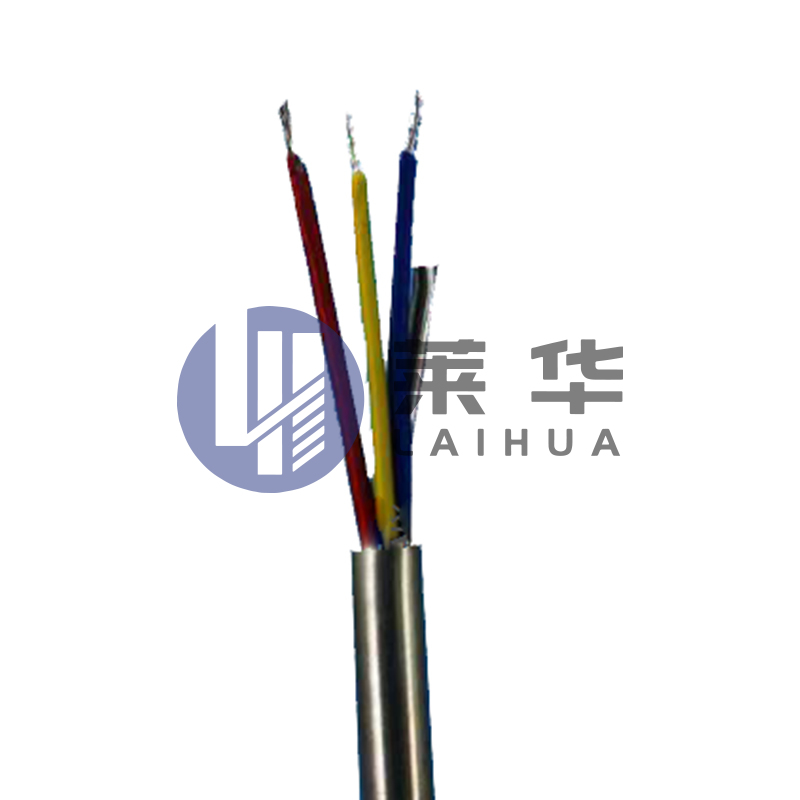
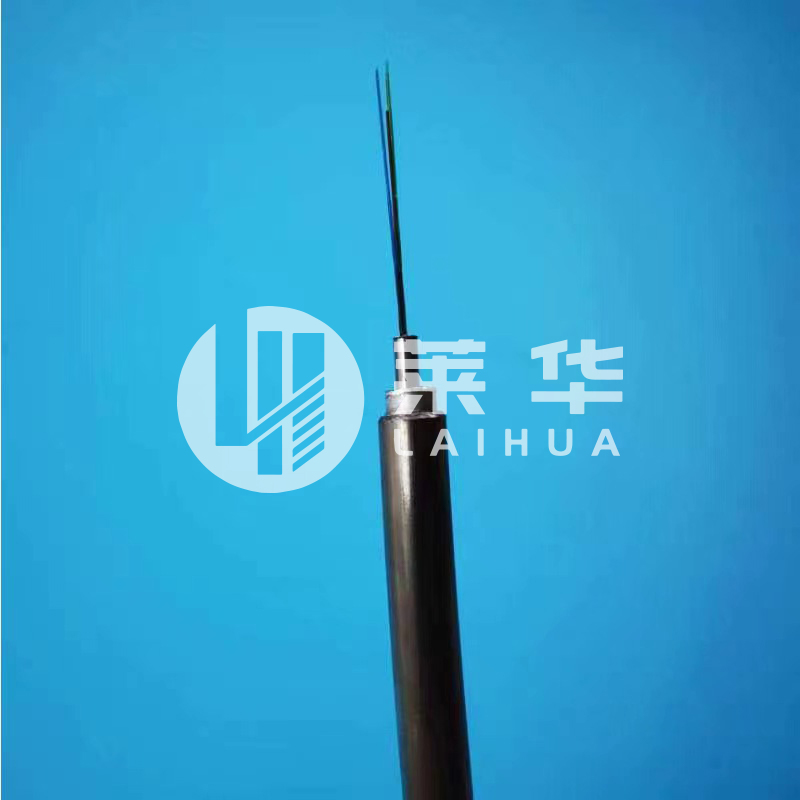
The Stainless Steel Fibre Optic Test Cable is a special test cable that combines the durability of stainless steel with the high transmission efficien...
See Details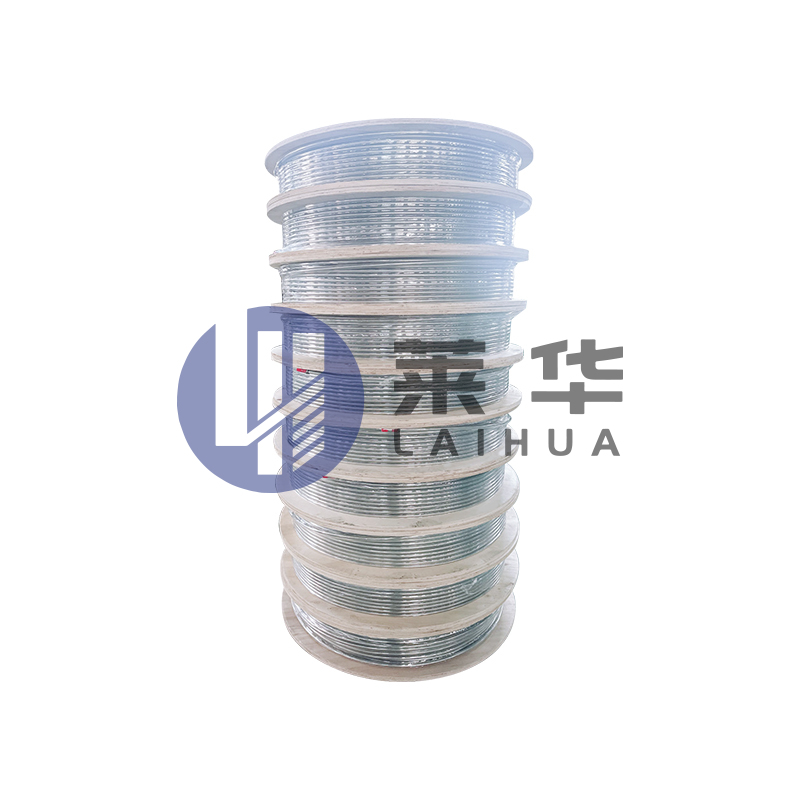
Instructions for the use of hydraulic control pipelines Hydraulic control pipeline, also known as capillary. Mainly used for underground capillary pre...
See Details
Stainless steel clad pipe is a piping system that combines the durability of stainless steel with the protection of plastic. This piping system is usu...
See Details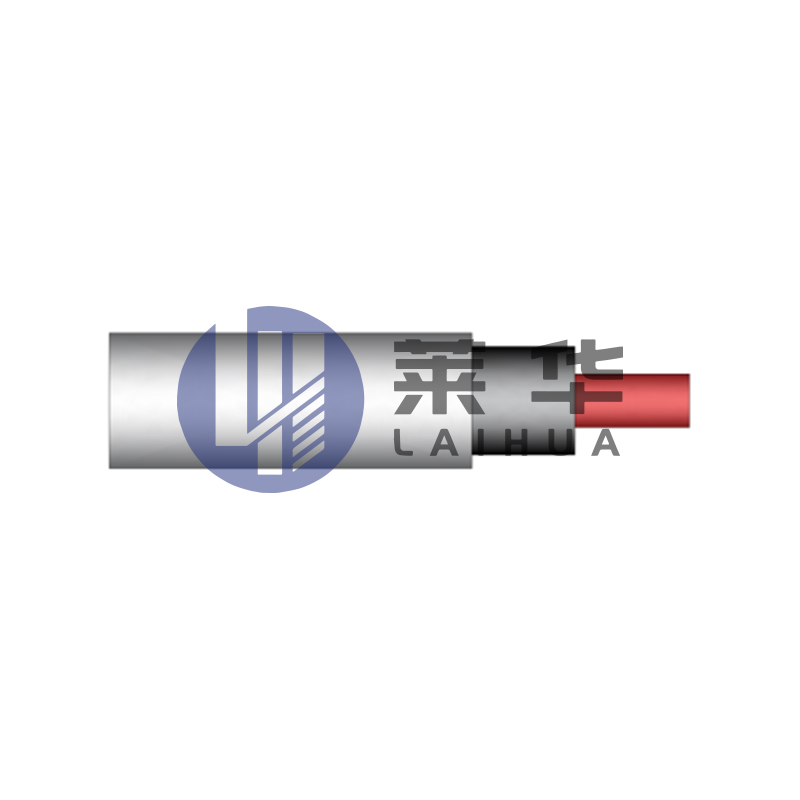
Application field:The electric induction heating system is a complete set of electric heating devices developed by our company specifically for heavy ...
See Details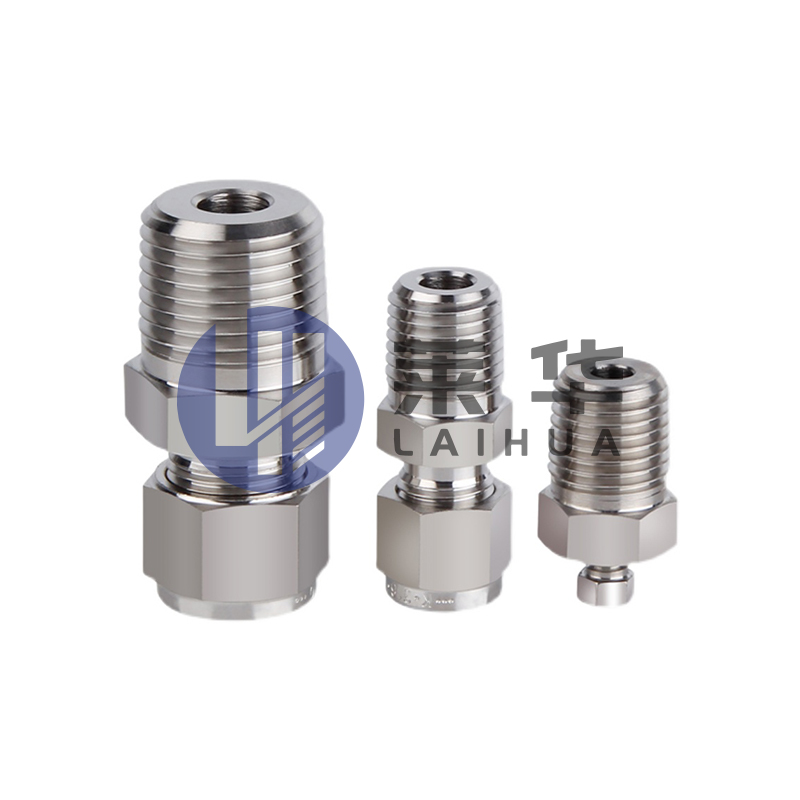
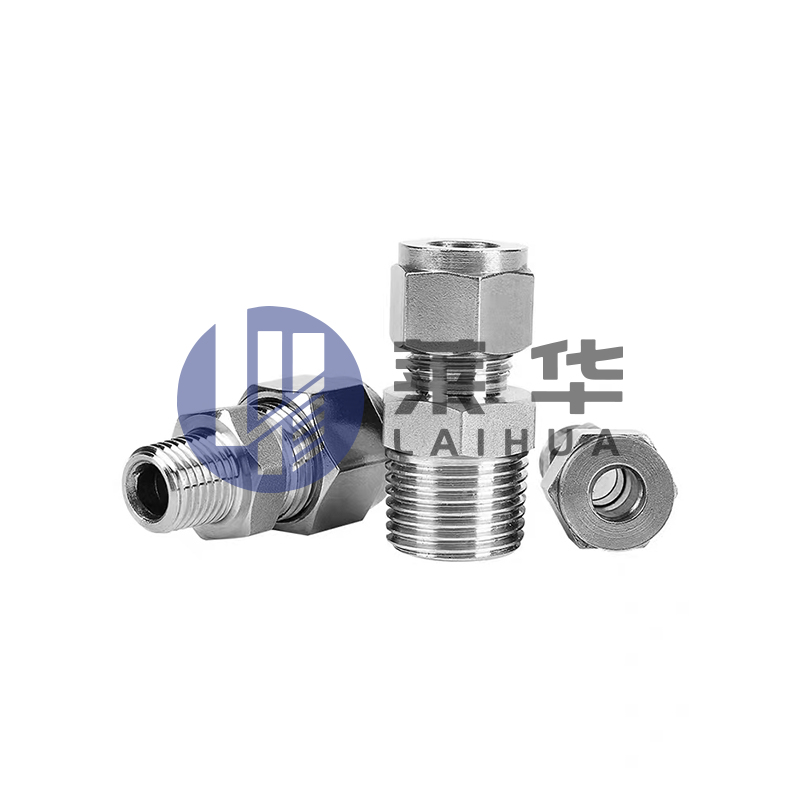
The ferrule type pipe joint consists of three parts: the joint body, ferrule, and nut. When the clamp and nut are inserted into the joint body on the ...
See Details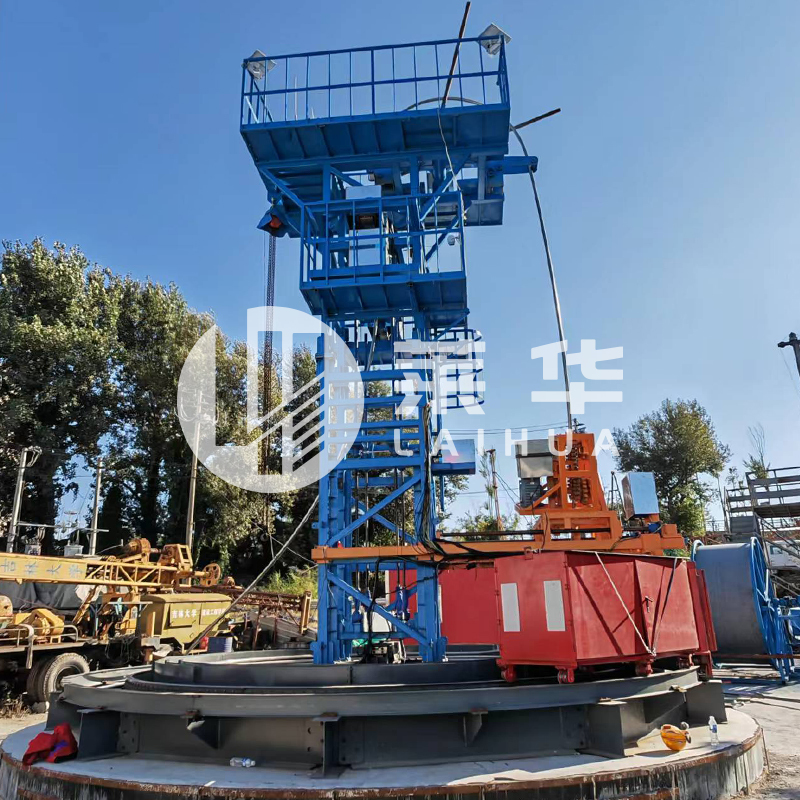
Continuous Tubing Skid Winch is a specially designed equipment for oilfield operations, which combines the design features of the Continuous Tubing Wo...
See Details
E-mail: [email protected]

Phone: +86-15996597000
+86-18252893456

Whatsapp: +86-18252874678

Address: No. 3 Xinyuan Road, Nanmo Town Industrial Park, Hai'an City, Nantong City, Jiangsu Province, China
QR code on
mobile phone



Contact Us