
 英语
英语 西班牙语
西班牙语 阿拉伯语
阿拉伯语Cat:Products
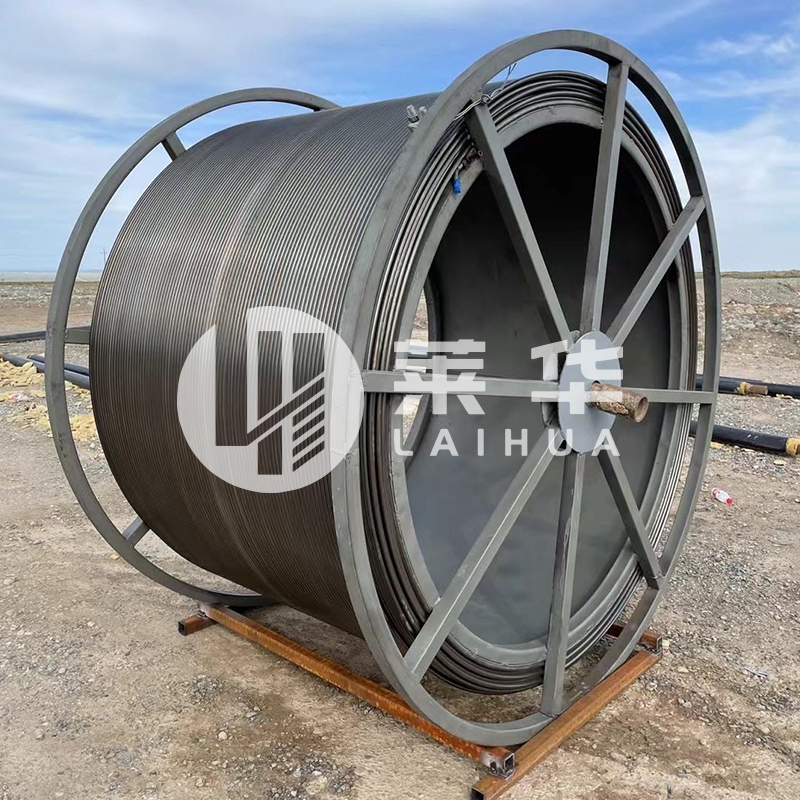
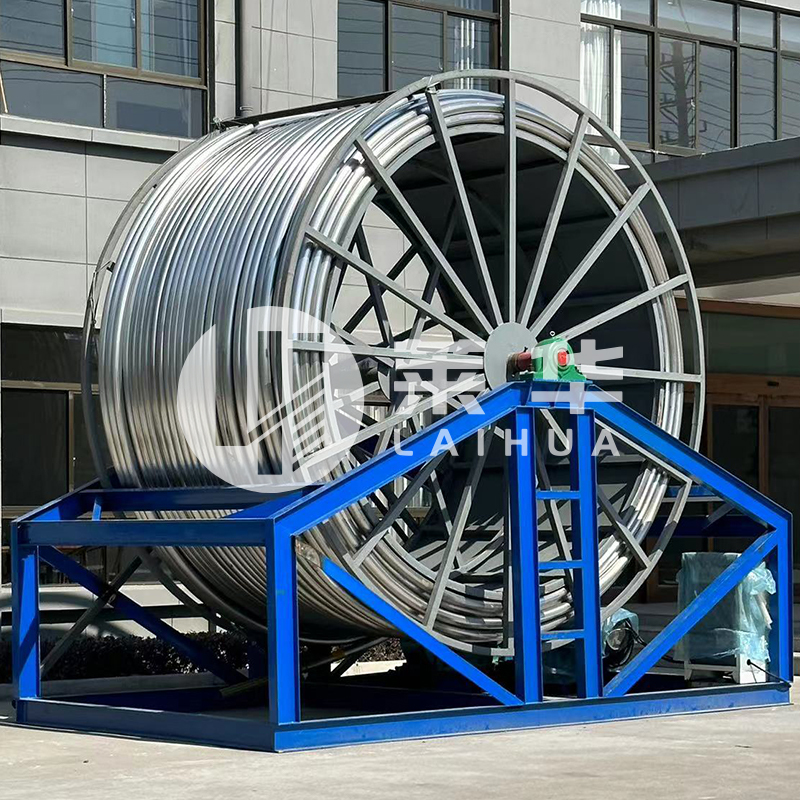
Continuous tubing, also known as flexible tubing or flexible tubing, is widely used in the fields of well workover, logging and drilling, etc. Its pro...
See Details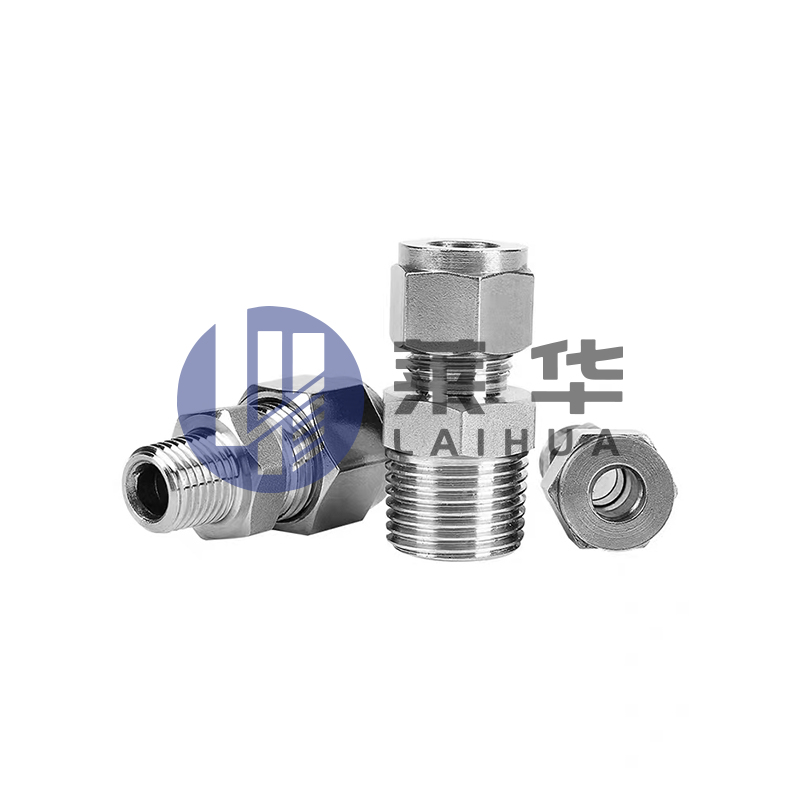
Content
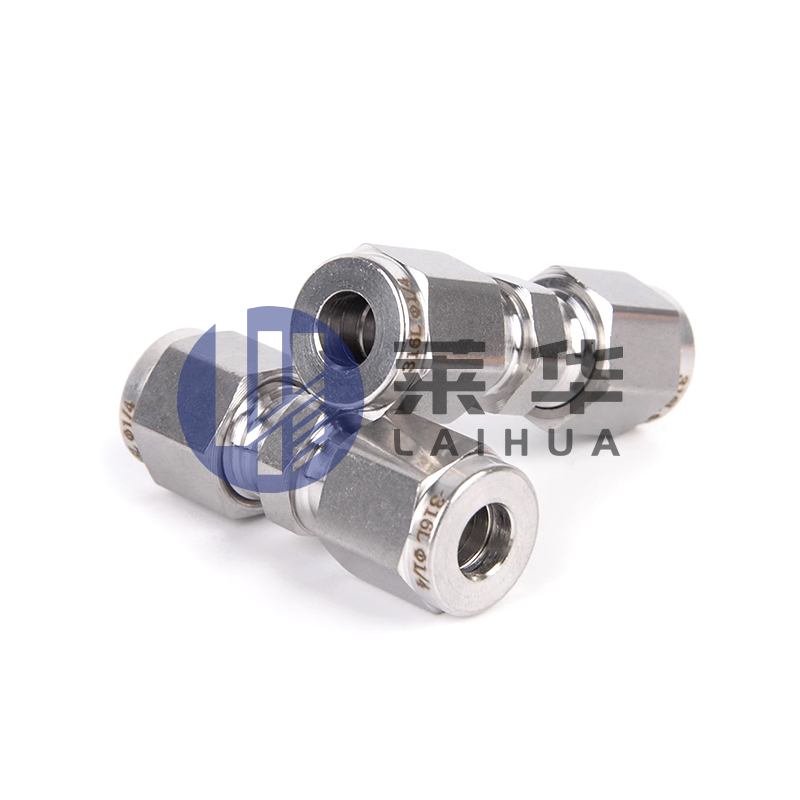
A stainless steel ferrule joint is a compression-style fitting that uses one or two metal rings called ferrules to create a secure, leak-tight seal around a tube or pipe. When the fitting nut is tightened, the ferrule deforms slightly and bites into the tubing surface, forming a mechanical seal that withstands pressure, vibration, and temperature changes without welding or threading.
These joints are widely used in industries such as oil and gas, chemical processing, food and beverage, pharmaceuticals, and hydraulic systems. Their combination of corrosion resistance, strength, and ease of assembly makes them one of the most trusted tube connection methods in demanding environments.
The core mechanism of a ferrule joint relies on controlled deformation. When assembled correctly, the fitting body, ferrule or ferrules, and nut work together in a specific sequence:
Most manufacturers specify tightening the nut 1 and one quarter turns past finger-tight for initial installation, though this can vary by fitting size and manufacturer specification. Over-tightening can damage the ferrule and tube, while under-tightening results in leaks.
Choosing between a single-ferrule and a double-ferrule design depends on the application requirements. Both are available in stainless steel, but they perform differently under various conditions.
| Feature | Single Ferrule | Double Ferrule |
|---|---|---|
| Sealing points | One | Two |
| Vibration resistance | Moderate | High |
| Typical pressure rating | Up to 5,000 psi | Up to 10,000 psi |
| Tube grip strength | Standard | Superior |
| Common applications | Low to medium pressure systems | High pressure and high vibration systems |
| Reassembly | Limited cycles | Better performance over multiple cycles |
For general instrumentation and process lines operating below 3,000 psi with minimal vibration, single-ferrule designs are often sufficient and more cost-effective. Double-ferrule joints are preferred for hydraulic circuits, offshore equipment, and any installation subject to dynamic loads or frequent maintenance cycles.
The choice of stainless steel grade directly affects corrosion resistance, mechanical strength, and suitability for specific media. The most commonly used grades are:
316L is the most widely specified grade for ferrule fittings because of its superior resistance to chloride-induced pitting and crevice corrosion. The low carbon content reduces the risk of sensitization during welding and in high-temperature service. It performs reliably in seawater, acidic media, and chlorine-containing environments.
304 grade is suitable for less aggressive environments where chloride exposure is minimal. It offers good general corrosion resistance and is often used in water treatment, food processing, and HVAC applications. 304L shares the same benefits as 304 but with lower carbon for improved weldability.
For extreme environments such as deep-sea oil and gas or high-concentration acid service, duplex grades like 2205 or super duplex 2507 provide significantly higher strength and corrosion resistance. Super duplex ferrule joints can handle pressures exceeding 15,000 psi in appropriate tube and fitting combinations, making them a critical choice for subsea and wellhead applications.
Ferrule joint performance depends on the combination of tube material, wall thickness, fitting size, and operating temperature. The following table provides general guidance for 316 stainless steel two-ferrule fittings with matching 316SS tubing:
| Tube OD | Wall Thickness | Max Working Pressure |
|---|---|---|
| 1/4 in (6.35 mm) | 0.049 in (1.24 mm) | 5,600 psi (386 bar) |
| 3/8 in (9.53 mm) | 0.065 in (1.65 mm) | 5,000 psi (345 bar) |
| 1/2 in (12.7 mm) | 0.083 in (2.11 mm) | 4,500 psi (310 bar) |
| 3/4 in (19.05 mm) | 0.109 in (2.77 mm) | 3,800 psi (262 bar) |
| 1 in (25.4 mm) | 0.120 in (3.05 mm) | 2,800 psi (193 bar) |
Temperature affects rated pressure. At 400 degrees F (204 degrees C), pressure ratings typically derate by 15 to 20 percent compared to ambient conditions. Always consult the specific fitting manufacturer data sheet when operating near the upper temperature limits of the system.
Proper installation is critical to achieving a reliable seal. Follow these steps carefully for both initial installation and reassembly:
Always pressure test the system with an inert gas or water before exposing the fitting to the actual process fluid. Gradually raise pressure to the test level and check each joint using leak detection fluid. A bubble-free result at 1.5 times the maximum operating pressure confirms a sound installation.
Even experienced technicians encounter fitting failures caused by avoidable errors. The most frequent problems include:
No single ferrule fitting suits every application. Use the following criteria to narrow your selection:
Match the fitting pressure rating to at least 1.5 times the maximum system pressure to maintain a safety margin. For cryogenic service below minus 100 degrees F, confirm that the stainless grade maintains adequate toughness at low temperatures. 316L retains good impact toughness down to minus 320 degrees F (minus 196 degrees C), making it suitable for liquid nitrogen and liquefied gas systems.
Consider not only the process fluid but also cleaning agents and sanitizing solutions used in the system. In pharmaceutical and food-grade applications, the internal surface finish of fittings matters. Electropolished 316L fittings with Ra values below 0.5 micrometers are commonly required to meet hygienic standards and prevent bacterial adhesion.
In pump or compressor discharge lines, vibration fatigue is a leading cause of fitting failure. Opt for double-ferrule designs in these locations and consider adding vibration dampeners or clamps to reduce transmitted stress at the joint.
If the joint will be opened and reconnected regularly for maintenance, choose a fitting that supports multiple reassembly cycles. Double-ferrule stainless steel fittings from reputable manufacturers typically maintain reliable sealing performance across three to five reassembly cycles when the tube is repositioned past the original ferrule mark each time.
Stainless steel ferrule joints require minimal routine maintenance, but periodic inspection ensures long-term reliability:
Replacing a worn or suspect ferrule joint is far less costly than managing an unplanned leak in a pressurized process system. Proactive inspection is always the better investment.
Understanding where ferrule joints stand compared to other tube connection options helps justify the selection decision:
| Connection Type | Pressure Capability | Installation Skill Required | Disassembly | Best For |
|---|---|---|---|---|
| Ferrule (compression) joint | High | Low to moderate | Yes (limited cycles) | Instrumentation, process lines |
| Orbital weld | Very high | High (equipment needed) | No | Pharmaceutical, semiconductor |
| Flared fitting | Medium to high | Moderate (flaring tool needed) | Yes | Hydraulics, refrigeration |
| Push-to-connect fitting | Low to medium | Very low | Yes (many cycles) | Pneumatics, low-pressure utility |
Ferrule joints occupy a practical middle ground: they offer high-pressure capability without specialized tooling or permanent tube modification, making them the preferred choice across a broad range of industries where reliability and field serviceability both matter.
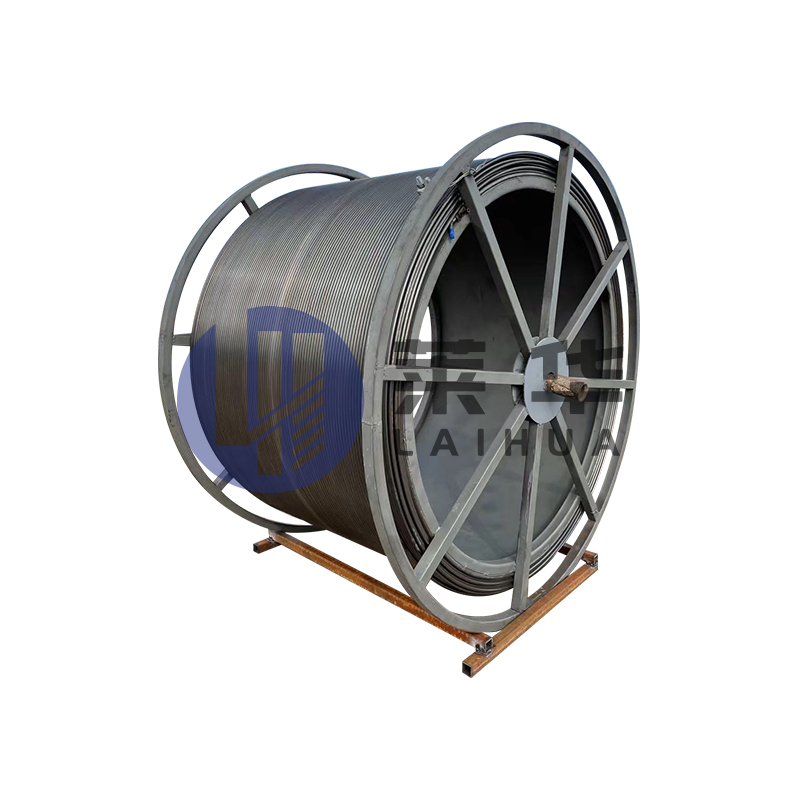
Continuous tubing, also known as flexible tubing or flexible tubing, is widely used in the fields of well workover, logging and drilling, etc. Its pro...
See Details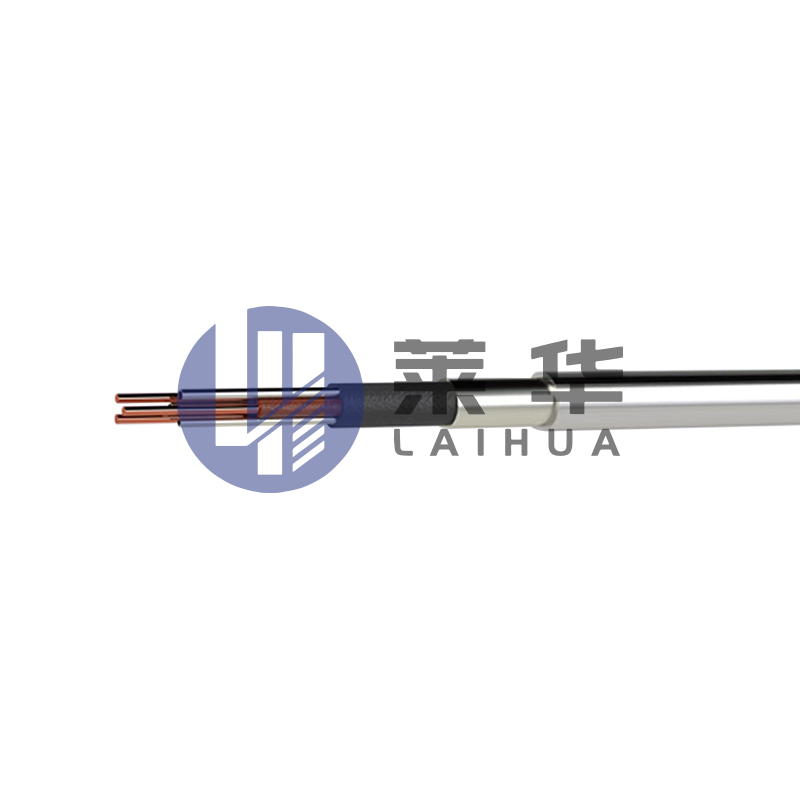
Purpose: The high-temperature testing cable, combined with the high-temperature testing vehicle, is mainly used in multi-parameter testing of heavy oi...
See Details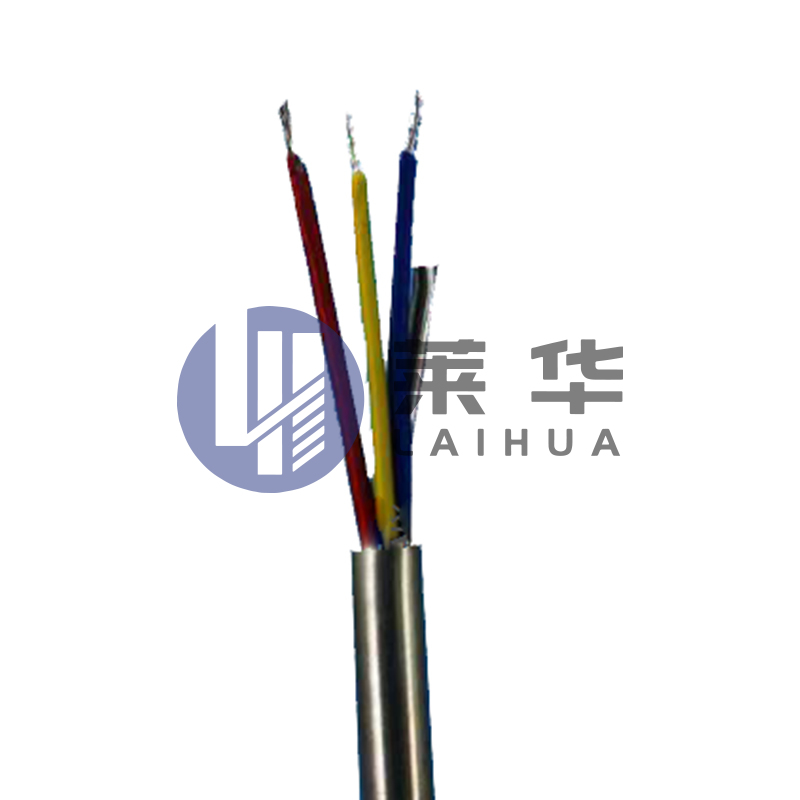
The Stainless Steel Fibre Optic Test Cable is a special test cable that combines the durability of stainless steel with the high transmission efficien...
See Details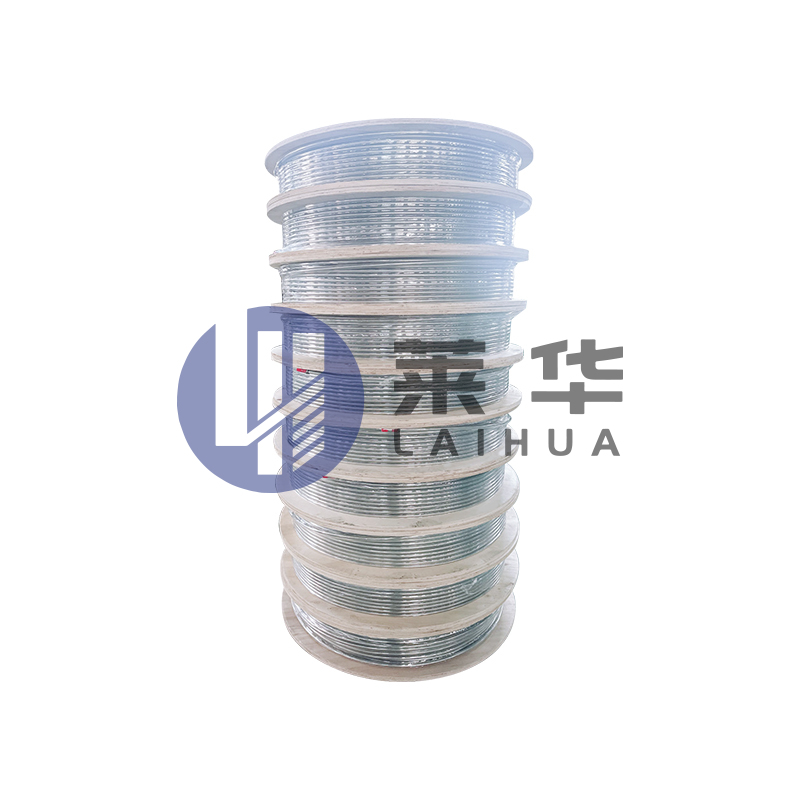
Instructions for the use of hydraulic control pipelines Hydraulic control pipeline, also known as capillary. Mainly used for underground capillary pre...
See Details
Stainless steel clad pipe is a piping system that combines the durability of stainless steel with the protection of plastic. This piping system is usu...
See Details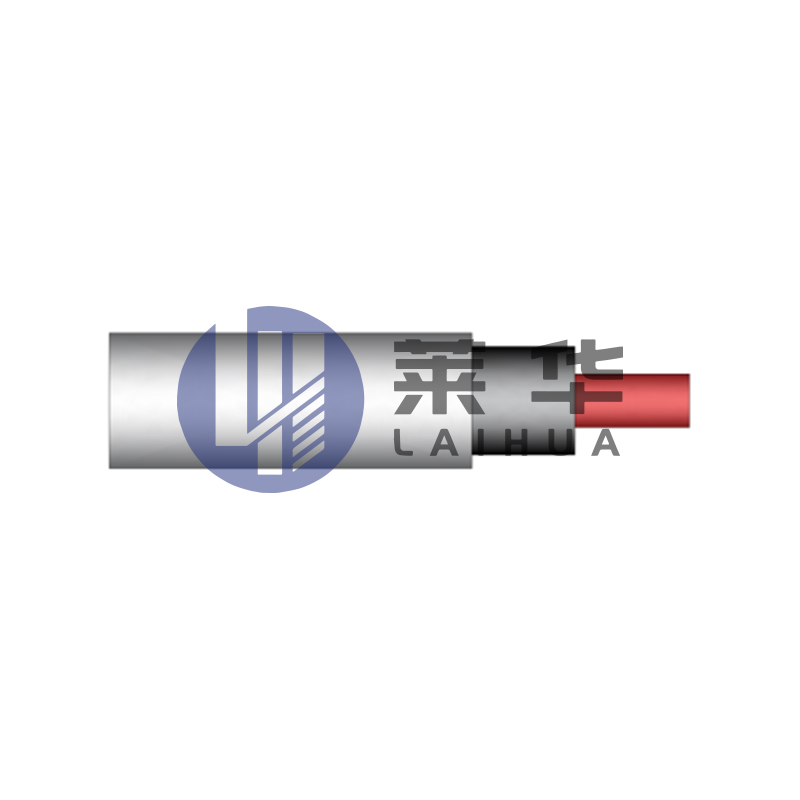
Application field:The electric induction heating system is a complete set of electric heating devices developed by our company specifically for heavy ...
See Details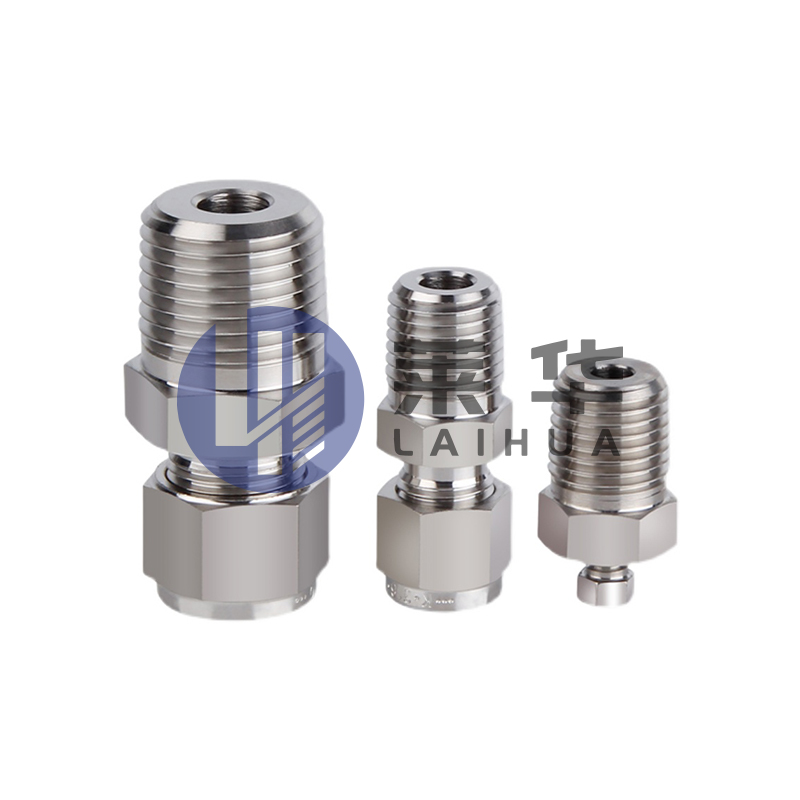
The ferrule type pipe joint consists of three parts: the joint body, ferrule, and nut. When the clamp and nut are inserted into the joint body on the ...
See Details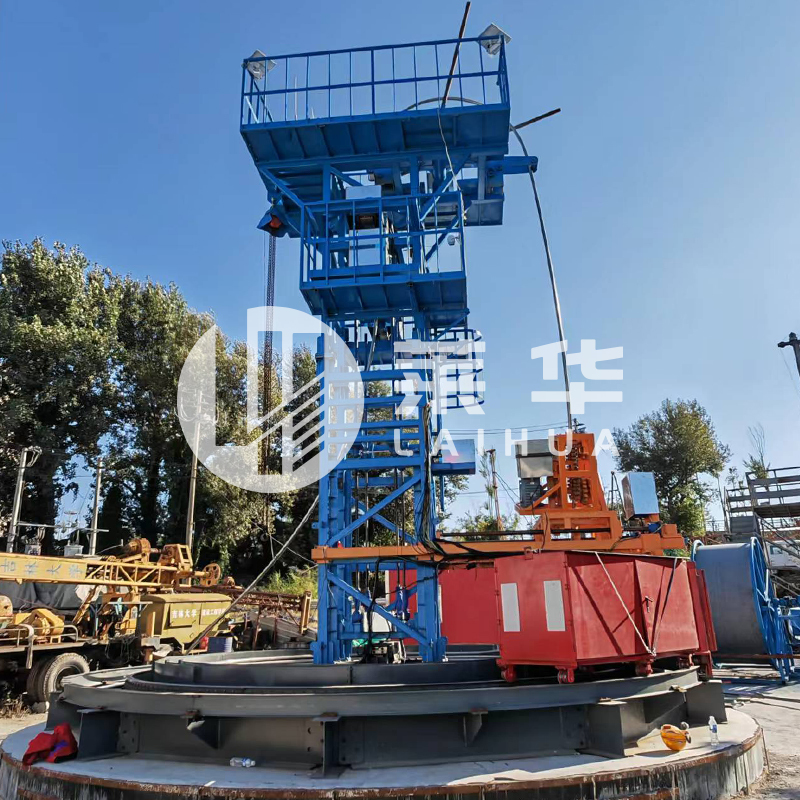
Continuous Tubing Skid Winch is a specially designed equipment for oilfield operations, which combines the design features of the Continuous Tubing Wo...
See Details
E-mail: [email protected]

Phone: +86-15996597000
+86-18252893456

Whatsapp: +86-18252874678

Address: No. 3 Xinyuan Road, Nanmo Town Industrial Park, Hai'an City, Nantong City, Jiangsu Province, China
QR code on
mobile phone



Contact Us